
If you work in aged care and you've been feeling the pressure lately, you're not imagining it. The sector just went through the biggest regulatory shake-up in over two decades, and the organisations that understand what changed are going to pull ahead fast. The ones that don't? They're going to be scrambling when the auditors show up.
Let's break it down.
What Actually Changed with ACQS 2025
On November 1, 2025, the old Aged Care Quality Standards were officially retired. They'd been running since July 2019 and served their purpose, but the Royal Commission into Aged Care Quality and Safety made it pretty clear that they needed a serious upgrade. The new Strengthened Aged Care Quality Standards, known across the sector as ACQS 2025, came in as part of the Aged Care Act 2024.
These strengthened standards are more detailed and measurable than the previous Quality Standards, which is honestly a double-edged sword. More measurable means providers can demonstrate compliance more clearly, but it also means there's less room to hide behind vague language. Auditors now have specific benchmarks to assess against, not just broad aspirational statements.
The new framework has seven standards, and they cover:
- The rights of the older person and how care is shaped around their individual identity
- Governance and the responsibility of the organisation's leadership body
- Tailored, person-centred care and services
- Safe, supportive care environments
- Clinical care standards (this is brand new and clinically rigorous)
- Food, nutrition, and dining
- The home-like quality of residential care environments
Standard 2 recognises that it's the responsibility of the governing body to set strategic priorities and encourage a culture of safety and quality, which is a big deal for boards and executives. Compliance is no longer just the quality manager's problem. It now sits at the top.
The Compliance Burden Is Real, and AI Is Stepping In
Here's the honest reality of what ACQS 2025 looks like on the ground: quality and compliance teams are drowning. They're chasing evidence across multiple systems, manually pulling together reports for audits, reconciling incidents with action plans, and trying to maintain documentation across sites. It's a lot of labour for an already stretched workforce.
Some organisations are now turning to AI-powered compliance software to get ahead of it. Platforms like Willow function as a compliance intelligence layer above existing aged care software, ingesting evidence from operational tools, structuring it against regulatory requirements, using AI to classify and map evidence to the right obligations, and giving organisations a real-time view of compliance across sites, standards, reporting modules, actions and risks.
The shift this enables is significant. Instead of pulling everything together in a panic before an accreditation visit, teams can operate with a live view of where gaps are. Mandatory reporting, SIRS incidents, quality indicators, care minutes assurance, and financial reporting all sitting inside one system connected to the ACQS compliance software framework. That's not just an efficiency play, it's a governance play. Boards can finally see what's actually happening across their organisation rather than relying on a quarterly summary that's already six weeks old.
The AT-HM Scheme: A New Way to Fund Assistive Technology
This is where it gets really interesting for technology suppliers and care providers. Alongside ACQS 2025, the government launched the Assistive Technology and Home Modifications scheme as part of the new Support at Home program. It replaced the old Home Care Packages system from November 1, 2025, and it fundamentally changes how devices like the MedAlert watch get funded.
Funding for assistive technology and home modifications is upfront and separate from a participant's other Support at Home services. That's a meaningful change. Under the old HCP model, clients had to save up their quarterly budgets to afford higher-cost equipment. Now, AT funding sits in its own bucket.
The scheme operates across three tiers:
- Tier 1 covers low-cost, low-risk items up to $500 per year. No professional assessment needed, these are essentially off-the-shelf products.
- Tier 2 goes up to $2,000 per year for more specialised equipment that may affect safety or mobility. A clinical recommendation or supplier quote is typically required.
- Tier 3 covers high-cost or complex assistive technology up to $15,000 per year. This is where formal OT prescription becomes mandatory.
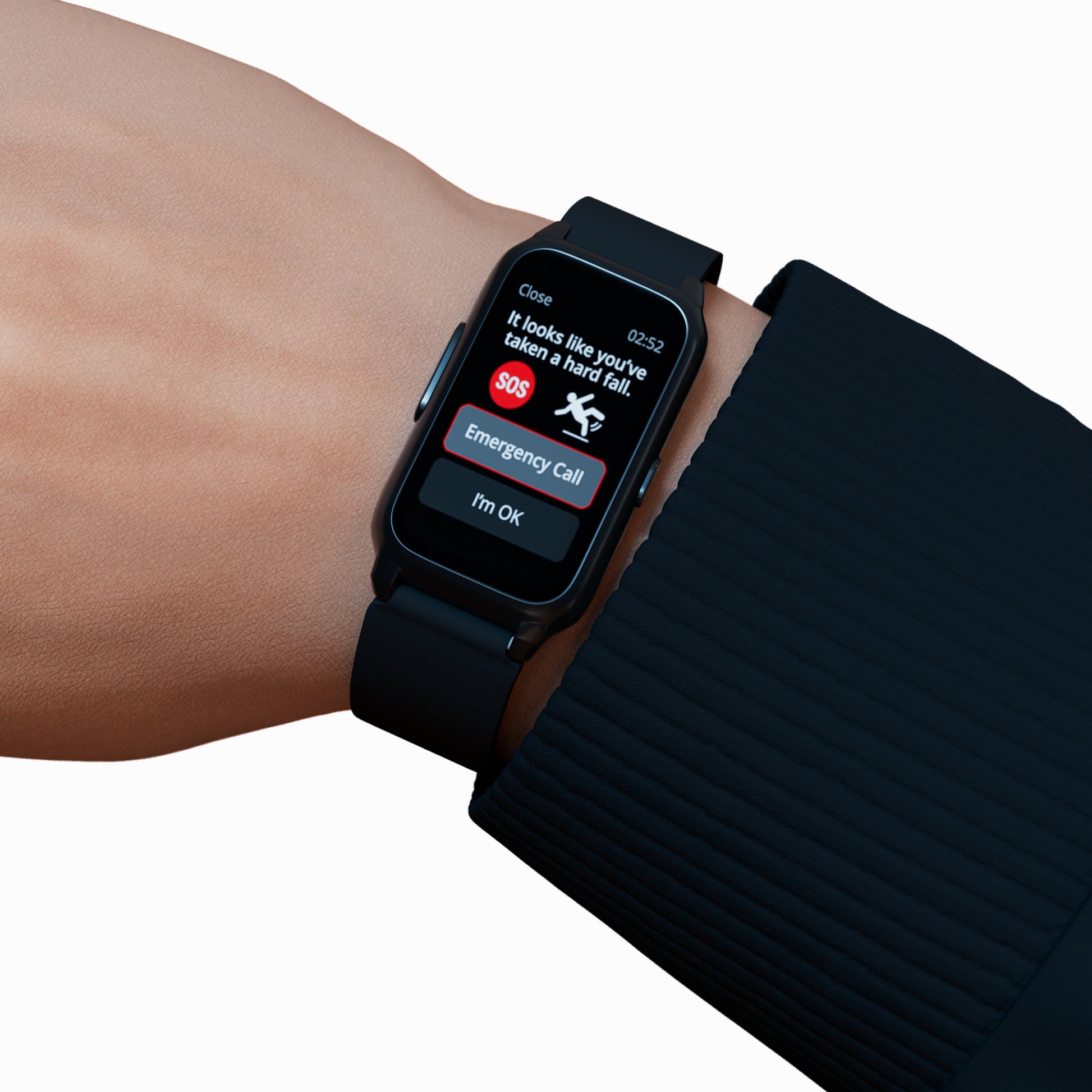
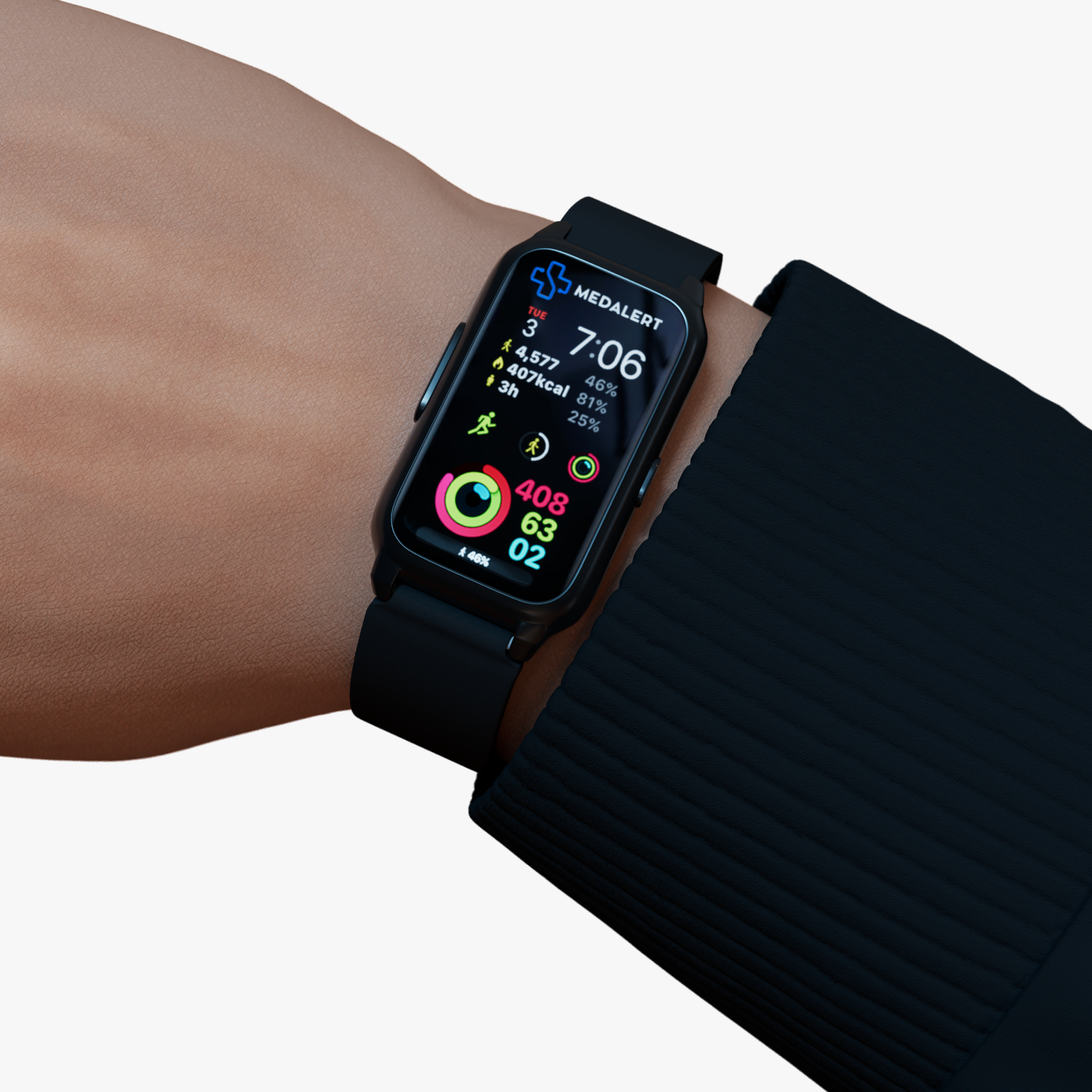
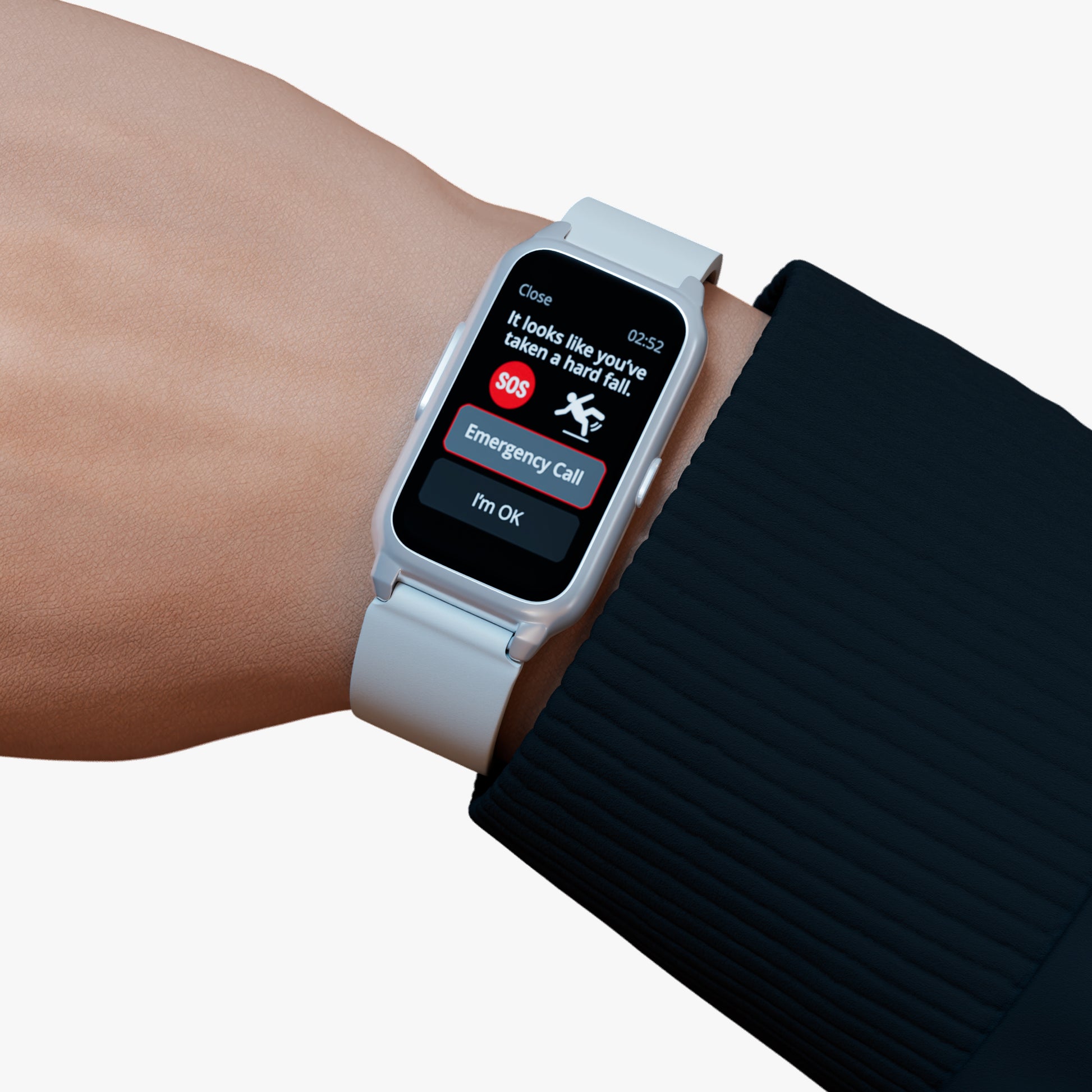
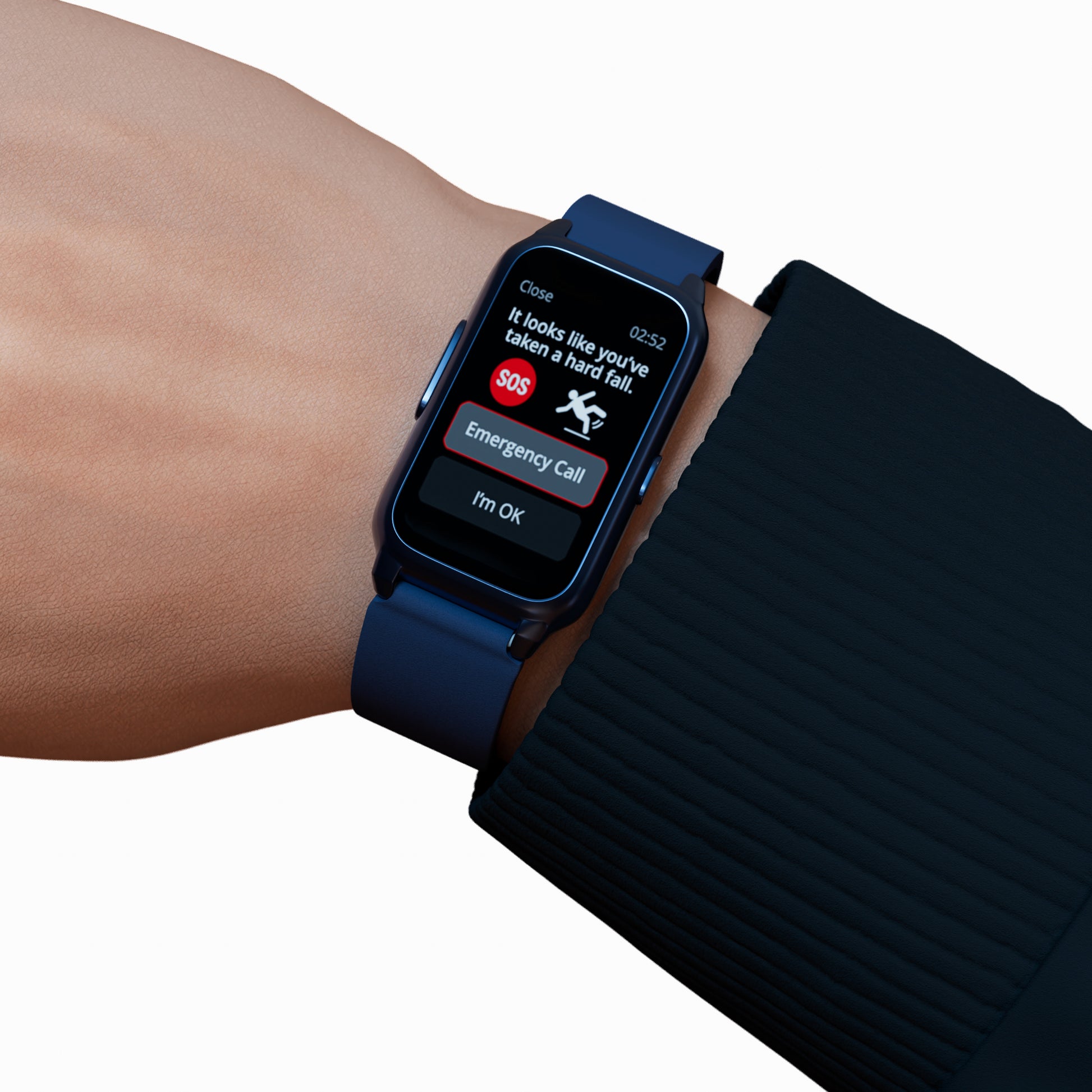
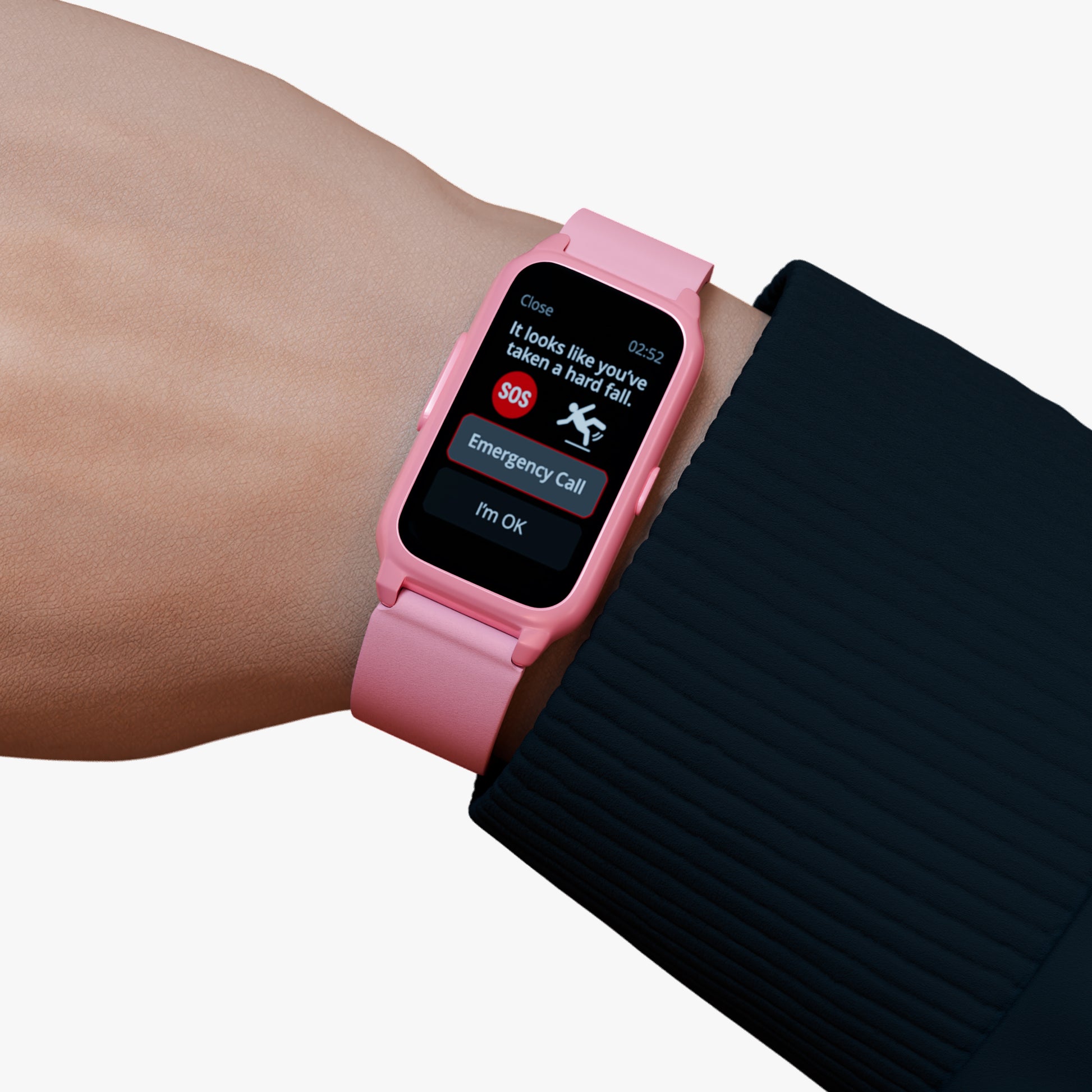
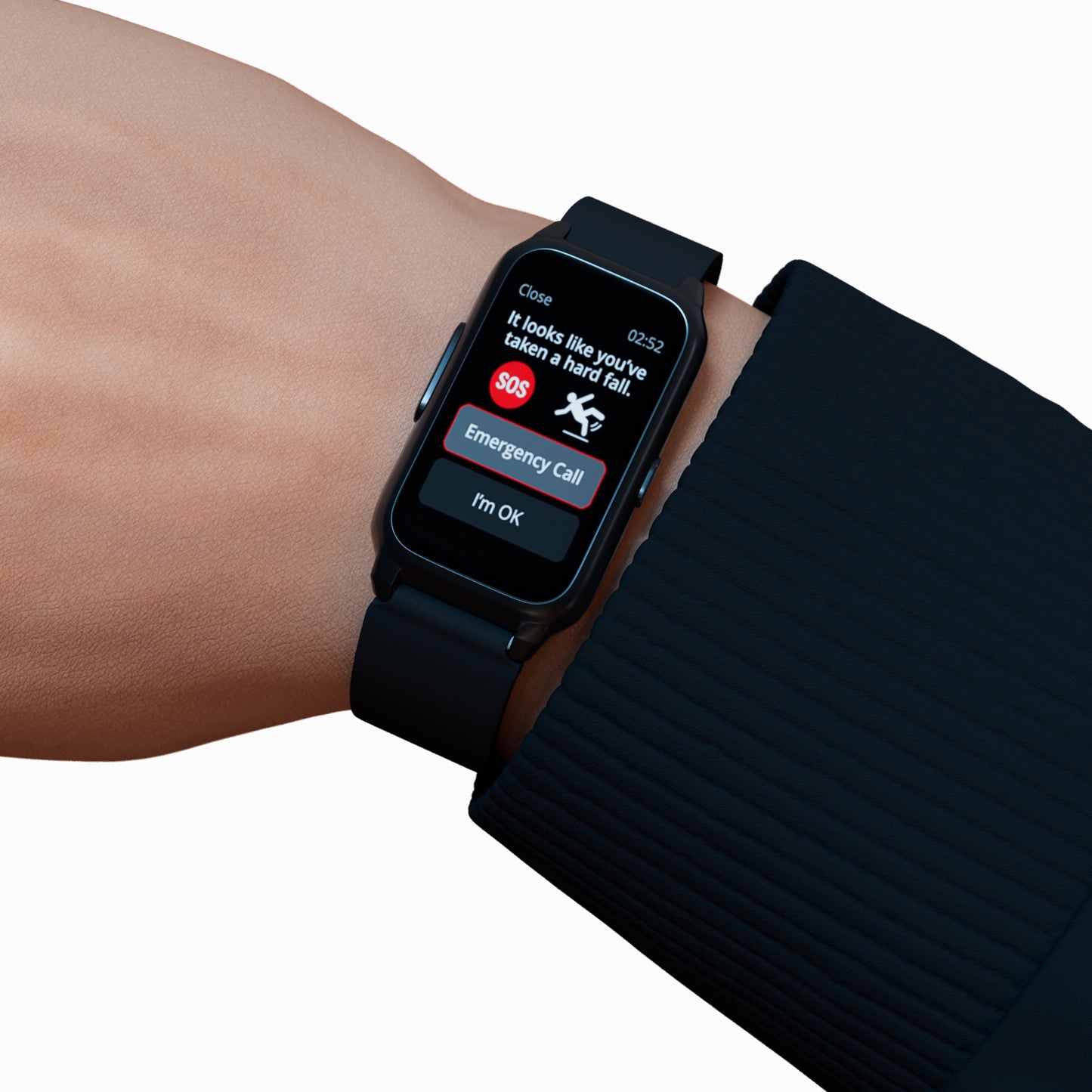
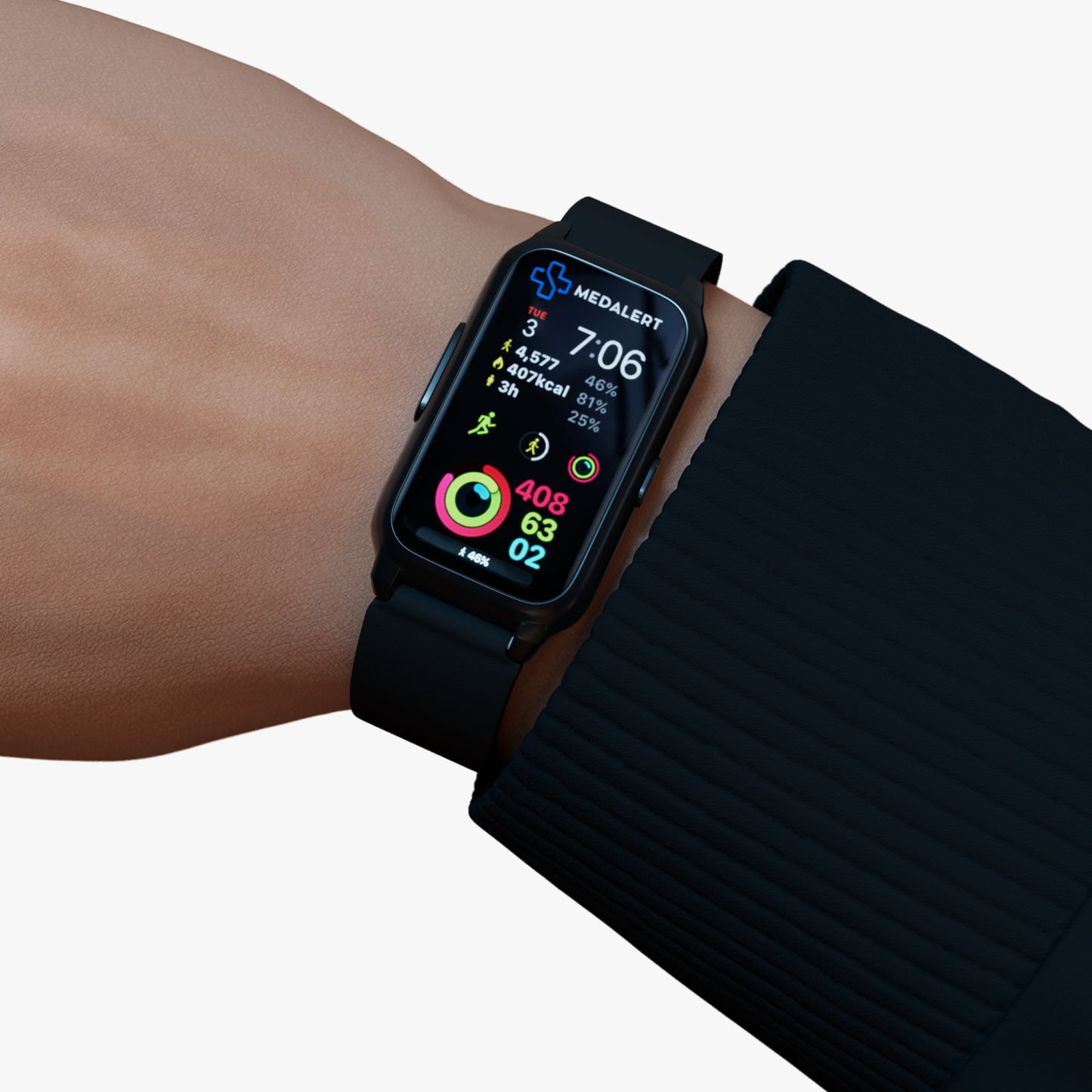
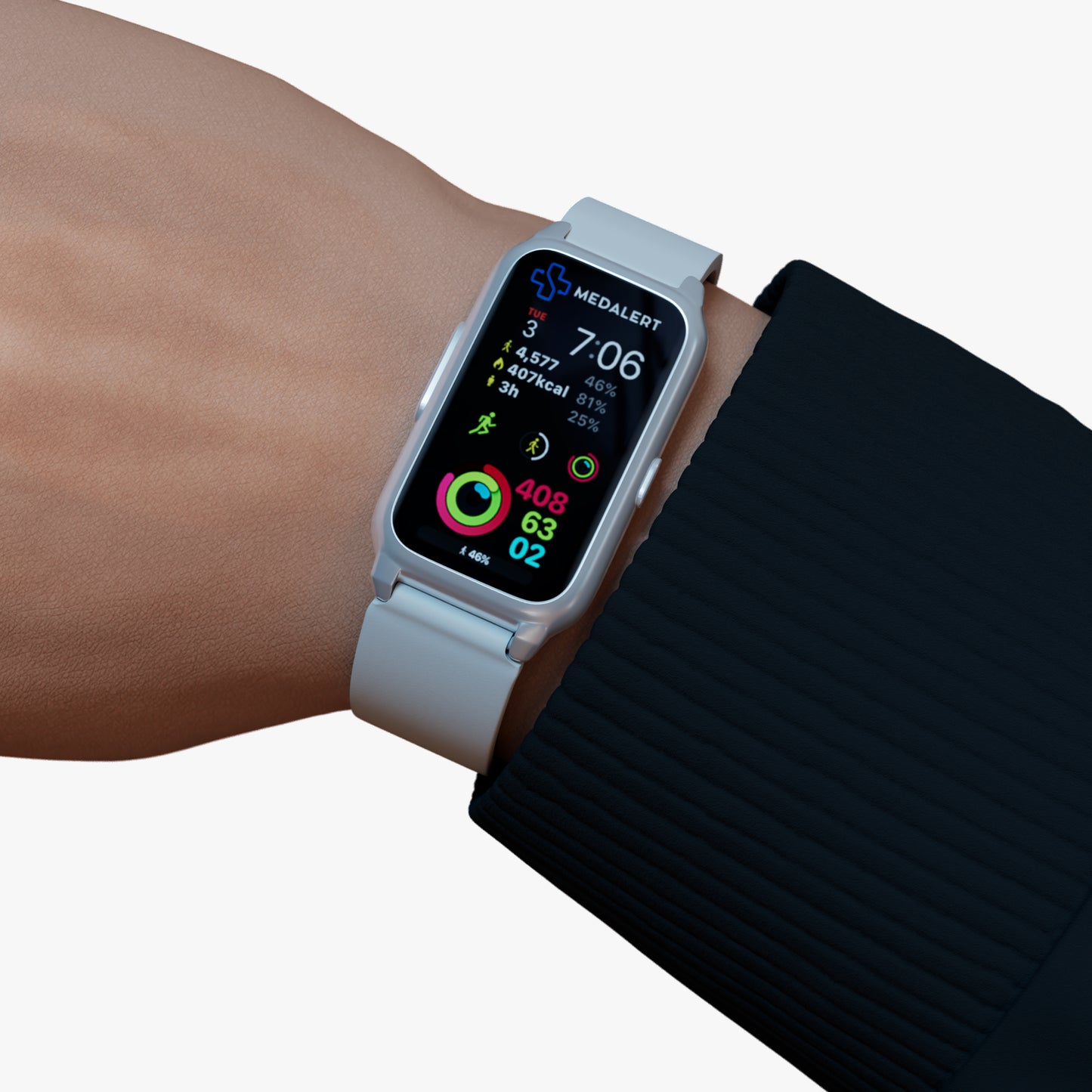
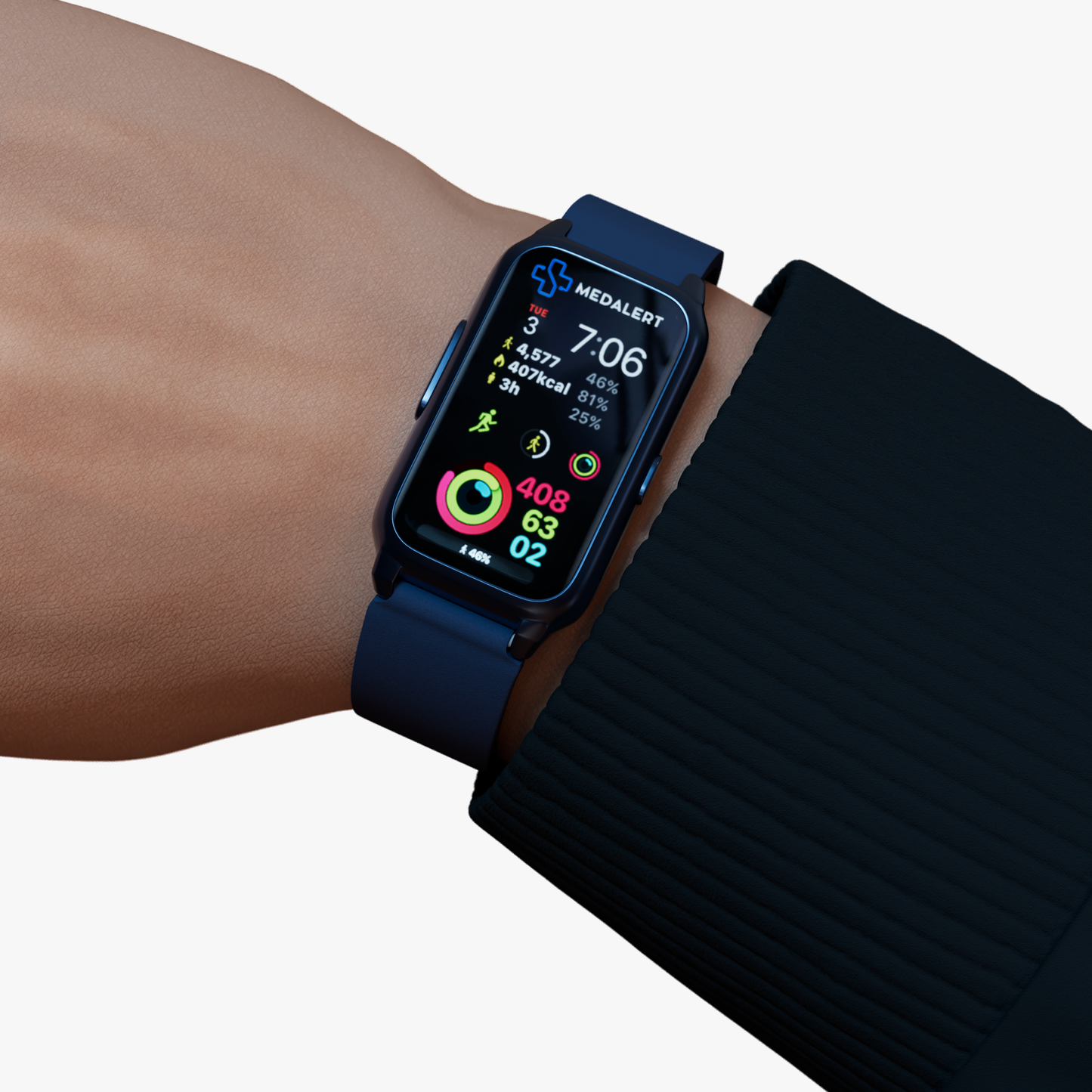
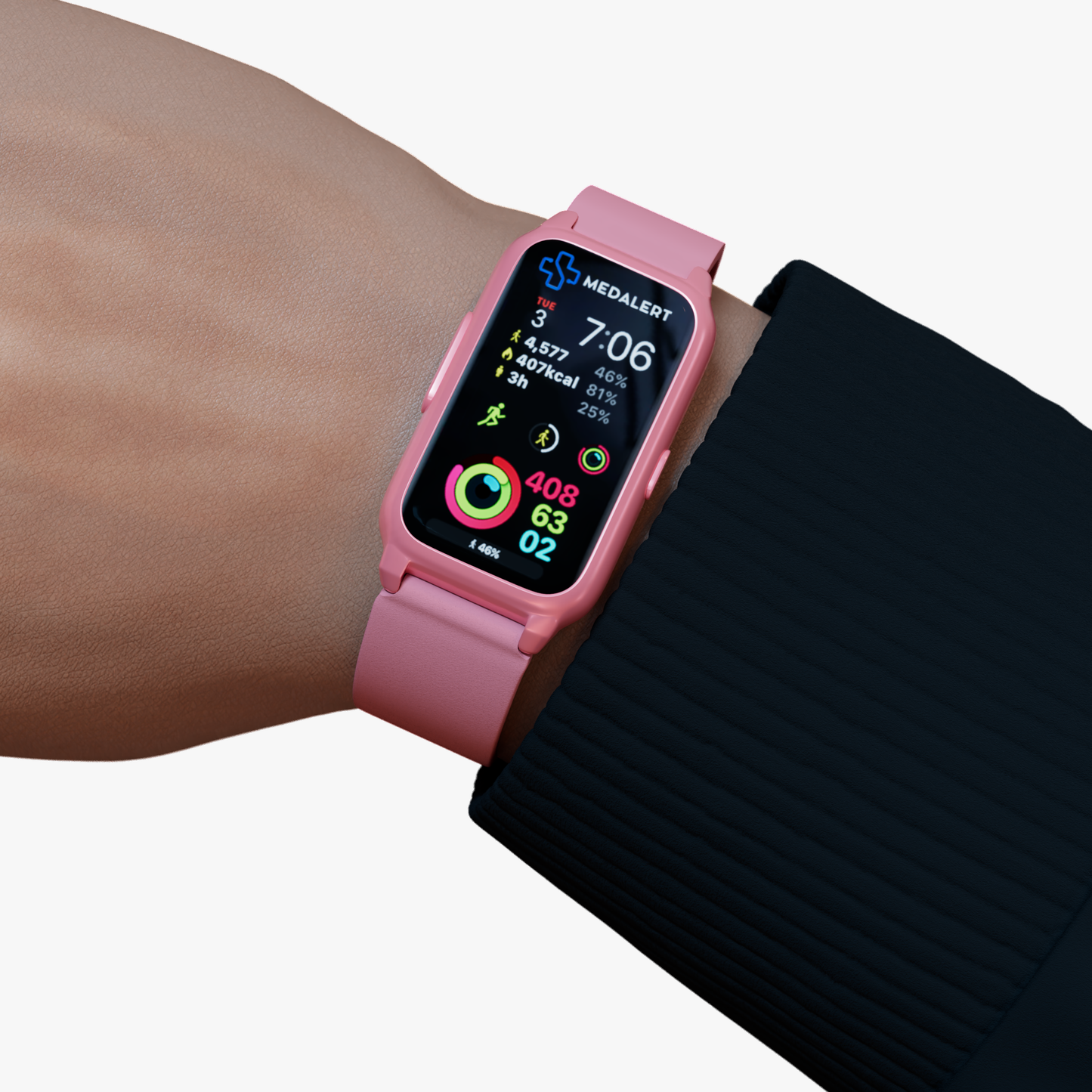
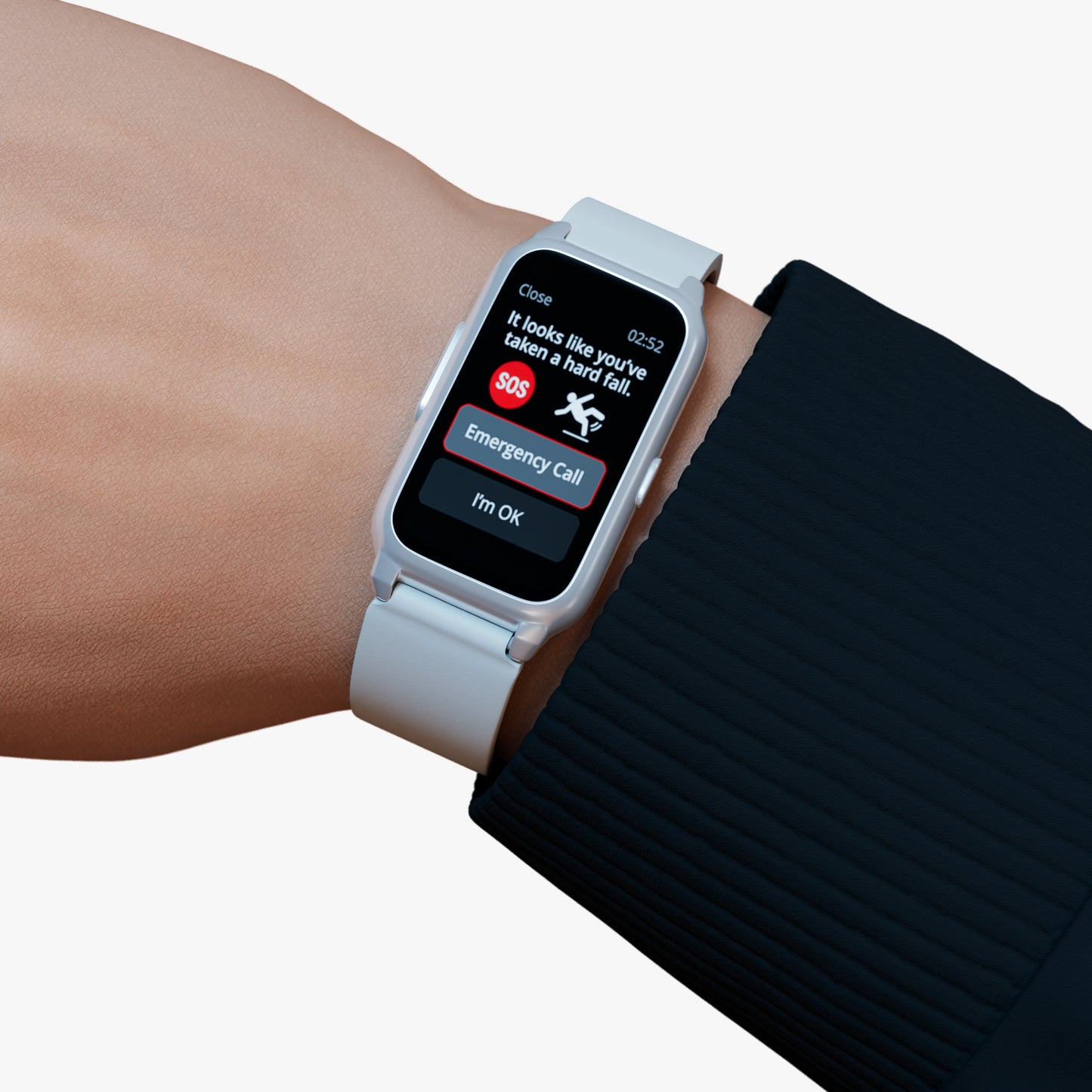
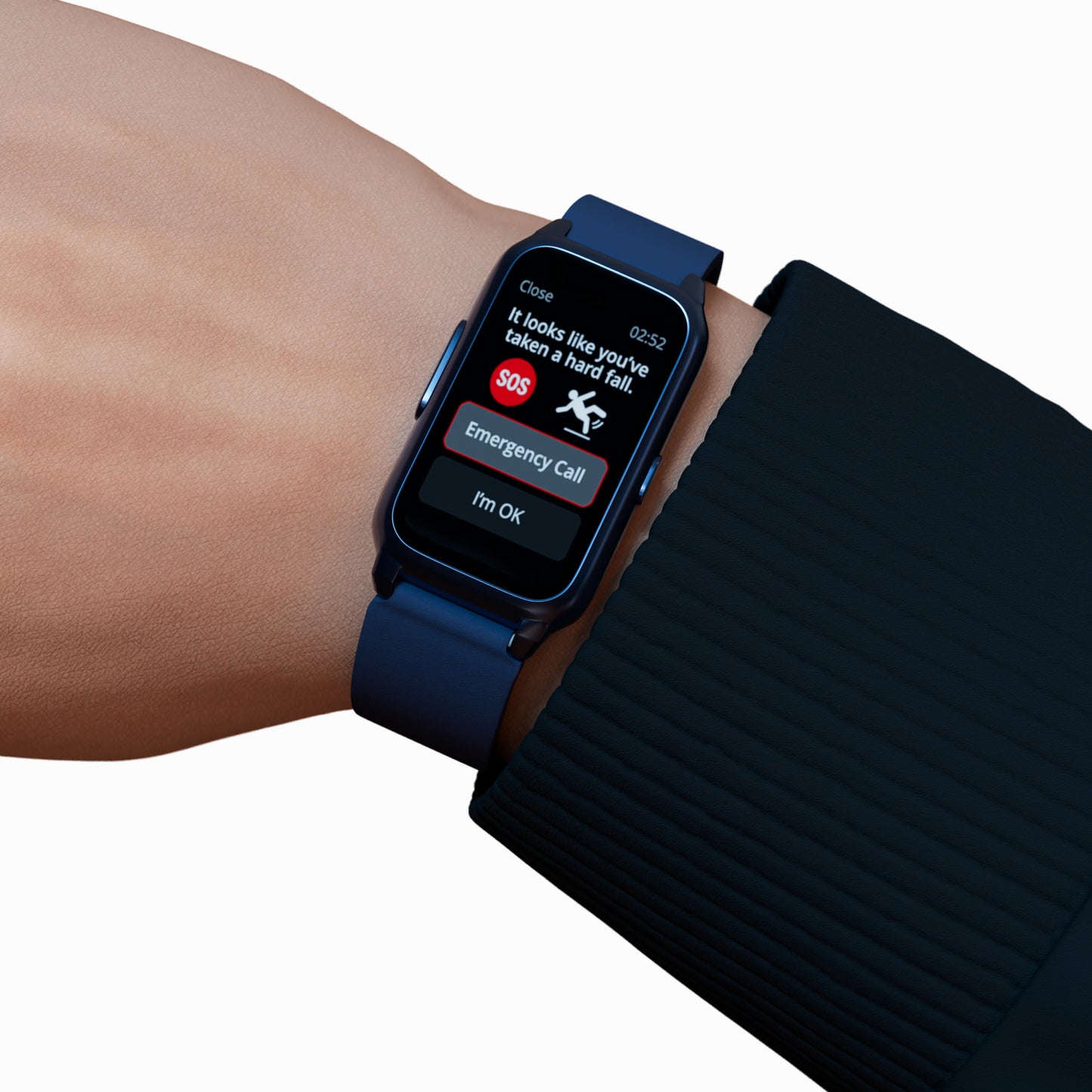
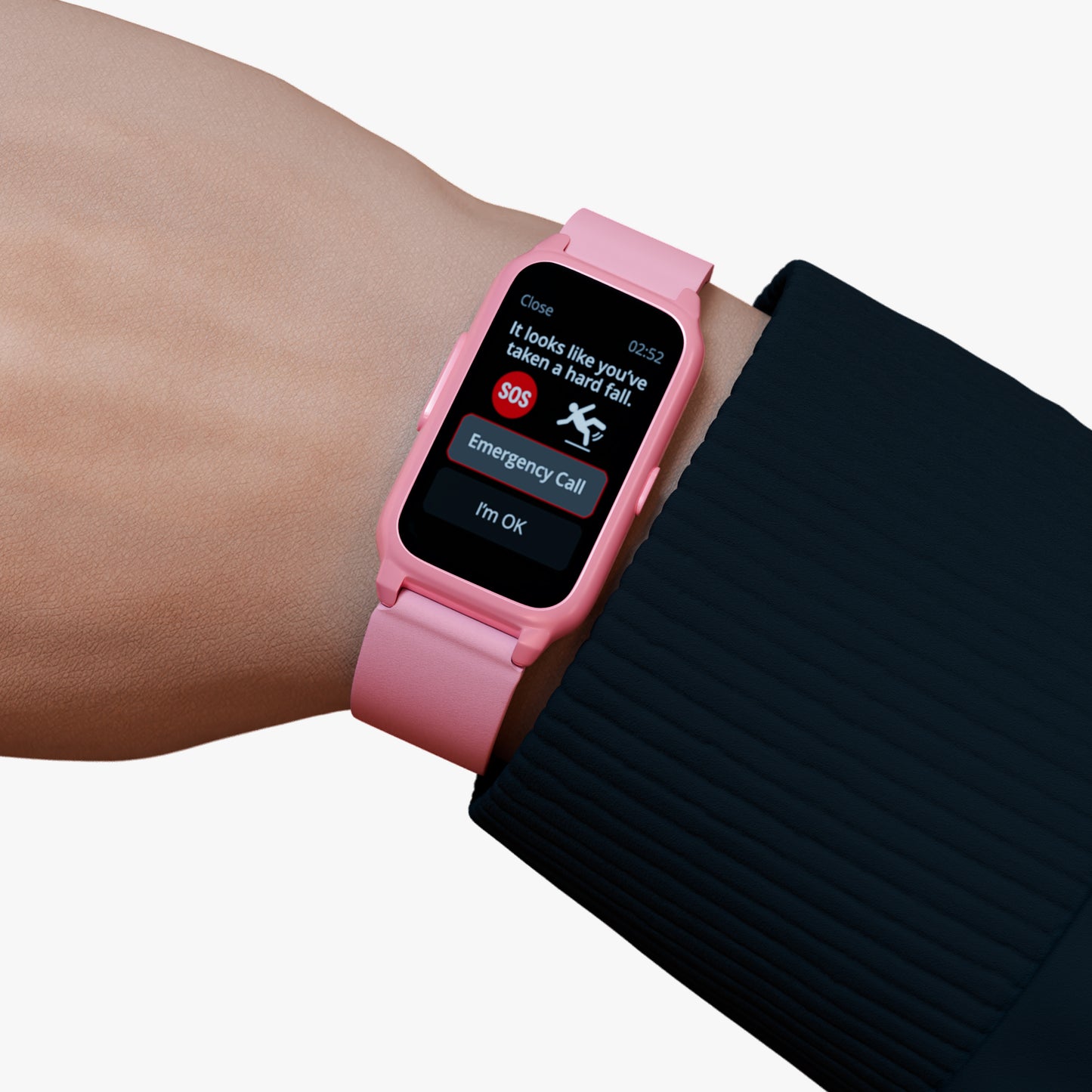
A GPS medical alert watch like the MedAlert watch, with its fall detection, two-way voice calling, real-time GPS tracking, and continuous health telemetry, is exactly the kind of product sitting in Tier 2 or Tier 3 territory depending on the individual's assessed needs. That's good news for access, but it comes with a process.
OTs Are Now Central to the Funding Pathway
This is the part that's catching a lot of people off guard. Under the new AT-HM scheme, more complex or costly products must be prescribed by a suitably qualified health professional such as an occupational therapist or physiotherapist.
What that means practically is that for a client to access funded assistive technology at the higher tiers, an OT needs to conduct a proper functional assessment, determine that the product is clinically appropriate for that individual, write up a formal prescription, and that prescription then feeds into the funding approval process with the client's Support at Home provider.
This is a significant workflow change for care organisations. You can't just hand a client a product anymore and bill it against their package. There's a clinical gatekeeping step now, and that step sits with allied health. For OTs, it's actually an expansion of their role in aged care, but it also creates new bottlenecks if organisations haven't built clear referral pathways between their care coordinators and their OT partners.
Think about what this looks like for a client named Margaret, a 78-year-old living alone in the western suburbs of Sydney whose family is worried about her falling. Under the old system, a care manager might have suggested a personal alarm and ordered one. Under the new system, the provider would refer Margaret to an OT, the OT would assess her fall risk, cognitive capacity, and ability to use the device, then prescribe a medical alert watch as clinically appropriate, and the prescription would go to the provider to source and supply through the AT-HM scheme. More steps, yes, but the outcome is a product actually matched to Margaret's real functional needs, not just whatever the provider happened to have on their preferred supplier list.
What This Means for Aged Care Organisations Right Now
If you're running a home care business or an aged care organisation in Australia, there are a few things worth having sorted:
- Your compliance evidence needs to be structured against the new ACQS 2025 framework, not the old eight-standard model
- Your intake and care planning processes need to include a clear trigger for AT-HM assessments and OT referrals where relevant
- Your supplier relationships for assistive technology products should be based on which products OTs are comfortable prescribing, not just price
- Your board needs visibility on compliance status, because under ACQS 2025, governance is a Standard, not just a backdrop
The organisations pulling ahead right now are the ones treating ACQS 2025 as an operational infrastructure project, not a paperwork exercise. The compliance burden is real, the AI tools to manage it are here, and the funding pathway for the technology that keeps older Australians safe at home has never been more clearly defined. The question is whether your organisation is set up to work with it.