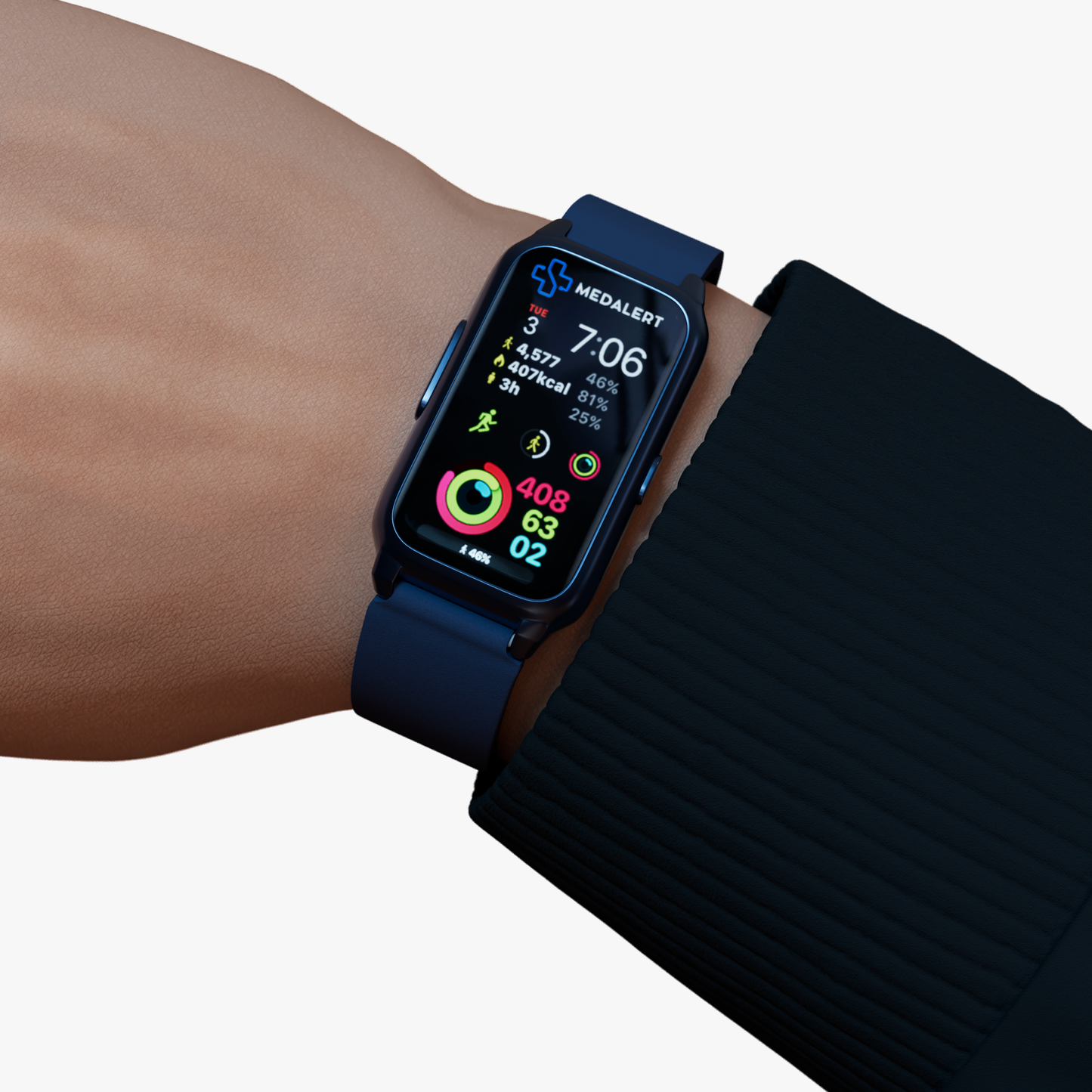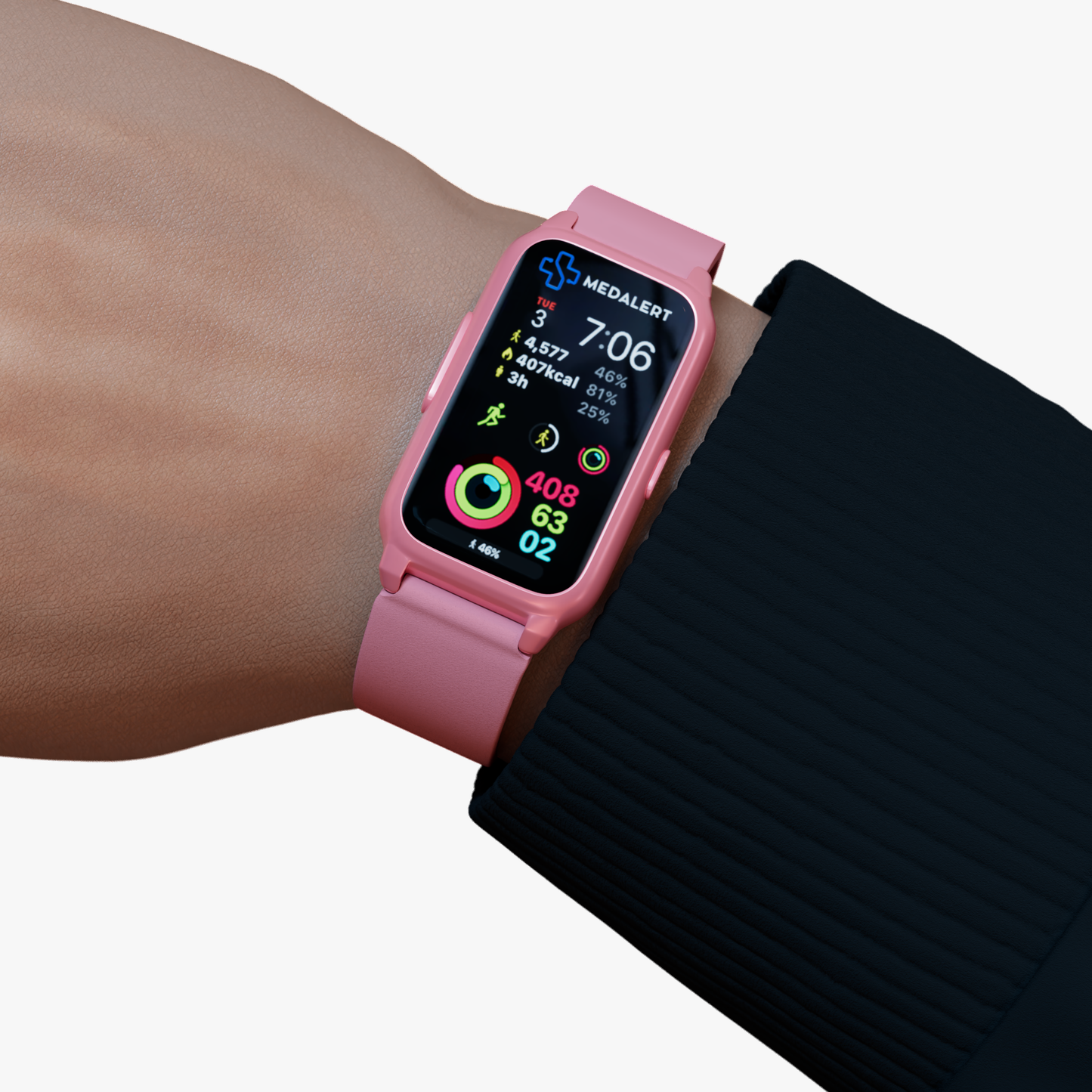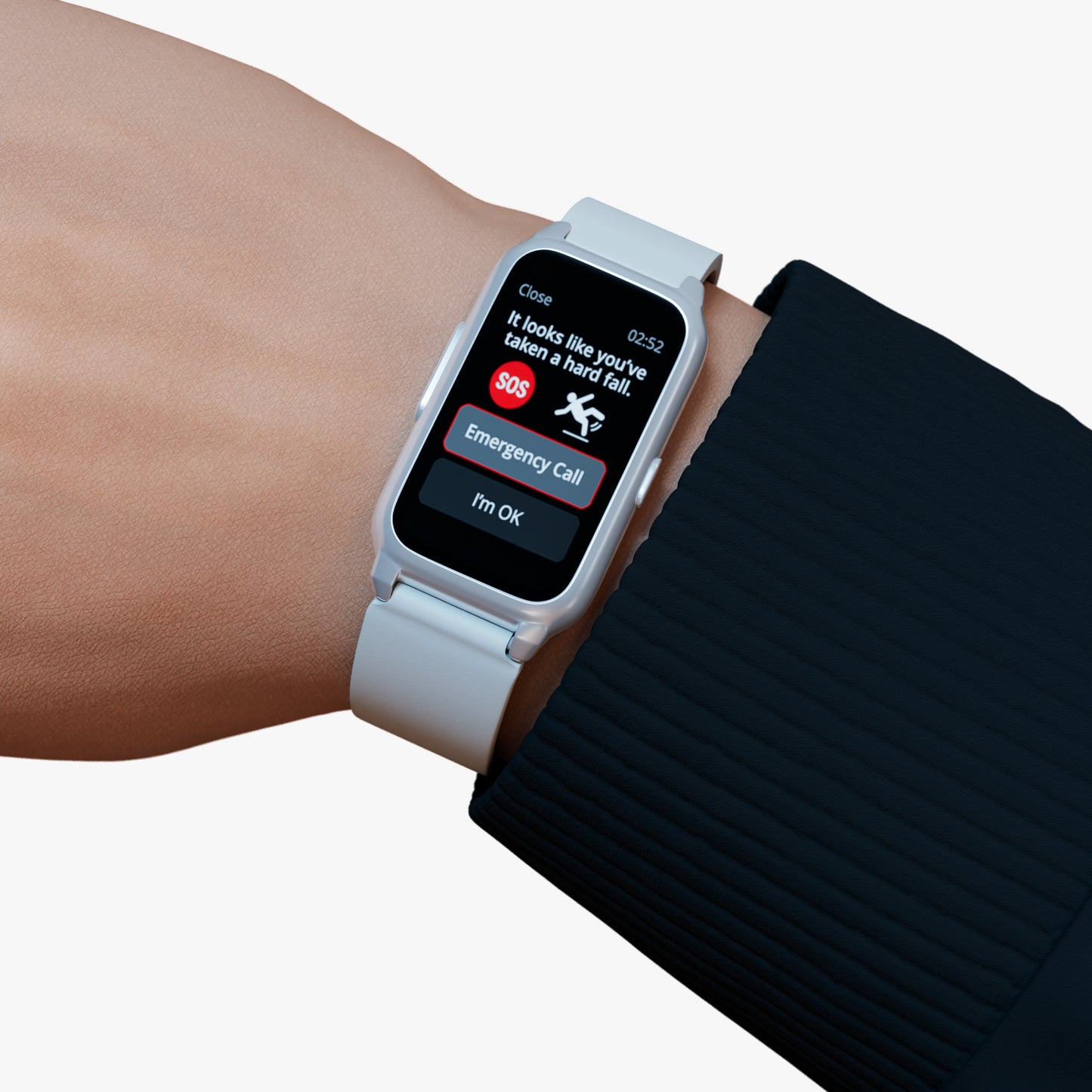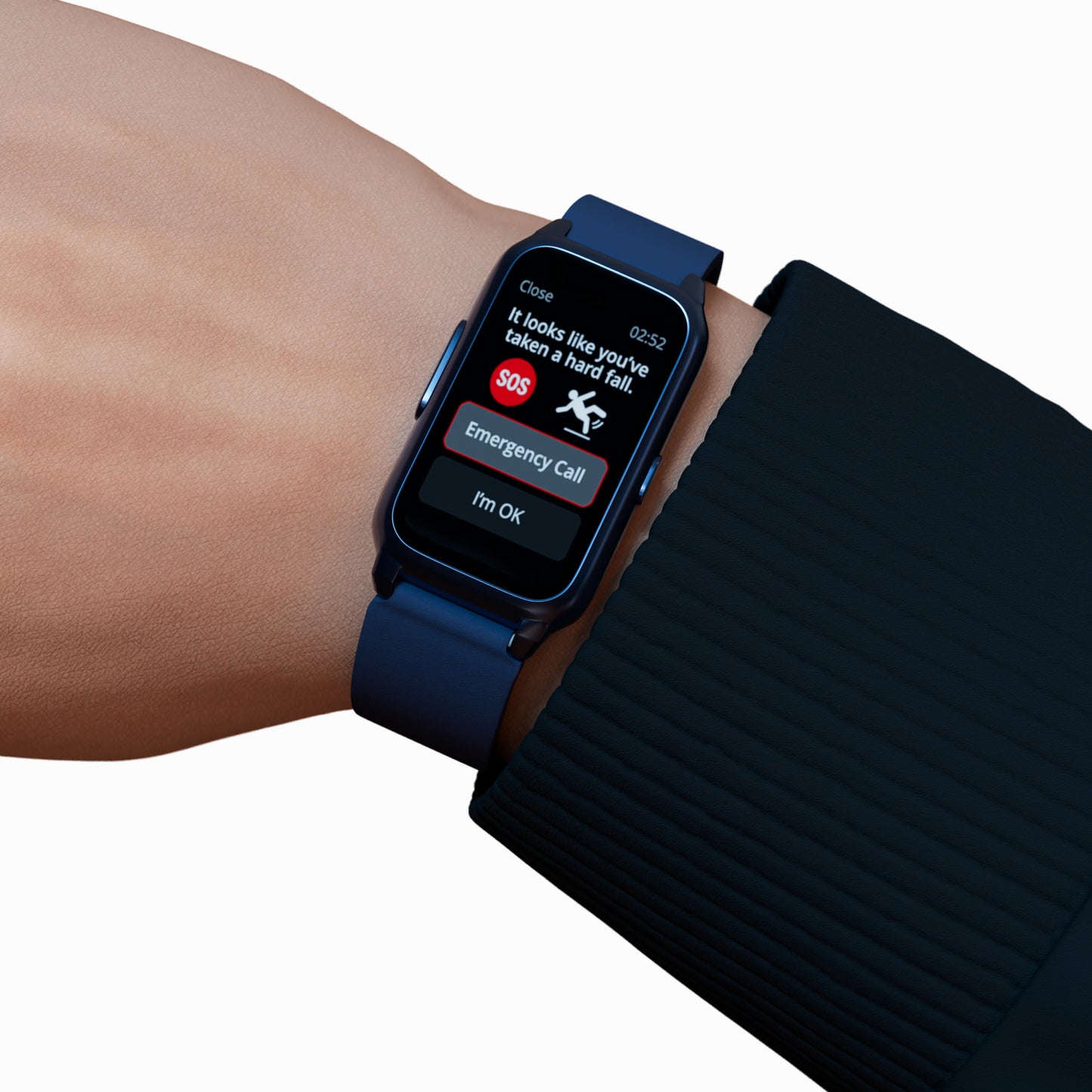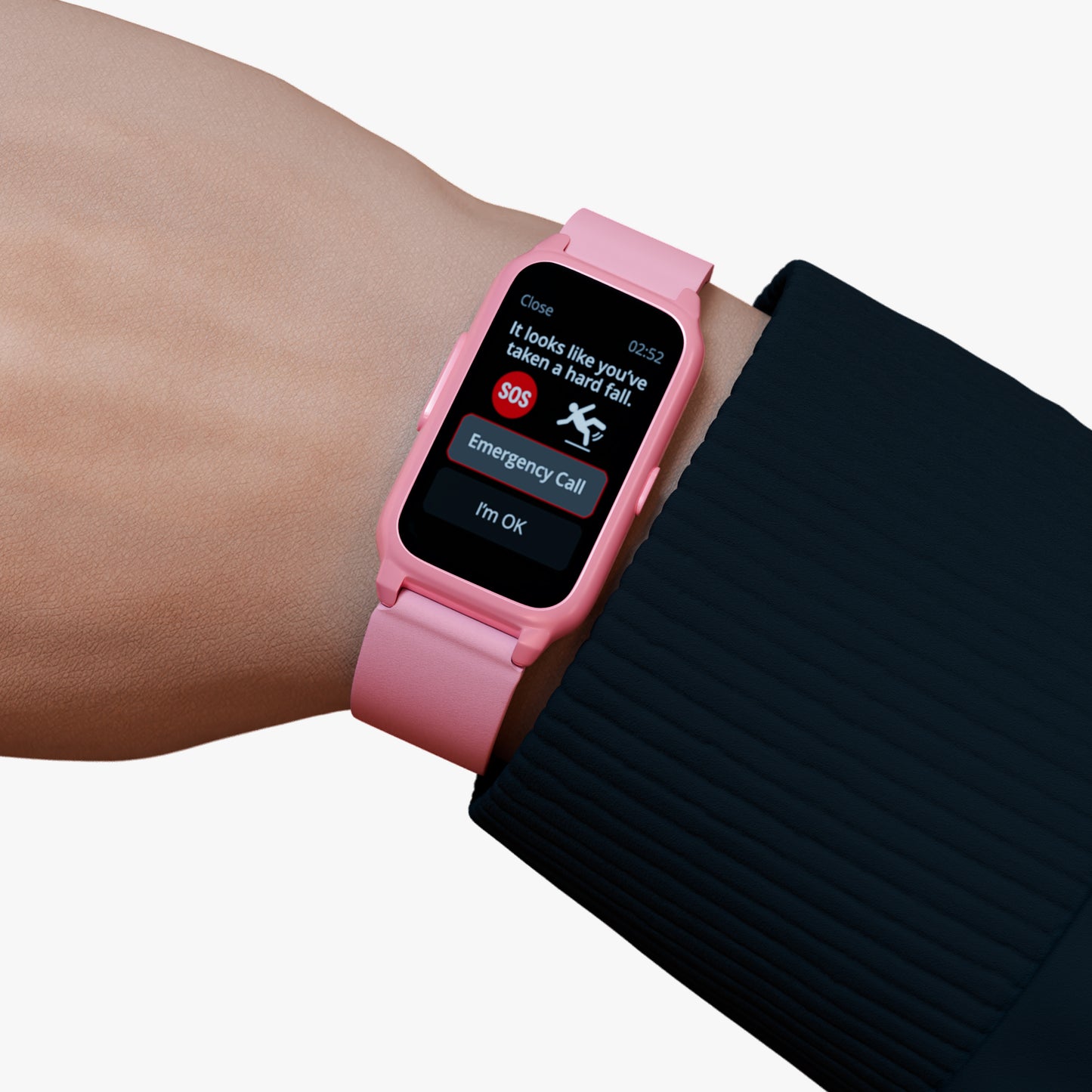

A medical alert system australia is often considered when families explore ways to support safety for seniors living independently. When asking are medical alert systems worth it, the answer depends on how these systems fit into everyday routines rather than on assumptions.
These systems are designed to provide a simple way to communicate during unexpected situations. Instead of replacing care, they support access to assistance when it is needed. Because of this, understanding their role in daily life is important before making a decision.
Understanding the Role of Medical Alert Systems
Medical alert systems are designed to make communication easier during situations where quick access is needed. They are often used by seniors who want to maintain independence while having a way to reach help.
In addition, these systems focus on simplicity. Users are not required to follow complex steps. Instead, they can rely on a straightforward method to send an alert.
A medical alert system australia can be seen as part of a broader approach to everyday safety, where ease of use is a key consideration.
Are Medical Alert Systems Worth It in Daily Life?
When considering are medical alert systems worth it, it is helpful to think about how they are used in normal situations. Their usefulness often depends on how easily they fit into daily habits.
For example, a system that is easy to access may be more practical than one that requires extra effort. In addition, devices that do not interrupt routine are more likely to be used consistently.
Because of this, the focus should be on usability rather than expectations. A system that supports simple interaction can be more suitable for everyday use.
Considering Medical Alert System Cost Carefully
Medical alert system cost is often part of the decision process. However, it should be considered along with how the device will be used.
A system that is used regularly may be more practical than one that is rarely used. In addition, ease of use can influence whether the device becomes part of daily routine.
Rather than focusing only on cost, it is helpful to consider how the system supports accessibility and consistency.

Understanding the Benefits of Alert Devices
The benefits of alert devices are often related to their simplicity and accessibility. These systems are designed to provide a direct way to send an alert when needed.
Because many devices are wearable, they can remain within reach throughout the day. This can help reduce the time needed to access assistance.
In addition, their design supports straightforward use. This makes them easier to rely on in different situations.
How Emergency Response Systems Support Routine
Emergency response systems are often used as part of daily life rather than only during emergencies. They are designed to remain accessible without requiring constant attention.
This approach allows users to continue their routine without interruption. At the same time, they have a way to communicate if needed.
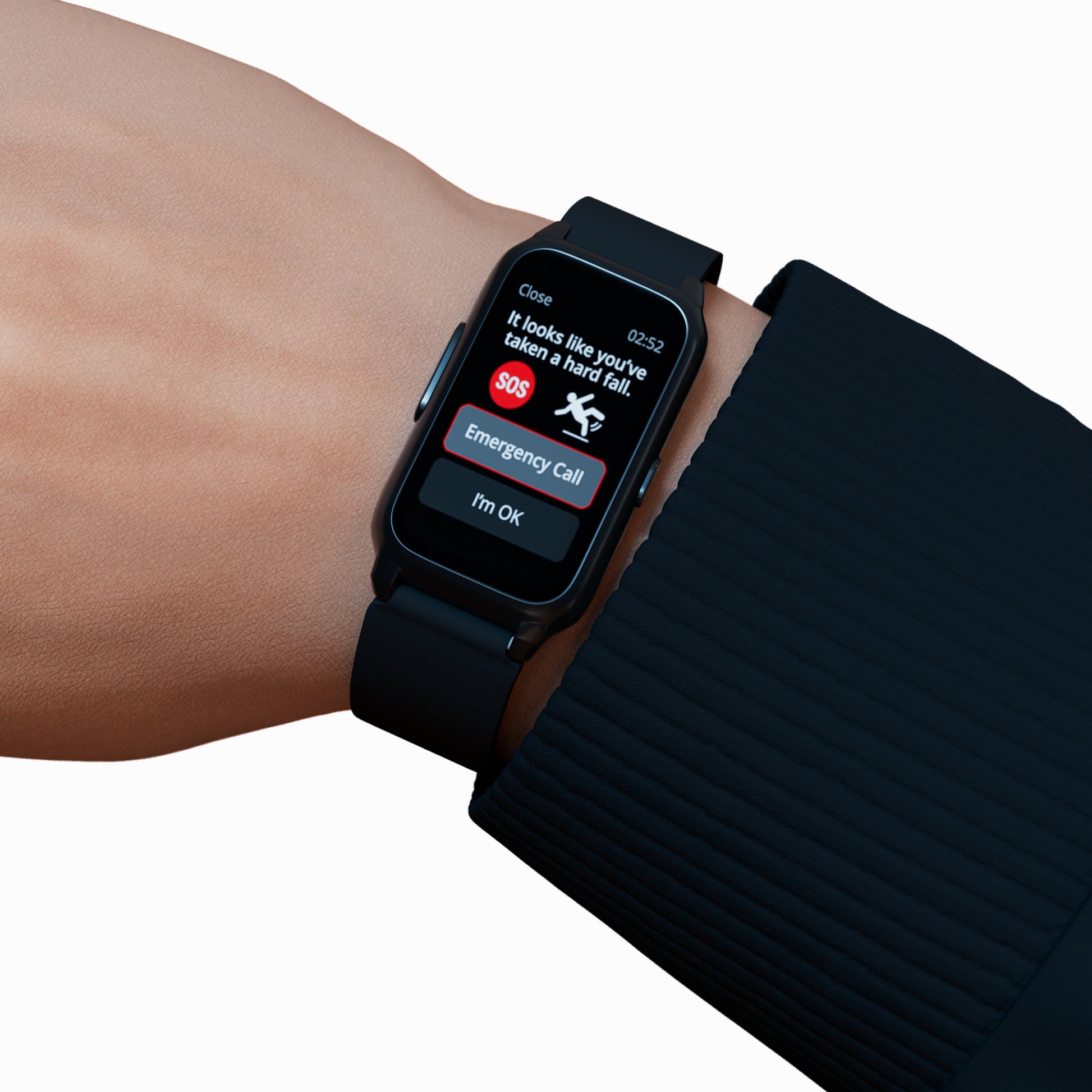
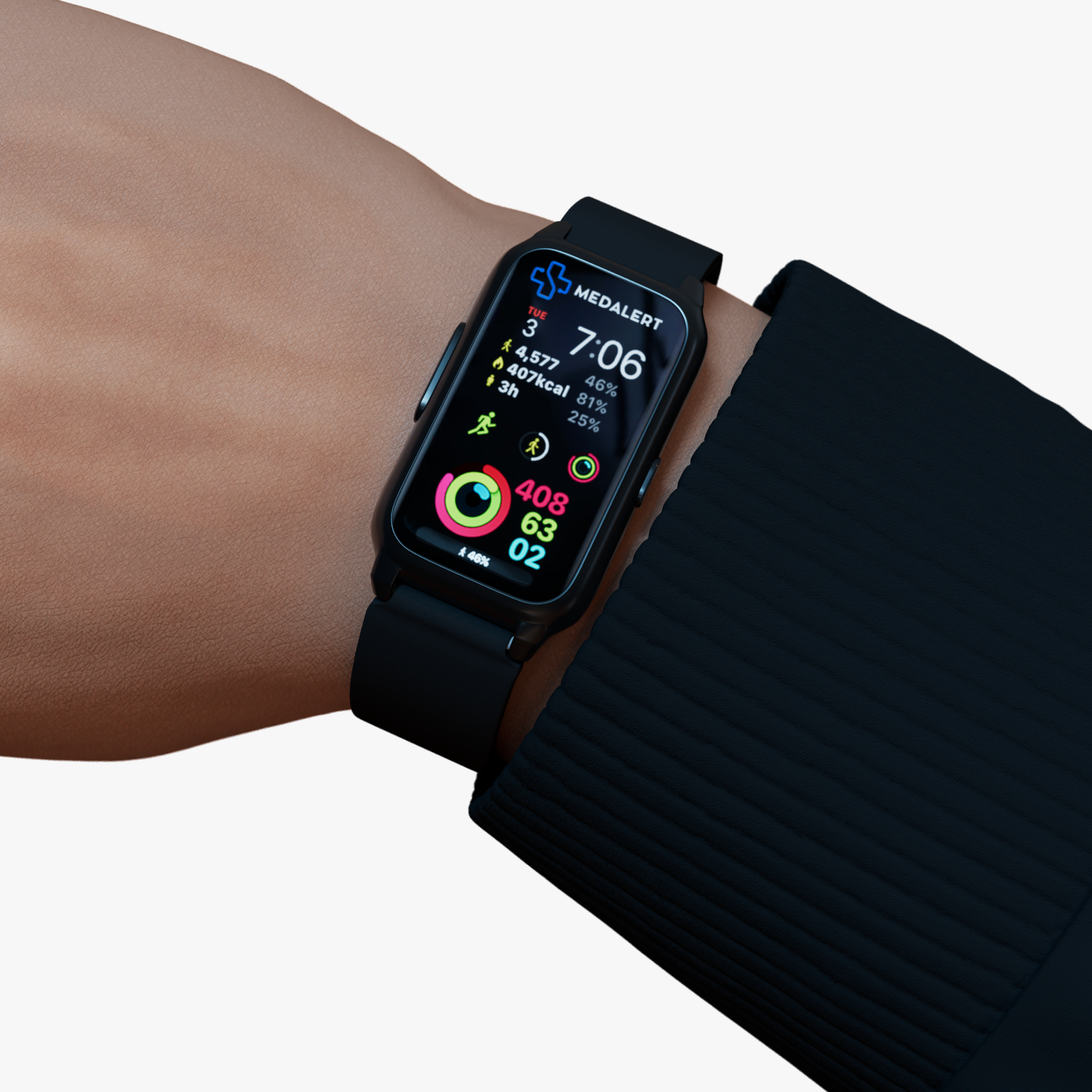
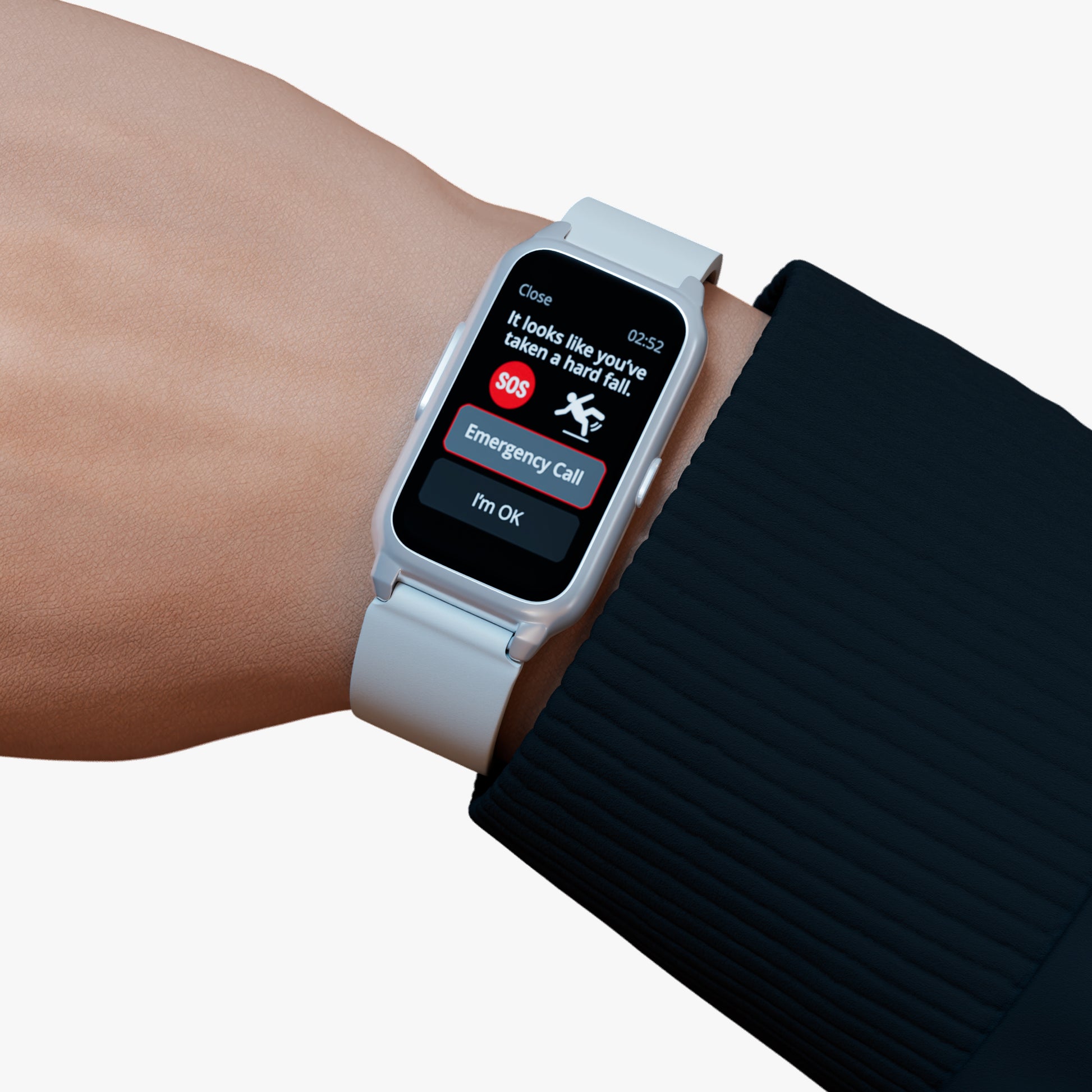
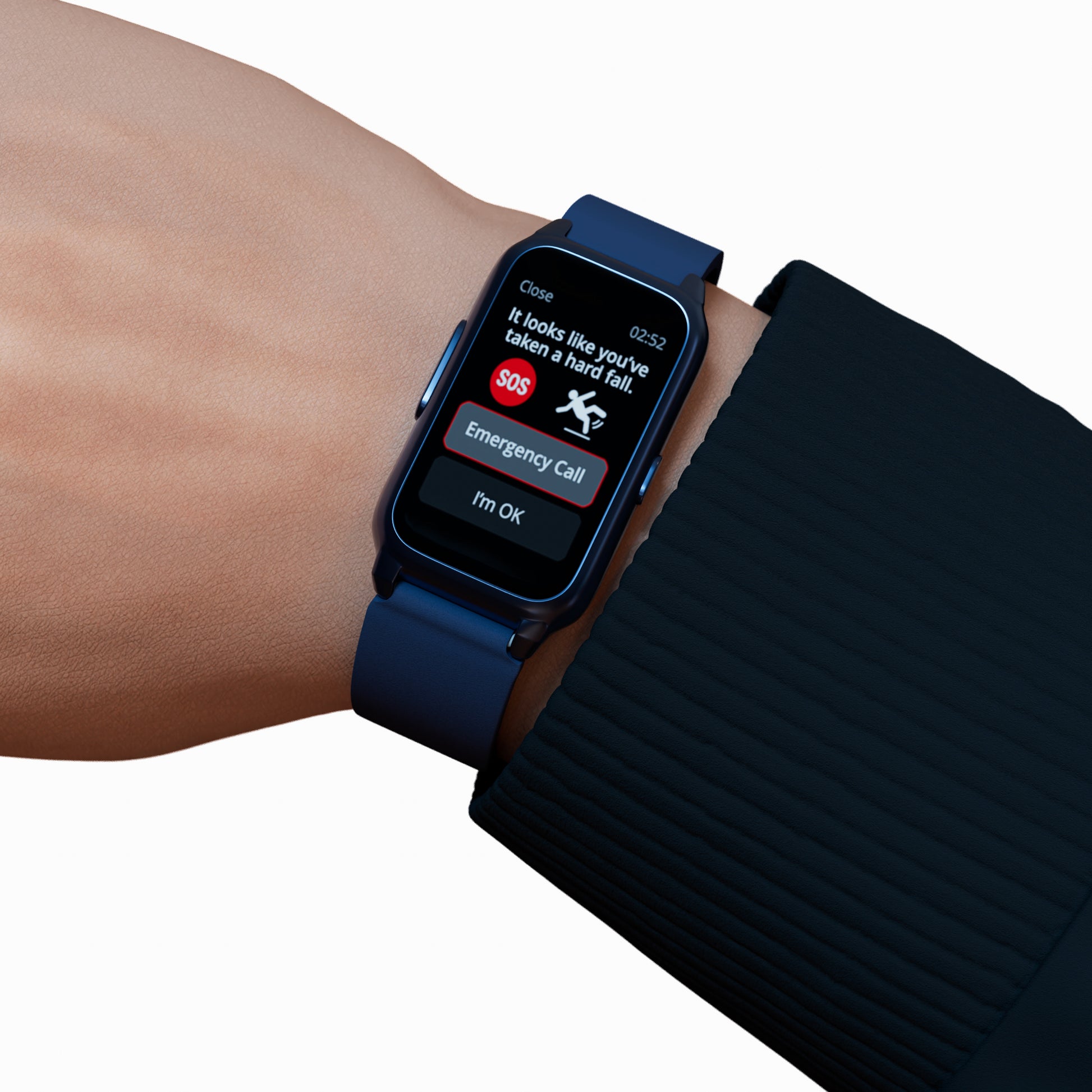
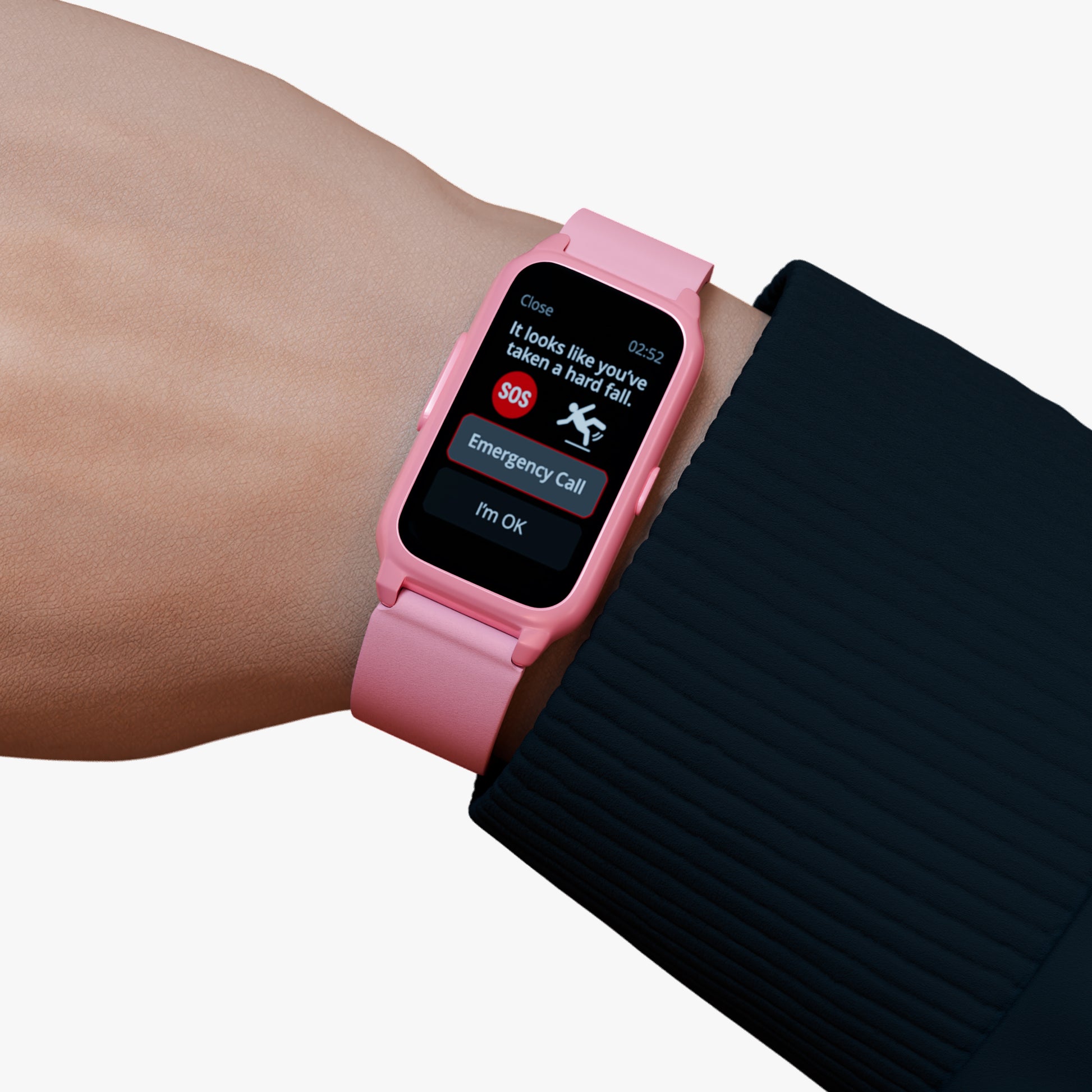
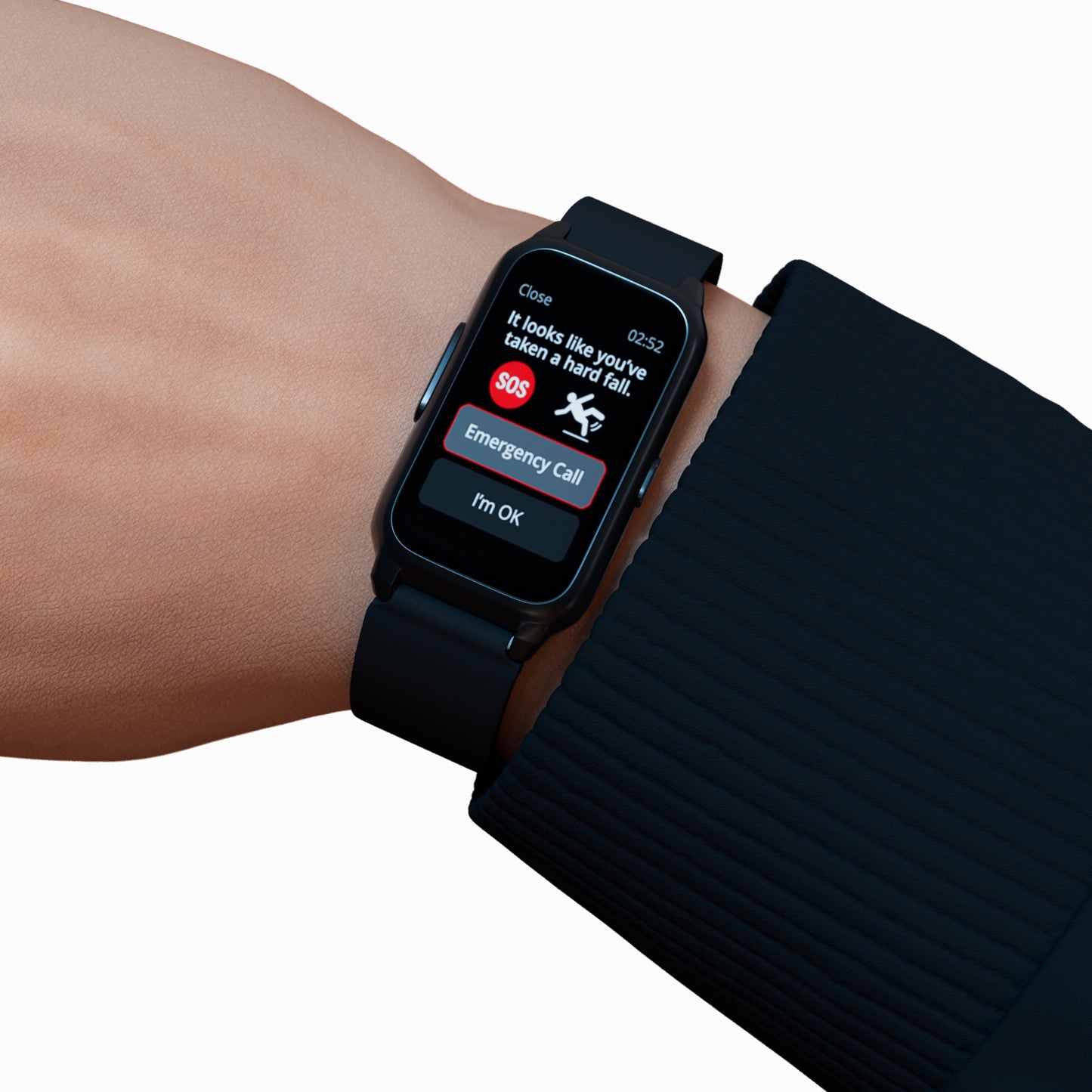
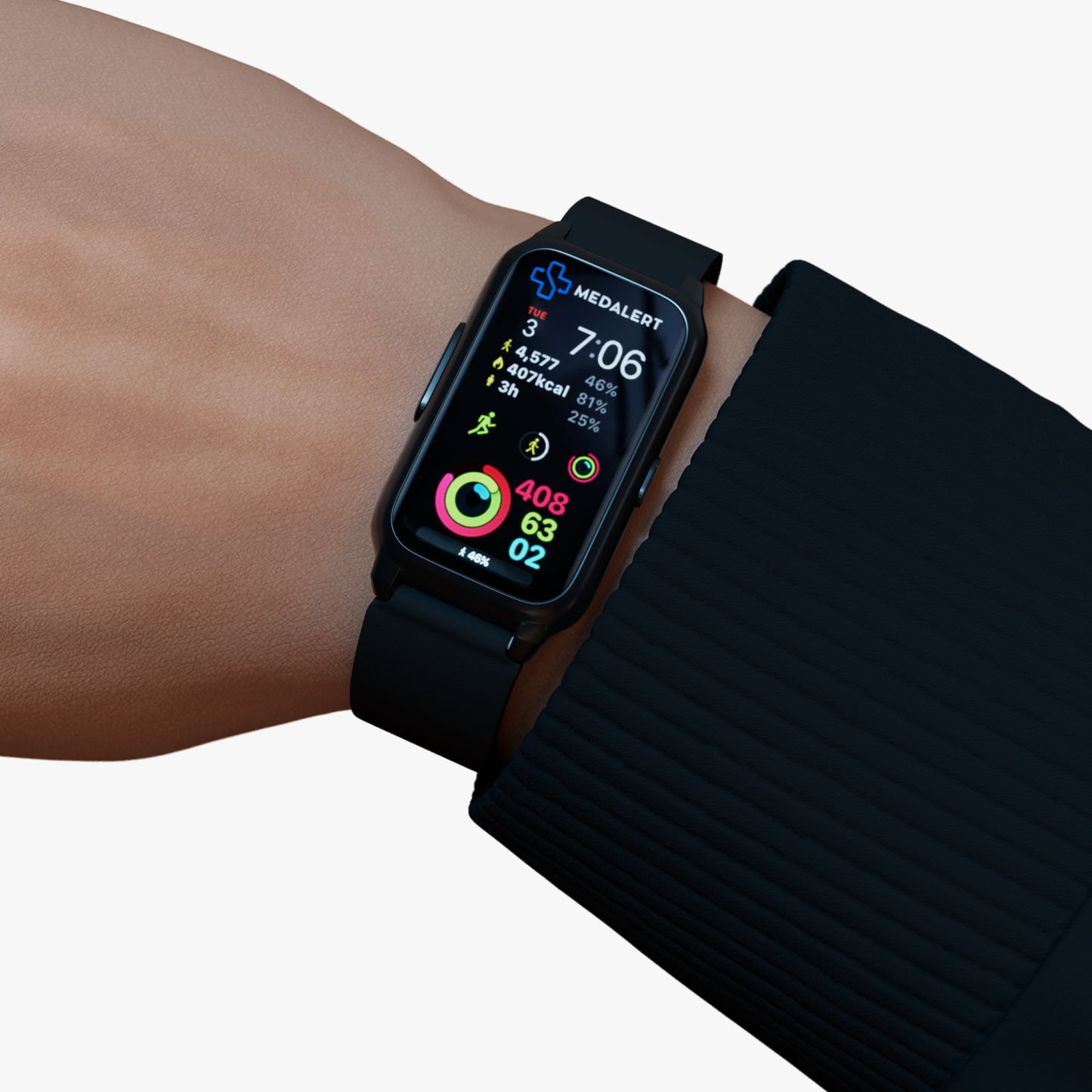
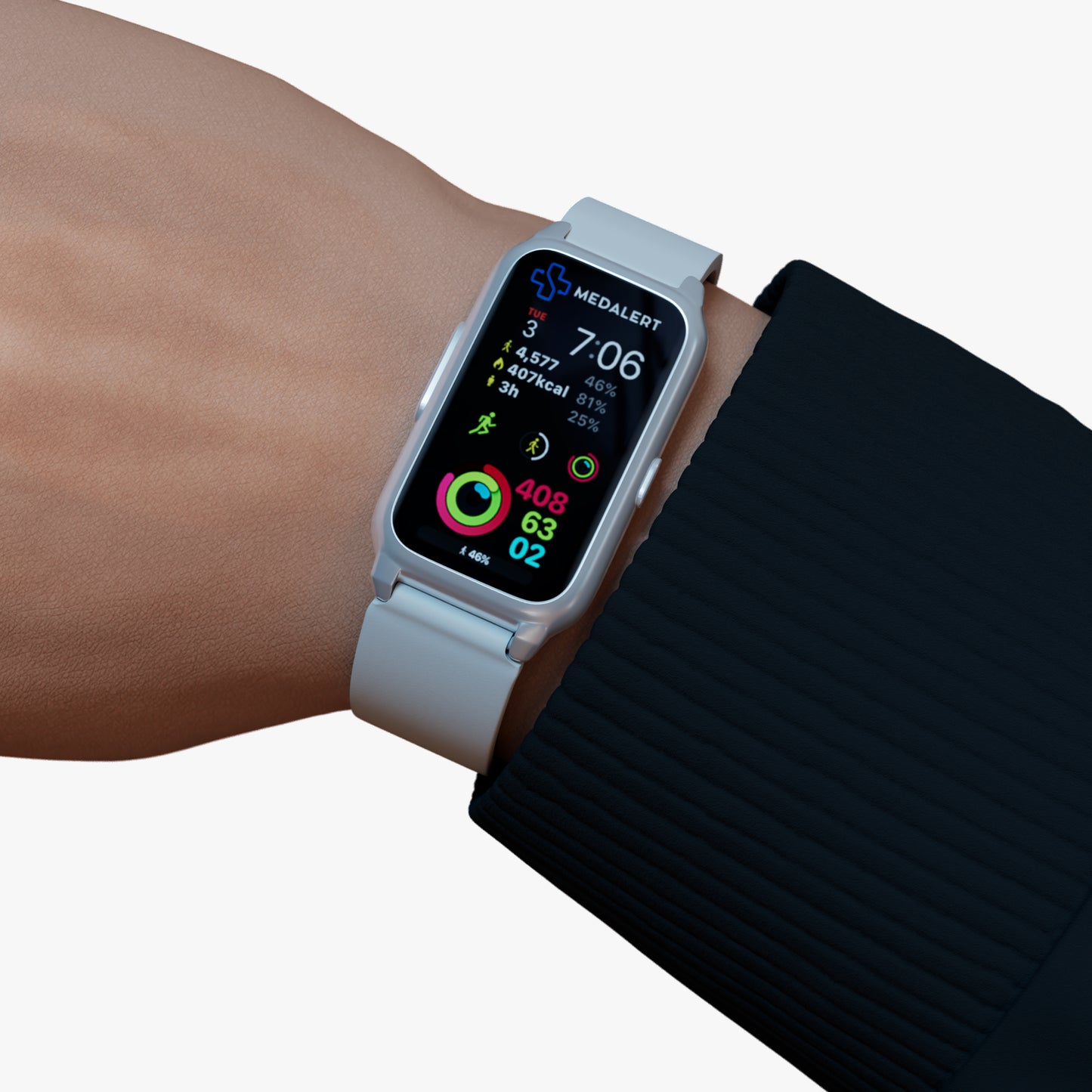
For example, a medical alarm watch can be worn regularly, making it easier to access when required.
Looking at Practical Use Instead of Assumptions
When evaluating these systems, it is important to focus on practical use. A device that fits into everyday routine is more likely to be used consistently.
In contrast, a system that feels difficult or unfamiliar may not be used as often. This can affect how useful it becomes over time.
Because of this, usability should be considered carefully when making a decision.
Role of Medical Alarm for Seniors in Everyday Situations
A medical alarm for seniors is designed to support communication in situations where assistance may be needed.
These systems are not intended to replace other forms of care. Instead, they provide an additional option for reaching help.
In addition, their simple design helps ensure they can be used without confusion. This supports consistency in everyday use.

Common Questions About These Systems
Some people are unsure whether these systems will be used regularly. This depends on how well the device fits into daily life.
Others may wonder if they are complicated to use. However, most systems are designed to be simple and easy to understand.
Because of this, it is helpful to focus on how the device will be used rather than on assumptions.
How Families Approach the Decision
Families often consider how these systems support both safety and independence. They look for options that do not interfere with daily routines.
In addition, they focus on ease of use. A system that is simple to operate can be more suitable for long-term use.
If more information is needed, you can visit Contact us to explore details in a straightforward way.
Conclusion
When asking are medical alert systems worth it, the answer depends on how well the system fits into daily life. A medical alert system australia can support simple communication when it is designed for ease of use.
Instead of focusing only on cost or expectations, it is more helpful to consider usability and routine. These factors often determine how practical the system becomes over time.
FAQs
1. Are medical alert systems useful for everyday situations?
They can be useful when they are easy to access and simple to use. These systems support communication during unexpected situations. In addition, they fit into daily routines without requiring extra effort. Their usefulness depends on how consistently they are used. This makes routine an important factor.
2. What should be considered besides cost?
Cost is one part of the decision, but usability is equally important. A system that is easy to use may be more practical over time. In addition, comfort and accessibility should be considered. These factors help determine how often the device will be used. This affects overall usefulness.
3. How do alert devices support communication?
Alert devices provide a simple way to send a signal when needed. Because they are often wearable, they remain within reach. This helps reduce delay in accessing assistance. In addition, their design focuses on simplicity. This makes them easier to use in different situations.
4. Are these systems difficult to operate?
Most systems are designed to be simple and easy to understand. They usually require minimal interaction to send an alert. This reduces confusion during use. In addition, their straightforward design supports quick access. This makes them suitable for daily use.
5. How do families decide if they are suitable?
Families often look at how the system fits into daily routines. They consider ease of use and accessibility. In addition, they think about long-term use. A system that is simple and consistent is often preferred. This helps support everyday use.
6. Can a medical alert system be used as part of daily routine?
Yes, these systems are designed to fit into everyday life without requiring major changes. Many devices are wearable, which allows them to stay accessible throughout the day. In addition, they do not interrupt regular activities. Their usefulness depends on how naturally they become part of routine. This helps ensure they are available when needed.
7. What makes a medical alert system easy to use?
Ease of use comes from simple design and clear functionality. Most systems allow users to send an alert with minimal steps. In addition, the device is usually designed to be easy to wear or keep nearby. This reduces confusion during use. A straightforward system can be more practical in everyday situations.