
Understanding how caregivers monitor elderly remotely has become increasingly important for families supporting ageing loved ones. While many older adults prefer to maintain their independence, family members often want reassurance that help can be accessed when needed.
Remote caregiving does not mean constantly watching someone or interfering with their daily routine. Instead, it involves using practical tools and technology that help caregivers stay informed while allowing older adults to continue living independently. Today, wearable devices, personal alarms, and GPS-enabled solutions play an important role in helping families remain connected.
For many households, finding the right balance between independence and support is the key to successful caregiving. By choosing suitable solutions and maintaining regular communication, caregivers can provide assistance without disrupting an older person's lifestyle.
Why Remote Monitoring Is Important for Elderly Care
As people age, everyday routines may gradually change. Family members often become responsible for ensuring that their loved ones remain safe, comfortable, and connected. However, modern life can make it difficult to be physically present throughout the day.
This is where remote caregiving solutions can help. Instead of relying solely on regular phone calls or in-person visits, caregivers can use technology to stay connected and respond more effectively when assistance may be required.
Many families are now exploring how caregivers monitor elderly remotely because they want practical ways to support independent living while maintaining peace of mind. Rather than replacing personal care, remote monitoring complements existing caregiving efforts and helps create an additional layer of reassurance.
The goal is simple: help older adults maintain their routines while ensuring caregivers have access to tools that support awareness and communication.
The Role of Personal Alarms in Remote Caregiving
One of the most effective ways to support elderly individuals remotely is through wearable personal alarms. These devices are designed to remain accessible throughout the day, allowing users to carry a simple support solution wherever they go.
Unlike traditional home-based systems that only work in a specific location, wearable alarms can become part of everyday life. This flexibility allows older adults to move around more confidently while maintaining access to assistance if required.
Many caregivers find that wearable alarms help reduce concerns about periods when family members cannot be physically present. The devices support independence while providing a practical connection between older adults and their support network.
When discussing remote caregiving options, many families consider an aged care personal alarm as part of their overall care strategy because it can fit naturally into daily routines without being intrusive.

Supporting Confidence During Daily Activities
Older adults often value the ability to continue their normal activities without feeling restricted. Wearable alarms support this independence by offering a convenient option that can accompany the user throughout the day.
Whether spending time at home, visiting friends, attending appointments, or enjoying local activities, having access to a personal alarm can help create additional confidence for both the wearer and their caregivers.
This approach allows support to remain available without requiring constant supervision.
How GPS Technology Supports Remote Care
Location awareness has become an important aspect of modern caregiving. While families do not necessarily need to know every movement of their loved ones, there are situations where understanding location can provide valuable reassurance.
GPS-enabled devices can support caregivers by helping them stay connected with older adults who maintain active lifestyles or regularly travel outside the home. These solutions contribute to a broader caregiving strategy that emphasizes both independence and accessibility.
For families researching how caregivers monitor elderly remotely, GPS technology is often considered because it combines mobility with practical support features.
Balancing Independence and Awareness
One of the greatest challenges in caregiving is balancing personal freedom with family concerns. Older adults want to maintain their independence, while caregivers naturally want reassurance about safety.
GPS-enabled solutions help address this challenge by supporting mobility rather than restricting it. The technology can become a helpful part of everyday life while allowing individuals to continue participating in activities they enjoy.
Many families choose a medalert gps alarm when looking for solutions that support independent living while providing an additional level of awareness during daily routines.
Wearable Technology and Modern Elderly Care
Technology has evolved significantly in recent years, creating new opportunities for caregivers and older adults alike. Wearable devices are no longer viewed solely as technology products. Instead, they have become practical tools that can support communication, accessibility, and daily wellbeing.
Wearables are particularly useful because they stay with the user throughout the day. Unlike stationary systems, they provide flexibility and convenience without requiring significant lifestyle adjustments.
As a result, wearable technology has become a key part of understanding how caregivers monitor elderly remotely in today's environment.
Everyday Convenience for Seniors
A successful caregiving solution should fit naturally into a person's routine. Devices that are difficult to use or uncomfortable to wear may not provide long-term value.
Wearable solutions are often designed to be practical and straightforward. Their convenience encourages consistent use, which can help families create more reliable support arrangements over time.
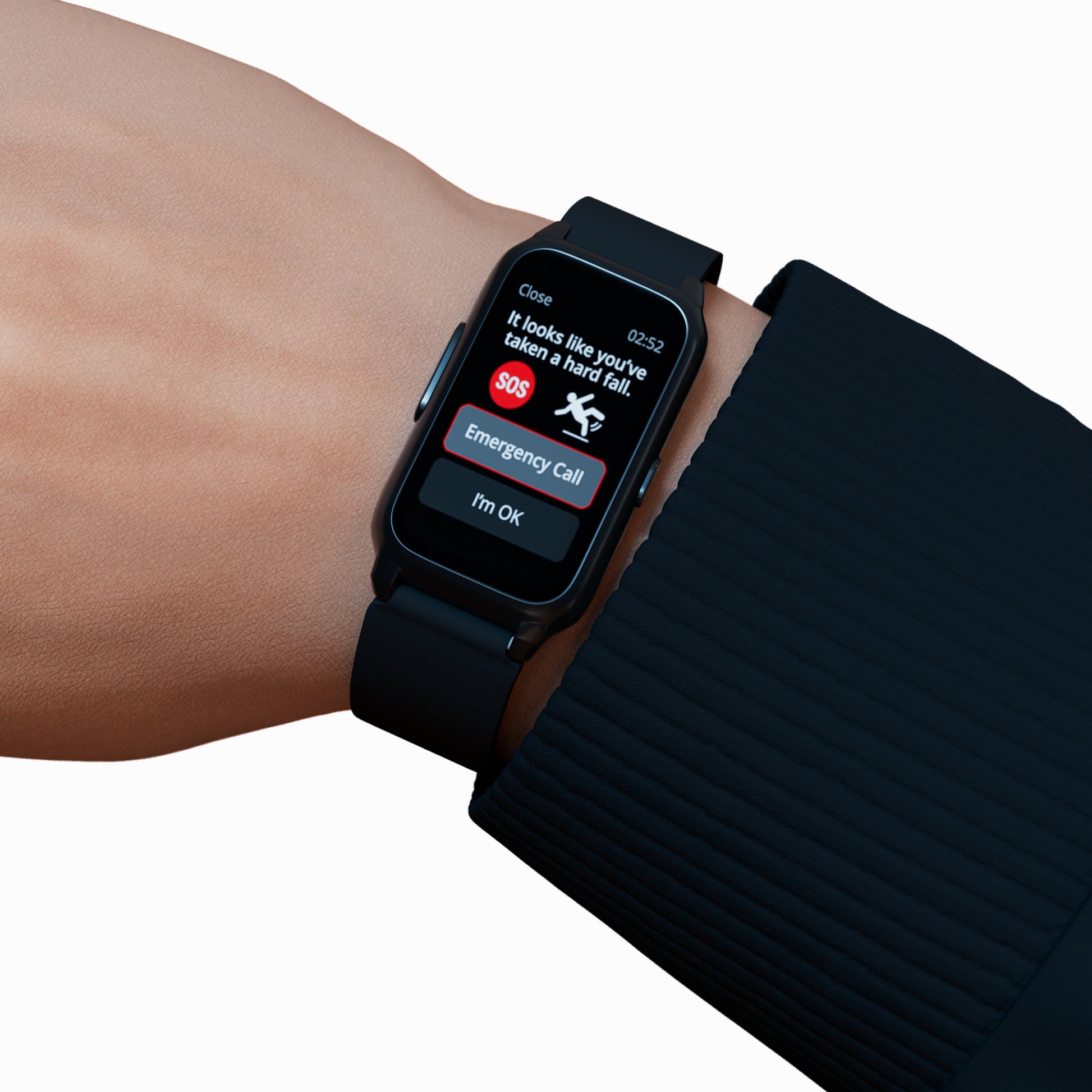
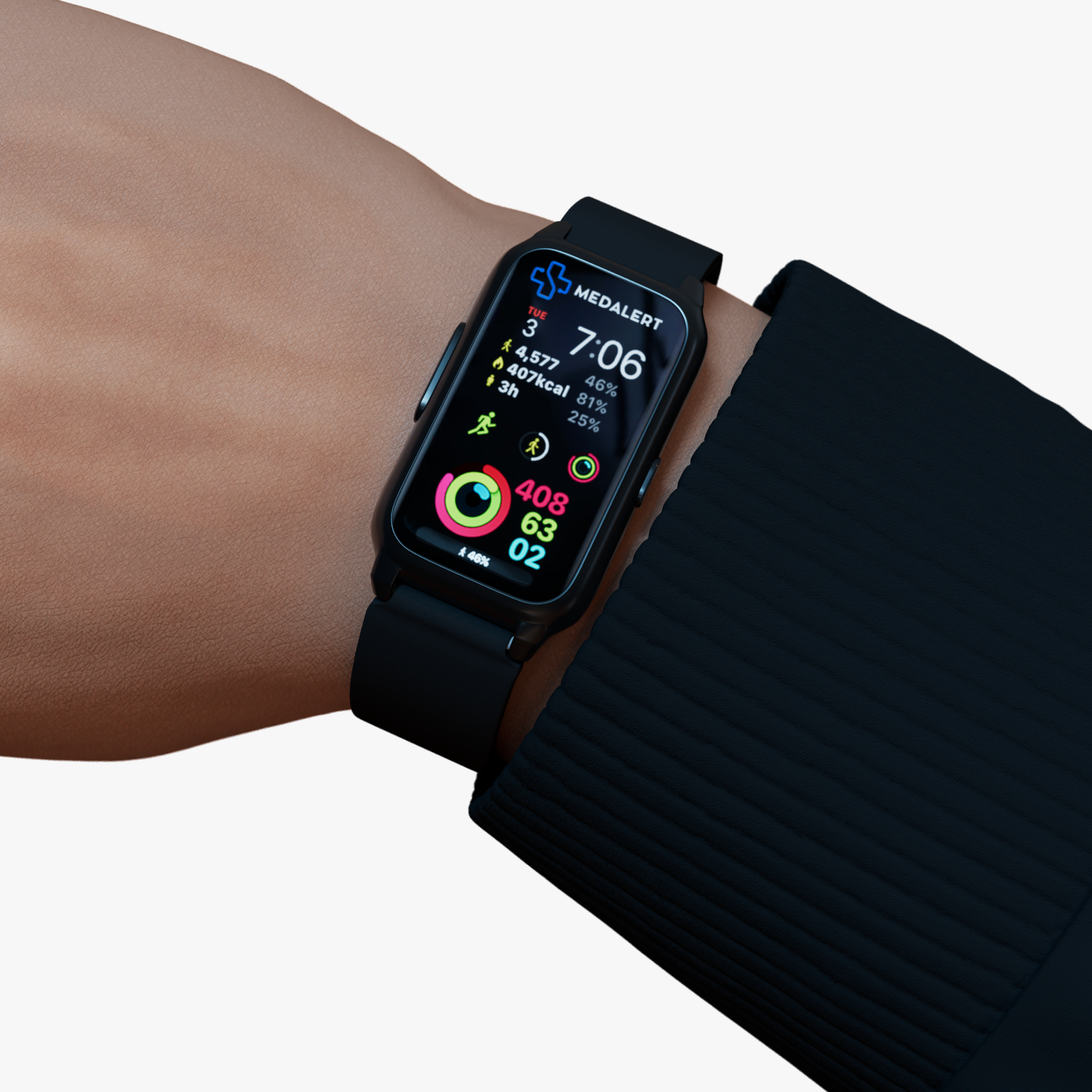
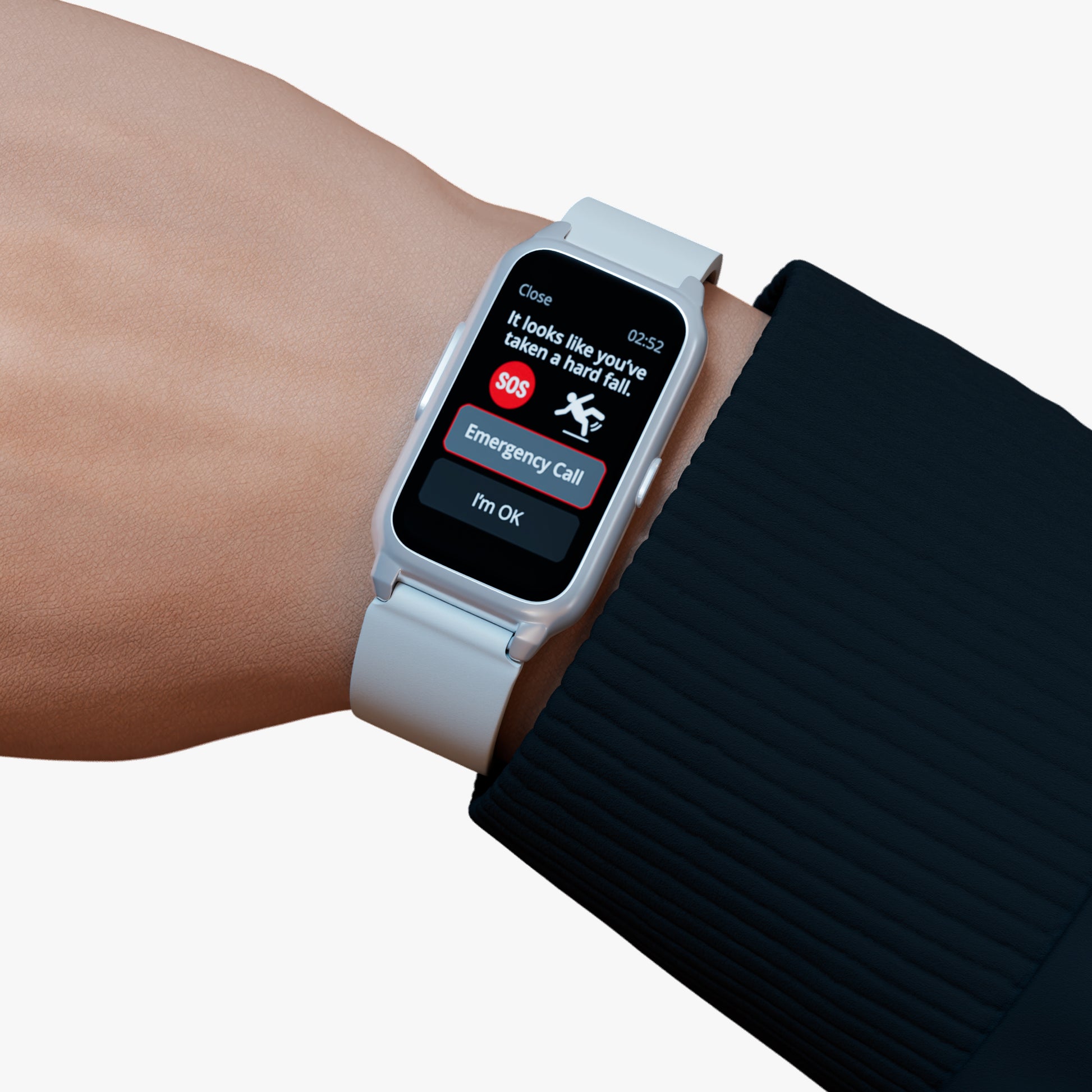
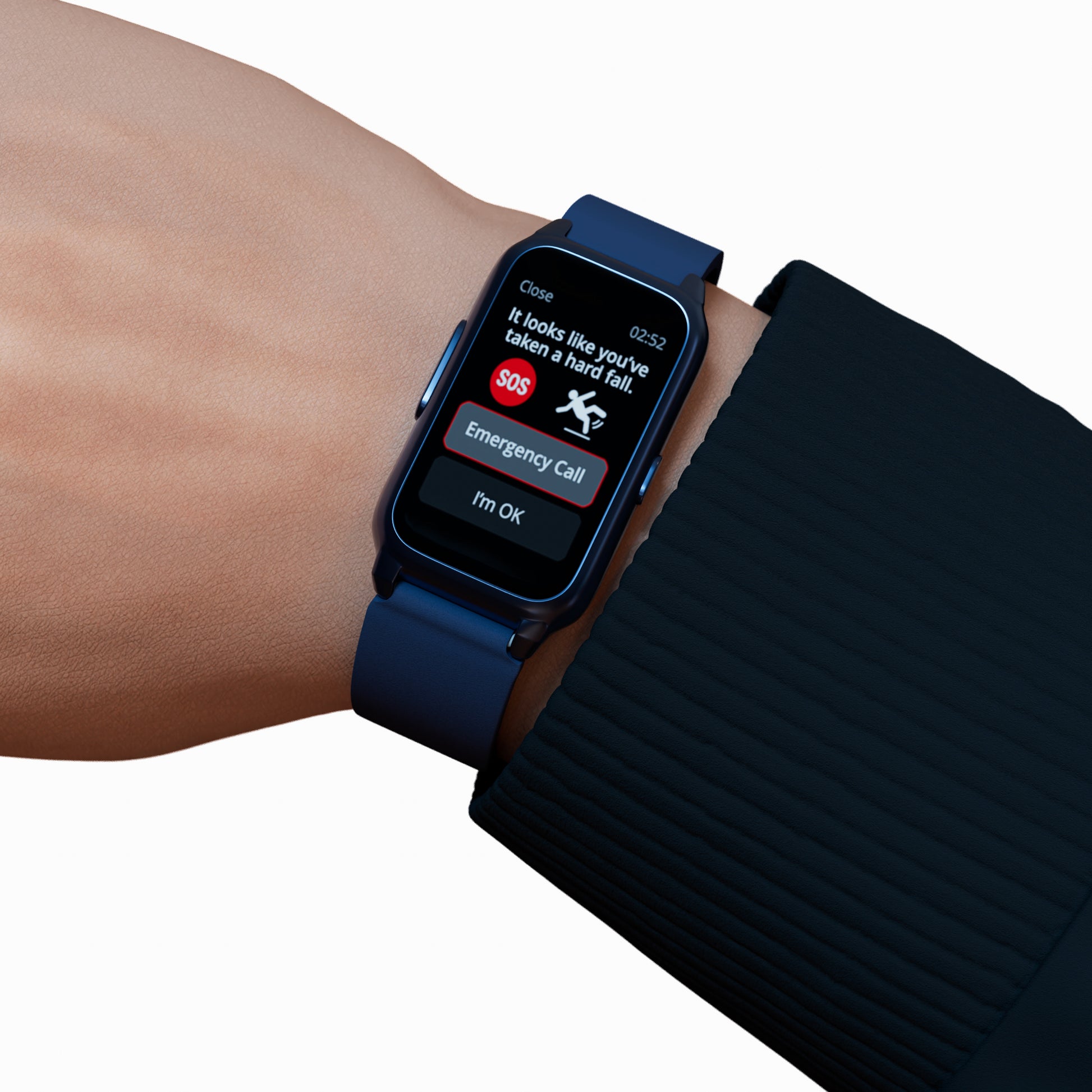
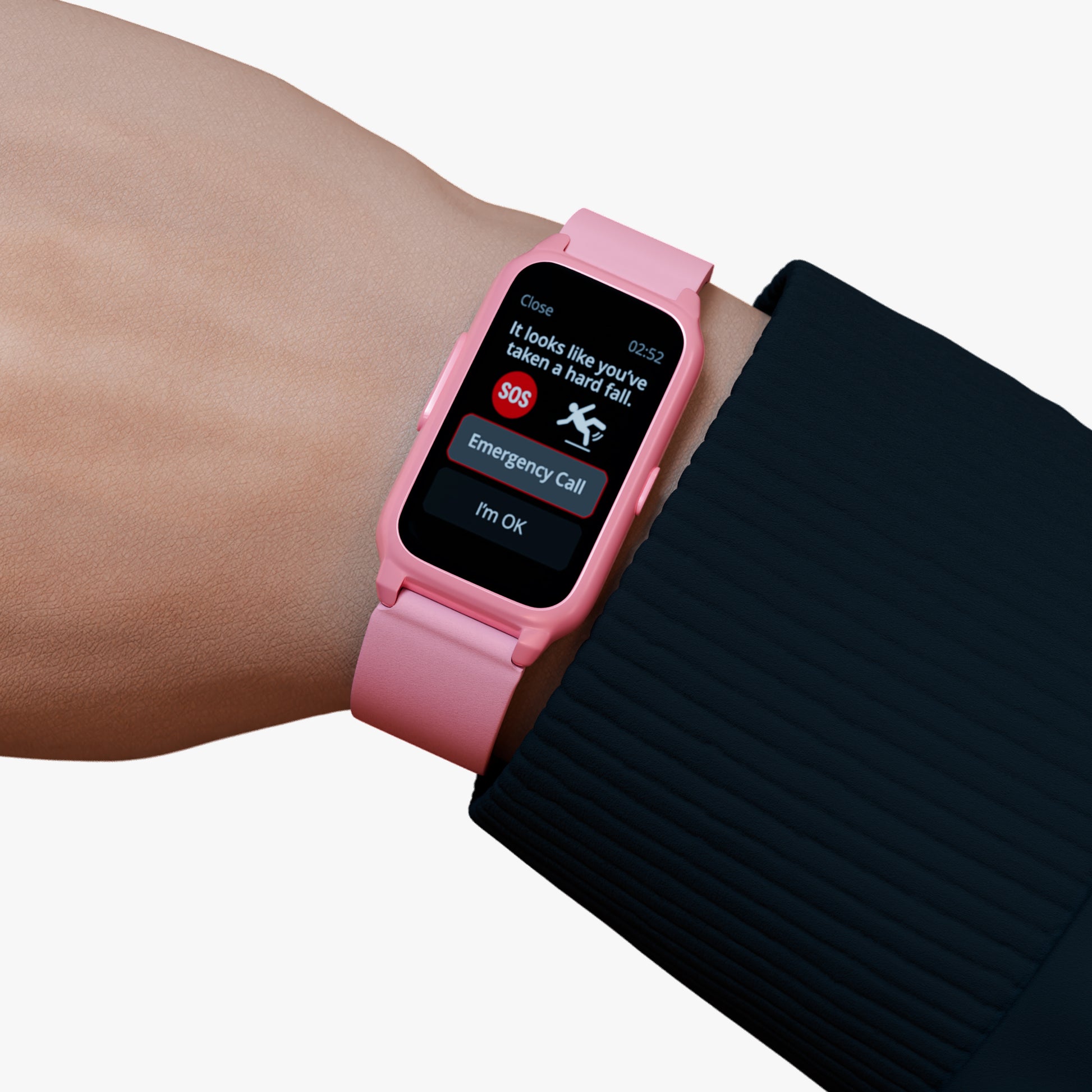
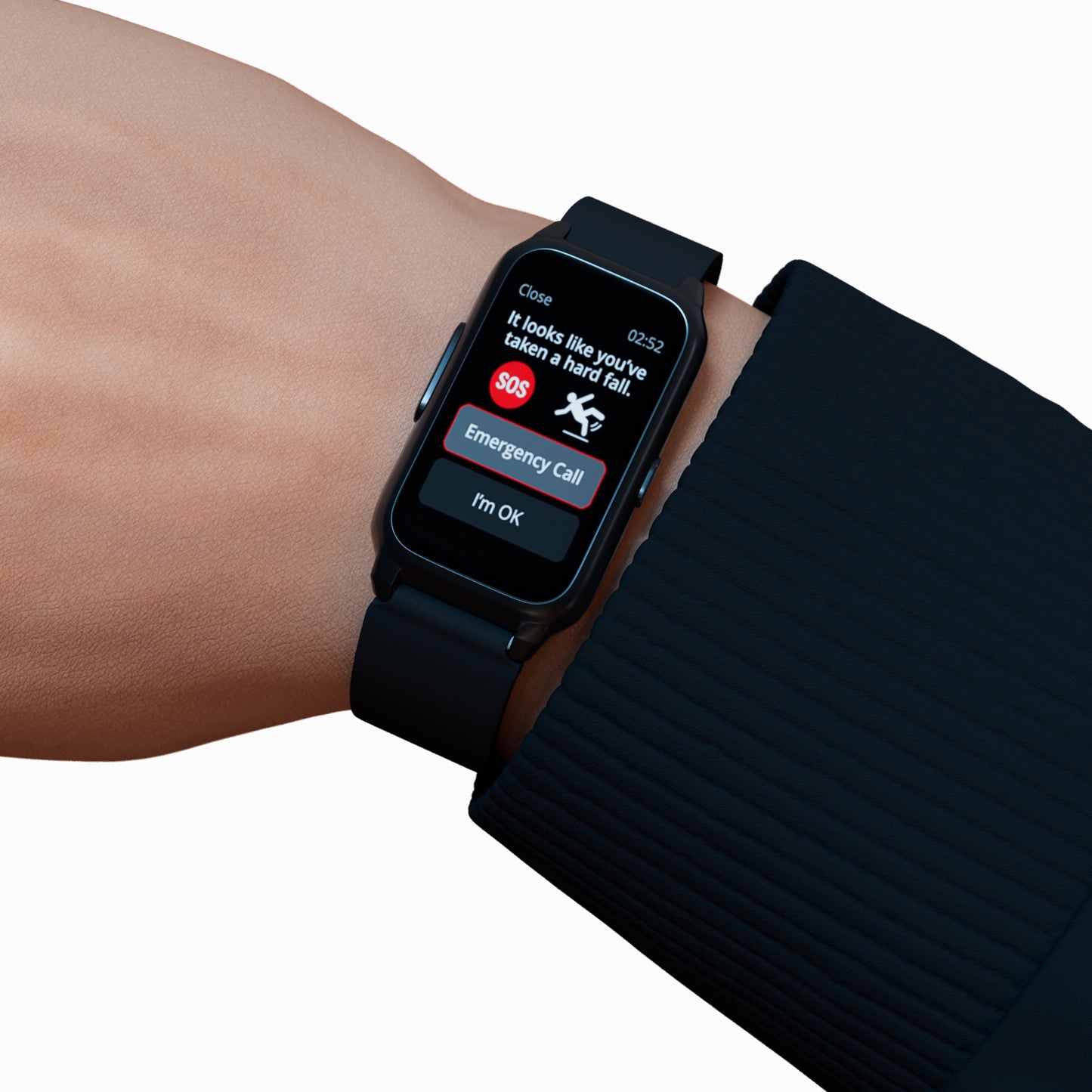
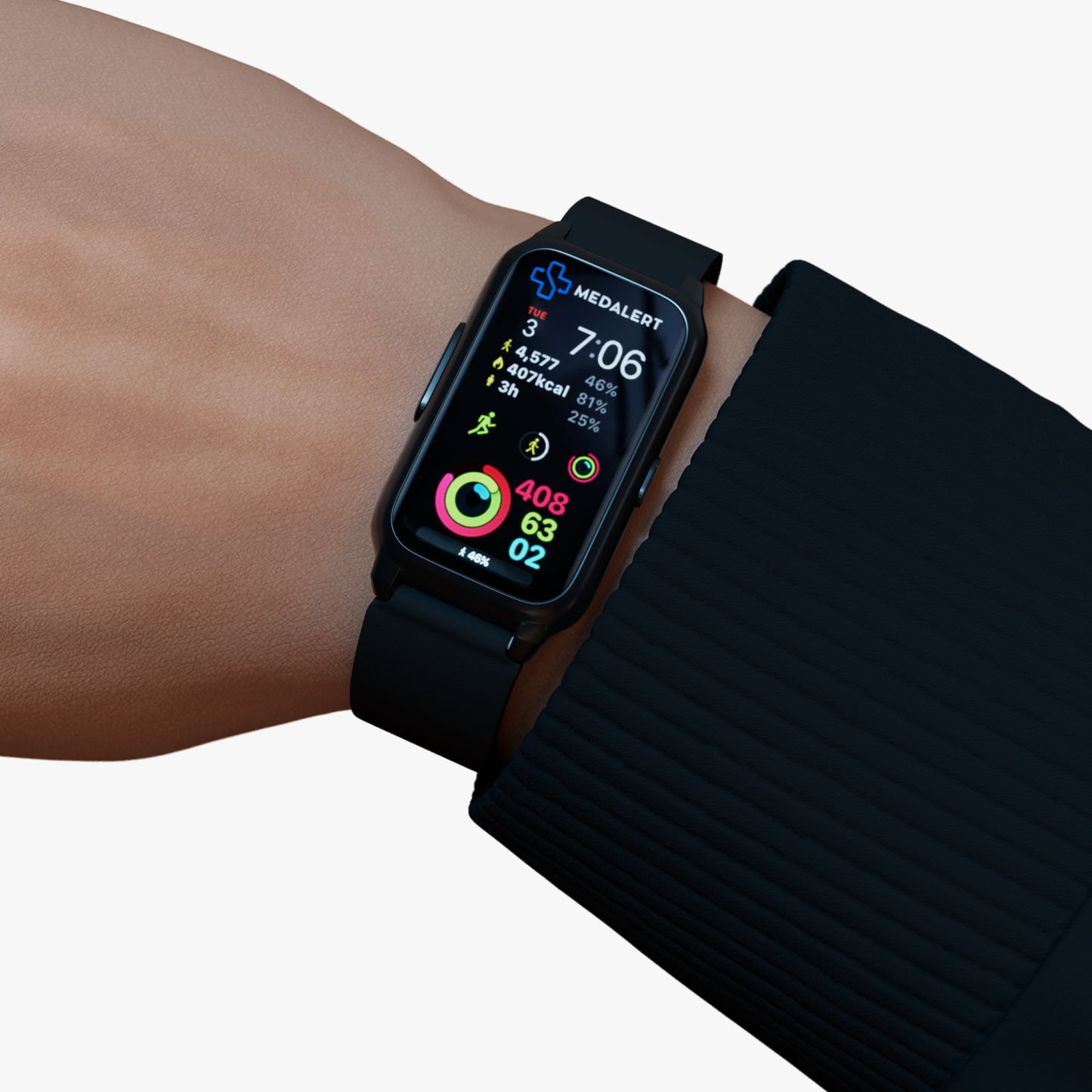
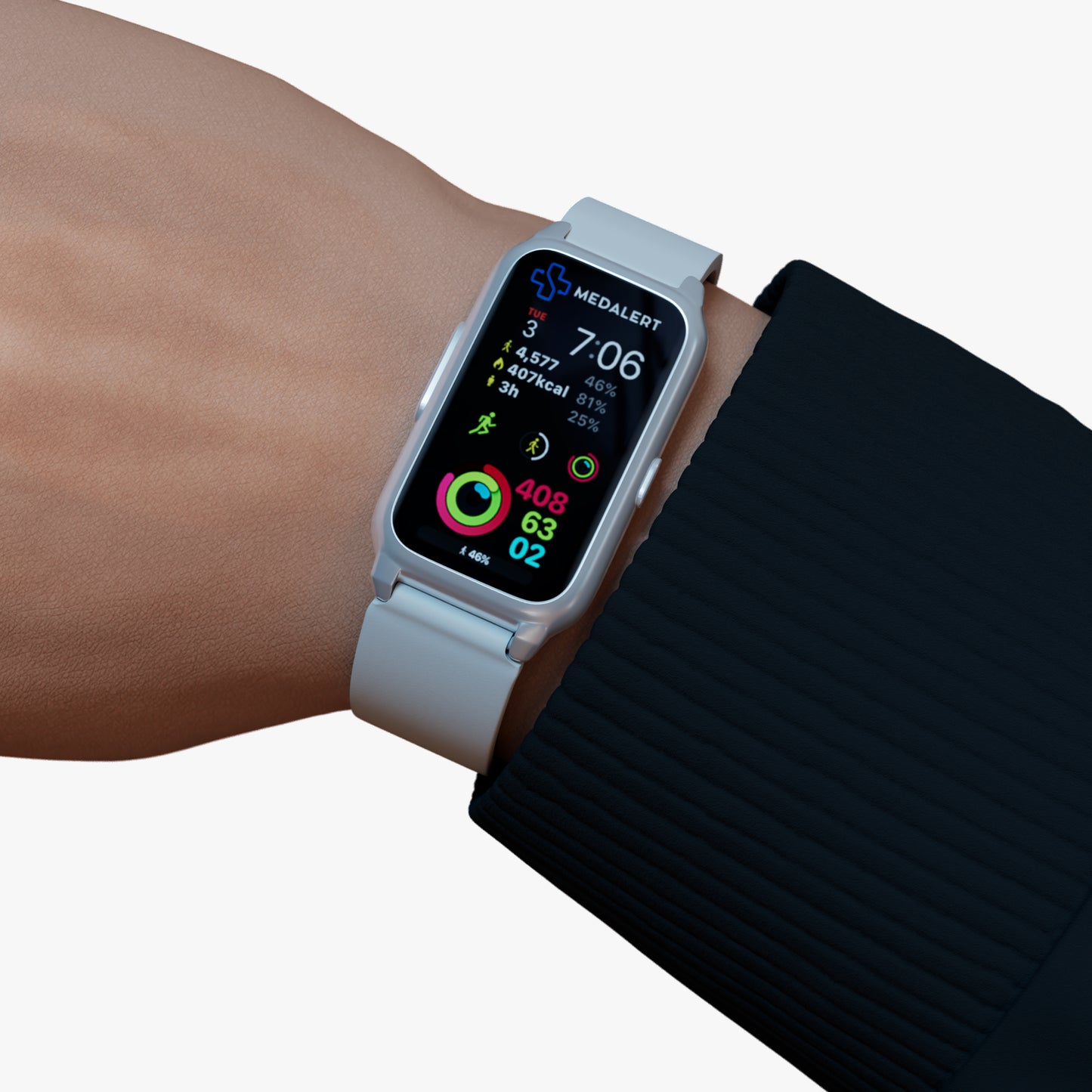
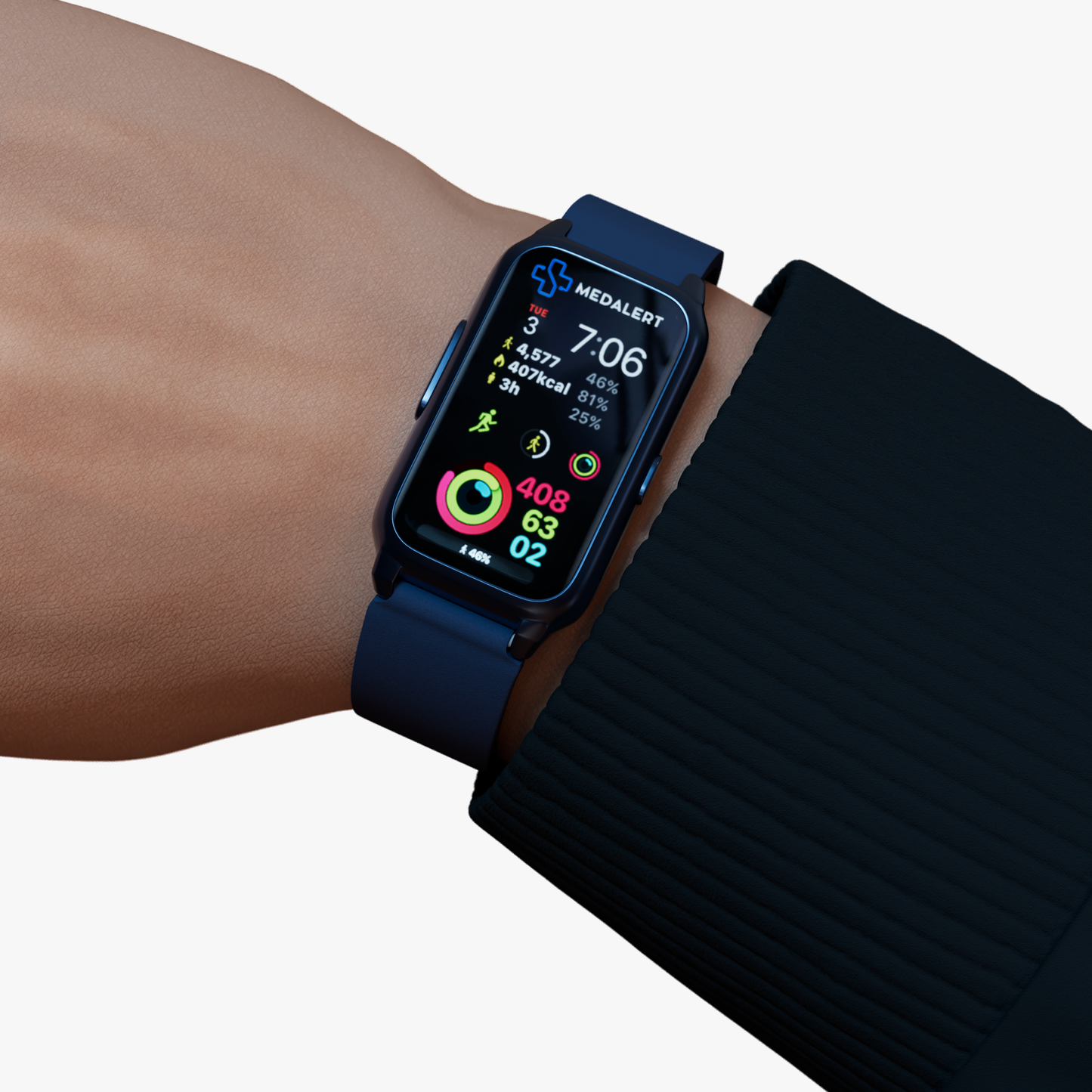
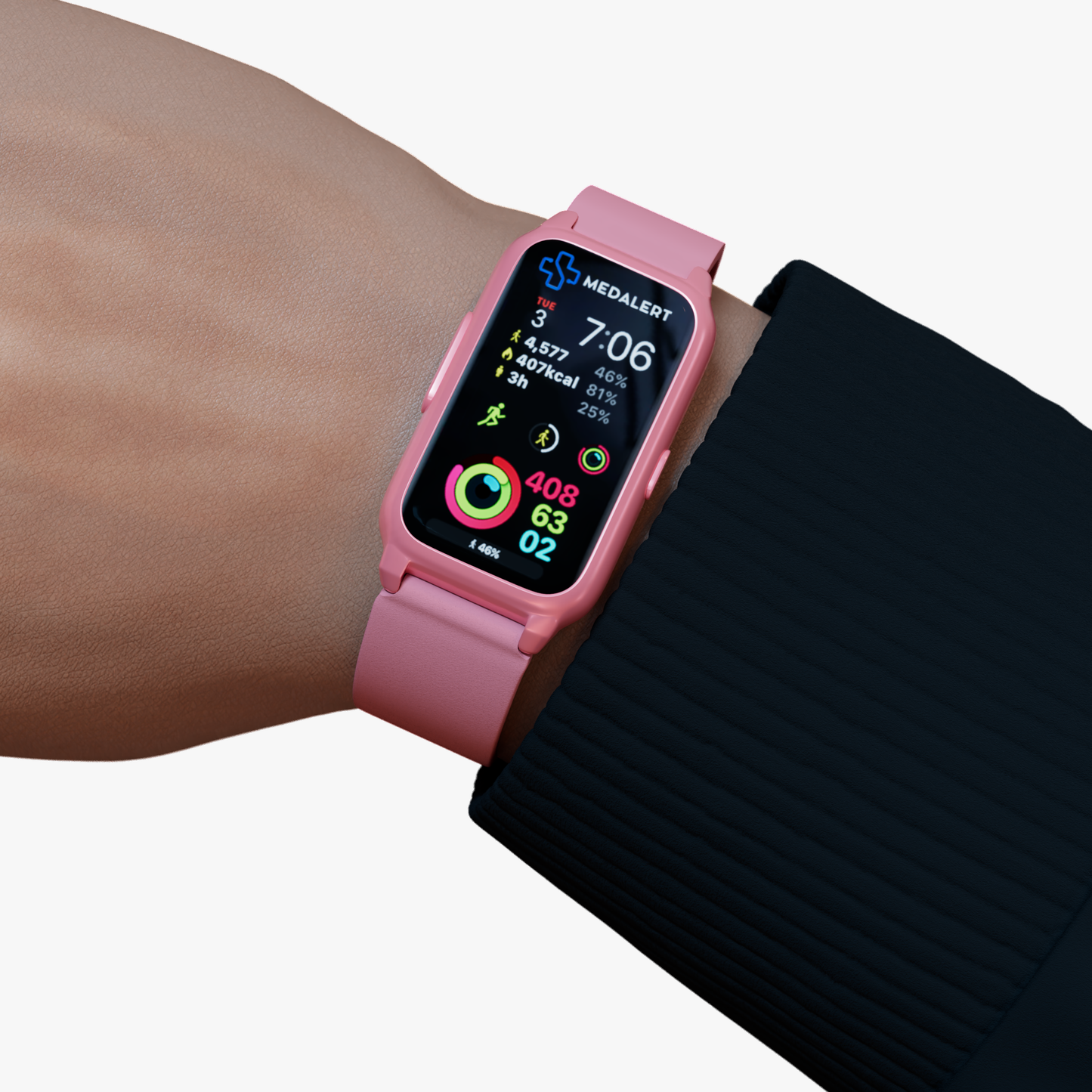
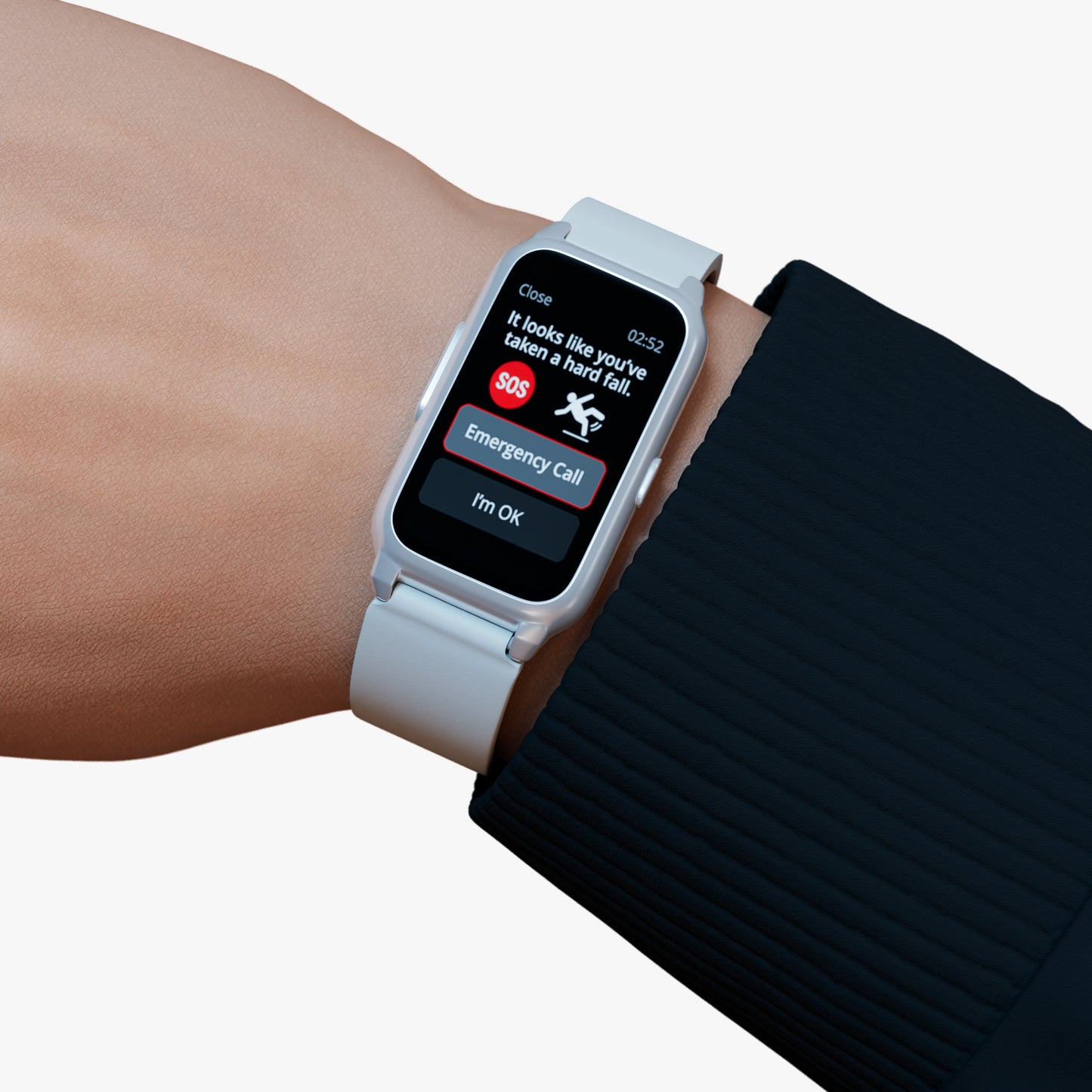
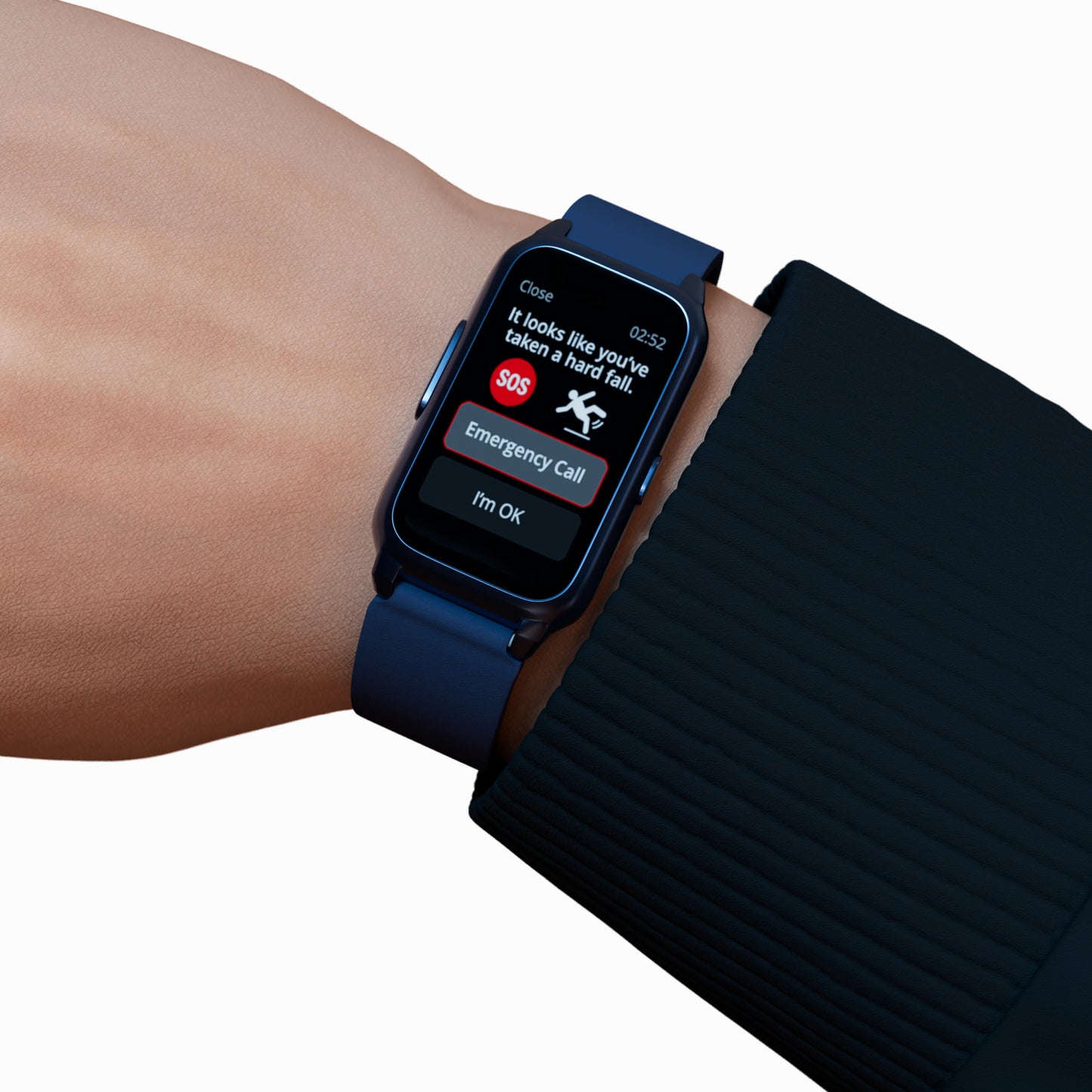
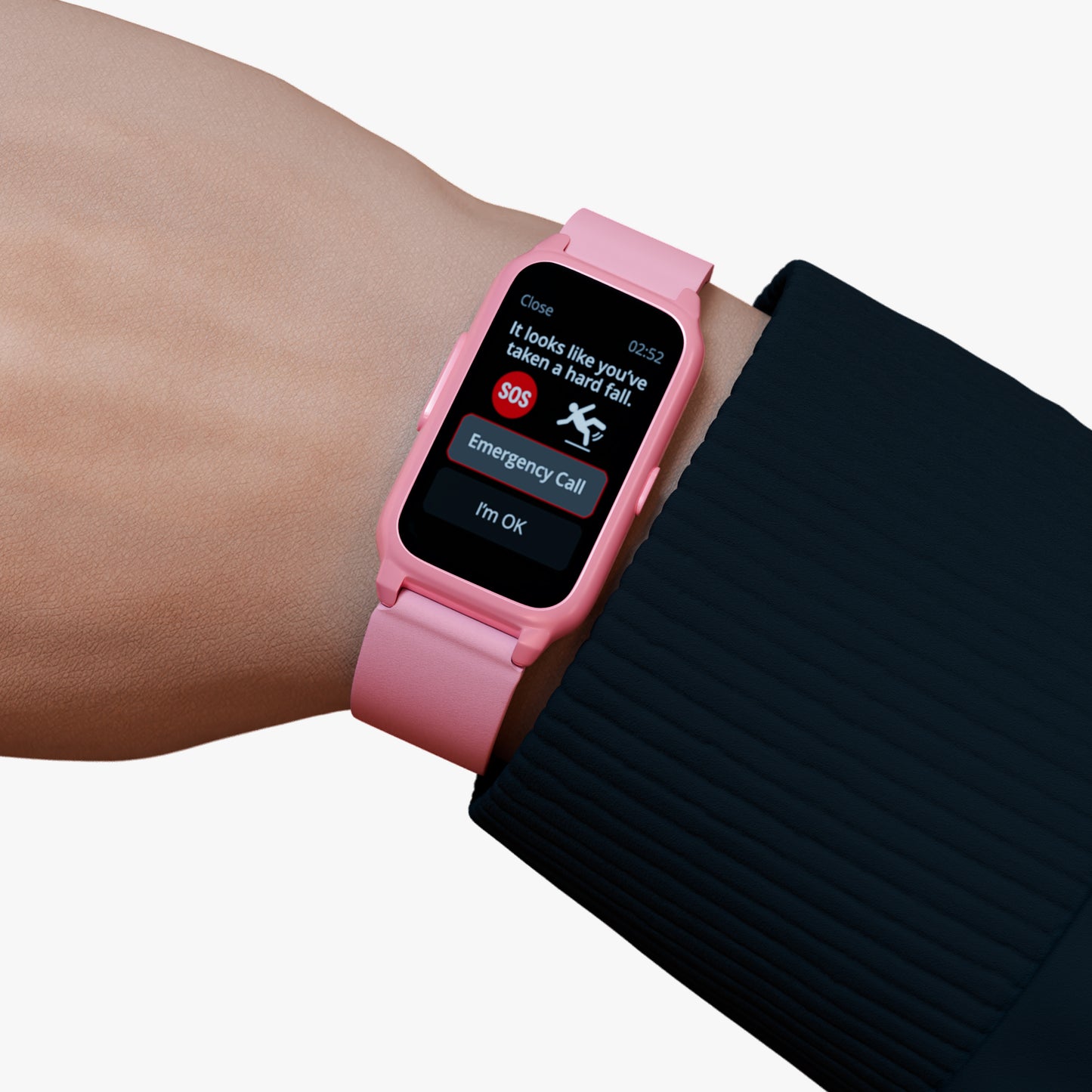
For some individuals, a medical alert watch provides a familiar wearable format that integrates naturally into everyday life while remaining easily accessible when needed.
The Importance of Communication in Remote Caregiving
Technology can support caregiving, but regular communication remains equally important. Staying connected through conversations helps caregivers understand changes in routine, preferences, or wellbeing.
Remote care should never focus exclusively on devices. Instead, it should combine practical technology with meaningful human interaction. This balanced approach helps maintain strong relationships while supporting ongoing independence.
Phone calls, video conversations, and regular check-ins continue to play an essential role in effective caregiving. These interactions provide opportunities to discuss concerns, share updates, and maintain emotional connections.
Many families find that combining communication with caregiver apps helps them stay organized and coordinate responsibilities more effectively.
Coordinating Support Across Family Members
In many situations, caregiving responsibilities are shared among several relatives. Communication tools and caregiver apps can help family members coordinate schedules, reminders, and daily support tasks.
This collaborative approach reduces confusion and helps ensure that everyone remains informed. By working together, caregivers can provide more consistent support without relying on a single individual.
Remote Monitoring Tools That Support Independent Living
The term remote monitoring tools covers a variety of solutions designed to help caregivers remain informed while respecting personal independence. The best tools are those that provide useful support without creating unnecessary complexity.
Effective monitoring does not involve constant observation. Instead, it focuses on maintaining awareness and ensuring that communication remains available when needed.
Families often begin by identifying their most important concerns. For some, mobility may be the primary consideration. Others may focus on communication or accessibility. Understanding these priorities can help guide decisions about suitable solutions.
As families explore how caregivers monitor elderly remotely, they often discover that simple, practical tools are frequently the most effective.
Creating a Care Plan That Works for Everyone
Every caregiving situation is different. What works well for one family may not be suitable for another. Therefore, developing a personalised care plan is an important step.
A strong plan should consider daily routines, communication preferences, mobility needs, and personal comfort levels. It should also allow room for adjustments as circumstances change over time.
The most successful caregiving arrangements often involve ongoing discussions between caregivers and older adults. These conversations help ensure that support solutions remain relevant and comfortable.
In addition, families should regularly review the tools they use and assess whether they continue to meet current needs.
If you would like more information about suitable support solutions for elderly care, you can always Contact us to learn more about available options and resources.
Choosing Technology That Supports Long-Term Independence
One of the most important goals of remote caregiving is preserving independence. Technology should support daily life rather than complicate it.
The best solutions are those that fit naturally into existing routines and encourage confidence. Whether through wearable devices, location-aware solutions, or communication tools, the focus should remain on helping older adults continue living comfortably and independently.
Families researching how caregivers monitor elderly remotely often discover that technology works best when paired with open communication, realistic expectations, and thoughtful planning.
By focusing on practical support rather than constant supervision, caregivers can help create a safer and more connected environment for their loved ones.
Conclusion
Learning how caregivers monitor elderly remotely involves more than selecting a piece of technology. It requires understanding individual needs, encouraging independence, and choosing solutions that support everyday life.
Wearable alarms, GPS-enabled devices, communication tools, and practical monitoring solutions can all contribute to a more connected caregiving experience. When combined with regular communication and a well-planned care strategy, these tools help families remain informed while respecting personal freedom.
As caregiving needs continue to evolve, remote support solutions provide families with practical ways to stay connected and support loved ones from near or far.
Frequently Asked Questions
1. How do caregivers monitor elderly remotely without affecting independence?
Caregivers often use wearable devices, communication tools, and monitoring solutions that provide support while allowing older adults to continue their normal routines. The focus is on accessibility and awareness rather than constant supervision.
2. What role do personal alarms play in elderly care?
Personal alarms provide a practical way for older adults to maintain access to support throughout the day. They can become part of a broader caregiving plan while helping individuals remain confident and independent.
3. Why are GPS-enabled devices useful for caregivers?
GPS-enabled devices can support awareness during daily activities and help caregivers stay connected with loved ones who spend time outside the home. They are often used as part of a wider remote care strategy.
4. Are caregiver apps helpful for family members?
Yes. Caregiver apps can assist with organising schedules, reminders, and communication between family members. They help improve coordination and support more consistent caregiving arrangements.
5. How can families choose the right remote monitoring tools?
Families should consider lifestyle, mobility, communication preferences, and ease of use. Selecting tools that fit naturally into daily routines often leads to better long-term results and greater comfort for everyone involved.