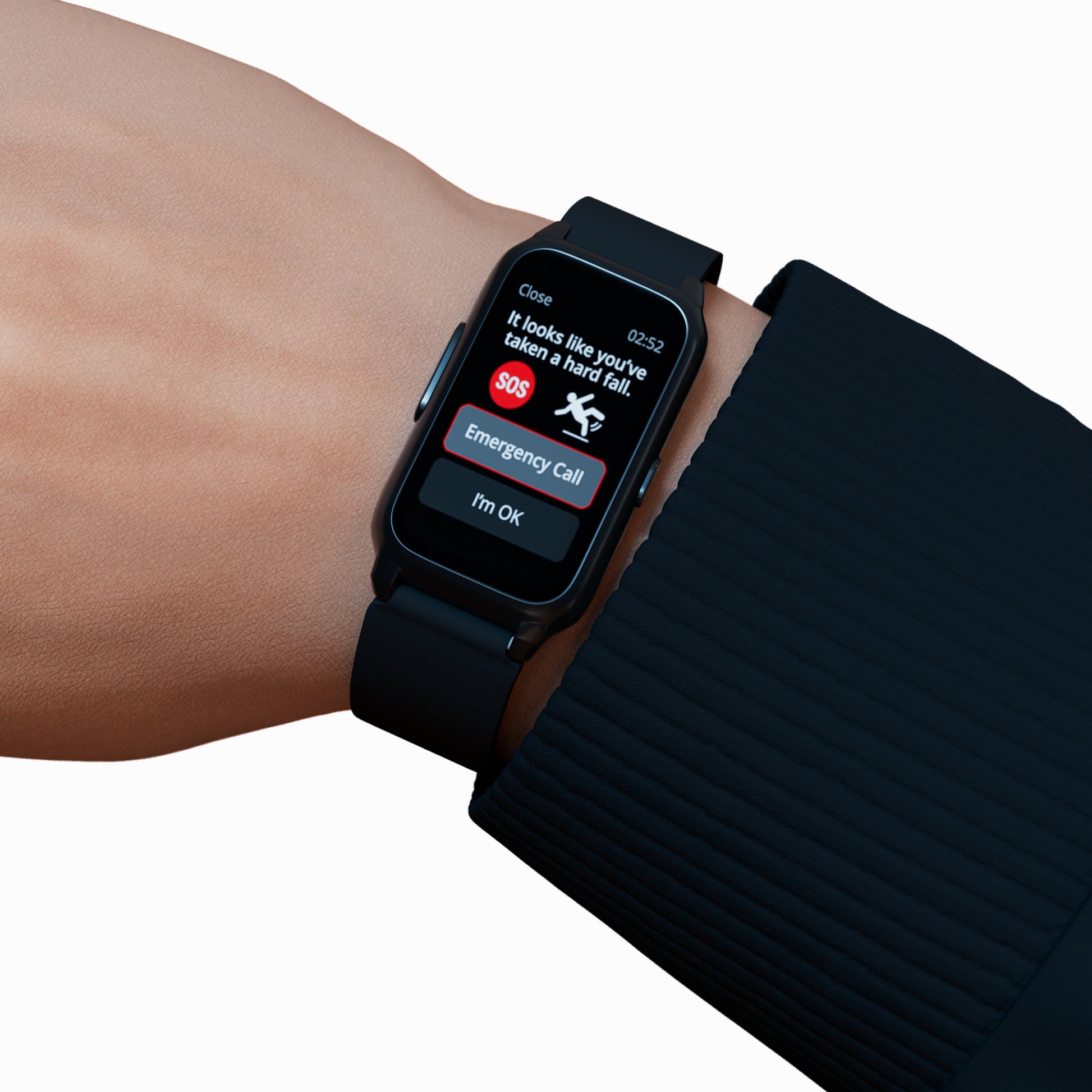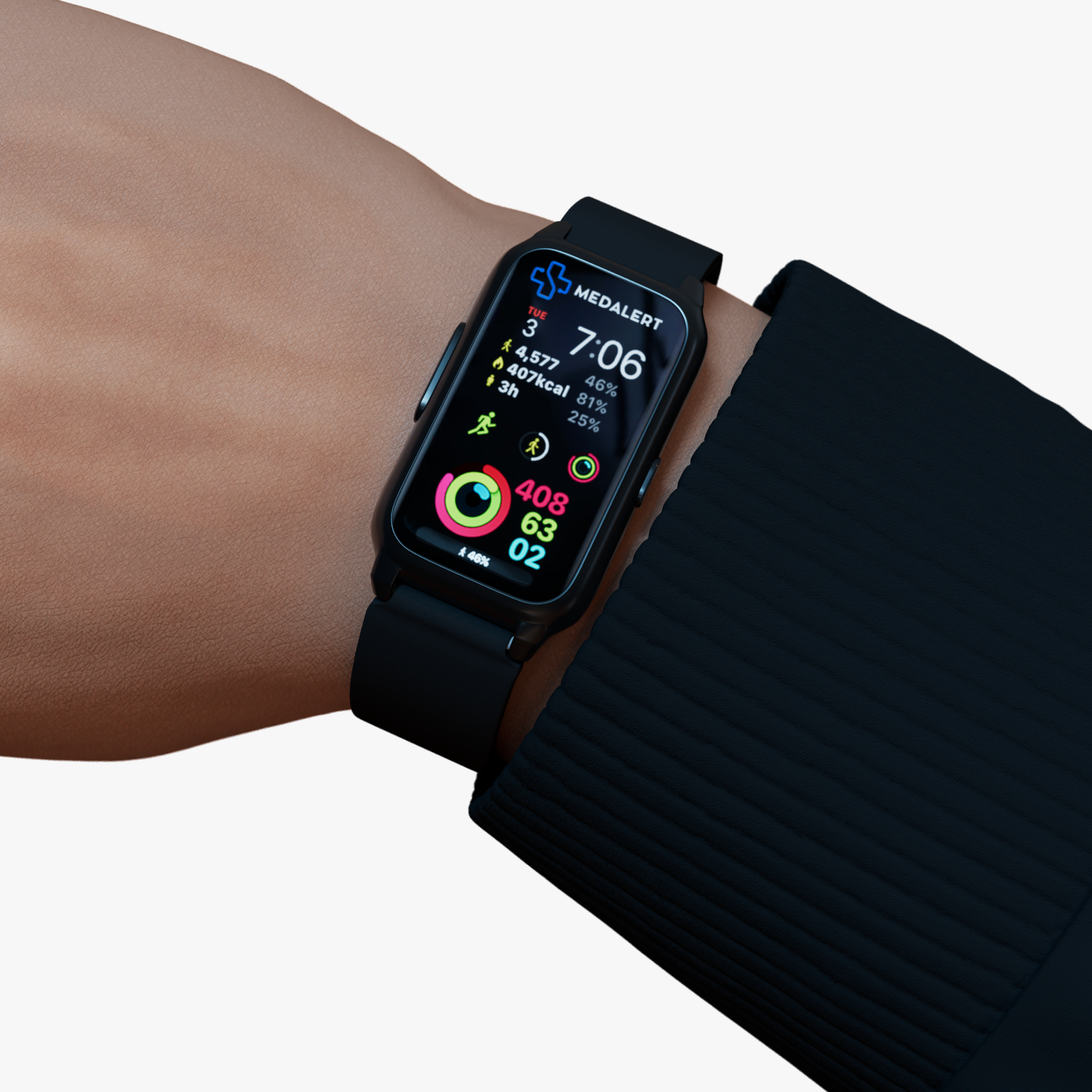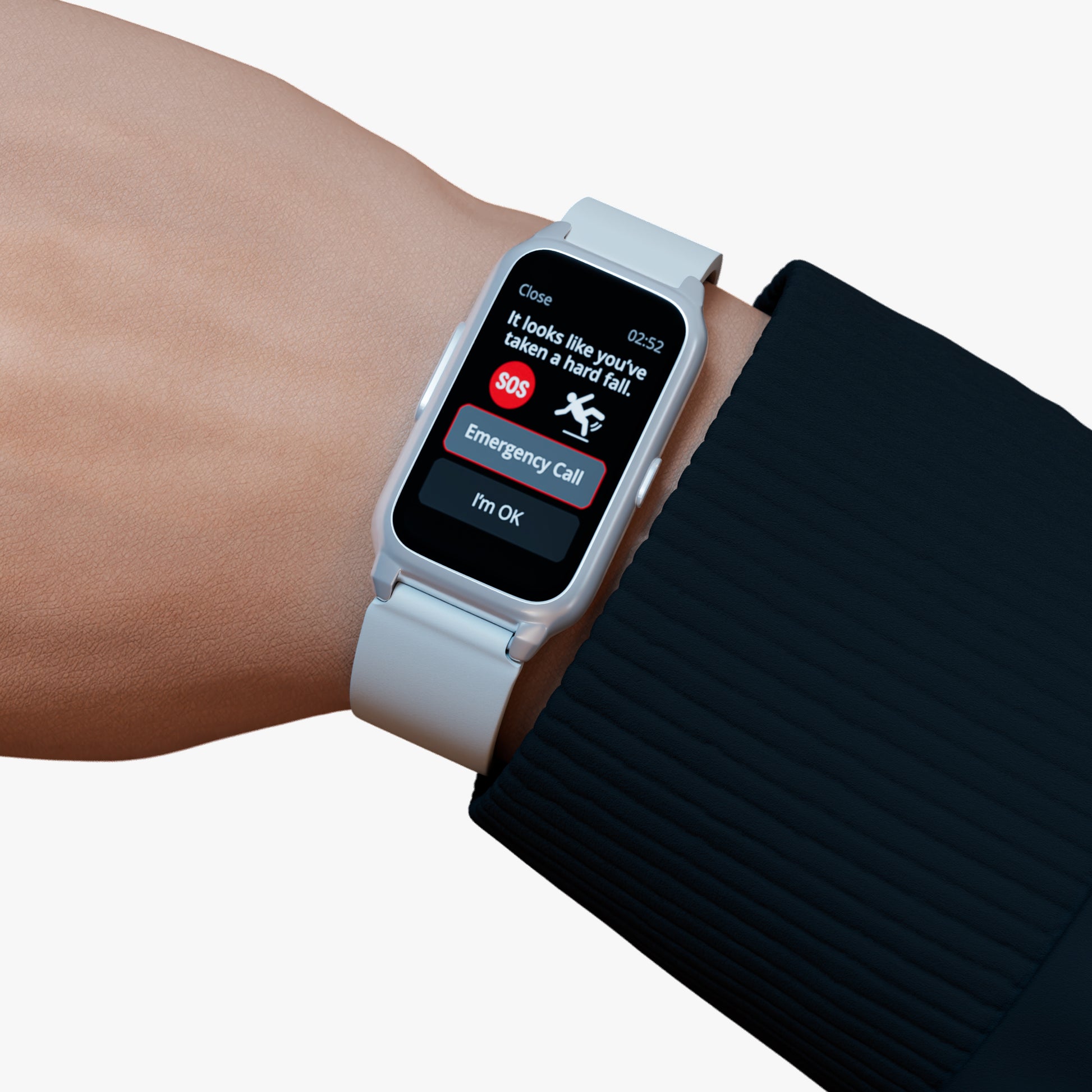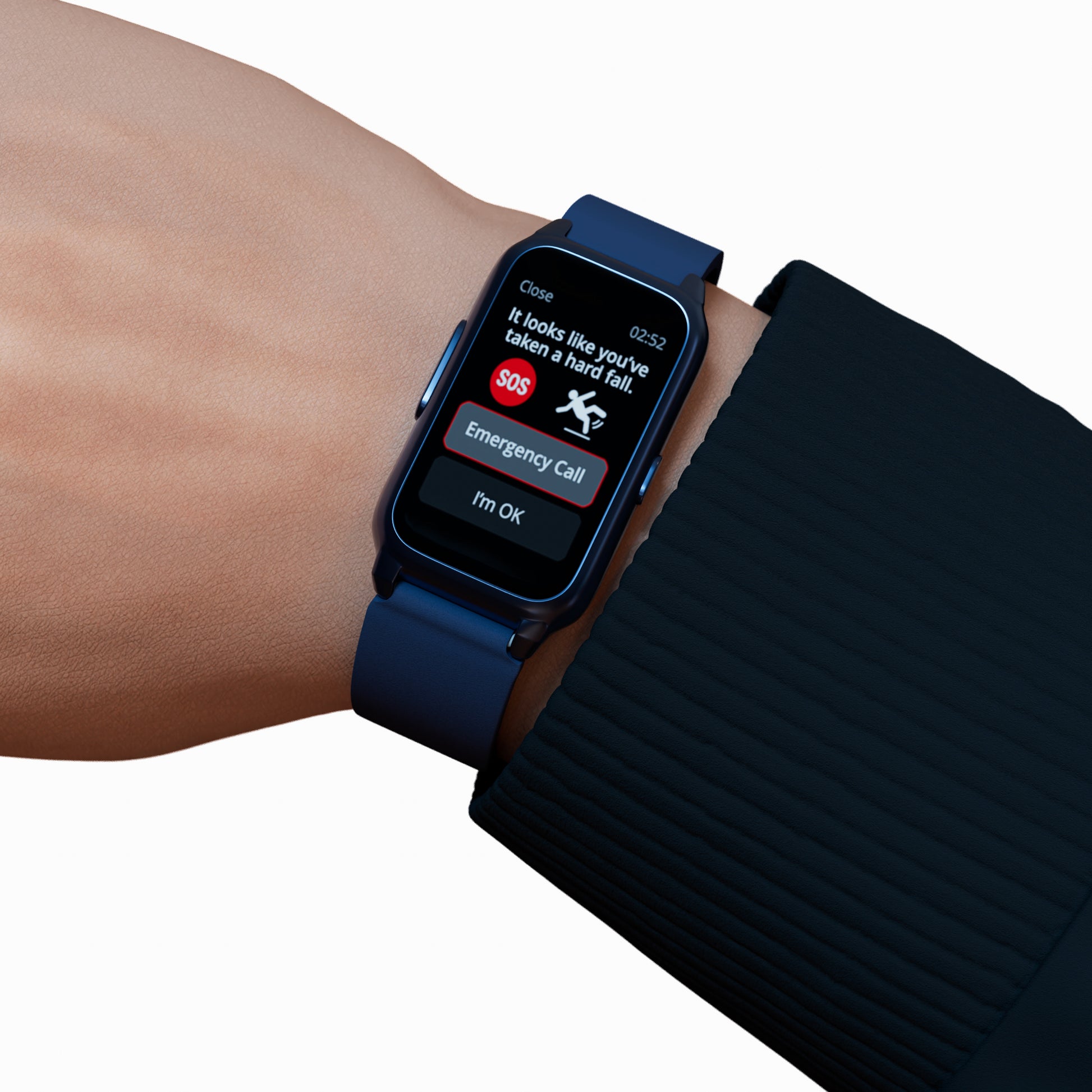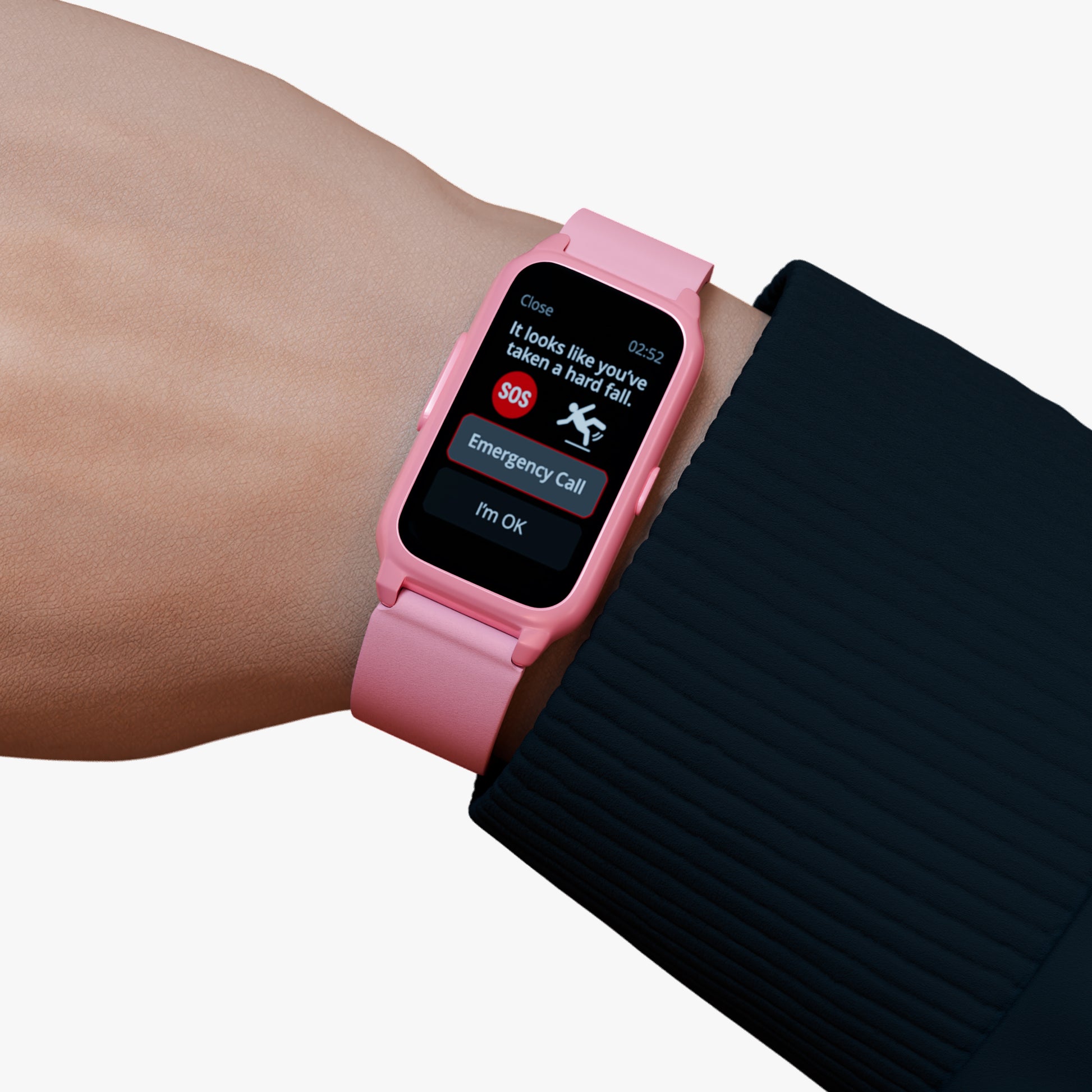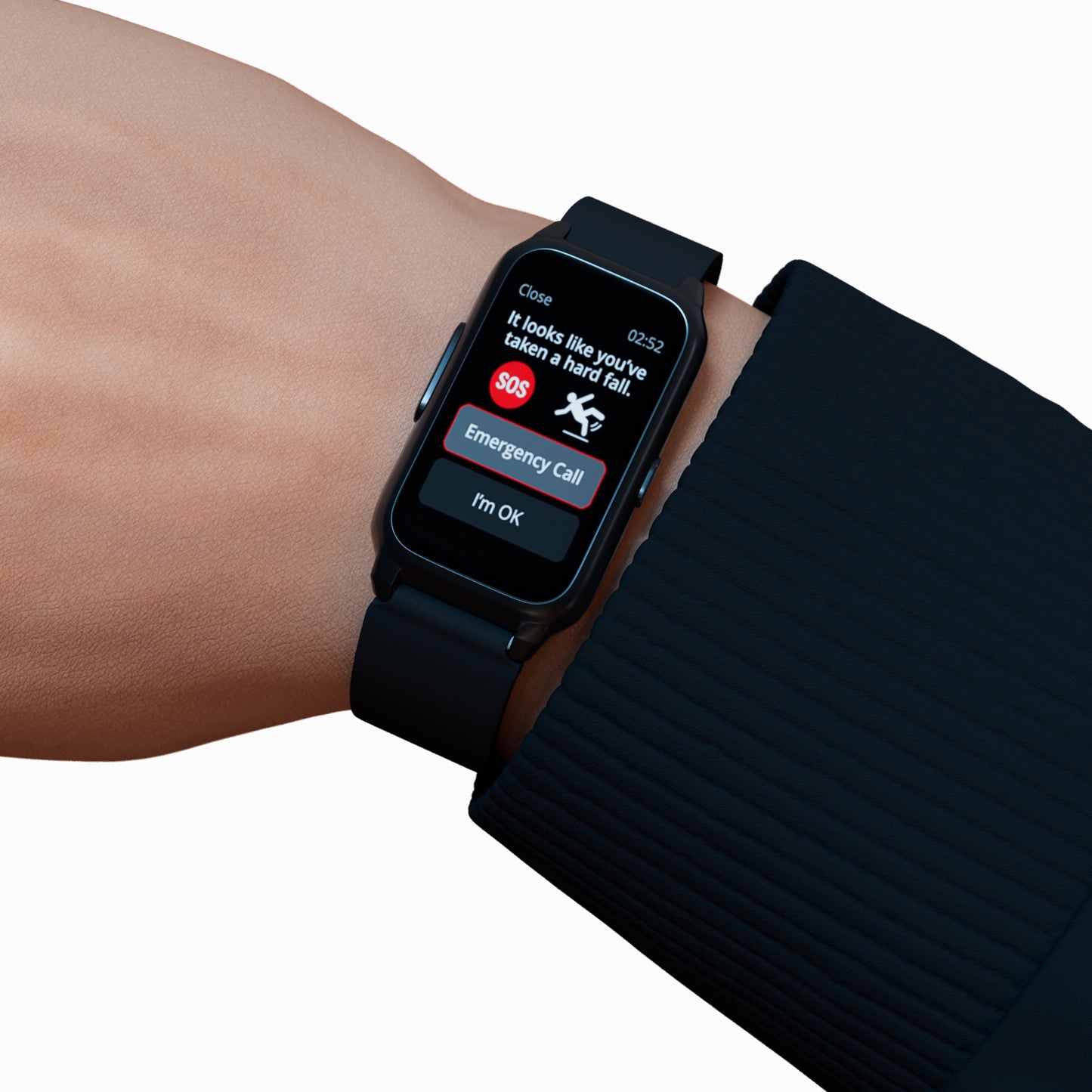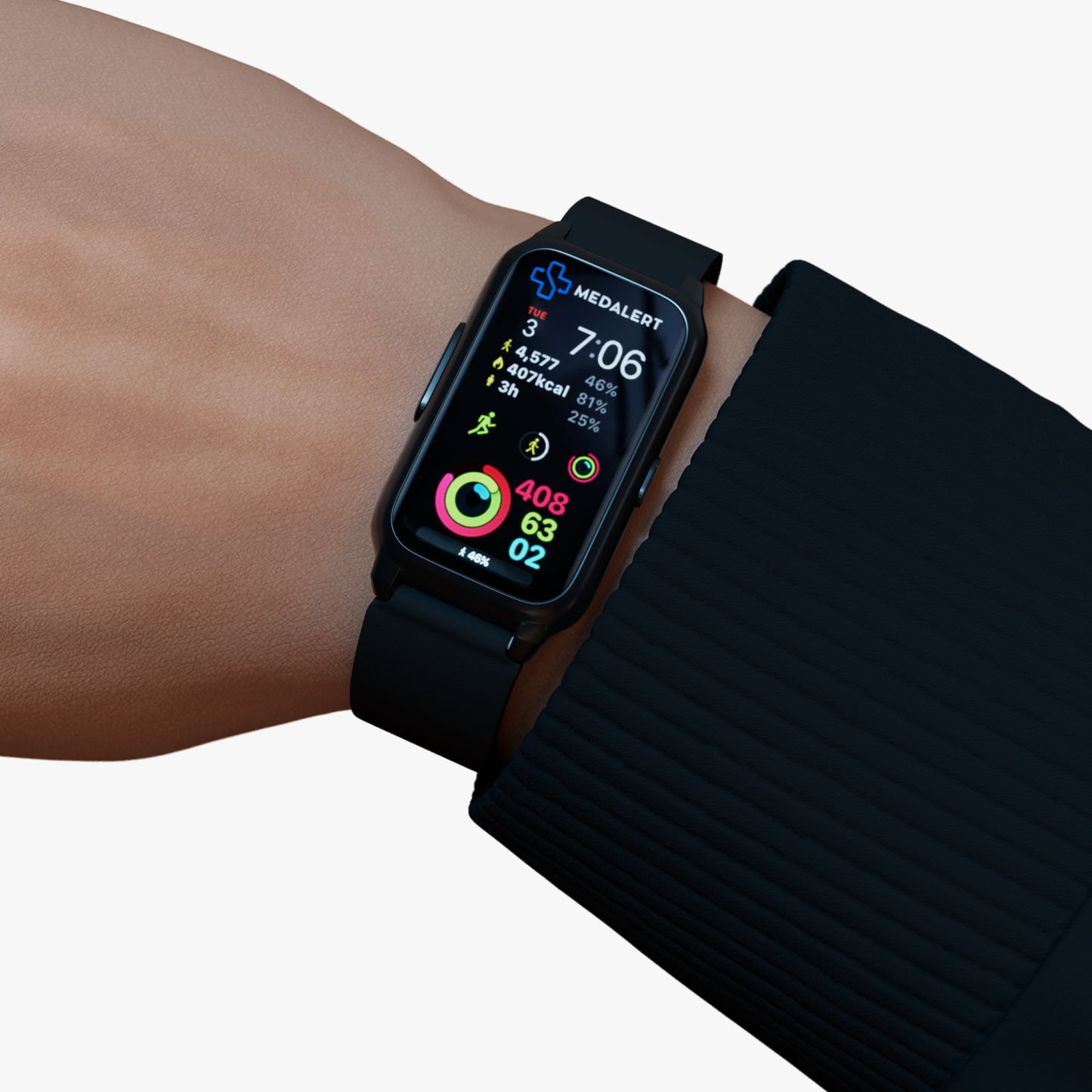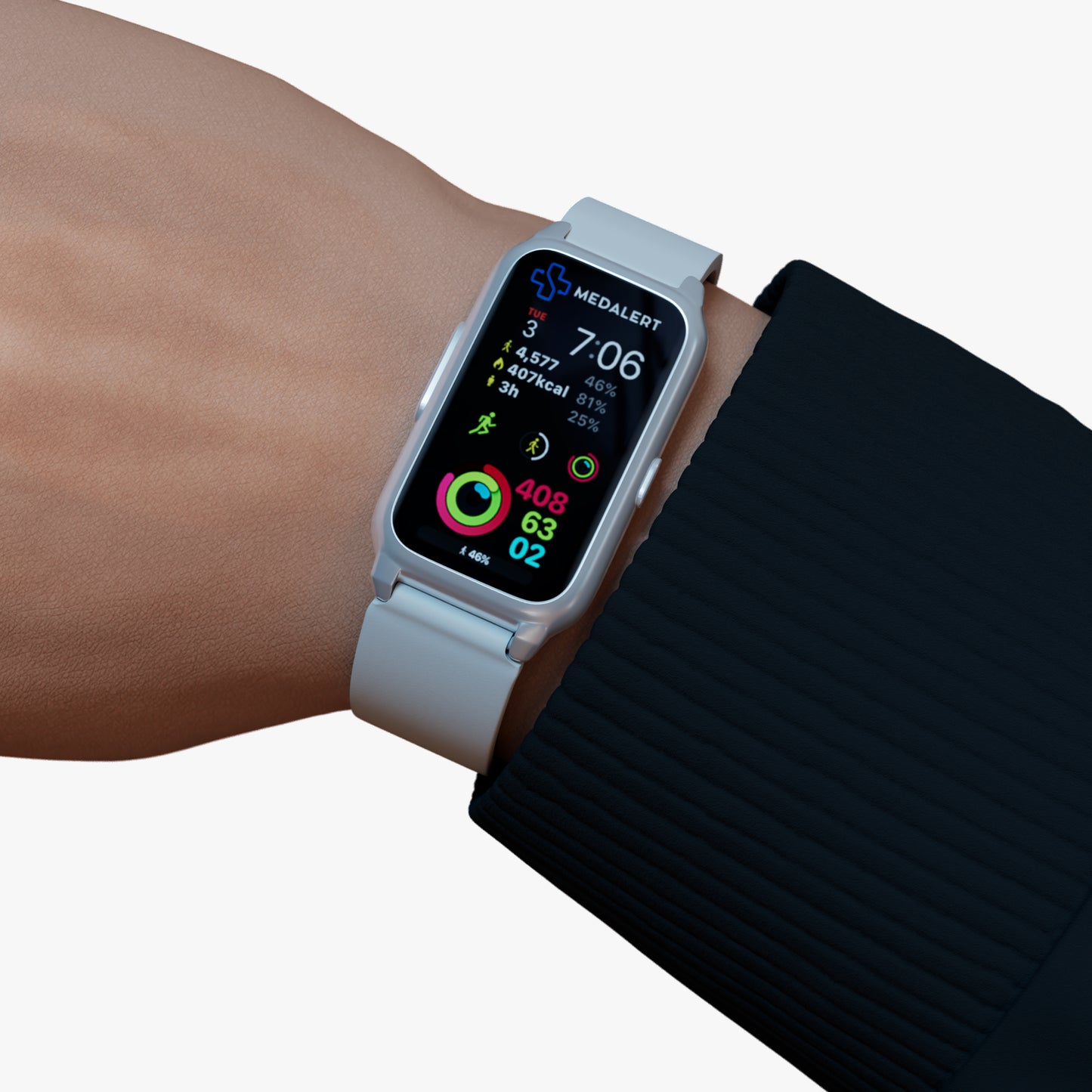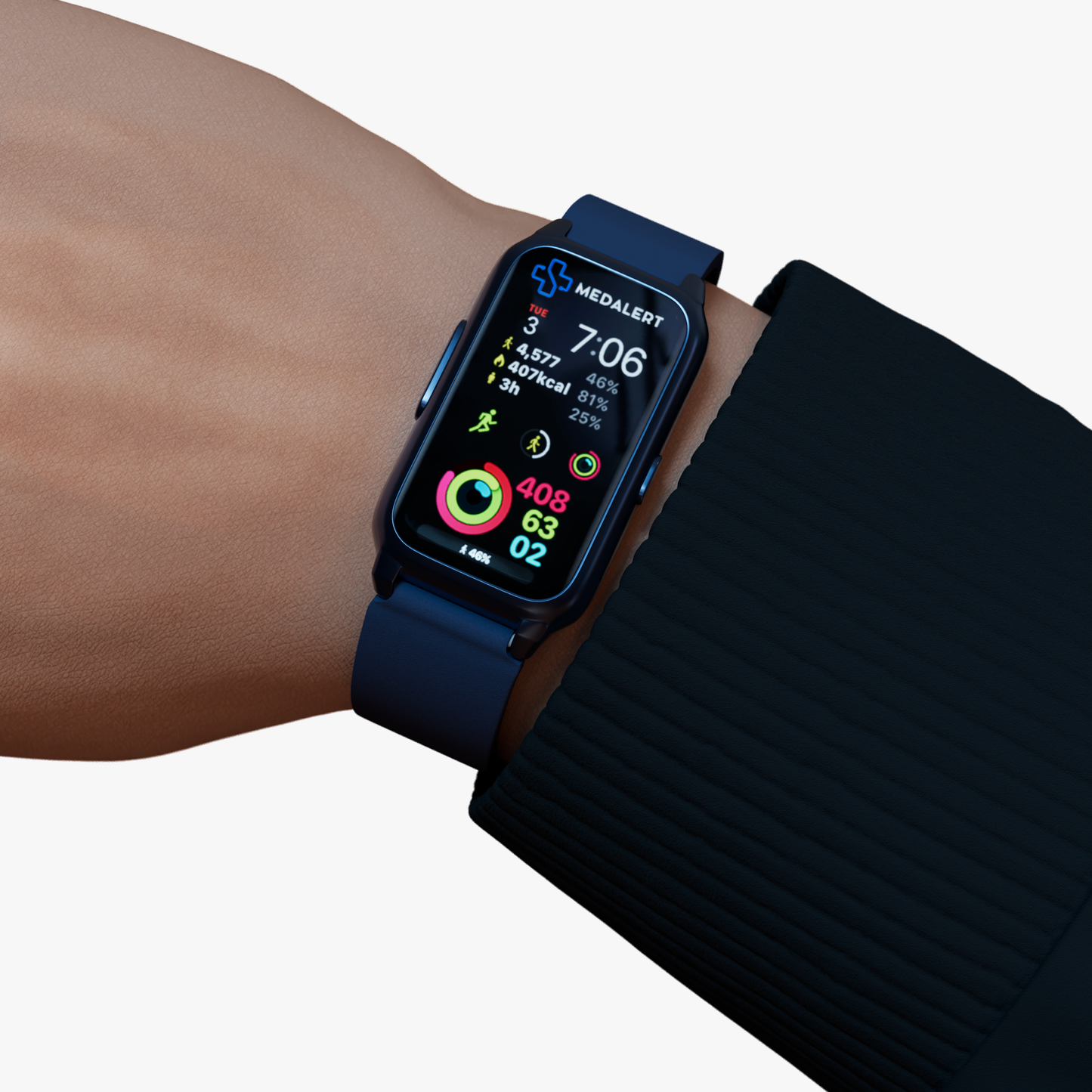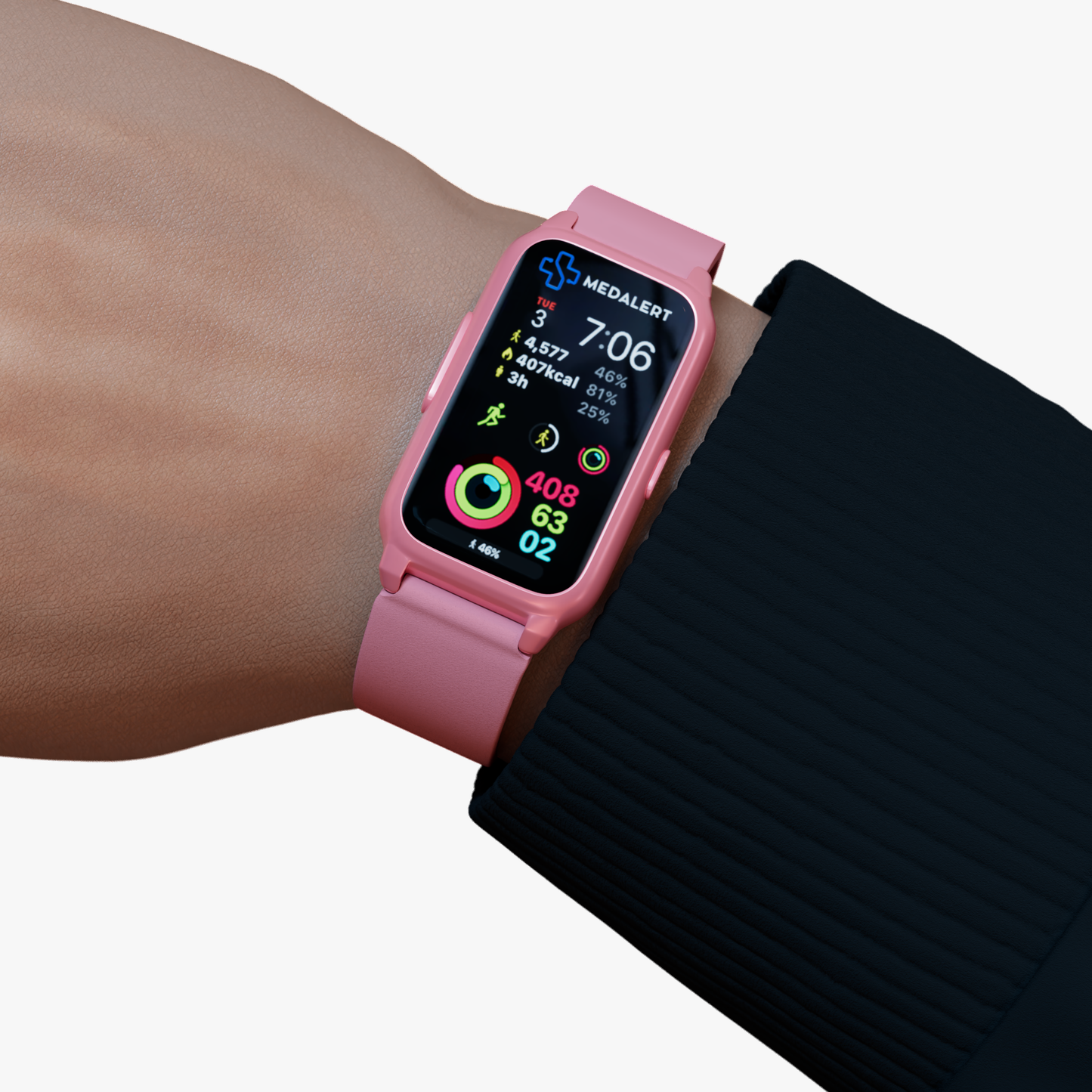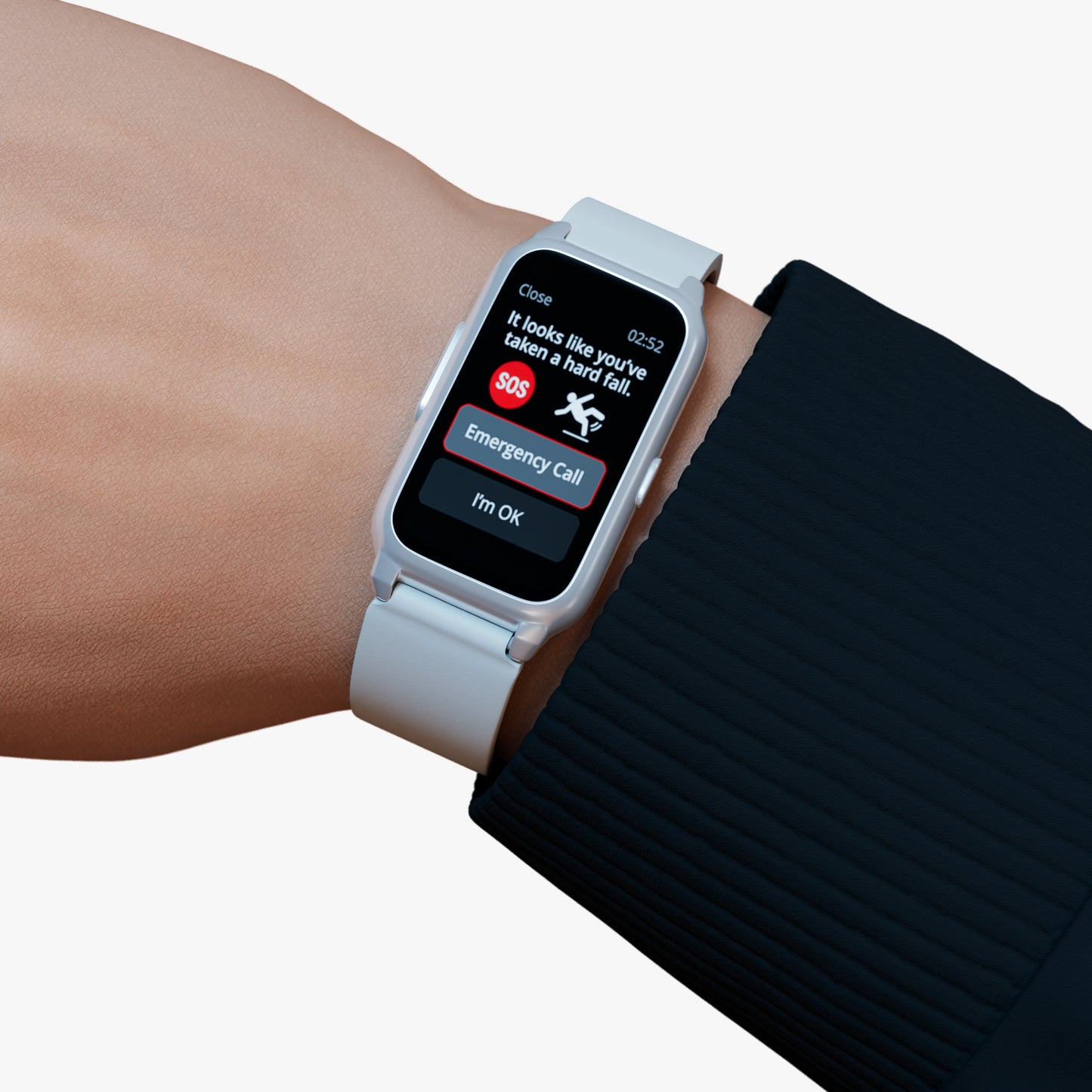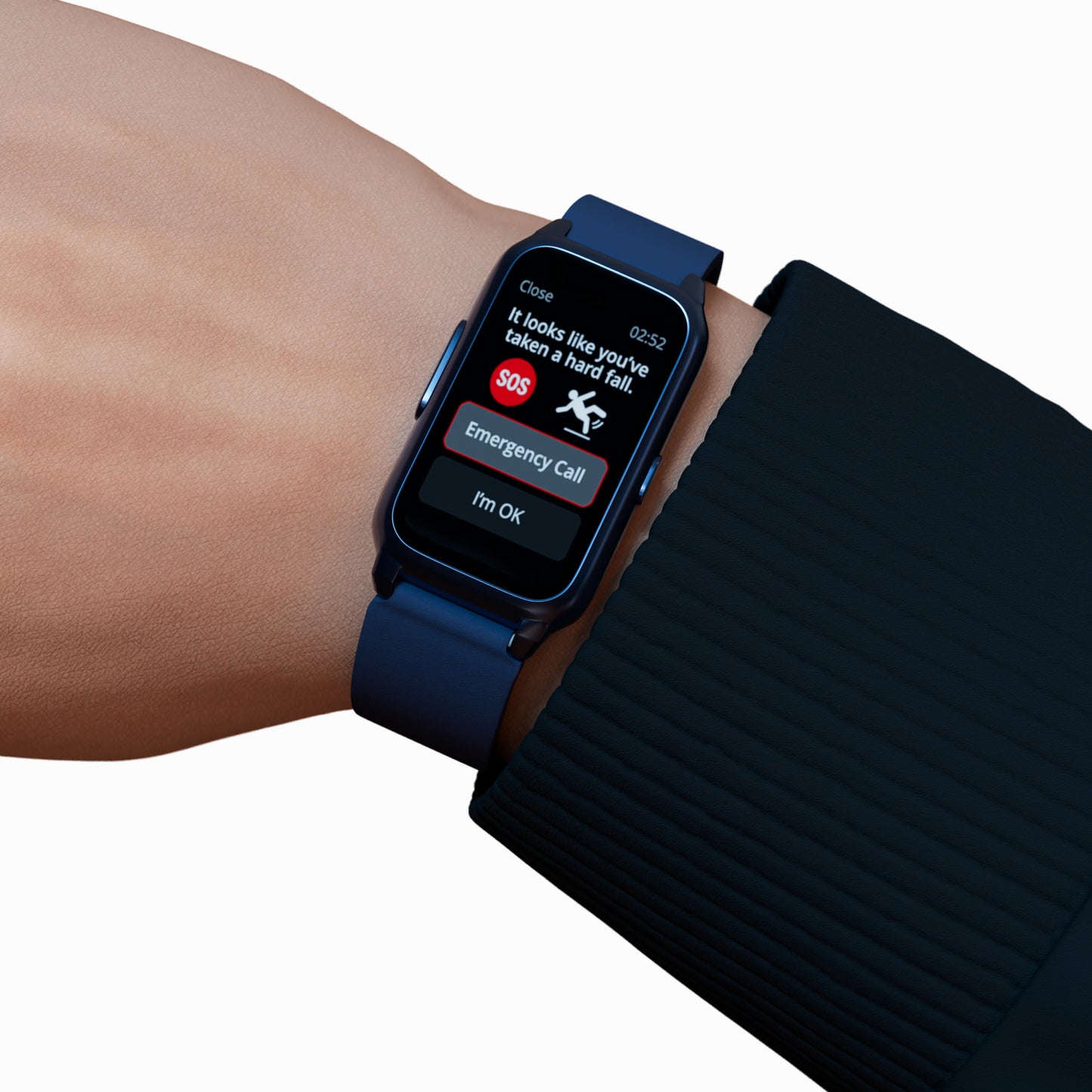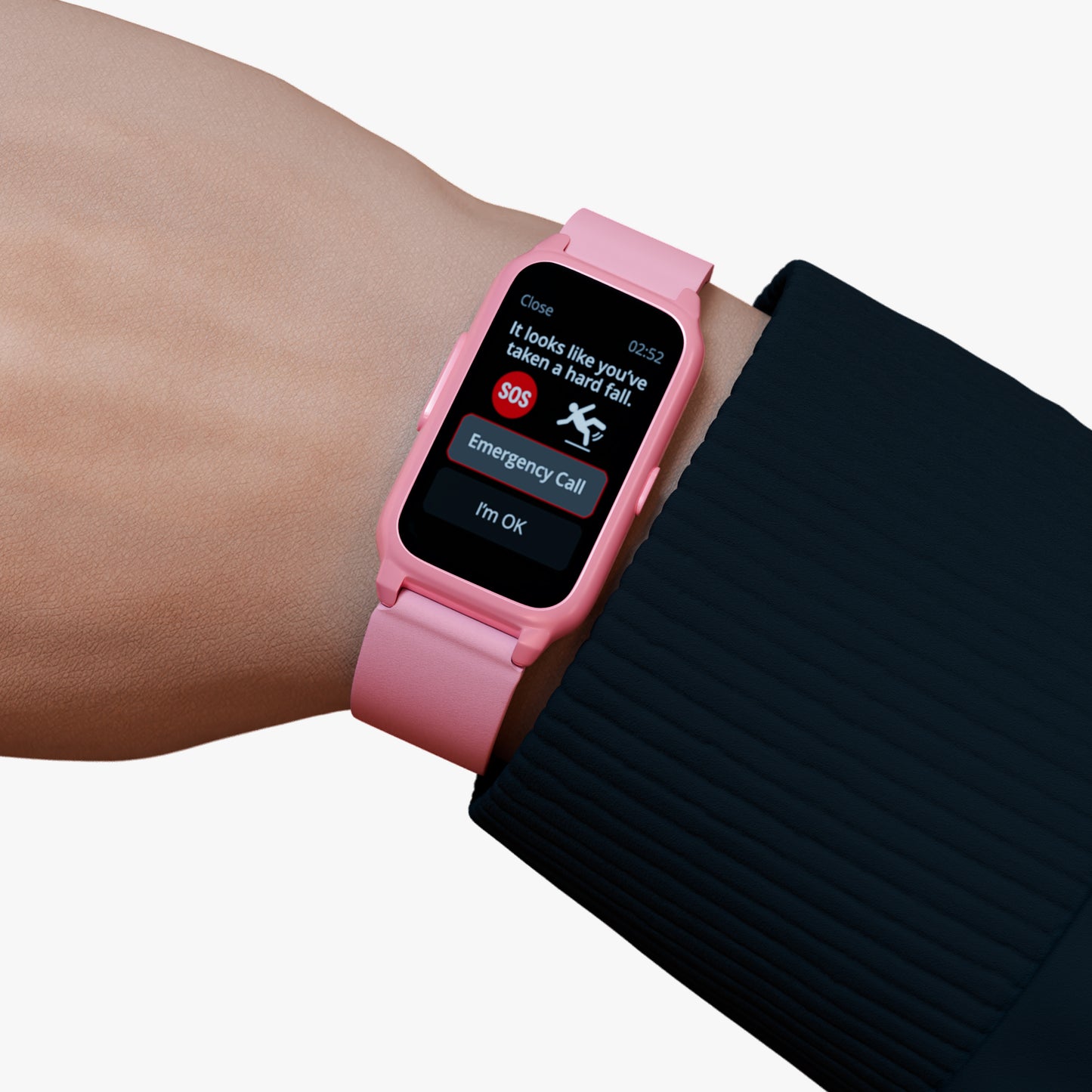

An emergency watch for seniors helps make communication easier during stressful situations. Whether someone experiences a fall, dizziness, or sudden weakness, being able to request support quickly can help reduce confusion during the moment.
Many older adults continue living independently and staying active throughout the day. They may enjoy walking outdoors, visiting family, shopping, or spending time alone at home. However, emergencies can still happen unexpectedly, especially when reaching a phone quickly becomes difficult.
Medical alert systems are designed to simplify communication during these situations. Instead of managing multiple steps during an emergency, users can activate support through a wearable device with a simple button press.
In situations where quick communication becomes difficult, wearing a medical alert watch may help seniors stay connected during emergencies.
This guide explains what happens after a medical alert button is pressed, how the emergency response system process works, and why wearable emergency devices continue becoming an important part of independent living.
Understanding the Emergency Response System Process
The emergency response system process begins immediately after the alert button is activated. Although the process feels simple for the user, several communication steps happen quickly in the background.
Once the button is pressed, the wearable device sends an emergency signal through its communication system. Depending on the device functionality, location-related information may also help support the response process.
The goal is to begin communication quickly without requiring the user to manage complicated technology during a stressful situation.
Medical alert systems are designed around simplicity because emergencies can create confusion very quickly. Instead of unlocking a phone or searching for contacts, users can request support through a single wearable device.
Why Simplicity Matters During Emergencies
During emergencies, even basic communication can feel difficult. A person experiencing weakness or mobility problems may struggle to move comfortably or explain what happened clearly.
This is one reason wearable emergency systems focus on accessibility. The fewer steps involved, the easier the communication process becomes during stressful moments.
Wearable devices are also designed to remain accessible throughout the day. Seniors can continue normal routines while keeping emergency communication nearby.
What Happens After the Emergency Button Is Pressed
After the emergency signal is sent, the medical alert workflow continues automatically. Depending on the system, communication support personnel may connect with the user directly through the wearable device.
Many systems support two-way communication. This allows users to explain the situation or respond to questions without needing a separate phone nearby.
The communication process helps determine what type of assistance may be needed next. Some situations may involve temporary discomfort or mobility difficulties, while others may require more urgent support.
Because the process is designed to remain straightforward, users can focus on the situation itself instead of trying to manage complicated technology.
Some seniors feel more comfortable staying active independently when an emergency watch for seniors remains accessible throughout the day.
The Role of Alert Monitoring Centers
Alert monitoring centers help manage communication after an emergency signal is received. Their role is to review alerts, communicate with the user when possible, and help determine the next steps based on the situation.
Every emergency is different. Some users may feel anxious or disoriented, while others may have difficulty moving or speaking comfortably. Monitoring support helps organize communication during these stressful moments.
The communication process may involve:
-
Understanding the situation
-
Continuing communication support
-
Coordinating emergency assistance if needed
-
Helping reduce communication delays
Wearable communication systems are designed to make these situations feel more manageable by improving access to emergency communication.
Communication Support During Stressful Situations
Emergencies can feel overwhelming, especially for seniors who live independently. During these moments, even simple communication tasks may become more difficult.
A wearable medical alert device helps reduce some of that pressure by simplifying how support is requested. Instead of searching for a phone or explaining everything immediately, users can begin the communication process quickly through the wearable device.
This accessibility often provides reassurance for both seniors and family members.

Understanding SOS Response Time
SOS response time refers to how quickly emergency communication handling begins after the alert button is pressed. Many families researching wearable medical alert systems want to better understand how this process works.
Several factors can influence communication handling, including connectivity, communication quality, and user location. However, SOS response time generally refers to how quickly the emergency communication process begins rather than how quickly responders physically arrive.
The purpose of wearable emergency systems is to reduce communication delays during urgent situations. Faster communication handling may help support quicker coordination during stressful moments.
Because wearable devices remain accessible throughout the day, they can help improve communication access during both indoor and outdoor activities.
Supporting Independent Living
Many older adults want additional safety support without feeling restricted in their daily routines. Wearable medical alert systems help balance independence with communication accessibility.
Because the device stays nearby throughout the day, seniors can continue regular activities while keeping emergency communication accessible if needed.
Technology designed for emergencies works best when it feels comfortable during everyday life. This is why wearable systems focus on straightforward usability instead of unnecessary complexity.
Families also appreciate the reassurance that comes from knowing communication support remains nearby during independent activities.
If certain device functions or communication features are unclear, readers can contact us for additional information.
Final Thoughts
Understanding what happens when you press a medical alert button helps remove uncertainty around wearable emergency communication systems.
From emergency activation to communication coordination, each stage of the emergency response system process is designed to make communication more accessible during stressful situations.
An emergency watch for seniors can support independence while helping users stay connected during emergencies. Wearable communication systems continue becoming an important part of safer and more confident independent living.
Frequently Asked Questions
1. What happens when a medical alert button is pressed?
When the emergency button is activated, the wearable device sends an emergency signal through its communication system. The response process then begins so communication support can be coordinated.
2. What is the purpose of alert monitoring centers?
Alert monitoring centers help manage emergency communication after an alert is received. They communicate with users and help determine the next steps based on the situation.
3. Why is SOS response time important?
SOS response time refers to how quickly emergency communication handling begins after the alert button is pressed. Faster communication can help reduce delays during emergencies.
4. Can wearable medical alert devices support independent living?
Yes, wearable systems are designed to help seniors maintain independence while keeping emergency communication accessible throughout the day.
5. Why do seniors use wearable emergency devices?
Many seniors use wearable emergency devices because they provide easier access to communication during stressful situations without interrupting everyday routines.