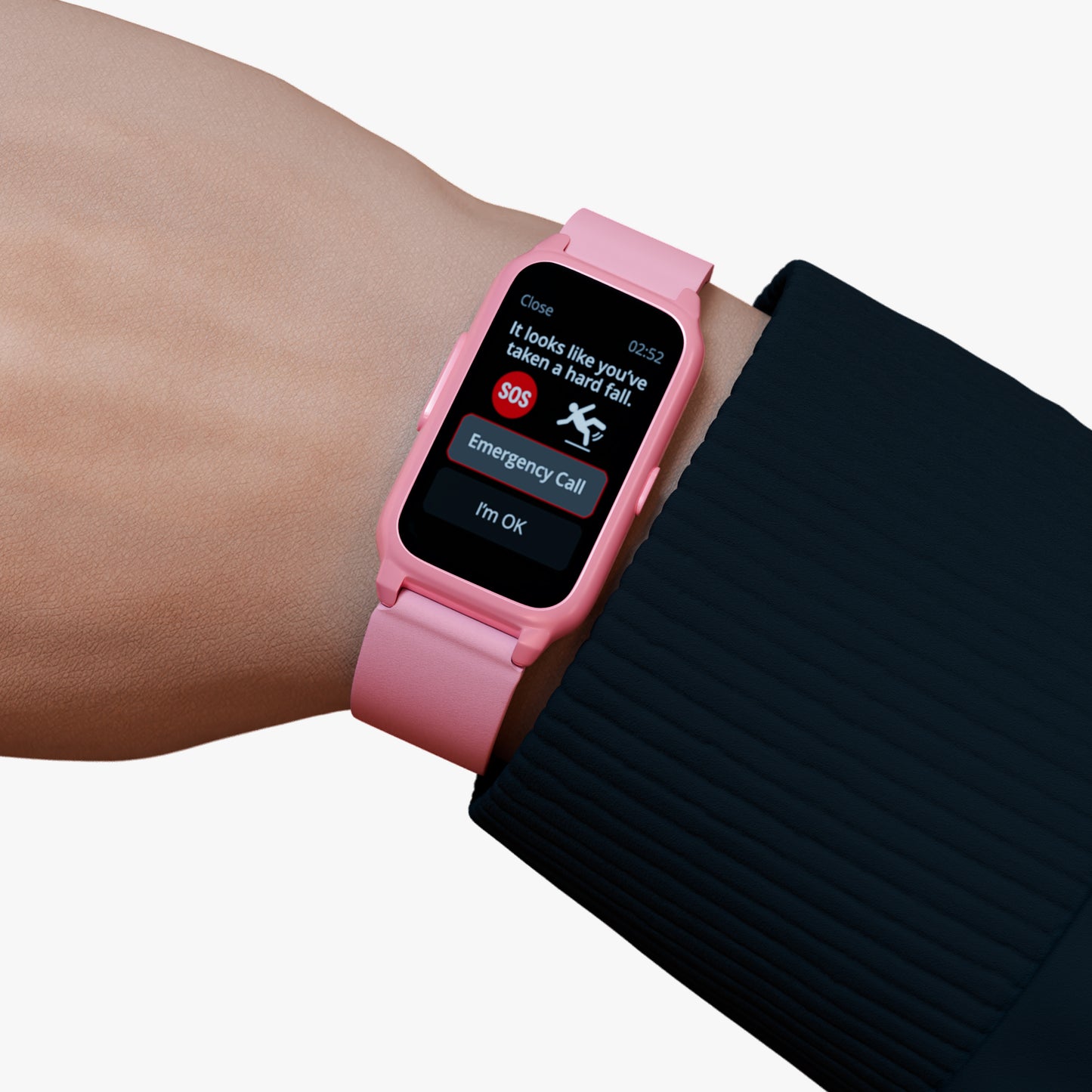

Growing older brings many positive experiences, but it also comes with natural physical changes that can affect mobility and balance. One of the most common concerns for older adults and their families is the increased risk of falling. While not every fall results in a serious injury, even a minor fall can affect confidence and make everyday activities feel more challenging. Understanding why falls become more common with age is an important step towards maintaining independence and improving overall safety.
A fall detection device for elderly individuals can form part of a broader fall prevention strategy, alongside regular physical activity, a safe home environment and healthy lifestyle habits. By understanding the factors that contribute to falls, seniors and caregivers can make informed decisions that support safer daily living without limiting independence.
Why Does the Risk of Falling Increase with Age?
Falls rarely happen because of a single cause. In most cases, they result from a combination of age-related changes, existing health conditions and environmental factors. As the body ages, it naturally undergoes changes that affect strength, flexibility and coordination. These changes may develop gradually, making them difficult to notice until they begin to impact everyday activities such as walking, climbing stairs or getting up from a chair.
Recognising these changes early allows older adults and caregivers to take practical steps to reduce risks. While ageing cannot be prevented, understanding how it affects mobility can help support safer movement and encourage confidence in daily life.
Reduced Muscle Strength and Balance
One of the most noticeable effects of ageing is the gradual loss of muscle strength. Strong muscles help support the body's posture, maintain balance and allow smooth movement throughout the day. As muscle strength decreases, everyday tasks may require more effort, increasing the likelihood of losing balance.
Balance can also become less stable over time because several body systems work together to keep us upright. Vision, the inner ear and the nervous system all contribute to balance, and age-related changes in any of these areas can affect stability. For this reason, many older adults may feel less steady when walking on uneven surfaces or changing direction quickly.
Slower Reflexes and Reduced Mobility
As people age, the body's reaction time naturally becomes slower. If an older adult trips over an object or slips on a wet surface, they may not be able to regain their balance as quickly as they once could. This slower response increases the chance of a fall, particularly in unfamiliar surroundings or during sudden movements.
Mobility can also become more limited due to stiffness in the joints or reduced flexibility. Activities such as bending, reaching or stepping over obstacles may become more difficult, making it important to move carefully and maintain an environment that supports safe movement.
Changes in Vision
Clear vision plays a vital role in preventing falls. It helps people judge distances, identify obstacles and move safely around their surroundings. As eyesight changes with age, it may become harder to notice uneven flooring, door thresholds or objects left in walkways.
Good lighting throughout the home, regular eye examinations and keeping commonly used areas free from clutter can all contribute to reducing fall risks. Small adjustments often make a meaningful difference in helping older adults move around with greater confidence.
Health Factors That May Increase Fall Risk
In addition to the natural ageing process, some health conditions may affect balance, coordination or physical strength. These factors do not always lead to falls, but they can increase the importance of taking preventative measures and staying aware of potential risks.
Chronic Health Conditions
Certain long-term health conditions can influence the way an older adult walks or maintains balance. Reduced mobility, joint discomfort and other age-related health concerns may affect confidence during everyday activities. Managing these conditions with appropriate medical advice and maintaining an active lifestyle can help support safer movement.
Medication and Daily Wellbeing
Some medications may affect alertness or balance, particularly when starting a new prescription or adjusting a dosage. Seniors should always follow the guidance of their healthcare professional and discuss any concerns about side effects that may influence mobility.
General wellbeing also plays an important role in fall prevention. Staying hydrated, eating balanced meals and getting enough rest can help maintain energy levels and support better physical function throughout the day.
Everyday Situations Where Falls Commonly Occur
Many falls happen during routine activities rather than unusual circumstances. Familiar environments can sometimes create a false sense of security, causing hazards to go unnoticed. Understanding where falls are most likely to occur allows seniors and caregivers to make practical improvements that support a safer home.
Common situations that may increase the risk of a fall include:
-
Walking across wet or slippery floors.
-
Climbing stairs without adequate support.
-
Tripping over loose rugs, electrical cords or household clutter.
-
Reaching for objects stored on high shelves.
-
Moving around the home in poor lighting, particularly during the evening.
-
Wearing footwear that does not provide adequate grip or support.
Although these situations are common, many can be addressed with simple adjustments and regular safety checks around the home.
The Importance of Early Fall Prevention
Preventing falls is often easier than recovering from one. Taking action before an accident occurs helps older adults remain active, confident and independent for longer. Simple lifestyle habits, regular movement and a well-maintained home environment all contribute to reducing fall risks and supporting overall wellbeing.
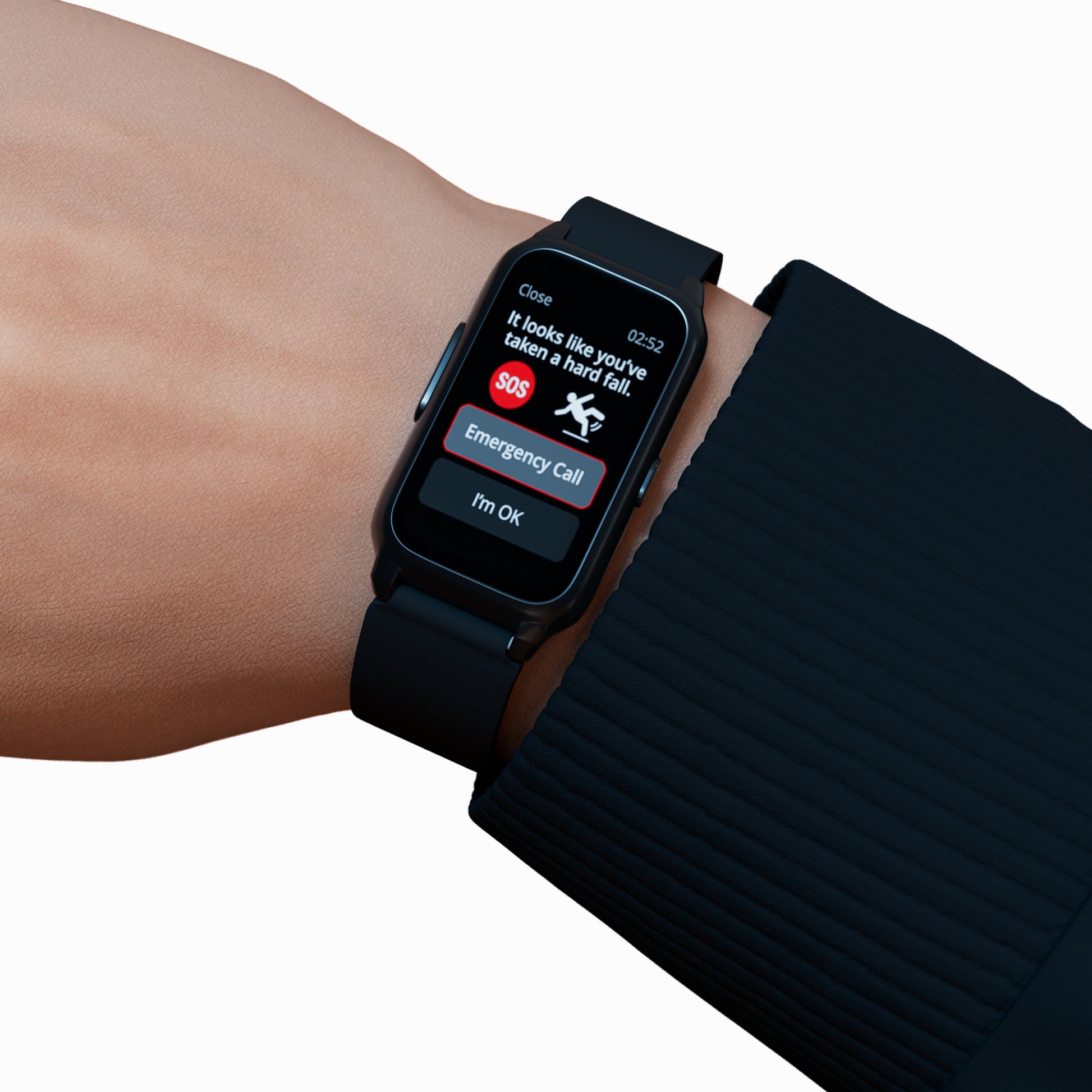
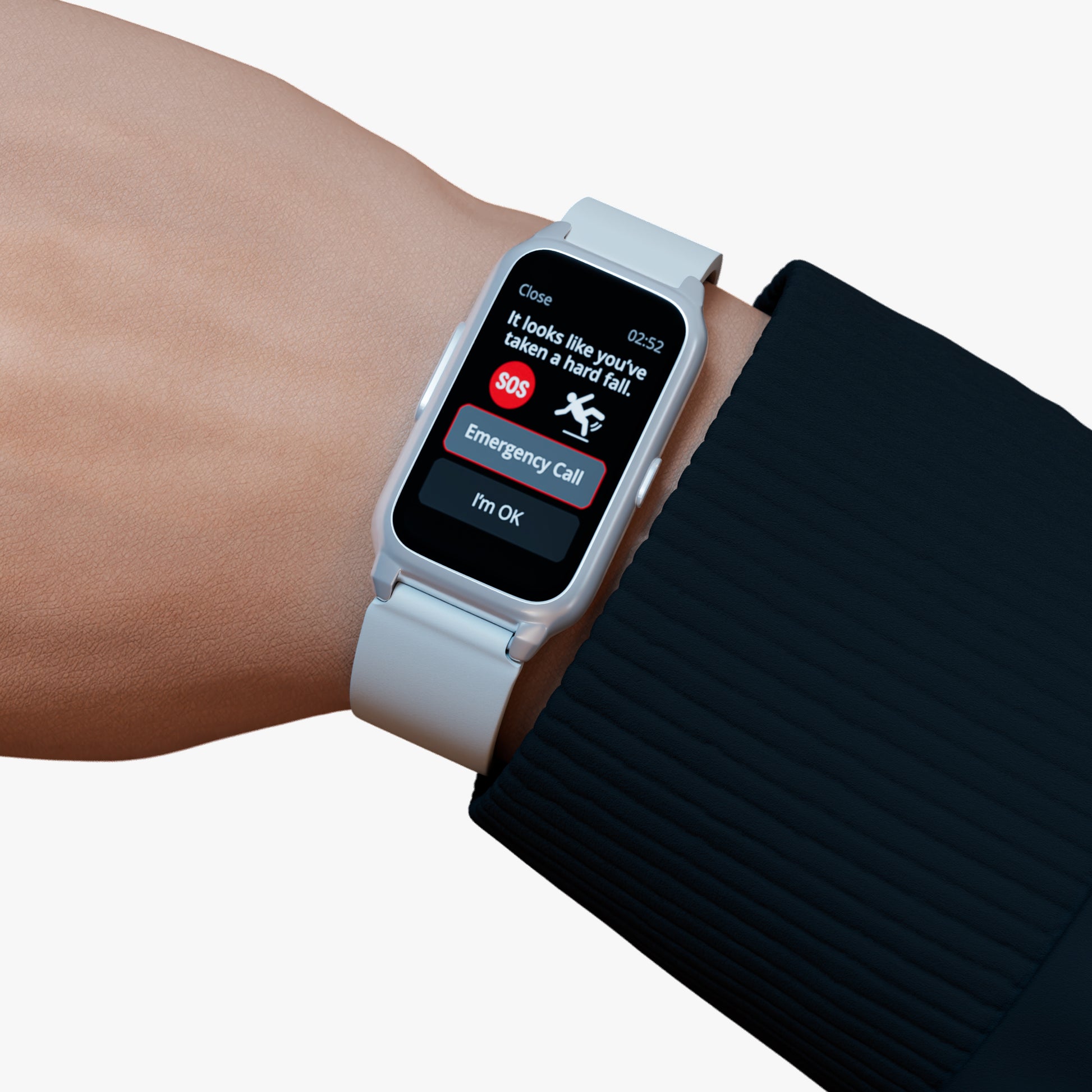
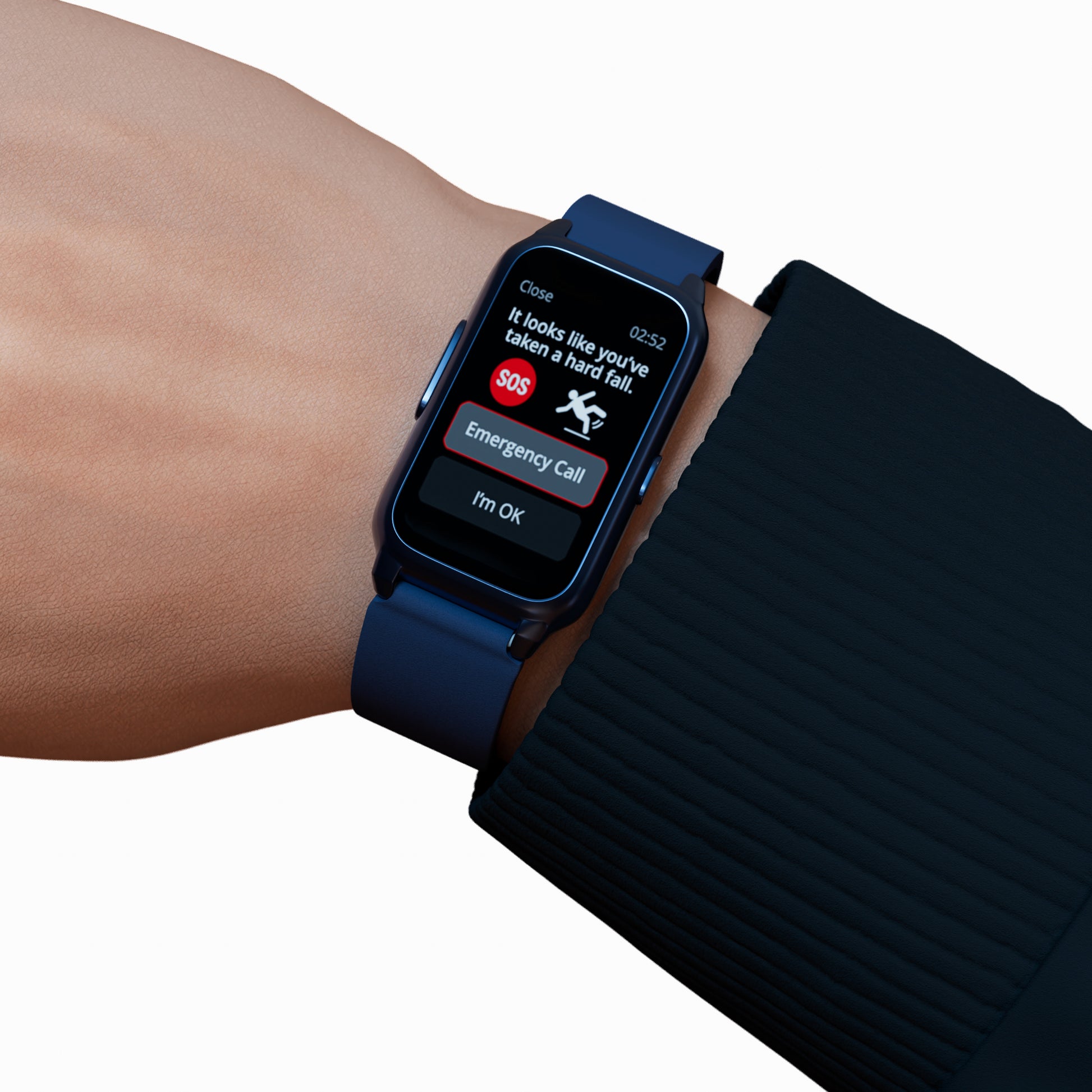
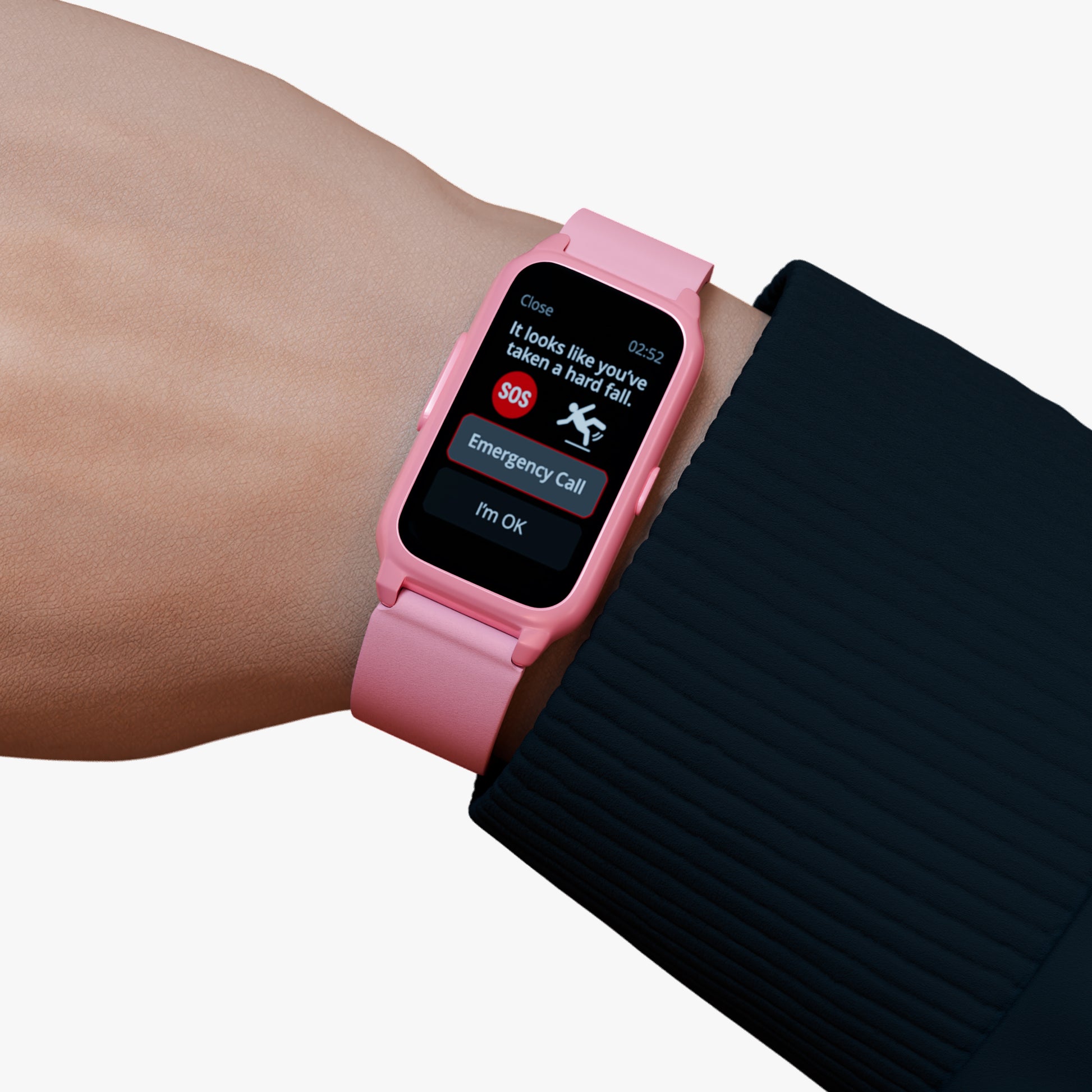
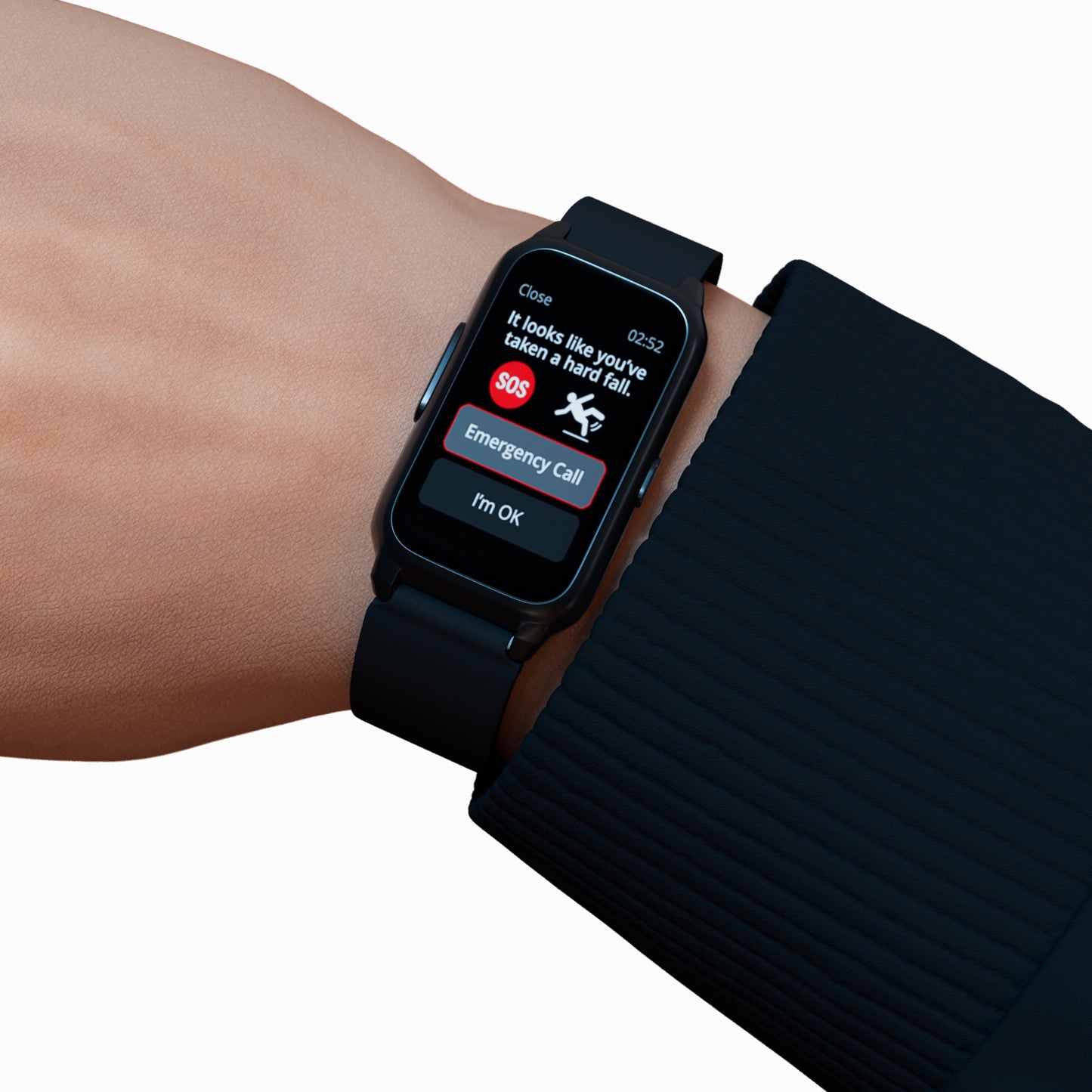
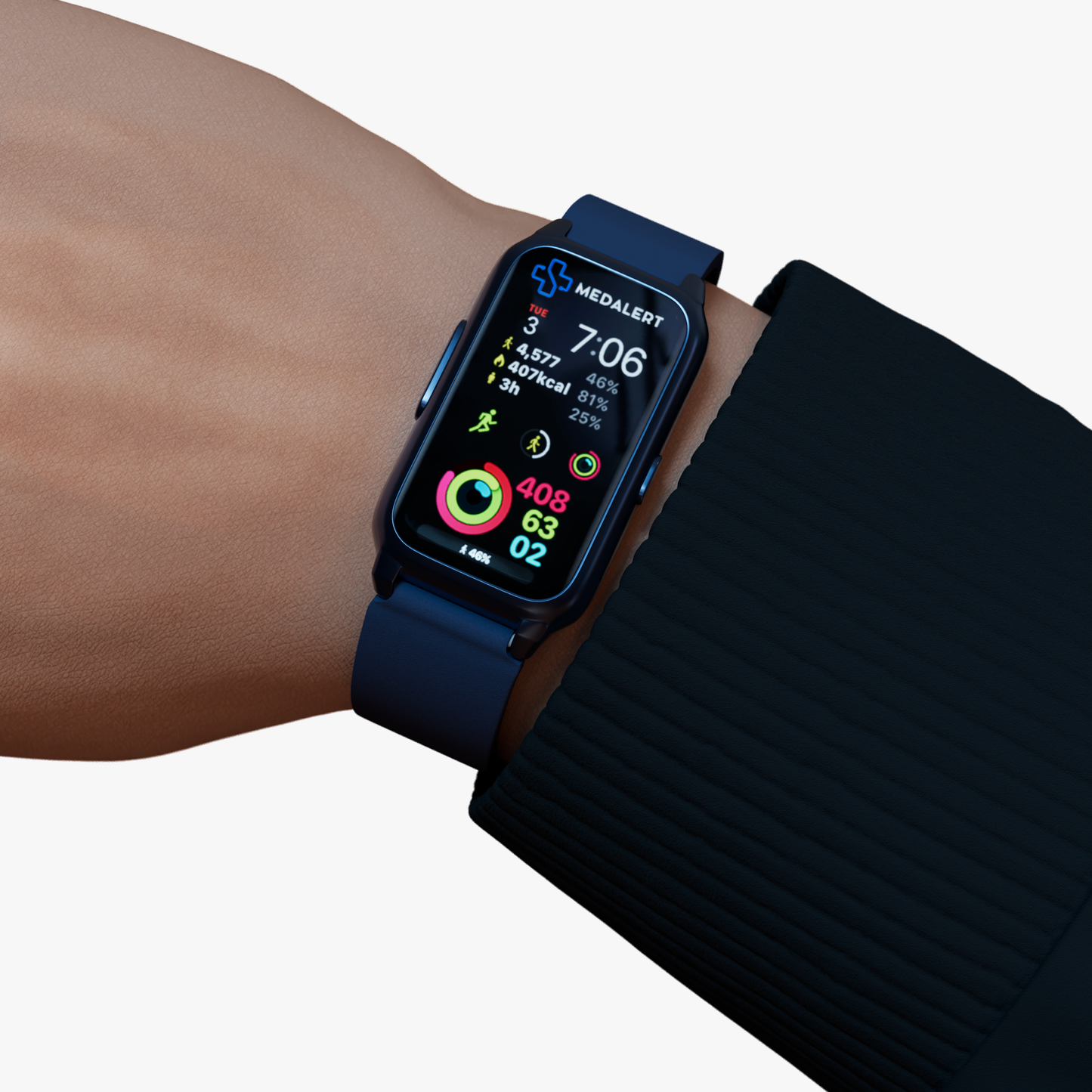
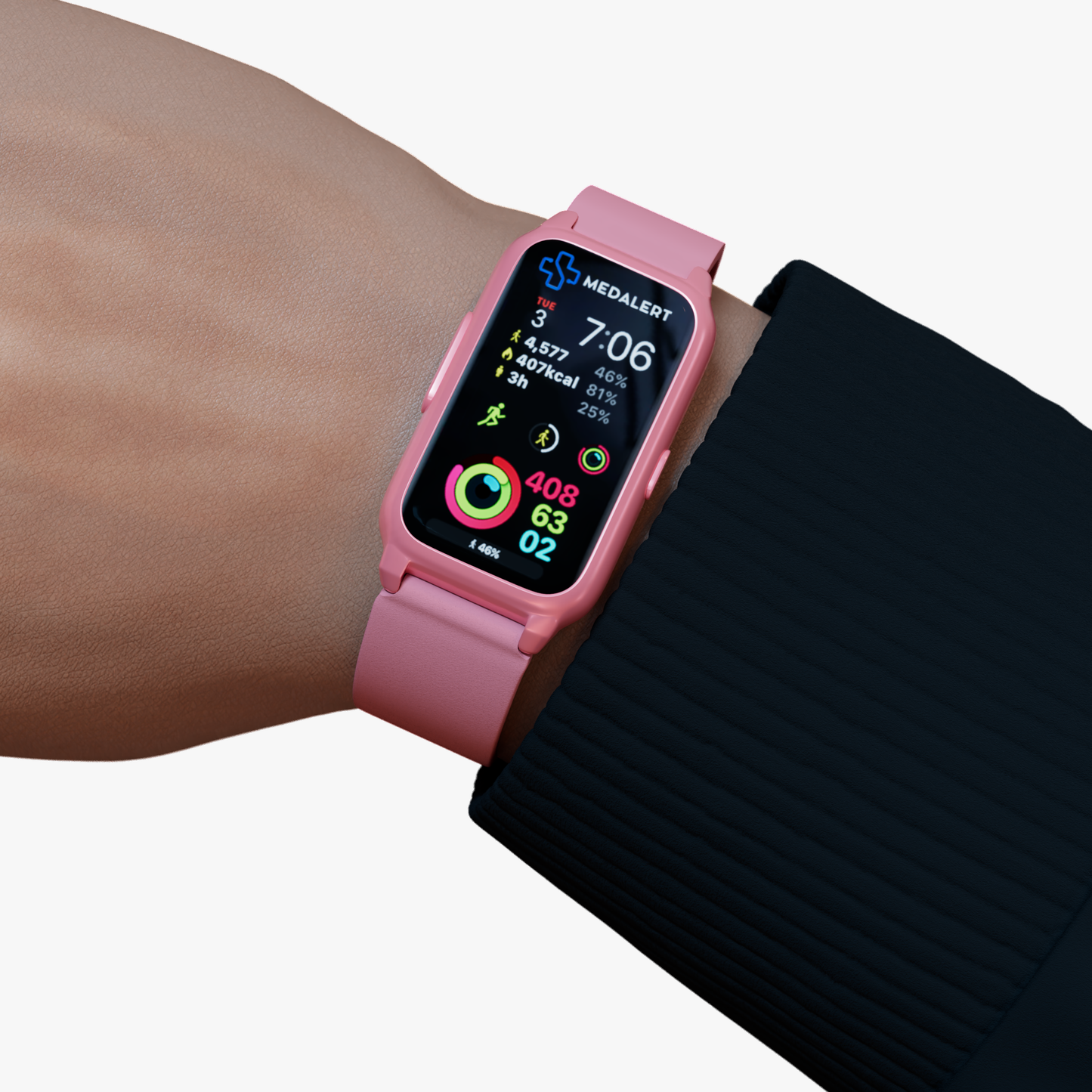
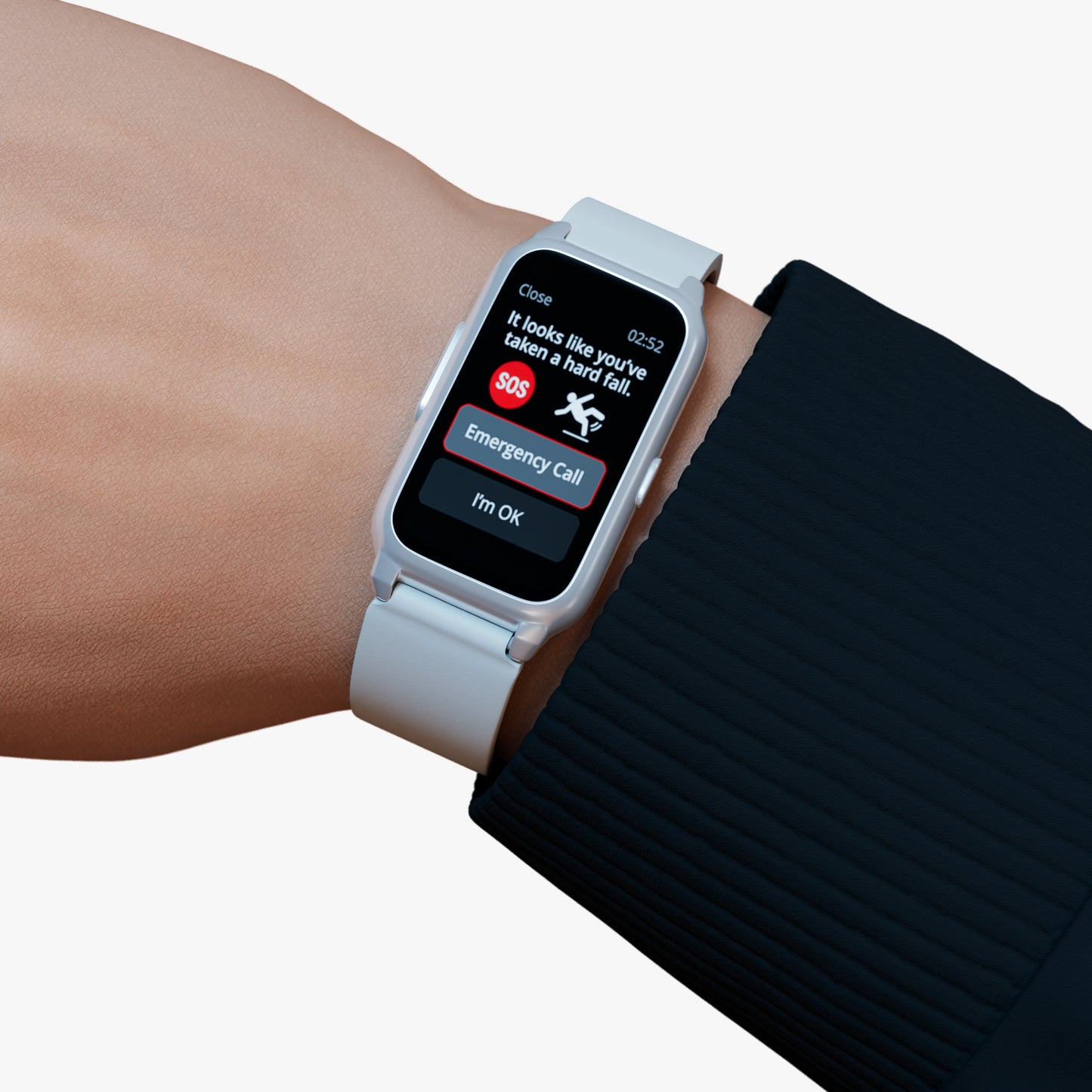
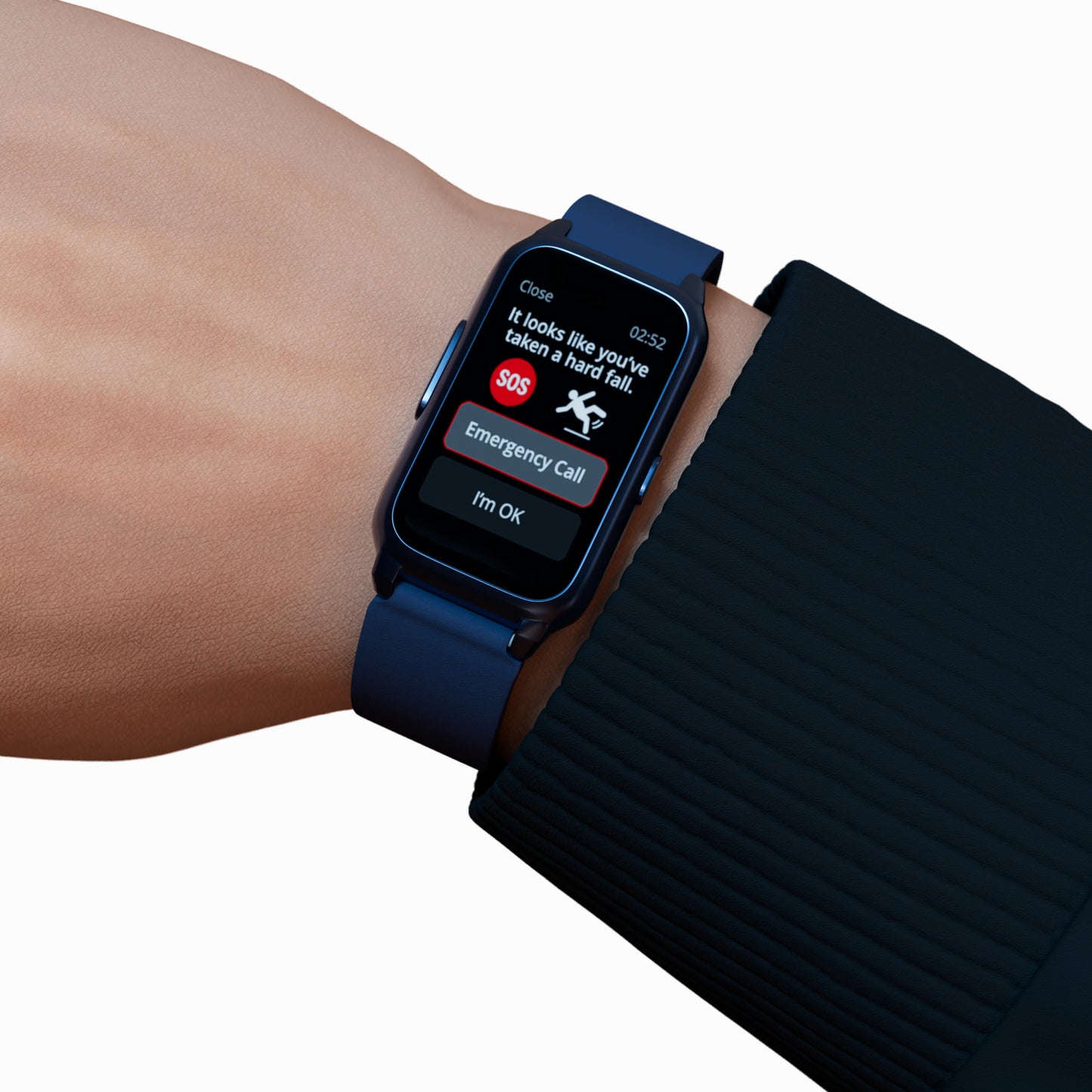
For many families, planning ahead also includes considering technology that complements everyday safety measures. Solutions such as a fall detection device for elderly can become part of an overall approach to independent living, providing additional reassurance while encouraging seniors to continue enjoying their daily routines.
Practical Ways to Reduce the Risk of Falls
Although ageing increases the likelihood of falls, there are many practical steps seniors and caregivers can take to improve safety. Fall prevention is most effective when it combines healthy lifestyle habits, a safe living environment and regular awareness of potential risks. Making small changes to everyday routines can help older adults maintain their confidence and continue living independently.
Rather than waiting until a fall occurs, it is beneficial to adopt preventative measures early. These strategies not only support physical wellbeing but also encourage seniors to remain active and engaged in their daily lives.
Stay Physically Active
Regular physical activity helps maintain muscle strength, flexibility and balance, all of which play an important role in reducing the risk of falls. Choosing activities that match an individual's fitness level can support mobility while improving confidence during everyday movement.
Suitable activities may include:
-
Walking at a comfortable pace.
-
Gentle stretching exercises.
-
Balance and coordination exercises.
-
Light strength training approved by a healthcare professional.
-
Low-impact activities that encourage regular movement.
Remaining active also helps seniors continue performing everyday tasks more comfortably and safely.
Create a Safer Home Environment
Since many falls occur at home, creating a safer living space is one of the most effective preventative measures. Regularly reviewing the home for potential hazards allows seniors and caregivers to address issues before they lead to an accident.
Simple improvements include:
-
Keeping walkways clear of clutter.
-
Securing or removing loose rugs.
-
Installing adequate lighting in hallways and staircases.
-
Using non-slip mats in bathrooms and other wet areas.
-
Keeping frequently used items within easy reach.
-
Ensuring stairways remain clear and well lit.
These practical adjustments can make everyday activities easier while reducing common fall hazards.
Schedule Regular Health Check-ups
Routine health appointments help identify changes that may affect mobility or balance. Eye examinations, hearing assessments and discussions about medications all contribute to maintaining overall wellbeing.
Caregivers should also encourage seniors to discuss any recent changes in balance, walking or confidence with their healthcare professional. Addressing concerns early may help reduce future risks and support safer daily living.
How Technology Can Support Independent Living
Healthy habits remain the foundation of fall prevention, but technology can provide additional support for seniors who wish to maintain their independence. Many older adults value the reassurance of knowing that assistance can be easier to access if an unexpected situation occurs.
A medical alert solution can complement everyday fall prevention strategies by supporting communication and personal safety. When combined with regular exercise, home safety improvements and ongoing health management, it becomes part of a broader approach to independent living rather than a replacement for healthy lifestyle choices.
Choosing the Right Support for an Older Adult
Every senior has different needs, daily routines and mobility levels. For this reason, there is no single solution that suits everyone. Families should consider the individual's lifestyle, level of independence and personal preferences when exploring ways to improve safety.
Some older adults may simply benefit from home modifications, while others may prefer additional support through an elderly fall alert system. Likewise, fall monitors for seniors may provide reassurance for families who want to complement existing fall prevention measures with technology that supports everyday independence.
The goal is not to limit a person's lifestyle but to provide practical support that allows them to continue enjoying daily activities with greater confidence.
Supporting Seniors with Confidence and Independence
Growing older does not mean giving up an active lifestyle. Understanding the reasons falls become more common allows seniors and caregivers to make informed decisions that support long-term wellbeing. By focusing on strength, balance, home safety and healthy daily habits, many fall risks can be reduced before they become serious concerns.
For families considering additional support, solutions that include a fall sensor for elderly individuals may complement broader fall prevention strategies while encouraging continued independence. Taking proactive steps today can help older adults remain confident, active and connected to the people and activities they enjoy most.
Conclusion
Falls are a common concern as people age, but they are not an inevitable part of growing older. Understanding the physical changes that contribute to falls, recognising everyday hazards and adopting practical prevention strategies can make a meaningful difference to safety and confidence. Small improvements to daily routines and the home environment often help seniors continue living independently for longer.
If you are exploring ways to support the safety and independence of an older family member, MedAlert offers solutions designed to complement everyday fall prevention strategies. To learn more about available options or discuss your requirements, visit our contact us page and speak with our team.
Frequently Asked Questions
1. Why are older adults more likely to experience falls?
As people age, natural changes in muscle strength, balance, vision and reaction time can increase the likelihood of falling. Everyday hazards around the home may also contribute to this risk. Understanding these factors helps seniors and caregivers take practical steps to improve safety.
2. Can falls be prevented completely?
Not every fall can be prevented, but many risks can be reduced through regular physical activity, a safer home environment and routine health check-ups. Taking preventative measures early often supports greater independence and confidence.
3. What is an elderly fall alert system?
An elderly fall alert system is designed to support personal safety by providing an additional layer of reassurance for seniors and their families. It is most effective when used alongside healthy lifestyle habits and broader fall prevention strategies.
4. Who may benefit from fall monitors for seniors?
Fall monitors for seniors may be suitable for older adults who live independently, spend time alone or want additional reassurance during everyday activities. Choosing the right solution depends on an individual's lifestyle and support needs.
5. When should families consider a fall detection device?
Families may consider a fall detection device for elderly loved ones when changes in mobility, balance or confidence begin to affect everyday life. Exploring available options early can help seniors maintain independence while supporting overall peace of mind.