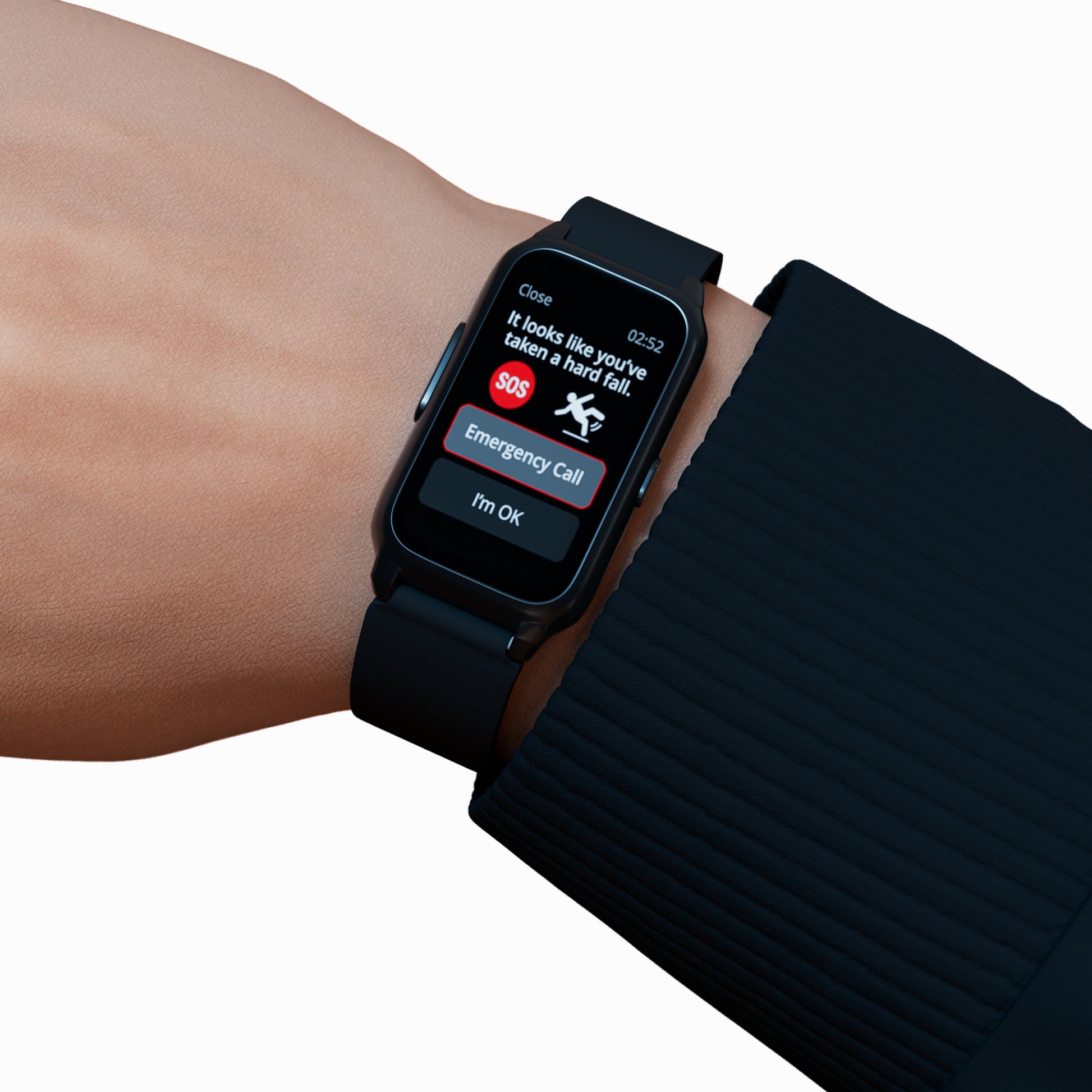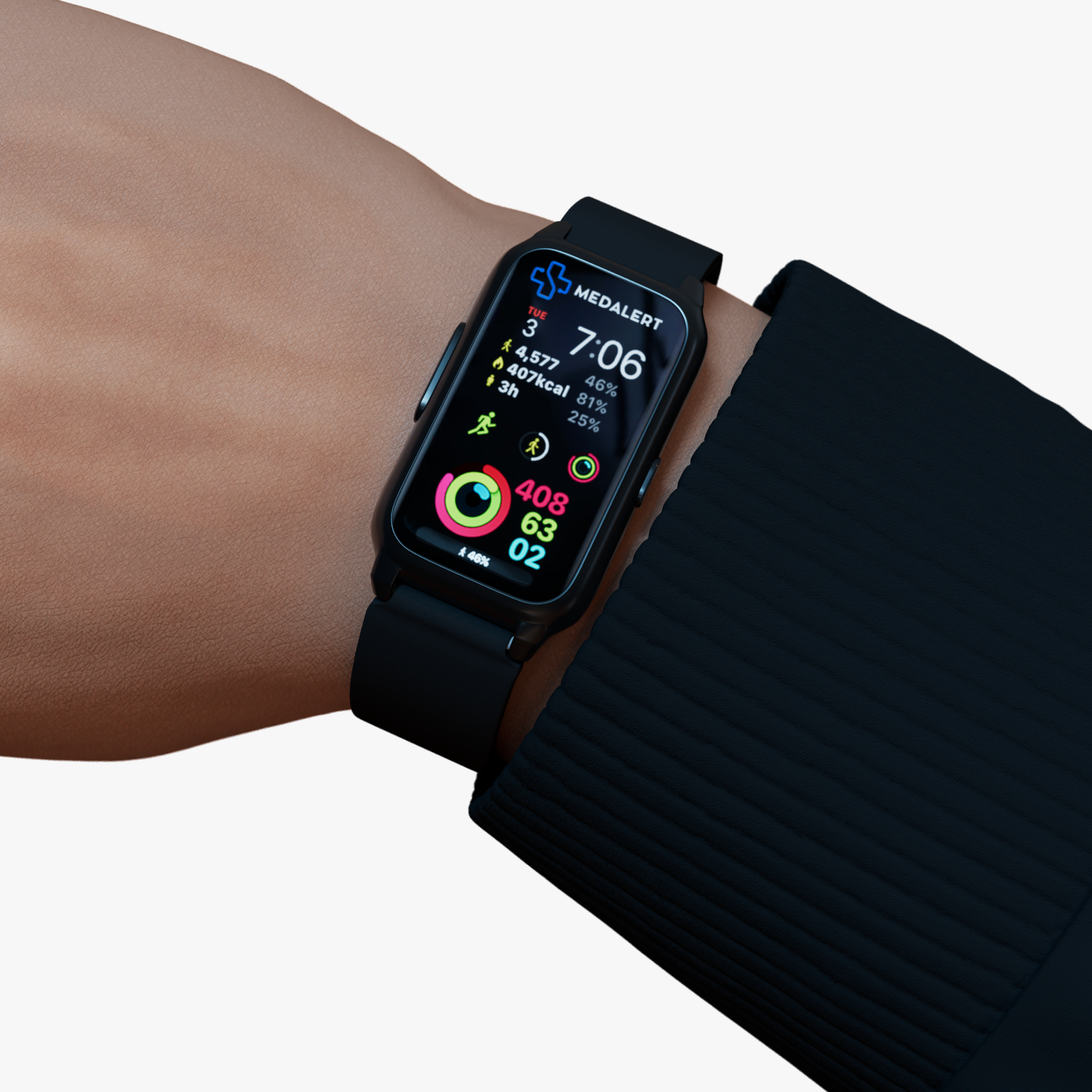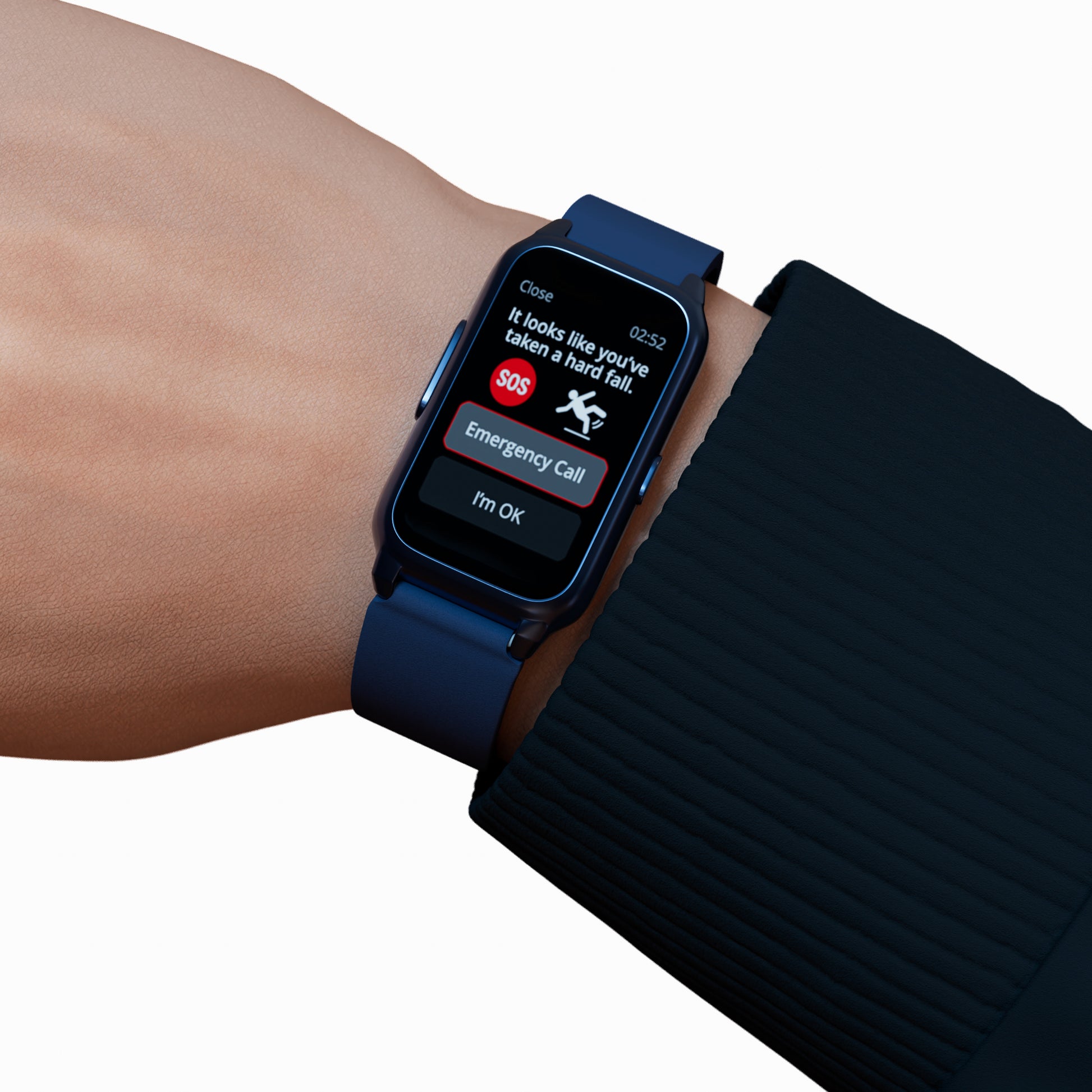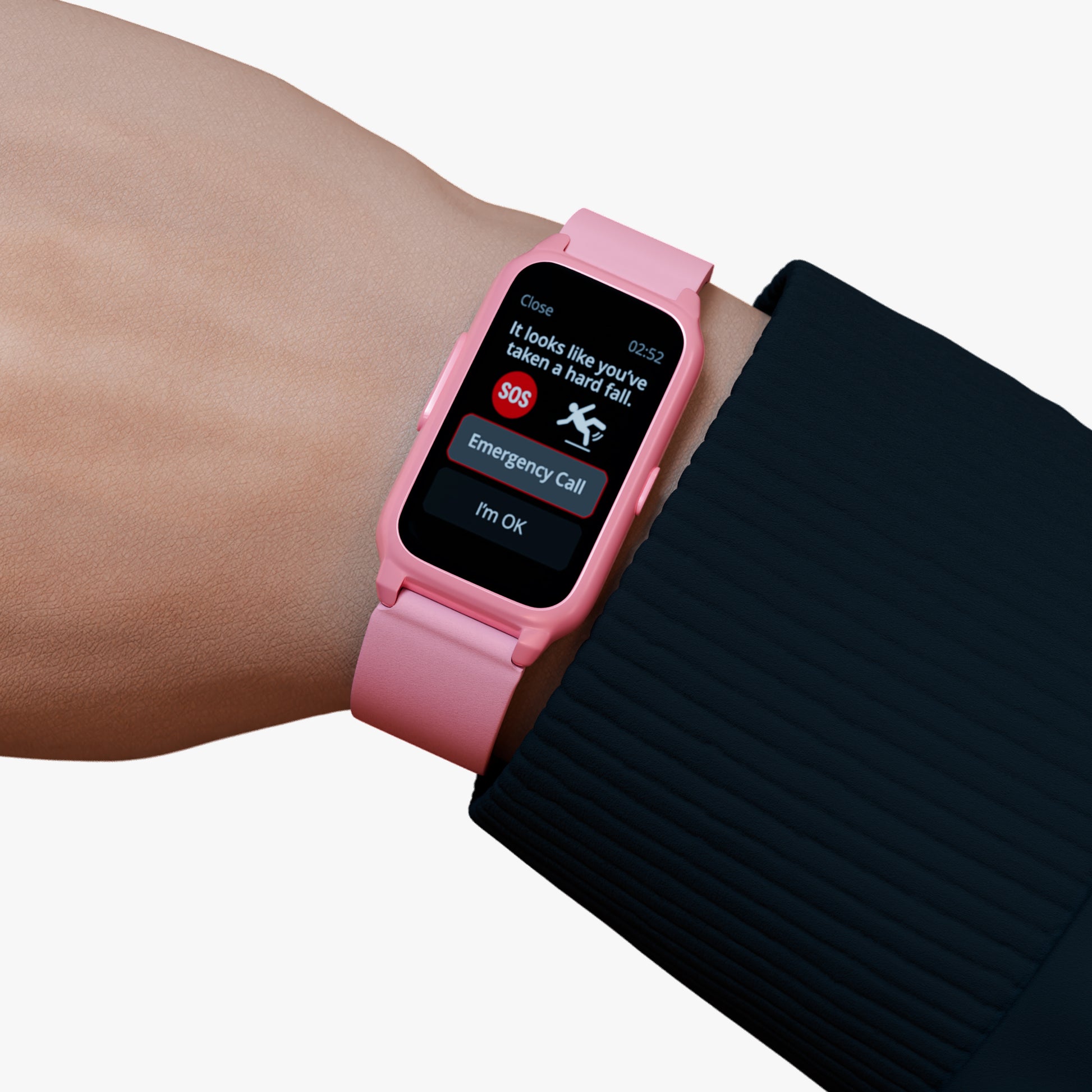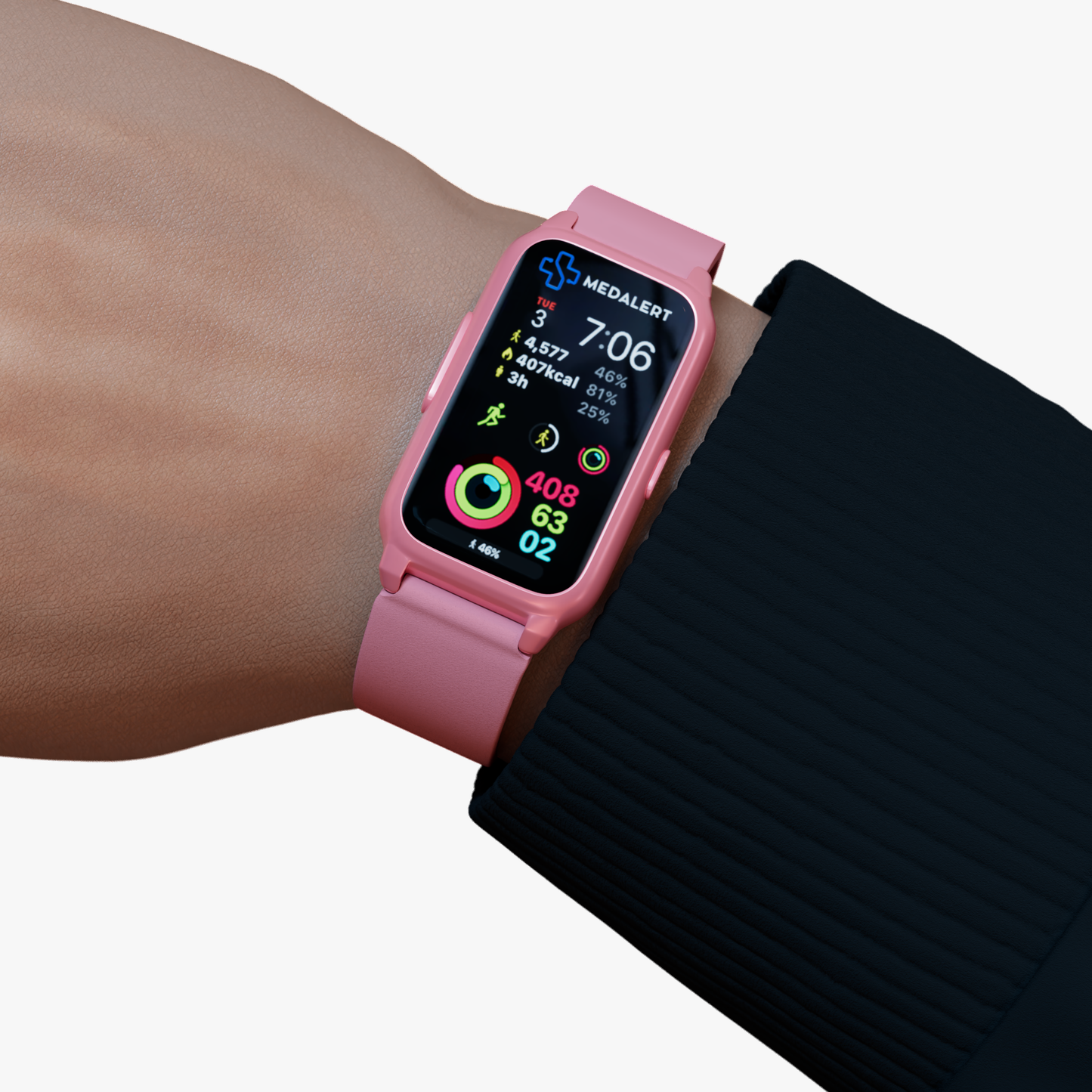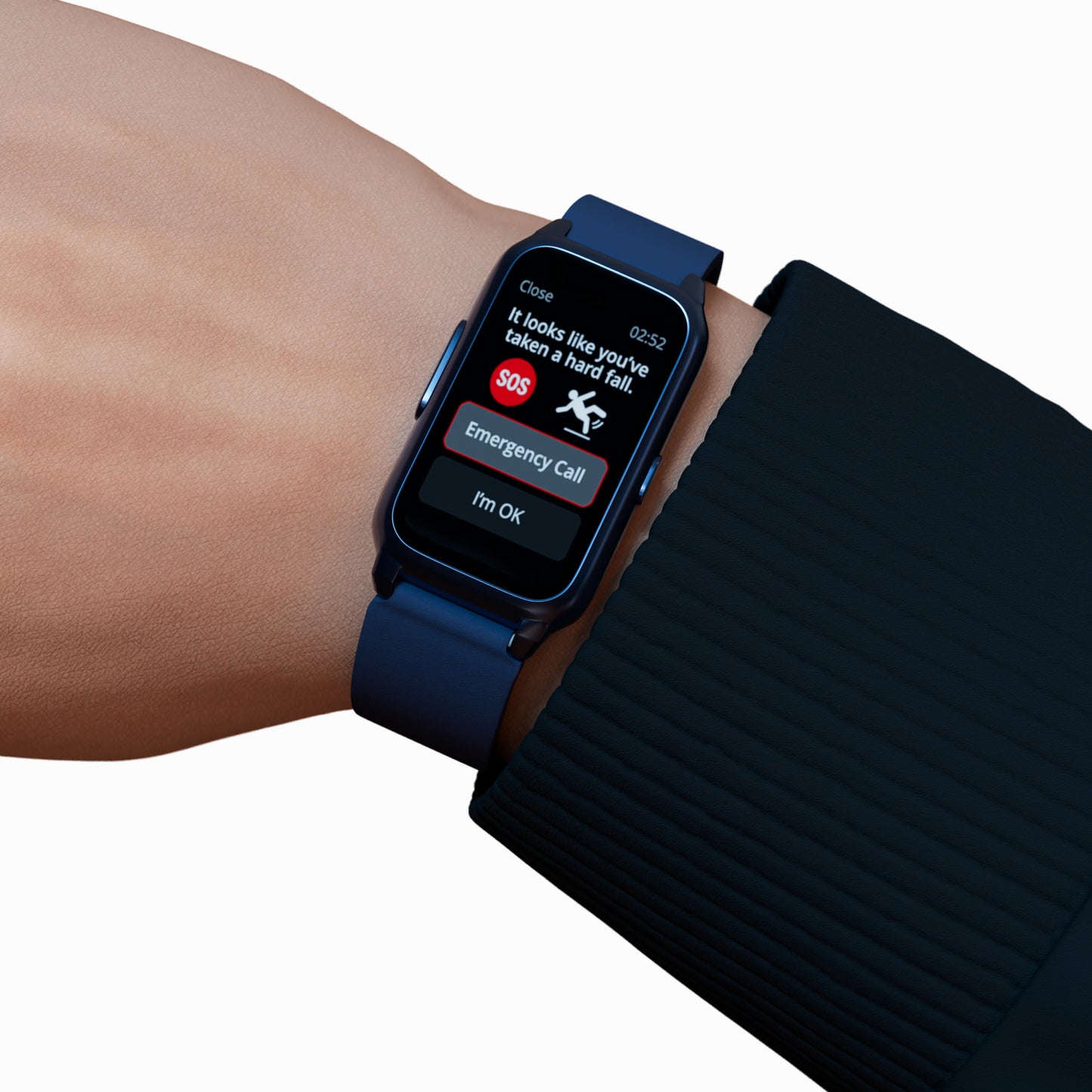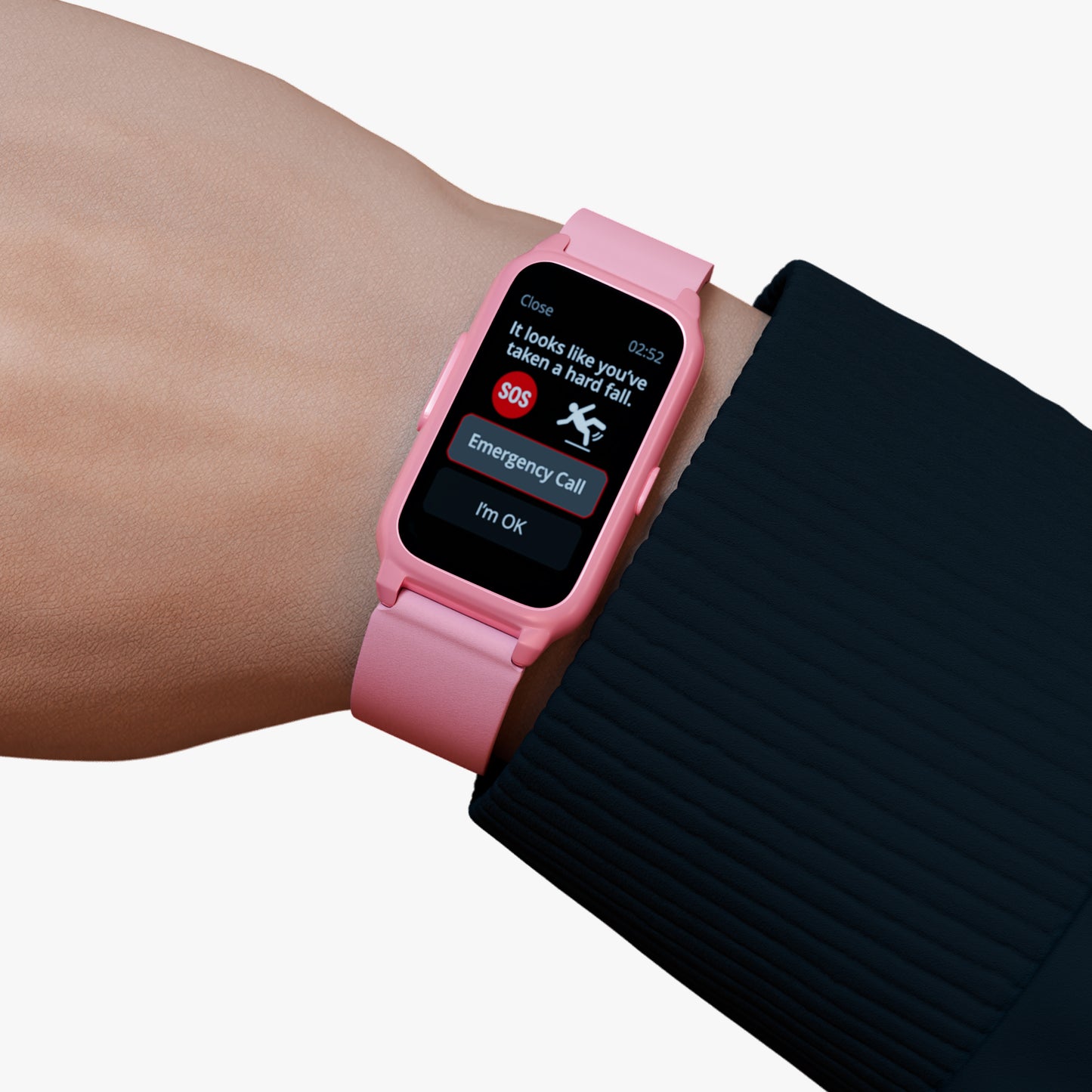

A fall detection device for seniors can play an important role in helping older adults maintain independence while living in their own homes. As more people choose to remain in familiar surroundings as they age, aging in place technology has become an essential part of supporting safety and confidence in everyday life.
For many seniors, staying at home means maintaining established routines, remaining connected to their community, and enjoying a sense of independence. However, living independently also comes with safety considerations. Technologies designed to support aging in place can help address these concerns by providing practical solutions that assist with communication, emergency response, and personal safety.
Rather than replacing family support, these technologies work alongside existing care arrangements to create a safer living environment. From personal alarms to fall detection solutions, the right tools can help older adults continue living comfortably at home while giving family members greater peace of mind.
What Is Aging in Place Technology?
Aging in place technology refers to devices and systems designed to help older adults live safely and independently in their own homes for as long as possible. These technologies focus on reducing risks, improving accessibility, and supporting day-to-day living without requiring major lifestyle changes.
Many seniors prefer to remain in familiar surroundings rather than relocate to alternative living arrangements. Aging in place technology helps make this possible by addressing common challenges associated with growing older. Solutions may include communication devices, personal safety systems, and monitoring tools that support everyday activities.
One of the most widely recognised categories within aging in place technology is personal safety equipment. Families researching medical alert devices australia often look for solutions that can help older adults maintain independence while ensuring assistance can be reached when required.
The goal of aging in place technology is not to make life more complicated. Instead, it aims to provide practical support that integrates naturally into daily routines. Devices that are simple to use and easy to understand are often the most effective because they encourage consistent use over time.
Why Safety Technology Matters for Seniors Living at Home
Independent living can provide many benefits, but safety remains a key consideration. As people age, certain situations may become more challenging, including navigating stairs, moving around the home, or responding quickly during an emergency.
Safety technology helps reduce some of these concerns by providing additional support when needed. Having access to reliable communication tools can make seniors feel more confident carrying out everyday activities, whether they are relaxing at home, gardening, or completing household tasks.
Technology also supports family members who may not always be nearby. Knowing that a loved one has access to safety-focused devices can provide reassurance without interfering with their independence. This balance between freedom and security is one of the reasons aging in place technology continues to grow in popularity.
Importantly, safety technology works best when it becomes part of a person's daily routine. Devices that are comfortable to wear and easy to operate are more likely to be used consistently, helping maximise their benefits over time.

How a Fall Detection Device for Seniors Supports Independence
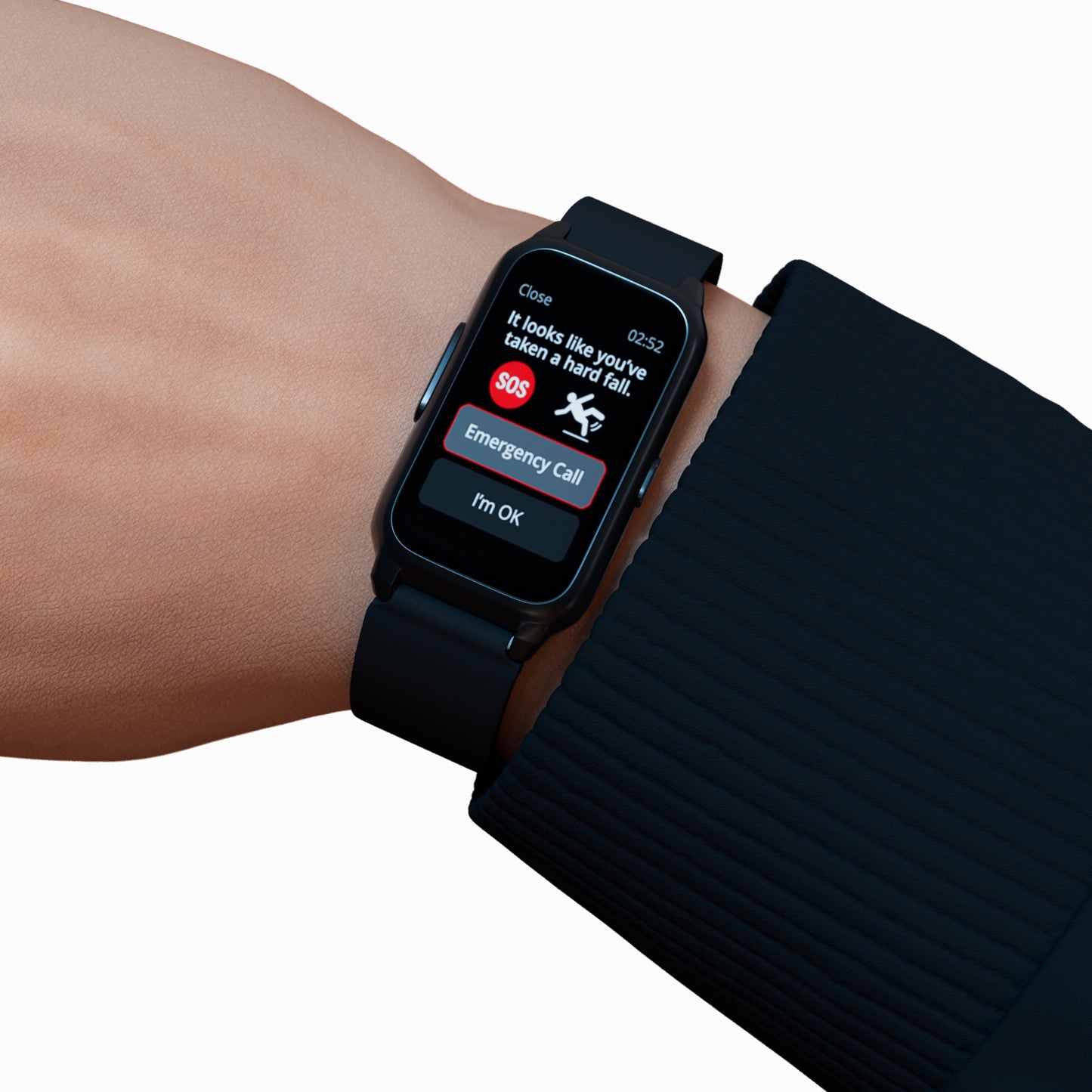
Falls are one of the most common concerns associated with independent living. Even active older adults can experience unexpected slips, trips, or balance-related incidents. For this reason, many families consider a fall detection device for seniors an important part of their overall safety plan.
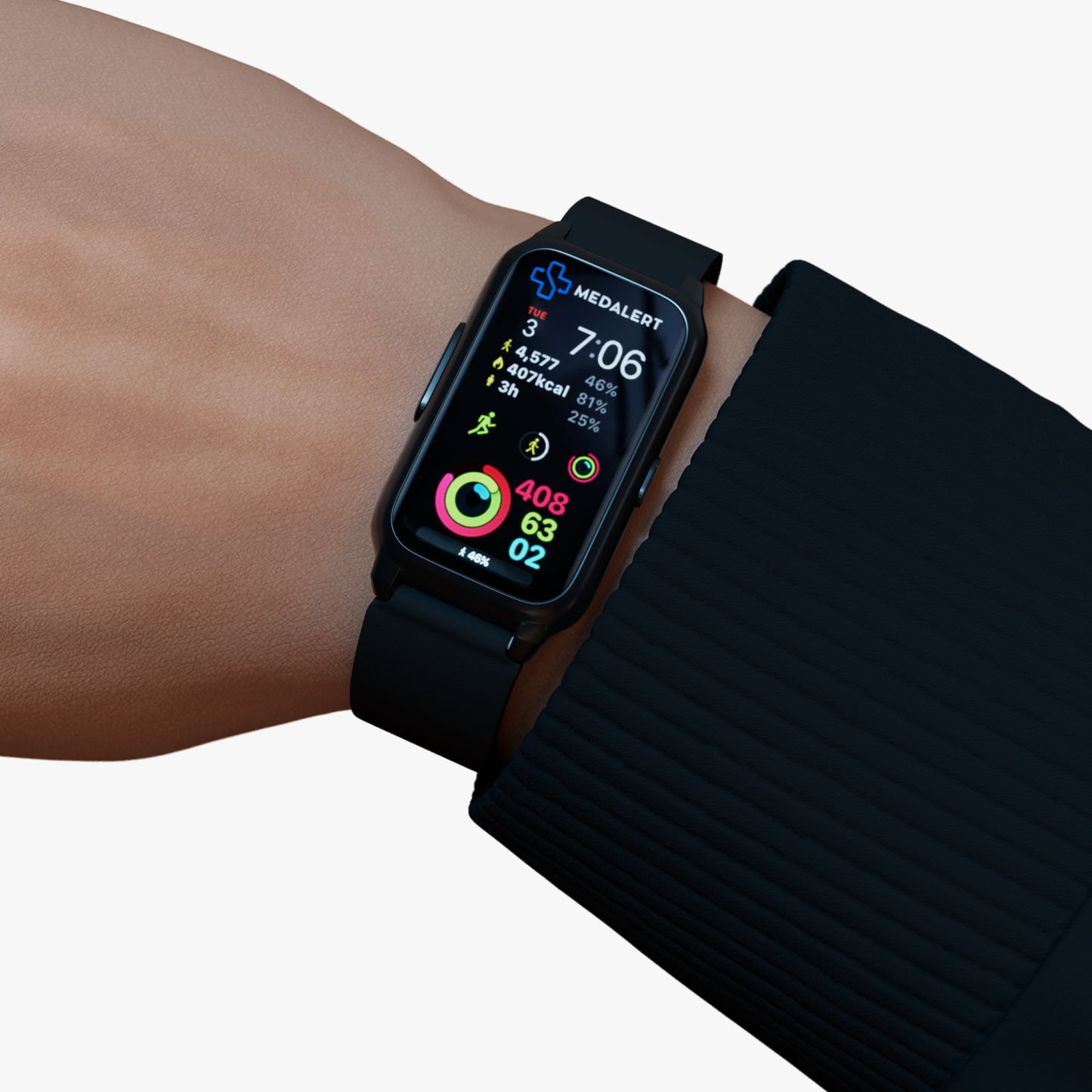
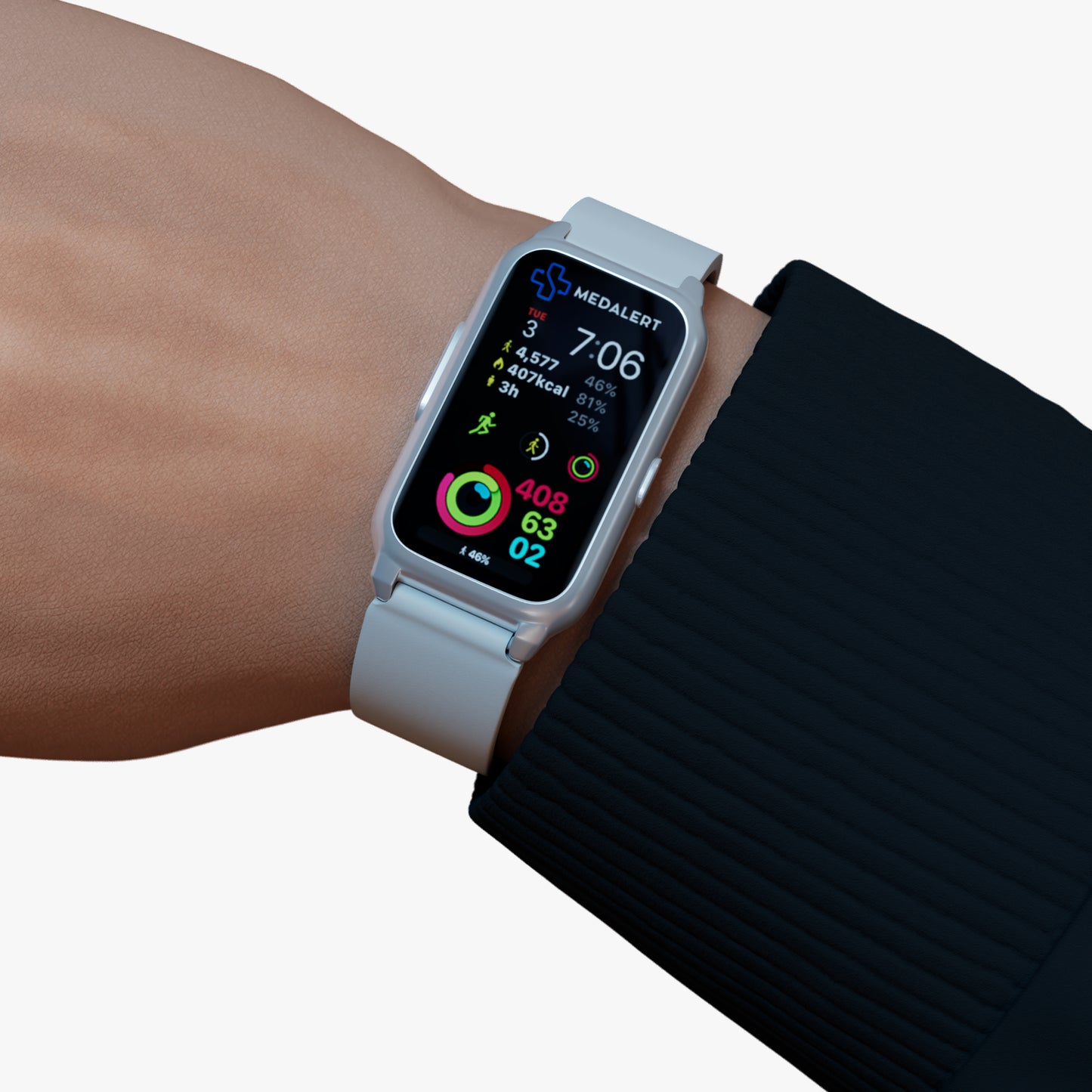
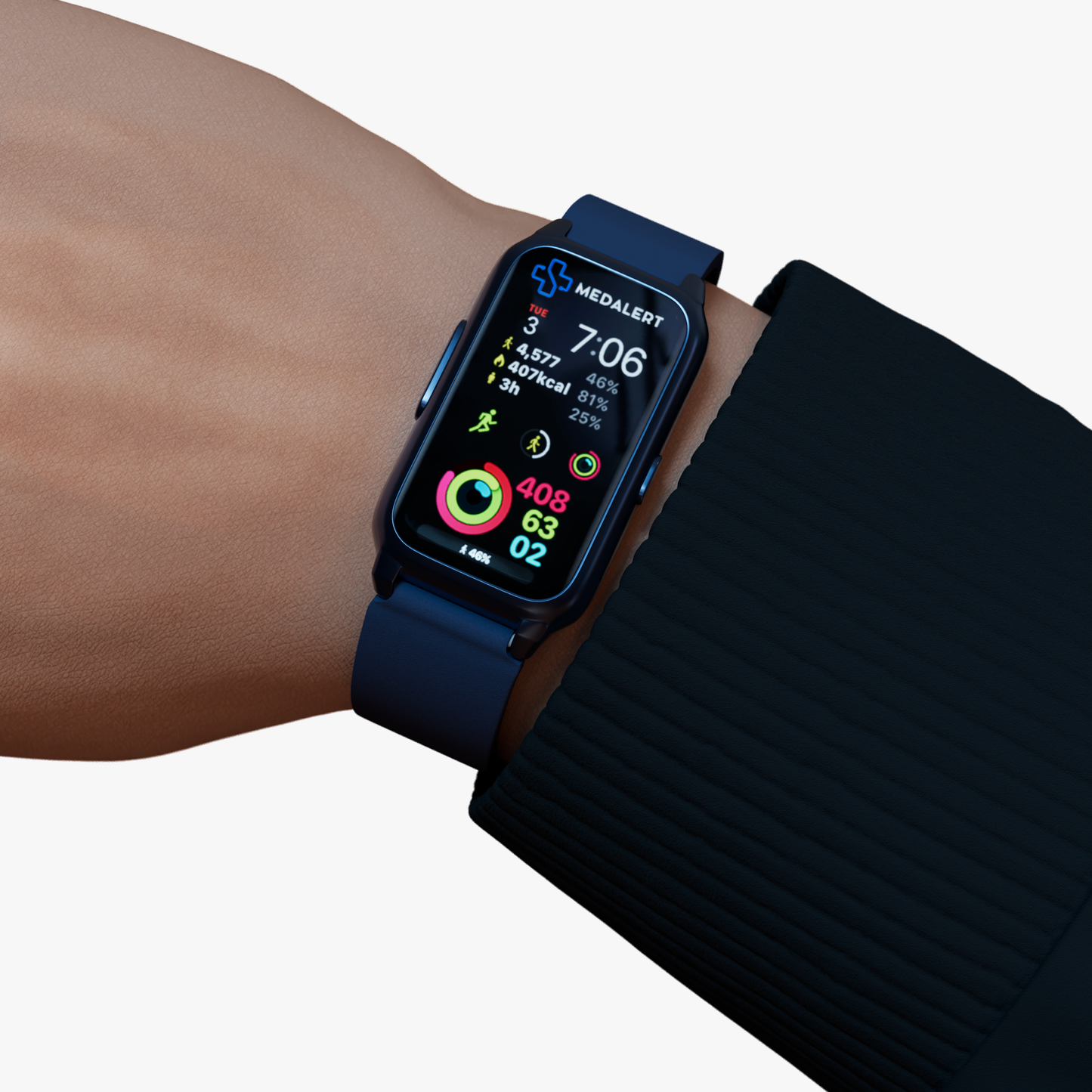
A fall detection device is designed to provide an additional layer of support by helping address situations where a fall may occur unexpectedly. These devices are often used alongside personal alarms to create a more comprehensive approach to senior safety.
For older adults who value independence, having access to this type of technology can contribute to greater confidence in everyday life. Rather than worrying about being alone during an unexpected incident, seniors may feel more comfortable continuing their normal routines.
Many families exploring senior safety options also review information about a fall detection device for elderly family members when considering ways to support long-term independent living. These solutions are often chosen because they align with the goal of remaining at home while maintaining access to practical safety tools.
The effectiveness of any safety device depends on how well it fits into a person's lifestyle. A device that is simple, comfortable, and easy to use is more likely to become a consistent part of daily life, helping support independence without creating unnecessary complexity.
The Role of Personal Alarms in Everyday Safety
Personal alarms continue to be one of the most practical tools available for supporting independent living. Their purpose is straightforward: to help users access assistance when needed while maintaining confidence during everyday activities.
For many seniors, carrying or wearing an old age personal alarm becomes a simple part of their daily routine. Whether spending time indoors or moving around outside the home, having access to a personal alarm can provide an additional sense of security.
Personal alarms are particularly valuable because they focus on simplicity. They do not require complicated processes or extensive technical knowledge. Instead, they are designed to be accessible and practical for everyday use.
When combined with other aging in place technologies, personal alarms contribute to a more comprehensive safety strategy. They support independence while helping ensure that communication remains accessible during unexpected situations.
Choosing the Right Aging in Place Technology
Selecting the right technology begins with understanding the individual's needs and lifestyle. Every senior has different routines, preferences, and levels of comfort when it comes to using technology.
The best solutions are often those that provide meaningful support without creating unnecessary complications. Ease of use, reliability, and suitability for everyday living should all be considered when evaluating available options.
Families should also consider how different technologies can work together. Personal alarms and fall detection solutions, for example, can complement one another by addressing different aspects of safety and communication.
When questions arise about suitable solutions or available options, families can visit the Contact us page to learn more about products designed to support independent living and senior safety.
Conclusion
A fall detection device for seniors is one example of how aging in place technology can help older adults continue living independently while prioritising safety. Combined with personal alarms and other practical support tools, these technologies can contribute to greater confidence and peace of mind for both seniors and their families.
The most effective aging in place solutions are those that fit naturally into everyday life. By choosing technology that is simple, reliable, and focused on safety, older adults can continue enjoying the comfort and familiarity of home while maintaining their independence.
FAQs
What is aging in place technology?
Aging in place technology includes devices and systems designed to help older adults live safely and independently in their own homes. These solutions focus on supporting daily living, communication, and personal safety.
How does a fall detection device for seniors help?
A fall detection device for seniors provides an additional layer of safety by supporting emergency communication following an unexpected fall. It is often used as part of a broader independent living strategy.
Are personal alarms useful for seniors who live alone?
Yes. Personal alarms can help seniors quickly access assistance when needed, making them a valuable tool for individuals who wish to maintain independence while living at home.
What should families consider when choosing aging in place technology?
Families should consider ease of use, reliability, comfort, and how well a device fits into the senior's daily routine. The most effective solutions are those that support independence without adding complexity.
Can aging in place technology replace family support?
No. Aging in place technology is designed to complement family involvement and existing care arrangements. It provides additional support while helping seniors remain independent and connected.