
Falls are one of the biggest health concerns in Australian nursing homes, and for good reason. Around 30% of people over 65 and 40% of those over 85 experience falls that can lead to serious injury. For families with loved ones in aged care, that statistic hits close to home.
The good news? Many falls are preventable. With the right mix of awareness, support, and technology, aged care facilities can help residents stay safe without sacrificing independence.
Why Falls Are Such a Big Deal in Aged Care
A fall in a nursing home isn’t just a “slip.” It can start a chain reaction of hip fractures, head injuries, reduced mobility, and long recovery times. Just as concerning are the emotional effects. After a fall, many residents develop a fear of falling again, which can lead to less movement, less confidence, and social withdrawal.
There’s also a broader impact. Fall-related hospitalisations place a heavy burden on Australia’s healthcare system. But for residents and families, the real cost is often a loss of independence and peace of mind.

Understanding Fall Risk in Nursing Homes
Preventing falls starts with understanding why they happen. Risk factors usually fall into two groups:
✓ Personal (Intrinsic) Factor
As we age, balance, strength, and coordination naturally decline. Vision problems, cognitive impairment, and conditions like dementia can affect judgment and spatial awareness. Many residents also take multiple medications, some of which may cause dizziness or fatigue.
✓ Environmental (Extrinsic) Factor
The physical environment matters more than people realise. Poor lighting, slippery floors, cluttered walkways, or missing handrails can all increase fall risk. Even small things like uneven flooring or ill-fitting shoes can make a big difference for someone with limited mobility.
Essential Fall Prevention Strategies That Actually Work
The most effective fall prevention programmes don’t rely on a single solution. They take a layered, practical approach.
✓ Staying Active and Mobile
Regular, gentle exercise can reduce fall risk by up to 23%. Activities like physiotherapy, balance training, strength exercises, and even Tai Chi help residents stay steady on their feet. The key is tailoring programmes to each individual’s abilities; there is no one-size-fits-all routine here.
✓ Making the Environment Safer
Simple changes go a long way. Good lighting in hallways and bathrooms, non-slip flooring in wet areas, well-placed handrails, and clutter-free walkways all help reduce risk.
Furniture matters too. Stable chairs with armrests, beds set at the right height, and clear pathways make everyday movements, such as standing up, sitting down, and walking to the bathroom, much safer.
✓ Keeping Health in Check
Regular health assessments are crucial. Vision checks, medication reviews, balance assessments, and podiatry visits can catch issues early, before they lead to a fall. Something as simple as correcting a vision problem or changing footwear can make a noticeable difference.
How Technology Is Changing Fall Prevention
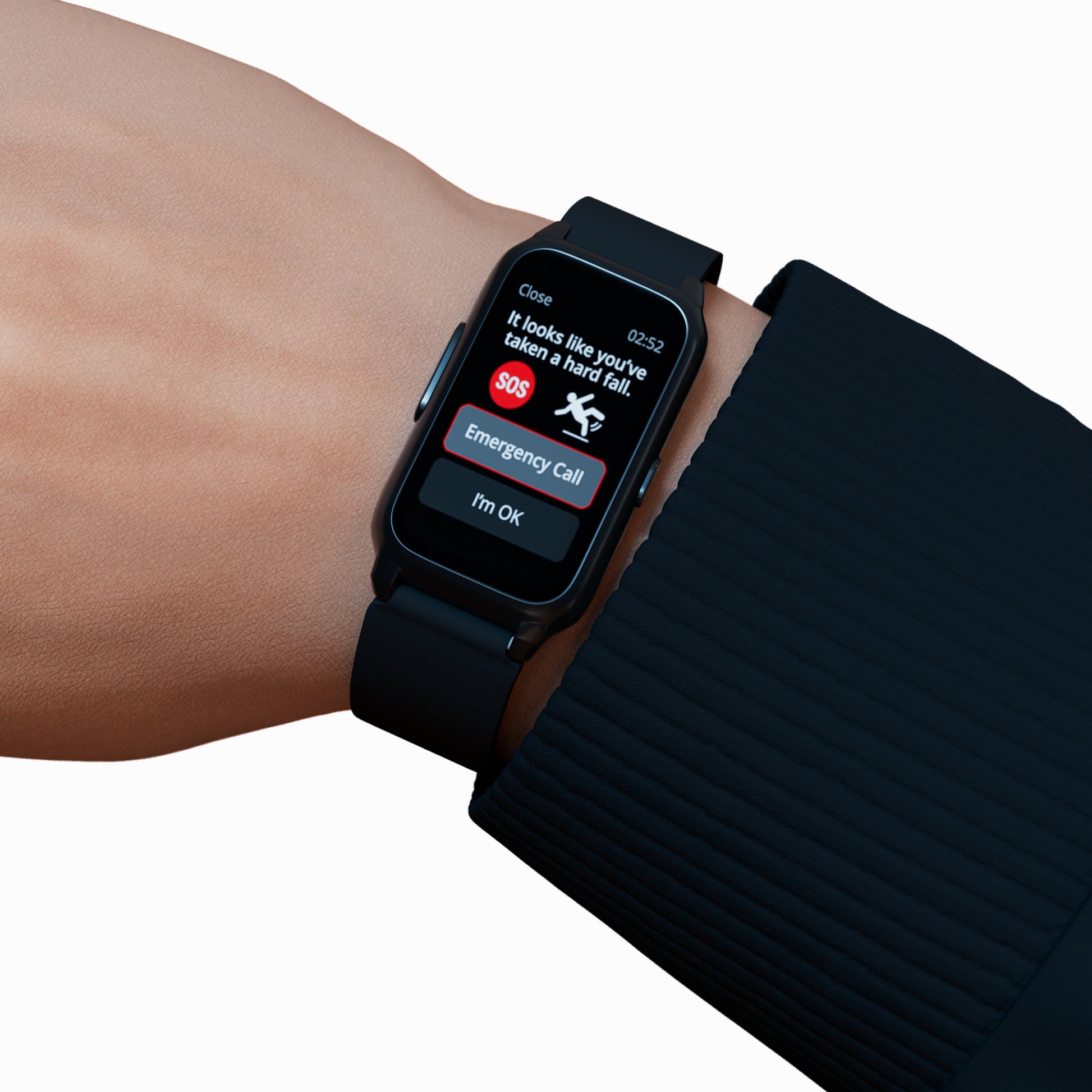
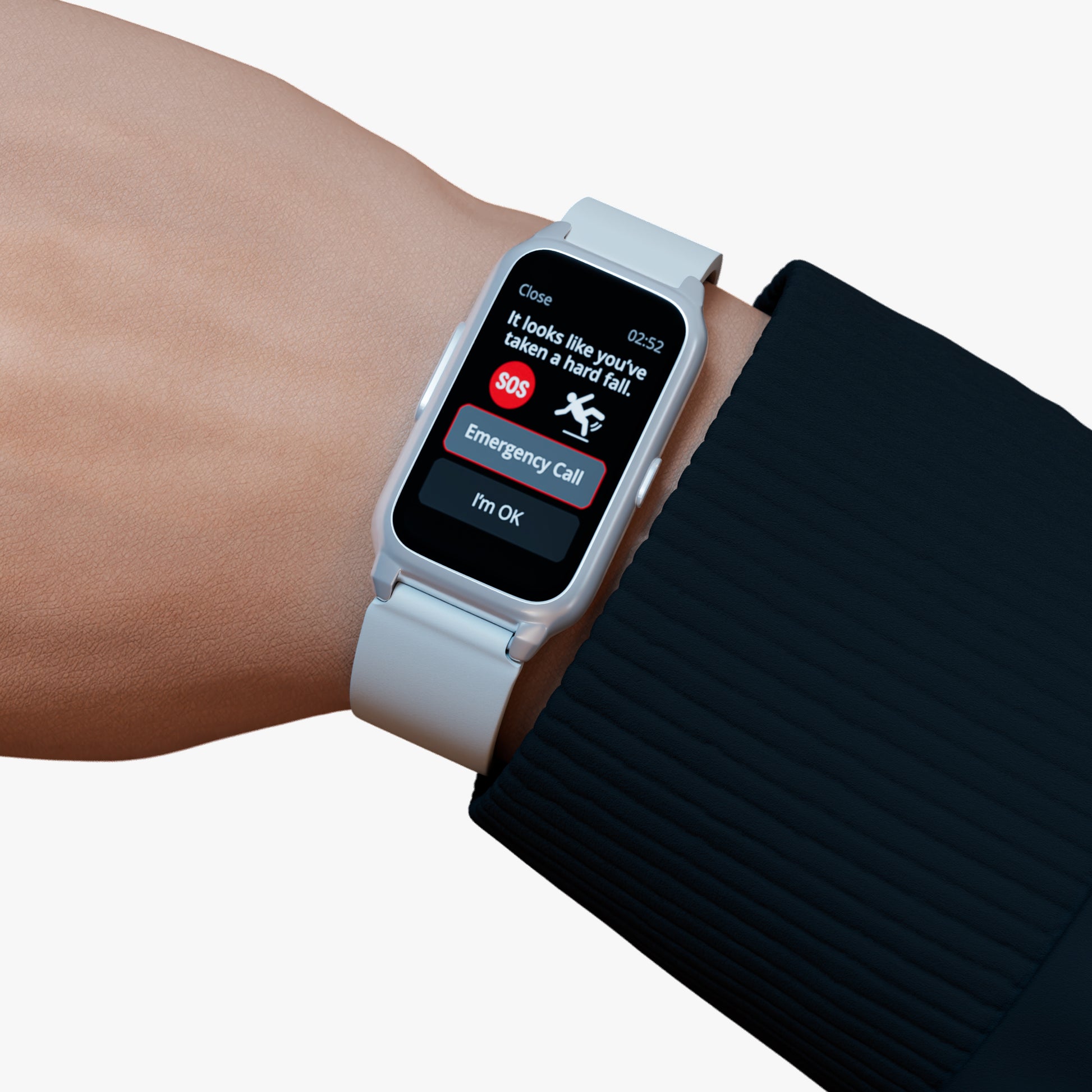
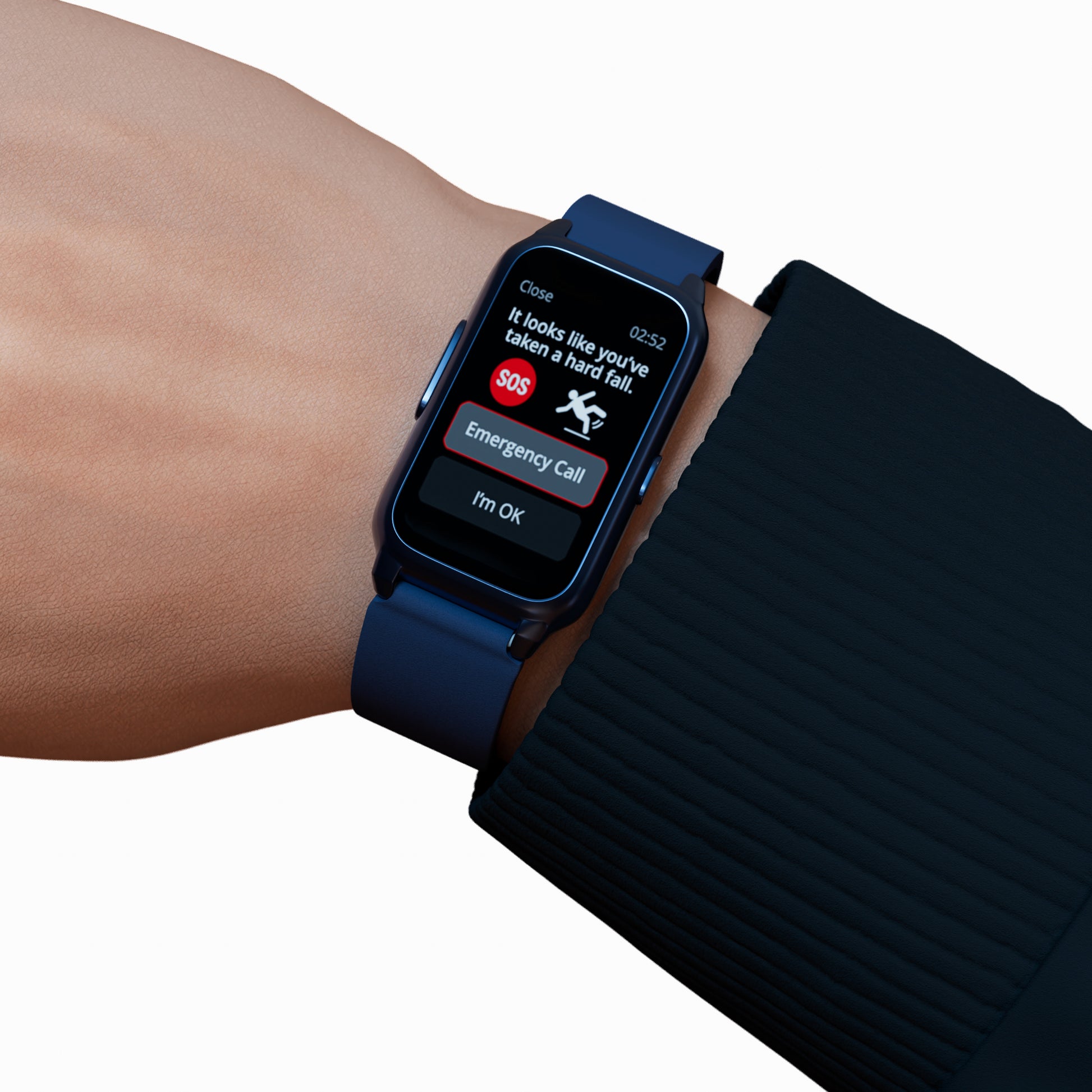
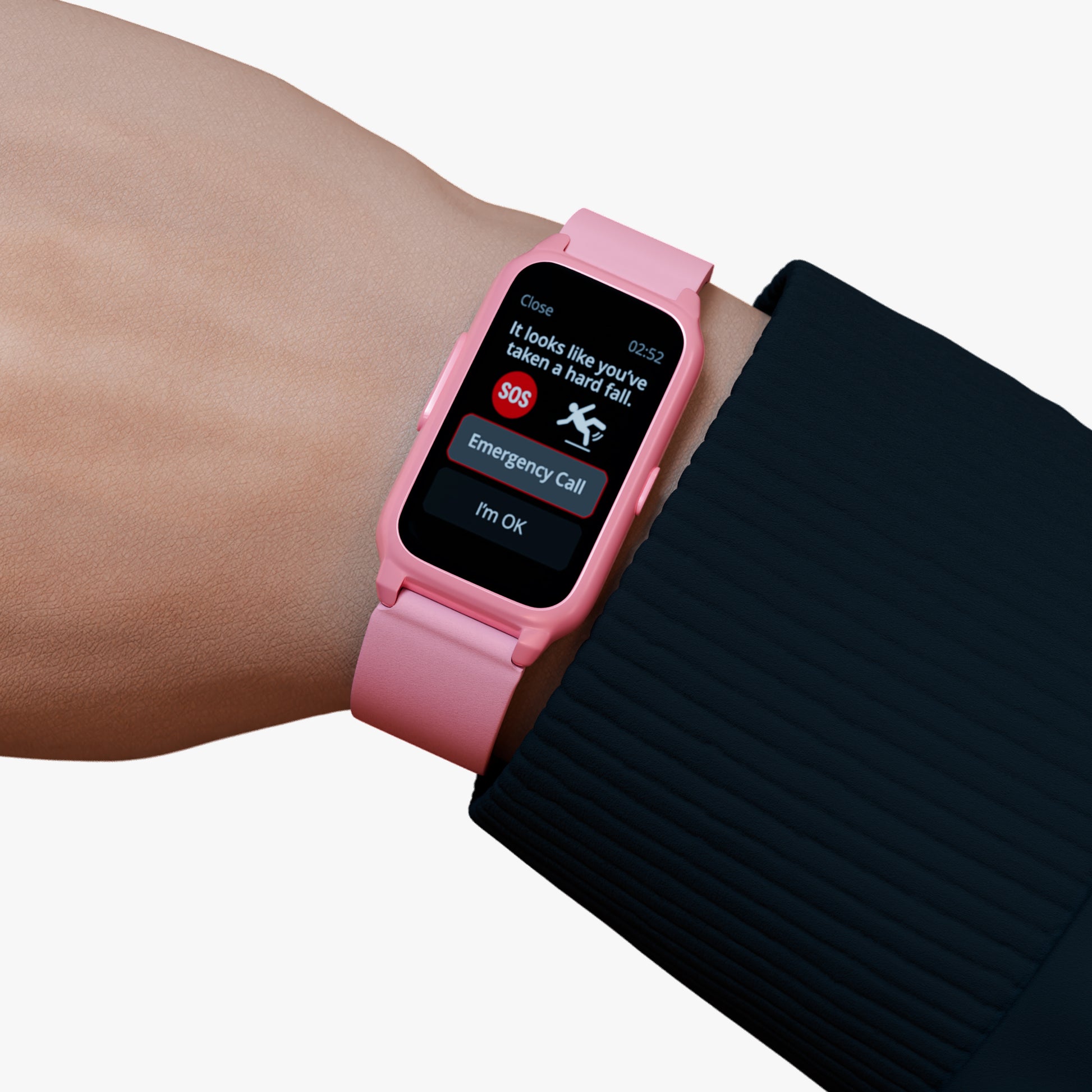
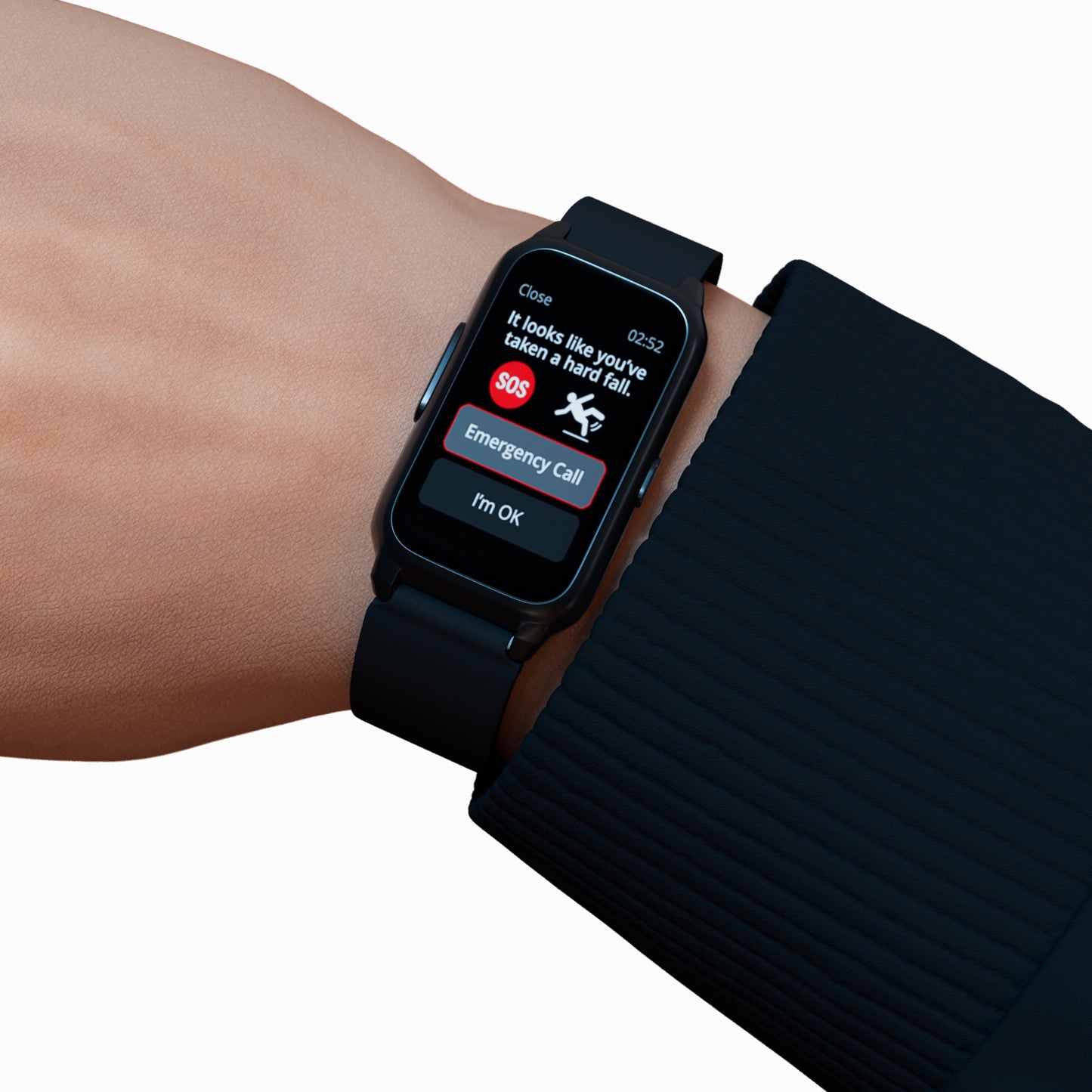
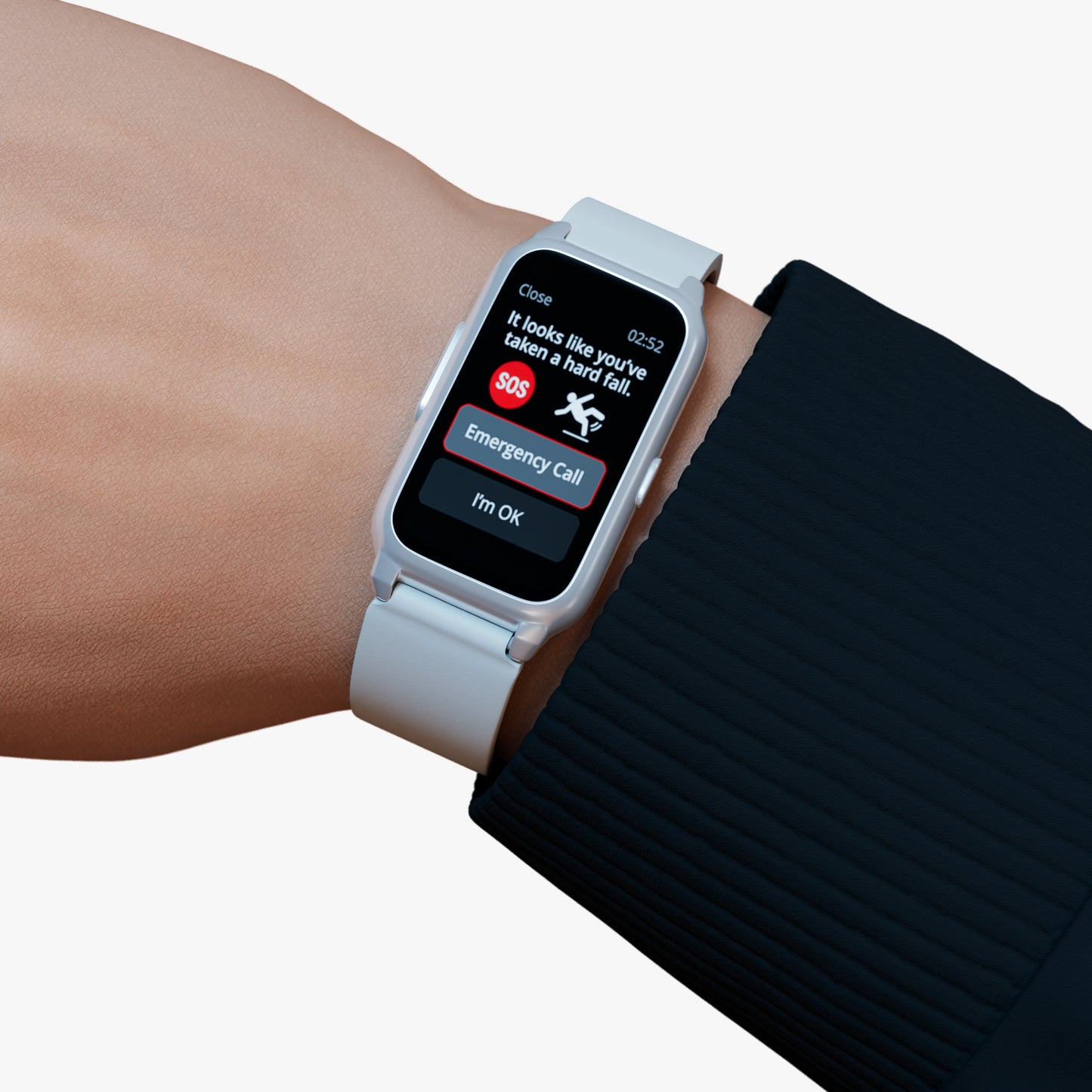
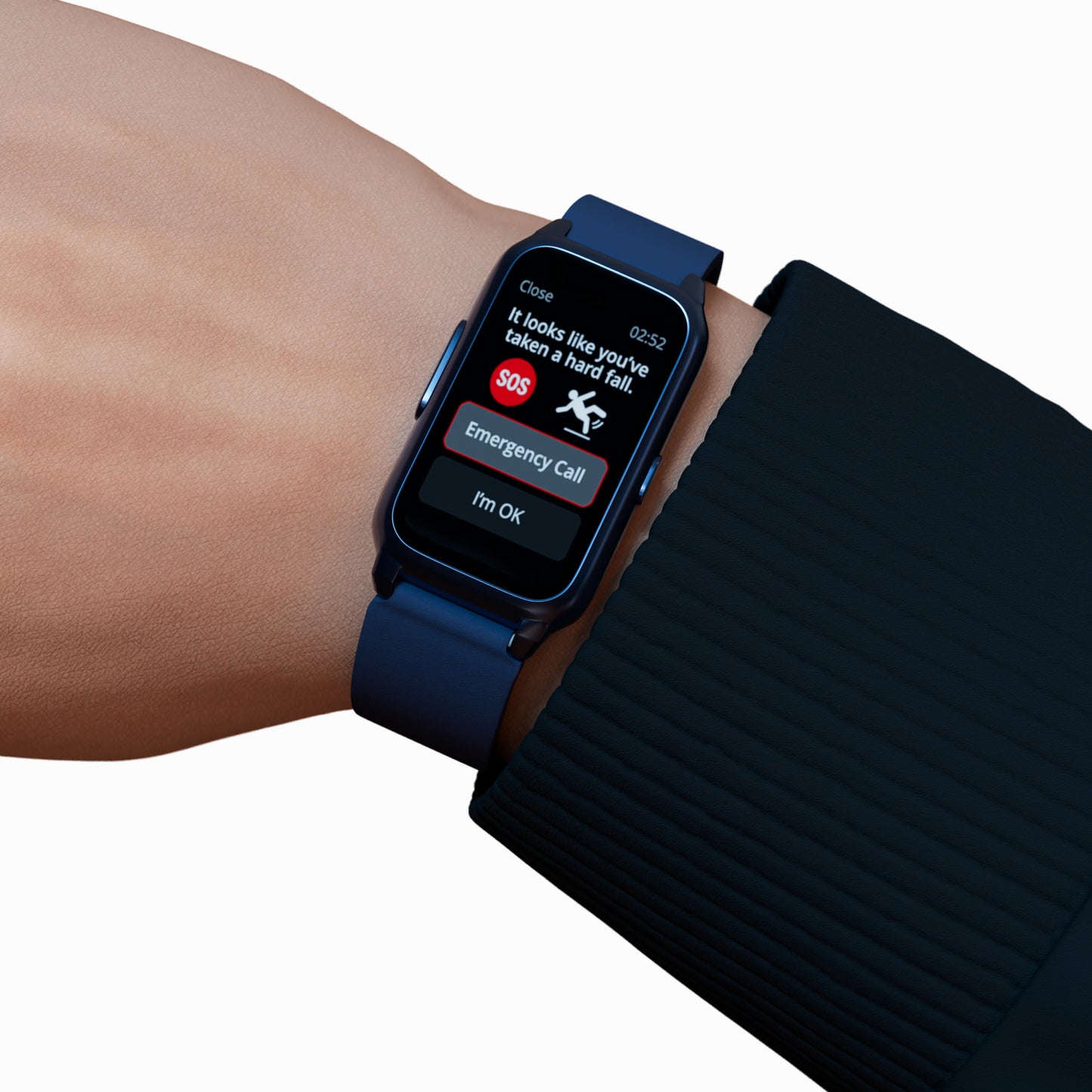
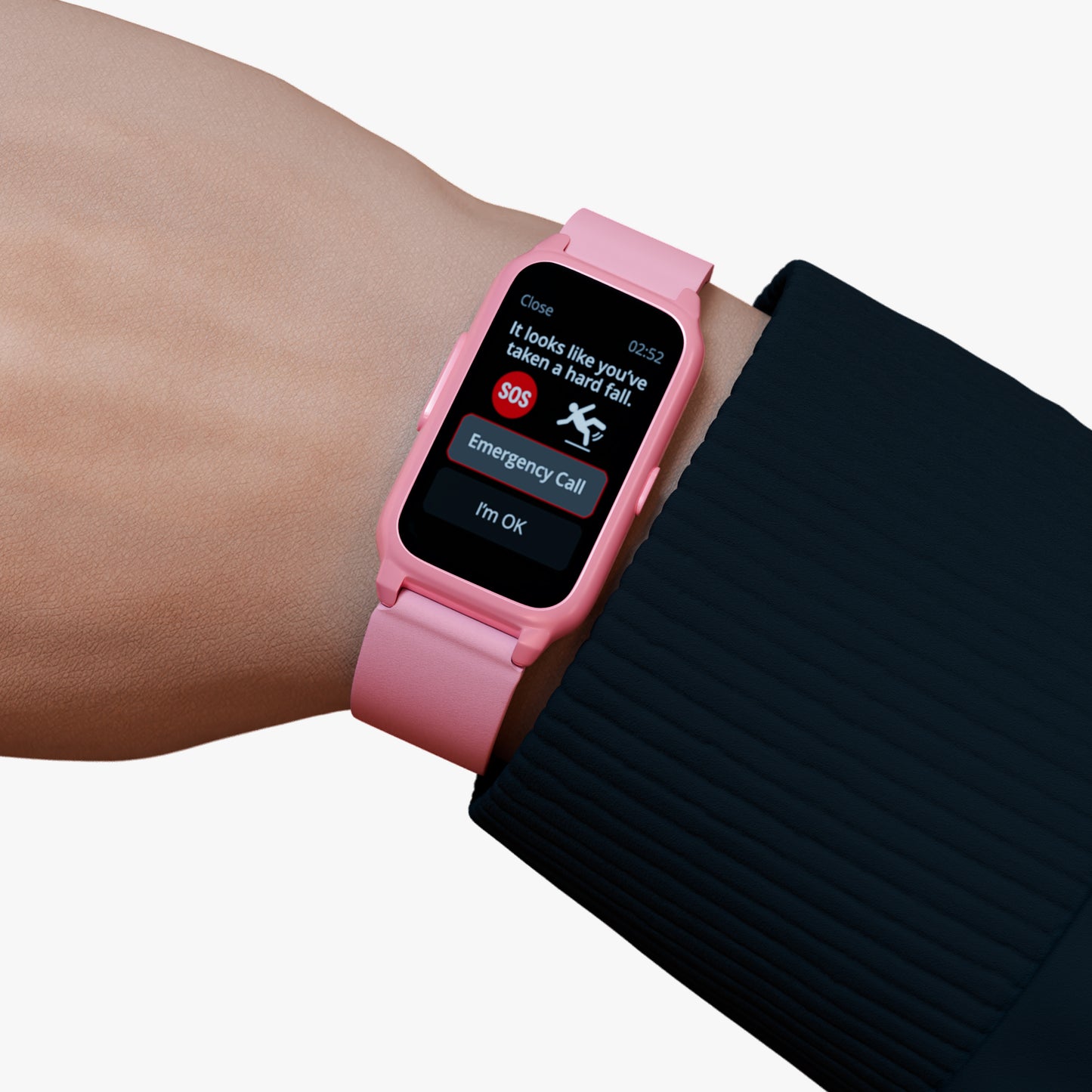
Technology has become a powerful ally in aged care safety. The right automatic fall detection watch provides an extra layer of protection, especially for residents who may not be able to call for help themselves.
Our watch has smart sensors to detect falls and instantly alert carers or emergency contacts. GPS tracking helps staff locate residents quickly, and two-way communication allows residents to speak directly to someone when they need help.
One user summed it up perfectly:
“Reliable and comfortable.”
— Ricardo B. Acedo Jr.
That combination, reliability without discomfort, is exactly what residents need for a device they’ll wear every day.
Building a Complete Safety Culture
The best fall prevention programmes combine people, processes, and technology. Staff training ensures carers understand fall risks and know how to respond quickly. Clear communication means changes in a resident’s condition don’t go unnoticed.
When falls do happen, post-fall reviews help identify what went wrong and how to prevent it next time. Instead of accepting falls as “part of ageing,” facilities can learn and improve continuously.
Family involvement matters too. When families understand the strategies in place and how tools like fall detection devices work, they become active partners in keeping their loved ones safe.

Moving Forward with Confidence
Fall prevention in nursing homes isn’t about wrapping residents in bubble wrap. It’s about creating environments where older Australians can move, live, and enjoy daily life with confidence.
Through thoughtful environmental design, regular exercise, ongoing health checks, and modern technology, aged care facilities can significantly reduce falls. And for families wanting extra peace of mind, our fall detection watch provides reassurance without taking away independence.
MedAlert’s fall detection technology works around the clock, offering automatic alerts, GPS tracking, and real-time communication when it matters most. It’s not just a device. It’s a lifeline.
Ready to upgrade fall prevention for your loved one?
Explore MedAlert’s fall detection solutions today and enjoy the peace of mind that comes from knowing help is always close by.