
Understanding the Risk of Falls in Australian Aged Care
Falls are one of the biggest safety concerns in aged care across Australia, and for good reason. According to the Australian Institute of Health and Welfare, around one in four Australians over 65 will experience a fall each year. In fact, falls are the leading cause of injury-related hospital admissions for older adults.
In aged care facilities, the risk is often higher. Many residents live with mobility issues, chronic health conditions, or reduced balance.
A fall doesn’t just cause physical injuries like hip fractures or head trauma; it can also shake confidence, reduce independence, and seriously impact quality of life.
That’s why falls prevention isn’t just a box to tick. It’s a priority for aged care providers, healthcare professionals, families, and residents themselves.

Why Do Falls Happen in Aged Care?
Most falls aren’t caused by just one thing. Instead, they usually result from a mix of factors working together.
Physical changes play a big role. As we age, muscle strength and balance naturally decline. Some residents experience dizziness or vertigo, while others have mobility limitations that make everyday movement more challenging.
Vision problems such as cataracts or macular degeneration can make it harder to spot hazards or judge distances, increasing the likelihood of a fall.
Medications are another important factor. Taking multiple medications, or drugs that cause drowsiness or dizziness, can significantly increase fall risk. That’s why regular medication reviews are so important in aged care.
Then there’s the environment itself. Poor lighting, cluttered walkways, slippery floors, or a lack of handrails can quickly turn everyday spaces into fall hazards if they’re not properly managed.
For families and care providers, having additional safeguards in place can make a meaningful difference. As one user shared:
“Very good product. Works very well and really pleased with the item.”
— Dianne, Magic Watch user
Simple, reliable support tools like safety watches can provide reassurance alongside broader fall-prevention strategies, helping residents stay safer while maintaining their independence.
Proven Falls Prevention Strategies That Really Work
Preventing falls works best when it’s approached from multiple angles: physical, environmental, and practical.
1. Exercise Programs
Exercise is one of the most effective fall prevention tools available. Research shows it can reduce falls by up to 23%. Programs that focus on strength, balance, and coordination, such as tai chi, are especially helpful. Ideally, residents should aim for around 150 minutes of activity per week, guided by physiotherapists and adapted to individual abilities.
2. Regular Falls Risk Assessments
Under Australia’s Aged Care Quality Standards, residents should receive a falls risk assessment when they enter care. These assessments look at mobility, balance, cognition, medication use, and medical history, and they shouldn’t be a one-off. Regular reviews help ensure strategies stay effective as needs change.
3. Safer Living Environments
Small changes can make a big difference. Improving lighting, installing grab rails, using non-slip flooring in wet areas, removing trip hazards, and keeping walkways clear all help reduce risk and make residents feel more secure.
4. Proper Footwear and Foot Care
Footwear matters more than many people realise. Shoes should fit well, have non-slip soles, and fasten securely. Slip-on shoes and slippers can increase risk. Regular podiatry checks also help address foot issues that affect balance and walking.
5. Vision and Hearing Checks
Visual impairment can increase fall risk by nearly three times. Routine eye exams allow problems to be picked up early and treated. Hearing checks are just as important, as hearing loss can affect balance and spatial awareness.
How Technology Can Support Falls Prevention
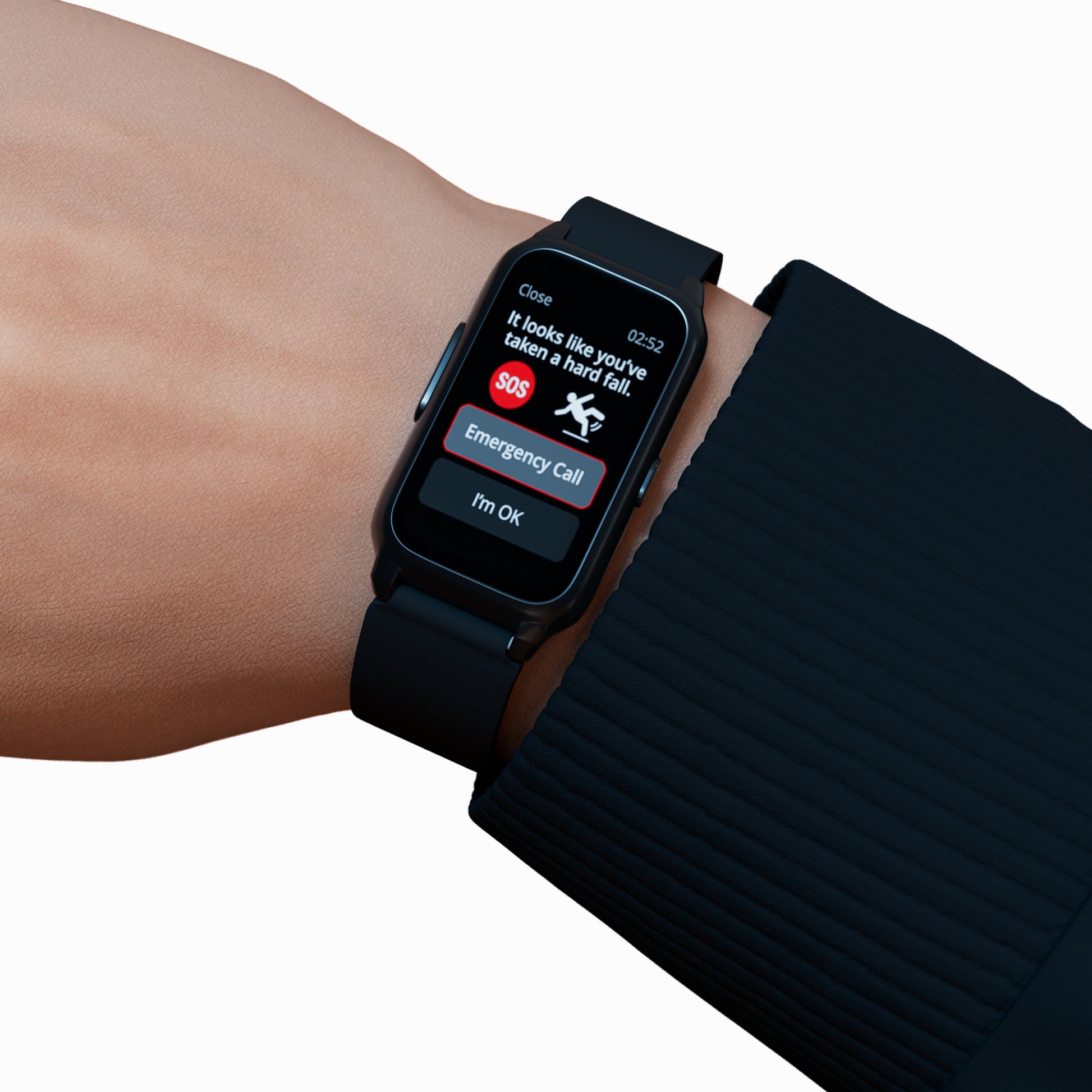
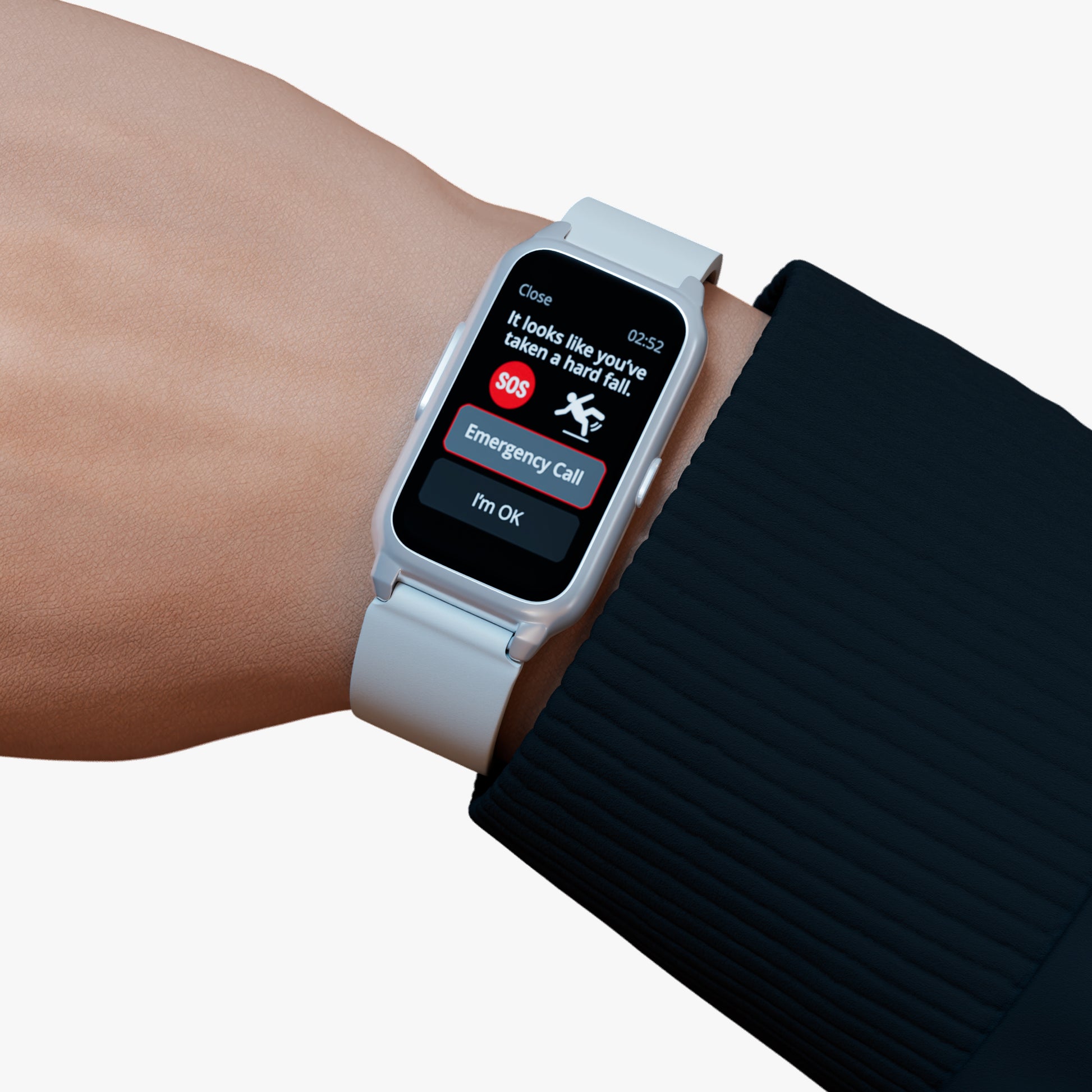
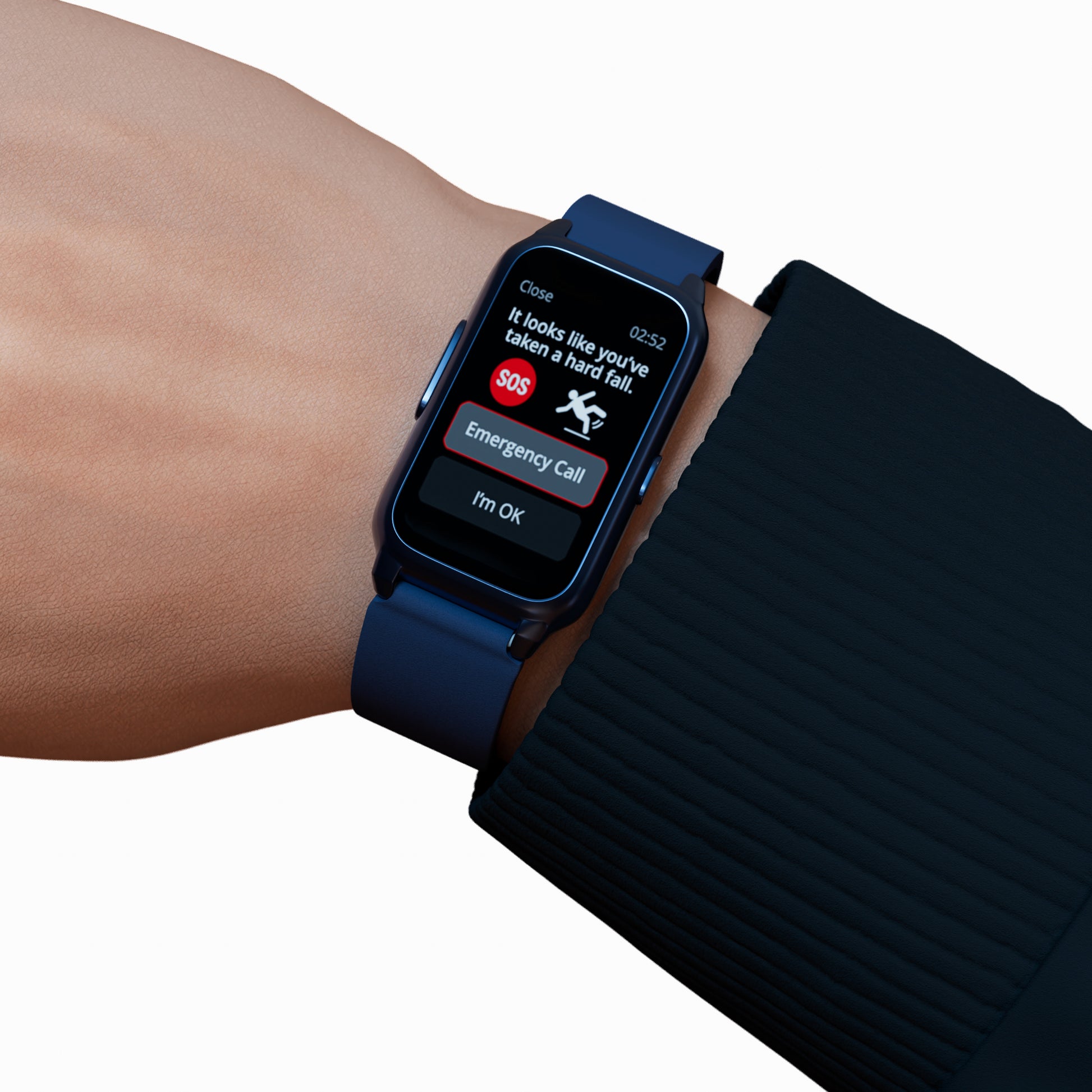
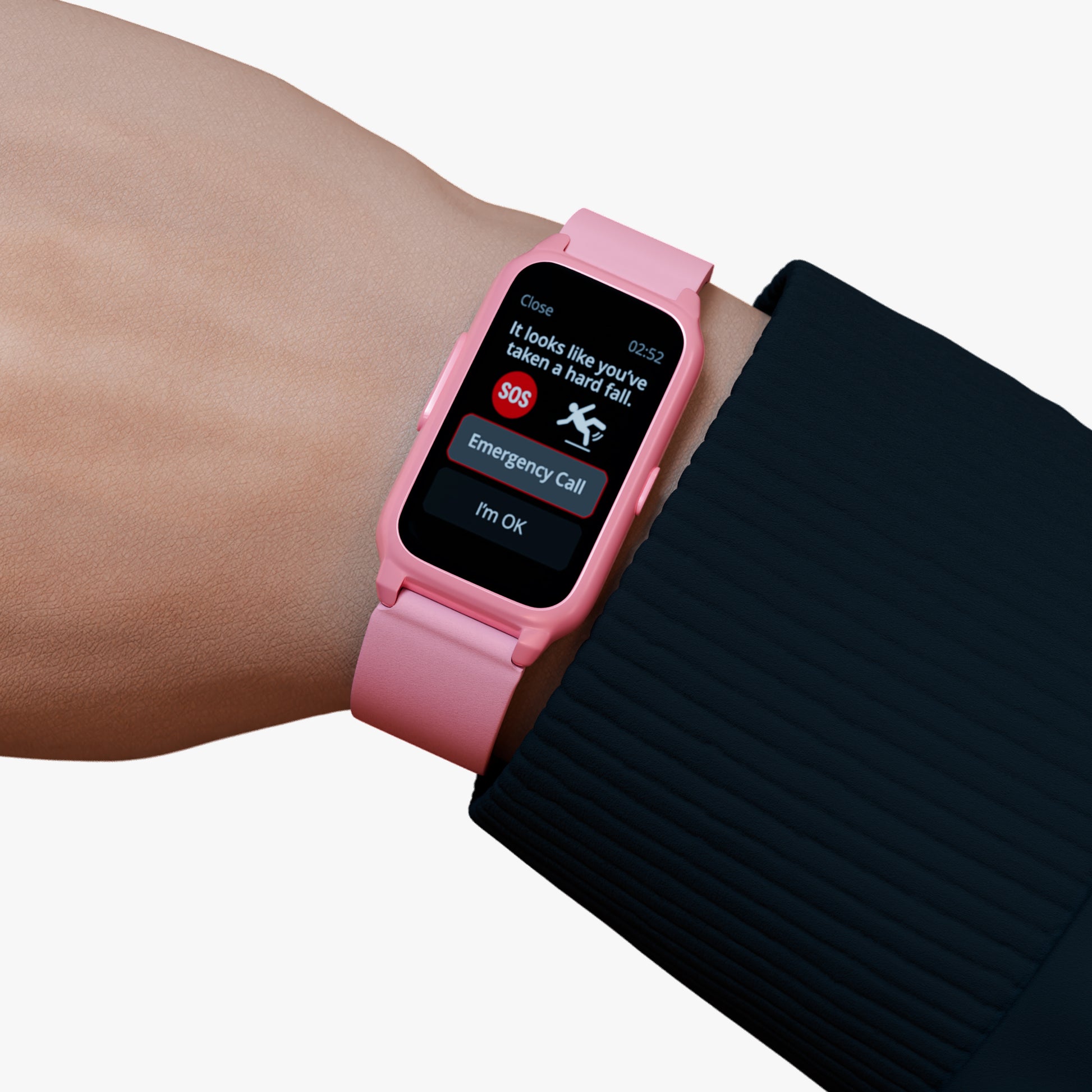
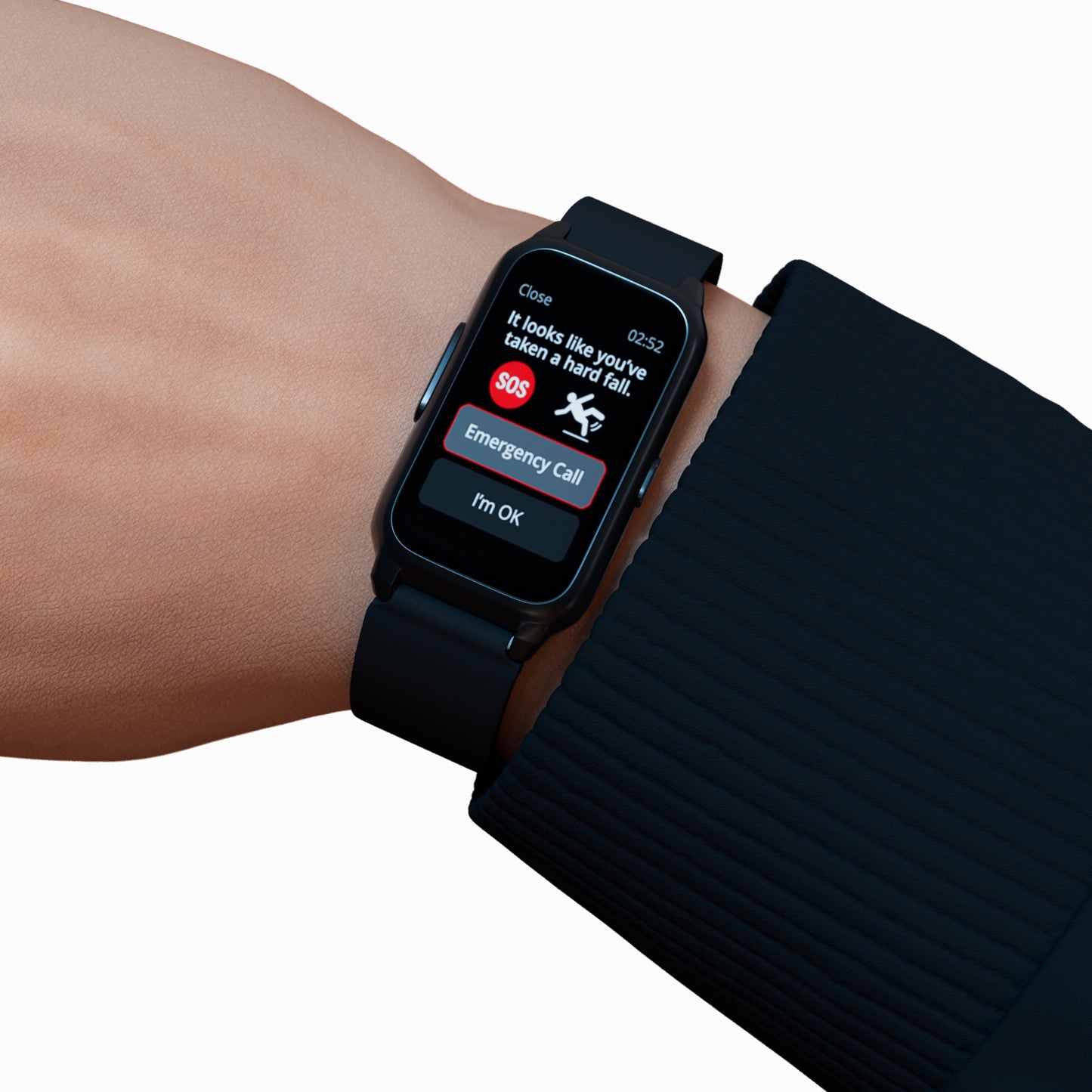
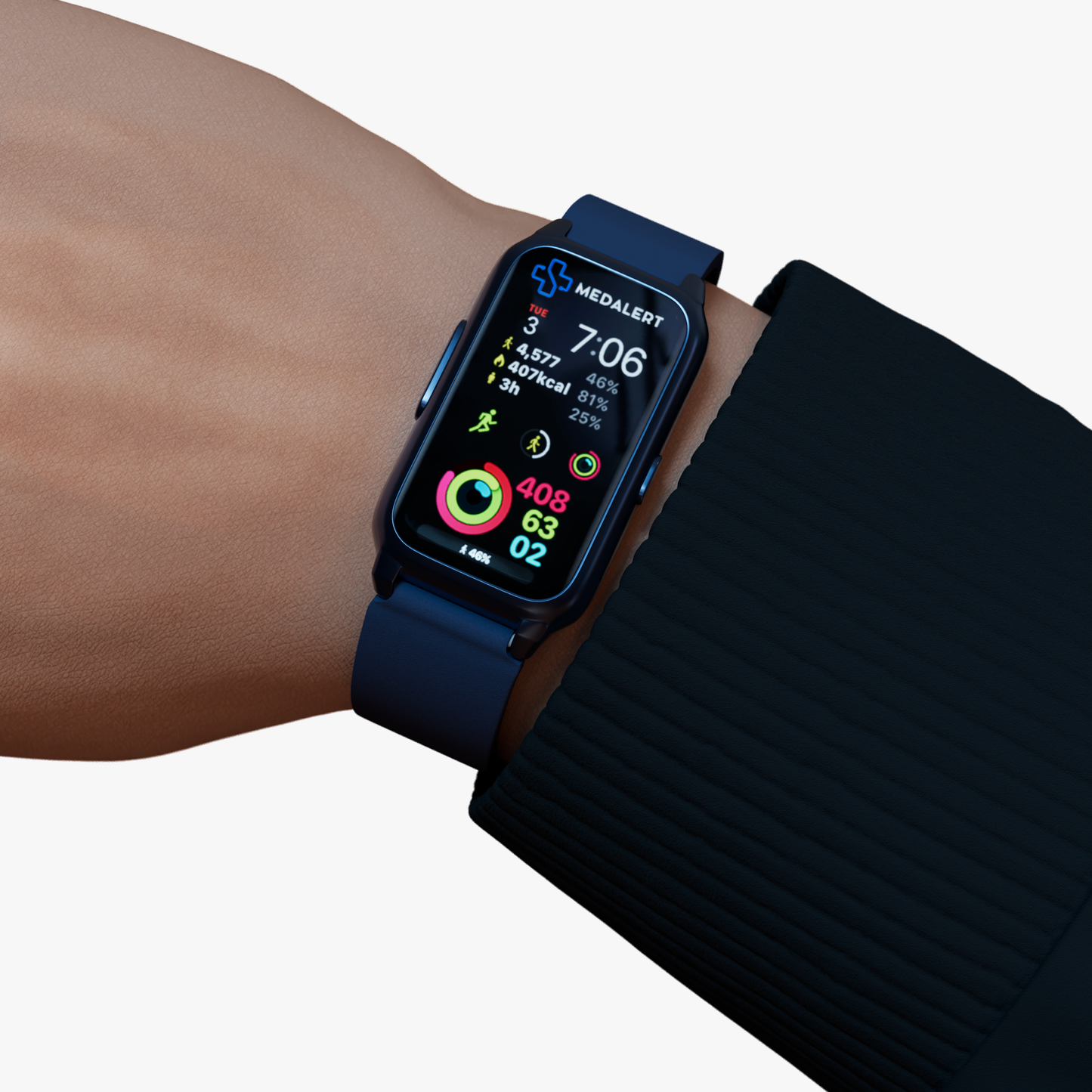
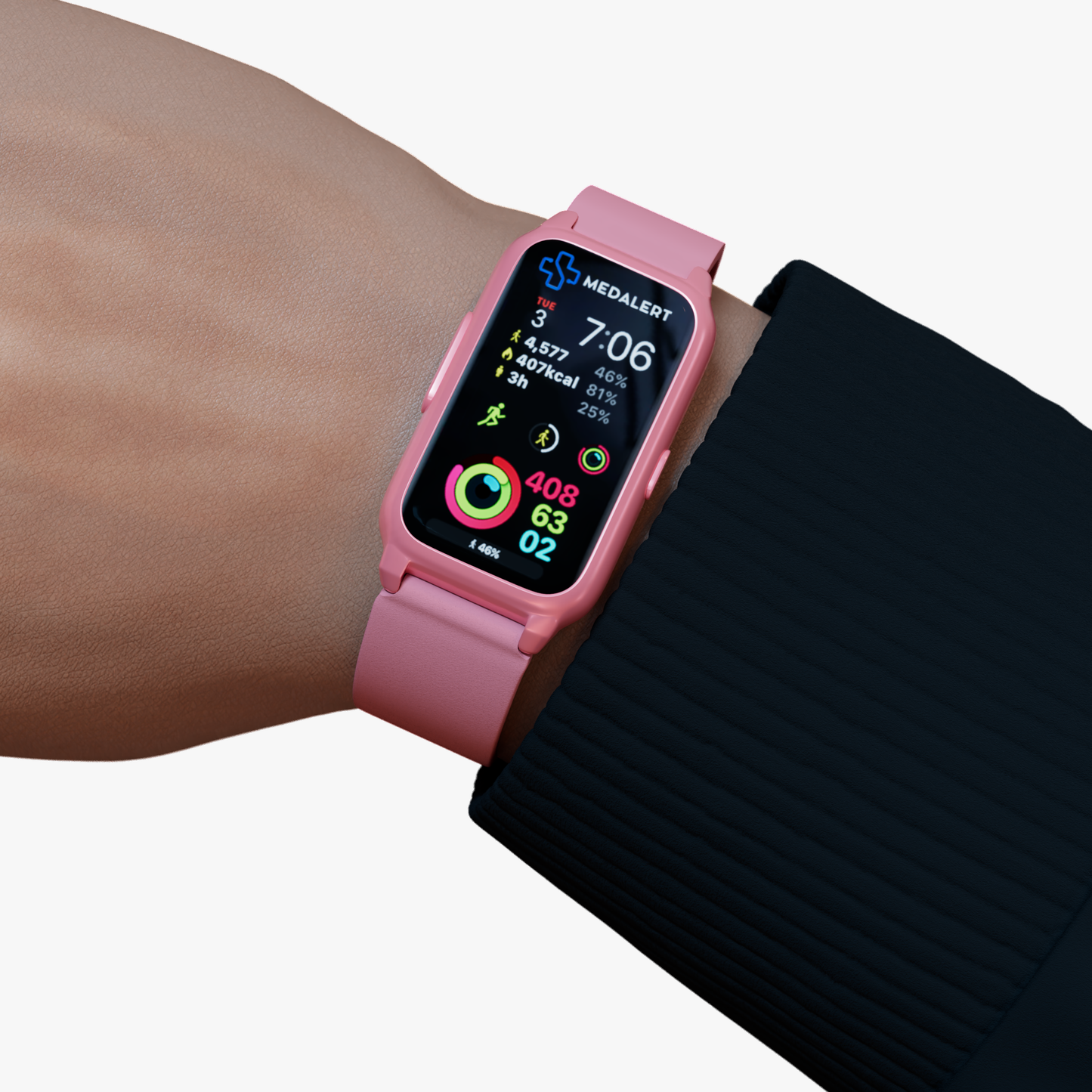
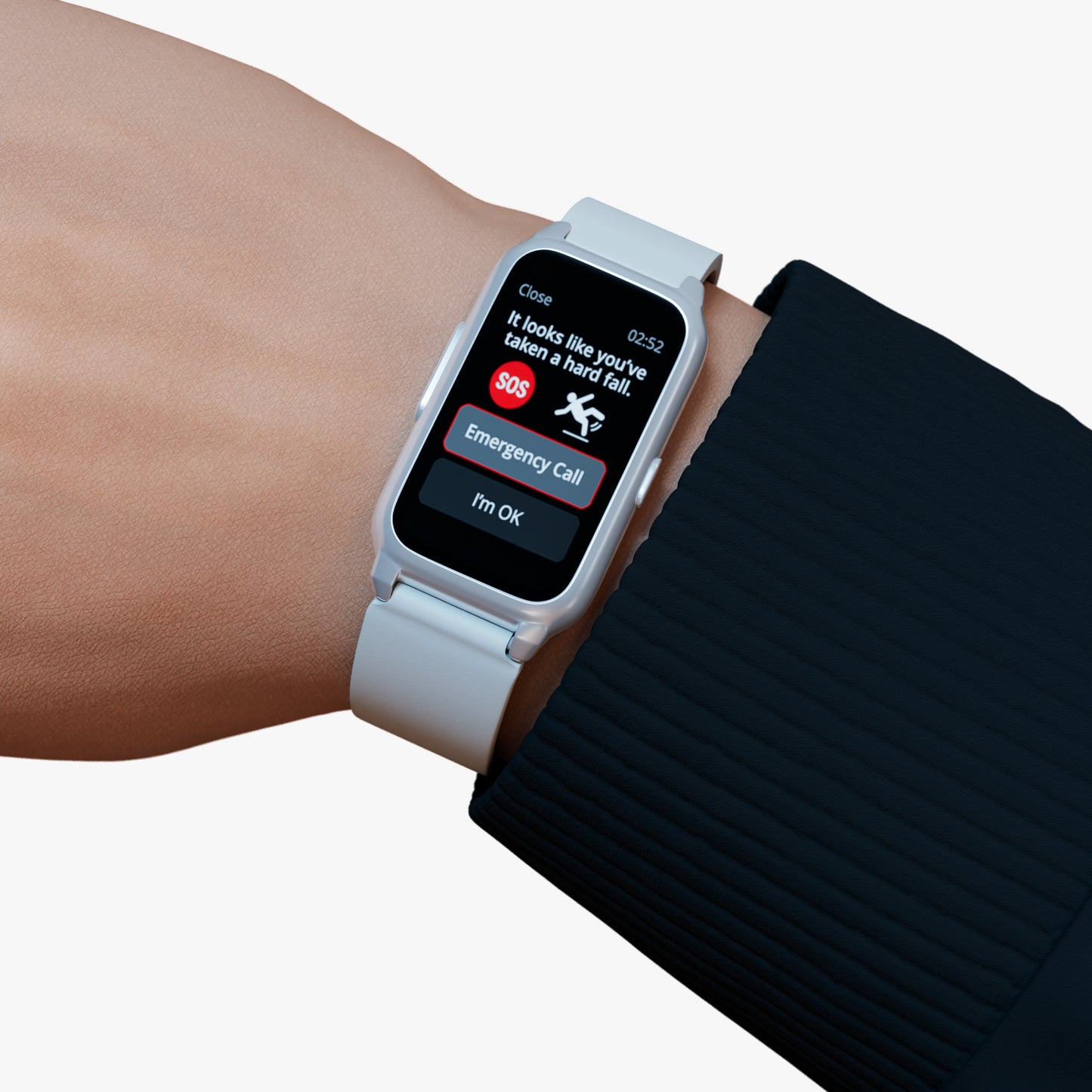
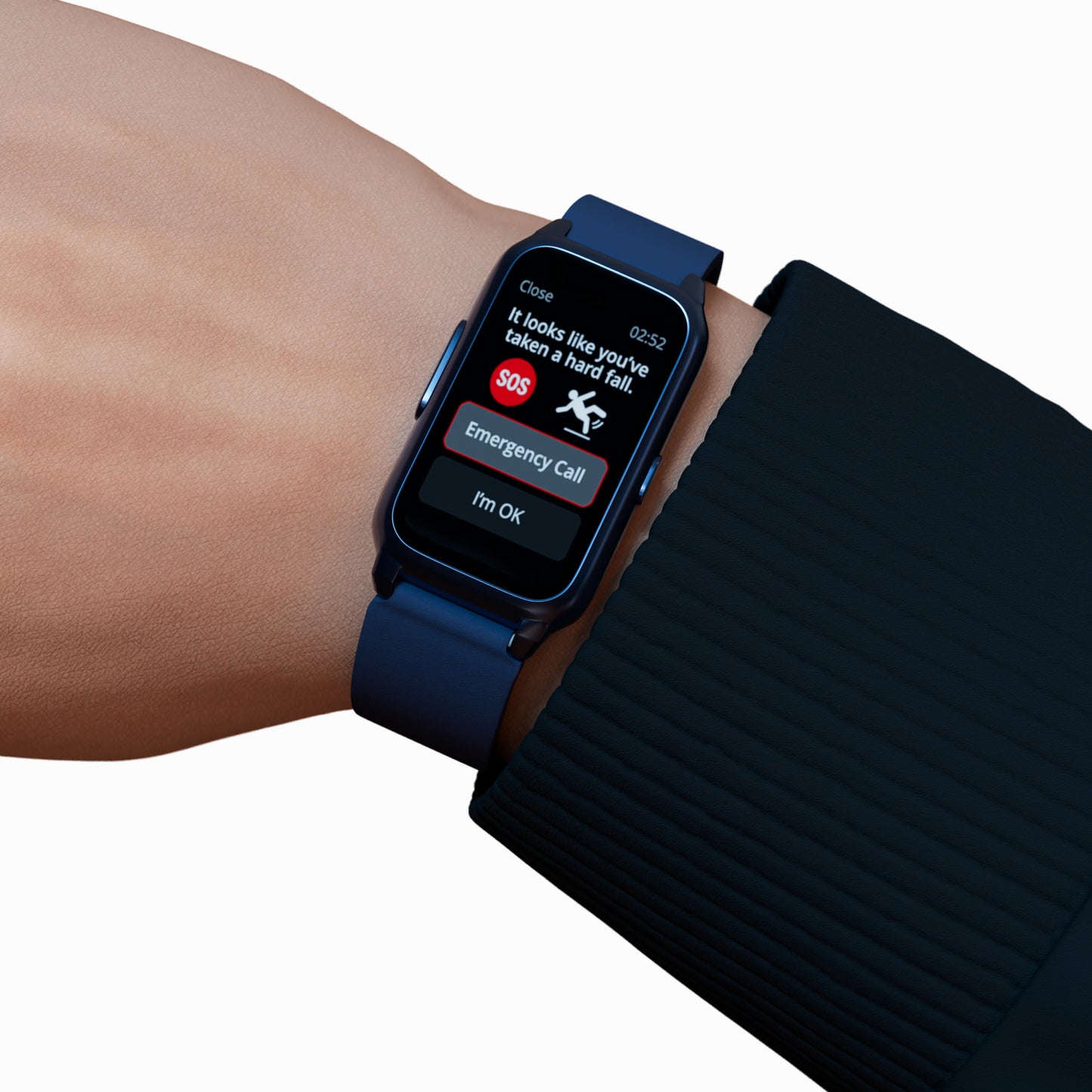
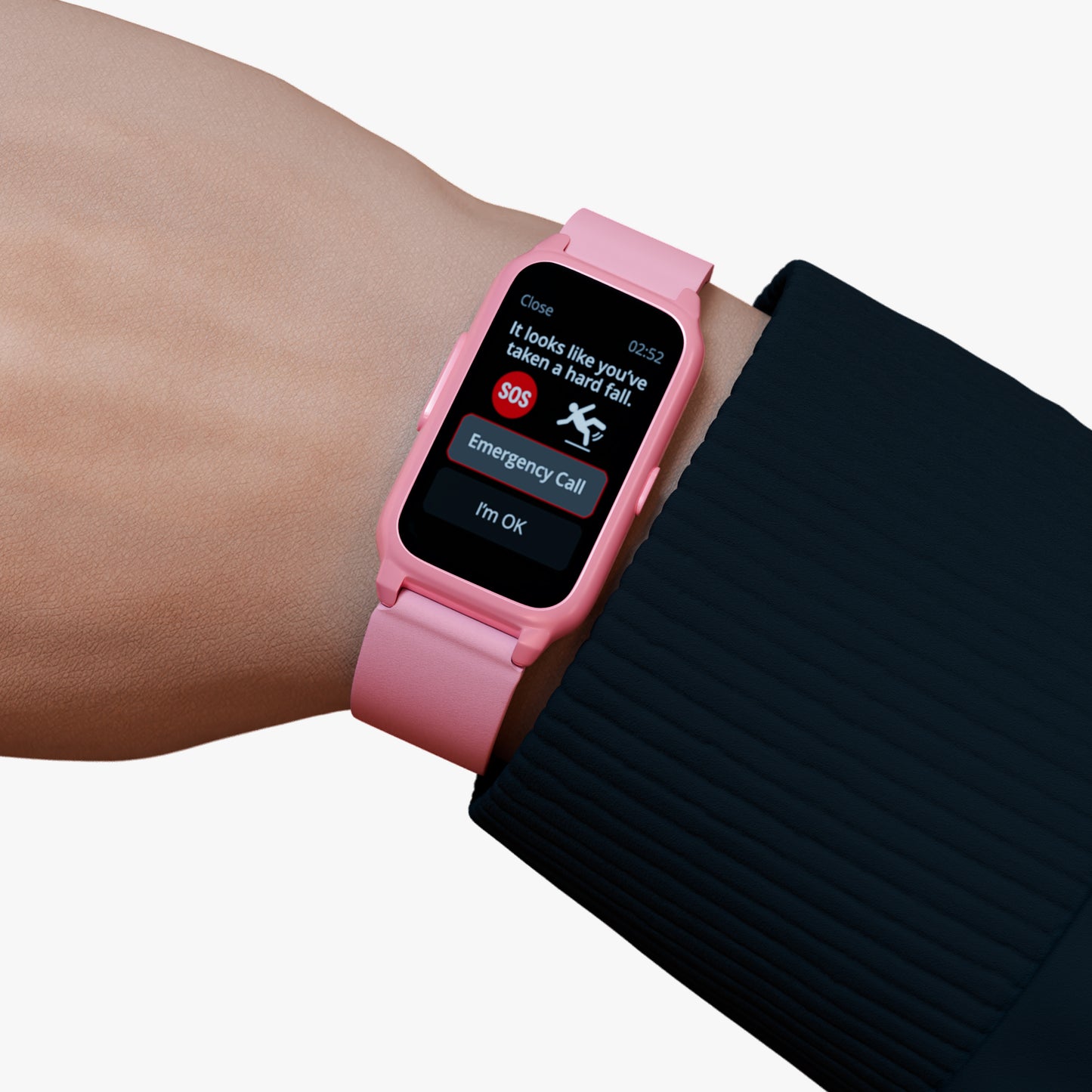
Technology is playing an increasingly important role in keeping seniors safe. Automatic fall detection watches can add an extra layer of protection, especially for residents who are at higher risk.
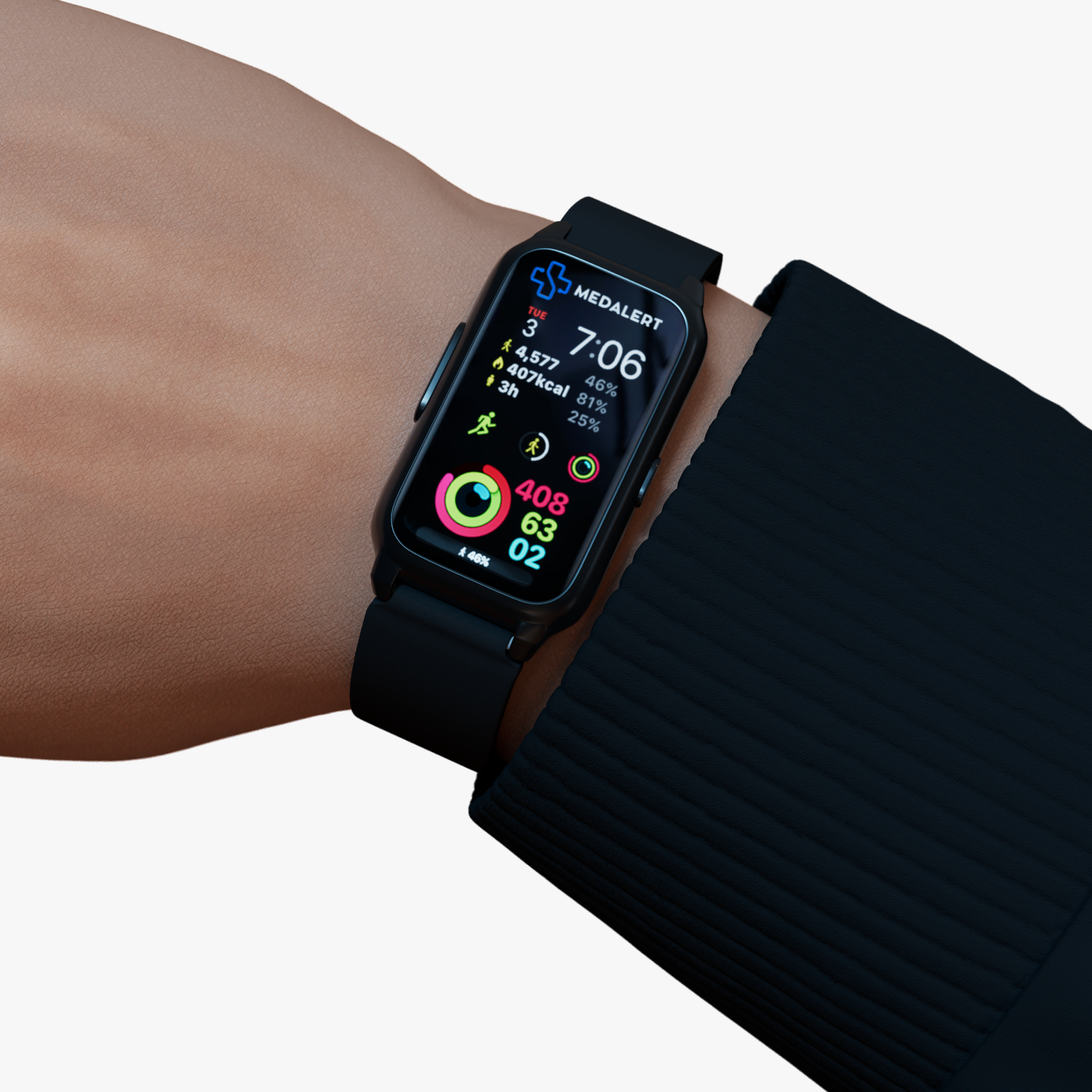
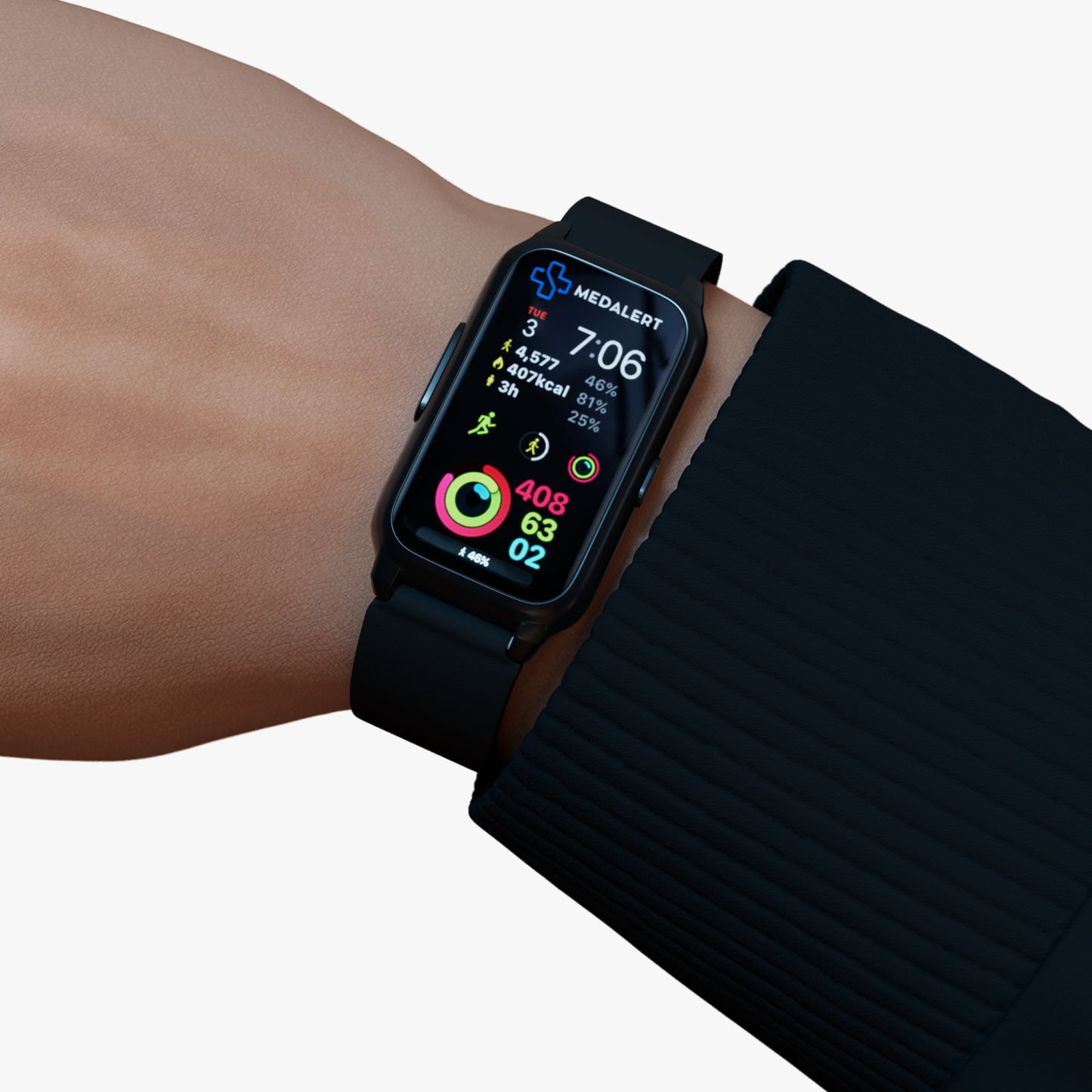
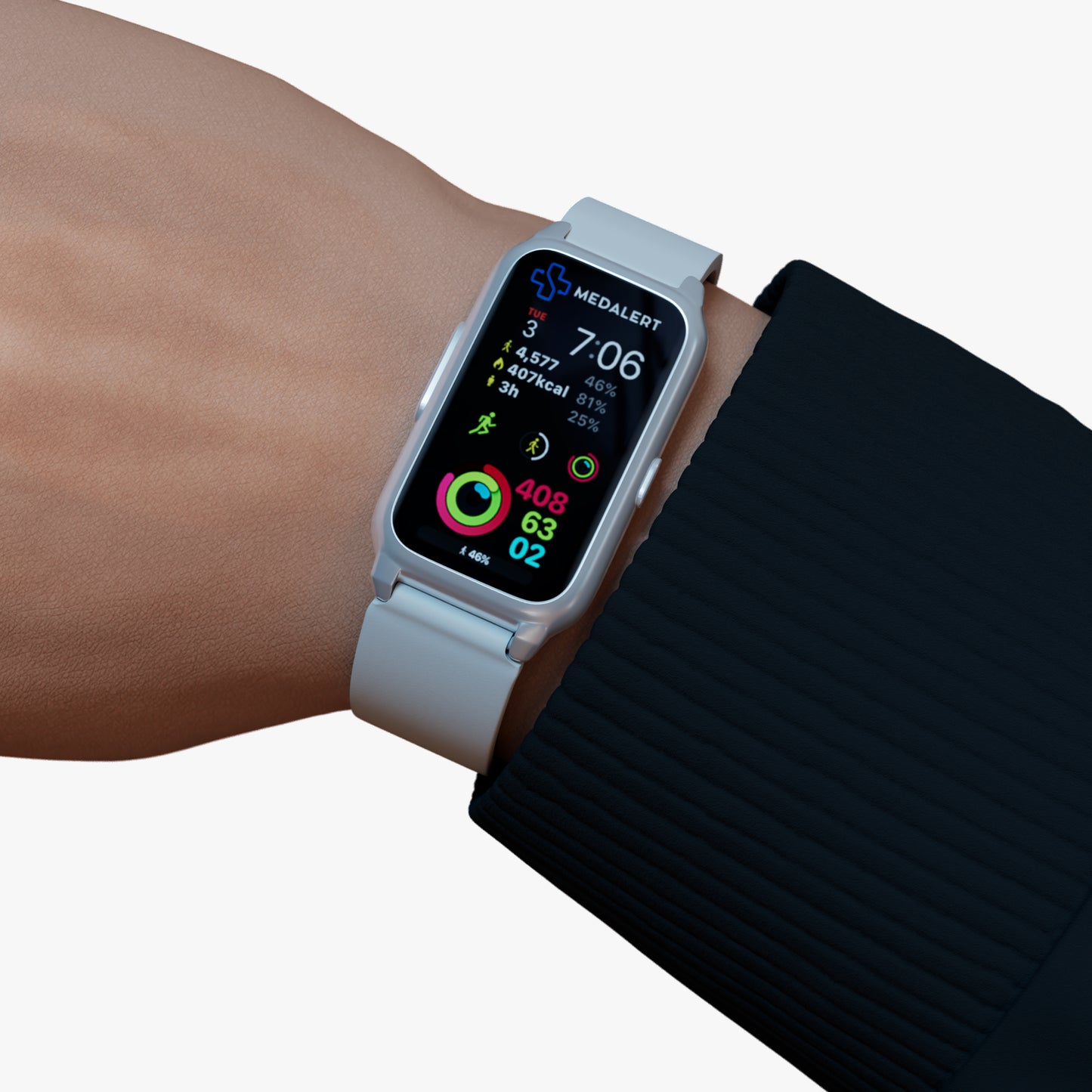
MedAlert uses smart sensors to automatically detect falls and alert caregivers straight away. Many devices also include:
✓ GPS tracking to pinpoint the location quickly
✓ Two-way communication for instant contact
✓ Heart rate monitoring for added health insights
✓ Geofencing alerts if a resident wanders outside safe areas
For aged care facilities and families, this means faster response times and greater peace of mind. And for residents, it often means more confidence to move around independently.
As one MedAlert customer shared:
“Easy to set up and great customer service.”
, Mathew Lemme
It’s this simplicity and support that make technology easier to adopt, and more likely to be used when it really matters.

Help Protect Your Loved Ones with MedAlert
Keeping seniors safe from falls requires a thoughtful mix of exercise, safer environments, regular health checks, and smart technology. When these strategies come together, aged care facilities can significantly reduce fall risk and improve residents’ confidence and wellbeing.
MedAlert’s fall detection watch provides an added safety net, with automatic fall detection, GPS tracking, and instant communication with caregivers, helping ensure that help is always close by.
Explore MedAlert’s fall detection solutions today and enjoy the peace of mind that comes from knowing support is always just a button press away.