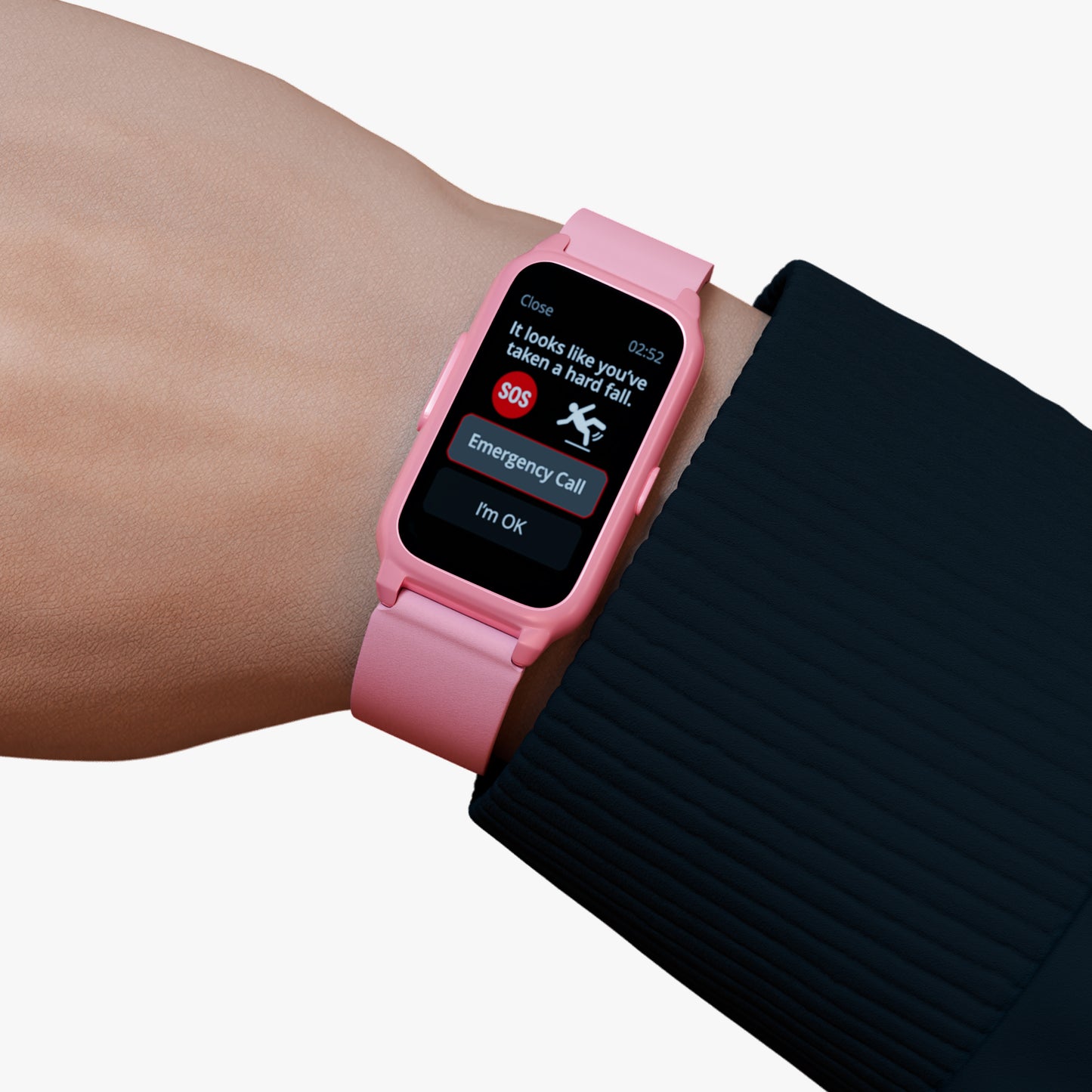

For families supporting an older loved one, knowing where they are can become an important part of staying connected. Medical alert devices with GPS bring location tracking together with safety and communication features in a wearable device. This can give families another way to stay informed when an emergency occurs or when location information is needed.
GPS is only one part of a medical alert system. Depending on the device, it can work alongside SOS alerts, two-way calling, fall detection and other features. Together, these functions can provide different ways for an older adult to communicate and for families or carers to stay connected.
Understanding how these features work together can help families decide what type of device may fit an older person's daily routine.
Why GPS Location Matters for Families
Families may not always be close to an older relative. An older adult may spend time at home, visit friends, take a walk or travel around the local community. In these situations, location information can become useful when family members need to know where the wearer is.
GPS tracking allows a compatible wearable device to provide location information through its supported system. MedAlert's GPS devices include live and historical tracking, giving families and carers access to location information through the available platform.
The purpose of GPS is not to make everyday life feel monitored. Instead, it can provide useful information when there is a reason to check a person's location. This can be particularly relevant when an emergency alert has been raised.
For families, having location information connected to a safety device can also reduce the need to manage several separate tools. The wearer can keep the device with them while carrying on with their usual activities.
How Medical Alert Devices With GPS Work
A GPS-enabled medical alert device combines location technology with emergency functions. The device communicates through its supported mobile network and uses GPS to determine the wearer's location.
MedAlert's GPS alarm range includes live and historical GPS tracking, SOS functionality and other safety features. The available functions depend on the specific device and service selected.
When an alert occurs, location information can be part of the information available to the relevant contacts. This gives families more context than an alert alone.
It is also important to understand that GPS and emergency communication serve different purposes. GPS provides location information, while the alert and communication functions provide ways to respond to an emergency.
Families should therefore look at the complete system instead of considering GPS as a stand-alone feature.
Live Tracking and Location History
Live tracking provides current location information through the supported MedAlert system. This can be useful when a family member needs to check where the wearer is at a particular time.
Historical tracking has a different purpose. It provides access to previous location information available through the system.
Having both types of information can give families a broader view of how the wearable device is being used. However, the exact tracking functions and access can vary between MedAlert devices.
What a GPS Emergency Alert Device Can Offer
A GPS emergency alert device can bring several safety functions together in one wearable system. This can be useful for older adults who want a simple way to stay connected while moving through their normal routine.
MedAlert's wearable devices include features such as GPS tracking, SOS alerts and two-way calling. Selected models also include automatic fall detection.
The SOS button provides a manual way to request help. Two-way communication then allows the wearer to communicate through the device with selected contacts, depending on the device and service.
This combination is useful because an emergency does not always involve the same circumstances. Sometimes the wearer may be able to press the SOS button. In another situation, automatic fall detection may provide an additional alert method.
The value of the device comes from how these functions work together rather than from GPS alone.
Staying Connected Through Two-Way Communication
Location information can be more useful when it is supported by communication. Knowing where a person is does not always explain what has happened or what type of assistance they may need.
MedAlert devices include two-way calling. This allows the wearer to communicate through the device with selected contacts, depending on the model and service.
For families, this creates a direct communication option through the wearable. The wearer can speak with a contact after an alert and provide more information about the situation.
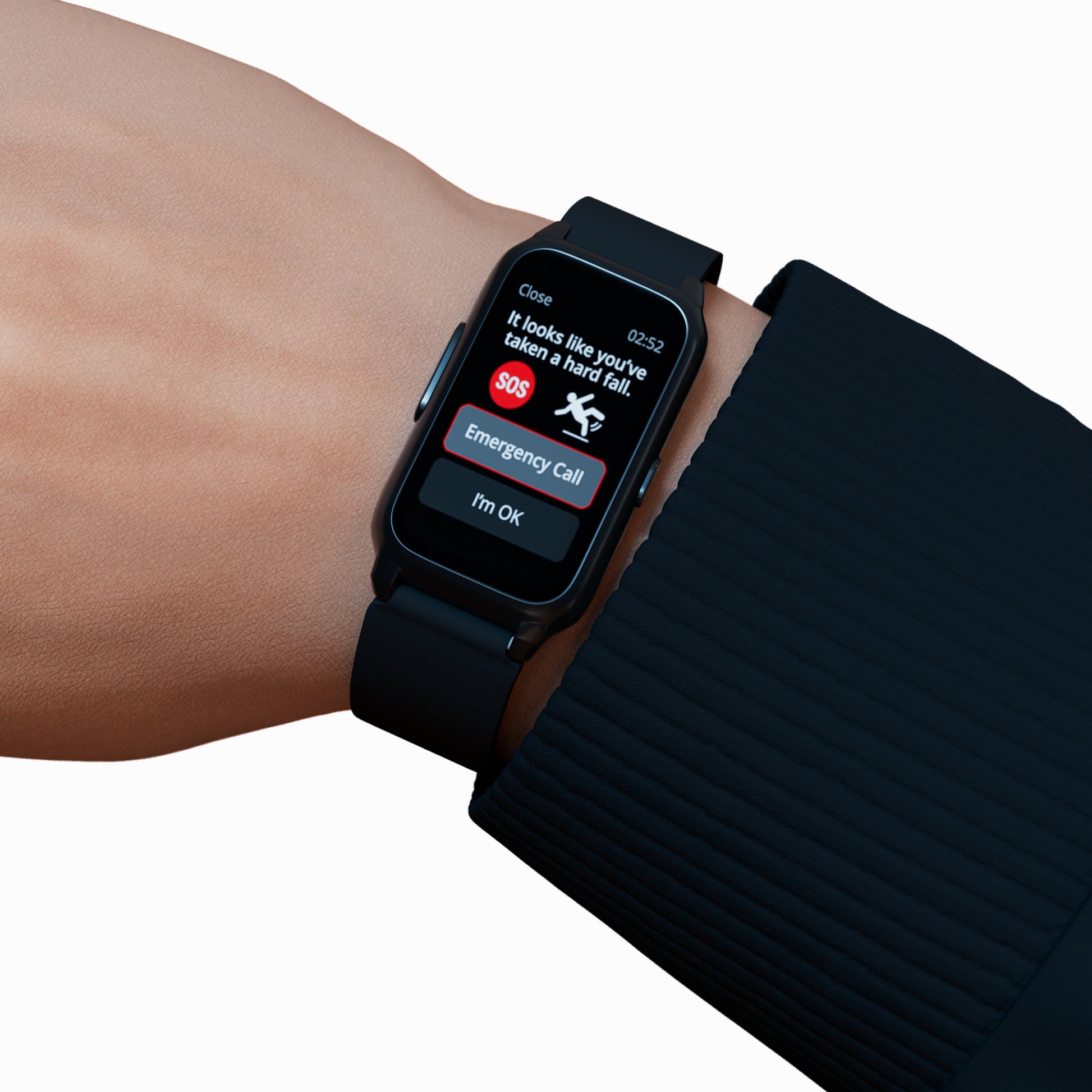
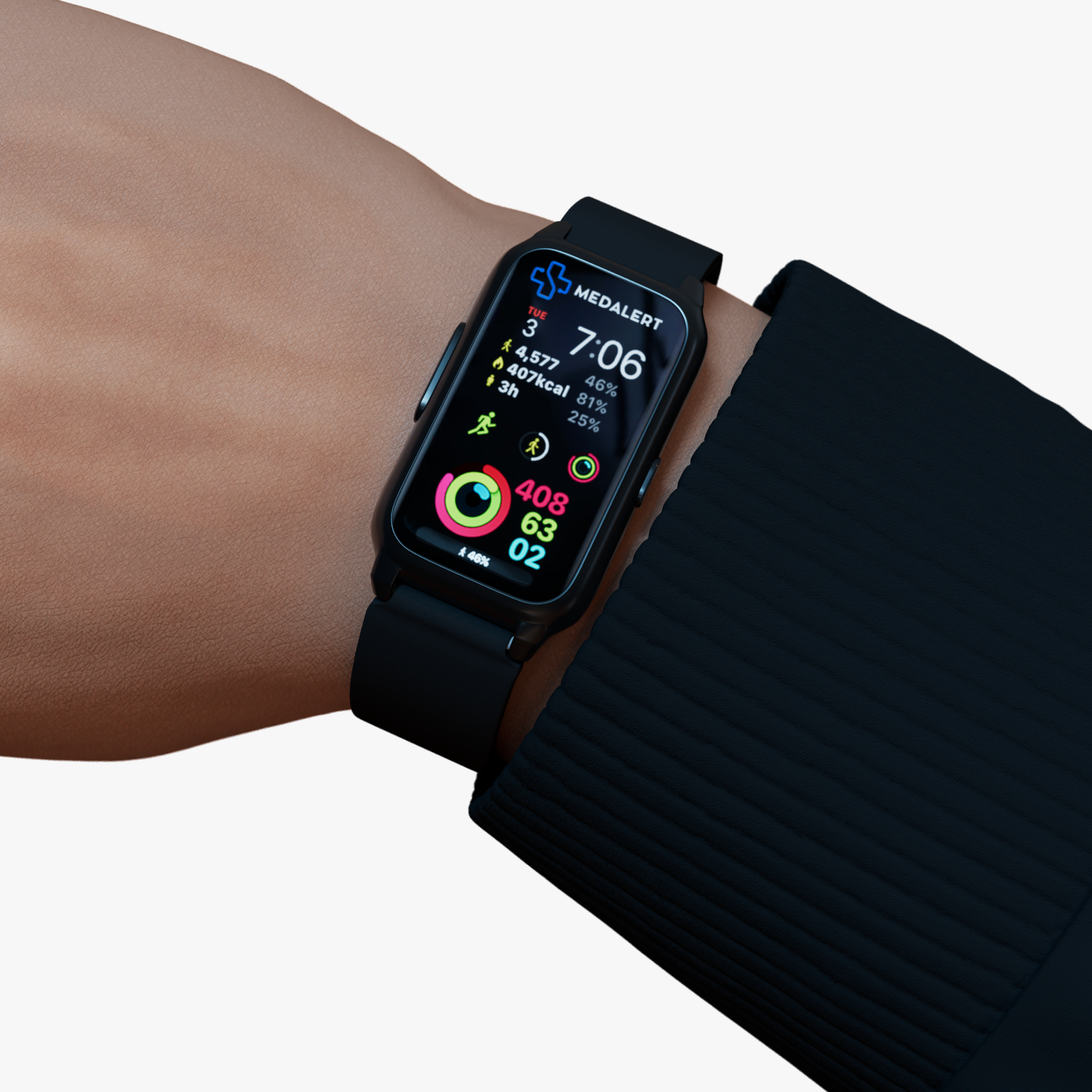
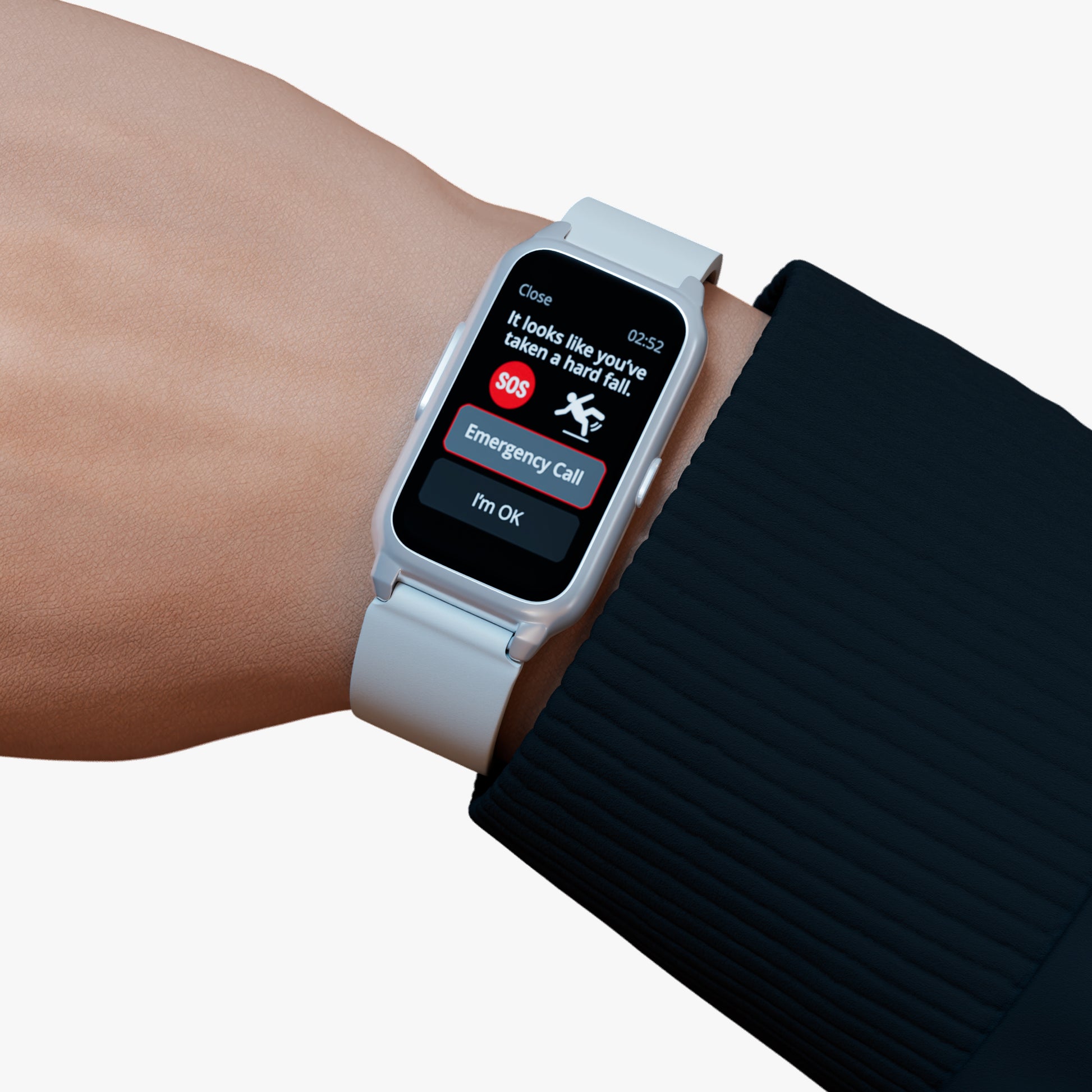
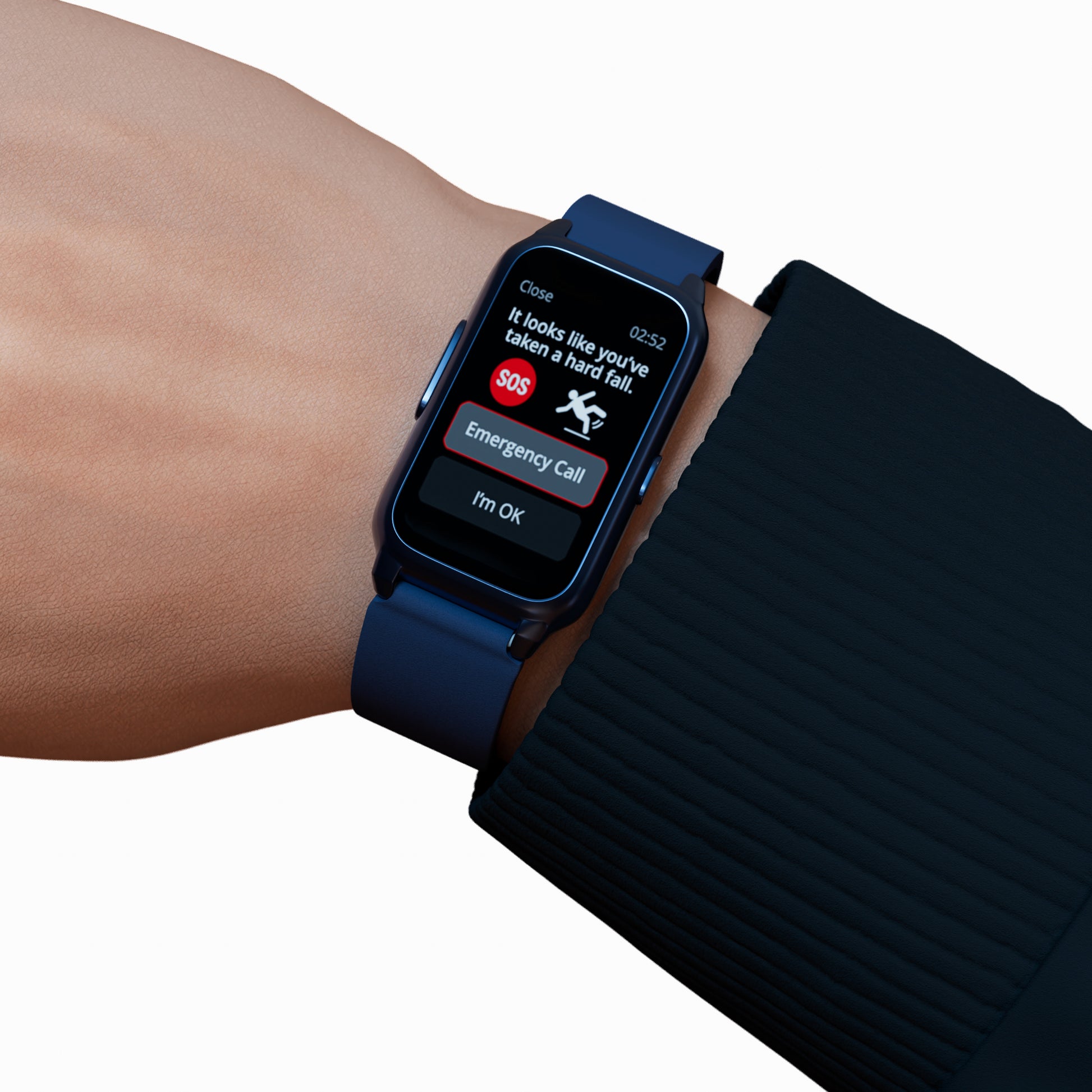
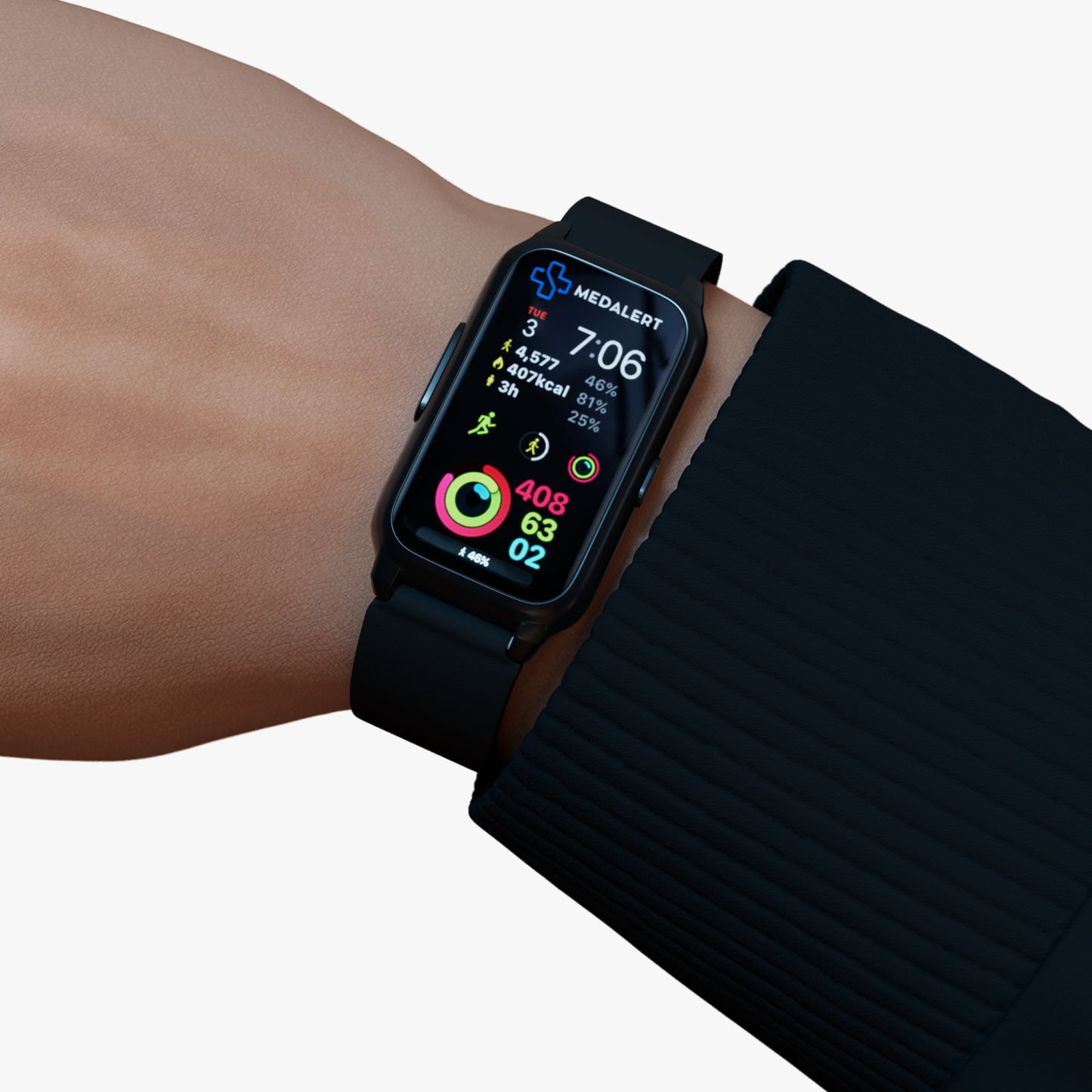
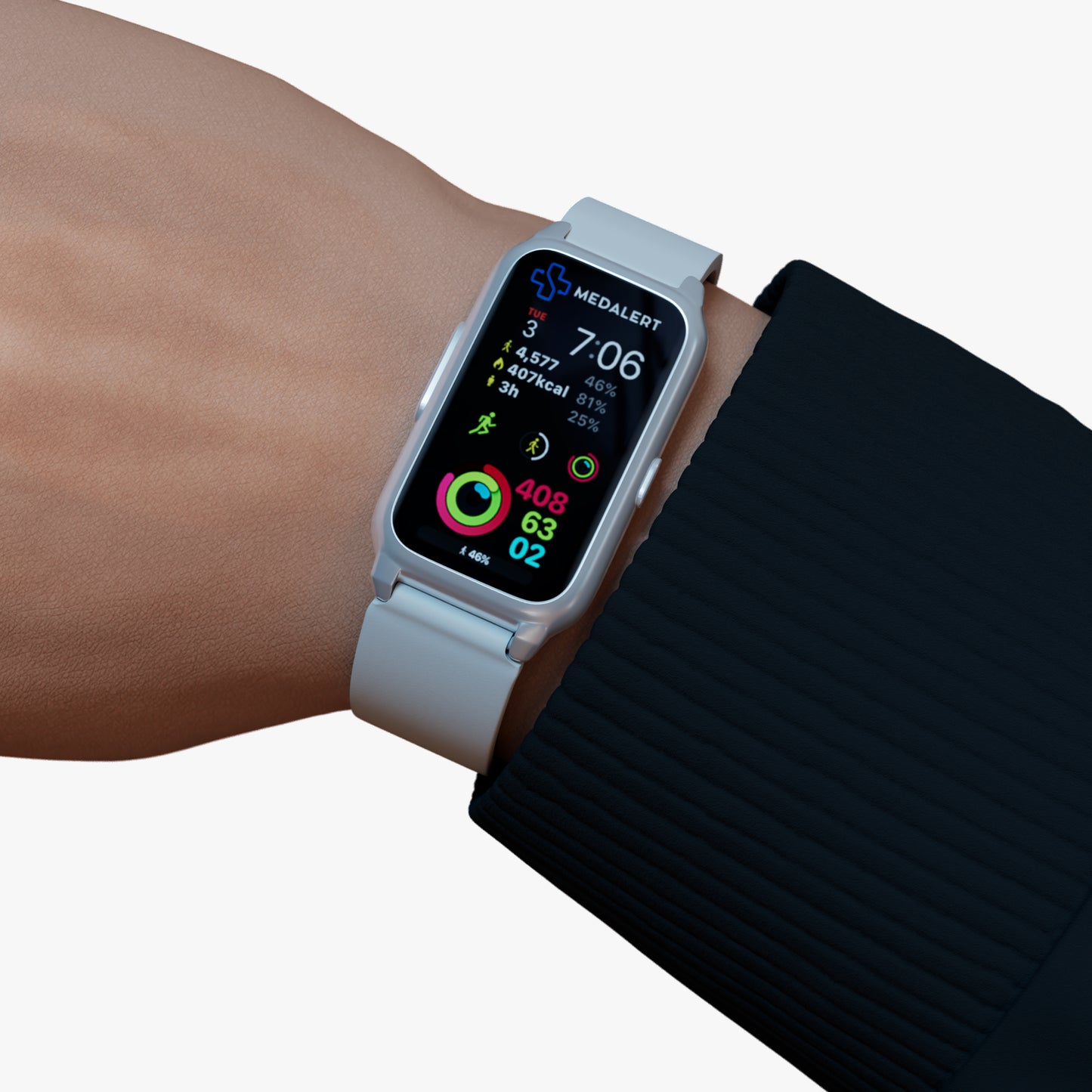
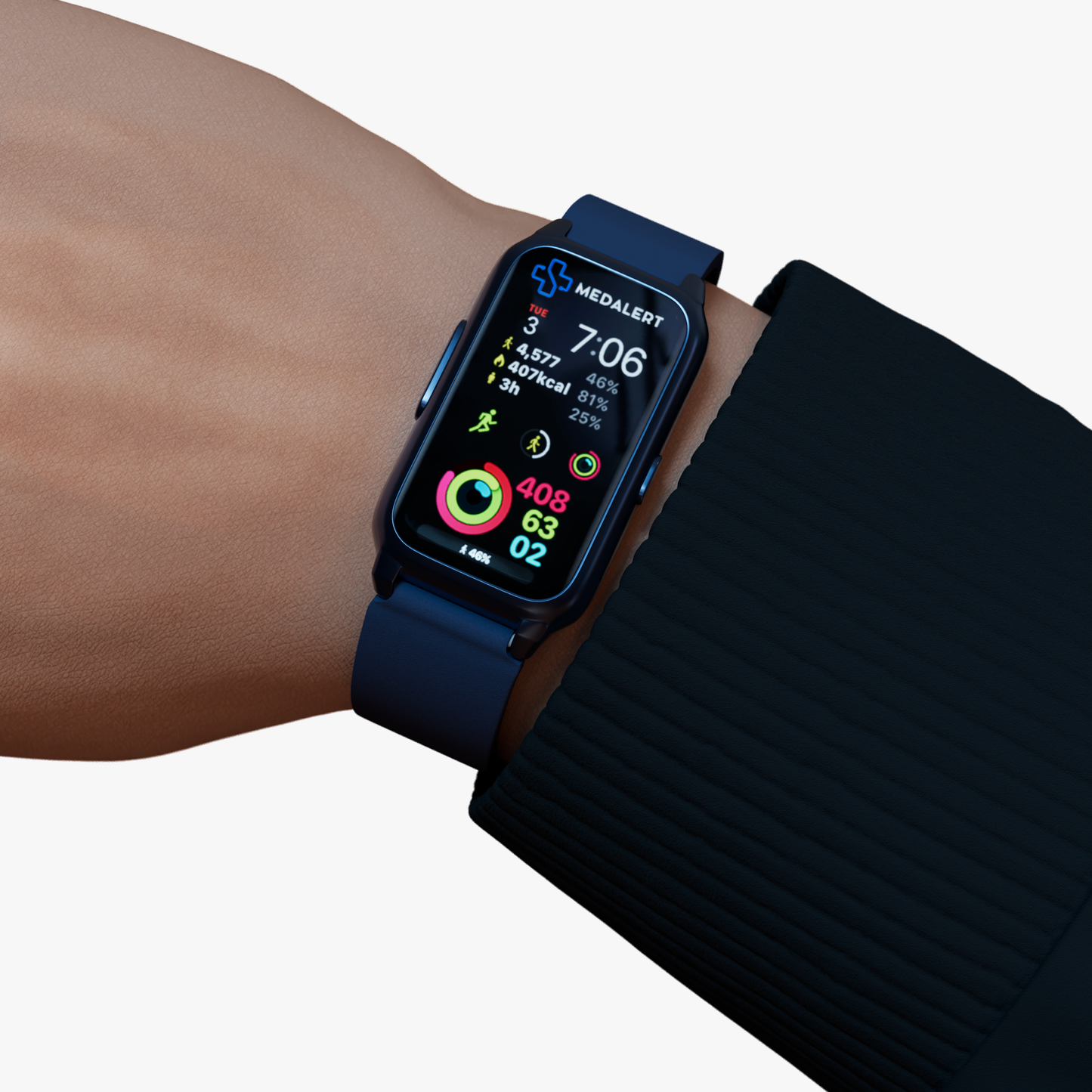
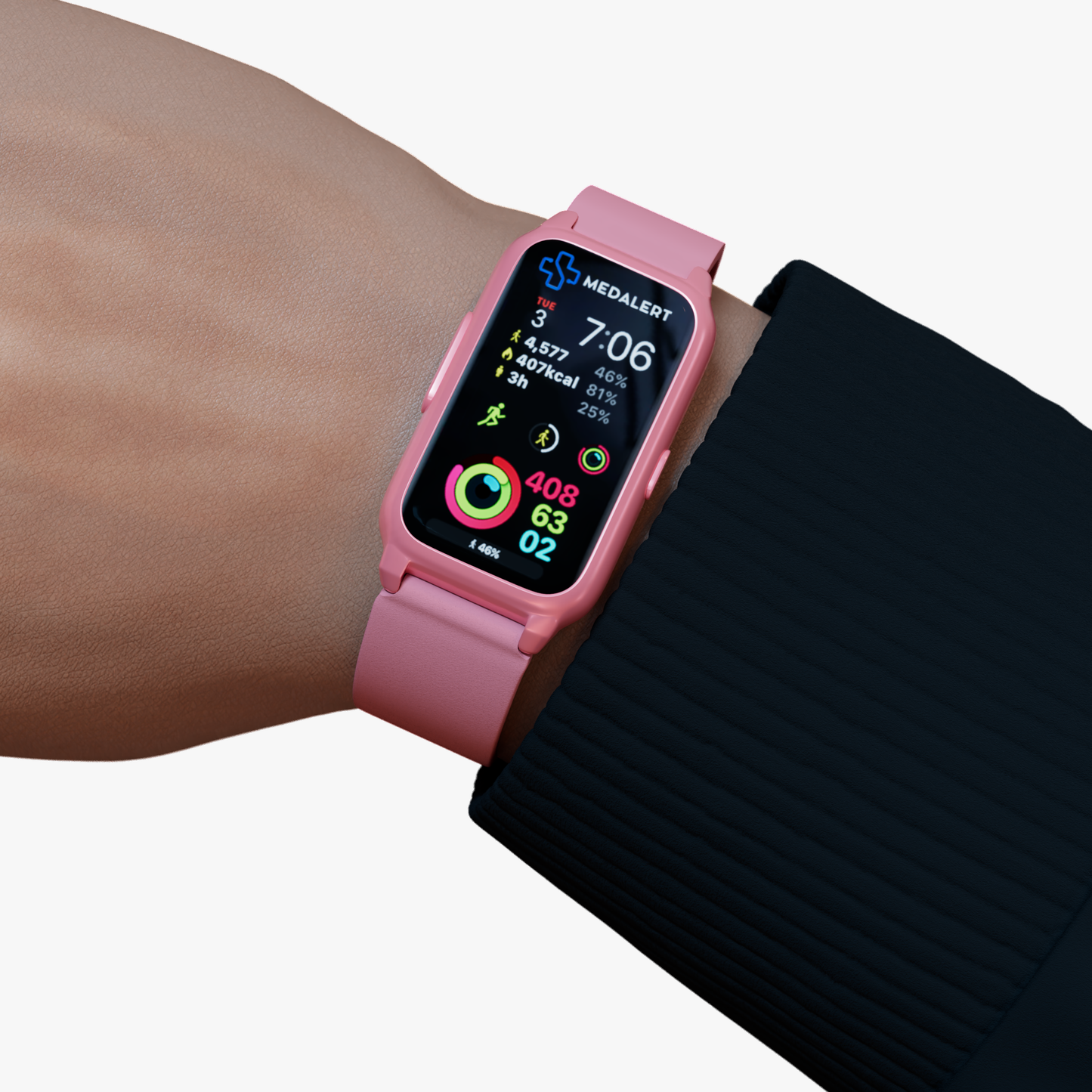
The medalert medical alert watch combines GPS with communication and other safety features in a wearable format. This can be considered when families are looking for a device that brings several functions together rather than relying on separate equipment.
Two-way communication also makes the device useful beyond a single emergency. It provides a way for the wearer and selected contacts to communicate through the supported device.
The Role of Fall Detection With GPS
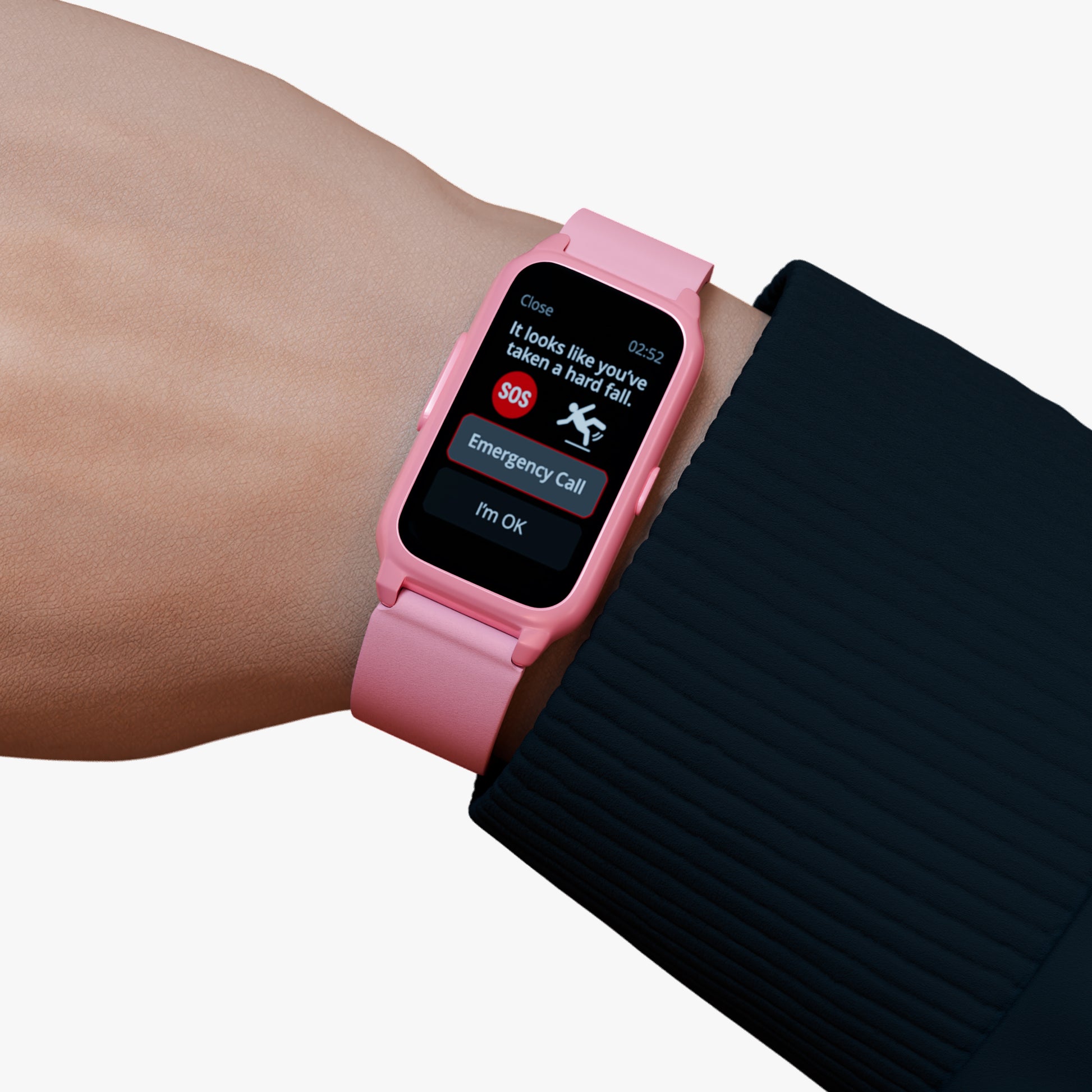
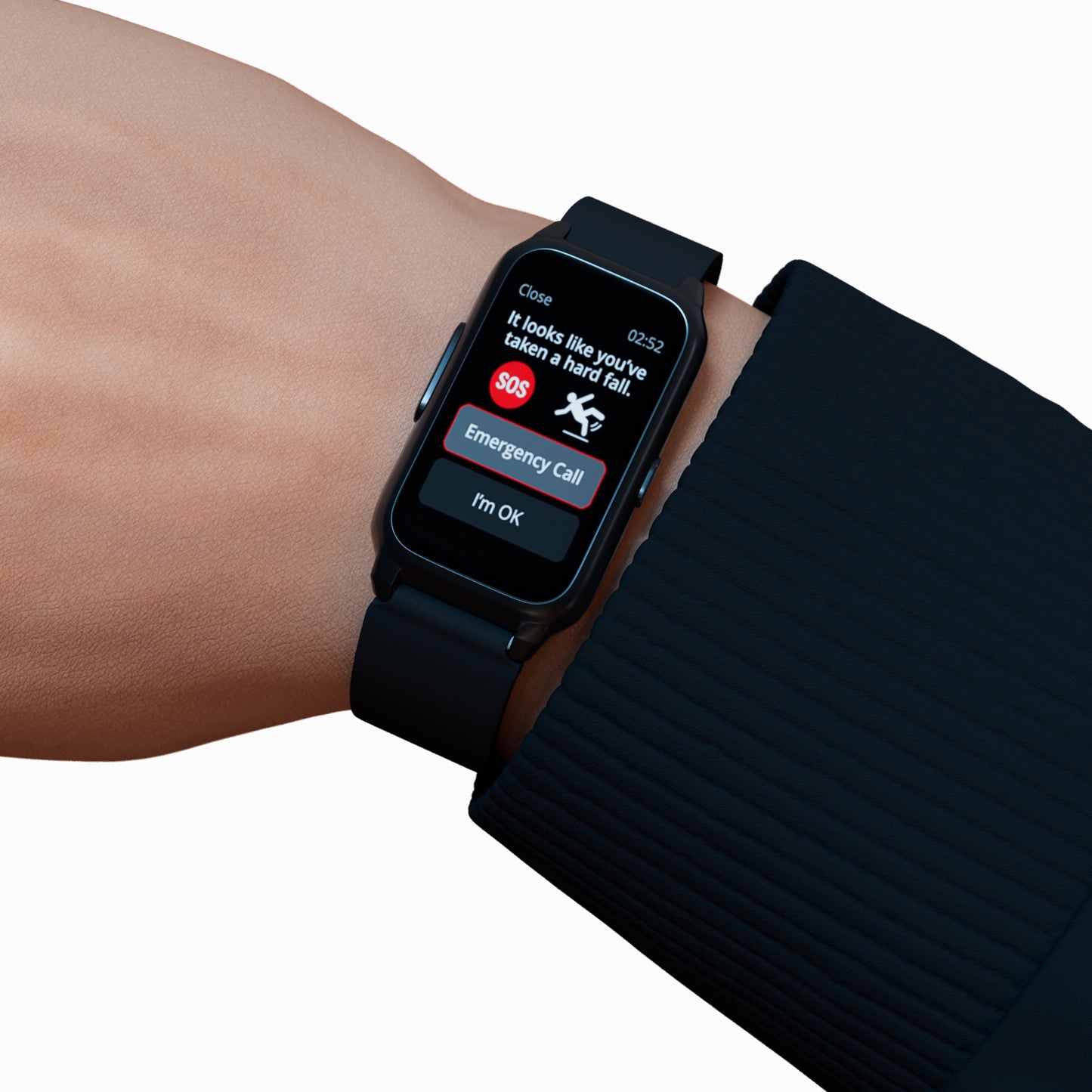
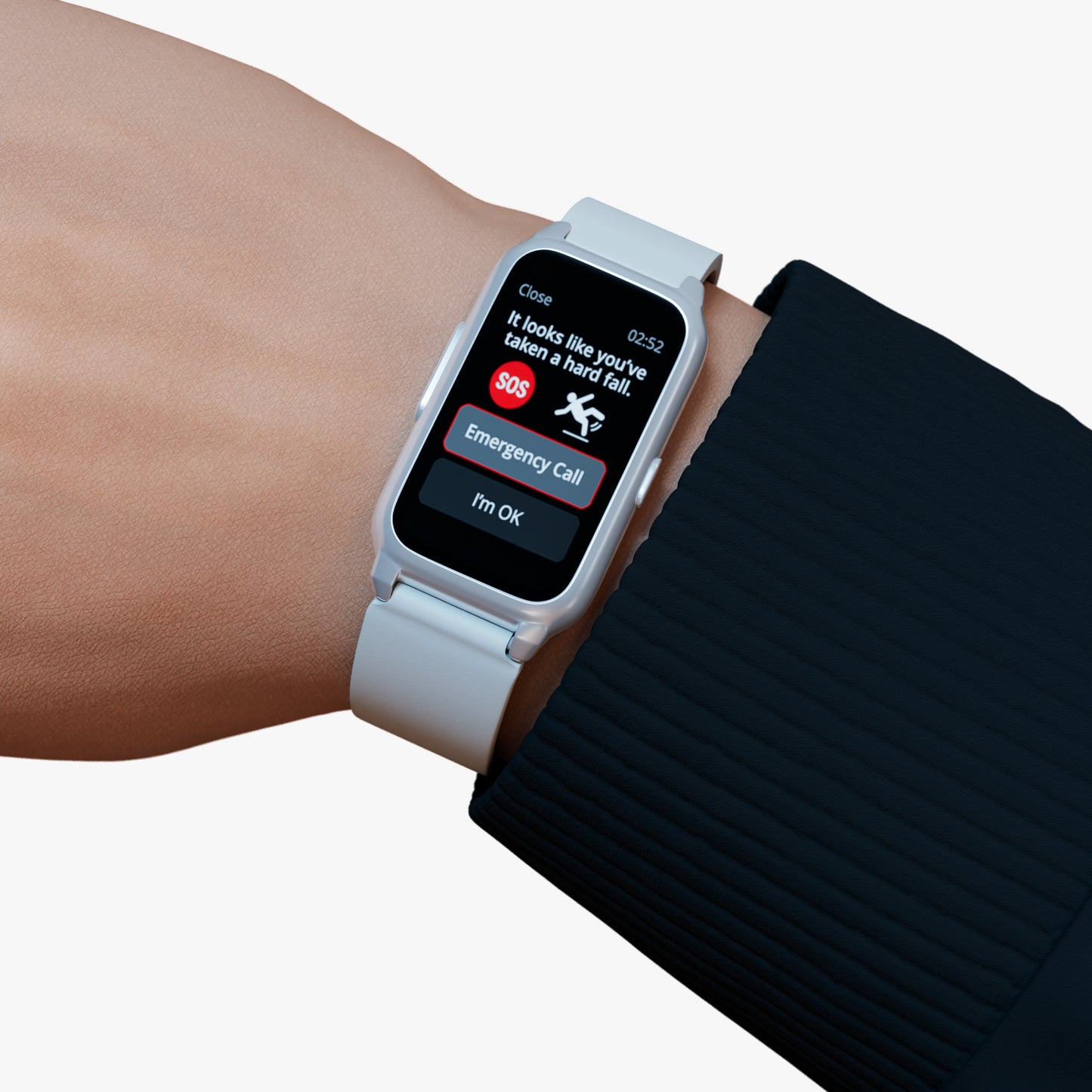
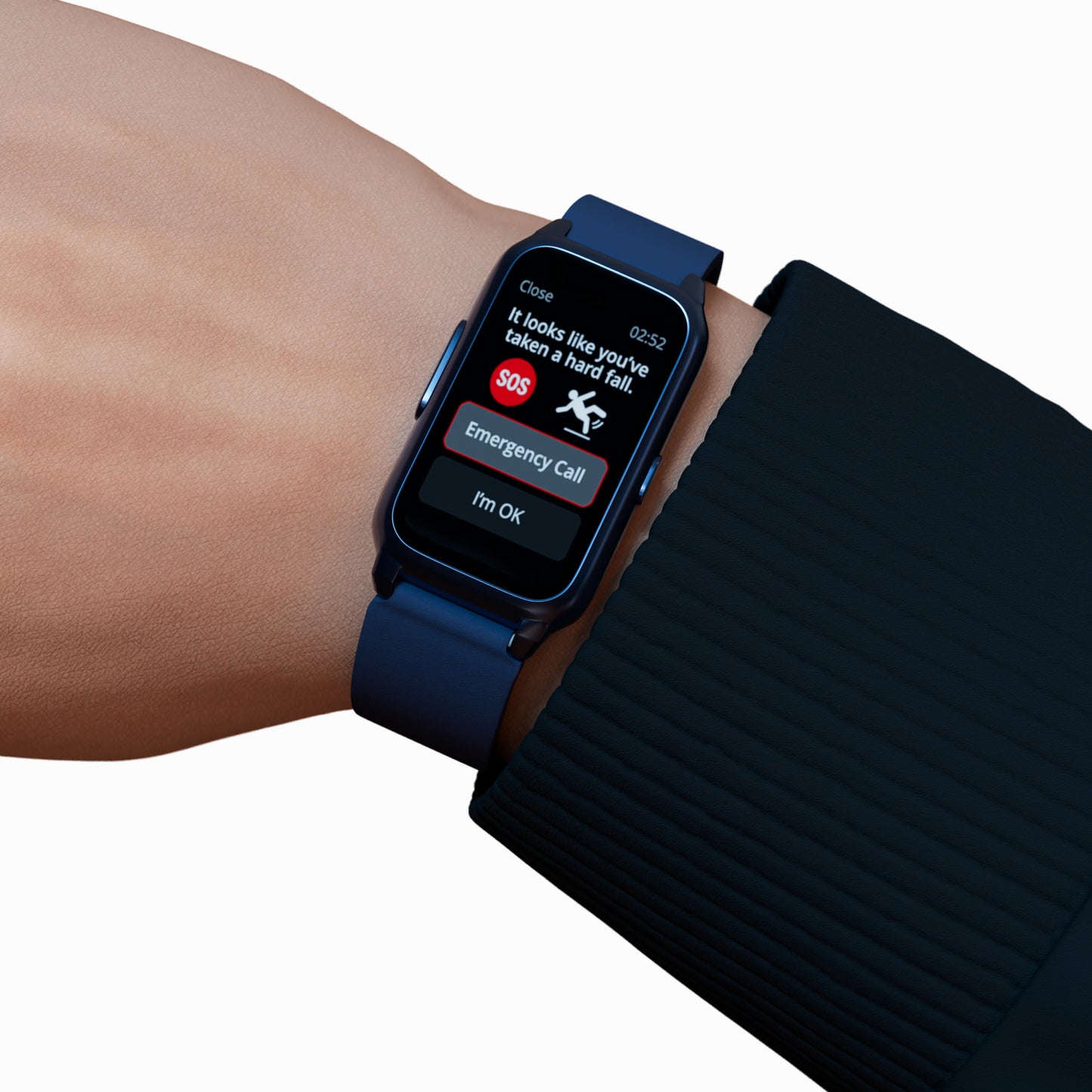
GPS tracking and fall detection address different parts of senior safety. GPS provides location information, while fall detection is designed to recognise a possible fall and initiate an alert on supported devices.
MedAlert's compatible devices include automatic fall detection. When the system detects a possible fall, it can send an alert according to the device and service settings.
This can be particularly relevant when the wearer may not be able to manually activate an SOS button. At the same time, the manual SOS function remains available as another way to request help.
Combining these features can create a more complete wearable safety system. A possible fall can trigger an alert, while GPS can provide location information connected with that alert.
Families should still review the specific features of the device they are considering because not every model has exactly the same functions.
Giving Families More Ways to Stay Informed
Supporting an older family member does not always mean being physically present throughout the day. Technology can provide another way for families and carers to remain connected.
A wearable device with GPS can provide location information through the supported system. Other functions can then provide different ways to communicate or raise an alert.
MedAlert's current devices also include management features that allow authorised family members and carers to access and manage supported functions. Depending on the device, this can include contact management, alert settings and location access.
This can make the system easier to incorporate into an existing care routine. Instead of relying on one family member to manage every part of the device, supported access can allow authorised people to remain involved.
The important consideration is always the individual user's needs. Families should choose features that make sense for the person's lifestyle and level of comfort with technology.
Choosing Personal Medical Alert Devices With GPS
When comparing personal medical alert devices with GPS, families should start with the person's daily routine.
Think about where the older adult usually spends time. Someone who regularly goes outside may have different requirements from someone who mainly stays at home. The preferred style of device may also vary.
Communication is another consideration. Families should understand who can receive alerts and how the wearer can communicate when assistance is needed.
It is also worth looking at how the device is managed. MedAlert PLUS provides a browser-based portal for authorised family members and carers. The platform allows supported settings and contacts to be managed remotely.
For families considering additional response support, MedAlert also provides a medalert 247 emergency response service. This is an optional service that connects supported alerts with the MedAlert emergency response centre according to the selected plan.
Looking at these features together can help families understand whether a particular device fits their needs.
Keeping the Technology Practical
A safety device should fit into everyday life rather than make a person's routine more complicated.
Wearable technology can keep important functions close to the wearer. GPS, SOS alerts and communication can be available through the same device, depending on the model.
Families can also spend time helping the wearer become familiar with the device. Knowing how to use the SOS function and understanding how communication works can make the technology easier to include in a daily routine.
The management side matters too. If authorised family members can access supported settings or location information, they may find it easier to remain involved without needing to handle the physical device themselves.
For seniors, simplicity and familiarity can make a difference. The right choice should therefore be based on how the device fits the person's normal activities.
When GPS Becomes Part of a Wider Safety Plan
GPS can be valuable, but it works best when considered as one part of a wider safety system.
An SOS button provides a way to request help manually. Fall detection can provide automatic alerting on supported devices. Two-way calling can allow the wearer to communicate, while GPS can provide location information.
These functions address different situations. A family does not need to view them as separate technologies. When they are available through one wearable device, they can form a connected approach to personal safety.
MedAlert's current range includes wearable medical alert options that combine these features in different ways. Families can review the available devices and consider which functions match the user's routine.
The goal is not to choose the device with the most features. Instead, it is to understand which features are genuinely useful for the person who will wear it.
Making an Informed Choice for an Older Loved One
Choosing a medical alert device is ultimately a personal decision. Families should consider the older adult's routine, preferred device style, communication needs and the type of safety support they want available.
GPS can provide an important location function, especially when an older adult spends time away from home. However, it should be considered alongside emergency alerts, communication and other supported features.
A medical alert devices with GPS solution can bring these functions together in one wearable system. The exact features will depend on the selected MedAlert device and service.
Taking time to understand how the system works can help families make a practical choice. If they need more information about available options or features, they can Contact us for further information.
Frequently Asked Questions
1. What are GPS medical alert devices?
They are wearable safety devices that combine GPS location tracking with medical alert functions. Depending on the model, features may include SOS alerts, two-way calling and automatic fall detection.
2. How does a GPS emergency alert device help families?
It can provide location information when an alert occurs or when location access is available through the supported system. This gives families and carers another way to stay informed about the wearer's location.
3. Can GPS work with fall detection?
Yes, on compatible MedAlert devices. Automatic fall detection can trigger an alert, while GPS can provide location information through the supported system.
4. Can an older adult communicate through the device?
Yes. MedAlert wearable devices support two-way calling on compatible models. The wearer can communicate with selected contacts according to the device and service setup.
5. Does MedAlert offer 24/7 emergency response?
Yes. MedAlert offers an optional 24/7 Emergency Response Centre service. The service connects supported alerts with its emergency response centre according to the selected plan.