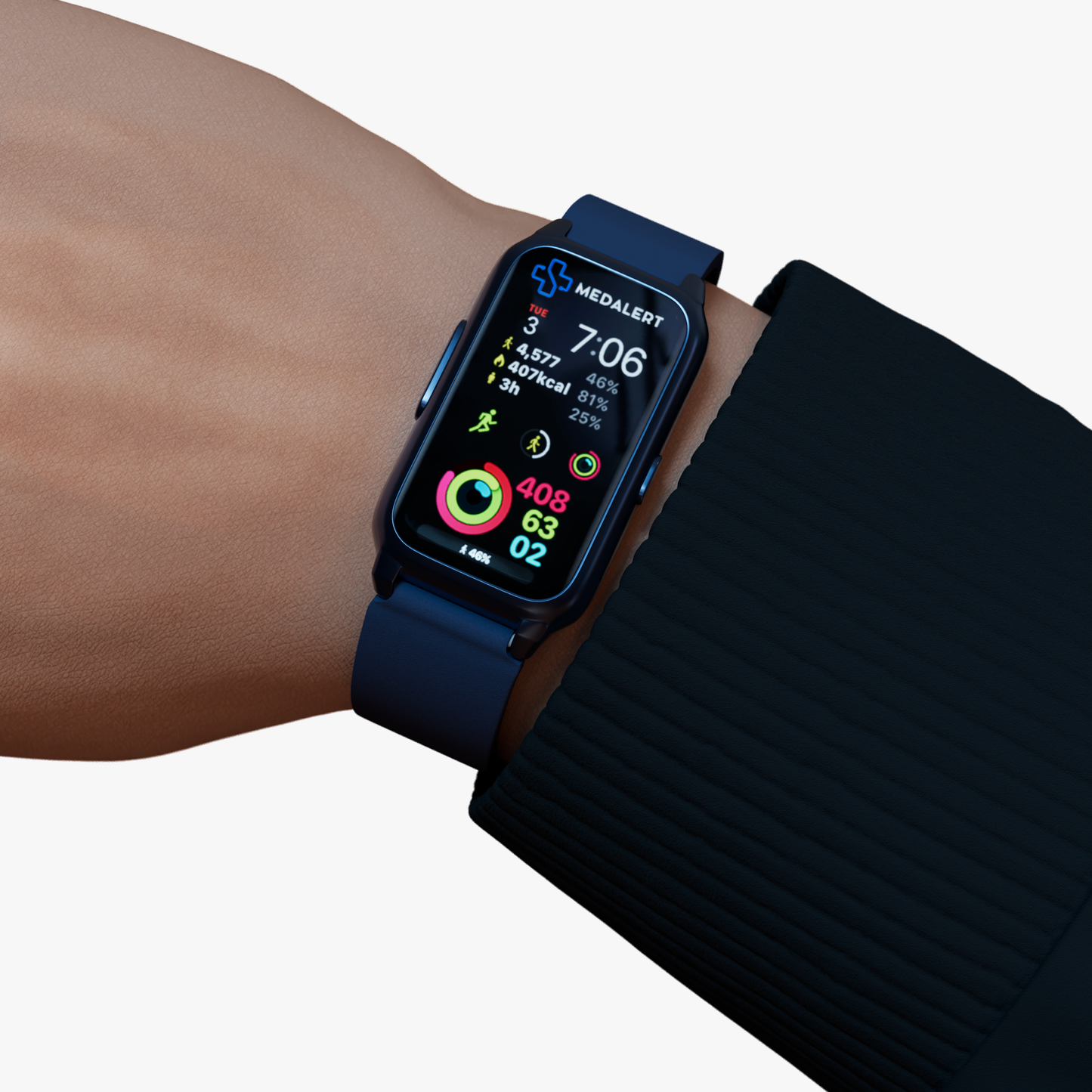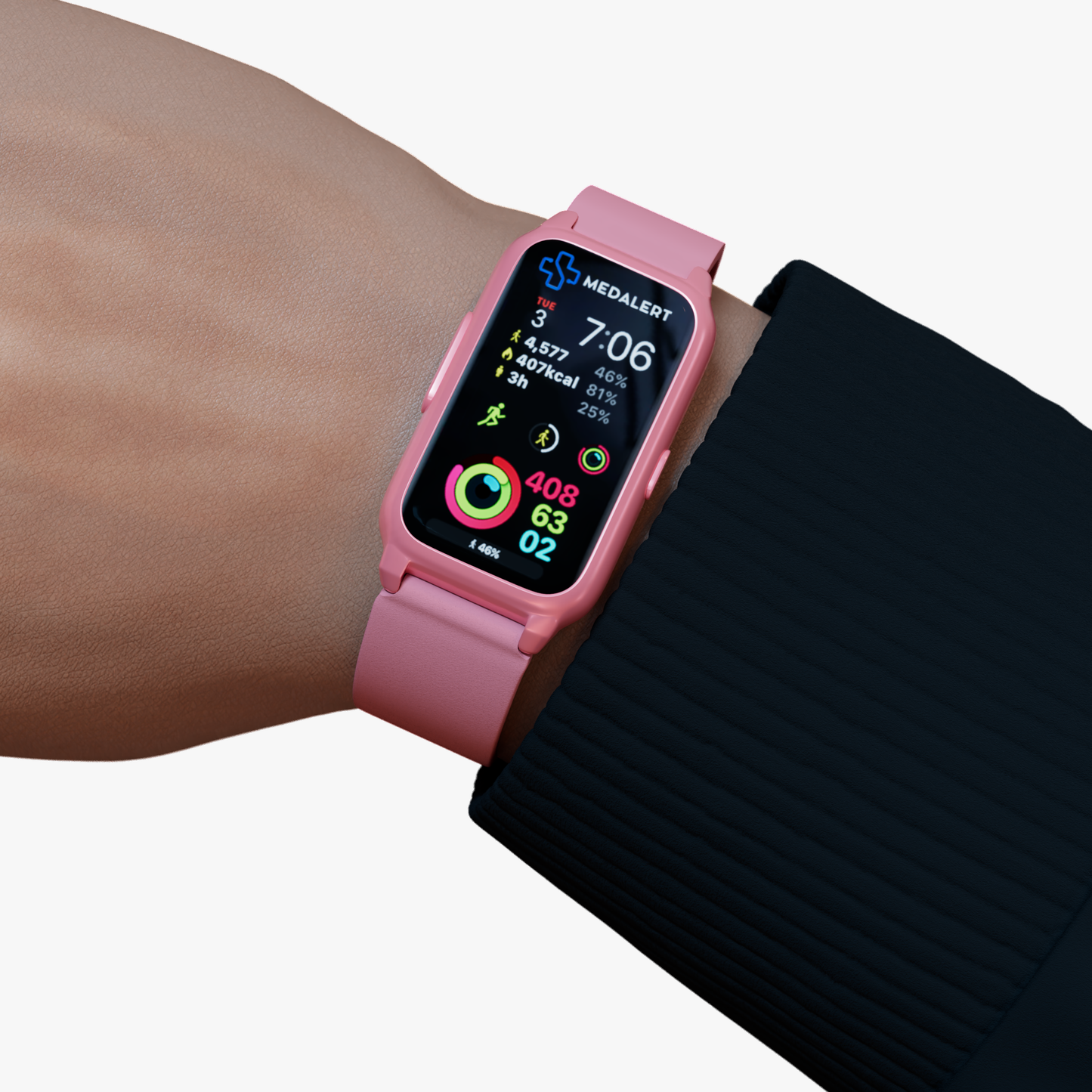

A personal alarm for seniors can provide a simple way to call for help while allowing older adults to maintain their independence. For many people, being able to continue their daily routines without relying on someone else for constant assistance is important. At the same time, having a way to contact someone when help is needed can provide valuable support.
Modern wearable medical alert devices can bring several safety features together in one device. MedAlert offers wearable devices with features such as SOS alerts, GPS tracking, two-way communication and fall detection. These functions can help seniors stay connected while going about their normal activities at home or outside.
The right device depends on the person's routine and the type of support they may need. Understanding how these features work can make it easier for seniors and their families to choose a suitable option.
Why Personal Alarm for Seniors Can Support Independent Living
Living independently does not mean that a senior has to manage every situation without support. An emergency can happen unexpectedly, and having a simple way to ask for assistance can make communication easier.
A wearable alarm can remain close to the wearer throughout the day. Instead of keeping a phone in another room, the user can have access to an emergency alert through the device. This can be particularly useful during everyday activities around the home or while spending time outside.
MedAlert devices are designed around this idea. The SOS function gives the wearer a way to send an alert when assistance is required. Depending on the device and service, communication can then take place with selected contacts or an available support service.
This type of technology is not about taking away independence. Instead, it can become part of a senior's daily routine while providing another way to communicate when something goes wrong.
Key Features to Look For in a Senior Safety Device
When choosing a wearable safety device, it is important to look beyond its appearance. The features should match the person's daily routine and the type of assistance they may require.
SOS Alerts
An SOS button is one of the most straightforward features available on a medical alert device. It allows the wearer to actively request assistance when they feel they need it.
Having the button on a wearable device means it can stay within easy reach. The wearer does not need to search for a separate emergency device before sending an alert.
MedAlert's devices include SOS functionality as part of their safety features. This provides a direct way for the wearer to communicate that assistance is needed.
GPS Tracking
GPS tracking can be useful for seniors who spend time away from home. MedAlert's wearable devices include GPS positioning, allowing location information to be associated with the device.
The website also describes live and historical tracking features on its medical alert devices. This can help provide location information when it is needed.
For families, location tracking can be an important consideration when deciding which features are suitable for their loved one. However, the right choice will depend on the person's lifestyle and how they plan to use the device.
Two-Way Communication
Sending an alert is only part of an emergency response. Being able to communicate can also be important because the wearer may need to explain what has happened.
MedAlert devices support two-way communication, allowing users to communicate through the device. The available calling features can connect with selected phone numbers, depending on the device and service.
This means the wearer can have a conversation rather than relying only on a single alert. It can also make the device useful for staying connected when direct communication is needed.
How Fall Detection Can Help
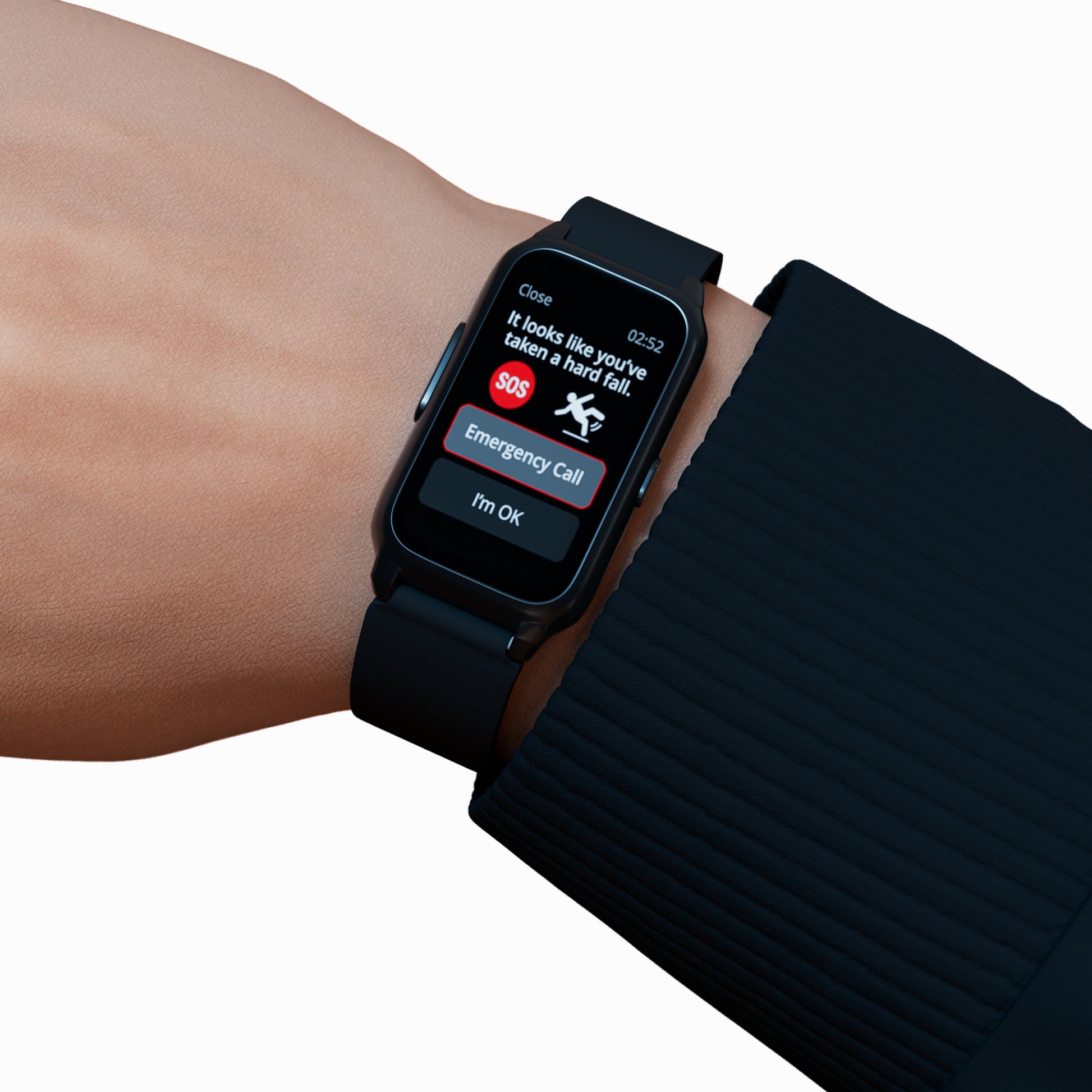
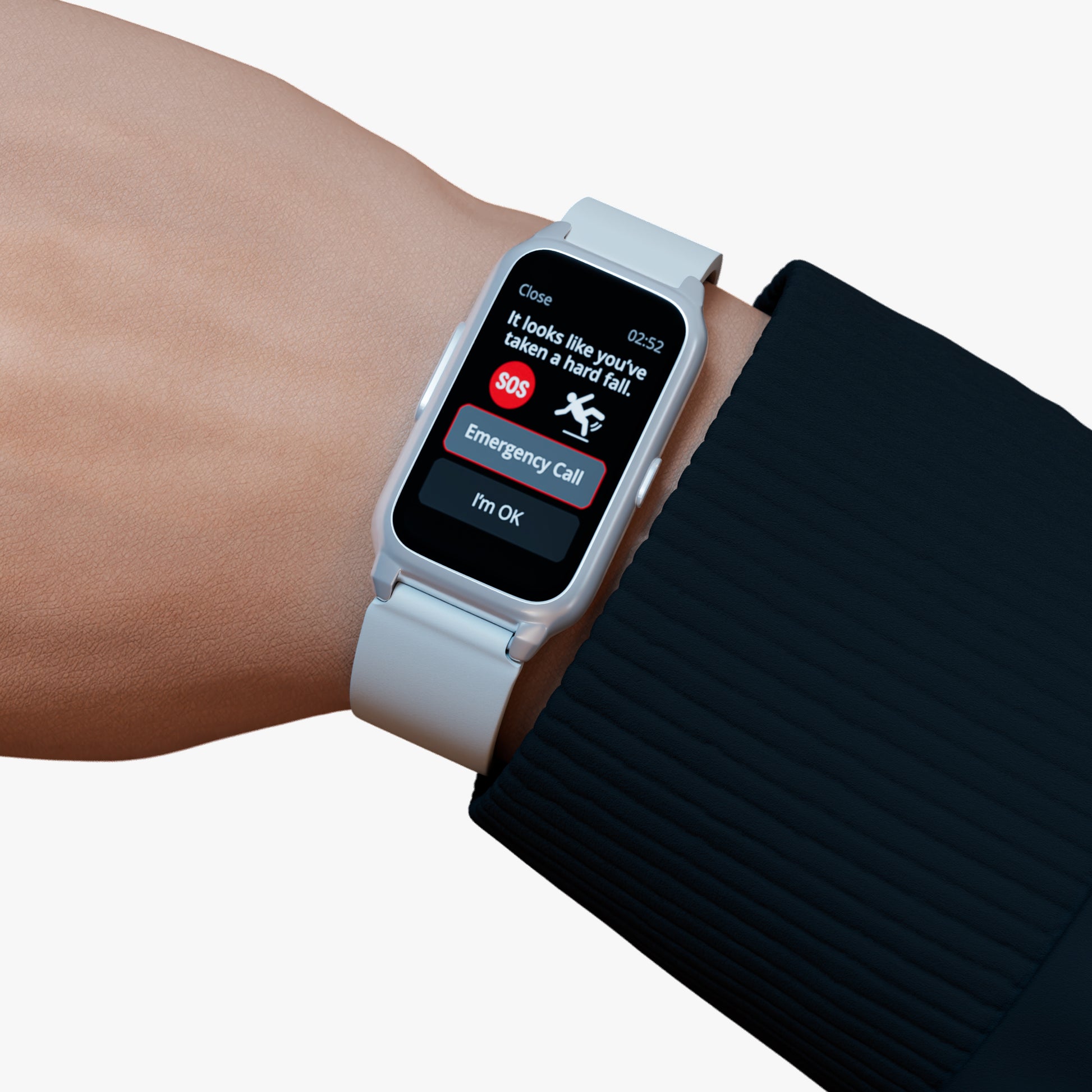
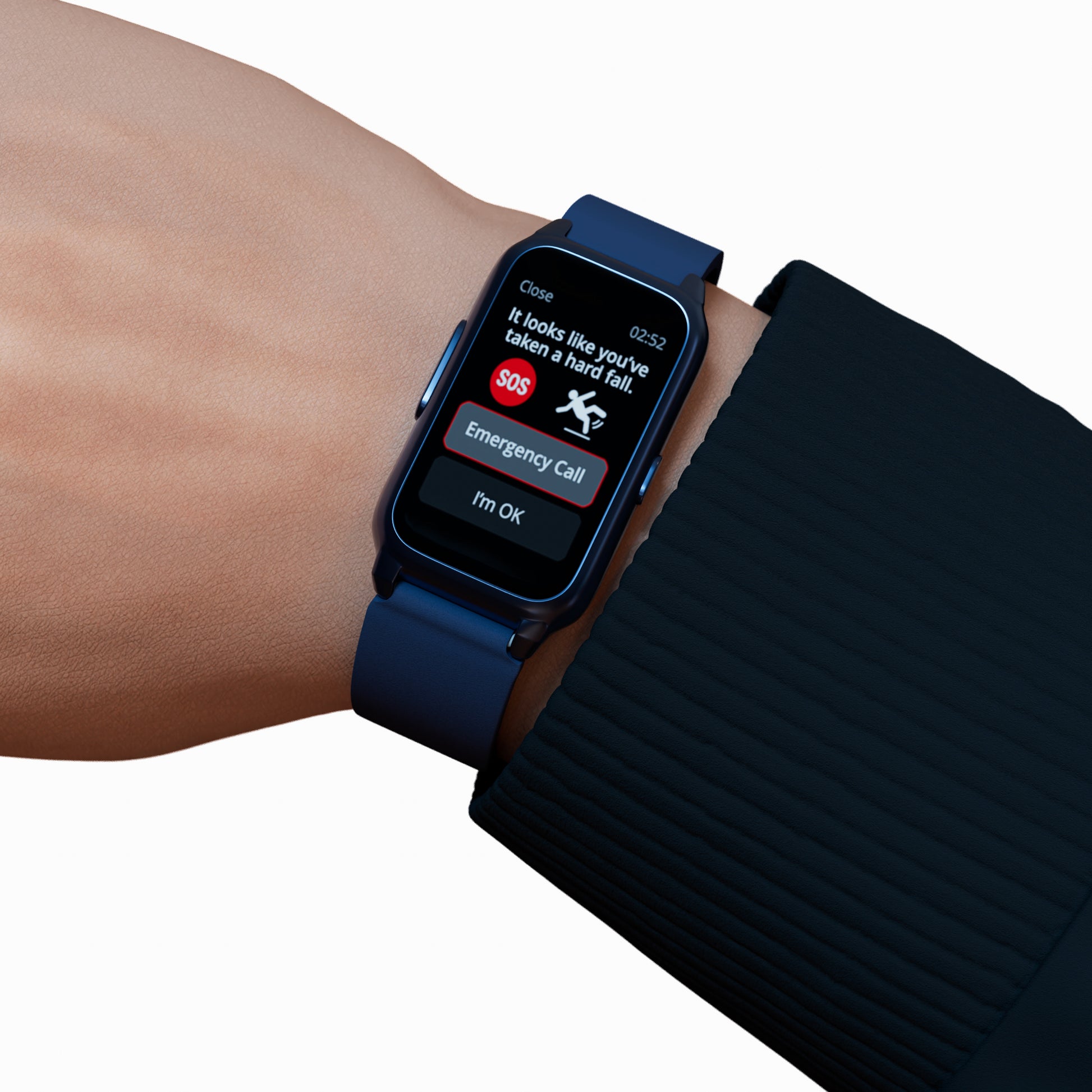
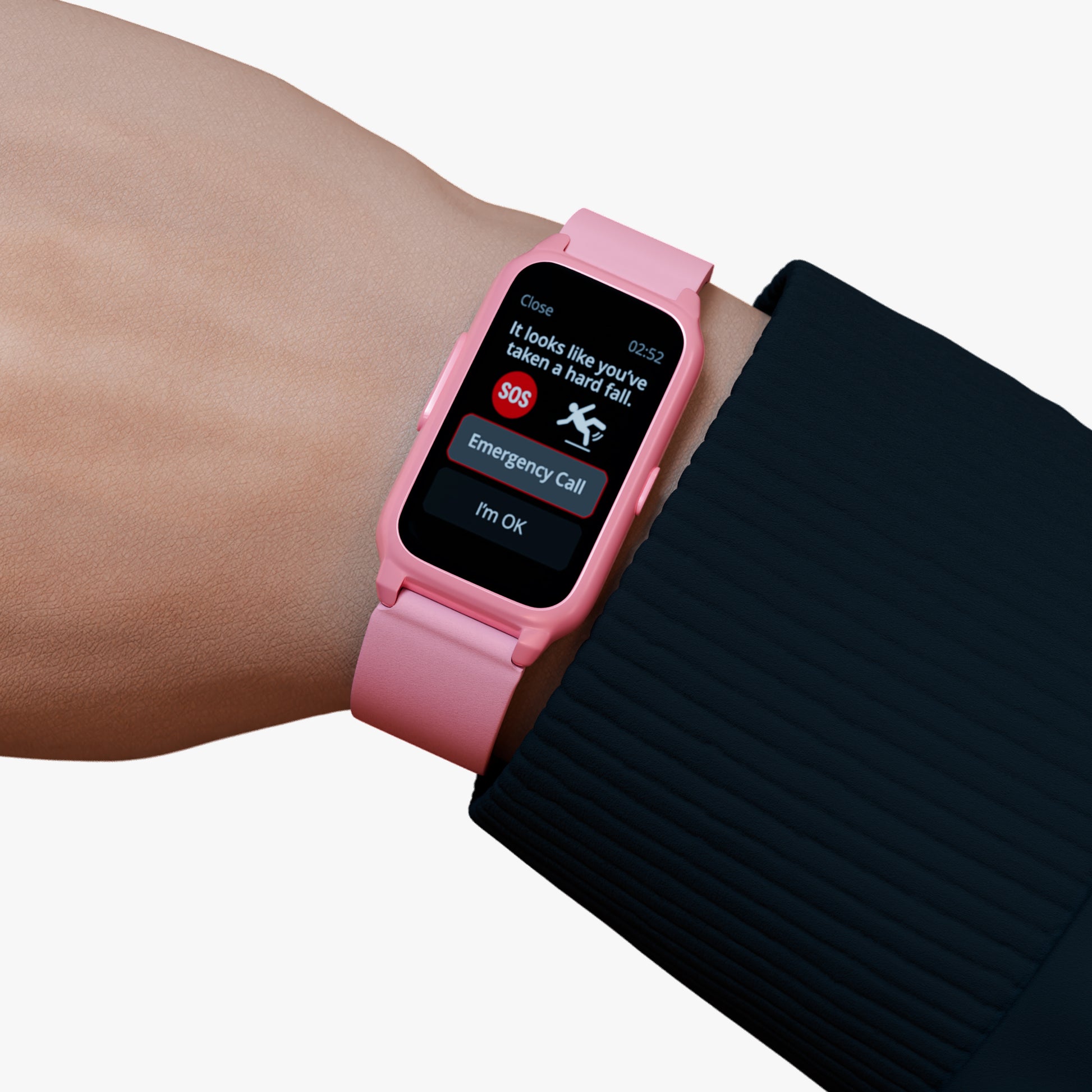
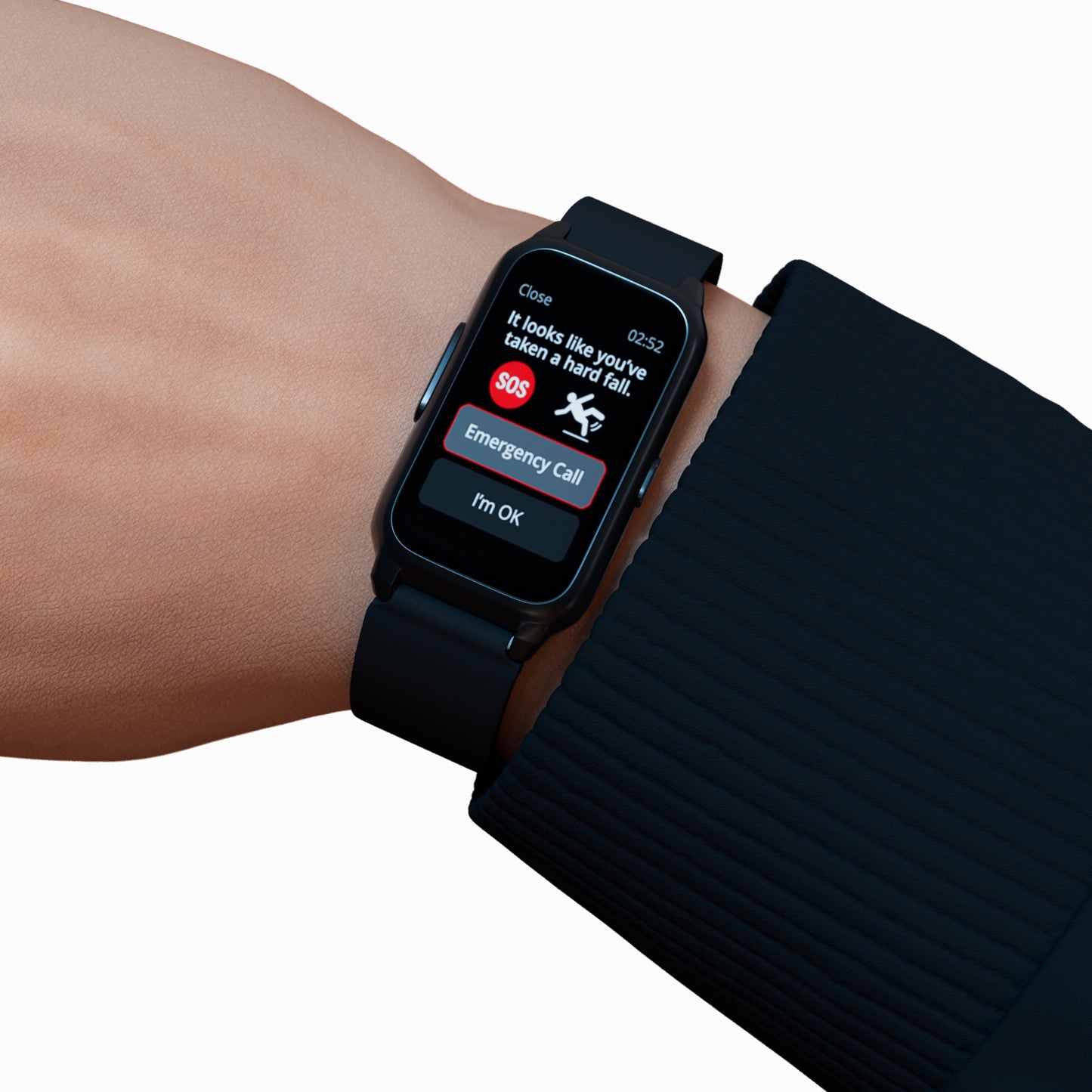
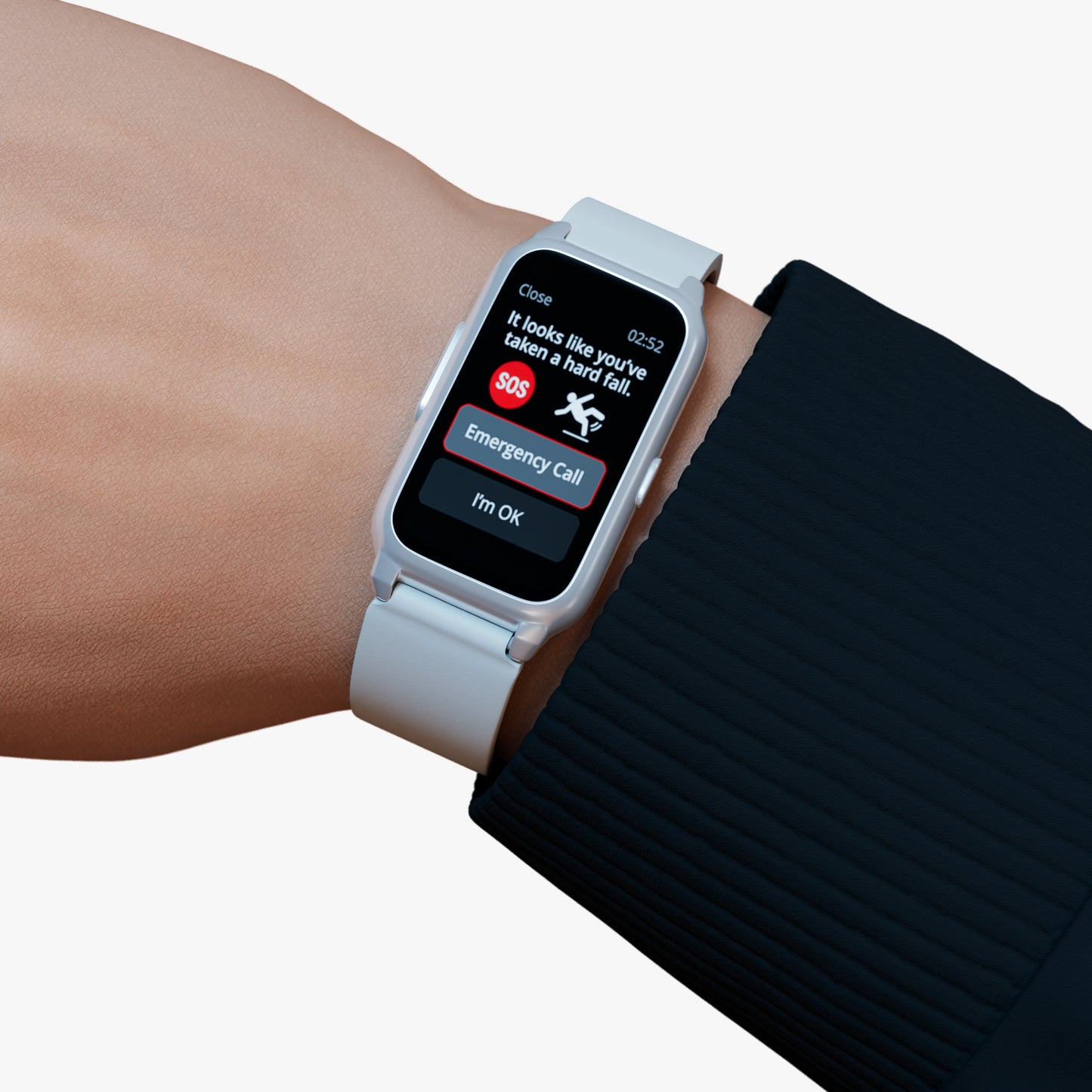
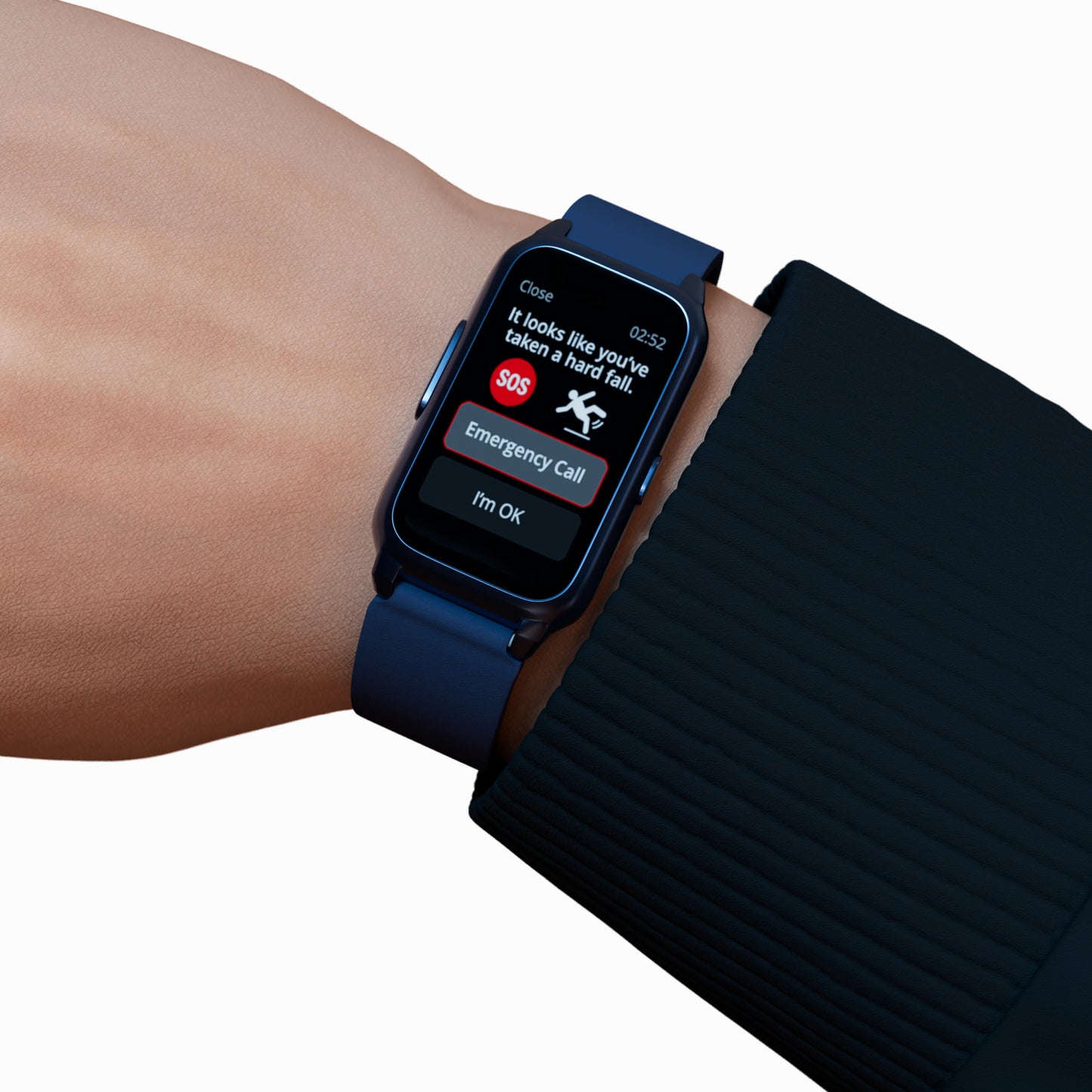
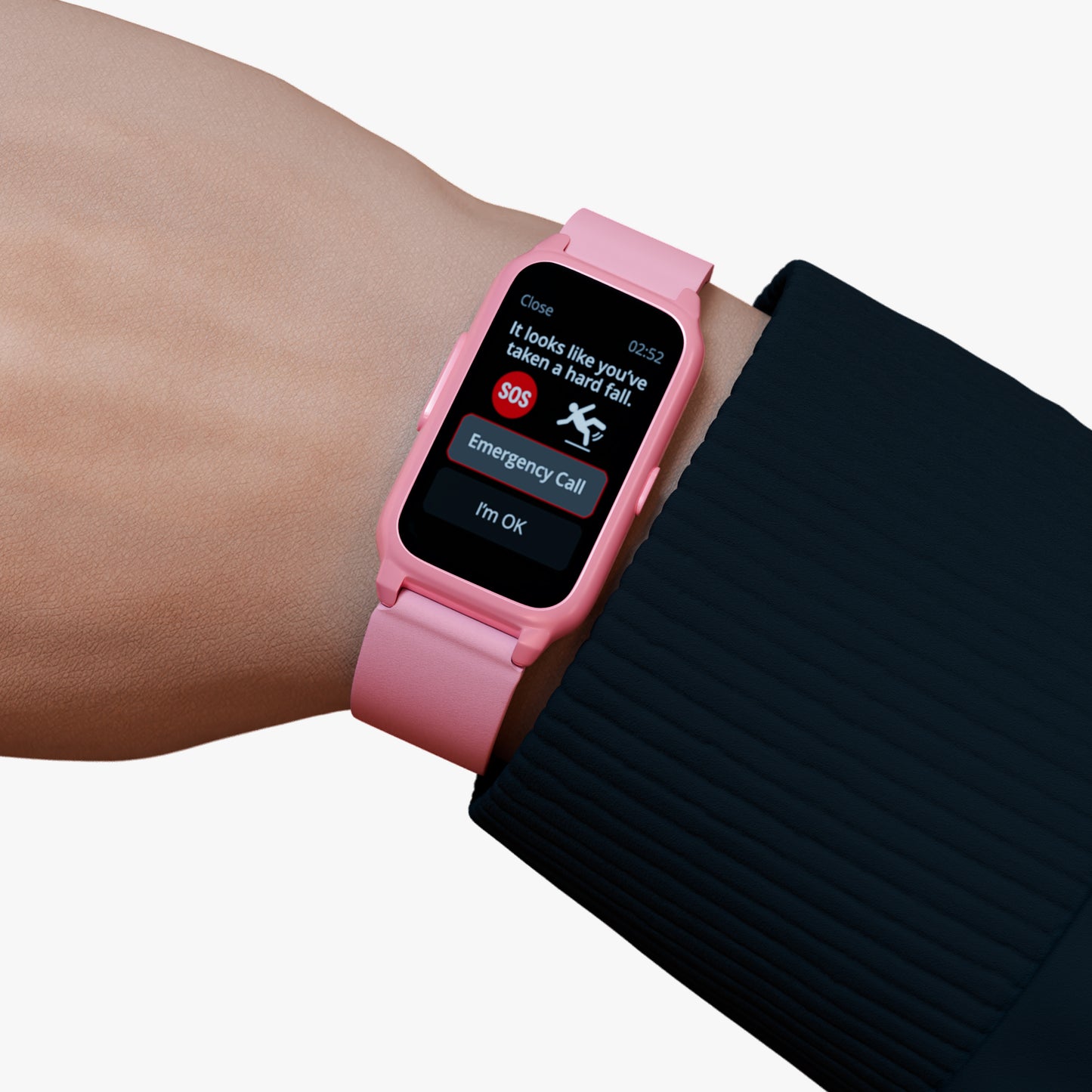
Fall detection is another feature available on selected MedAlert devices. It is designed to detect a possible fall and send an alert without requiring the wearer to manually press the SOS button.
This can be useful in situations where the wearer may not be able to reach or operate the button after a fall. The device can identify a possible fall and begin the alert process according to the features of the particular device.
Fall detection works alongside the manual SOS function rather than replacing it. The SOS button allows the wearer to request help directly, while fall detection provides an additional way for an alert to be triggered.
MedAlert's wearable devices include fall detection as part of their available safety features. Families should check the features of the specific device they are considering, as functions can differ between products.
Choosing a Device That Fits Everyday Life
The best safety device is one that fits naturally into the wearer's routine. Seniors have different lifestyles, and not everyone needs the same combination of features.
For someone who spends most of their time at home, an easy-to-use SOS button and two-way communication may be important considerations. Someone who regularly goes outside may also want GPS tracking as part of their device.
The design of the device can matter too. Some people may prefer a watch-style option because it fits naturally into their everyday routine. Others may prefer a pendant or another wearable format.
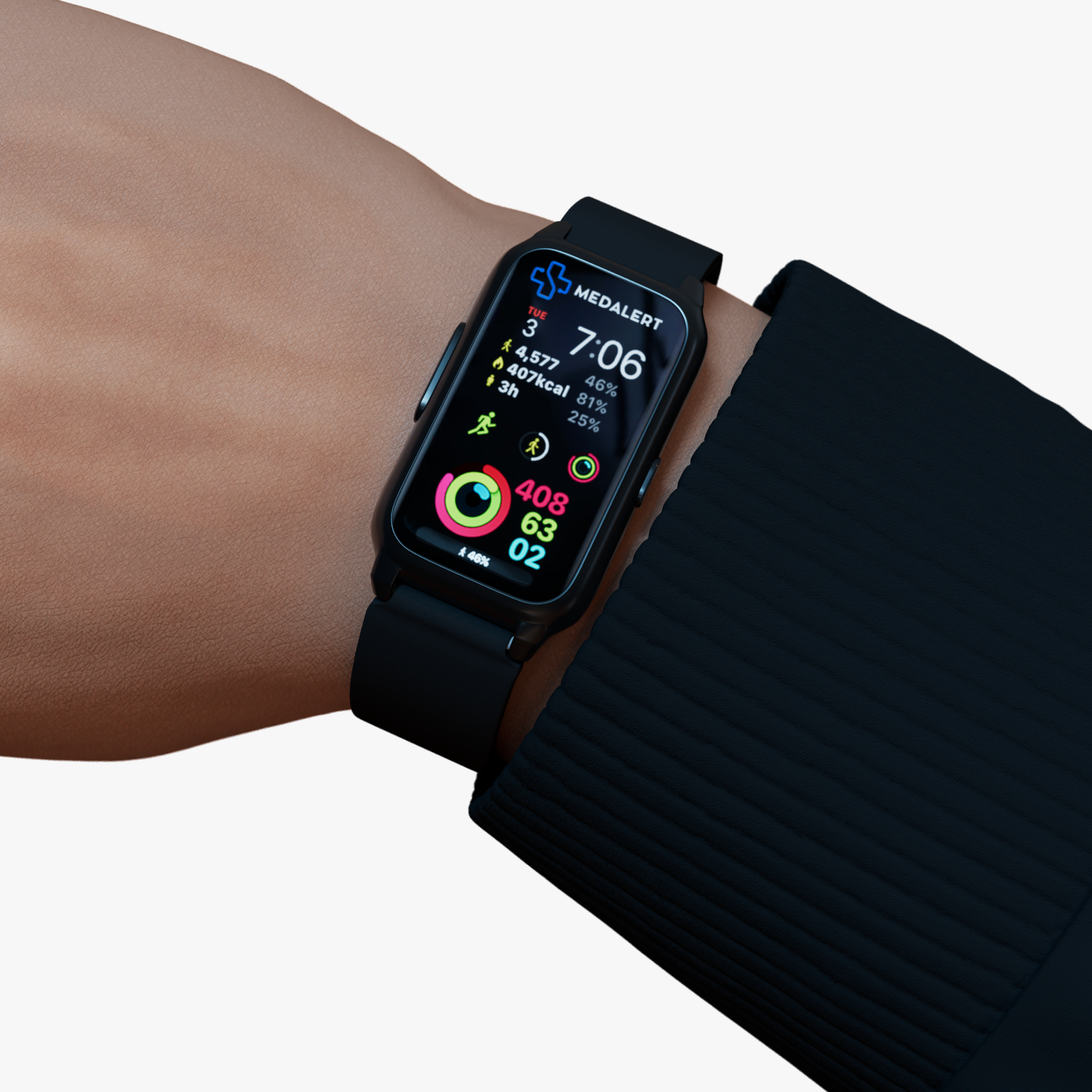
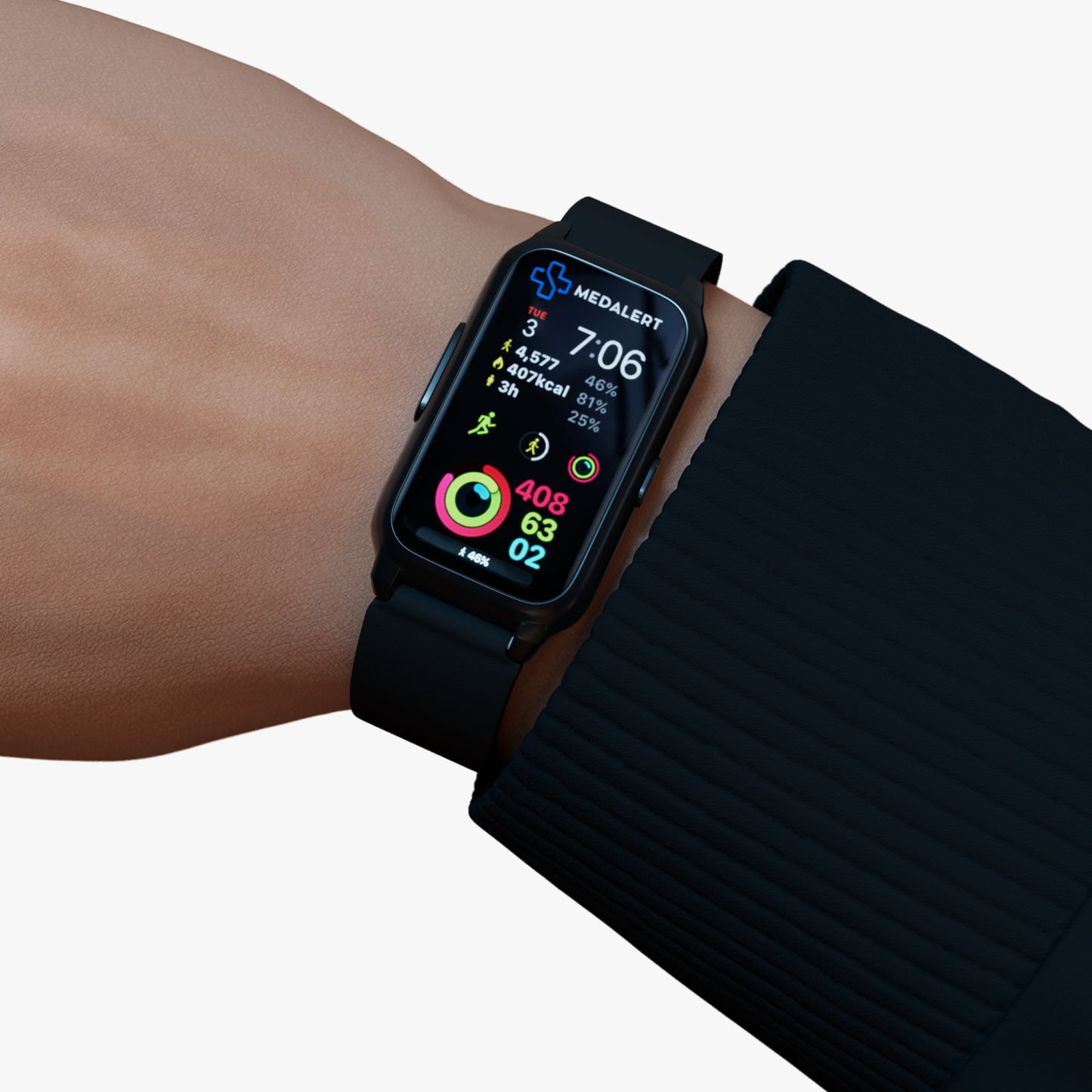
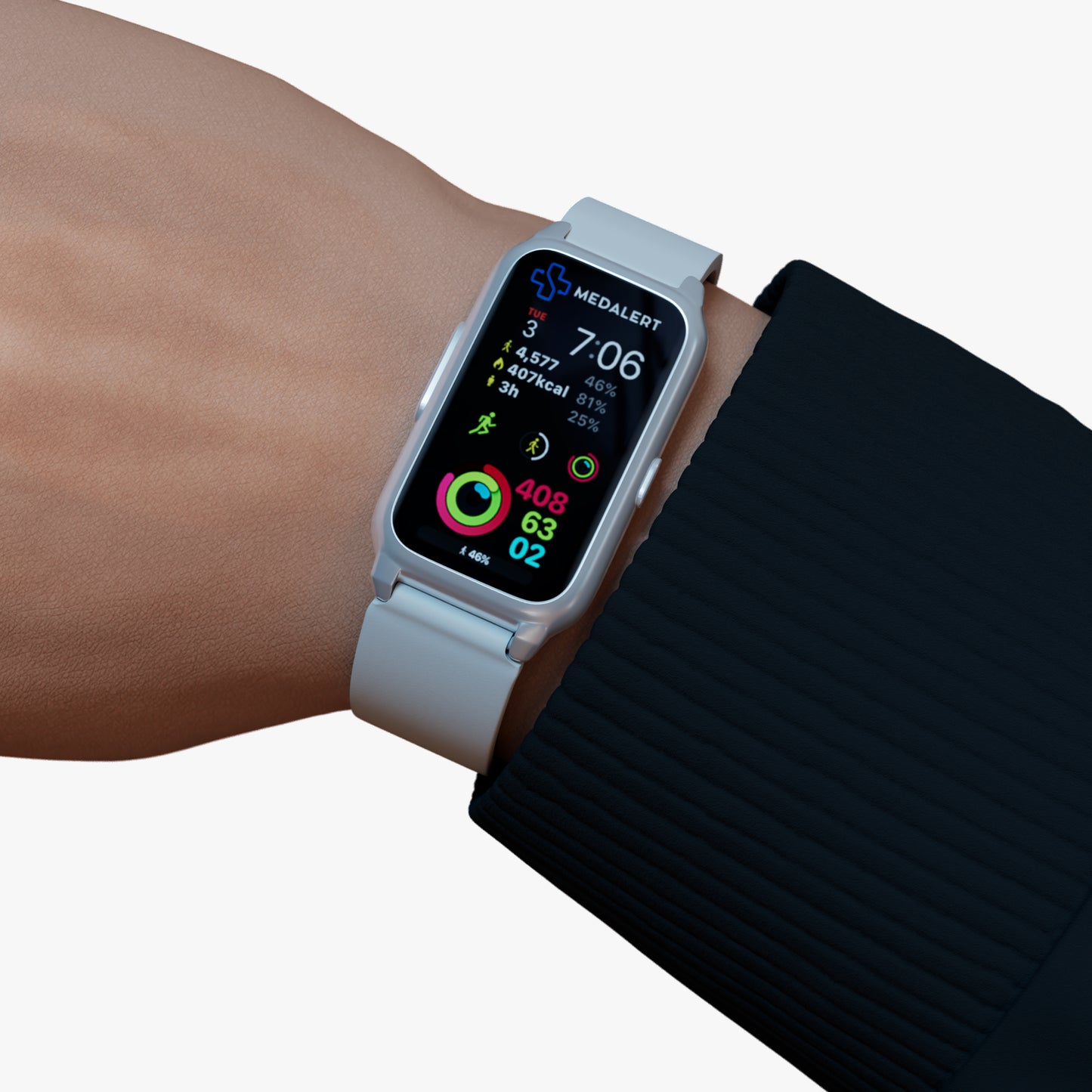
MedAlert's personal alarm watch with fall detection combines several safety features in a wearable format. Looking at the available features and considering how the device will be used can help families make a practical choice.
Staying Connected While Living Independently
Independence is not simply about being alone. It can also mean having the freedom to follow a normal routine while knowing that support is available when it is required.
A wearable safety device can form part of that support. Features such as GPS tracking and two-way communication can help maintain a connection between the wearer and their selected contacts.
This can be especially useful for families who want their loved one to continue living independently. Rather than changing the person's entire routine, a wearable device can become another part of their everyday belongings.
MedAlert also provides information about its range of medical alert products and their available features. Seniors and families can review the MedAlert medical alert devices to understand which option may fit their needs.
Making Senior Safety Part of the Daily Routine
A safety device does not need to be complicated to become useful. The important thing is that the wearer understands how it works and feels comfortable keeping it with them.
Simple access to an SOS function can make communication easier when assistance is needed. Additional features such as GPS tracking, two-way communication and fall detection can provide different forms of support depending on the device.
For families, the decision should focus on the individual's routine rather than simply choosing a device because it has the most features. Consider where the person spends their time, how they prefer to communicate and which functions are most relevant to them.
A personal alarm for seniors can be one part of a wider approach to independent living. When the device suits the user's routine, it can provide access to safety and communication features without unnecessarily changing how they live each day.
Frequently Asked Questions
1. What is a personal alarm for seniors?
It is a wearable device that can help an older adult send an alert when assistance is needed. MedAlert devices include features such as SOS alerts, GPS tracking and two-way communication. Selected devices also include fall detection.
2. Does MedAlert offer fall detection?
Yes. Fall detection is available on selected MedAlert wearable devices. The feature is designed to detect a possible fall and trigger an alert. The exact functionality depends on the device being used.
3. Can MedAlert devices track location?
Yes. GPS positioning and tracking are included among the features offered with MedAlert's wearable medical alert devices. The available tracking functions depend on the specific device and service.
4. Can users communicate through a MedAlert device?
Yes. MedAlert devices support two-way communication. Depending on the device and service, users can communicate through the device and make calls to selected phone numbers.
5. Where can I learn more about MedAlert devices?
Seniors and families can review the available device information to understand the features and options provided. If further information is needed, they can also Contact us with questions about MedAlert's products and services.