
Falls are one of those healthcare challenges that sound simple on the surface, but the reality is anything but. Across Australia, they remain one of the most serious risks facing hospital patients, particularly older adults.
In 2023–24 alone, falls were responsible for 43% of all injury-related hospital admissions, with more than 248,000 hospitalisations linked directly to fall incidents.
For hospitals, preventing falls isn’t just about meeting the updated Australian Commission on Safety and Quality in Health Care (ACSQHC) 2025 Falls Guidelines. It’s about protecting dignity, independence, and quality of life, especially for those who are already vulnerable.
Understanding the Scale of the Problem
The numbers are confronting. Falls are now the leading cause of injury-related hospitalisations in Australia. Around one in three adults over 65 experiences at least one fall every year, and hospitalisation significantly increases that risk.
Within hospital environments, the danger multiplies. SA Health reports that falls accounted for 15% of all reported incidents affecting admitted patients in 2024, with inpatient fall rates sitting between 11 and 16 falls per 1,000 bed days.
And the impact doesn’t stop at discharge. Nearly 40% of older adults fall within six months of leaving the hospital, and up to 15% require readmission as a result.
Beyond the physical injuries, falls often trigger fear, loss of confidence, and reduced independence, placing a heavy emotional and financial burden on patients, families, and the healthcare system.

The 2025 Falls Guidelines: A Smarter, More Personal Approach
After 16 years, the ACSQHC’s revised 2025 Falls Guidelines mark a major shift in thinking. Instead of relying on generic risk scores, the focus is now on meaningful, person-centred intervention.
The guidelines highlight four key priorities:
✓ Multifactorial interventions that address individual risks such as mobility issues, cognitive impairment, and medication side effects
✓ Tailored care plans based on personalised risk assessments
✓ Coordinated multidisciplinary care for older adults with hip fractures
✓ Occupational therapy-led home safety interventions for patients at risk of falling after discharge
The message is clear: fall prevention works best when it’s personal.
Building a True Falls Prevention Culture
Policies alone don’t prevent falls; people do. Successful programmes are built on a culture where everyone, from clinicians to support staff, takes ownership of patient safety.
Regular training keeps best-practice front of mind, while tools like structured rounding checklists help teams stay alert throughout every shift. Environmental changes also play a huge role. Simple measures, such as keeping beds at the lowest safe height, ensuring good lighting, removing clutter, and keeping call bells within reach, can prevent countless incidents.
Add non-slip footwear, grab rails, and clear walkways, and suddenly the environment itself becomes a safety partner.
Technology That Supports, Not Replaces, Care
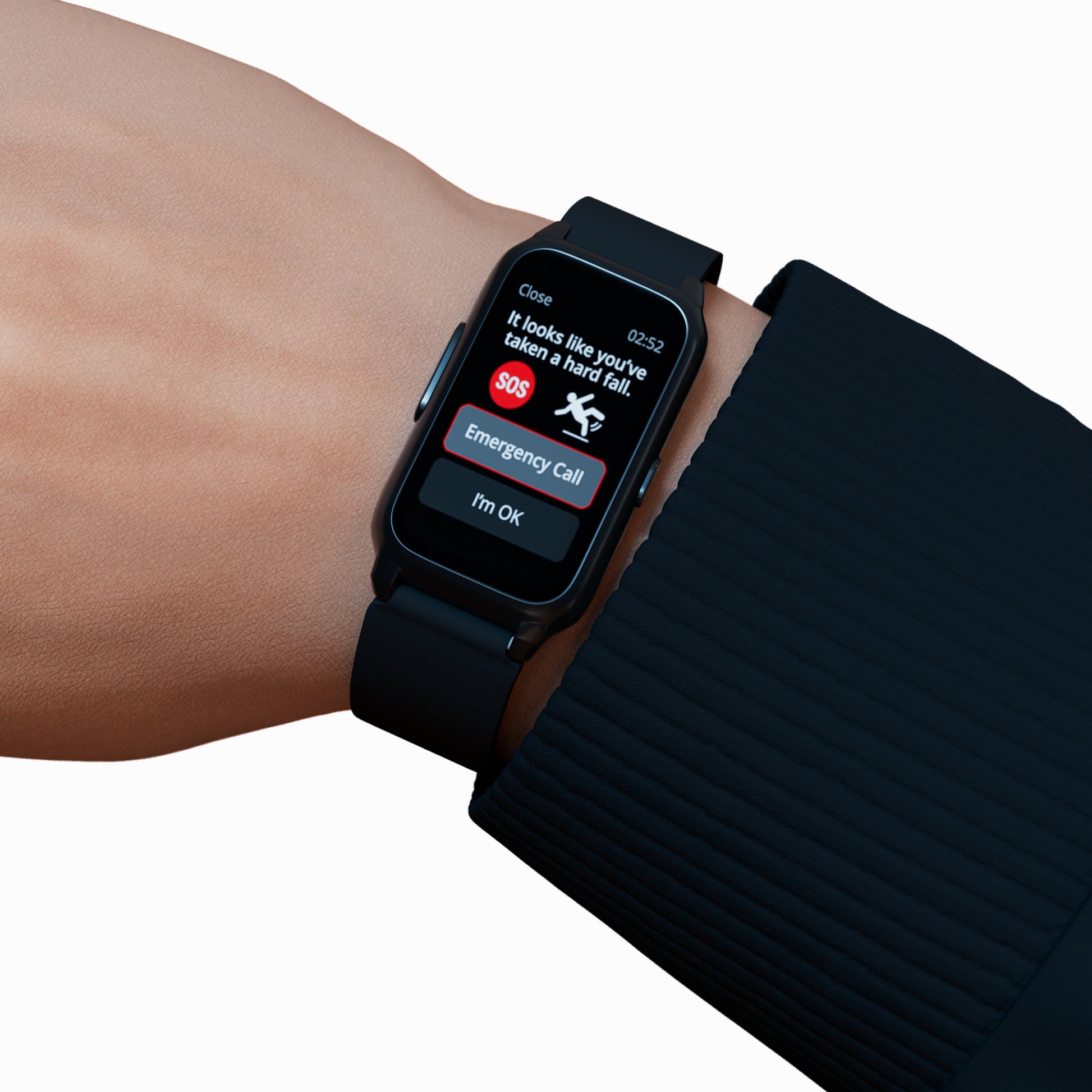
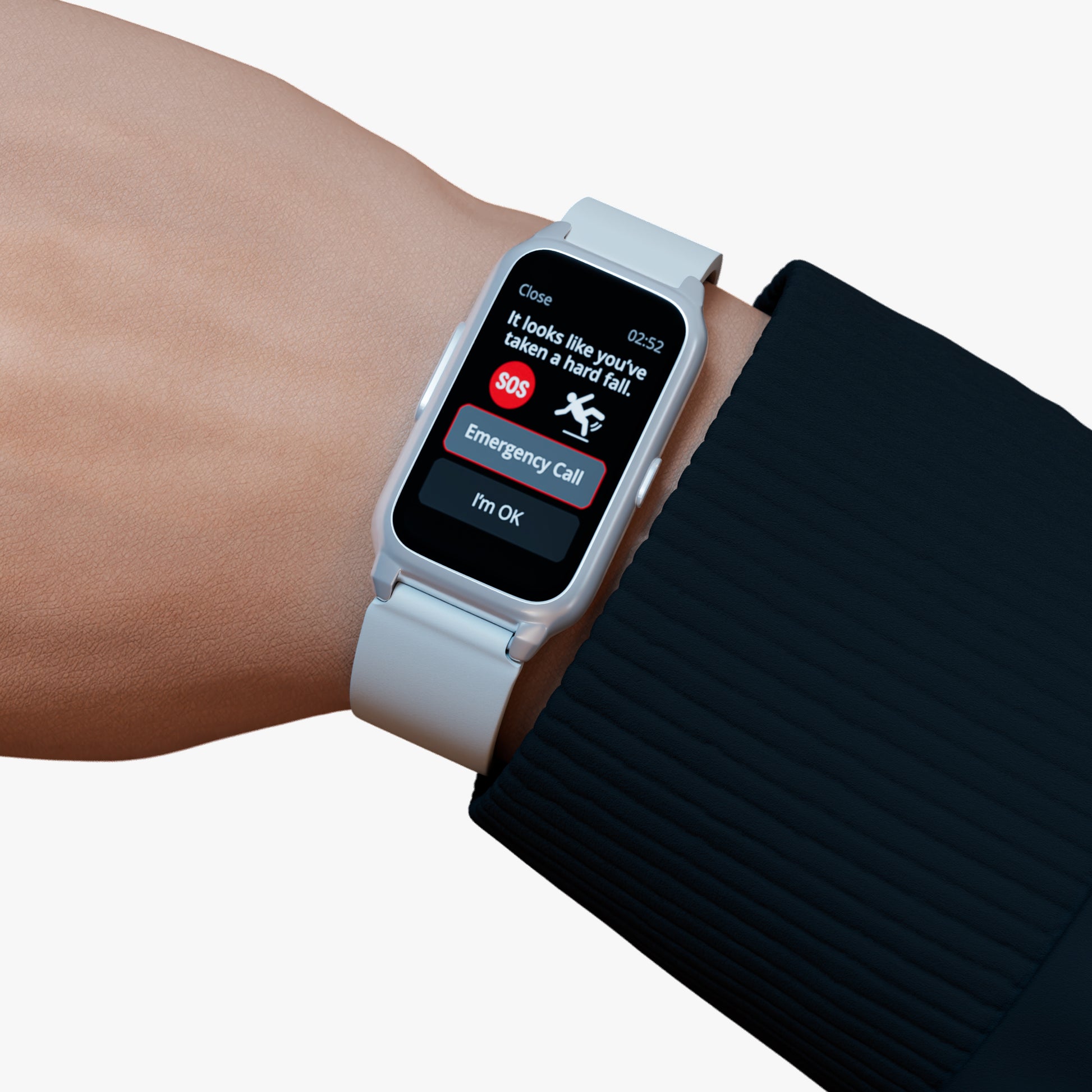
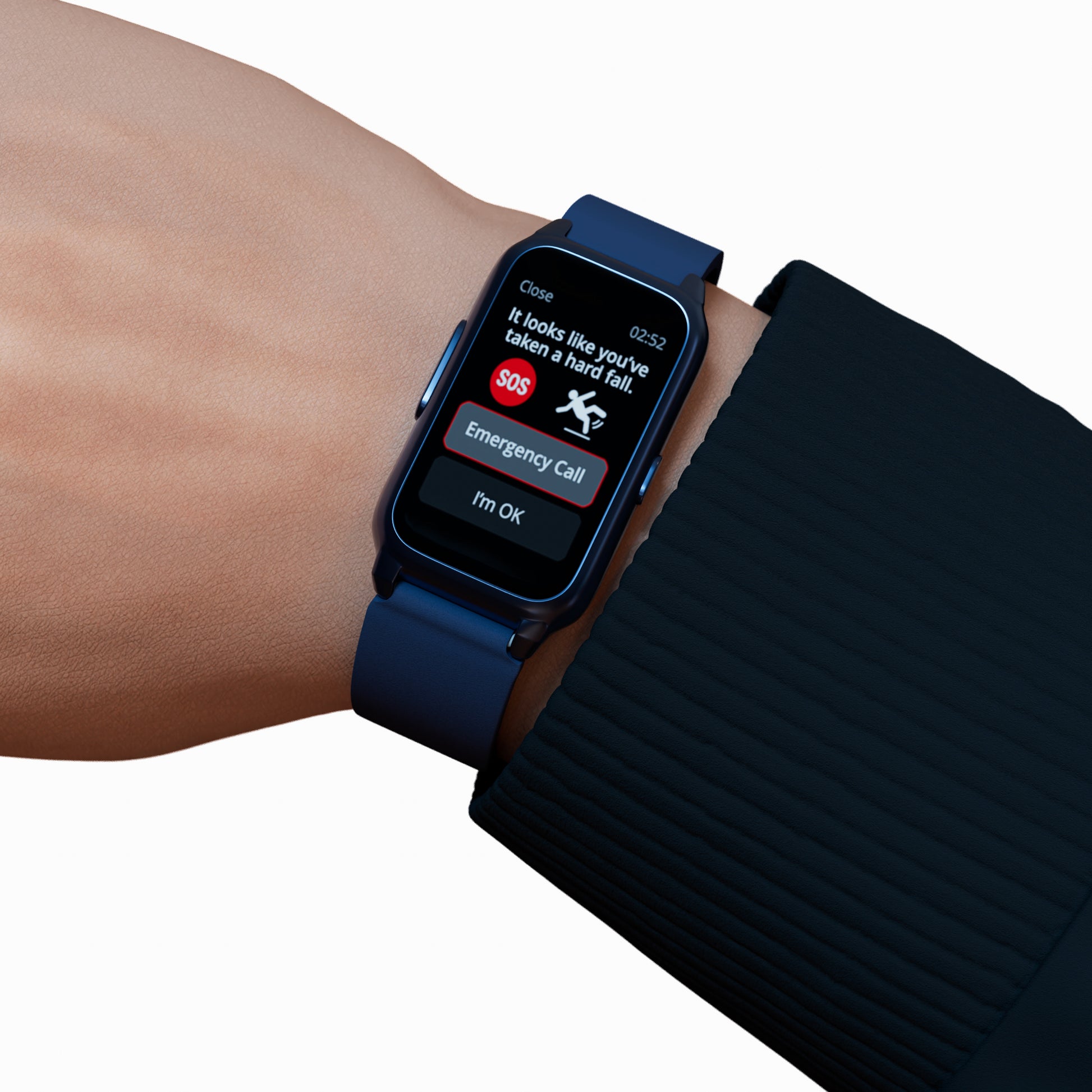
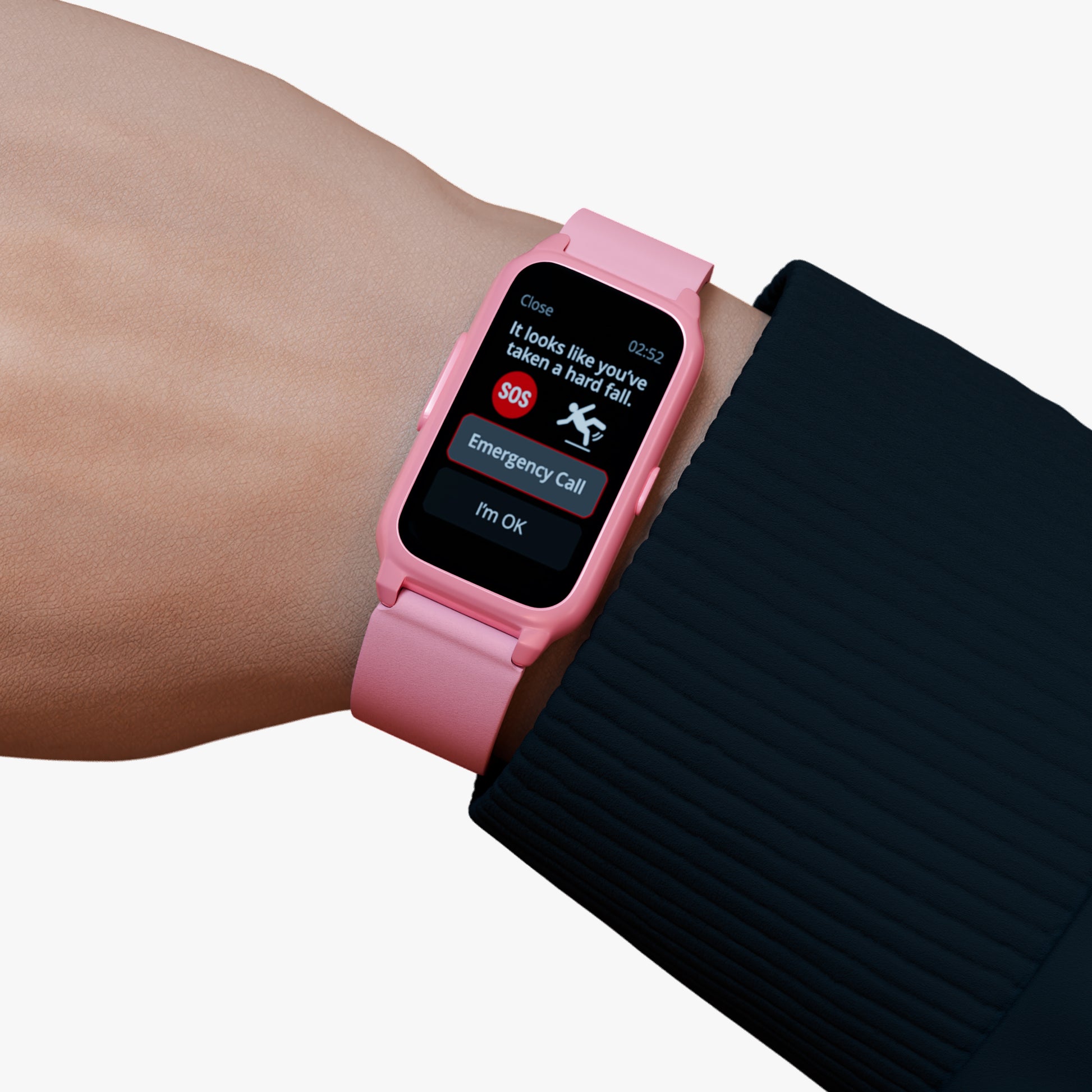
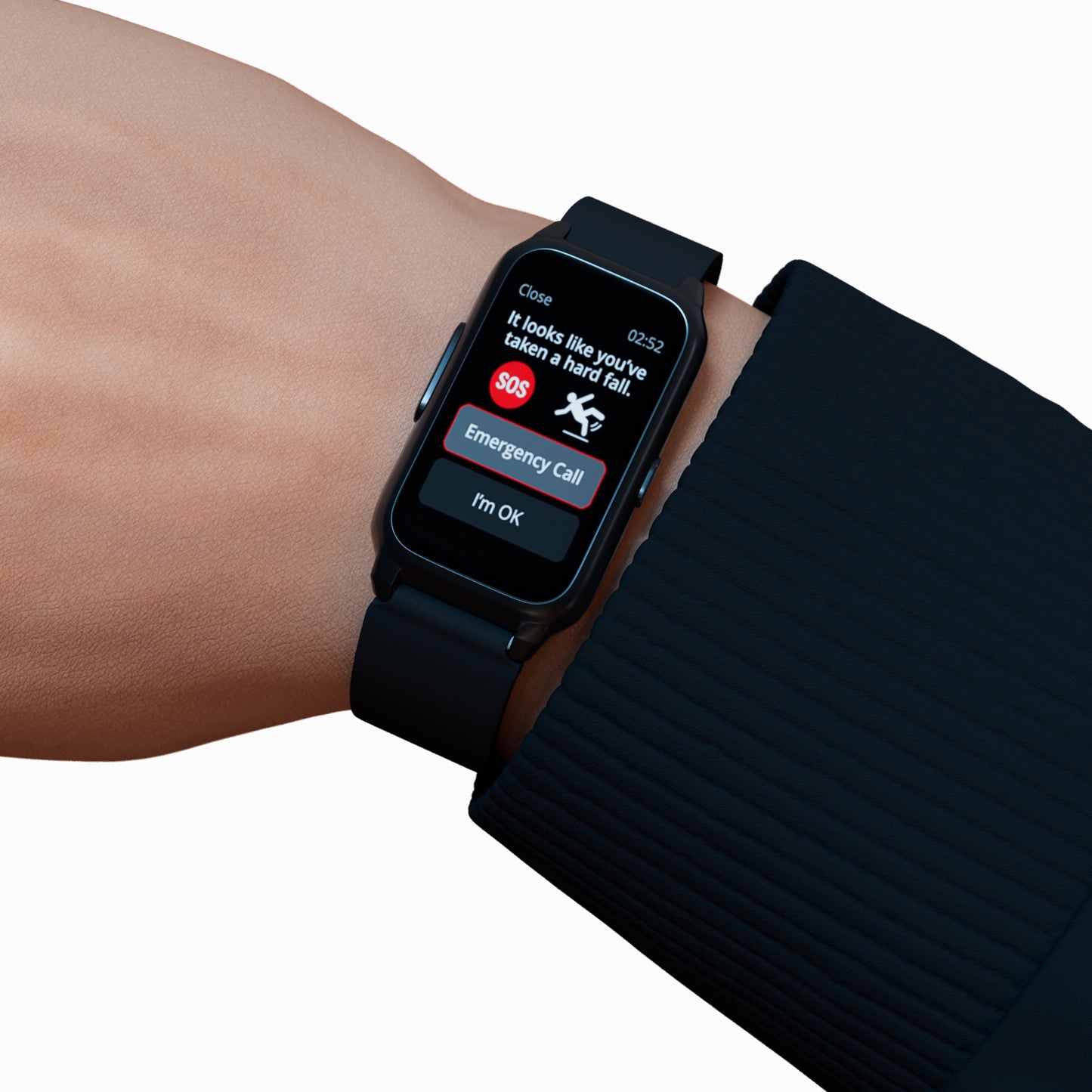
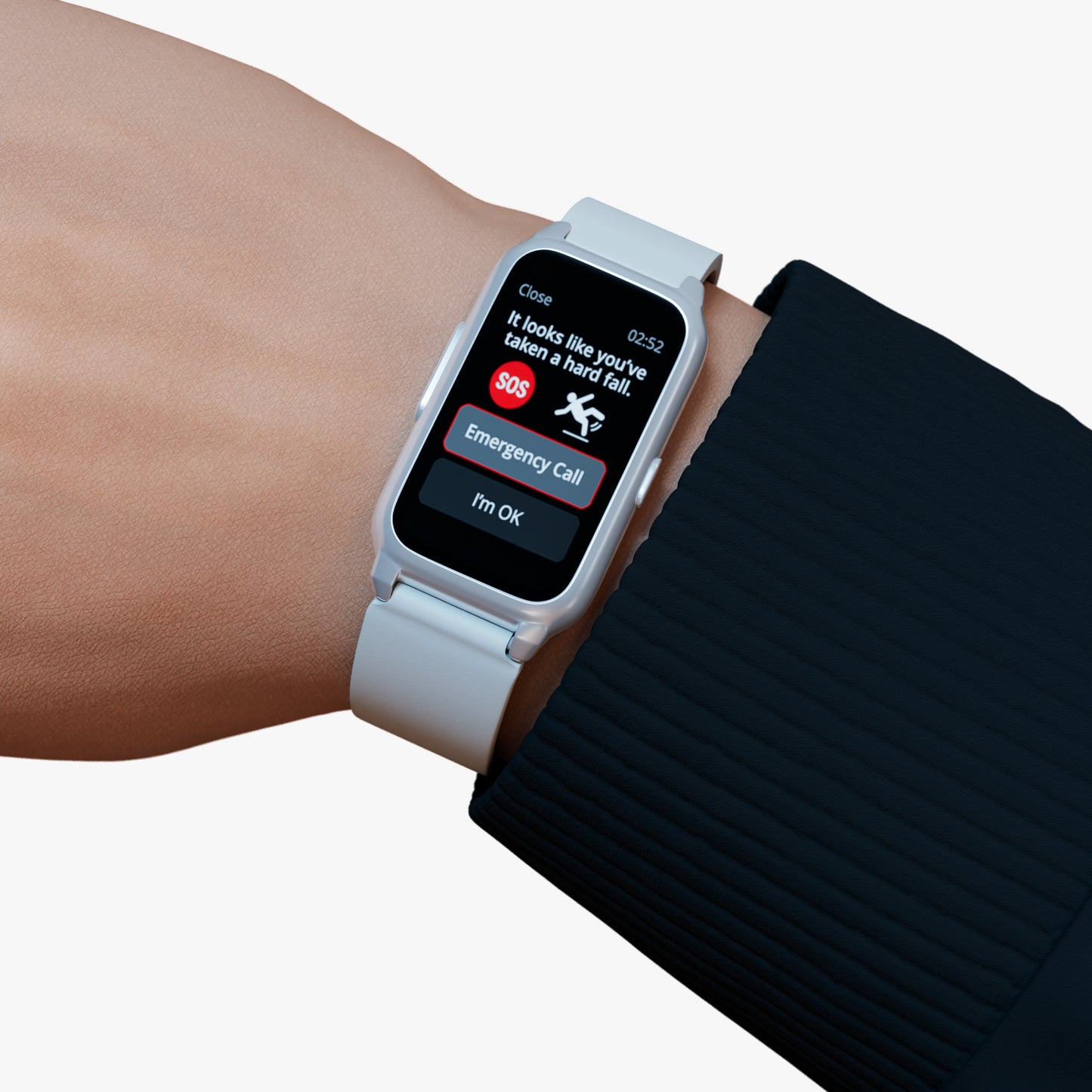
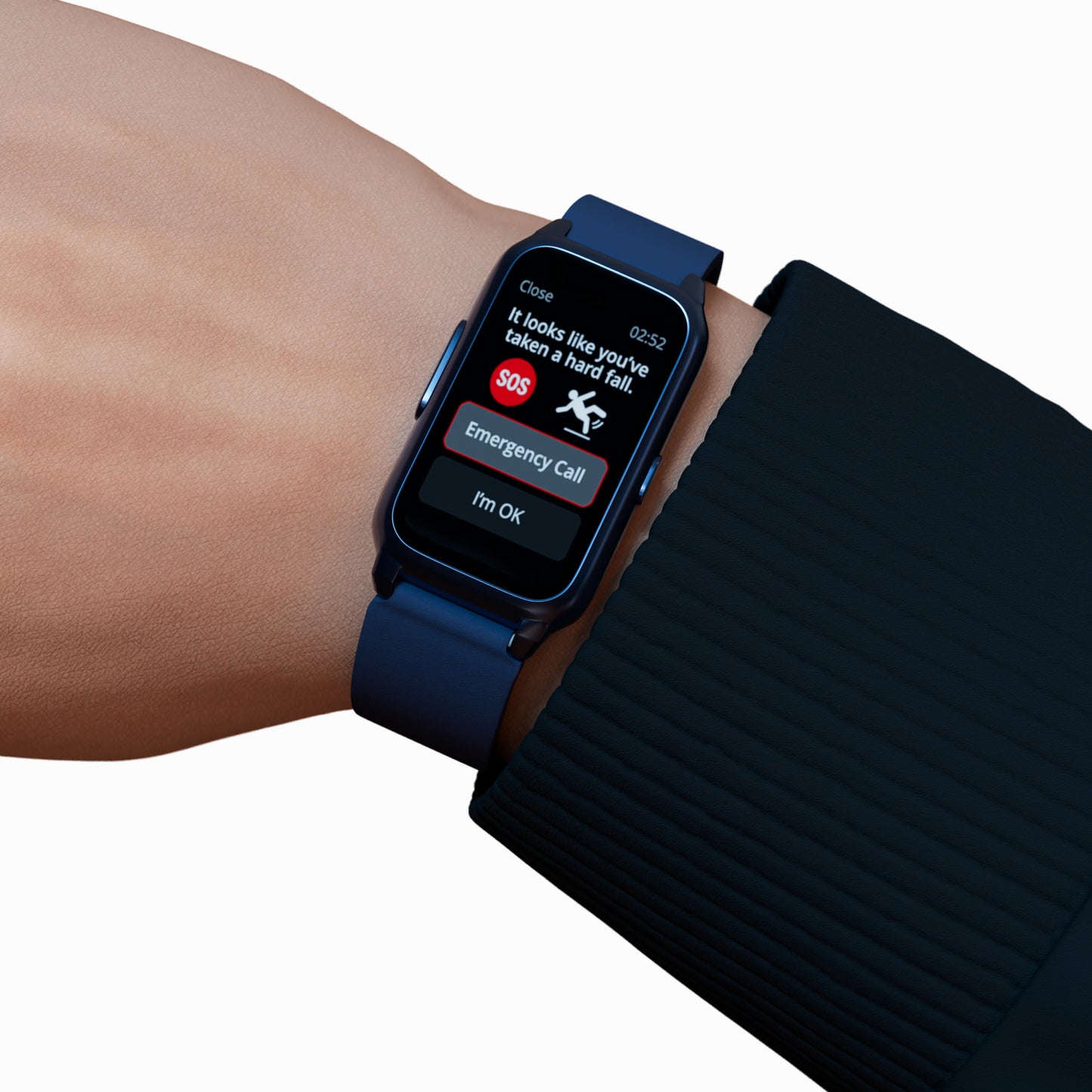
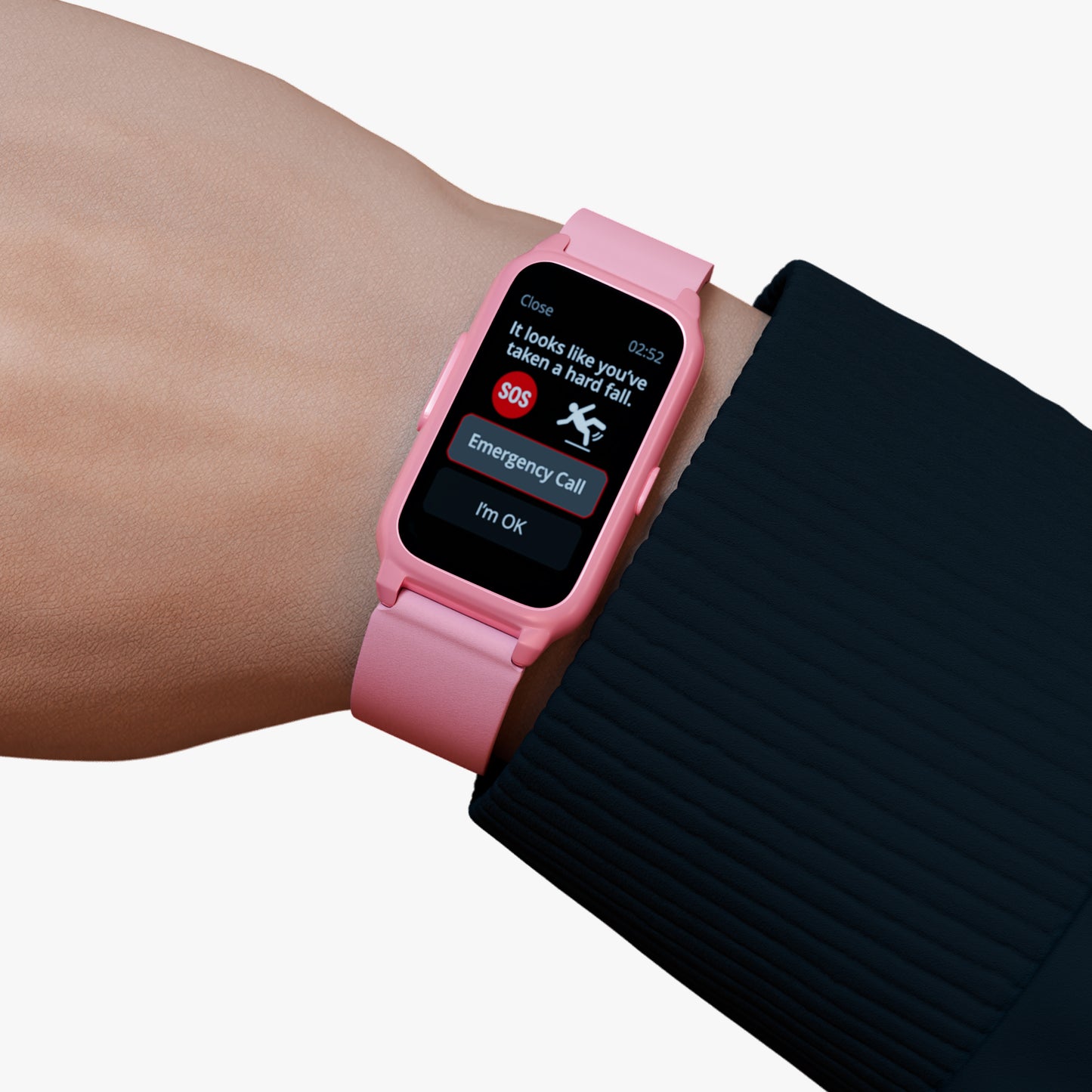
Technology has become a powerful ally in fall prevention when used thoughtfully. Wearable fall detection watches, bed-exit alarms, and remote monitoring systems allow staff to intervene earlier and respond faster when incidents occur.
Devices like MedAlert’s fall detection watches add an extra layer of reassurance, particularly for patients with mobility challenges or cognitive impairment.
With features such as automatic fall detection, GPS tracking, and two-way communication, these devices help bridge the gap between hospital care and life at home.
For families, that reassurance is deeply personal. As Jamie Warren shares:
“The MedAlert watch has ensured safety and independence for my father when at home and in the community. He tells everyone it has given him back his freedom, knowing help is just a call away.”
That sense of confidence, knowing help is always close, can make all the difference in recovery and independence after discharge.
The Critical Post-Discharge Period
The weeks immediately after discharge are a high-risk window. In fact, 63% of post-discharge falls occur within the first two weeks at home. This makes transitional care just as important as in-hospital prevention.
Effective discharge planning includes home safety assessments, medication reviews, mobility support, and clear follow-up plans. Occupational therapists play a key role here, identifying hazards and recommending simple changes such as improved lighting, removal of trip hazards, and installation of grab rails.
Education matters too. When patients and families truly understand fall risks and feel confident using prevention strategies, the outcomes improve.
Teach-back methods and accessible education formats help ensure nothing is lost once patients leave the hospital.
Measuring What Matters
Strong fall prevention programmes rely on good data. Tracking fall rates per 1,000 bed days, injury severity, and post-discharge incidents allows hospitals to refine their approach and continually improve. Staff feedback and regular audits help uncover practical barriers and highlight what’s working on the ground.

Moving Forward, Together
As Australia’s population ages, fall prevention will only grow in importance. The 2025 guidelines provide a clear roadmap, but real progress comes from teamwork, consistent care, and thoughtful use of technology.
For patients and families, small actions, such as wearing proper footwear, using mobility aids, and staying connected with care teams, can dramatically reduce risk. And with solutions like MedAlert’s watches, protection doesn’t stop at the hospital door.
Fall prevention is ultimately about more than avoiding injury. It’s about preserving confidence, independence, and dignity every step of the way.
Ready to extend patient safety beyond hospital walls?
Explore MedAlert’s fall detection solutions featuring GPS tracking, automatic fall detection, and two-way communication designed to support safer recoveries and independent living at home.