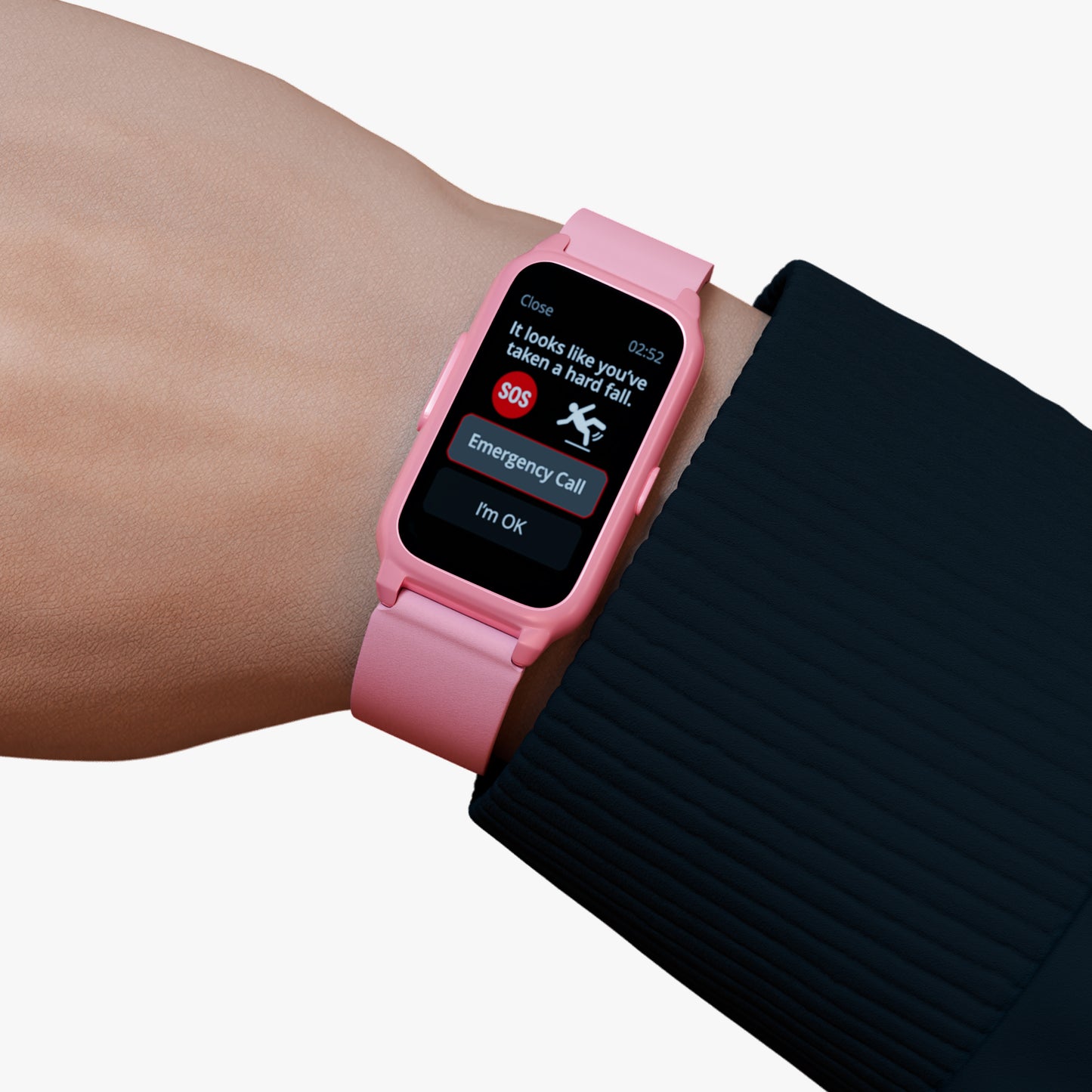

Smart fall prevention technology is becoming increasingly important for older Australians because it offers practical, real-time support that can help reduce the risk of accidents before they occur. The short answer is that smart technology helps seniors stay safer by combining early detection, alerts, and subtle environmental adjustments that lower the chance of a fall. While nothing can remove risk entirely, these innovations provide a strong layer of protection for seniors who want to maintain independence and confidence at home.
Fall prevention is a major focus for families, carers, and healthcare providers across Australia. Falls are one of the most common causes of injury among older people, and they often lead to hospital visits, long recovery periods, and reduced mobility.
Fortunately, today’s smart tools and devices make it possible to identify hazards early, detect potential issues, and support seniors with unobtrusive safety features.
Below is a comprehensive look at how smart fall prevention technology works, the options available, and how it supports safer living for seniors in Australia.
What Is Smart Fall Prevention Technology?
Smart fall prevention refers to digital tools and systems designed to reduce the likelihood of falls by monitoring movement, identifying risk factors, and offering timely alerts or assistance. These technologies go beyond traditional methods like handrails or non-slip mats by offering ongoing support throughout daily activities.
The goal is to create a safer environment without limiting independence. Many seniors want to live at home for as long as possible, and smart aids can make that goal more achievable.

Key Types of Smart Fall Prevention Technology
1. Motion Monitoring Systems
Motion sensors installed in key areas around the home can recognise patterns in movement. If an unusual pattern is detected, such as slow walking, sudden stopping, or lack of movement for a long period, the system can notify a caregiver or family member.
These systems are particularly helpful during nighttime when falls are more likely due to low lighting and drowsiness.
2. Smart Wearables
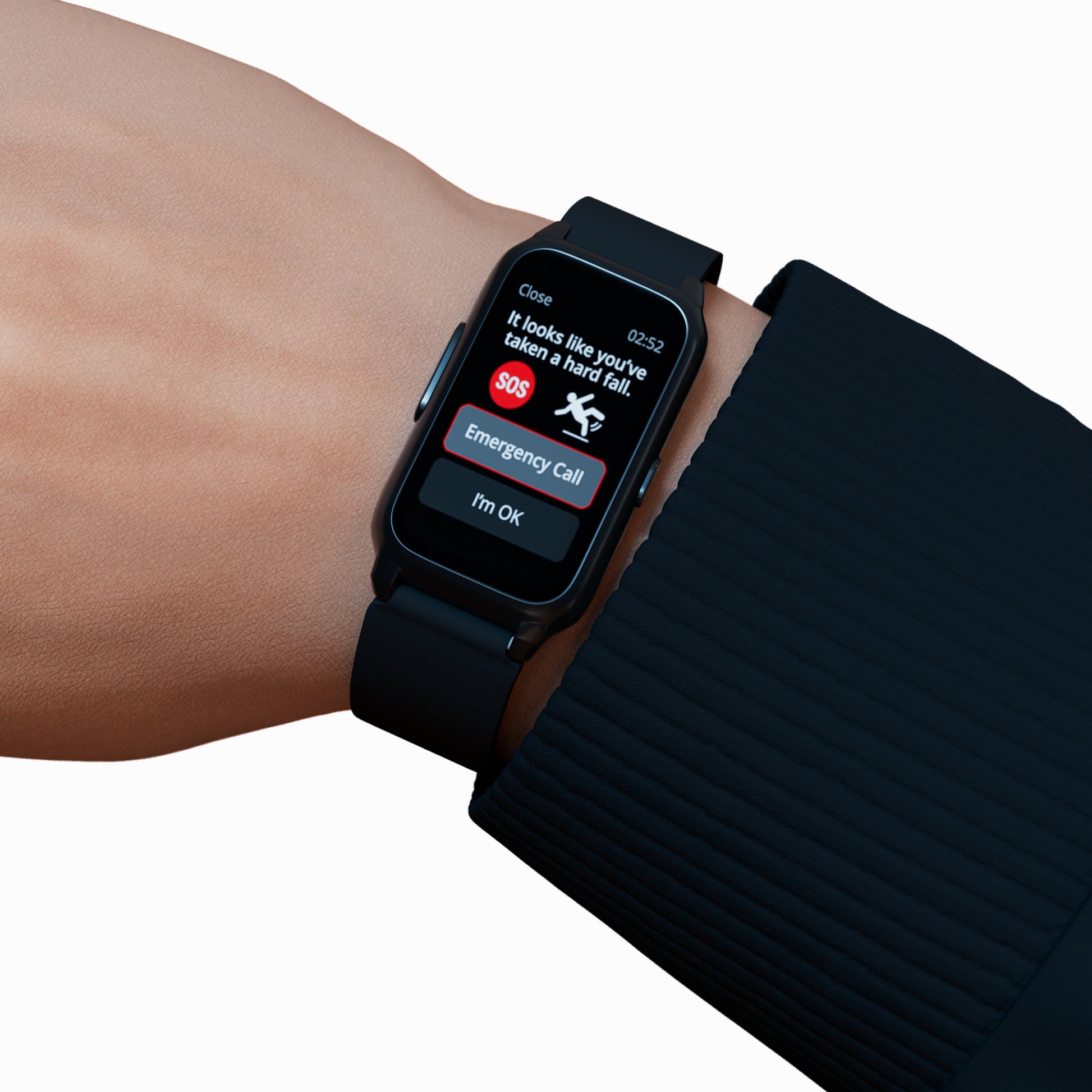
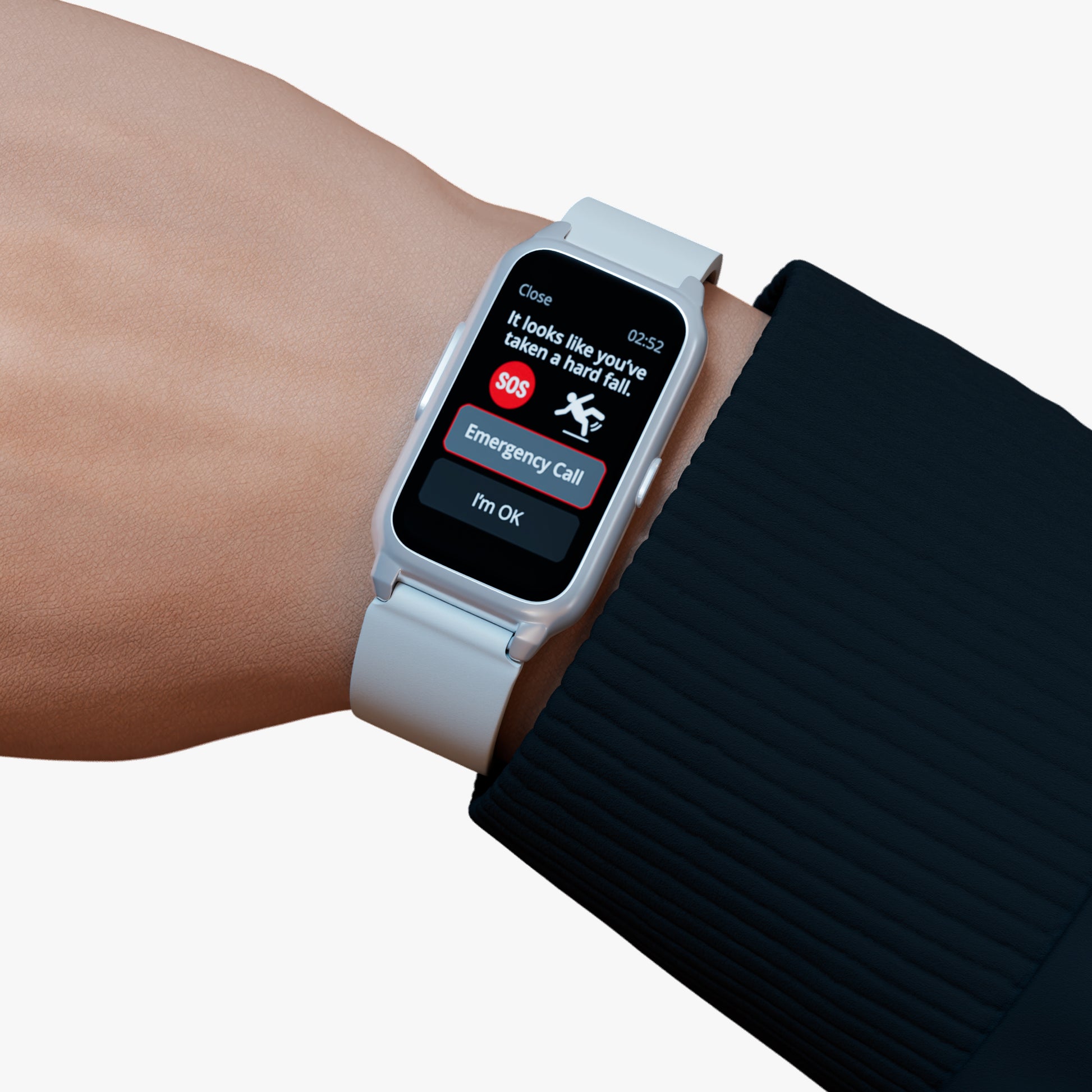
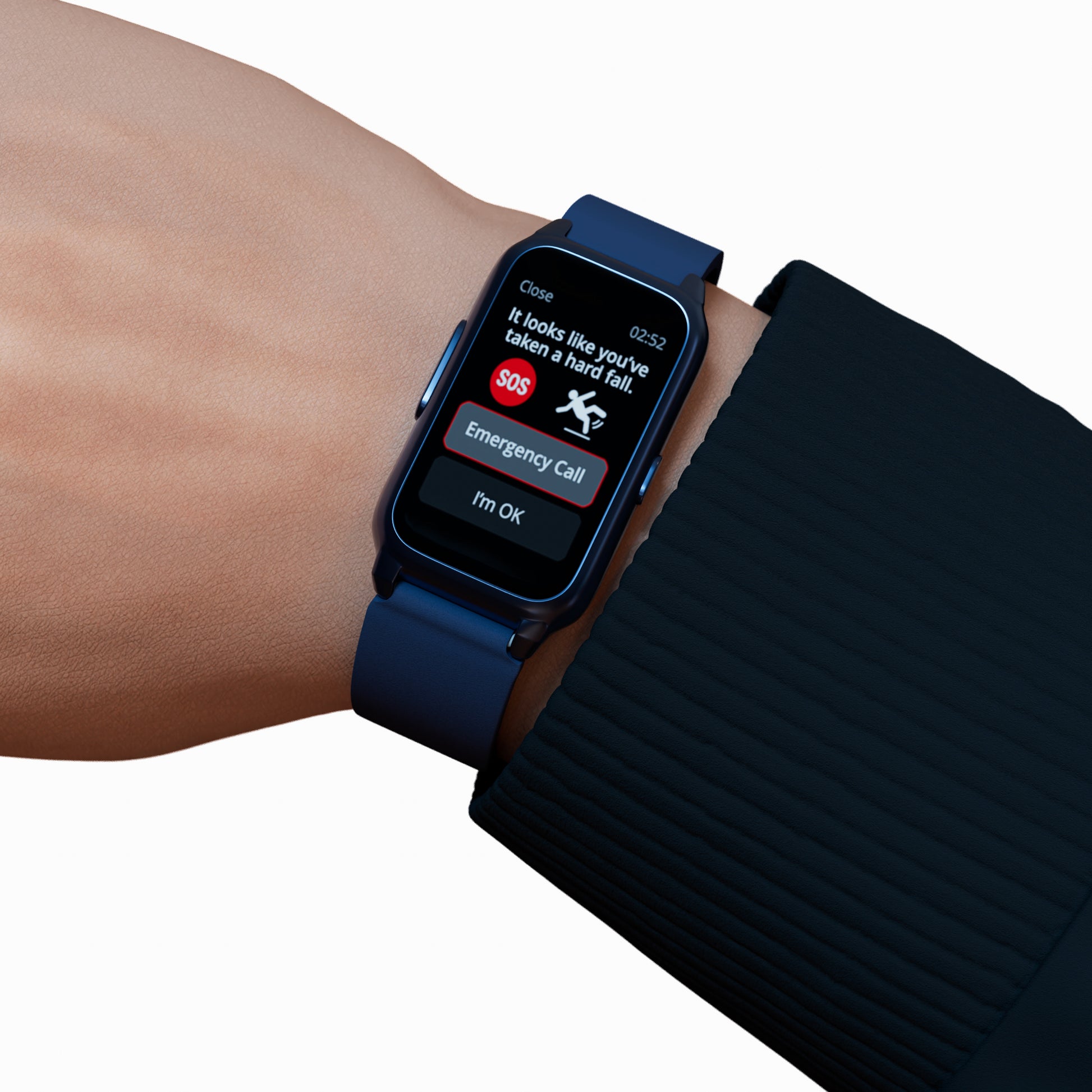
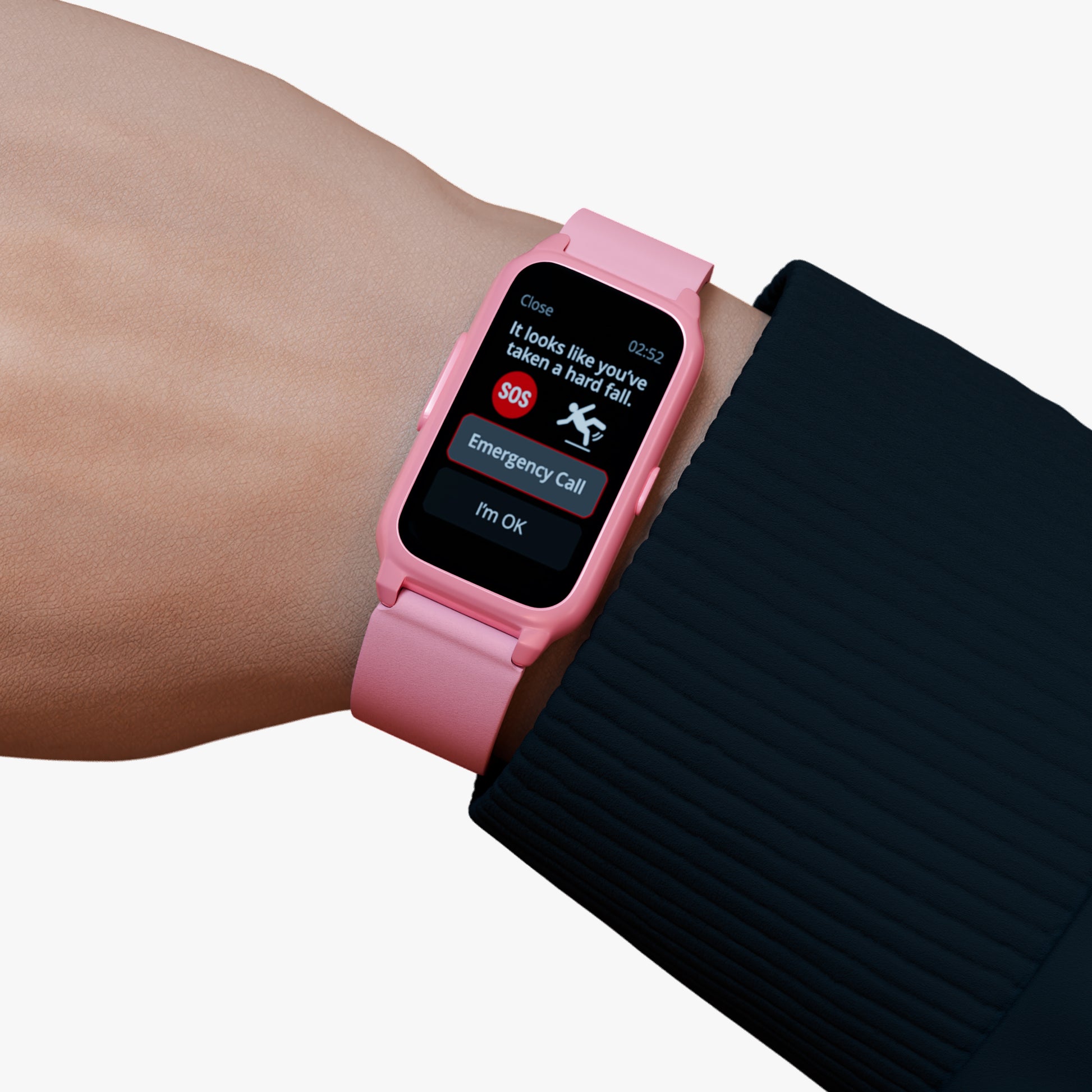
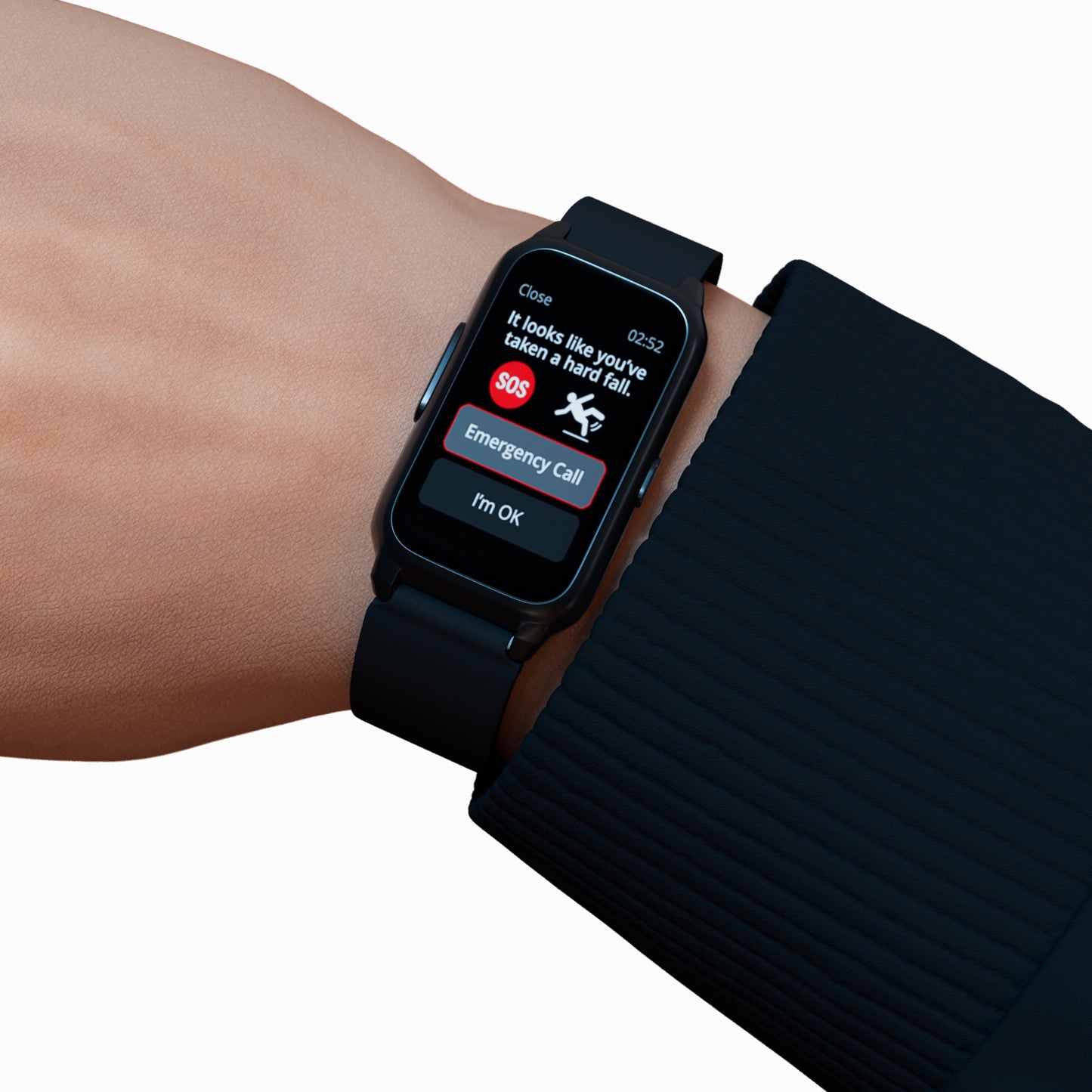
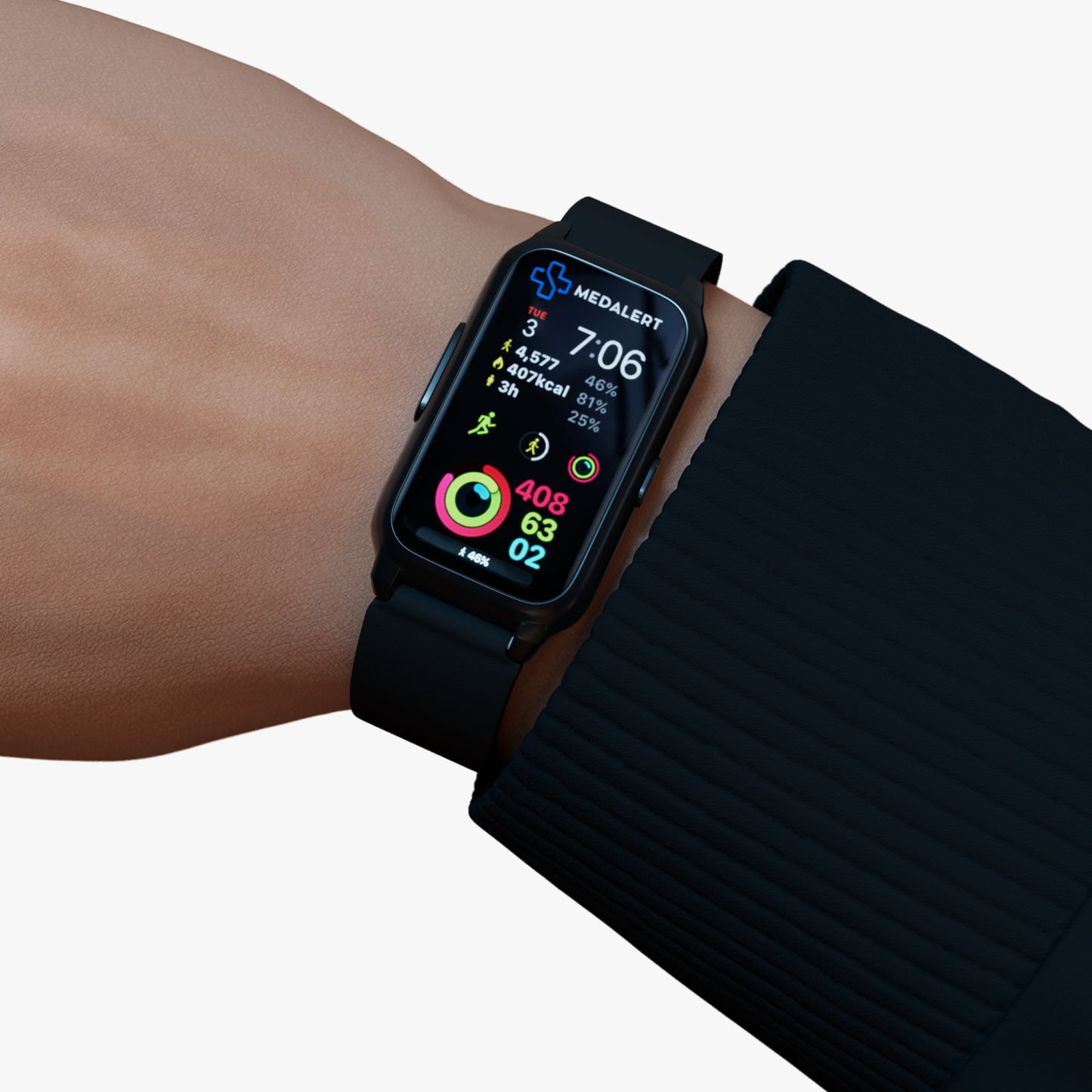
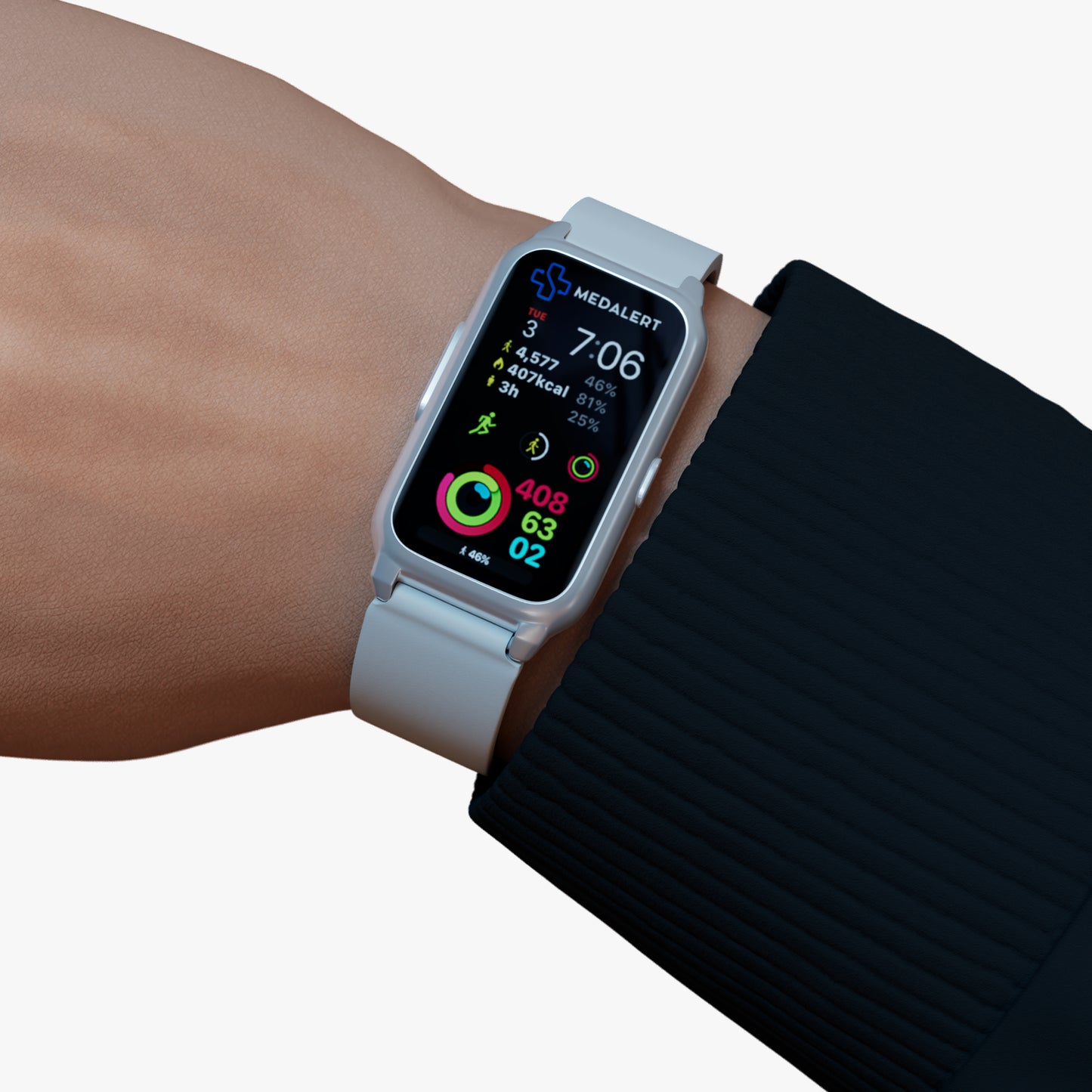
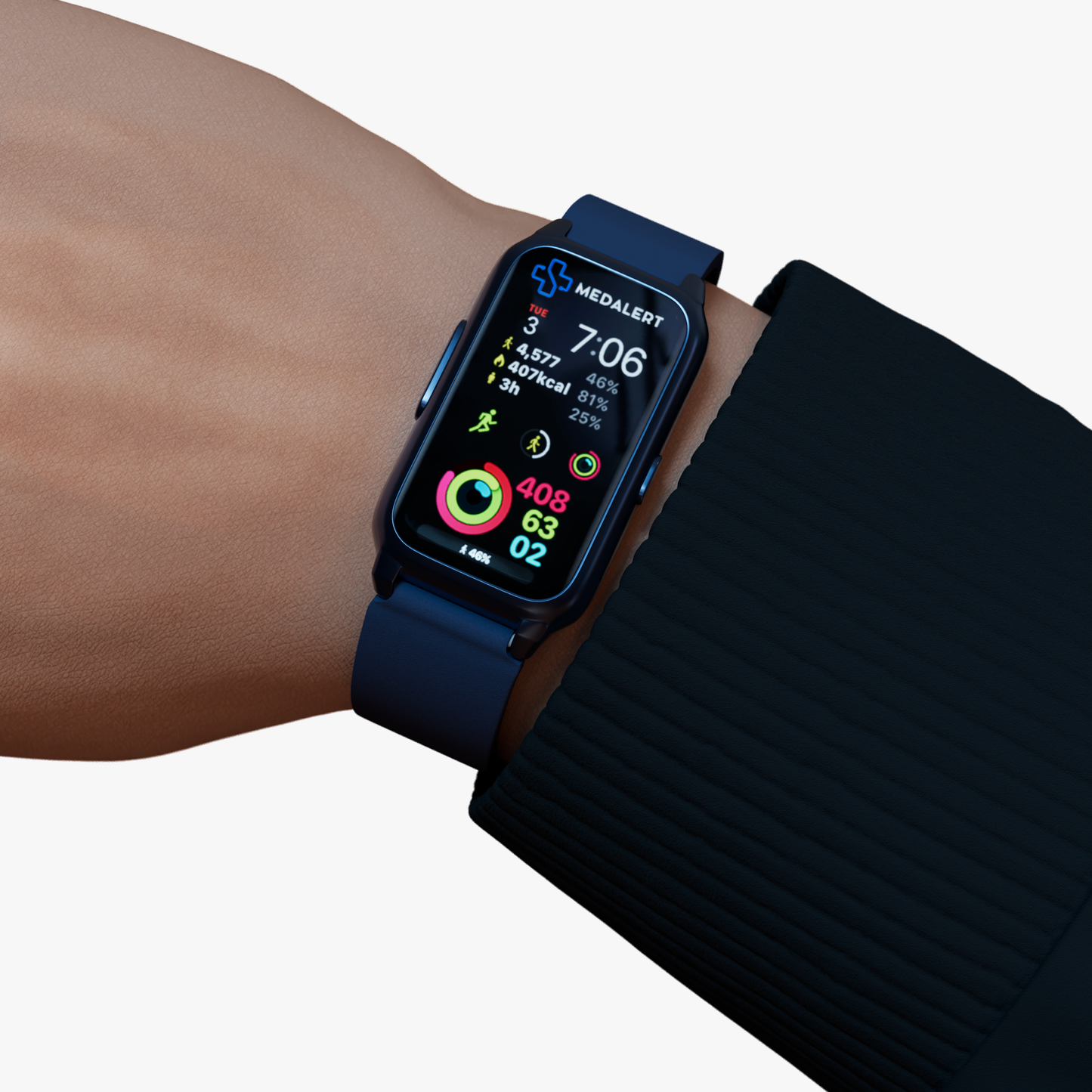
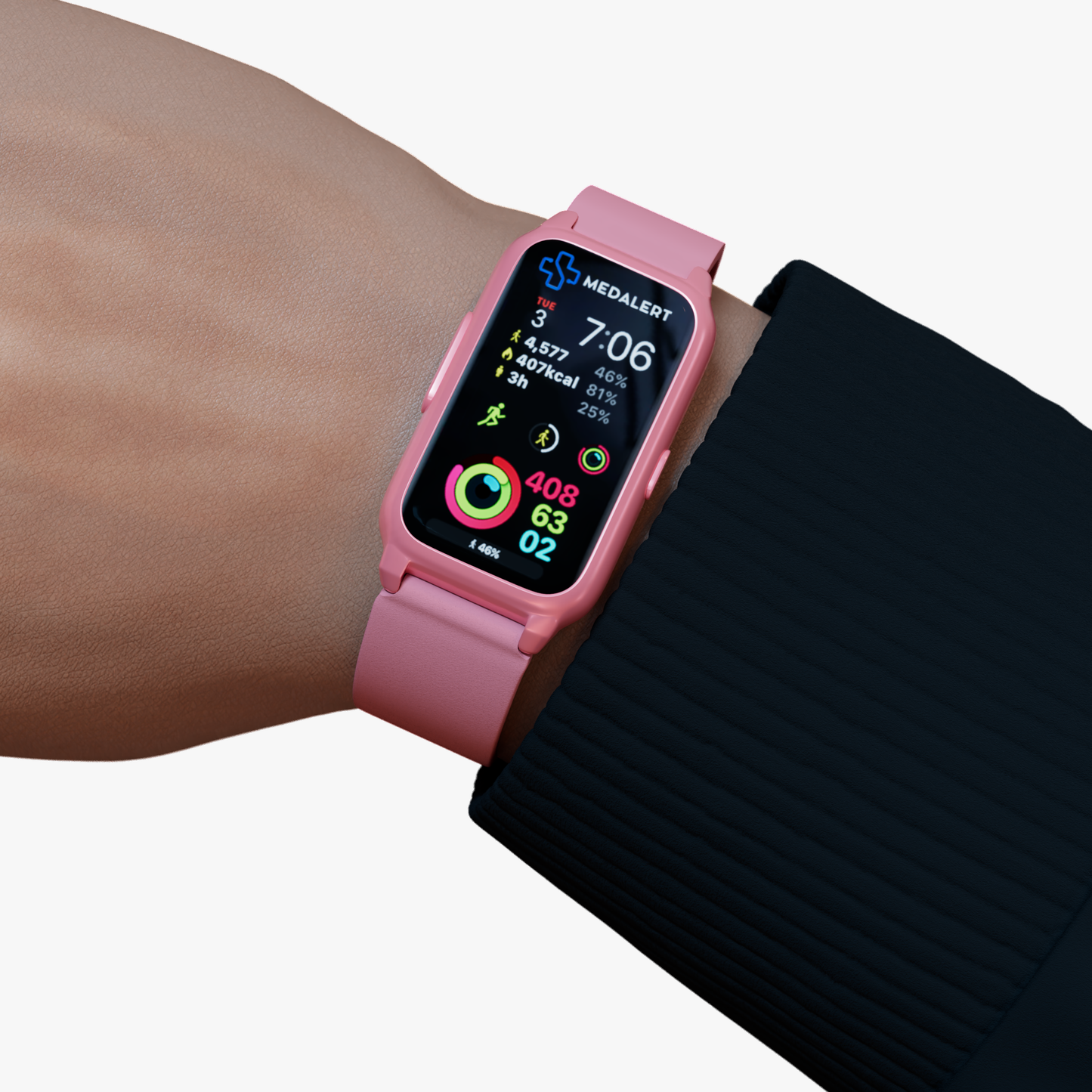
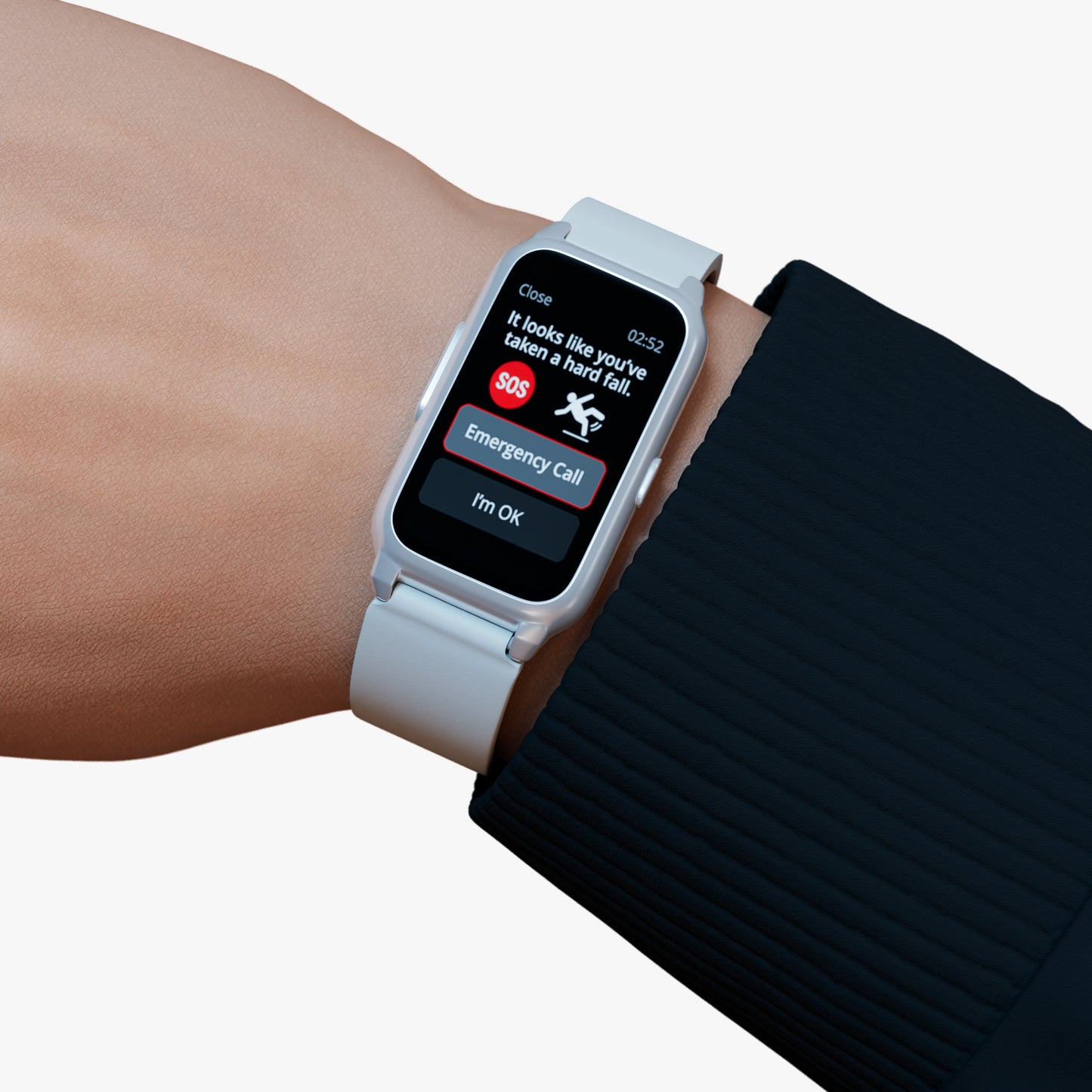
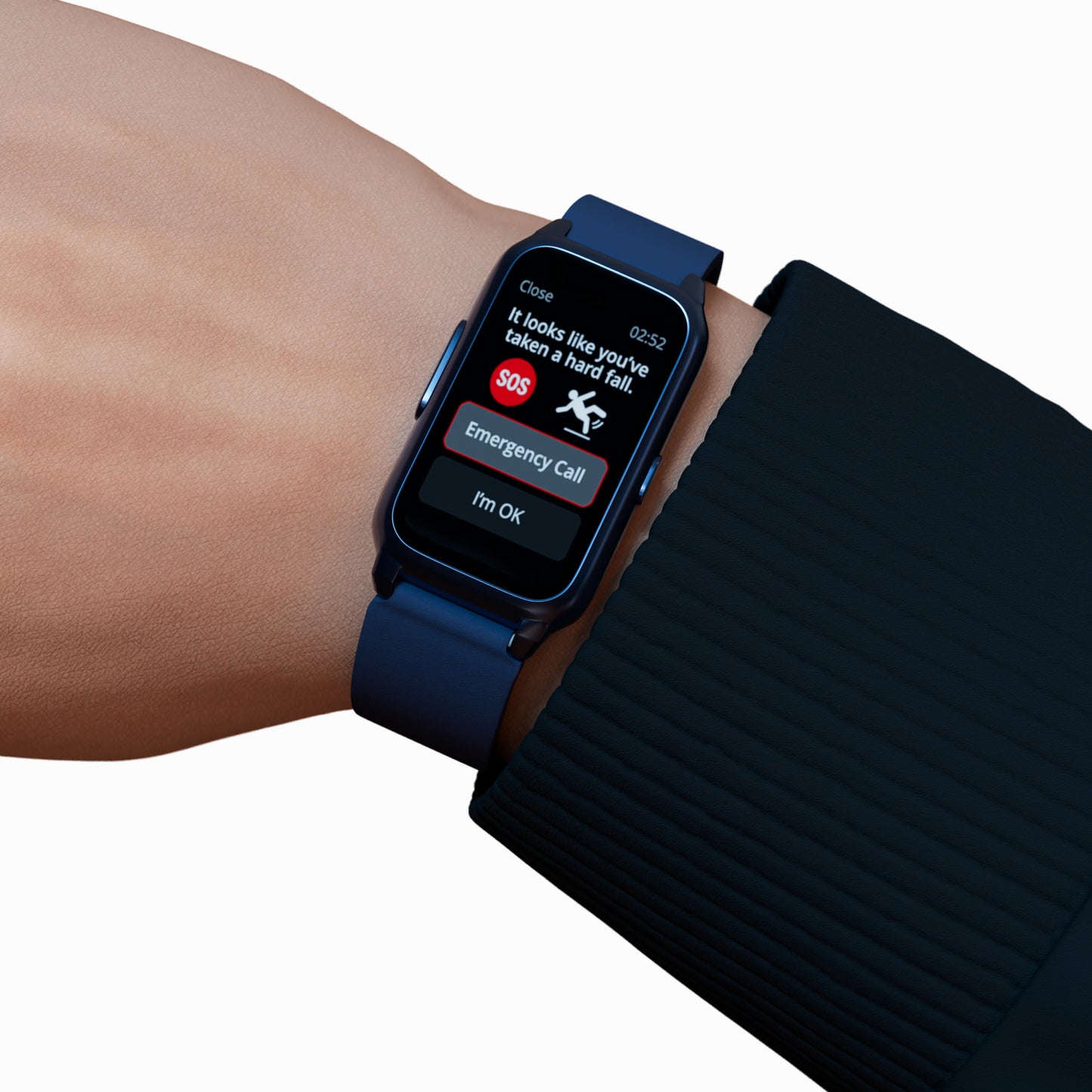
Some fall prevention tools are wearable, such as devices that track walking gait, speed, and balance. When the system identifies increased instability, it may provide alerts or reminders to rest, adjust posture, or use mobility aids.
While wearable devices are useful, many seniors prefer non-wearable options because they do not require charging, remembering to put them on, or adjusting settings. This is why a combination of smart environmental sensors and emergency systems has become popular in Australia.
3. Smart Lighting Solutions
Poor lighting is one of the leading contributors to falls. Smart lighting automatically brightens spaces when movement is detected, especially in hallways, bathrooms, and bedrooms.
This small adjustment significantly reduces risk by ensuring seniors can see their surroundings clearly at all times.
4. Floor Pressure Sensors
Pressure sensors installed under flooring or mats can detect changes in weight distribution. If a sudden force suggests a fall, the system sends an alert instantly. Some advanced types can even differentiate between normal movement and unsafe situations.
5. Voice-Activated Assistants
Voice-enabled devices allow seniors to request help quickly if they feel unsteady. They can also control lighting, adjust temperature or contact family members without needing to walk across the room, which minimises unnecessary movement and potential hazards.
How These Technologies Support Independence
The biggest advantage of smart fall prevention technology is that it helps seniors feel safer while still maintaining control over their daily routines. Many older Australians want the reassurance of knowing someone can be alerted quickly if something goes wrong, but they do not want constant supervision.
Smart systems work quietly in the background, offering:
🗹 Early risk identification
🗹 Automatic alerts
🗹 Hands-free assistance
🗹 Comfortable and familiar living environments
For families, knowing that their loved one has responsive support provides a significant sense of relief.
The Role of Emergency Response Devices
Emergency response systems such as MedAlert play a crucial part in providing immediate support if a fall occurs. These devices are designed to offer fast assistance at the press of a button, giving seniors confidence that help is always within reach.
How MedAlert Supports Fall Prevention
🗹 Provides instant access to help, whether inside or outside the home
🗹 Offers monitored responses, so seniors are never left waiting
-
Ensures emergency services or carers can be contacted quickly
-
Works as an important backup if other prevention tools fail
While smart tools help avoid falls, MedAlert ensures safety is still prioritised even when unexpected accidents happen.
If you want a reliable support system for an older family member, MedAlert offers simple and effective solutions that suit Australian households.
Smart Home Adjustments That Reduce Fall Risks
Beyond devices, small environmental updates supported by smart technology can significantly reduce hazards. These include:
1. Auto-sensor Bathroom Aids
Bathrooms are one of the most common locations for falls. Smart toilet lights, non-slip floors with pressure sensors, and safety bars with grip alarms provide extra security.
2. Bed and Chair Occupancy Sensors
These sensors notify carers when a senior gets up unexpectedly at night, reducing risks associated with wandering or getting up too quickly.
3. Smart Flooring and Rugs
Some modern flooring solutions come with anti-slip coatings and friction-responsive surfaces that adjust grip in response to pressure changes.
4. Fall-safe Pathway Design
Smart lighting and motion tracking help create safer pathways by avoiding clutter, alerting seniors to obstacles and adjusting brightness automatically.

Why Australian Seniors Benefit From Smart Fall Prevention
Australian homes vary in layout, climate, and flooring styles, which means fall risks differ widely. Smart technology adapts to each home and offers support regardless of these variations.
It is also helpful for families living in different states or regions, as alerts and monitoring tools can notify carers remotely.
To add a strong safety layer to your home, consider how MedAlert can complement your fall prevention plan.
Ready to improve safety for your loved one? Get MedAlert today and make sure help is available whenever it is needed.
FAQs
1. What is the most effective fall prevention technology for seniors?
A combination of motion sensors, smart lighting, and emergency response systems like MedAlert offers the best protection. This blend reduces risks and provides fast support if a fall occurs.
2. Are smart fall prevention tools difficult to install?
Most systems are easy to install and require minimal setup. Many can be fitted by families without professional help.
3. Do seniors need to wear a device all the time for these systems to work?
Not always. Many modern fall prevention tools are built into the home and do not require wearing anything. However, having a wearable or portable MedAlert device ensures help is always accessible.
4. Are these technologies suitable for seniors living alone?
Yes. They are specifically designed to support independent living while offering reliable backup during emergencies.
5. Does smart fall prevention replace carers?
No. It complements caregiving by adding safety features, alerts, and quick access to help, making daily life safer and more comfortable.