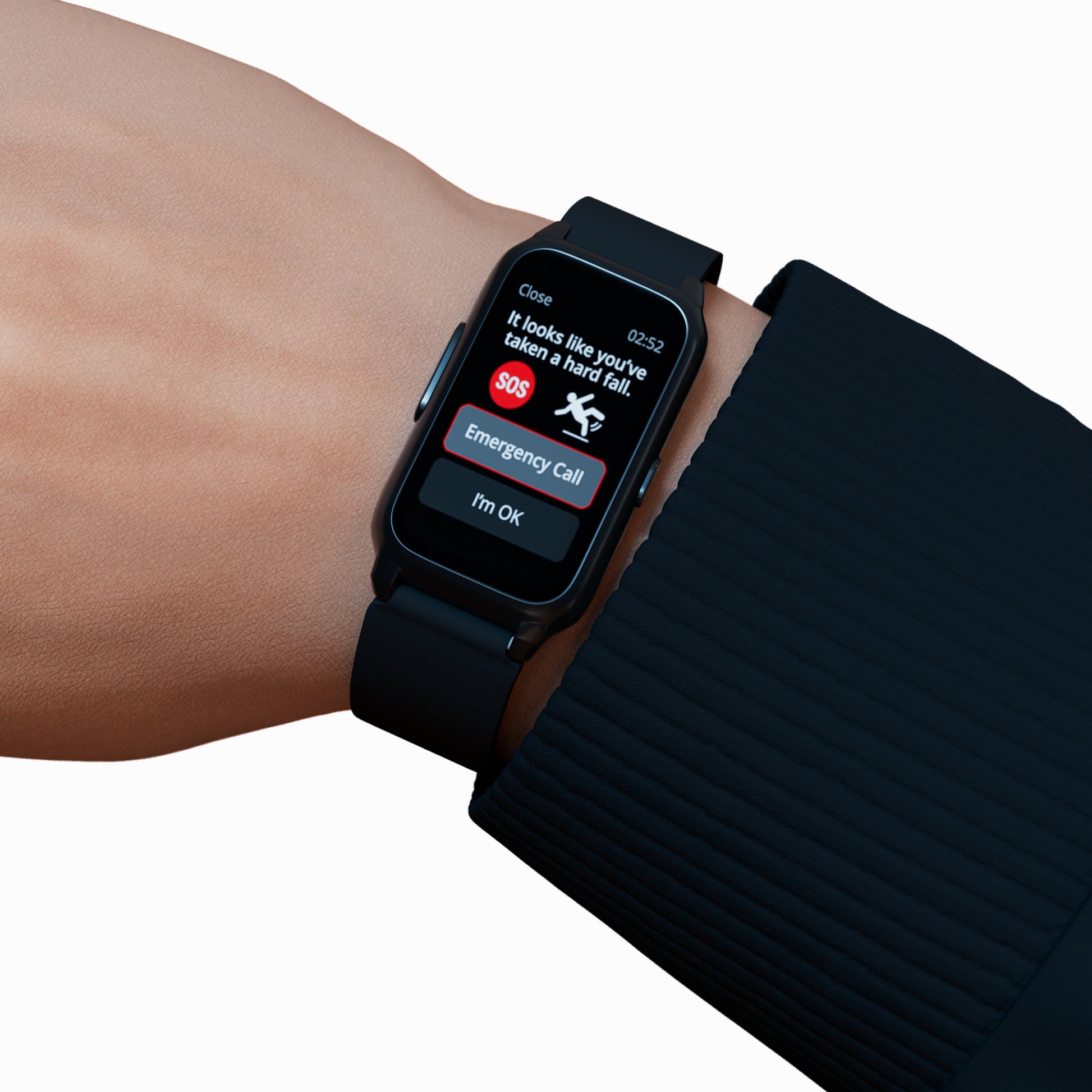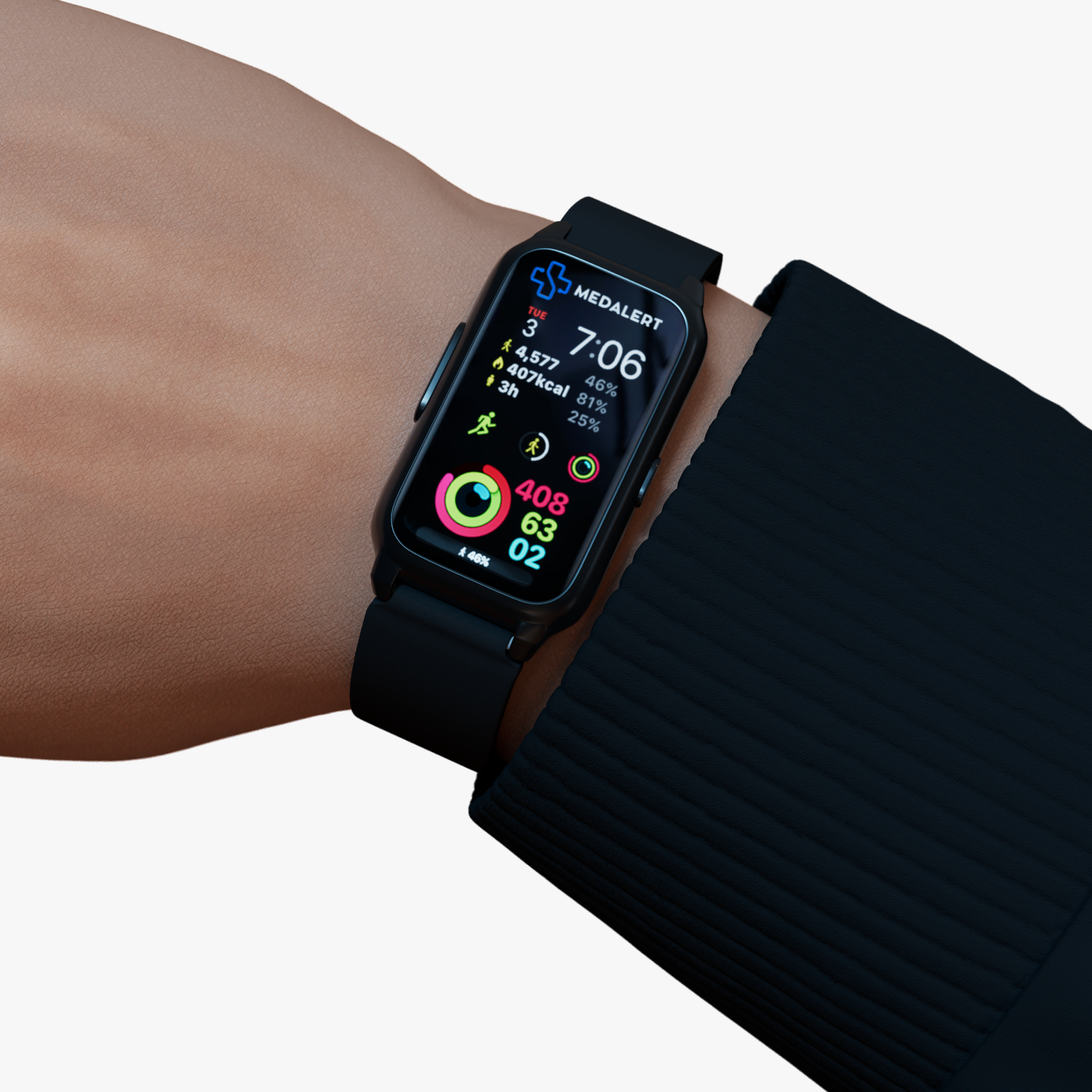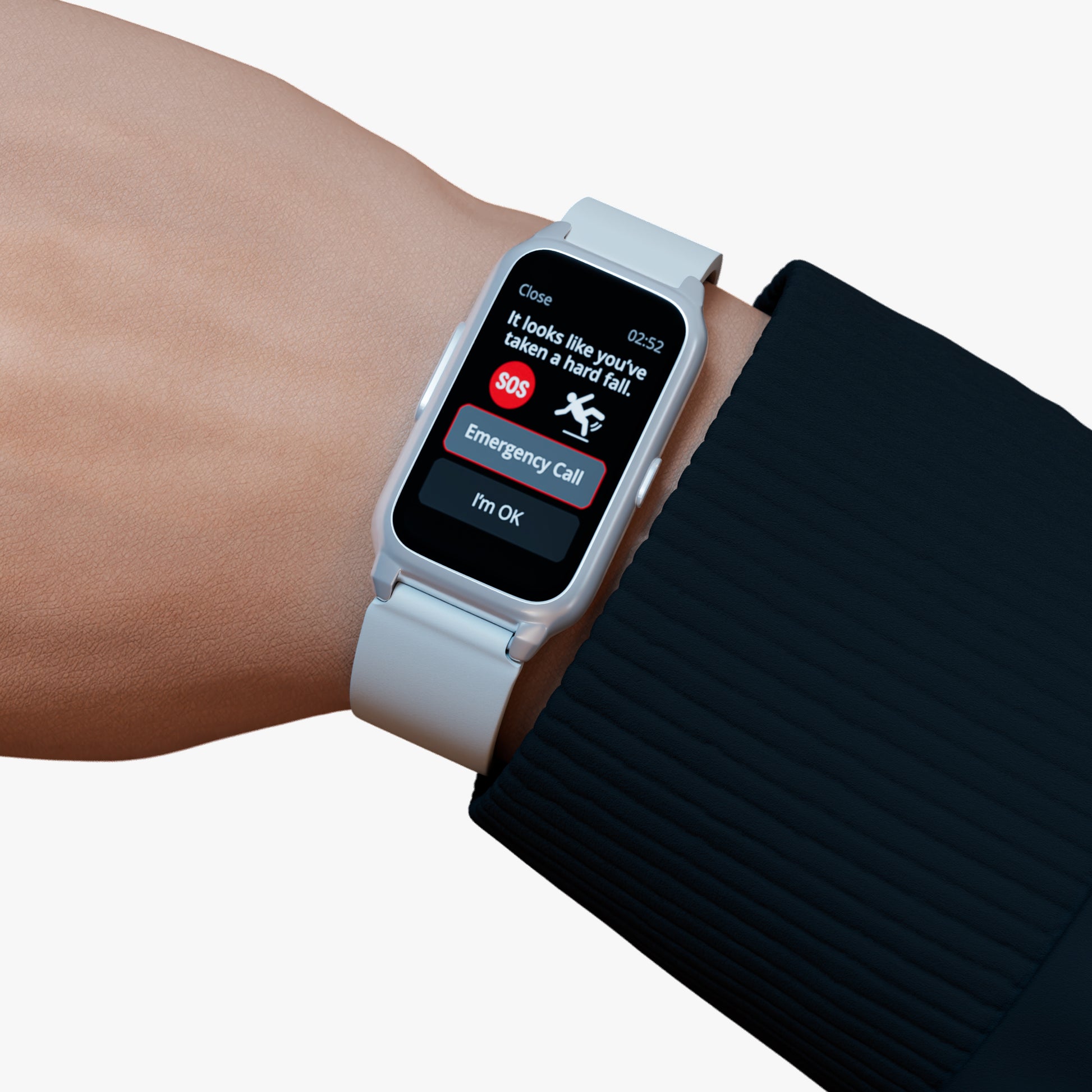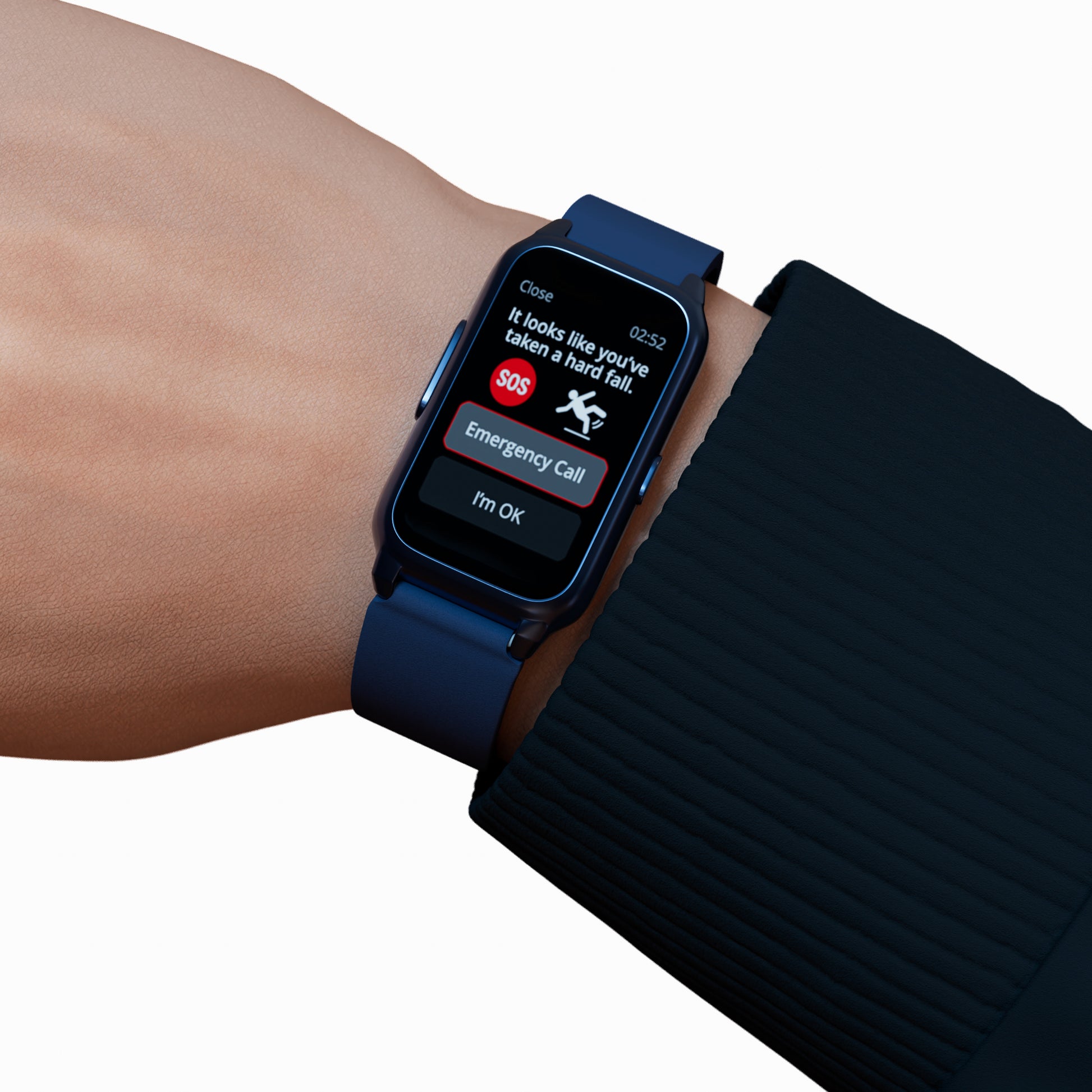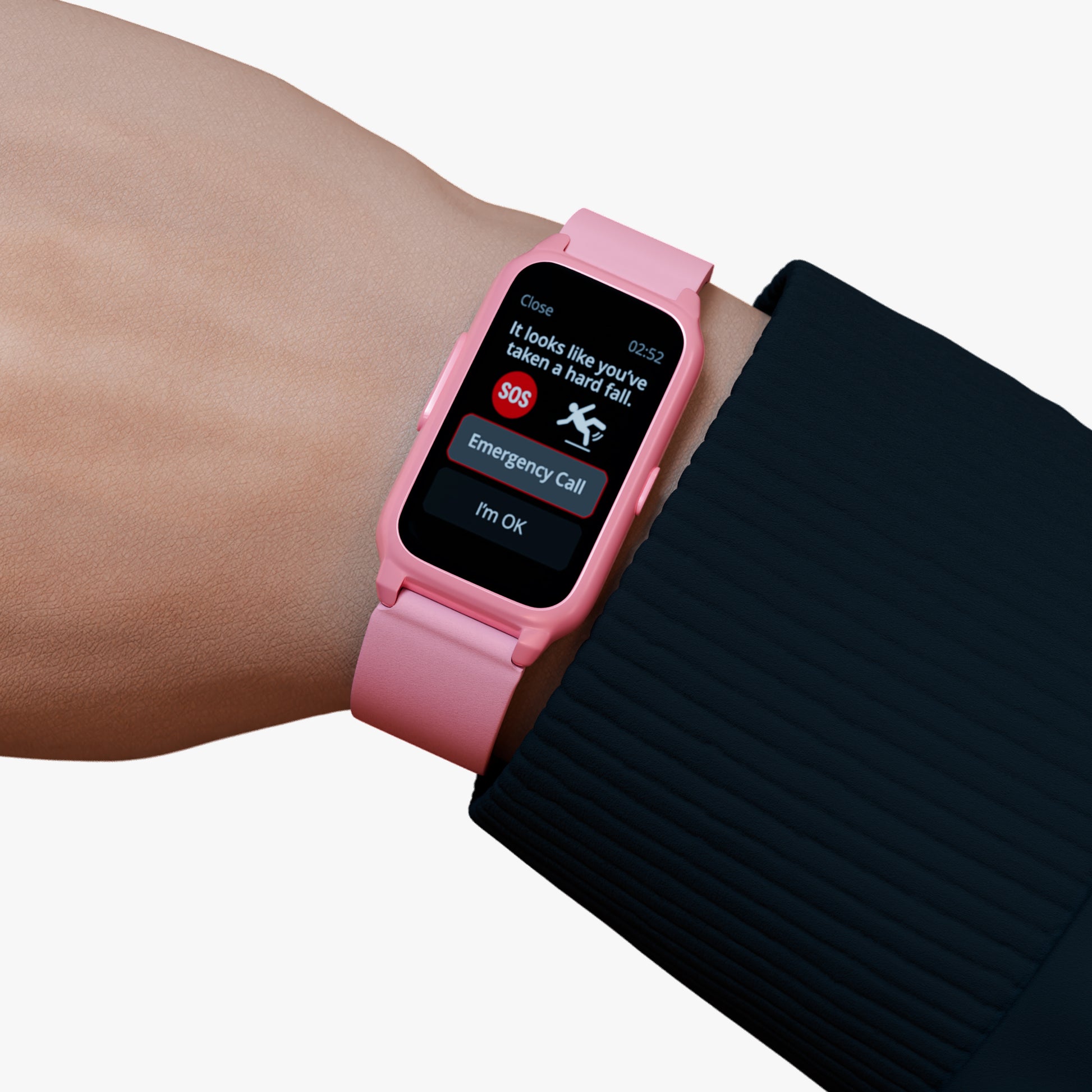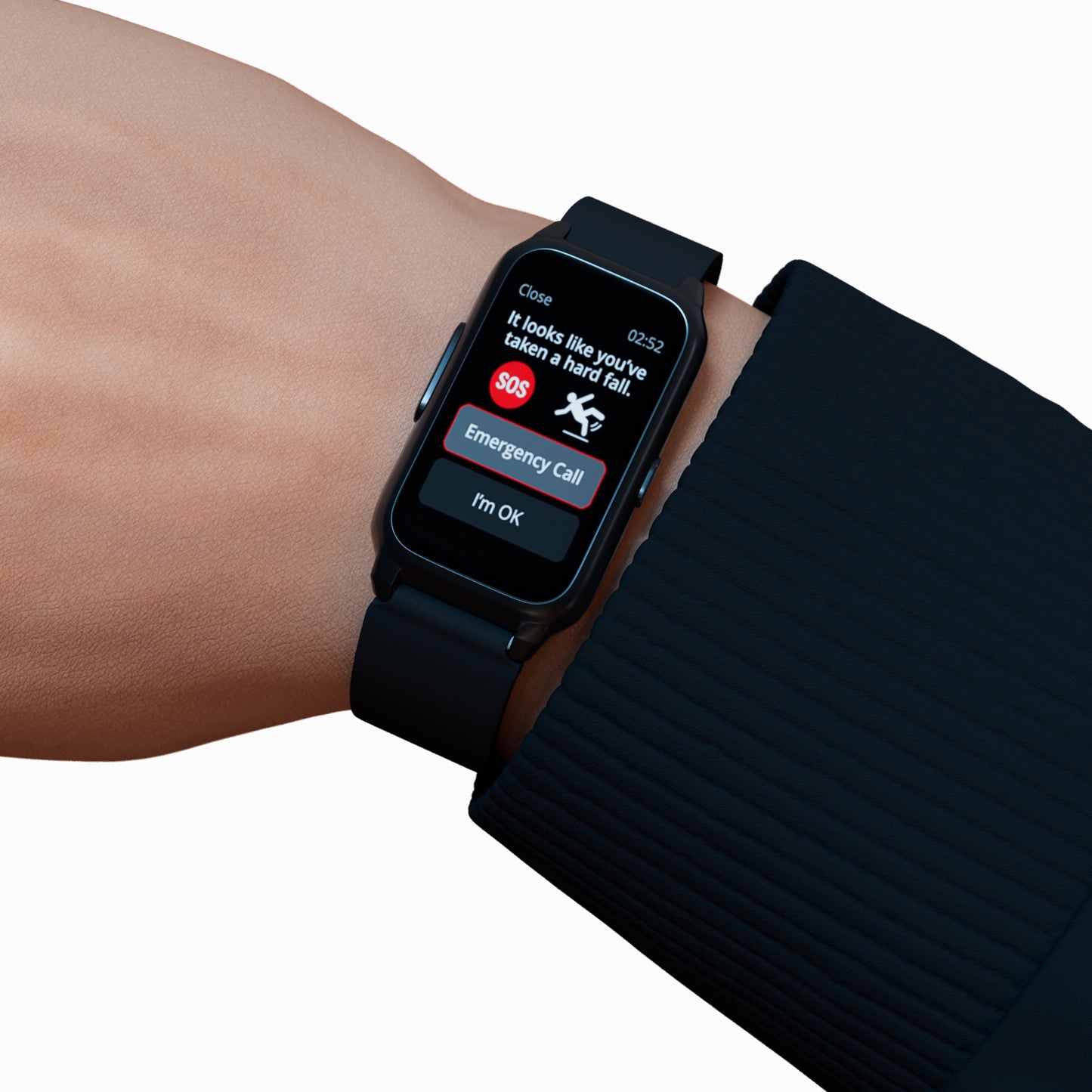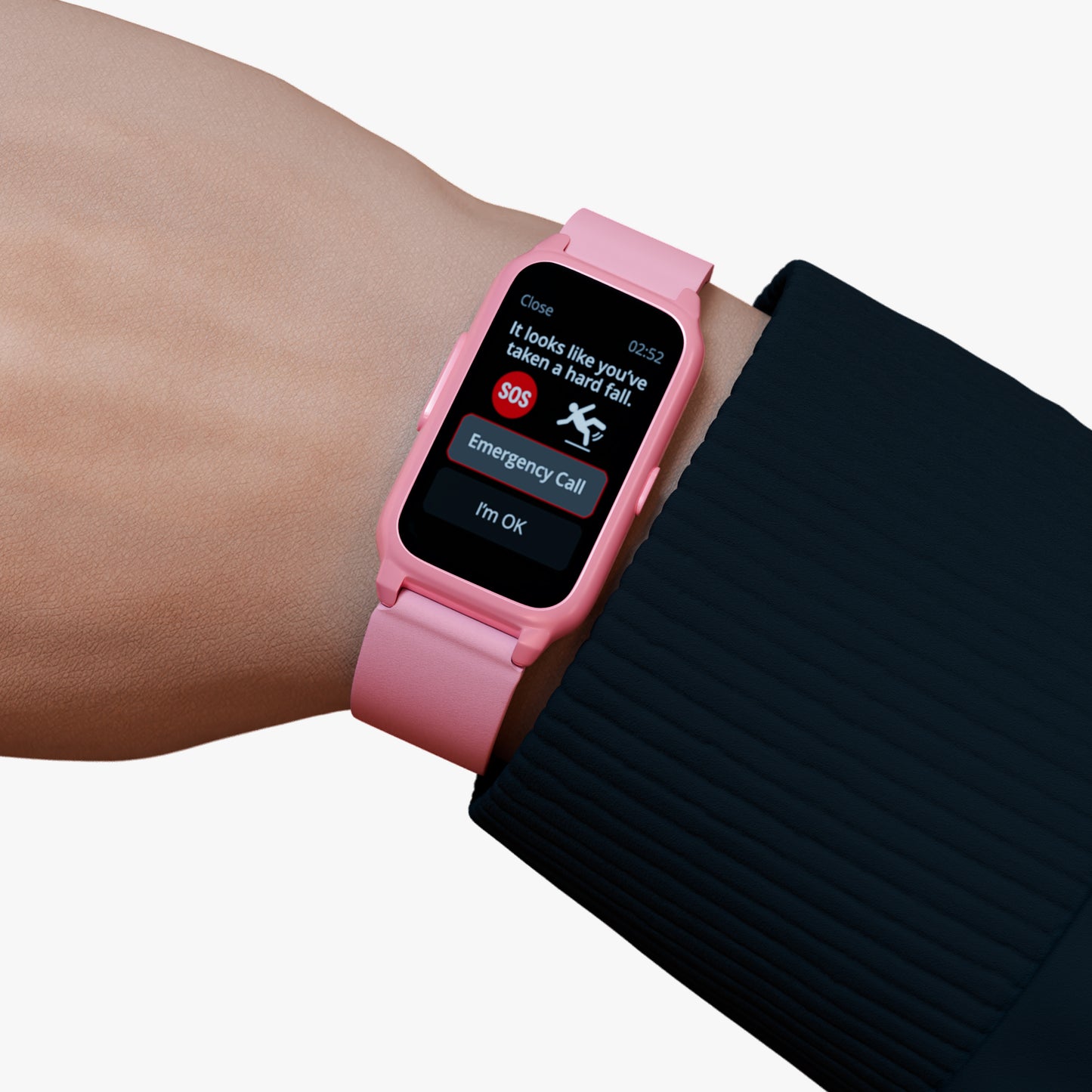

When it comes to fall detection for older Australians or anyone at risk, the better option depends on the person’s lifestyle and comfort, but non-wearable systems often provide more reliable coverage because they do not rely on the user remembering to put on a device.
Wearable systems, however, offer protection wherever the person goes, making them ideal for people who remain active. Understanding how each type works can help families choose the right fit for safety, confidence, and day-to-day convenience.

What Is Wearable Fall Detection?
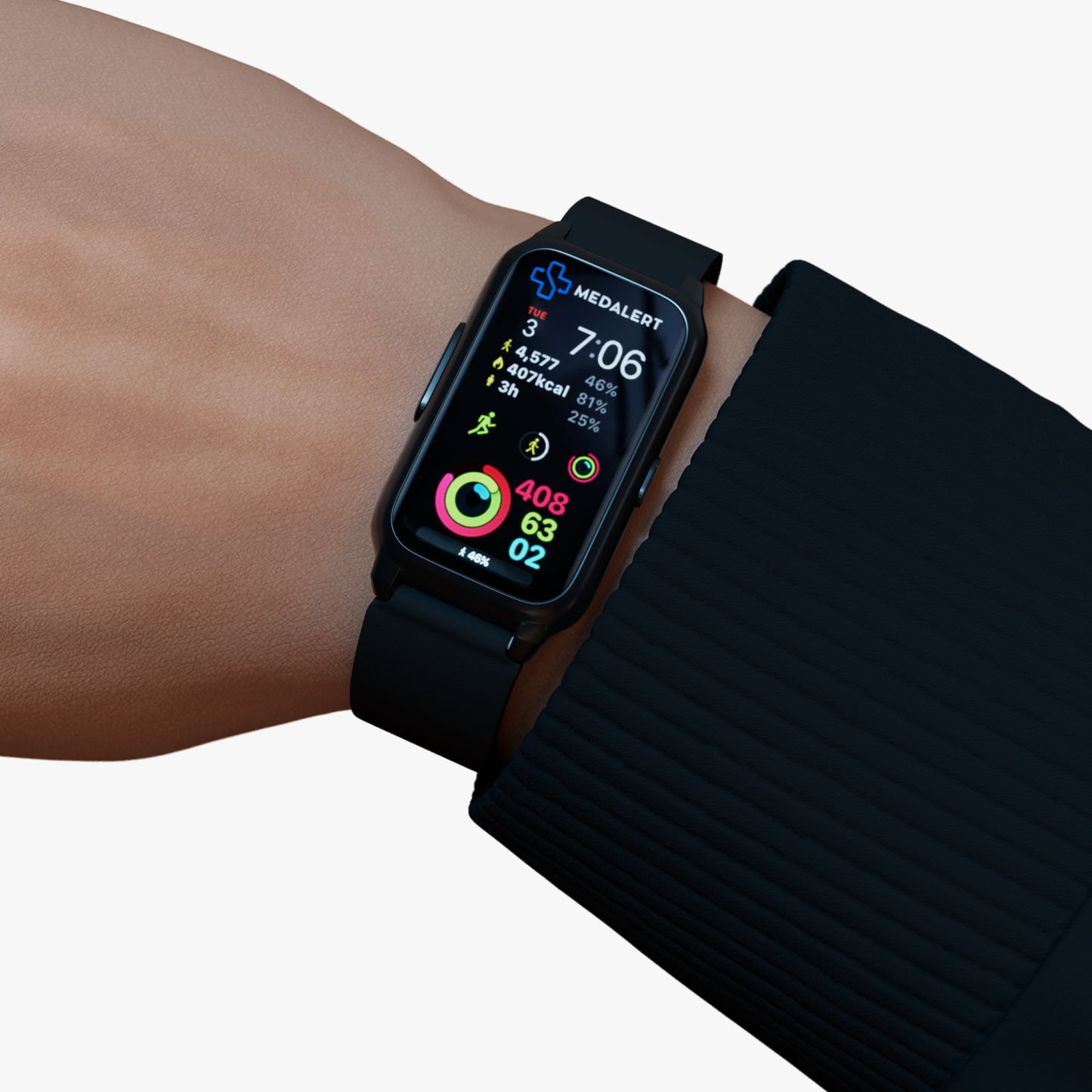
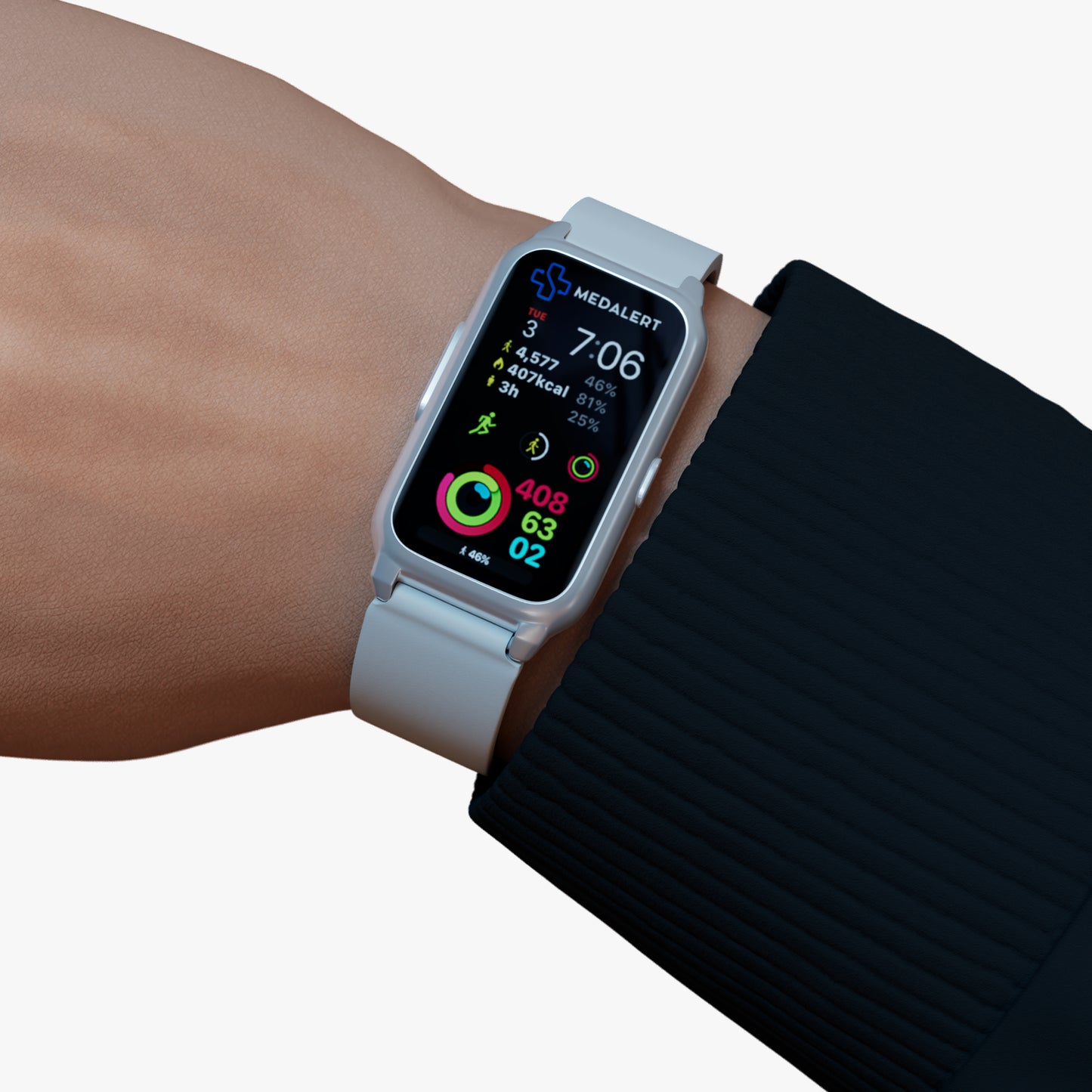
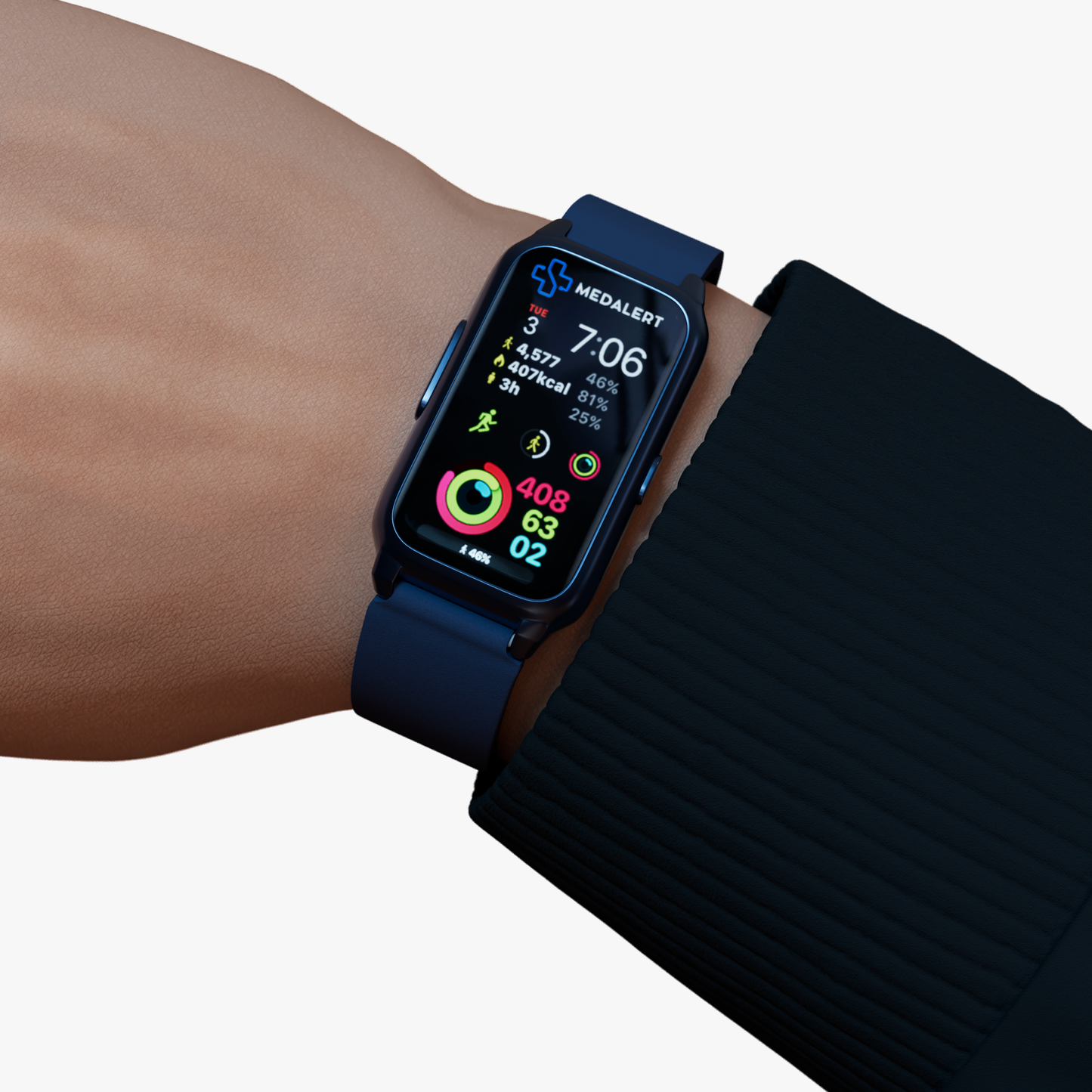
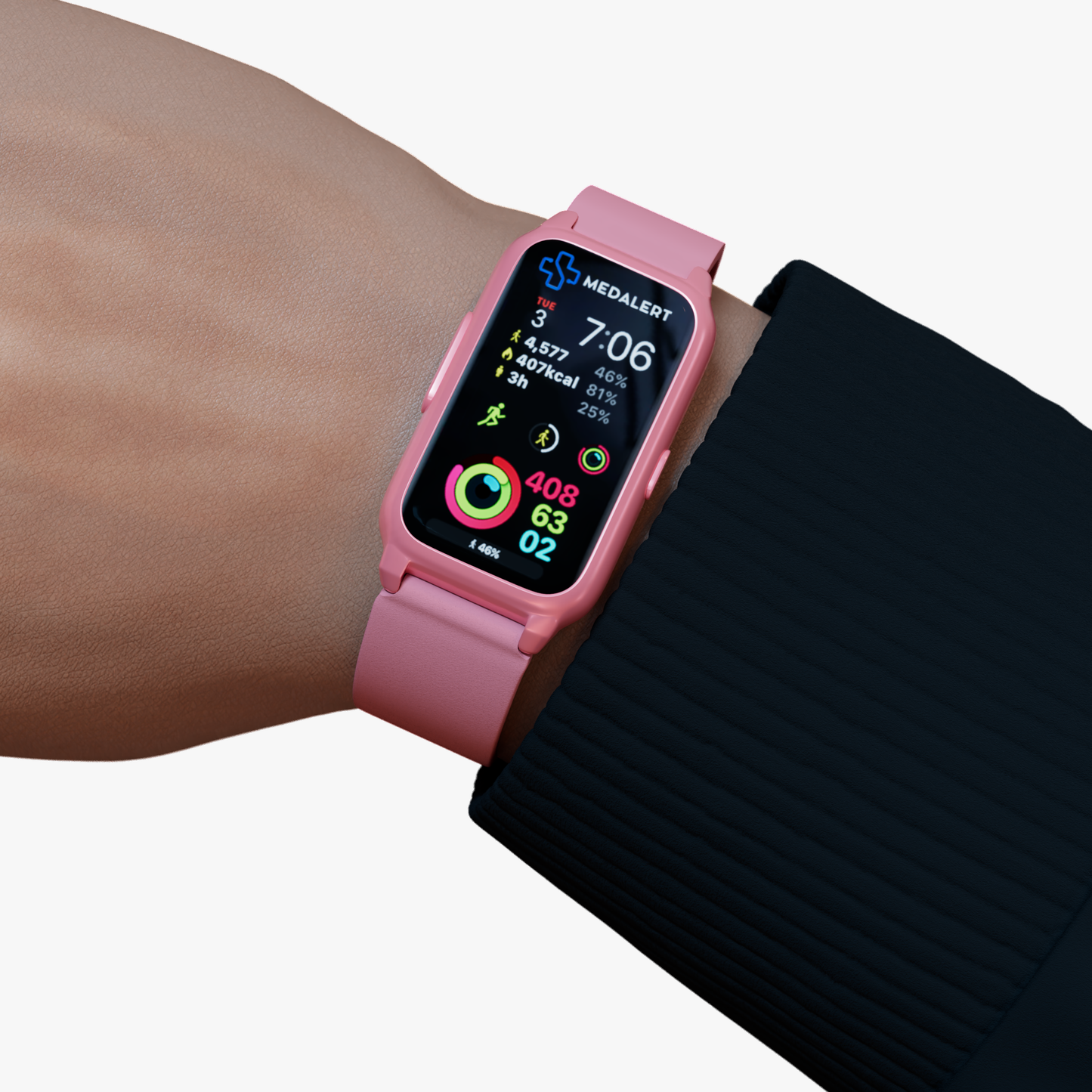
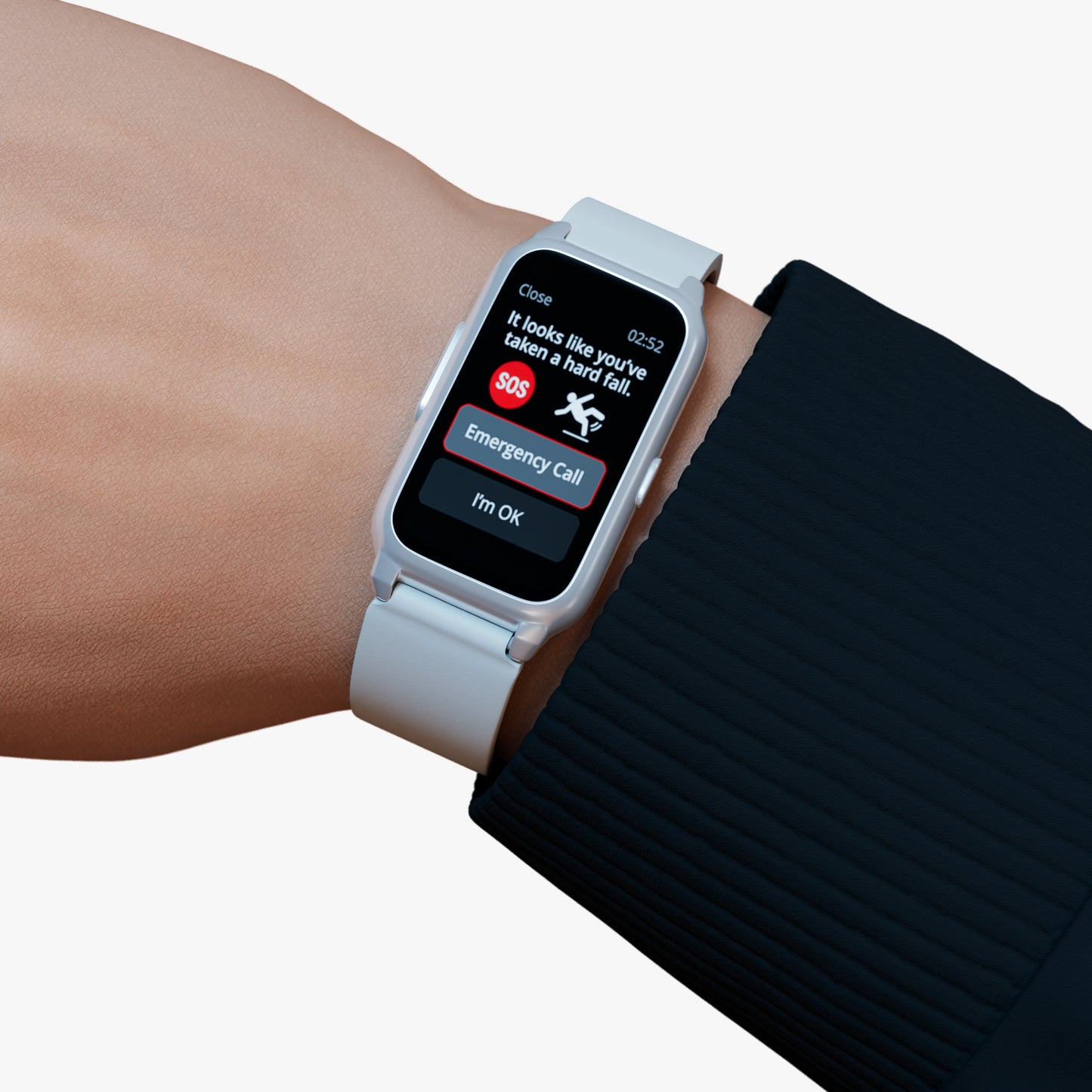
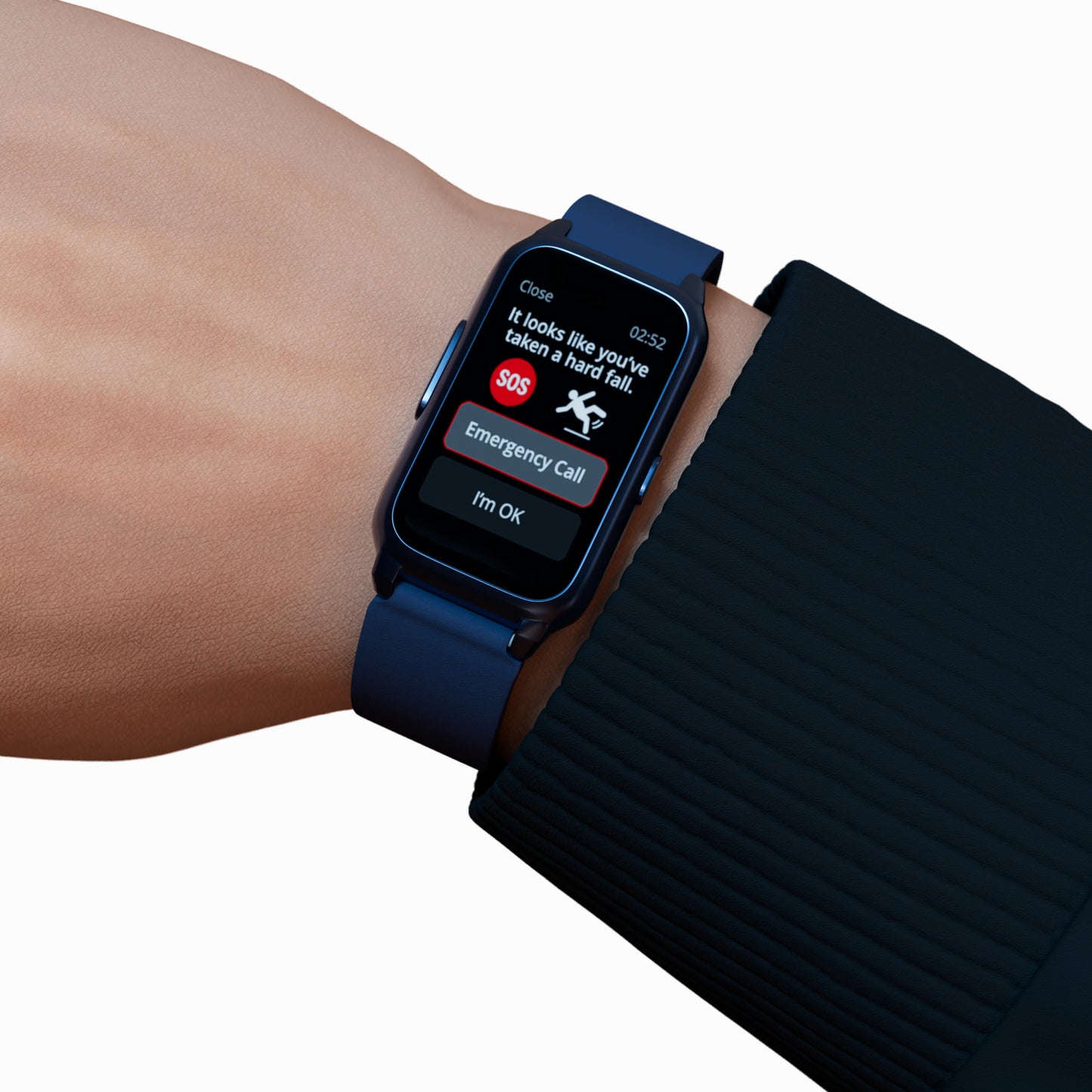
Wearable fall detection devices are small units worn on the body. They commonly come as pendants, wristbands, or clips. These devices contain sensors that detect sudden changes in movement, body position, or impact. If the device believes a fall has occurred, it can automatically trigger an alert to a monitoring centre or nominated contacts.
Because they remain attached to the person, wearable devices work both at home and outside. This makes them a strong option for individuals who enjoy outings, shopping or regular walks. They are also suitable for anyone who wants 24-hour protection while maintaining independence.
A major strength is portability. The user has protection during travel, at a neighbour’s house or even in the garden. However, the biggest challenge is compliance. If the user forgets to wear it, forgets to charge it or removes it due to discomfort, the protection is lost. For people with memory difficulties or sensory sensitivities, this can be a concern.
For families wanting a personal alarm that supports ongoing independence, MedAlert offers wearable options designed for comfort and easy daily use.
What Is Non-Wearable Fall Detection?
Non-wearable systems do not rely on the user physically wearing a device. Instead, they use sensors installed around the home. These can include radar sensors, wall-mounted devices, motion sensors or bed sensors that track changes in activity patterns.
These systems monitor the environment rather than the person. If a fall occurs within the device’s coverage area, an alert is triggered automatically. Because nothing needs to be worn, compliance issues are eliminated. This is especially valuable for older adults who prefer not to wear devices or who may forget to put them on.
Non-wearable systems often work silently in the background. There is no need for charging, no need to remember anything and no risk of discomfort. They are also discreet, which many families appreciate.
However, the main limitation is coverage. These systems only work in areas where sensors are installed. They may not protect someone in the backyard, garage or outside the property. This means they are best suited for people who primarily stay indoors.
If your loved one prefers fuss-free home monitoring, MedAlert provides non-wearable fall detection solutions designed to keep households safer without any need for daily handling.
Comparing Accuracy and Reliability
Accuracy varies depending on the technology used. Wearables rely on motion sensors, which can sometimes confuse fast movements with a fall or miss events if the fall is slow or cushioned. They also depend on the user wearing them correctly.
Non-wearable systems often use advanced sensing technology like radar or optical detection, which can improve reliability indoors. These systems also avoid the risk of the device being misplaced or left on a table.
In terms of overall consistency at home, non-wearable systems tend to have the upper hand. In terms of range and mobile protection, wearables are generally superior.
Comfort and Ease of Use
Many older Australians prefer not to wear devices for long periods. Some find wrist units restrictive, while others dislike pendants. Wearables are improving, but comfort is still a factor.
Non-wearable systems remove this concern altogether. Once installed, they require almost no user interaction.
If the user is comfortable with accessories and remembers routines well, wearables can be a great match. If not, a home-based system may be more suitable.
Cost Considerations
Wearable devices tend to be more affordable upfront. They may include a monthly fee if monitored professionally.
Non-wearable systems often involve a higher installation cost, especially if multiple rooms need coverage. However, the simplicity of use may justify the cost for families seeking worry-free monitoring.
Both options can offer good value depending on the person’s needs, mobility and level of independence.
Which Is Better Overall?
There is no single answer that suits every household, but the key points are:
🗹 Non-wearable systems are generally better for people who stay indoors and prefer zero interaction with a device.
🗹 Wearables are better for active individuals and anyone who wants protection beyond the home.
The best solution often involves combining both. A wearable can cover outdoor movement, while non-wearable sensors add extra safety indoors.
To find the right mix of personal safety solutions, reach out to MedAlert for expert guidance tailored to your lifestyle and comfort level.

The Way Forward
Choosing between wearable and non-wearable fall detection depends on lifestyle, comfort, and daily habits. For active individuals, a wearable provides protection anywhere they go.
For those who prefer simple home-based support, non-wearable systems offer effortless coverage without the need to handle devices.
If you want dependable fall detection for yourself or a loved one, contact MedAlert today for personalised recommendations and expert assistance.