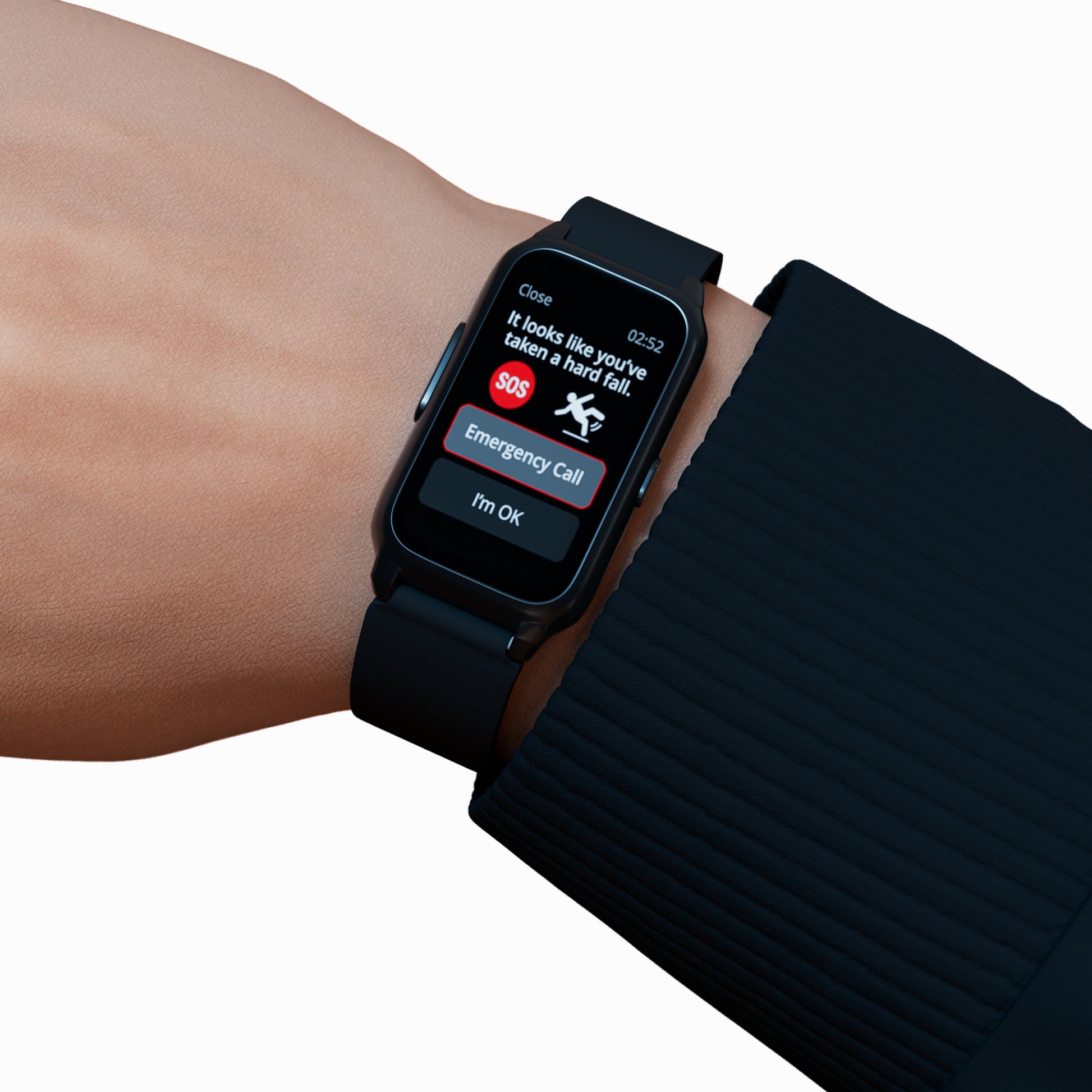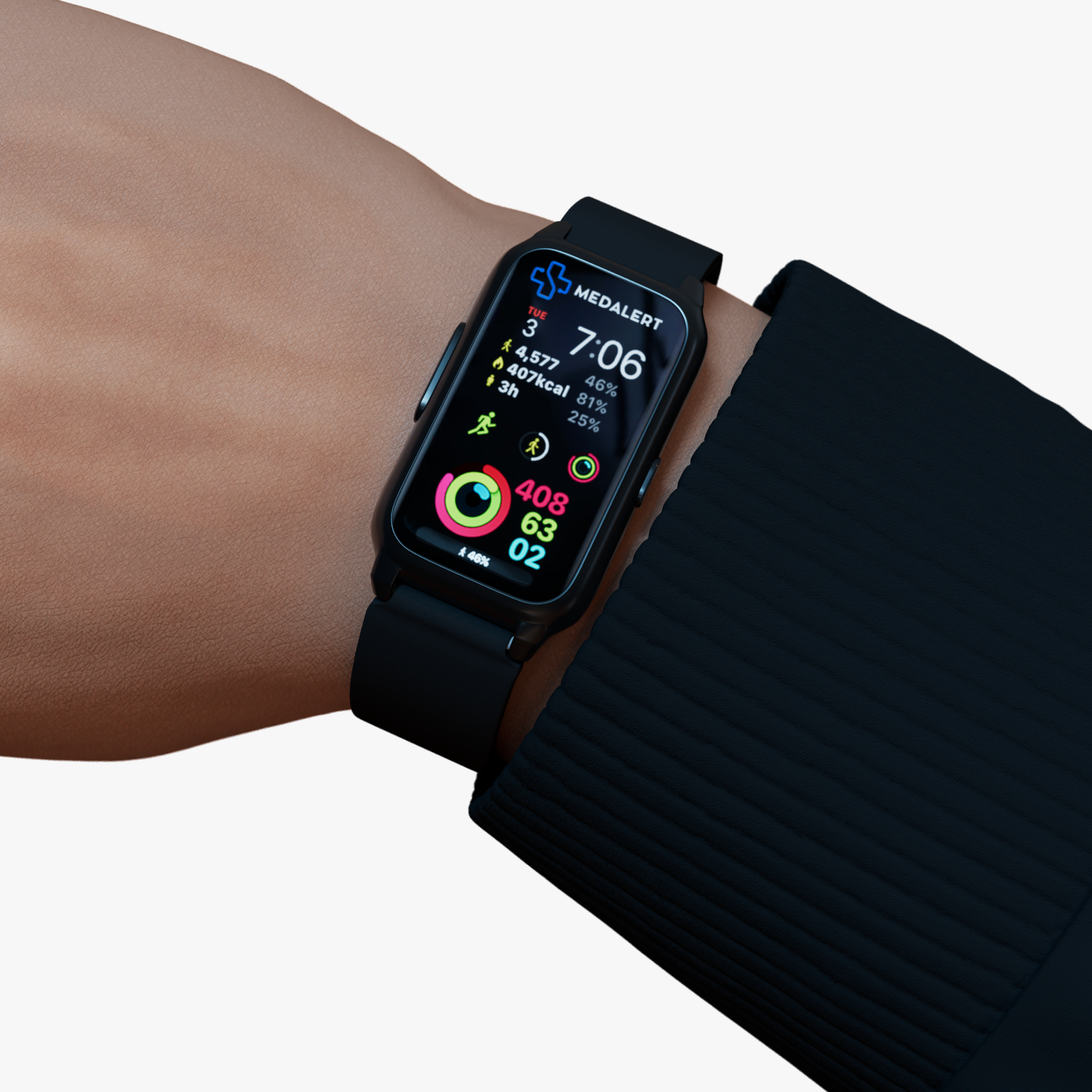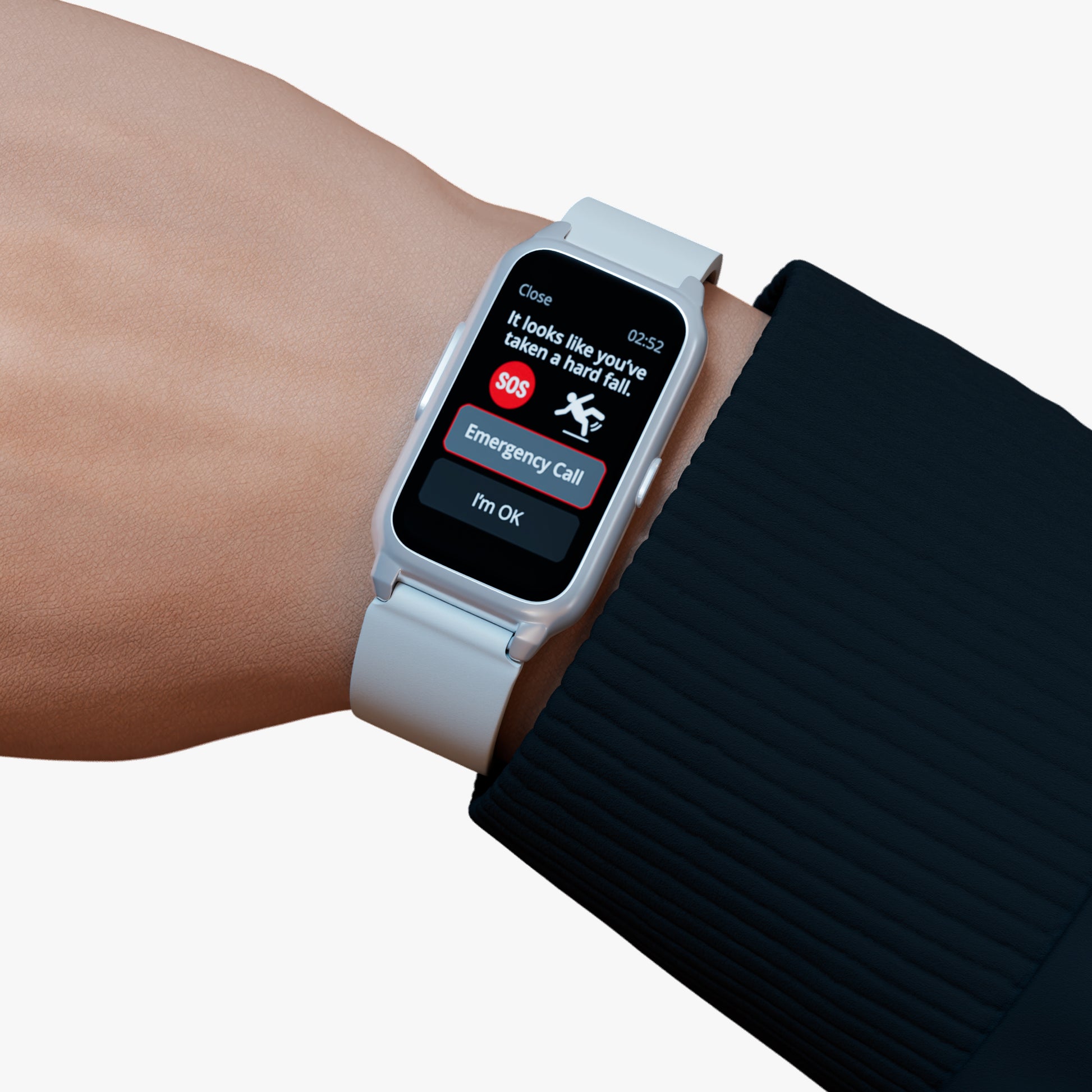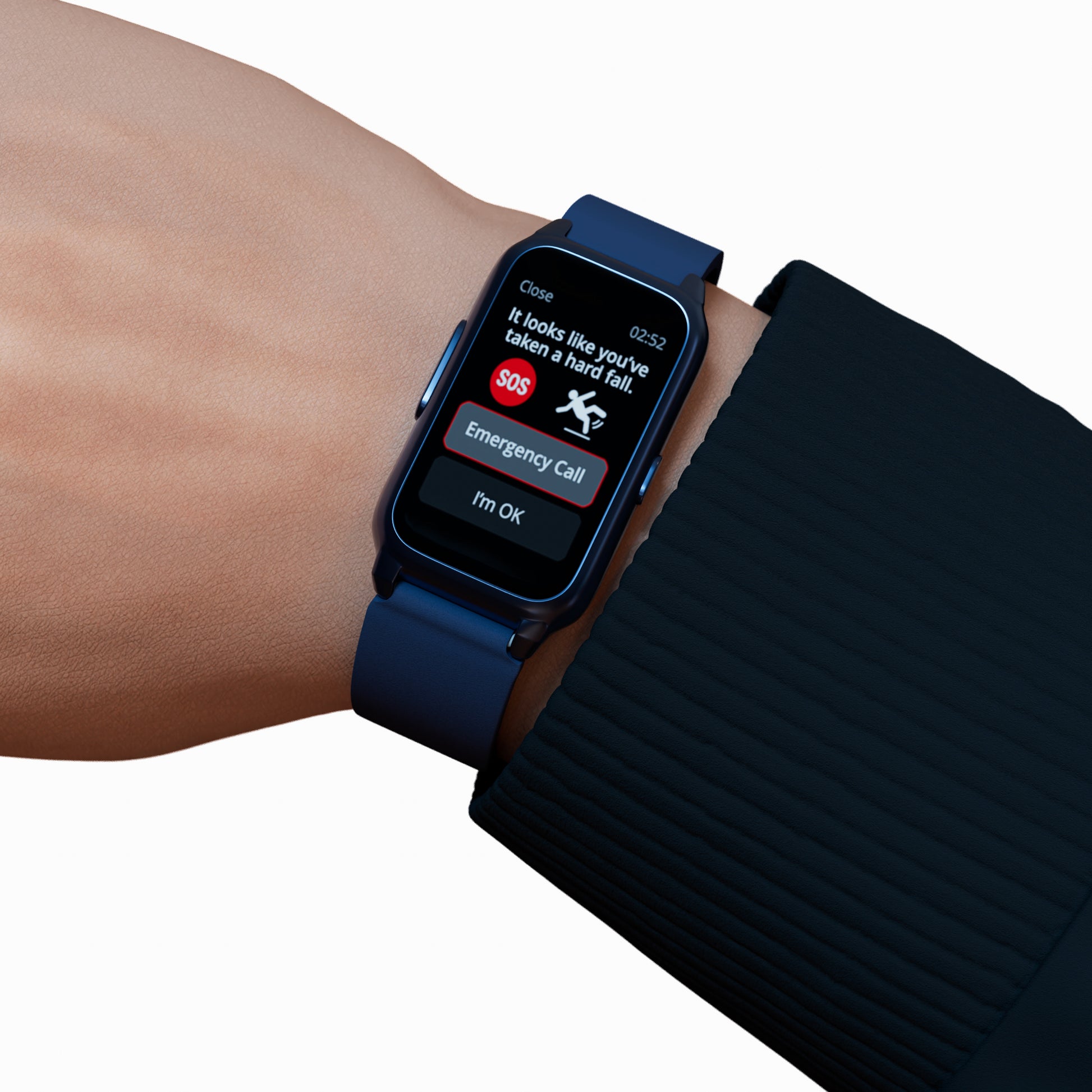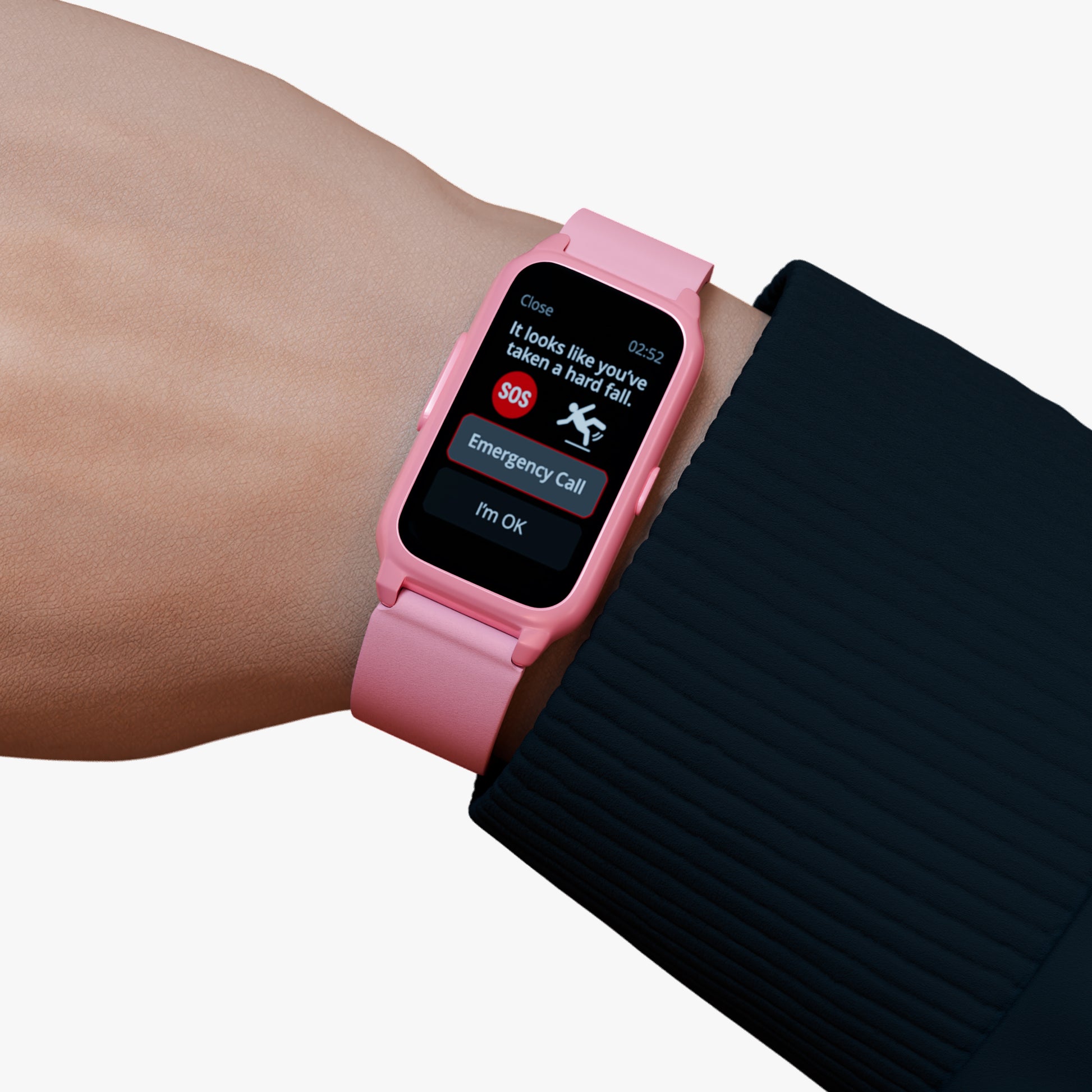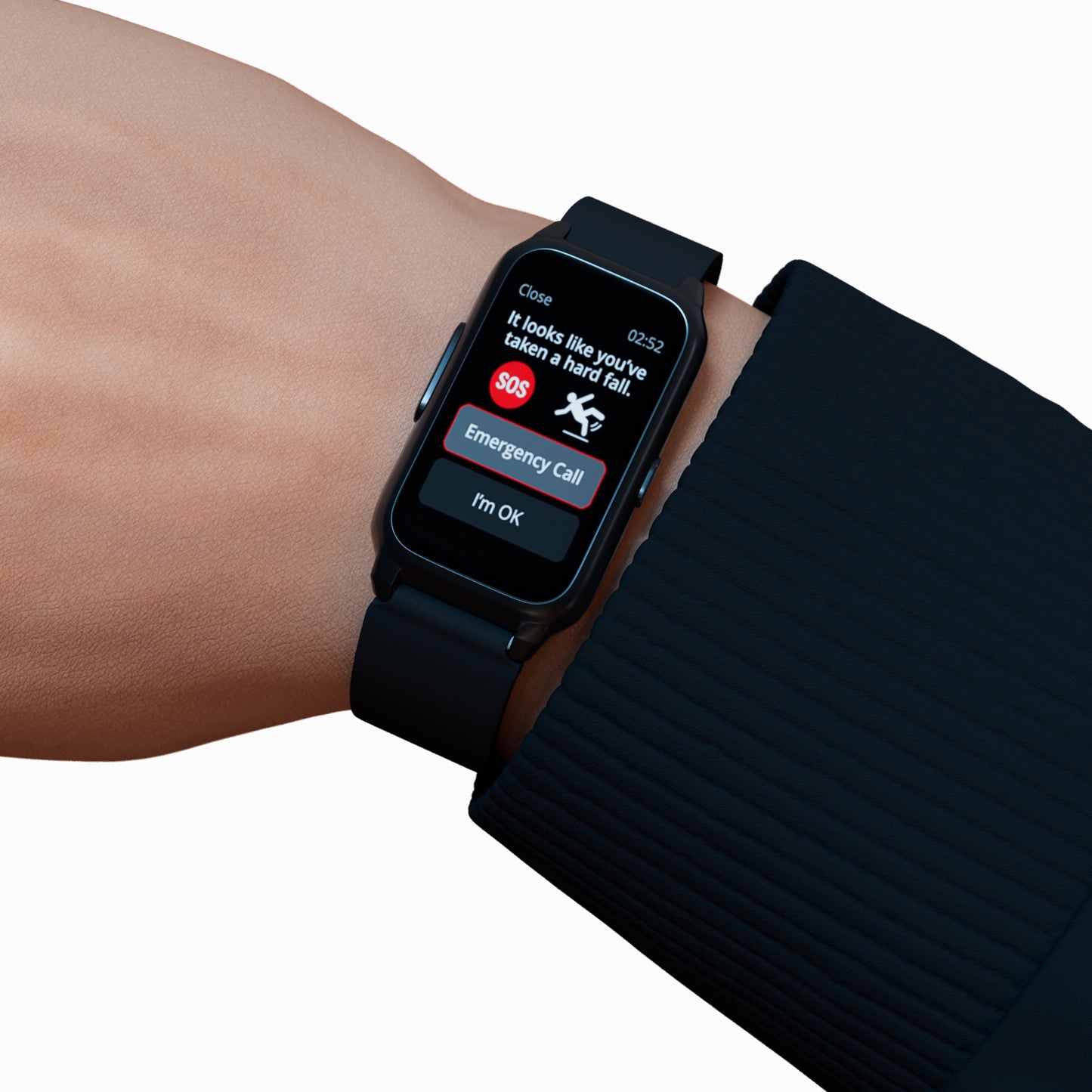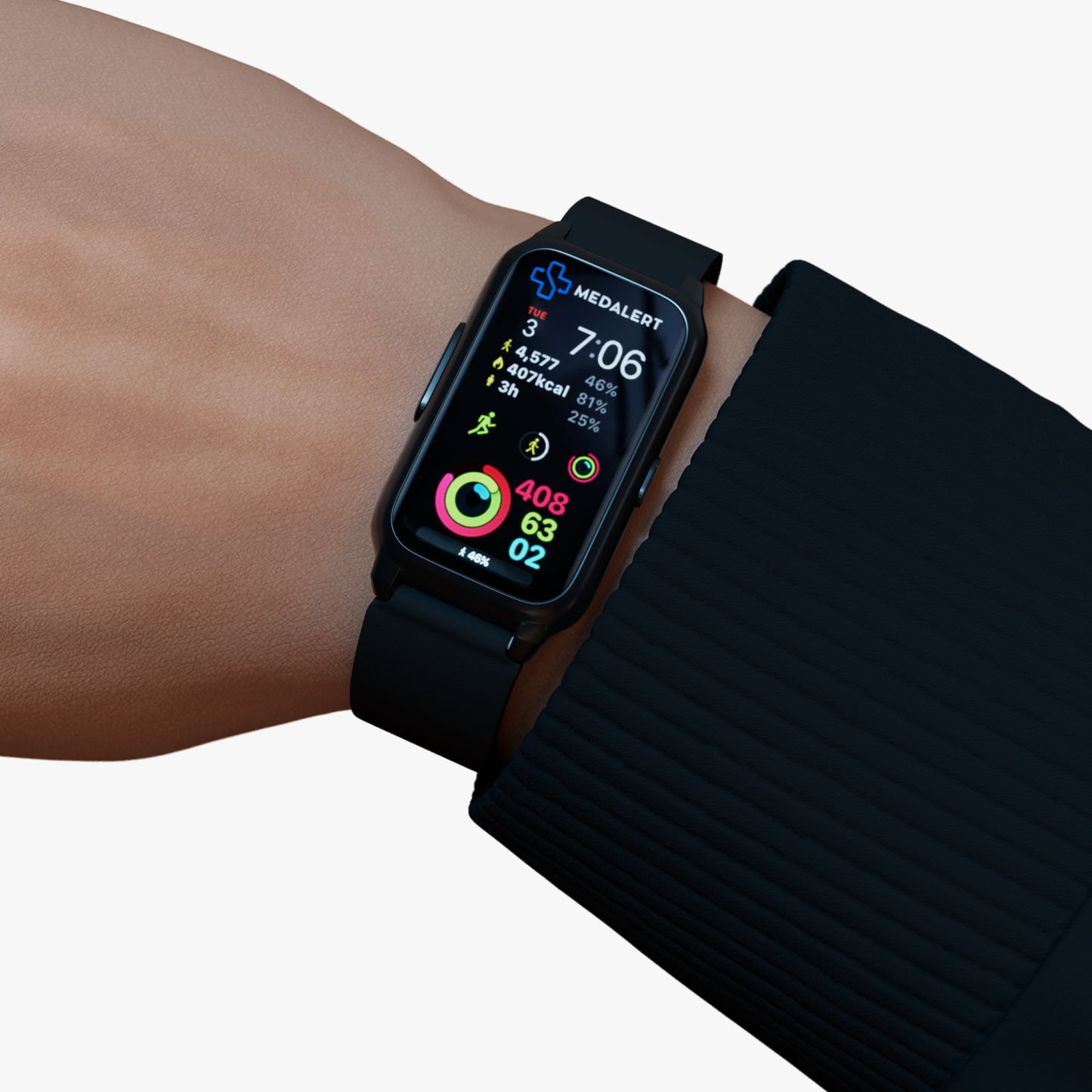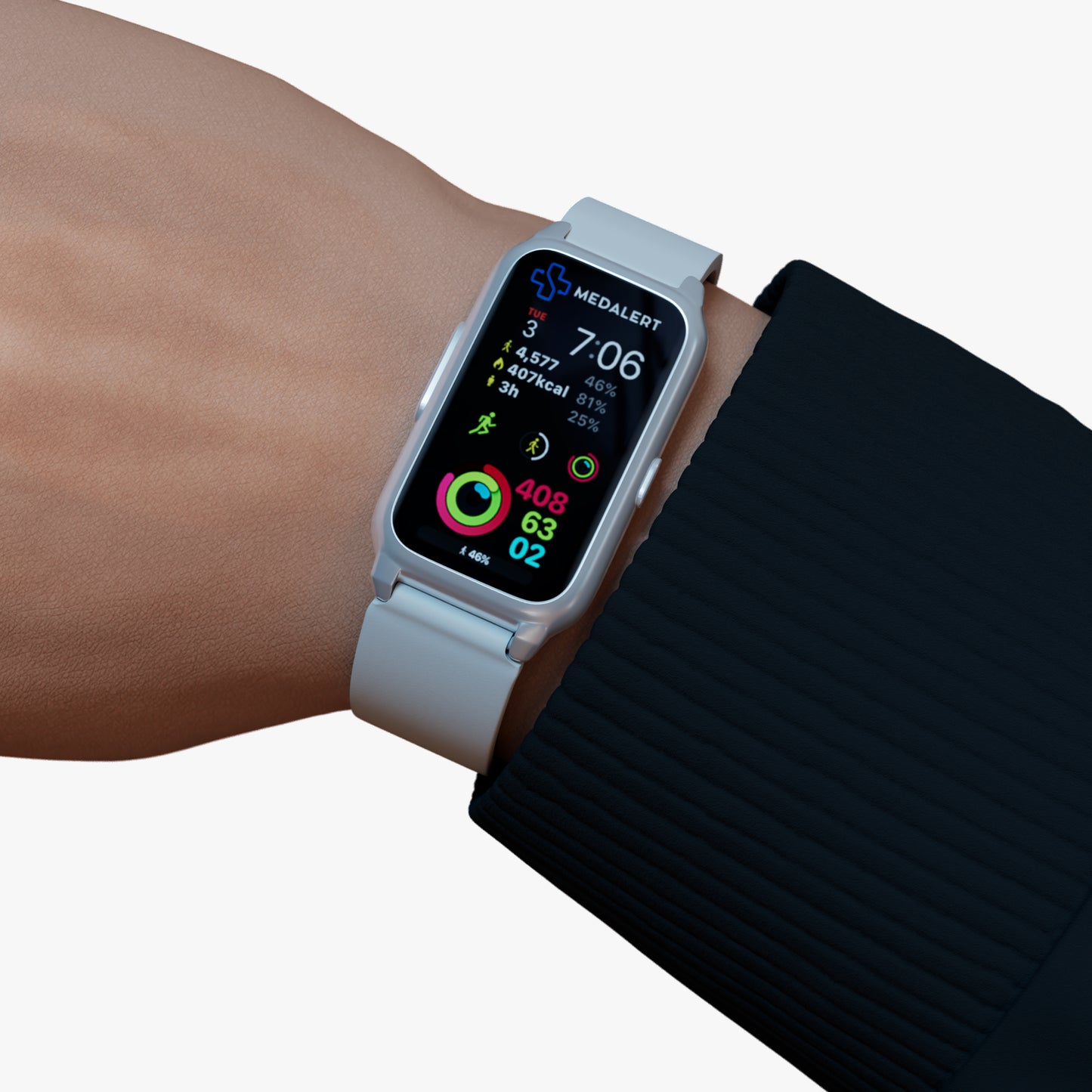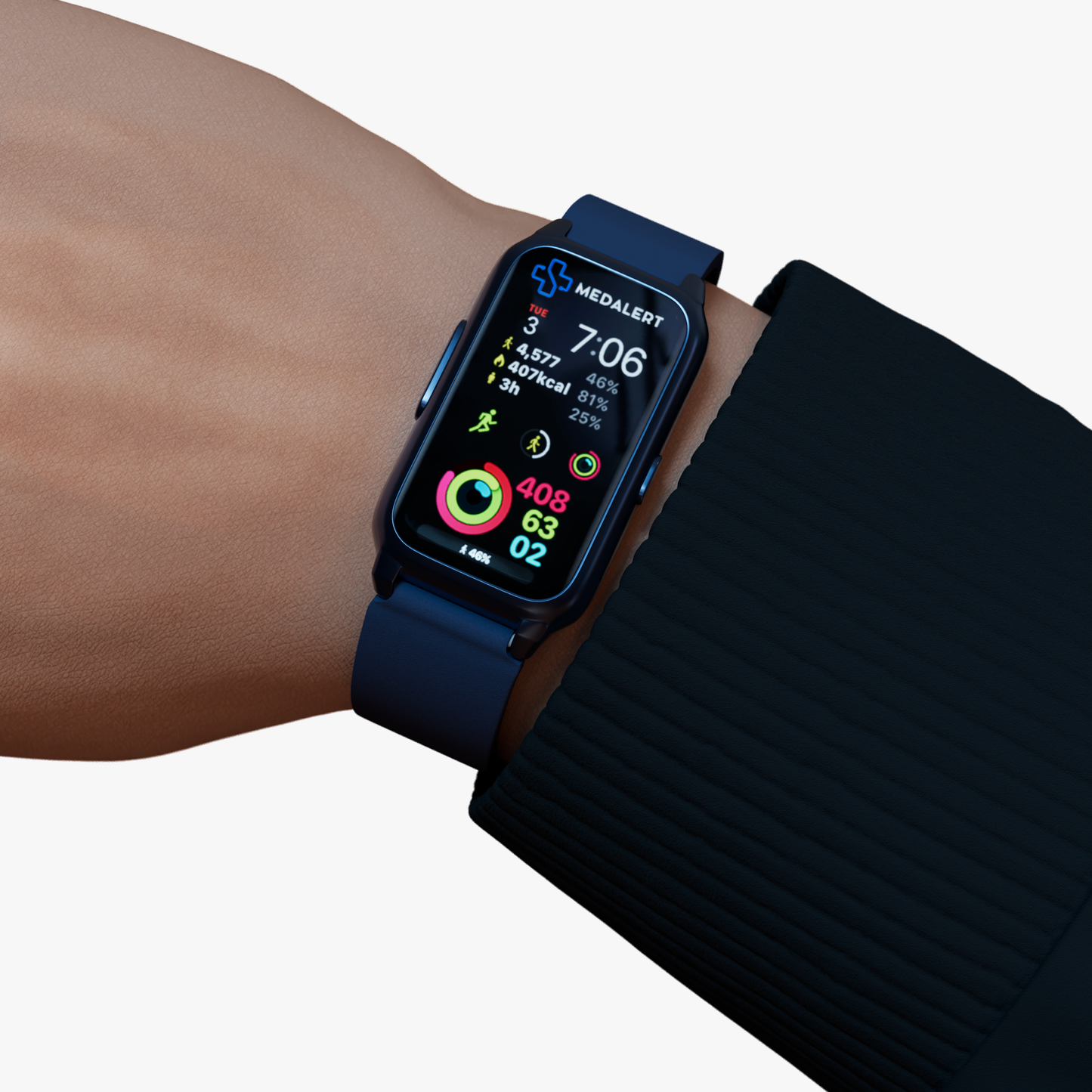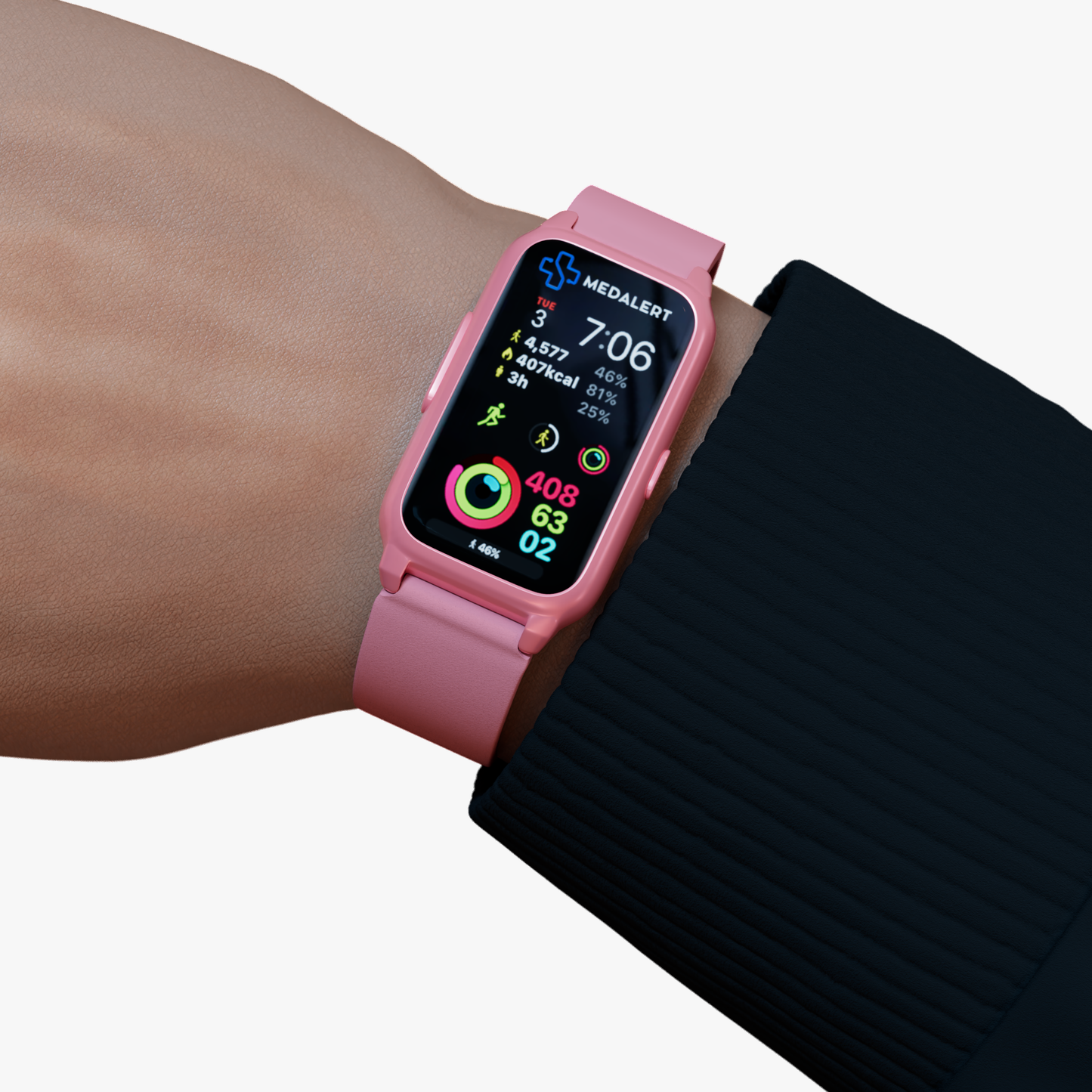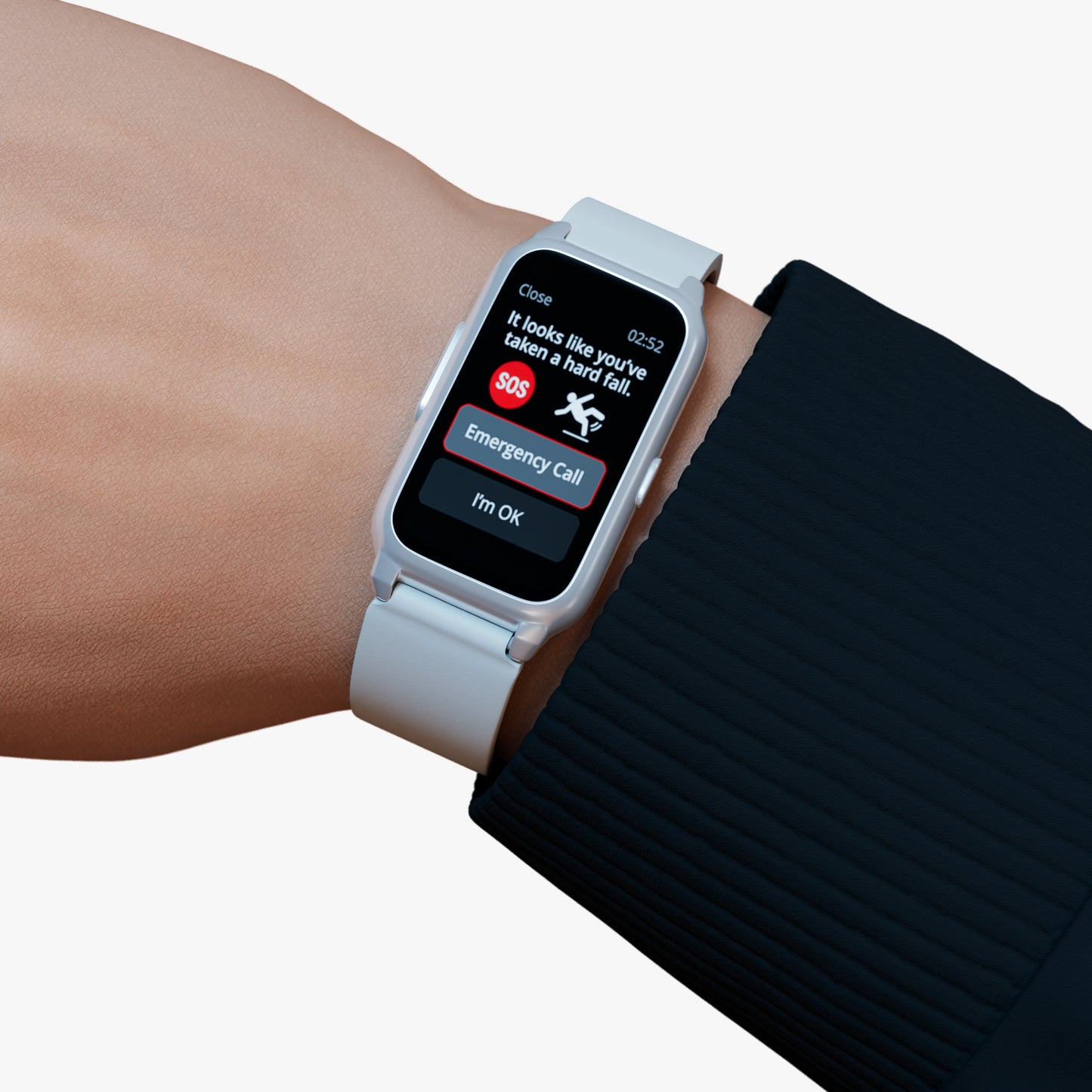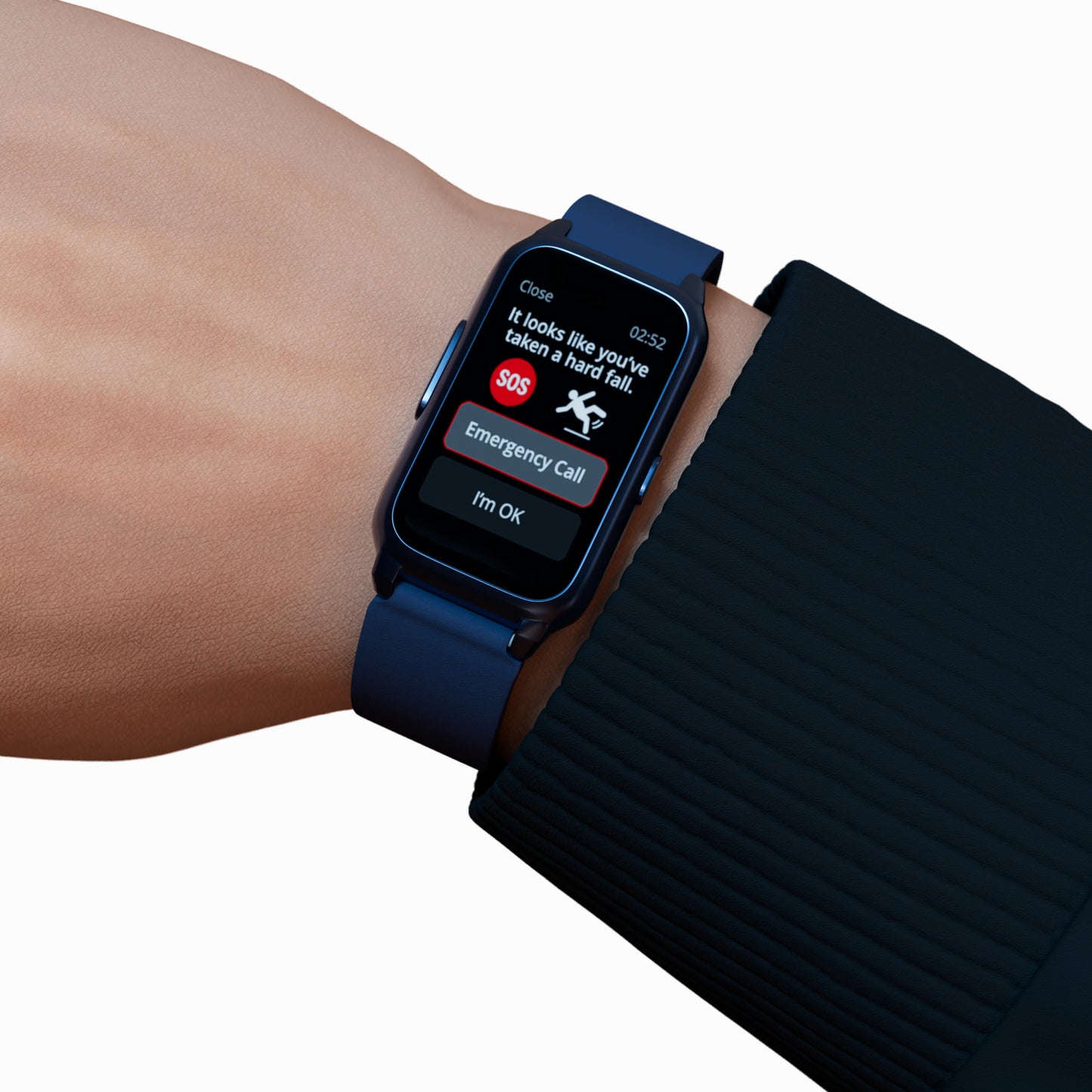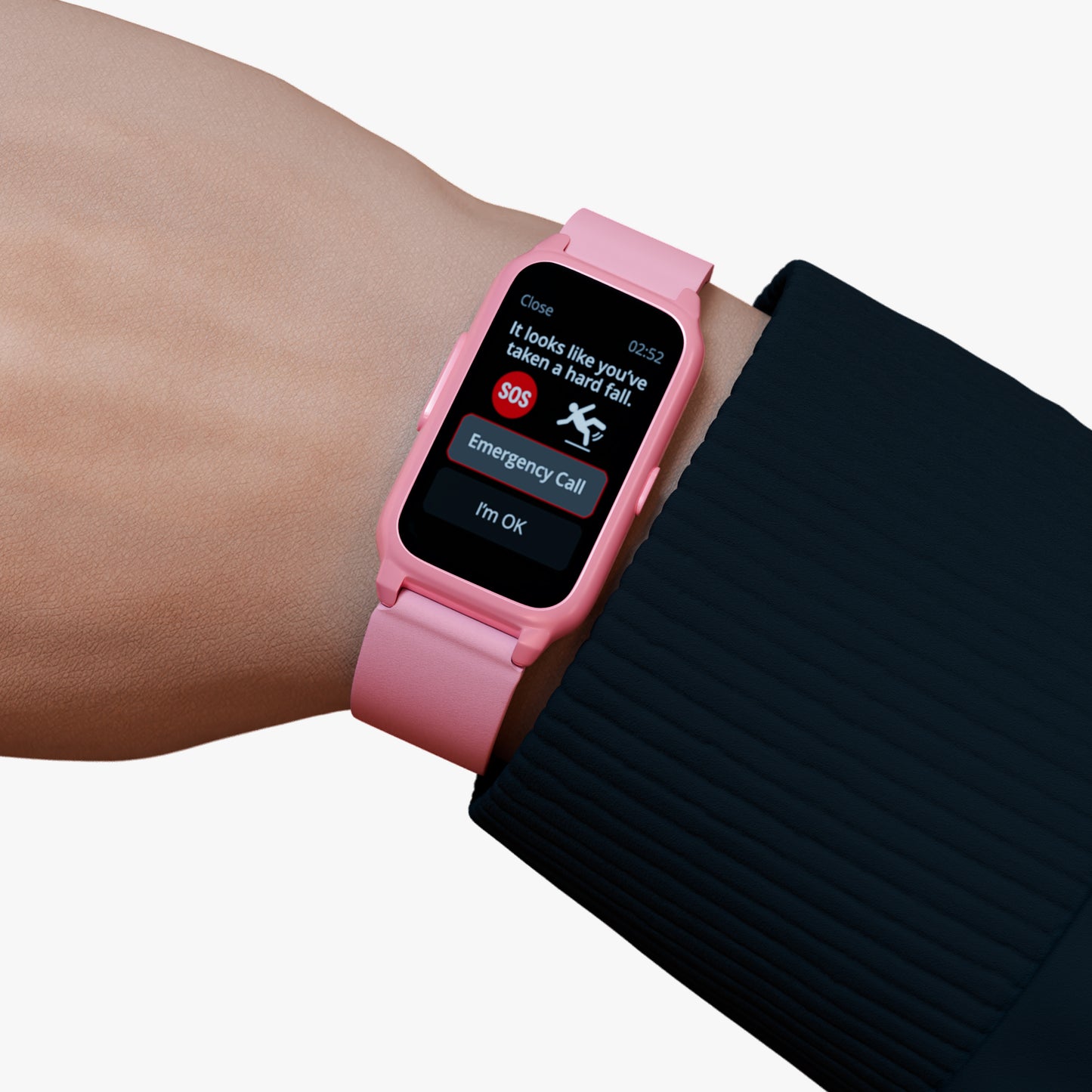

A fall can happen during an ordinary part of the day, which is why many families look for practical ways to support senior safety. A fall detection watch can provide another way to send an alert when a fall is detected. However, devices can differ in how they detect falls, how they send alerts, and what other features they include.
MedAlert offers a wearable medical alert device that combines automated fall detection with GPS tracking, an emergency alert button, two-way communication, geo-fence notifications, heart rate monitoring and activity tracking. Understanding these features can help families compare different types of fall detection devices without focusing on one function alone.
Why Fall Detection Devices Are Different
The main difference between fall detection devices is how they are worn and what happens after a fall is detected. Some products focus mainly on an emergency button. Others combine automatic detection with location features and communication.
For seniors, this difference can matter during an emergency. A device that detects a fall can provide another way to send an alert when the wearer does not press a button. At the same time, GPS and communication features can provide more information after the alert is sent.
A fall detection alarm is therefore not only about detecting movement. It is also worth considering what the device does next. MedAlert can automatically send an alert when a fall is detected, while its GPS function can provide location information and its two-way calling feature can connect the wearer with set phone numbers.
Wearable Watches and Personal Alert Devices
Wearable medical alert products can come in different formats. MedAlert's medical alert watch is worn on the wrist, keeping the emergency button and other functions close to the wearer. For someone who prefers a watch-style device, this can fit naturally into a daily routine.
A fall detection watch can also provide automatic detection, so the wearer does not always need to press a button when a fall occurs. MedAlert includes an emergency button as well, giving the wearer a manual way to send an alert.
Another option in the MedAlert range is a personal medical alarm pendant. The pendant includes GPS positioning, fall detection and an SOS alert button. This gives families another wearable format to consider when deciding which type of personal alarm suits the wearer. This can help daily use.
How Automatic Fall Detection Works
Automatic fall detection is designed to recognise abrupt movement associated with a fall. MedAlert explains that its device can sense abrupt movements and automatically send an alert when a fall is detected.
This differs from relying entirely on a manual emergency button. A person who falls may not be able to press a button immediately. Automatic detection provides another way for an alert to begin.
When MedAlert detects a fall, an automatic alert is sent. Its other features can then support the alert process. GPS can provide location information, while two-way communication can connect the wearer with selected phone numbers.
When comparing devices, it is useful to look at the complete process rather than the detection feature by itself. The way a device handles an alert after detection is part of the overall safety experience.
The Role of the Emergency Button
Automatic detection is useful, but a manual emergency button also has an important role. Not every emergency involves a fall. A wearer may need assistance for another reason and may want to contact their selected phone numbers directly.
MedAlert includes an easy-to-press emergency button. Its instructions explain that pressing the SOS button for around three seconds connects the wearer to set phone numbers. If an accidental alert is sent, it can be cancelled by pressing the SOS button again.
This gives the wearer two ways to raise an alert. The device can respond to a detected fall, or the wearer can start an alert manually.
When comparing devices, it is worth checking both options. Automatic detection and a manual emergency button serve different purposes, so having both can make the device more versatile.
GPS Adds Location Information
Location can be another important feature when comparing medical alert devices. When an alert is sent, location information can help selected contacts understand where the wearer is.
MedAlert's device includes GPS tracking. The company explains that its GPS capabilities can share the wearer's location with its support team when an emergency occurs. The website also describes GPS positioning as a feature that can help caregivers and family members track a loved one.
This can be useful for seniors who move between different locations during the day. GPS can connect an alert with location information instead of treating the two functions as separate parts of the safety process.
Families comparing devices can therefore look at whether GPS is included and how it works with the alert system. This provides a clearer picture of what the device can offer during an emergency.
Two-Way Communication After an Alert
An alert is only one part of the process. Communication can also matter because the wearer may need to explain what happened or speak with a selected contact.
MedAlert devices include two-way calling. When an emergency alert is triggered, the device can connect with set phone numbers. This allows the wearer to communicate directly rather than relying only on an alert notification.
For families, this can be useful because a detected fall does not always explain the full situation. The wearer can speak with a contact after the alert and provide information through the device.
When comparing the best medical alert watch with fall detection, communication is worth considering alongside automatic detection. The alert feature and the communication feature work together as part of the same process.
Geo-Fence Notifications
Location features can also be used for notifications outside an emergency. MedAlert includes geo-fence notifications as one of its device features.
A geo-fence allows secure zones and limits to be created. If the wearer moves beyond a designated area, the device can send a warning.
This is different from automatic fall detection. Fall detection focuses on movement that may indicate a fall, while geo-fence notifications relate to movement beyond a selected area.
For families and caregivers, the two features can provide different types of information. They should still be considered separately because they serve different purposes within the device.
What to Look for When Comparing Devices
A practical comparison should begin with the reason the device is needed. If automatic fall alerts are important, check whether the device offers automatic fall detection and how it handles a detected fall.
Next, consider the manual emergency button. It provides another way to raise an alert when the situation does not involve a fall. GPS is also worth considering if location information is part of the safety needs.
Communication is another point to review. Two-way calling can allow the wearer to speak with selected contacts after an alert. Other features, such as geo-fence notifications, reminders and battery warnings, may also matter to someone who plans to wear the device every day.
A senior safety watch can bring several of these functions into one wearable format. The useful comparison is not simply which device has the longest feature list, but whether the included functions match the wearer's routine.
Understanding MedAlert's Fall Detection Features
MedAlert's fall detection watch is designed for seniors and individuals with disabilities. It combines automated fall detection with GPS tracking, an emergency alert button and two-way communication.
The device also includes geo-fence notifications, heart rate monitoring, activity tracking, reminder alarms, a battery level warning and a locator feature. This gives users several functions within one wearable device.
You can review the specific features of the fall detection watch before deciding whether the watch format fits the wearer's needs.
The main point when comparing devices is to understand what each feature does and how the features work together. A feature list can help, but the complete alert process is also important.
For more information about MedAlert's fall detection devices and their features, please Contact us.
Frequently Asked Questions
What is a fall detection watch?
This type of wearable device can detect a fall and send an alert. MedAlert's watch also includes GPS tracking, an emergency button and two-way communication.
How does a fall detection alarm work?
A fall detection alarm can automatically send an alert when the device detects movement associated with a fall. MedAlert also provides a manual SOS button for emergencies.
What should I look for in a medical alert watch?
Look at automatic fall detection, the emergency button, GPS, communication and other features that fit the wearer's routine. MedAlert combines these functions in a wearable watch.
Does MedAlert offer GPS with fall detection?
Yes. MedAlert's device includes GPS tracking alongside automated fall detection. Its GPS feature can provide location information when an alert is triggered.
Can I learn more about MedAlert's devices?
Yes. You can review the available features and device options on the MedAlert website. If you need more information about the products, you can contact the MedAlert team.