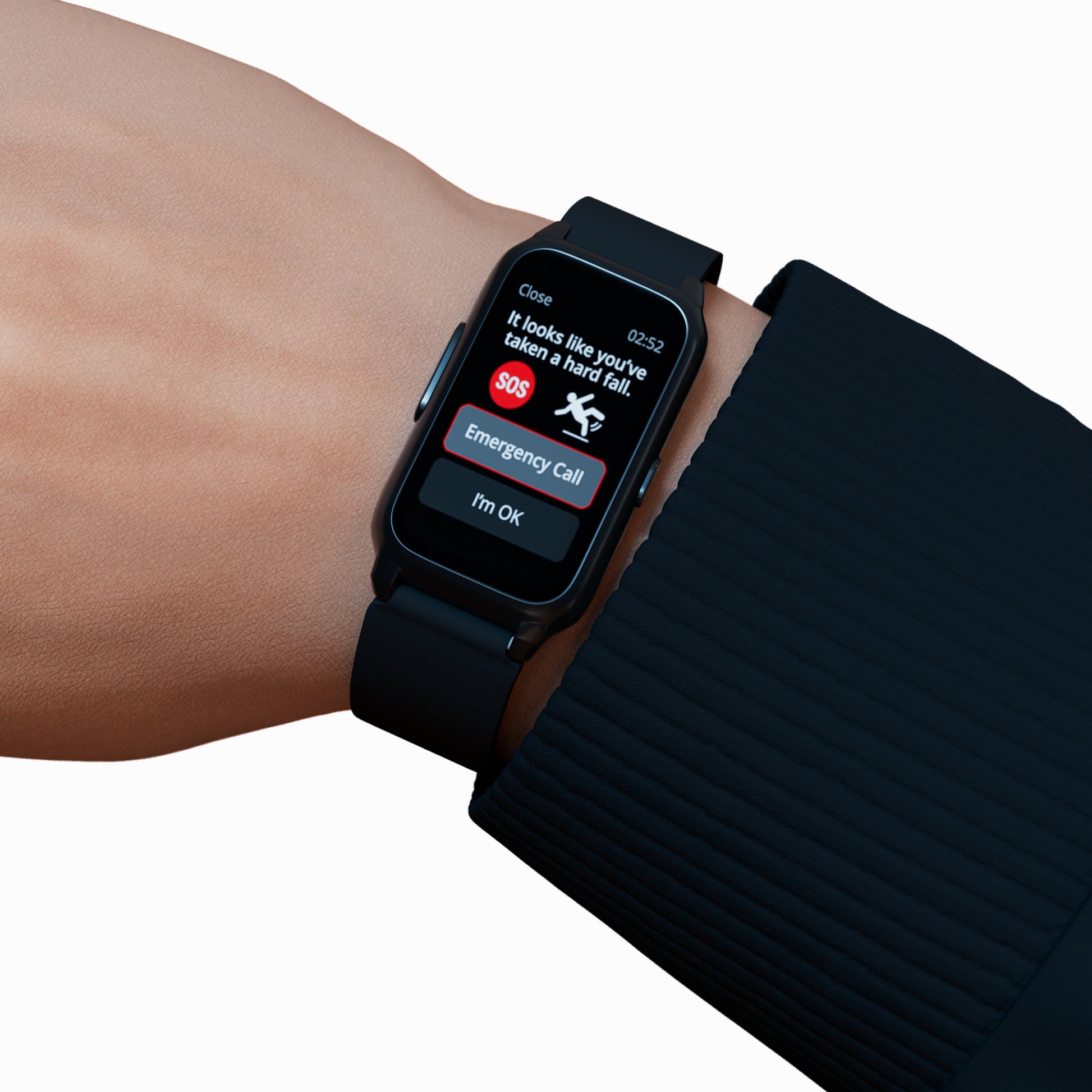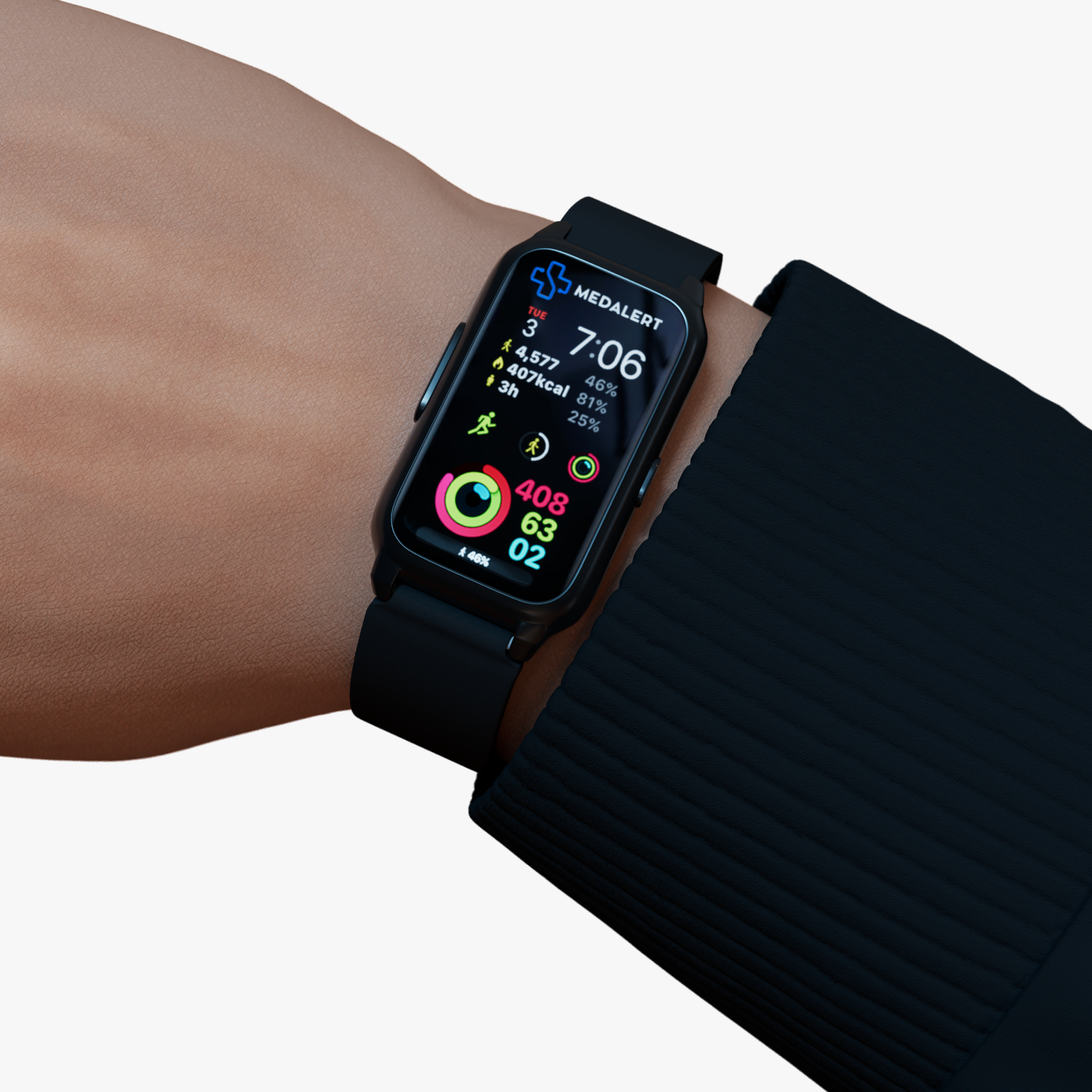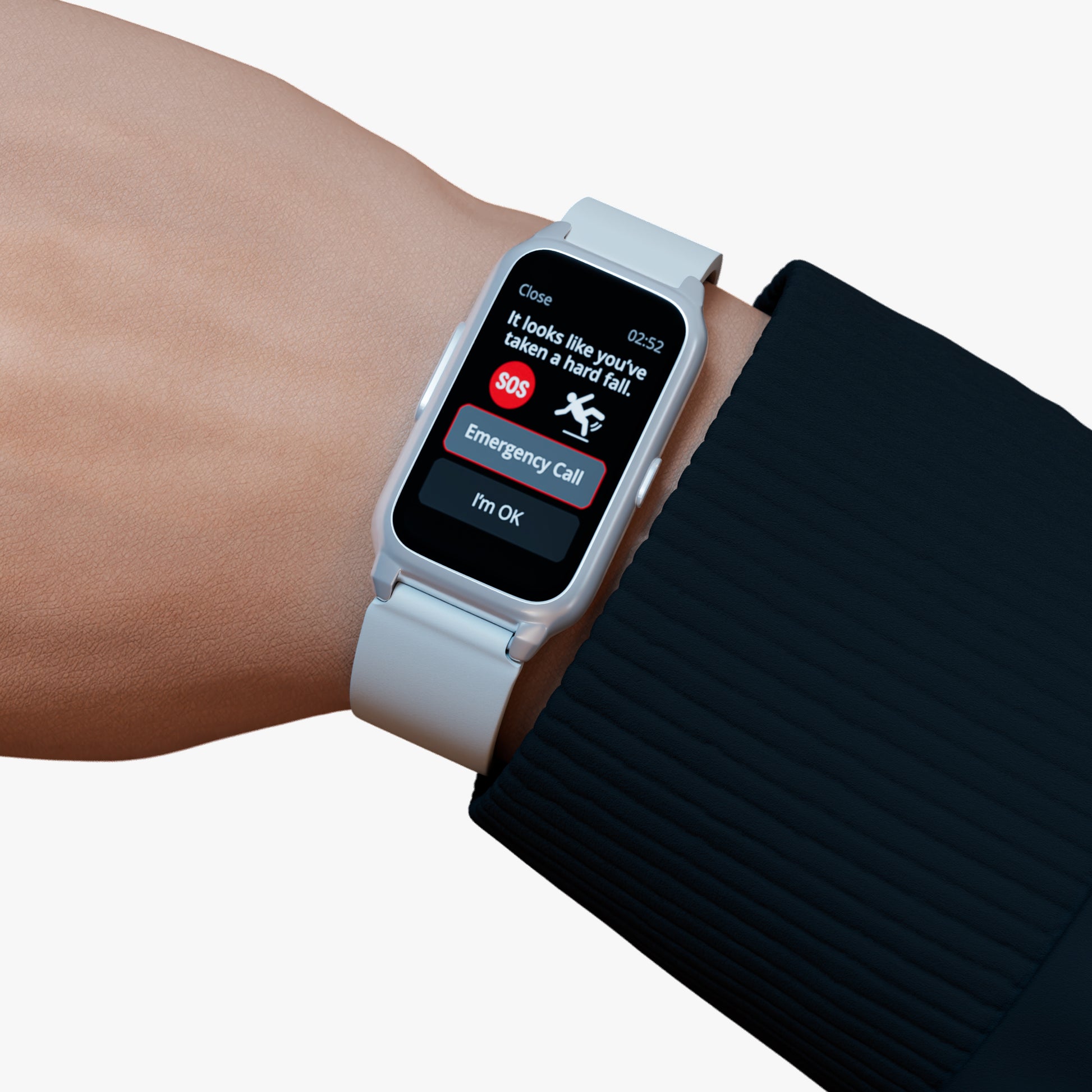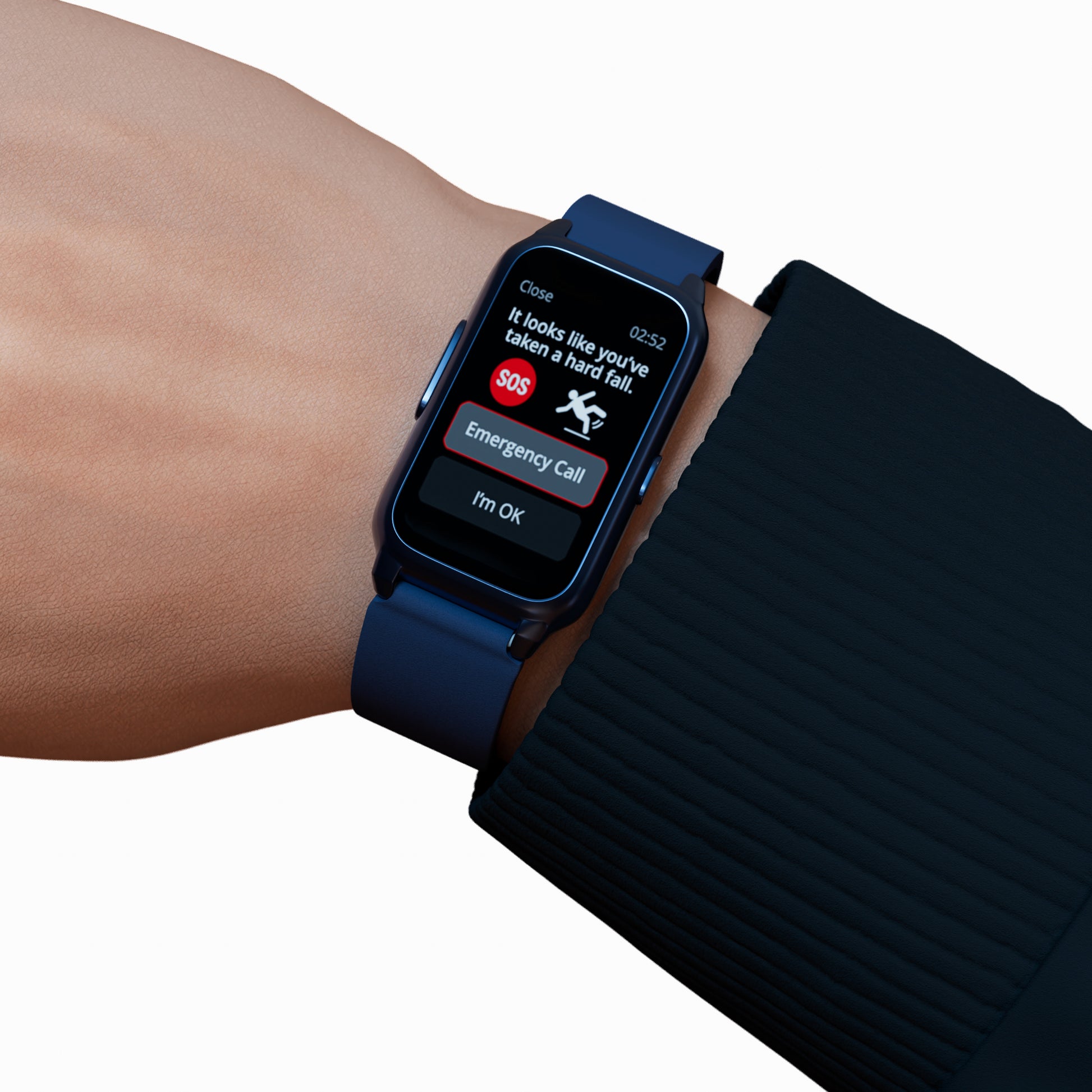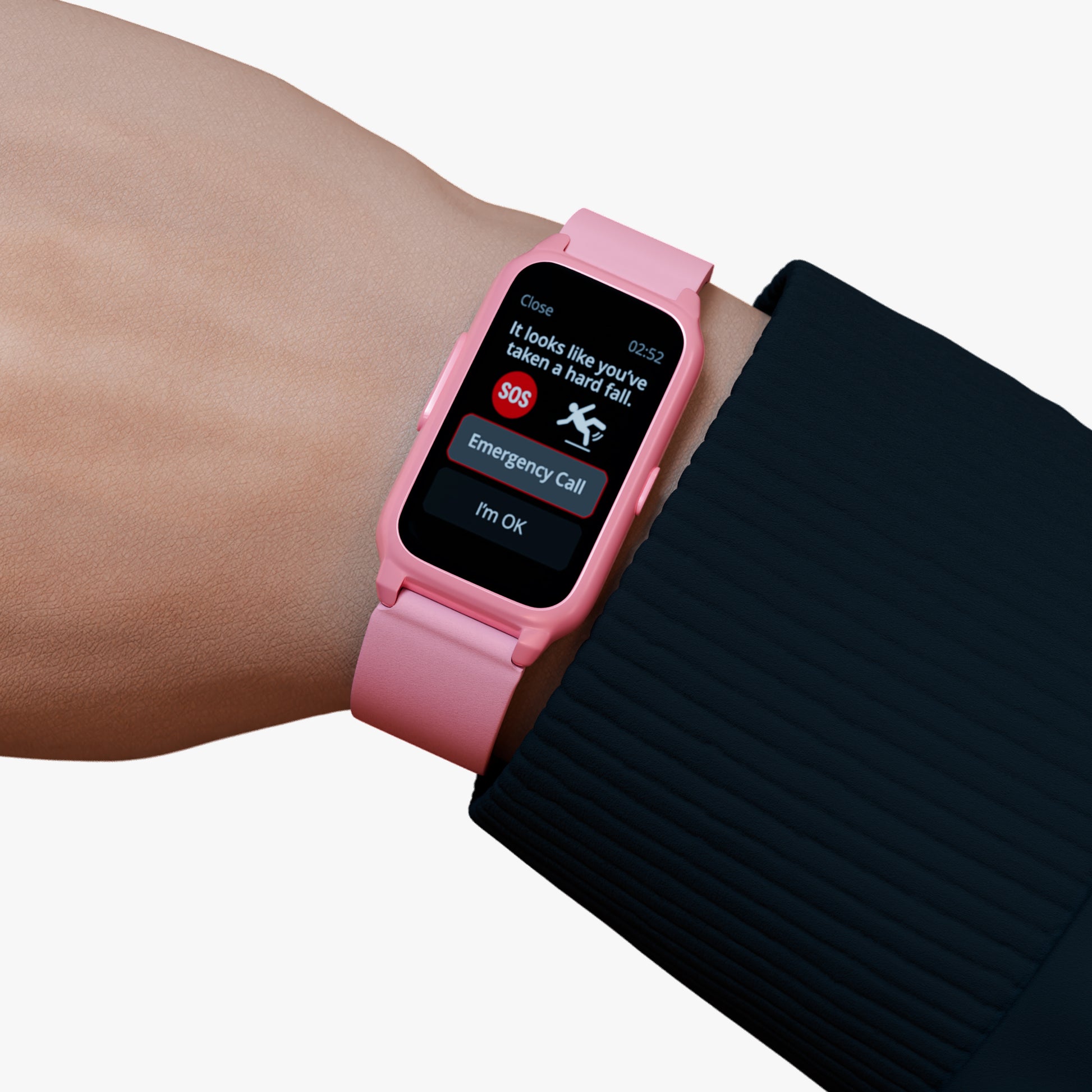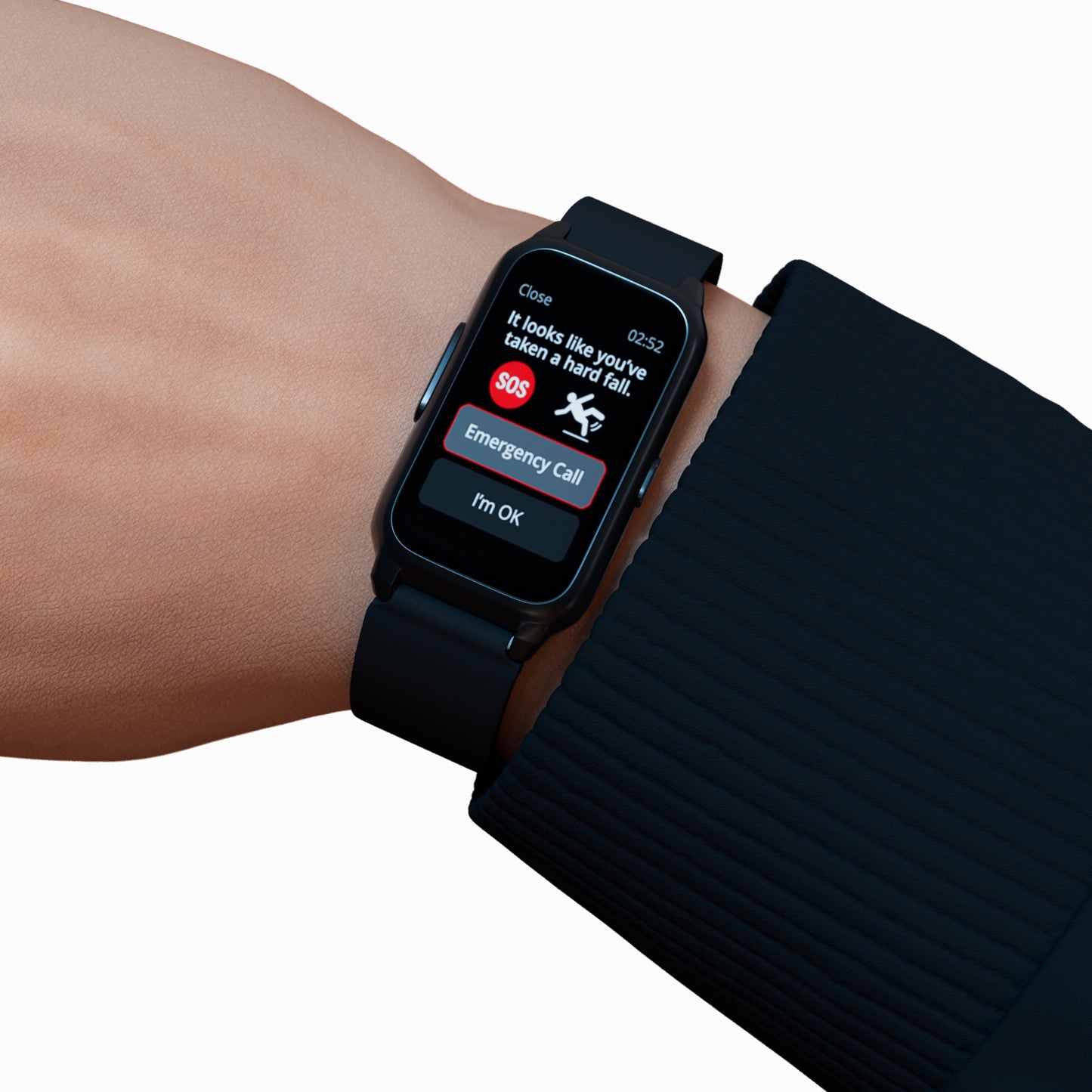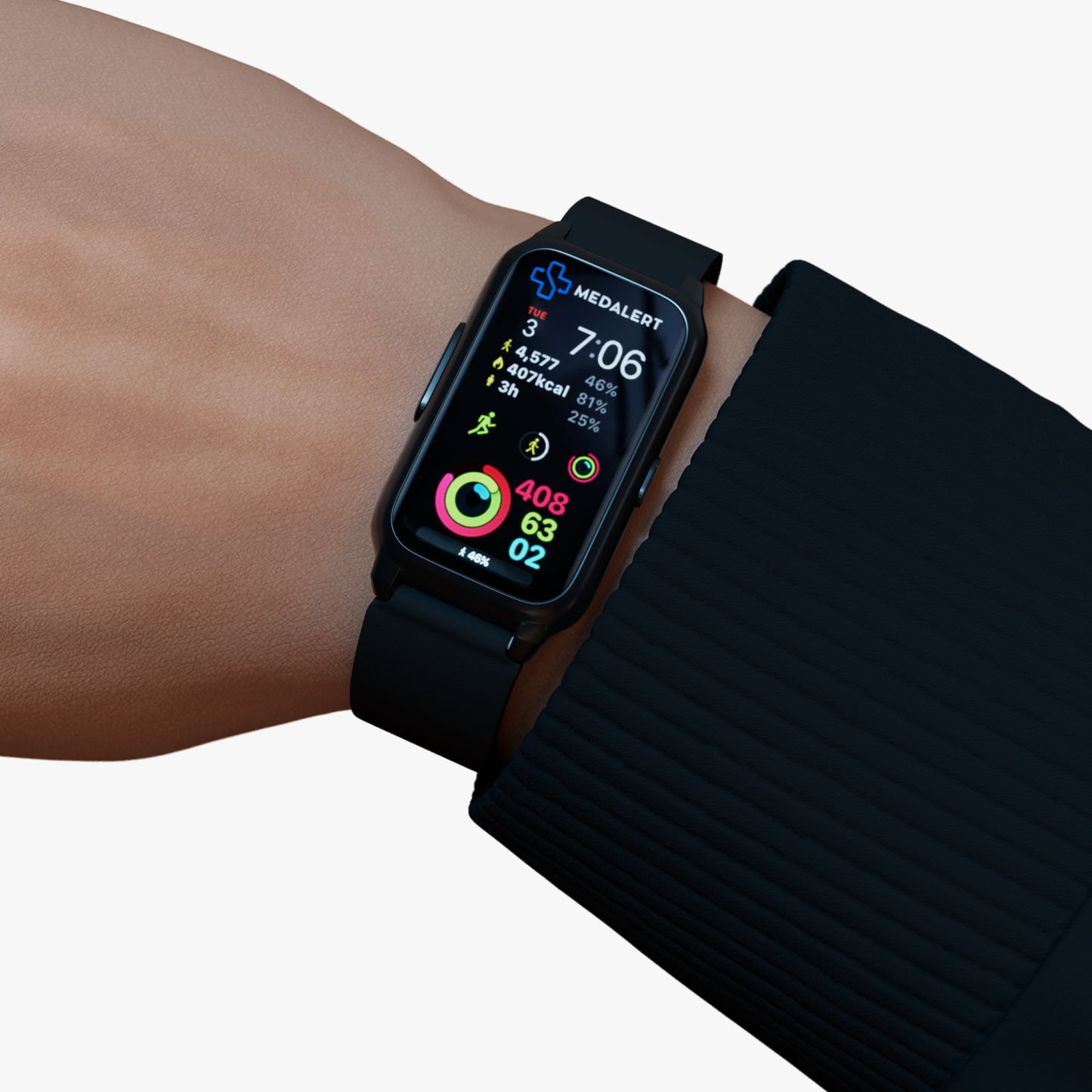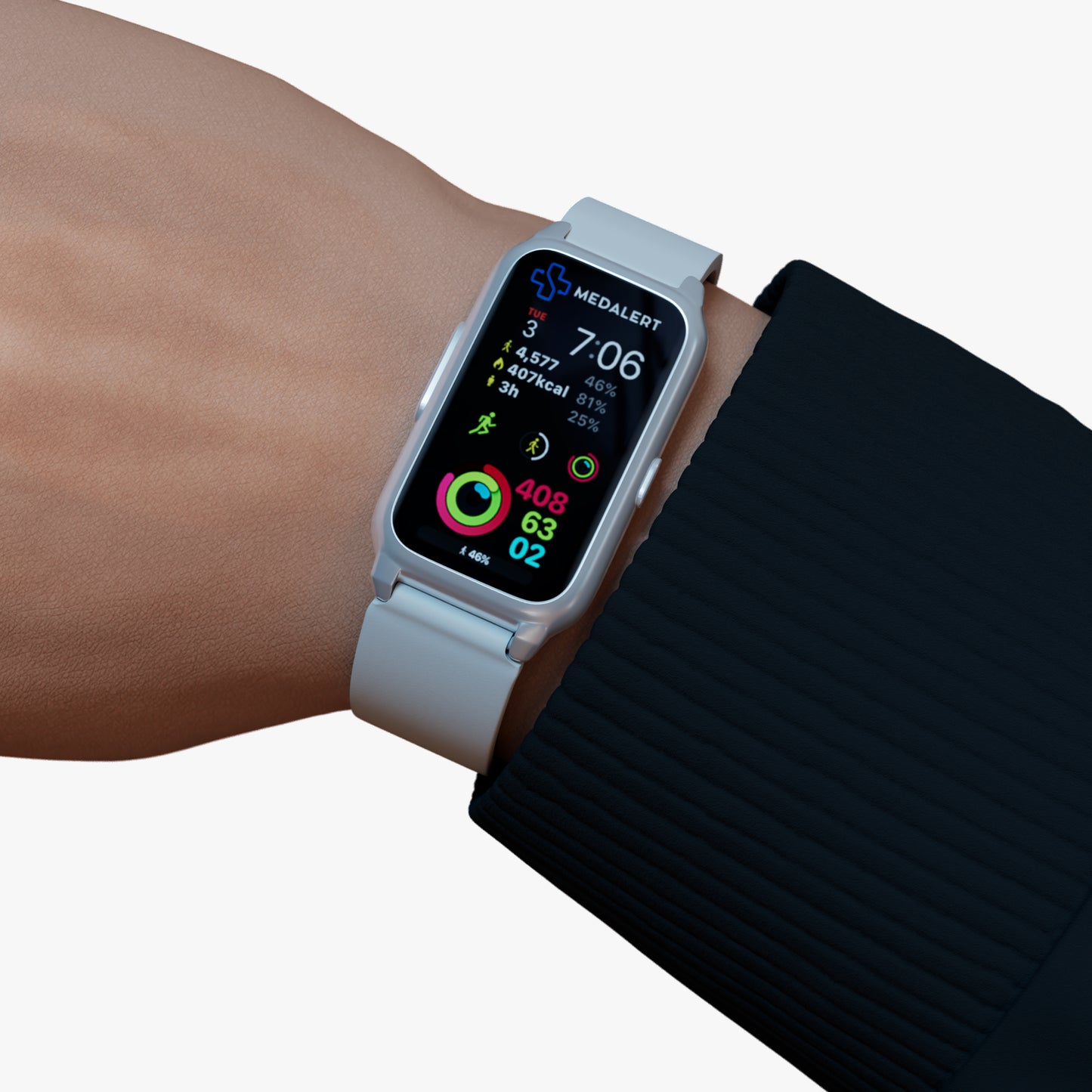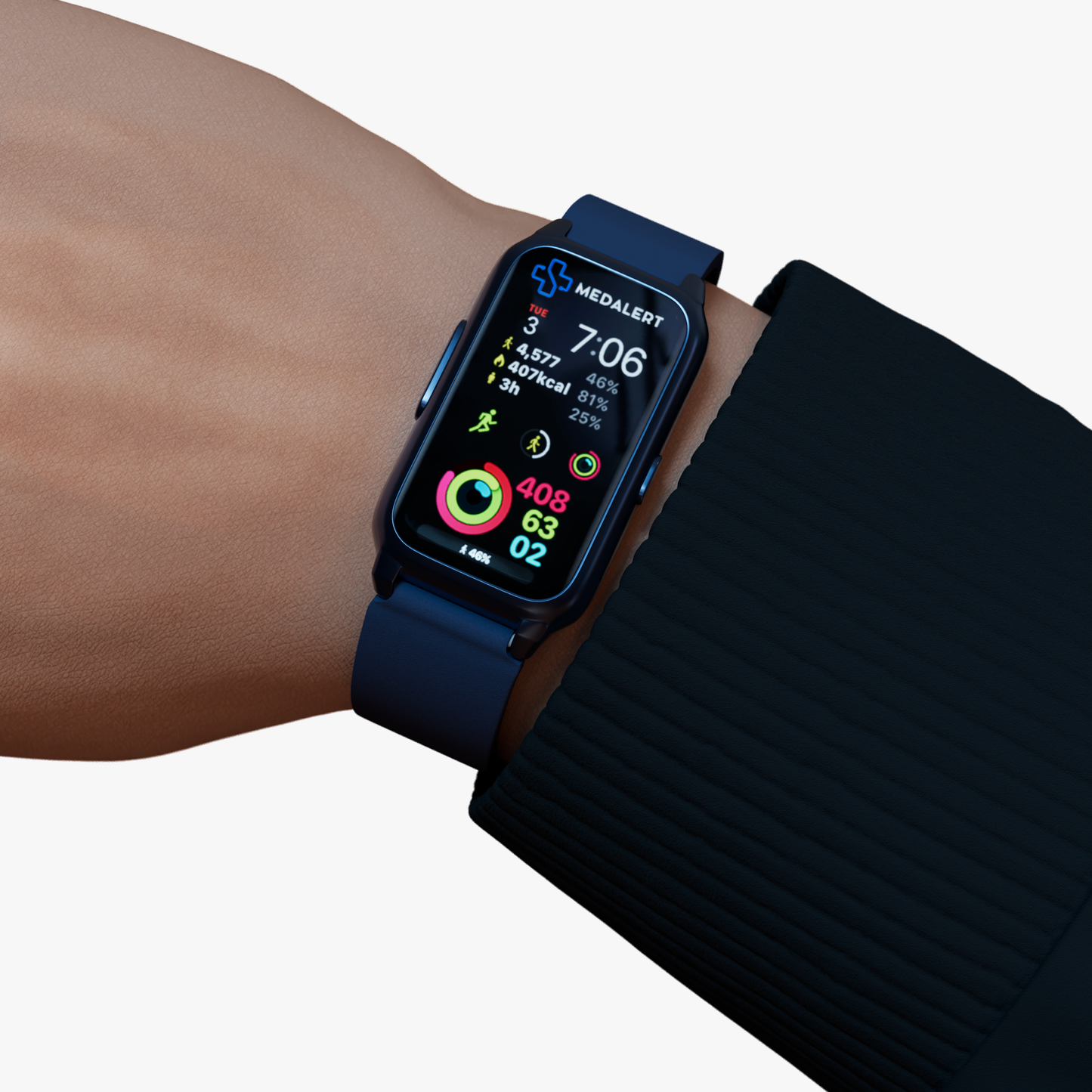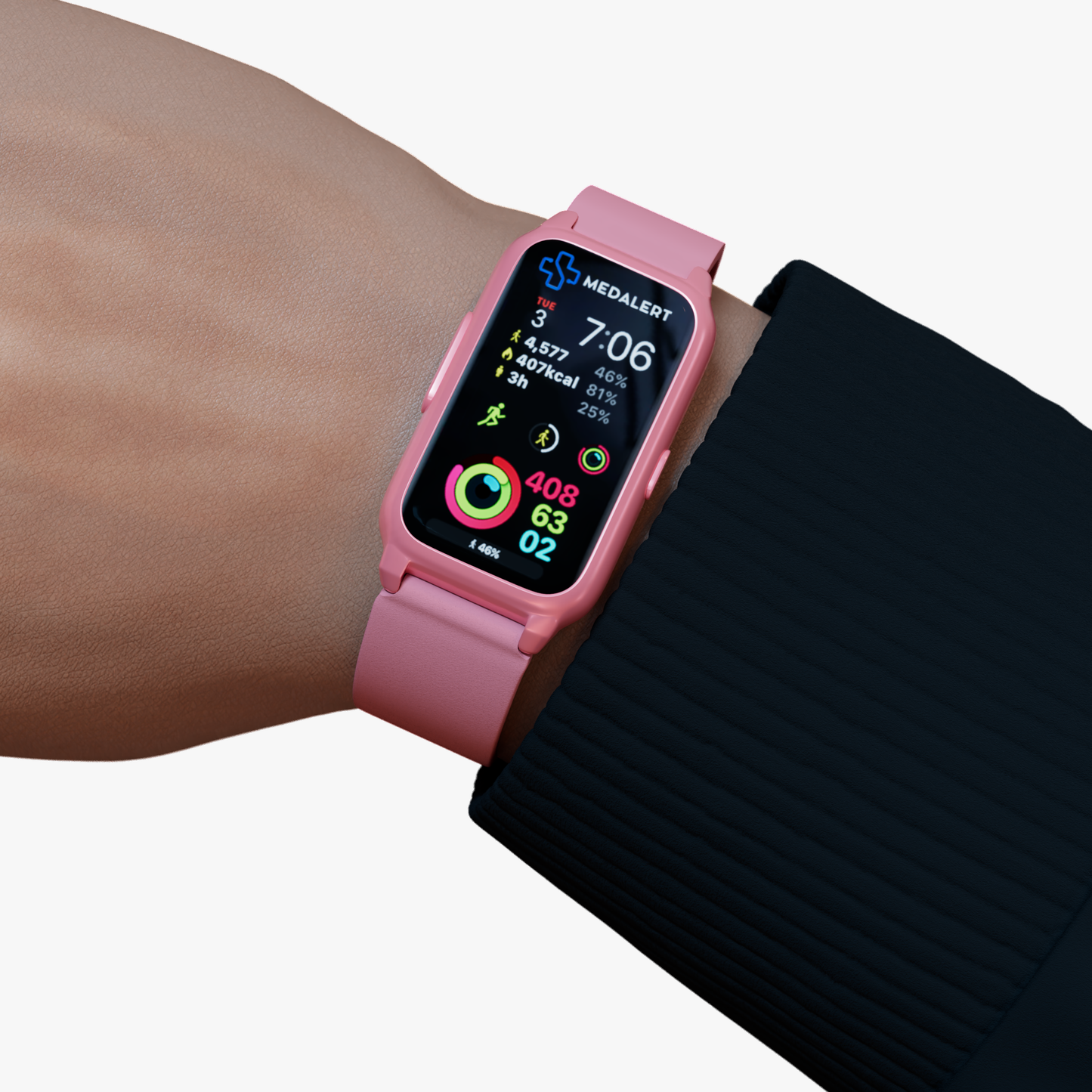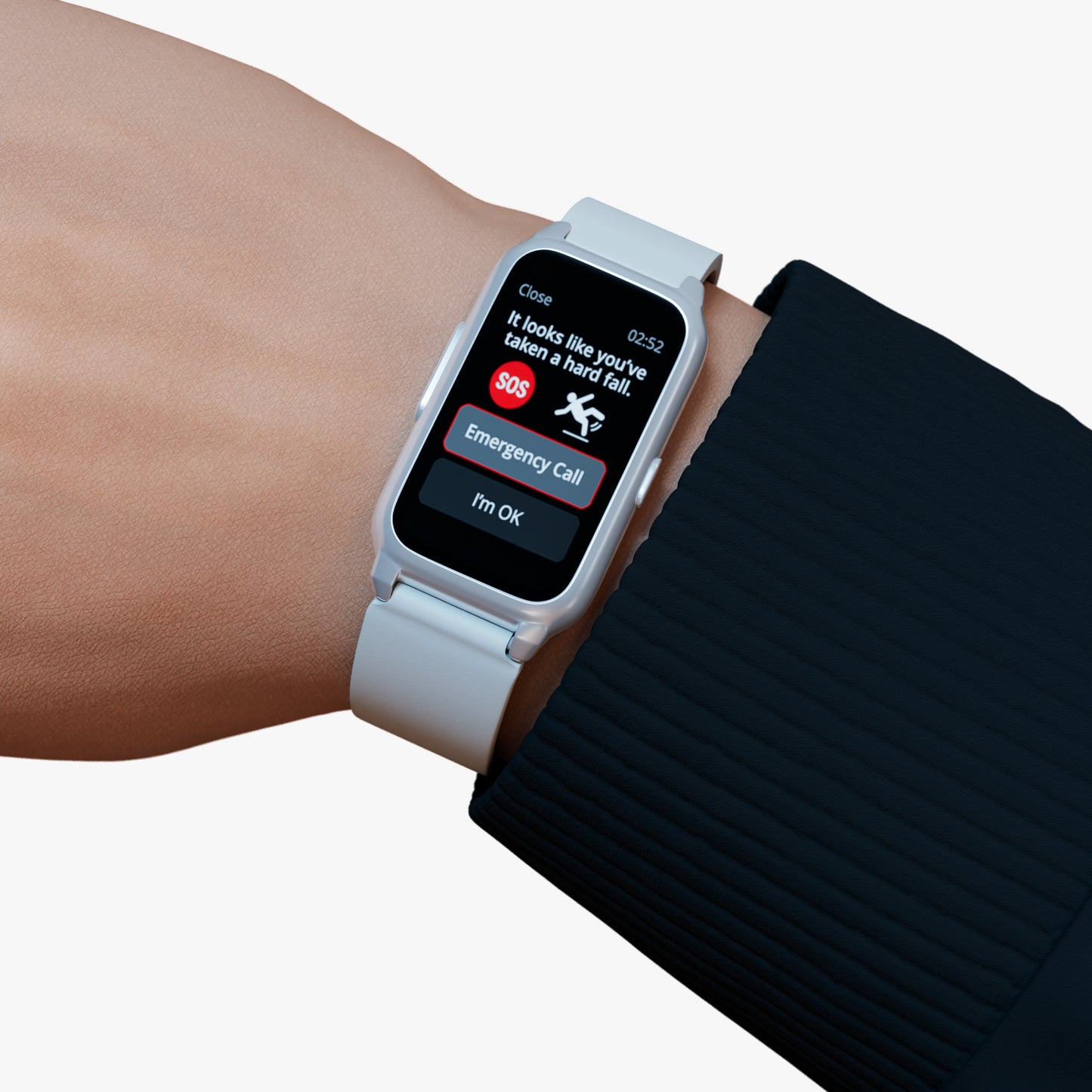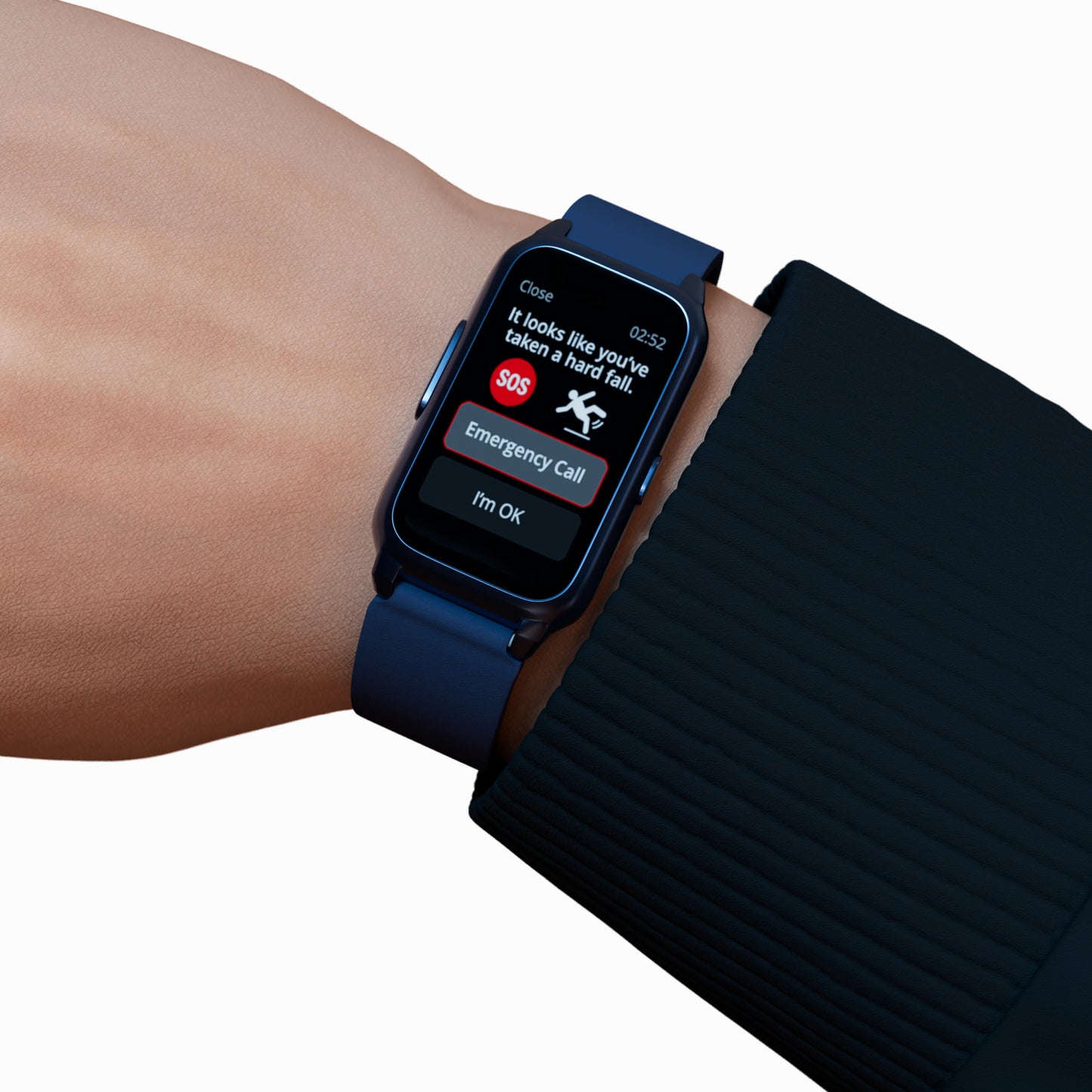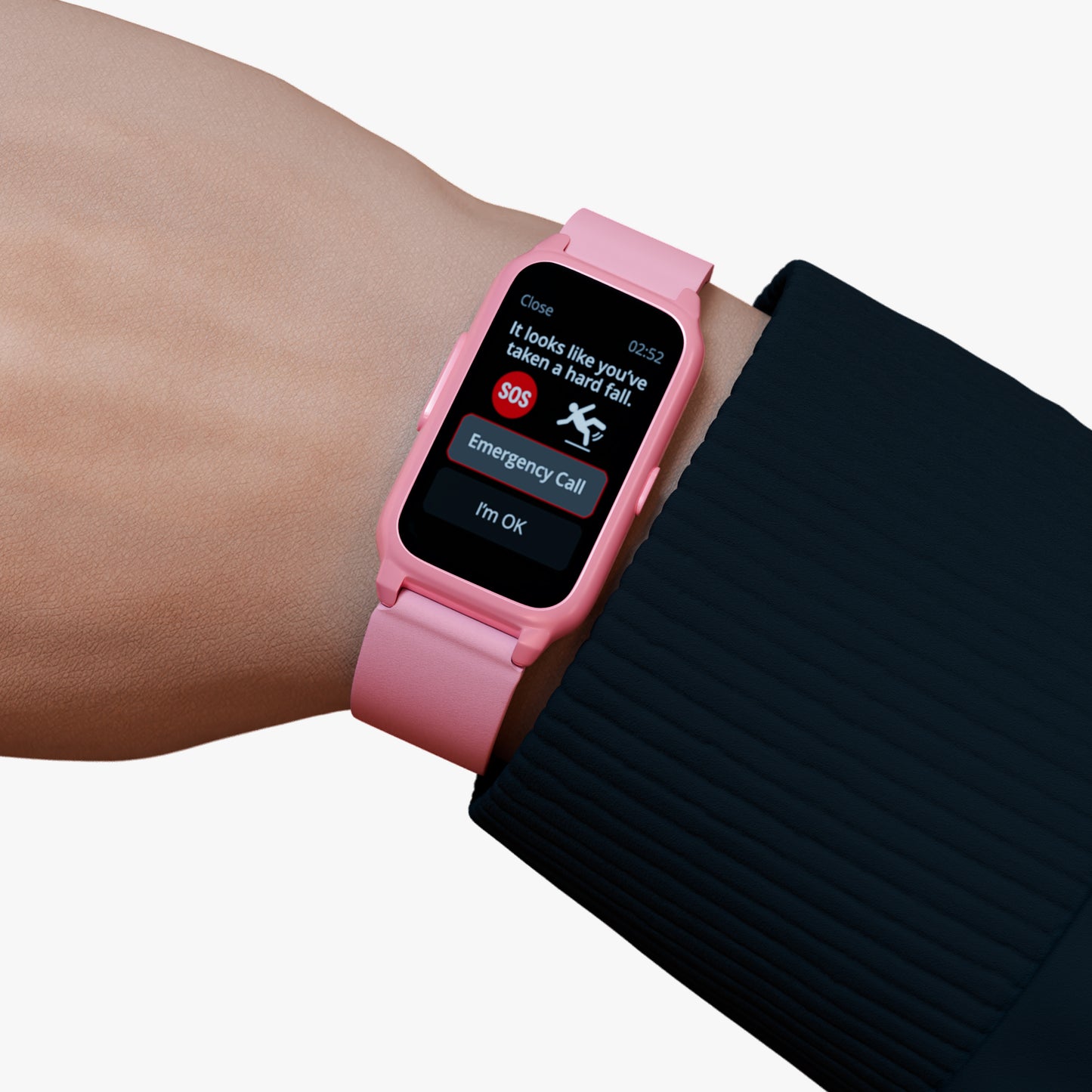

A fall detection watch is often explored when understanding how does fall detection work in modern wearable safety technology. These systems are designed to observe movement patterns and identify specific changes that may indicate a fall.
Unlike basic alert devices, fall detection systems focus on interpreting motion rather than simply reacting to input. This approach allows them to respond based on how movement occurs over time. For caregivers who are familiar with technology, understanding this process helps clarify how these systems function in practical situations.
What Is Fall Detection Technology?
Fall detection technology is a method of identifying sudden and unusual movement through sensor-based data. It is commonly used in wearable devices that remain active throughout the day.
The system collects motion data continuously and evaluates it in real time. Instead of focusing on a single moment, it observes sequences of movement. This allows it to differentiate between everyday actions and unexpected events.
A medalert watch is an example of a wearable device that operates within this framework, where motion data is used to interpret activity patterns.
How Does Fall Detection Work in Practice
To understand how does fall detection work, it is useful to look at how movement is analyzed step by step. The system begins by tracking acceleration and direction changes through built-in sensors.
When a sudden motion occurs, the device evaluates whether the sequence matches a pattern that could represent a fall. This includes looking at how quickly the movement happens and what follows immediately after.
In addition, the system may continue observing the user after the motion event. This extended observation helps determine whether the movement was part of a normal activity or something unusual.

Role of Wearable Sensors in Fall Detection Watch
Sensors are a central part of how a fall detection watch operates. These components collect data related to motion, orientation, and speed.
The most common sensors used in wearable devices include accelerometers and motion detectors. These sensors help measure how the body moves in different directions.
Understanding Motion Signals
Motion signals include changes in speed, shifts in direction, and variations in position. Each of these signals contributes to how the system interprets movement.
Rather than relying on one signal, the device combines multiple inputs. This allows it to build a more complete picture of what is happening.
How AI Fall Detection Interprets Movement Patterns
AI fall detection focuses on analyzing patterns rather than isolated data points. It allows the system to compare current movement with expected behavior.
For example, normal activities such as walking or sitting follow consistent patterns. A fall, however, may involve a sudden and irregular sequence.
By comparing these patterns, the system can determine whether a movement is typical or requires attention. This approach helps improve how motion is interpreted over time.
Understanding Detection Logic Without Assumptions
Detection logic is based on how multiple signals interact with each other. It does not rely on a single factor such as impact or speed.
Instead, the system evaluates a combination of events. This includes the initial movement, the speed of change, and the behavior that follows.
A fall detection watch works within this structure, where detection is based on continuous monitoring rather than isolated triggers.
How Motion Patterns Are Classified
Motion classification is an important part of fall detection systems. The device organizes movement into categories based on how the body behaves over time.
Everyday activities follow predictable sequences. These include gradual transitions and controlled movements. In contrast, a fall often involves a rapid shift followed by a sudden stop.
By classifying these patterns, the system can separate regular activity from unusual motion. This helps reduce confusion between different types of movement.
How Devices Evaluate Sudden Impact
Impact is one element considered in fall detection, but it is not used alone. The system evaluates impact alongside other signals to understand the full context.
For example, dropping an object may create an impact signal. However, it does not include the same motion sequence as a fall. Because of this, additional data is required.
The system combines impact with direction change and post-movement behavior. This layered evaluation helps provide a more accurate interpretation.
Importance of Post-Movement Observation
After a sudden movement, the device continues to observe activity. This stage is known as post-movement analysis.
If the user resumes normal movement quickly, the event may be treated as a regular activity. However, if there is little or no movement afterward, it may indicate a different situation.
Why Stillness Is Evaluated
Stillness provides additional context when combined with earlier motion. It is not used alone but helps complete the sequence.
For example, remaining inactive after a rapid movement may be interpreted differently than continuing activity. This helps refine how the system responds.
How Wearable Sensors for Elderly Collect Data
Wearable sensors for elderly users are designed to collect movement data continuously without requiring interaction. This allows the system to function in the background.
Because the device is worn regularly, it captures a wide range of motion patterns throughout the day. This helps build a more consistent understanding of behavior.
A fall sensor for elderly is an example of how sensors are integrated into devices to support ongoing monitoring.
How Continuous Monitoring Improves Detection
Continuous monitoring allows the system to observe patterns over time rather than relying on isolated events. This approach provides more context for interpreting movement.
Instead of reacting instantly, the device evaluates sequences of motion. This helps reduce the chances of misinterpreting normal activity.
In addition, continuous observation allows the system to adjust its understanding based on ongoing data. This improves consistency in detection.
How Device Placement Influences Detection
The position of a wearable device affects how motion is recorded. A wrist-based device captures movement differently compared to other placements.
Since the wrist moves frequently, the system must distinguish between regular motion and unusual patterns. This requires careful interpretation of data.
At the same time, wrist placement allows the device to remain accessible and easy to wear. This supports regular use throughout the day.

Limitations of Fall Detection Technology
Fall detection systems are designed to interpret movement, but they are not able to fully understand every situation. Their responses are based on patterns rather than certainty.
Some movements may resemble fall-like patterns even when they are not. Quick or irregular actions can sometimes produce similar signals.
In addition, external factors such as how the device is worn can influence detection. Understanding these limitations helps set realistic expectations.
How Caregivers Approach Fall Detection Technology
Caregivers often focus on how clearly the system responds to movement events. They look for systems that provide understandable and consistent behavior.
In addition, they consider how the device fits into daily use. A system that operates without requiring constant attention can be easier to manage.
If further clarification is needed, you can visit Contact us to explore more details.
Future Direction of Smart Elderly Safety Tech
Smart elderly safety tech continues to evolve toward more refined motion analysis. The focus is on improving how systems interpret behavior rather than adding complexity.
Future developments may include better pattern recognition based on longer observation periods. This could help improve how movement is understood.
However, simplicity remains important. Devices that are easy to use are more likely to be worn consistently, which supports ongoing monitoring.
Conclusion
A fall detection watch works by combining sensor data, motion classification, and pattern analysis to interpret movement. Instead of relying on a single trigger, it evaluates sequences of activity over time.
Understanding how does fall detection work provides a clearer view of how these systems function in real situations. By focusing on how movement is observed and analyzed, users can better understand the role of these devices in everyday life.
FAQs
1. How does fall detection work in wearable devices?
Fall detection works by analyzing motion data collected through sensors. The device tracks speed, direction, and position changes. It compares these patterns to known movement behaviors. If the sequence matches a fall pattern, an alert may be triggered. This process happens automatically.
2. What role does AI play in fall detection?
AI helps interpret patterns in movement rather than just raw data. It allows the system to compare current motion with expected behavior. This helps distinguish between normal activities and unusual events. AI improves how decisions are made. It adds context to the data being analyzed.
3. Are wearable sensors always active?
Yes, wearable sensors collect data continuously while the device is worn. This allows the system to monitor movement throughout the day. Continuous data provides better context for interpreting events. It also helps improve consistency in detection. This supports ongoing monitoring.
4. Can fall detection replace manual alerts?
Fall detection works alongside manual alerts rather than replacing them. Manual alerts allow users to send a signal directly. Automatic detection focuses on identifying movement patterns. Both methods serve different purposes. Together, they support communication in various situations.
5. What factors influence fall detection accuracy?
Several factors affect detection, including movement speed, direction, and post-event behavior. The system evaluates these signals together. It does not rely on a single input. Continuous monitoring provides additional context. This helps improve interpretation of movement.