
Staying active can mean different things as people grow older. It may involve walking, visiting family, attending appointments, enjoying hobbies, or keeping up with familiar routines. Staying connected matters too, especially when family members and carers are part of a person's support network.
For seniors who value independence, personal safety technology can sit alongside these everyday activities. MedAlert offers wearable medical alert devices with features such as SOS alerts, two-way communication, GPS tracking, and fall detection on compatible models.
The aim is not to make safety the centre of daily life. A suitable device can provide useful functions while a person continues with activities that matter to them.
Why Staying Active Matters for Everyday Independence
An active routine does not have to mean structured exercise. It can mean continuing with normal activities such as shopping, visiting friends, attending appointments, walking locally, and spending time with family.
Some seniors may feel more comfortable knowing that a way to request help is available. A wearable keeps its safety functions close to the person.
MedAlert focuses on safety and independence through wearable medical alert technology. Its devices are designed for seniors and provide different safety and communication features depending on the model.
The technology can sit within a daily routine without becoming the focus of it. The wearer can continue with familiar activities while keeping the available safety functions close.
How Medical Alarm Systems for Seniors Fit Into Daily Life
Medical alarm systems for seniors can provide access to emergency and communication functions through a wearable device. MedAlert's range includes medical alert watches and personal medical alarm devices, with features that vary between models.
Compatible devices include an SOS button, two-way calling, GPS tracking, and automatic fall detection. Each function has a different role, so families can consider which ones are relevant rather than treating every feature as essential.
An SOS button provides a manual way to raise an alert. Two-way communication allows the wearer to speak through the device with selected contacts or a supported response centre. GPS provides location information on compatible devices.
The medical alarm systems for seniors page provides information about MedAlert's wearable options and the safety features available across its range.
Choosing Features That Match the Routine
The right features depend on the person using the device. Someone who spends time outside the home may find GPS useful, while another person may place more importance on direct communication.
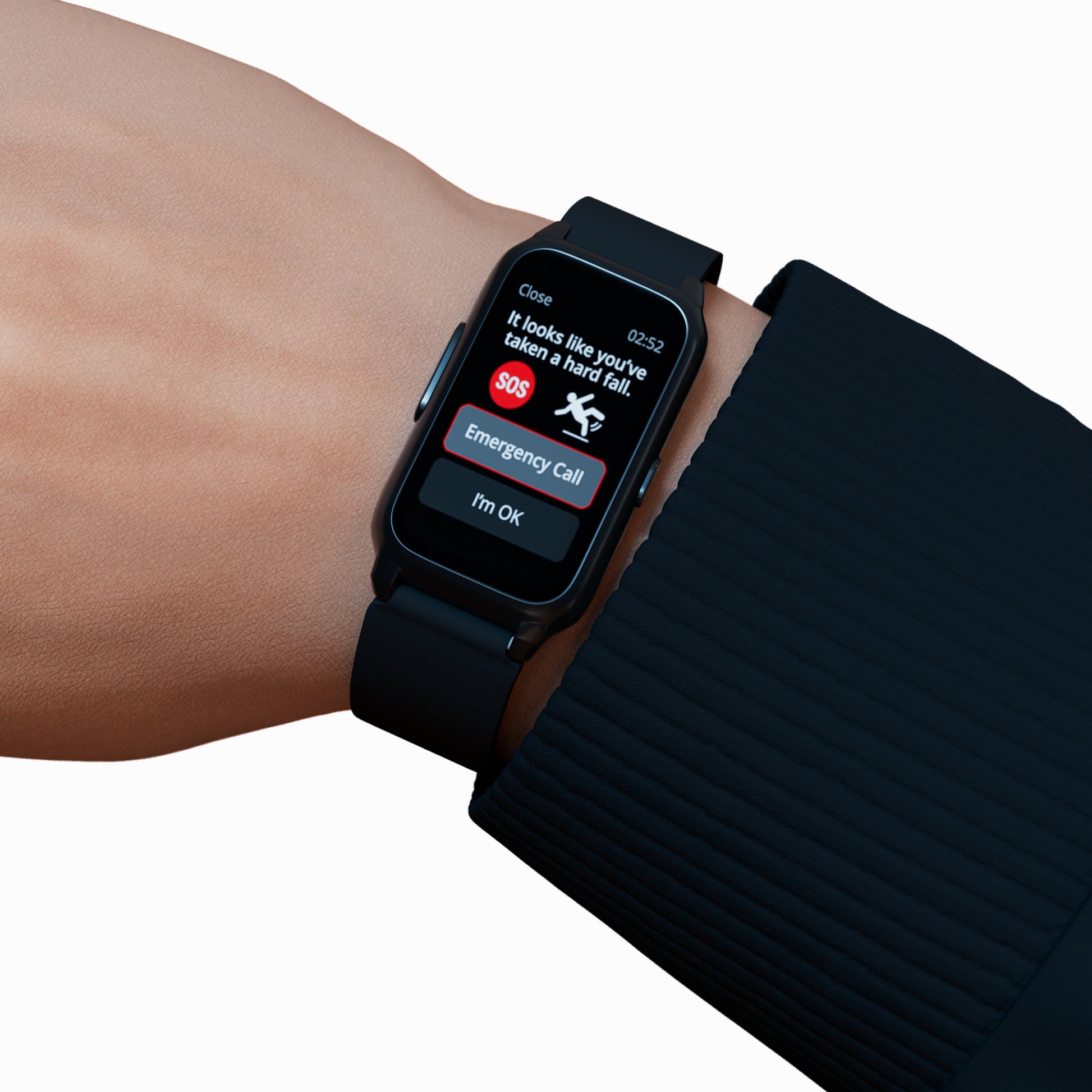
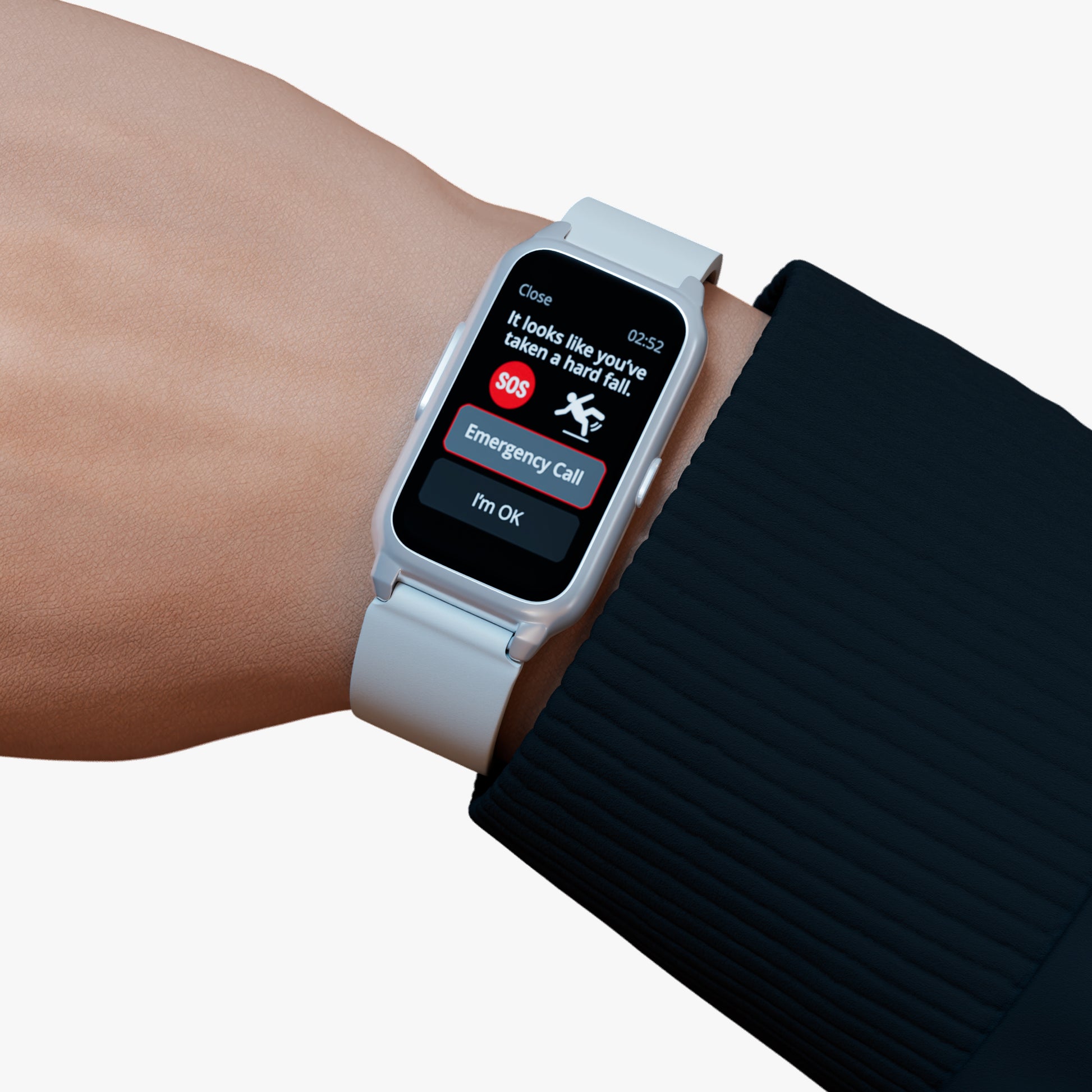
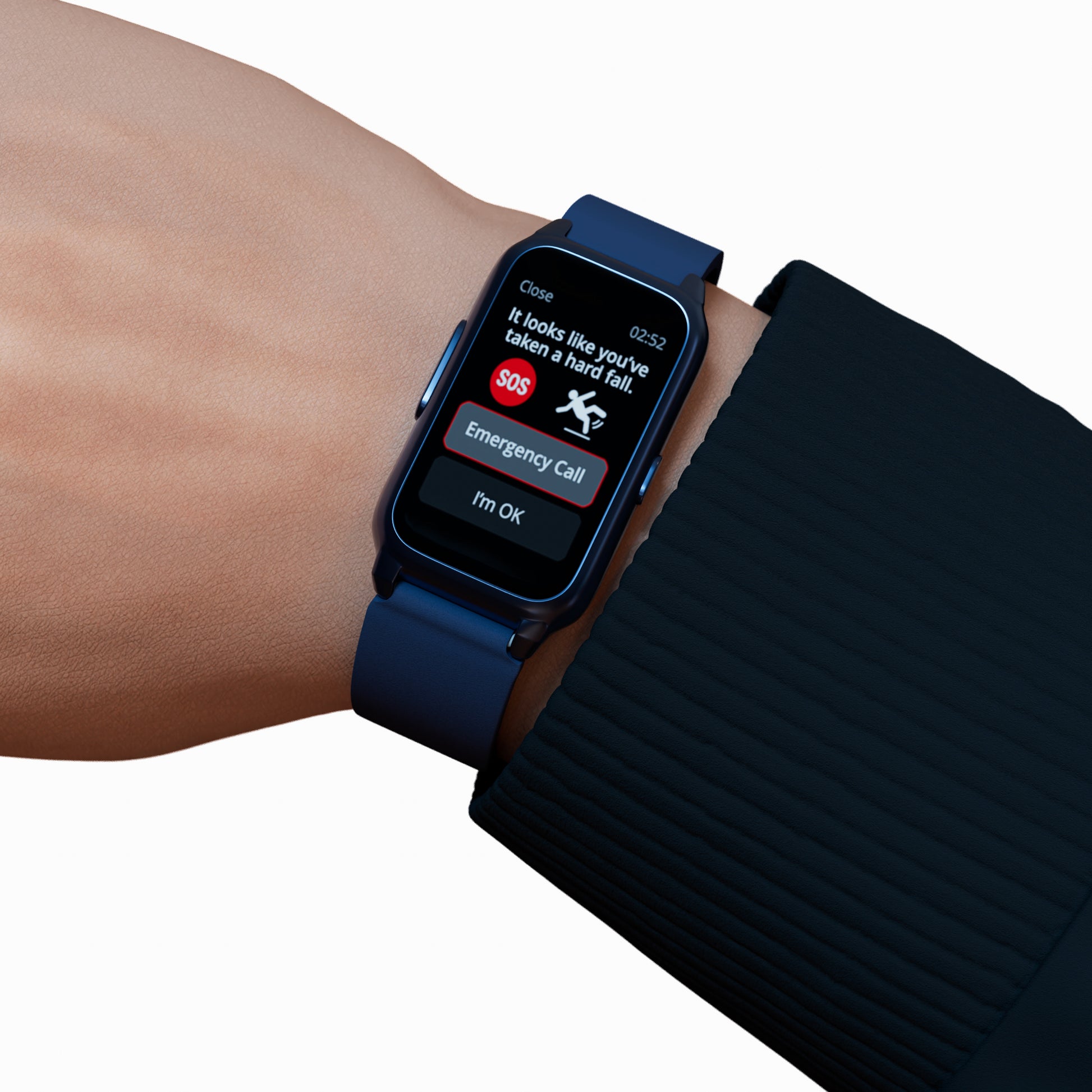
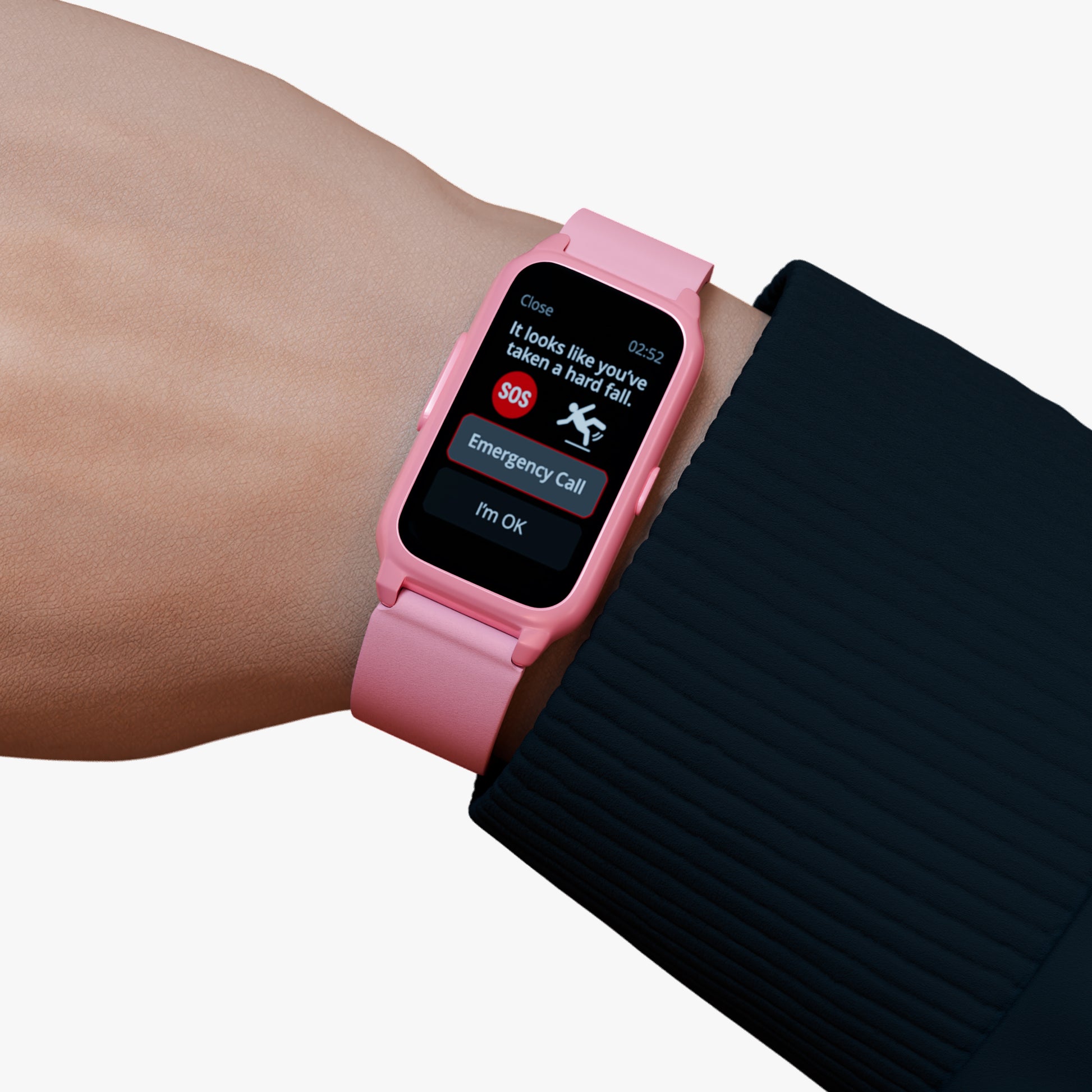
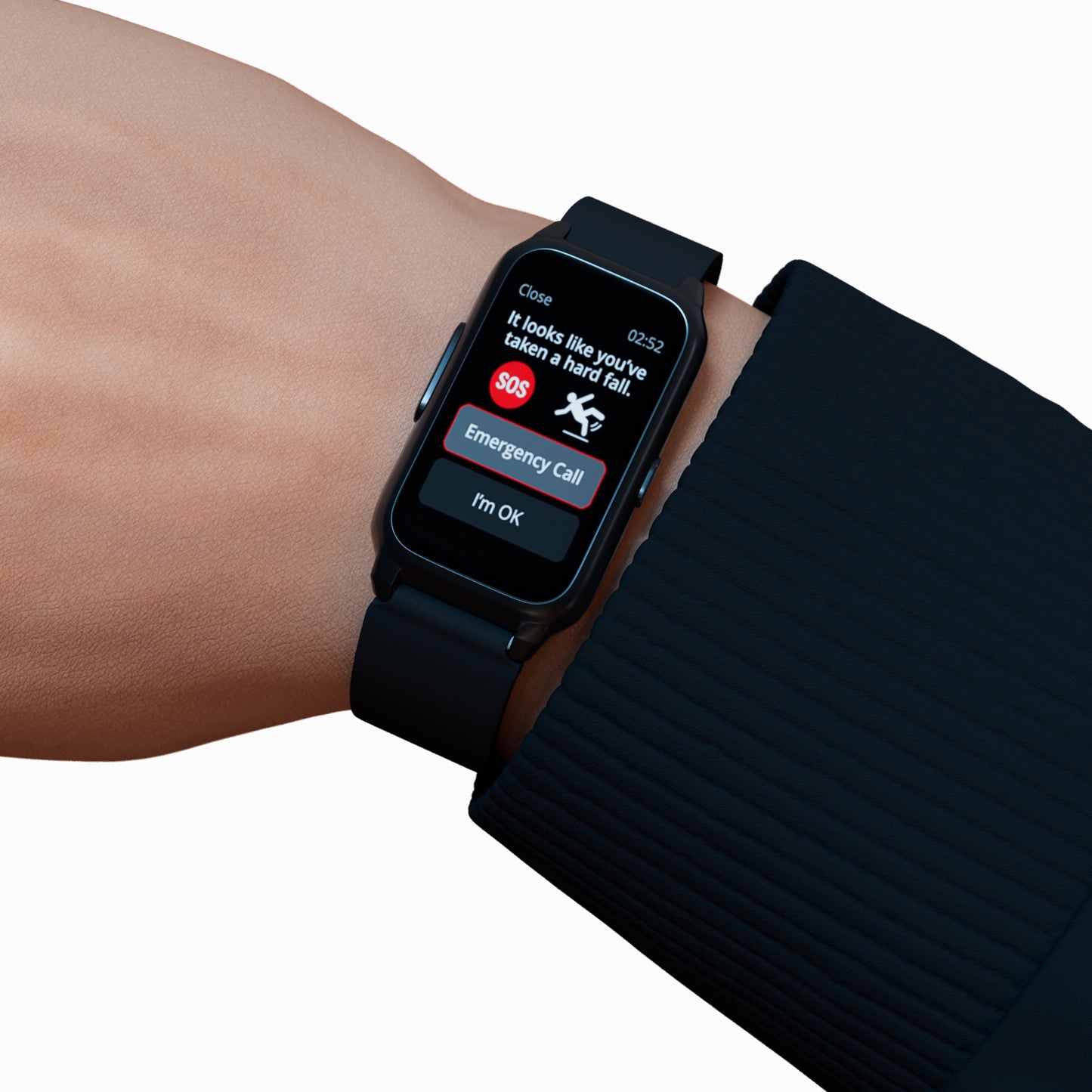
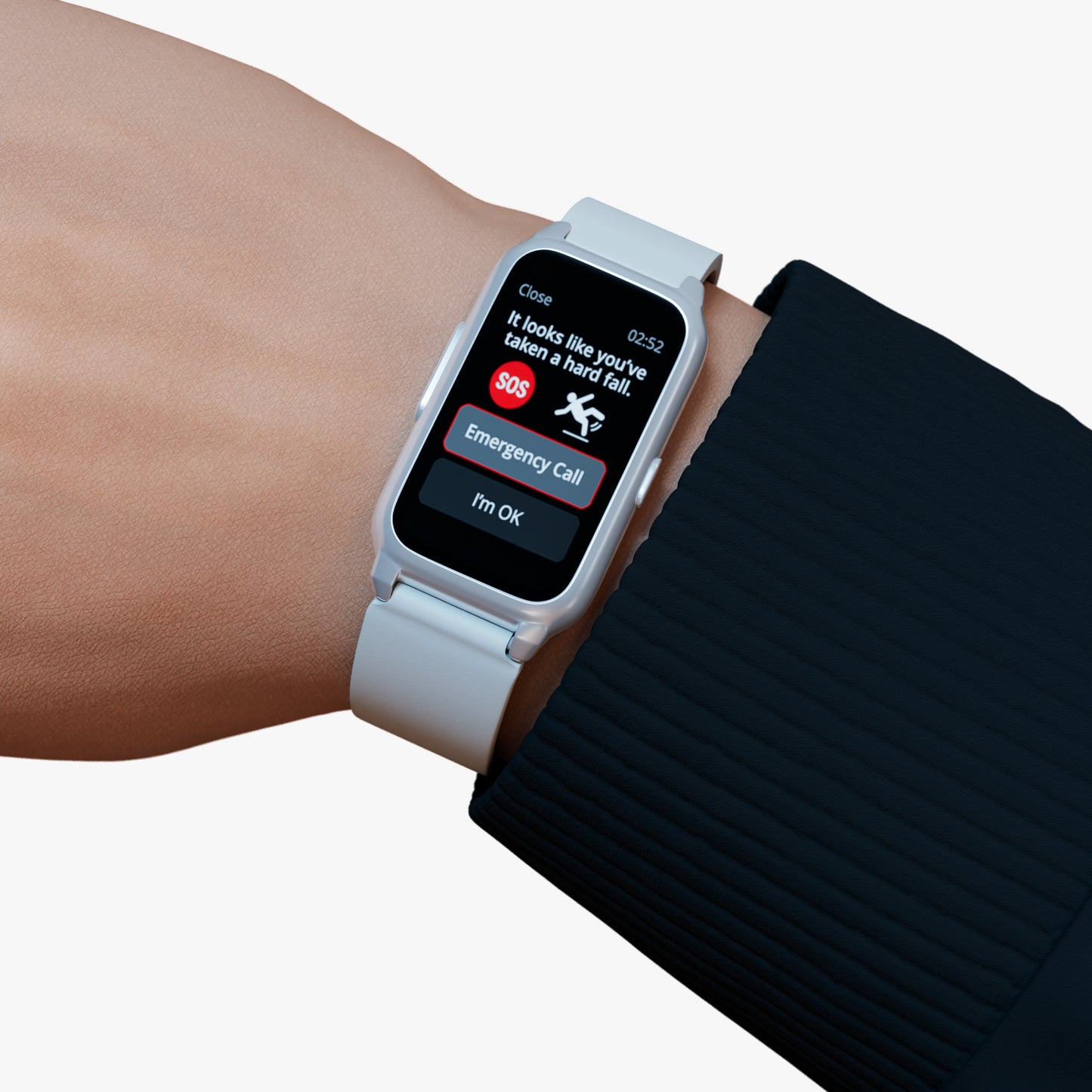
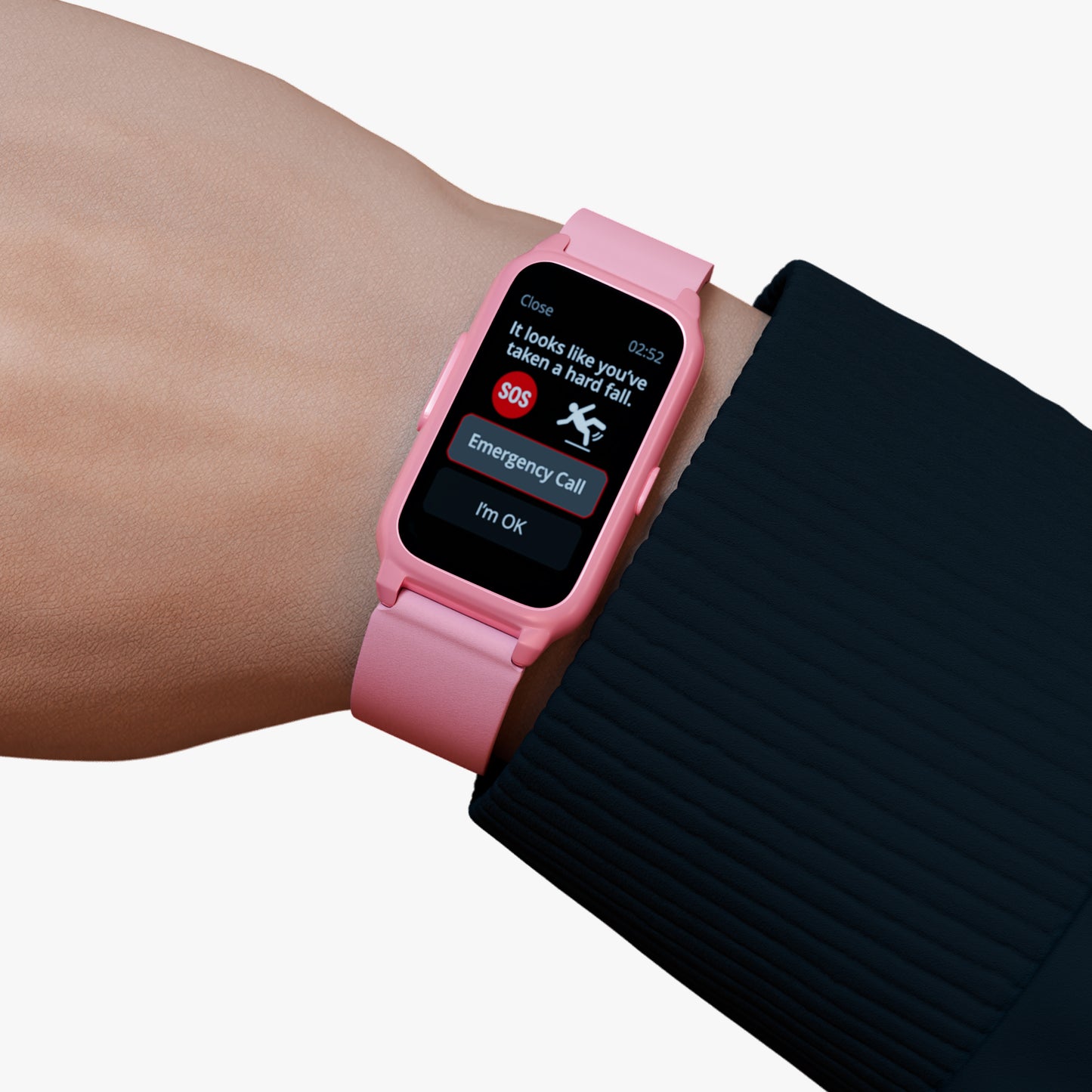
Fall detection is also available on compatible MedAlert devices. It can work alongside the manual SOS function, giving the wearer another alert option.
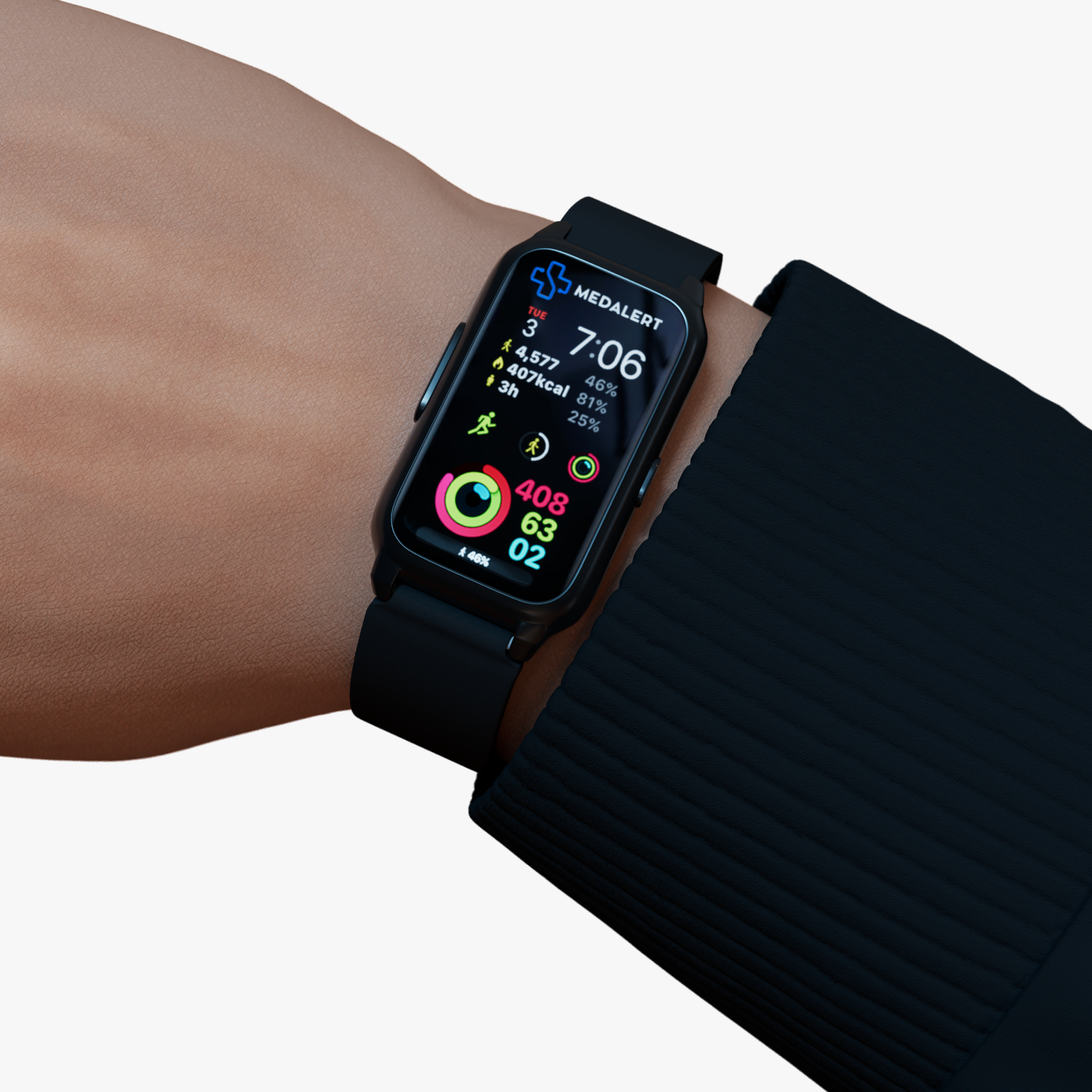
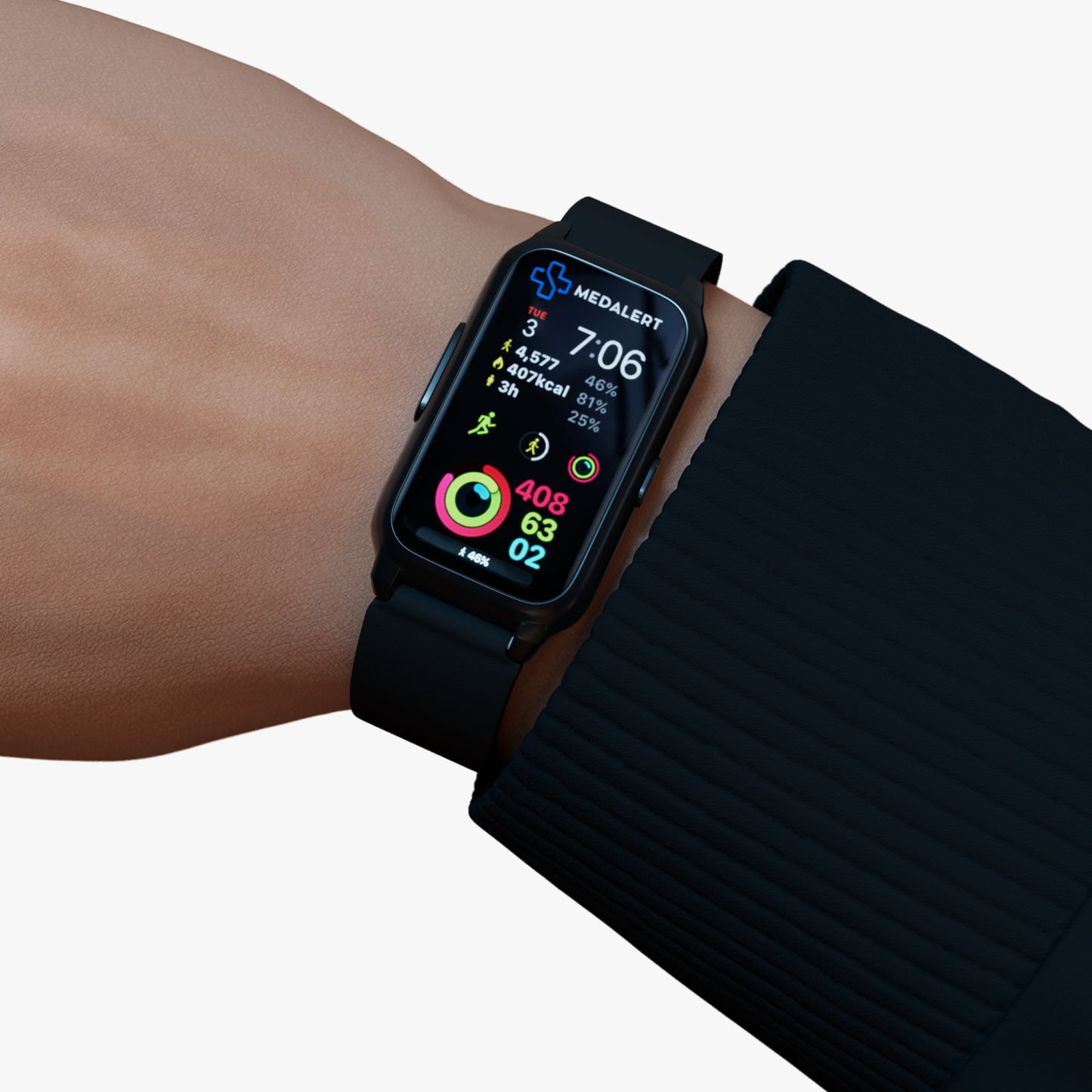
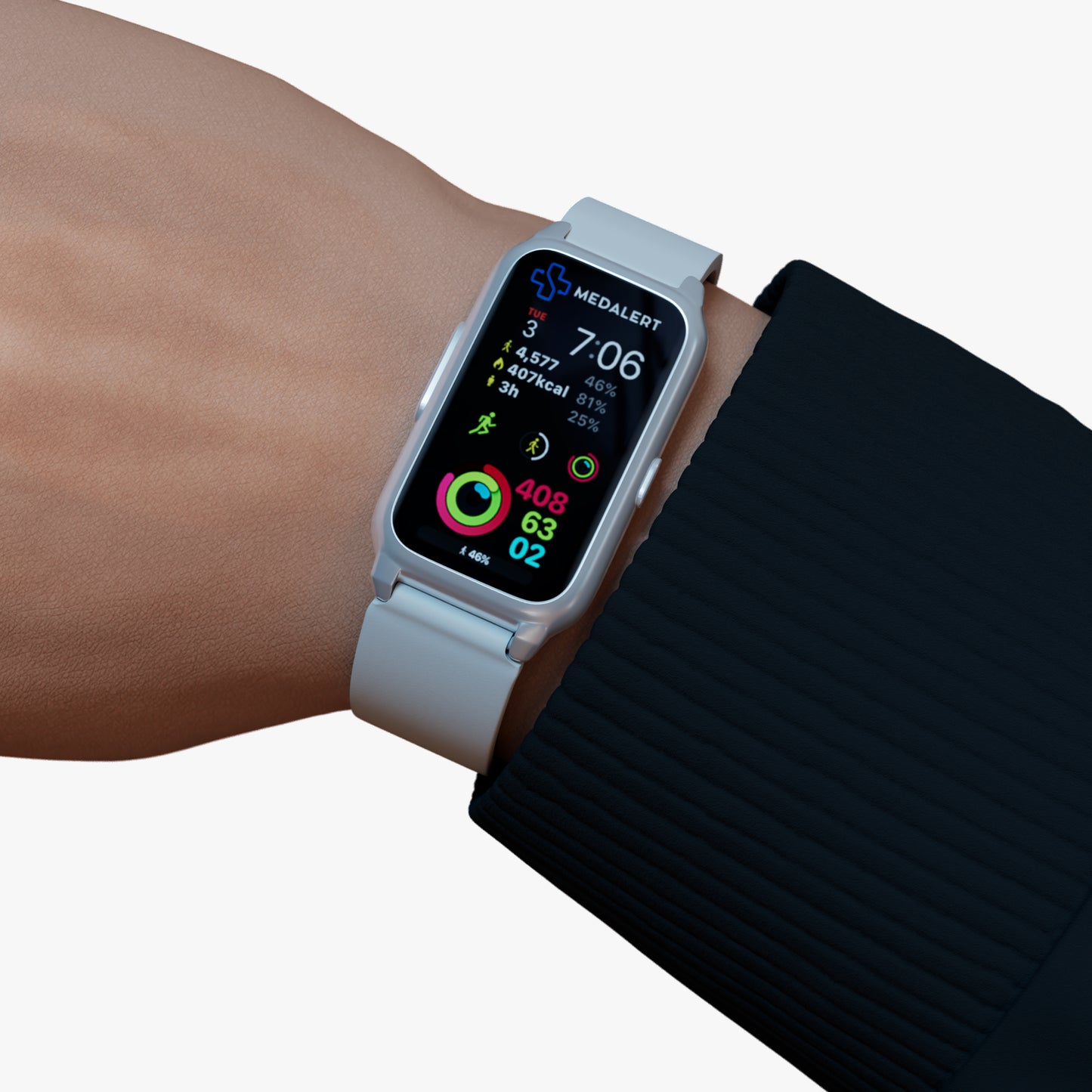
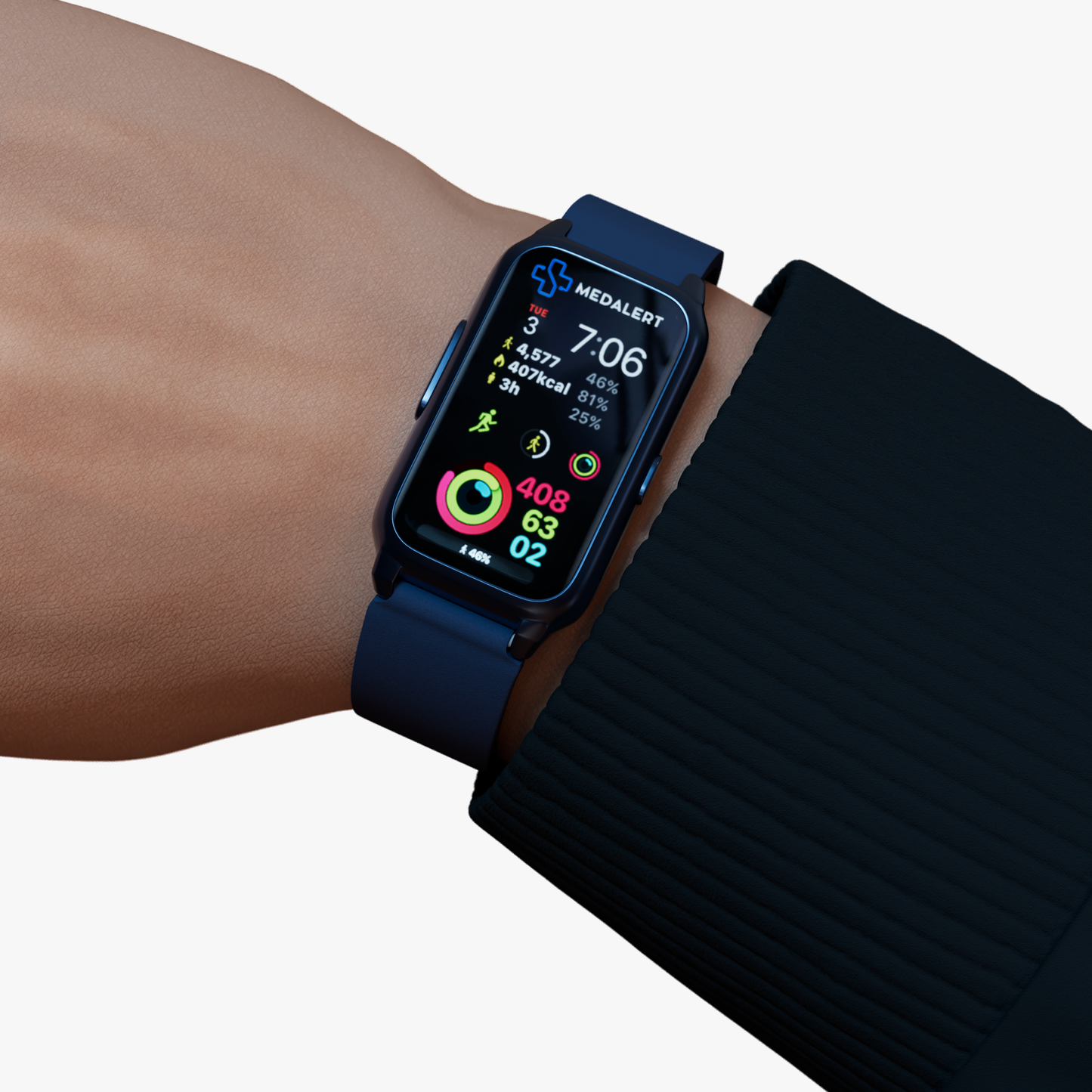
MedAlert's fall detection watch also lists reminder alarms, activity tracking, battery warnings, and a locator feature. These functions may be relevant to daily use, depending on the person's needs.
The best choice is not always the device with the longest feature list. Families can instead look at the person's routine and consider which functions have a clear purpose.
Staying Connected Without Giving Up Independence
Independence and connection can work together. A senior may want to spend time alone, meet friends, visit family, or attend appointments while still having a way to communicate if support is needed.
A wearable medical alert device can provide a communication option without requiring the person to carry a separate emergency unit. MedAlert's compatible devices support two-way communication, allowing the wearer to speak through the device.
The Medalert range includes wearable medical alert devices built around safety, communication, and independence. Available functions vary by model.
This does not replace normal family contact. It simply provides another communication option when support is needed.
For families, this can make the device part of an existing support routine rather than something that changes how a person normally stays connected.
Making a Medical Alarm for Seniors Part of the Routine
A medical alarm for seniors is easier to use when the wearer understands its main functions. It should feel familiar rather than like equipment that only appears during an emergency.
Simple habits can help. The wearer can learn where the SOS button is, understand who may receive an alert, and become familiar with the device's communication function.
MedAlert's fall detection watch includes voice and vibration feedback. Other listed features include reminder alarms, activity tracking, battery warnings, and a locator function.
Families can explain the features that matter most, keeping the setup practical. Introducing the device as part of normal life can also help the wearer become more comfortable with it.
Supporting Confidence During Everyday Activities
Healthy ageing can include continuing with familiar interests and making everyday choices. Personal safety technology can support this approach by keeping emergency functions available while a person continues with normal activities.
MedAlert states that its technology is designed to support safety and independence. Its wearable devices combine different functions depending on the model.
A senior does not need to change their whole routine because they use a medical alert device. The wearable can become one small part of the equipment they use each day.
For someone who values independence, this can provide a practical way to keep safety features close without making them the centre of daily life.
When Fall Detection Becomes Part of the Safety Plan
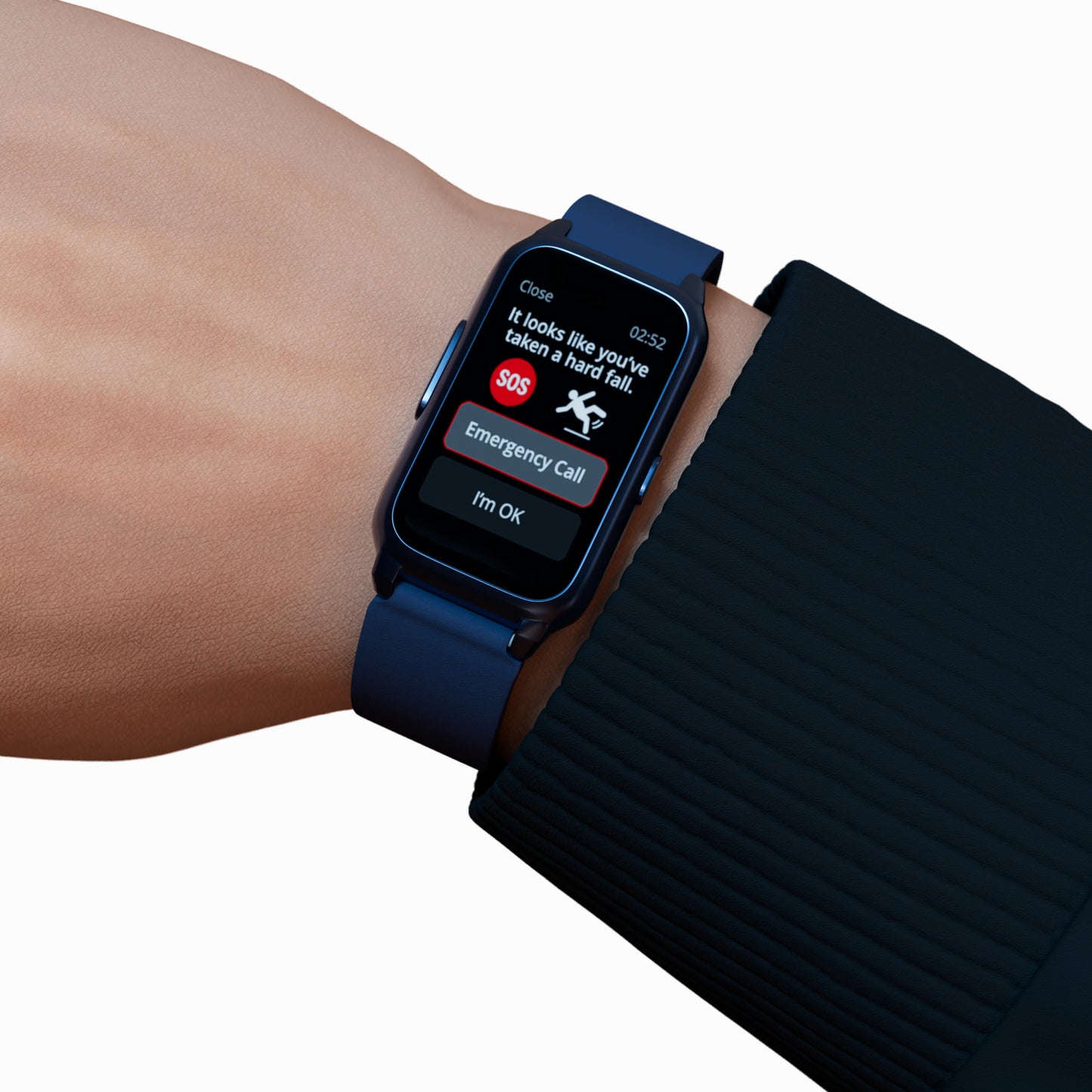
Fall detection may be relevant for seniors who want automatic alerting as part of their personal safety arrangements. MedAlert offers a fall detection watch with automatic fall detection alongside other safety features.
A fall detection alarm can provide another alert method on supported MedAlert devices. The wearer can also use the manual SOS button when they are able to request help themselves.
GPS tracking, two-way communication, and geo-fence notifications are also listed among the features of the compatible fall detection watch.
Families should review the specific model before choosing it. Features can differ between devices, so the decision should reflect the person's needs and preferred way of using a wearable.
Keeping Safety Technology Simple
Technology is most useful when the person wearing it understands the main functions. Seniors should know what the SOS button does, how communication works, and which people may be contacted.
MedAlert's wearable devices bring several functions into one system. Depending on the model, these include emergency alerts, two-way communication, GPS tracking, and fall detection.
Introducing the device during normal activities gives the wearer time to become comfortable with the controls.
Families can also learn the basic settings and keep the wearable ready for use. Small, practical steps can make the technology easier to include in everyday life.
Choosing a Device Around the Person
A medical alert device should fit the person who will use it. The most useful features depend on the individual's routine, preferences, and safety requirements.
Families can consider where the senior spends time and who should be contacted if support is needed. Medical alarm systems for seniors can then be reviewed by looking at features such as SOS alerts, two-way calling, GPS tracking, and fall detection on compatible devices.
Wearable style can matter too. A watch format may feel familiar to some people, while another person may prefer a different wearable option.
The focus should remain on practical use. The device does not need to include every available feature if those functions have no clear role in the person's daily routine.
Supporting Independent Living Through Everyday Safety
Independent living is not about doing everything alone. It can also mean having suitable tools and support available while continuing with normal activities.
MedAlert provides wearable medical alert technology designed around safety and independence. Depending on the model, its devices can provide SOS alerts, communication, GPS tracking, and fall detection.
Choosing a device can be part of a wider conversation about the senior's routine and support needs. It can complement existing family or carer arrangements.
If families need more information about MedAlert's devices or available options, they can Contact us to ask about the features relevant to their circumstances.
Making Safety Part of Healthy Aging
Healthy aging can involve staying engaged with daily life, maintaining connections, and continuing with activities that are important to the individual. Personal safety technology can support this approach without becoming the focus of it.
The right wearable can keep useful safety and communication functions close to the wearer. Depending on the model, MedAlert devices provide access to features such as SOS alerts, two-way communication, GPS tracking, and fall detection.
The key is to choose based on the person's routine, not simply the number of features.
With a familiar wearable and a clear understanding of its functions, safety technology can become a simple part of everyday life while the person continues to stay active, connected, and independent.
Frequently Asked Questions
1. What are medical alarm systems for seniors?
They are wearable safety systems that provide access to emergency and communication functions. Depending on the MedAlert model, features can include SOS alerts, GPS tracking, two-way communication, and fall detection.
2. Can a medical alarm for seniors be used during everyday activities?
Yes. MedAlert offers wearable devices designed to be used as part of everyday routines. The wearer can keep the device with them while carrying out normal activities.
3. Does MedAlert offer fall detection?
Yes. MedAlert offers compatible devices with automatic fall detection. Its fall detection watch also includes GPS tracking, two-way communication, and an emergency alert button.
4. Can seniors communicate through a MedAlert device?
Compatible devices support two-way communication. This allows the wearer to communicate through the device with selected contacts or a supported response service, depending on the setup.
5. How should families choose a medical alarm for elderly users?
Families should consider the person's routine, preferred wearable format, and the safety features they may need. GPS, SOS alerts, communication, and fall detection can then be reviewed according to the selected model.