
An NDIS approved medical alert system search often starts with a simple question: could a personal safety device support someone with their everyday needs? For NDIS participants and their families, choosing a suitable device involves more than looking at the technology. It is also important to understand how the device may relate to an individual's support needs and NDIS plan.
MedAlert is a registered NDIS provider, and its Personal Medical Alarm 4G is stated on its website as an approved device under the NDIS. However, funding is based on individual needs and circumstances. Therefore, participants and families should understand the available information before deciding whether a medical alert device is appropriate for them.
What Are NDIS Approved Medical Alert Systems?
The term NDIS approved medical alert systems can refer to safety technology intended to help people stay connected and supported while living more independently. These devices can include features such as emergency alerts, GPS tracking, fall detection and communication.
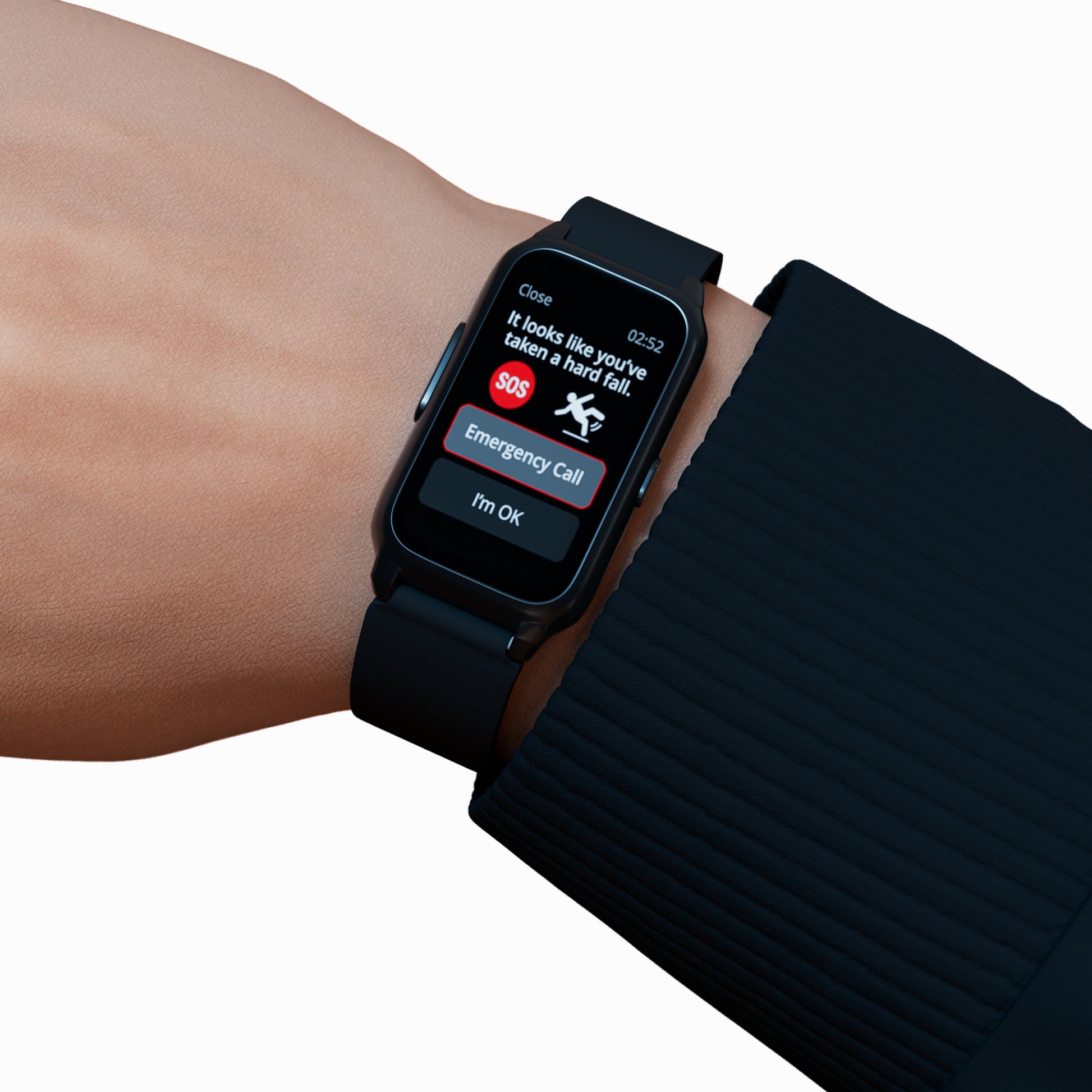
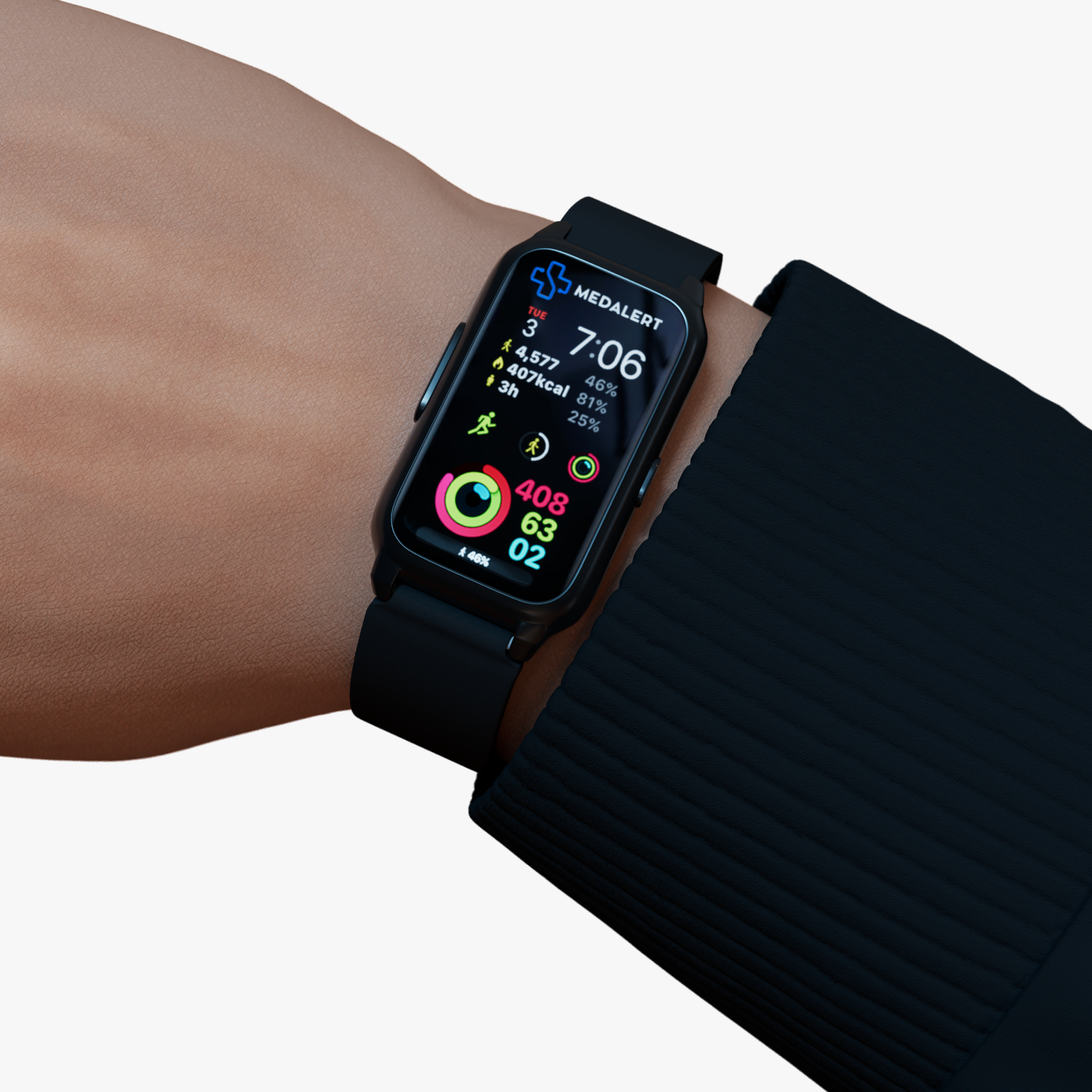
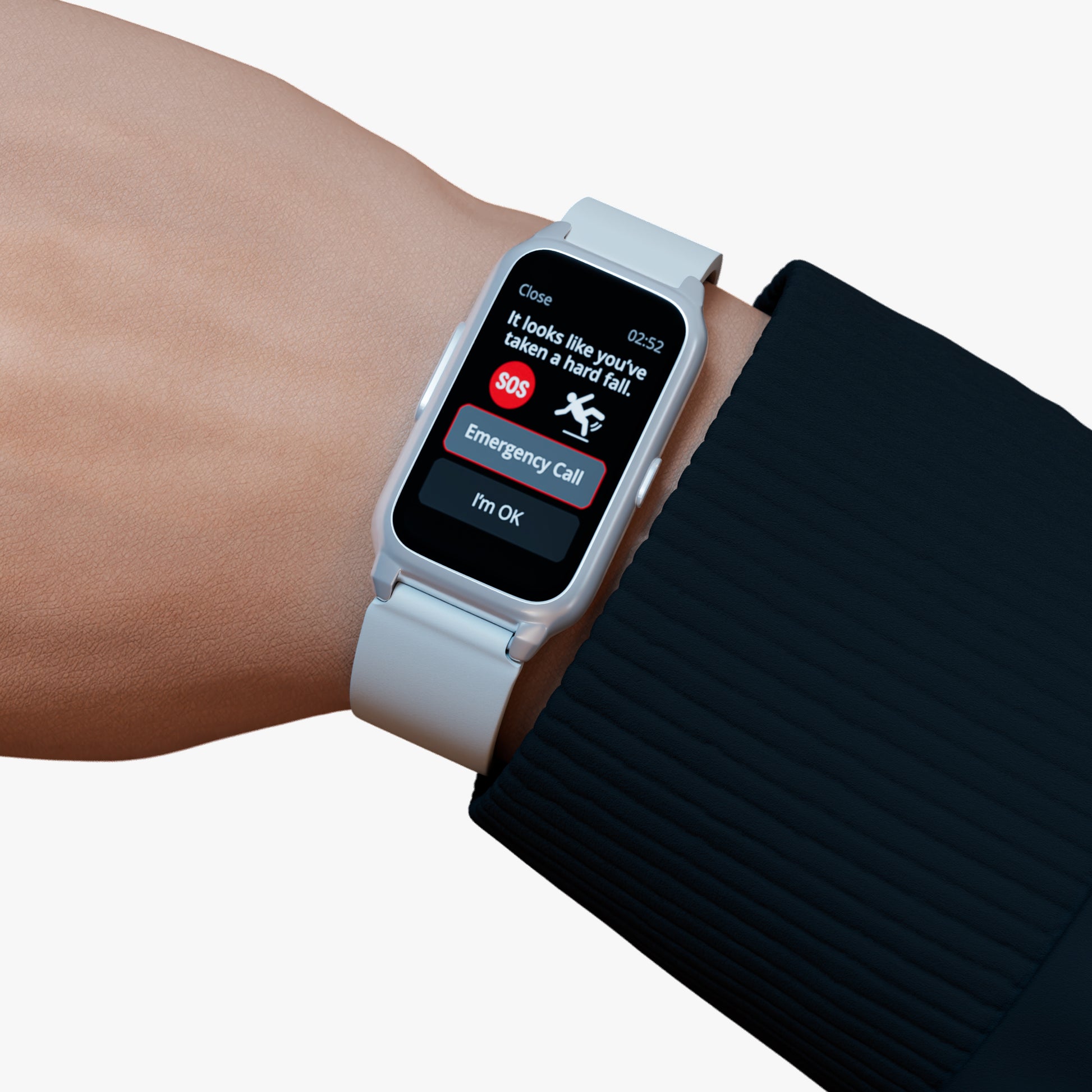
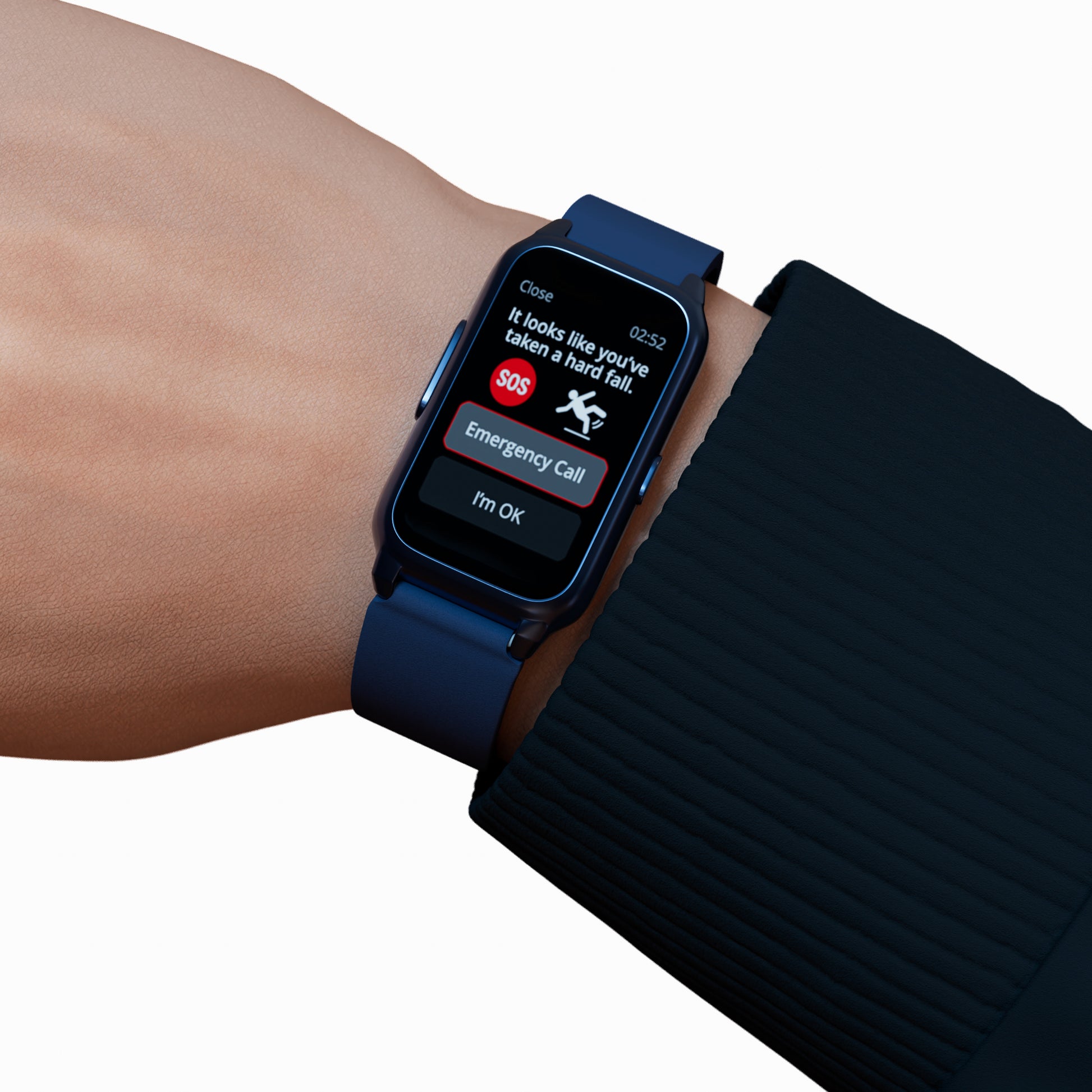
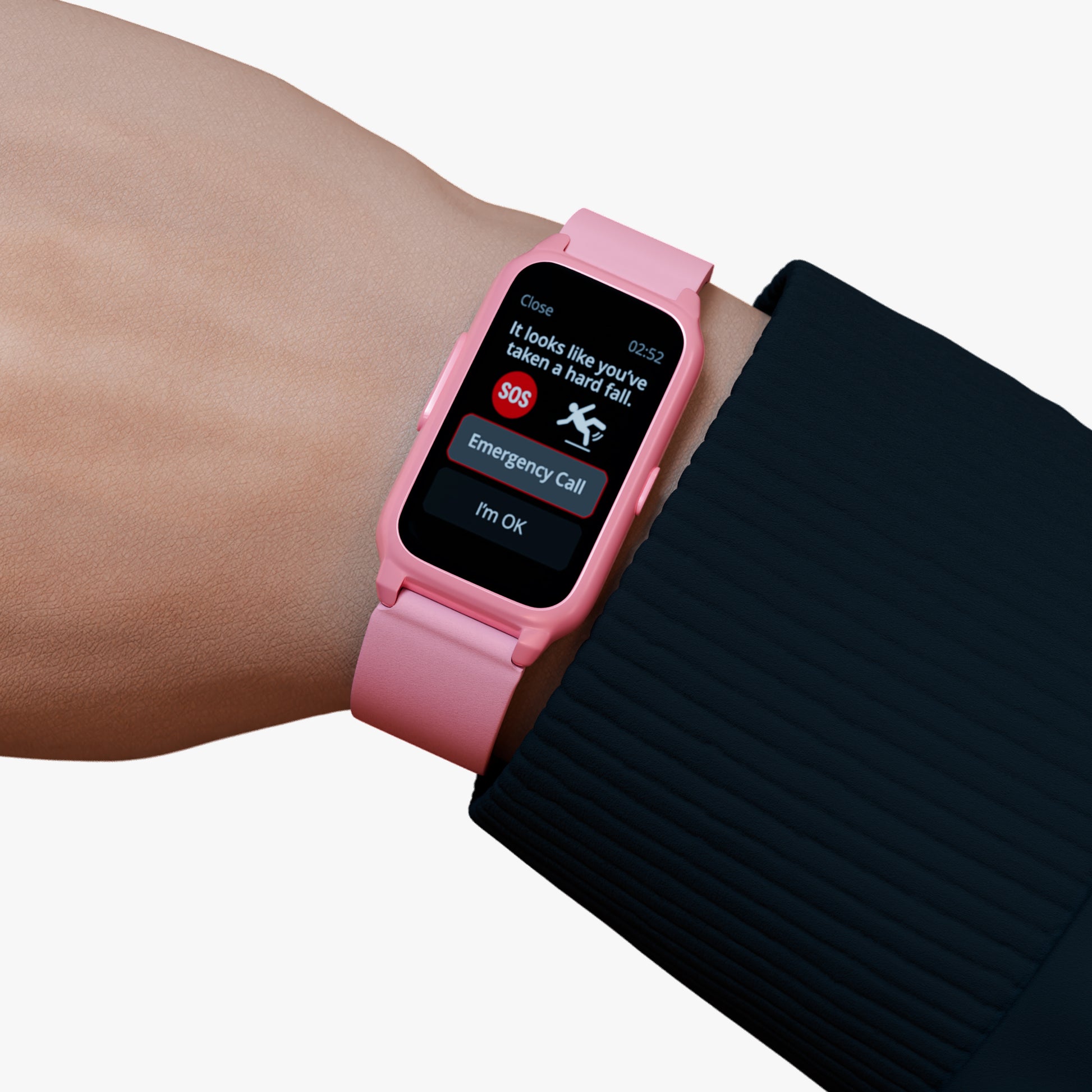
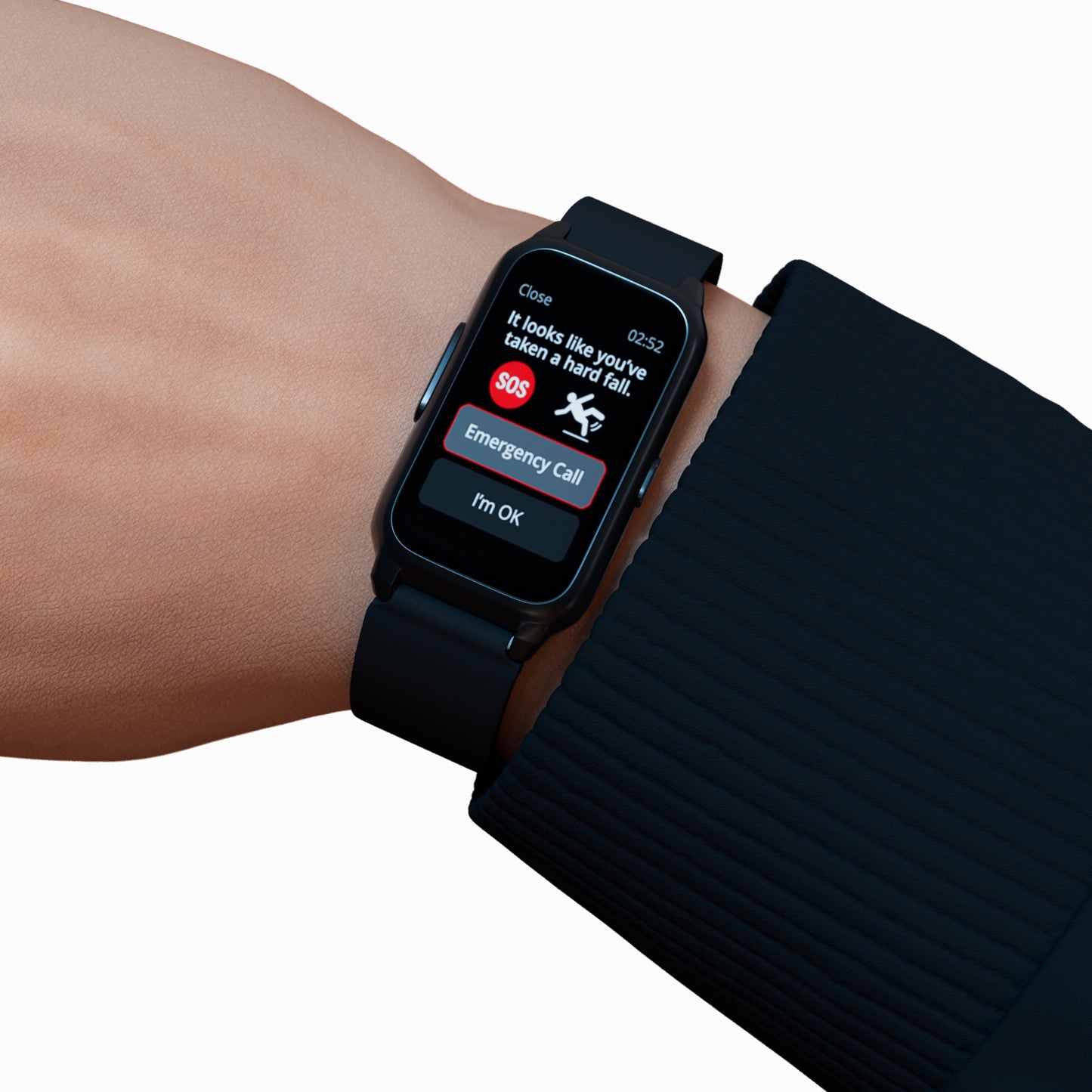
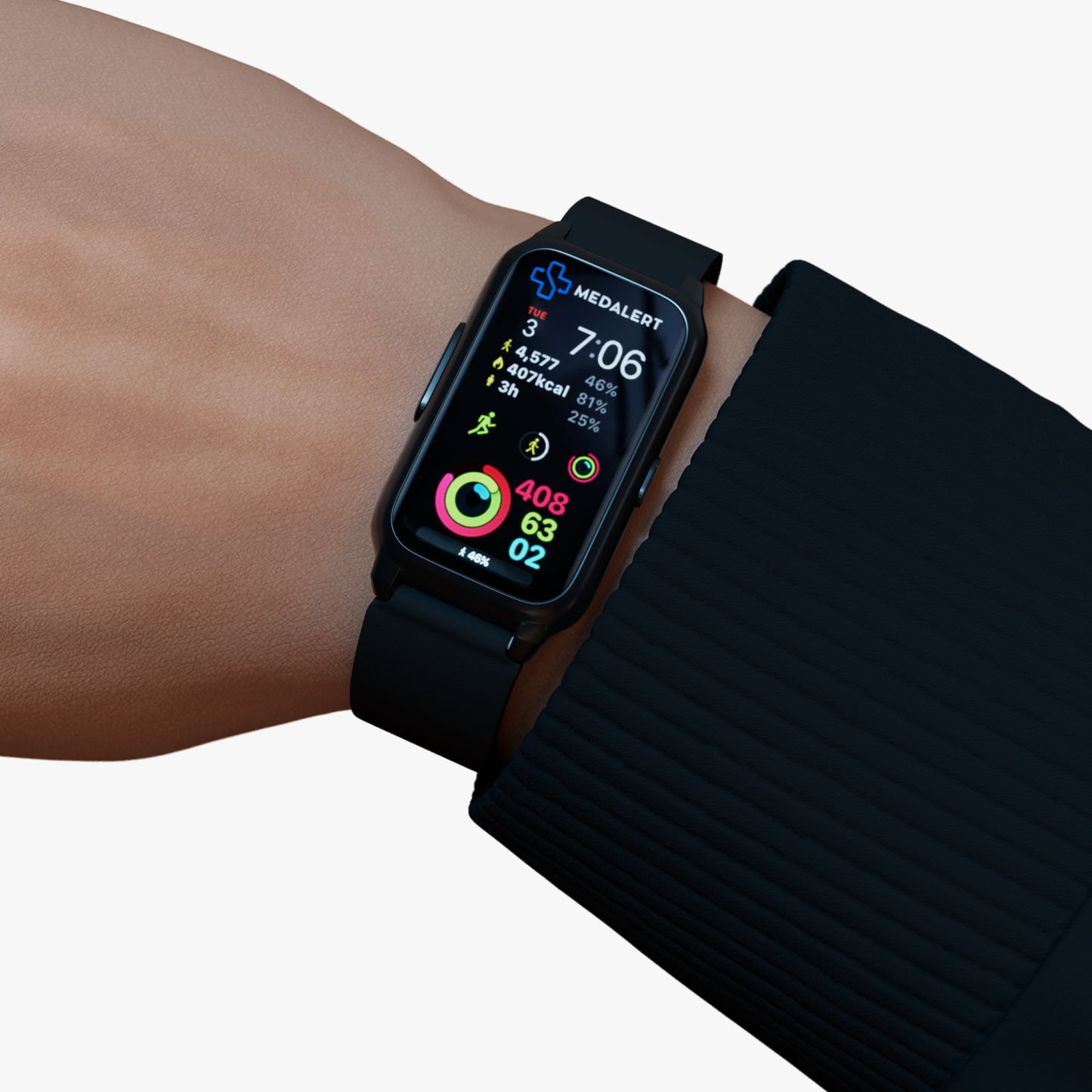
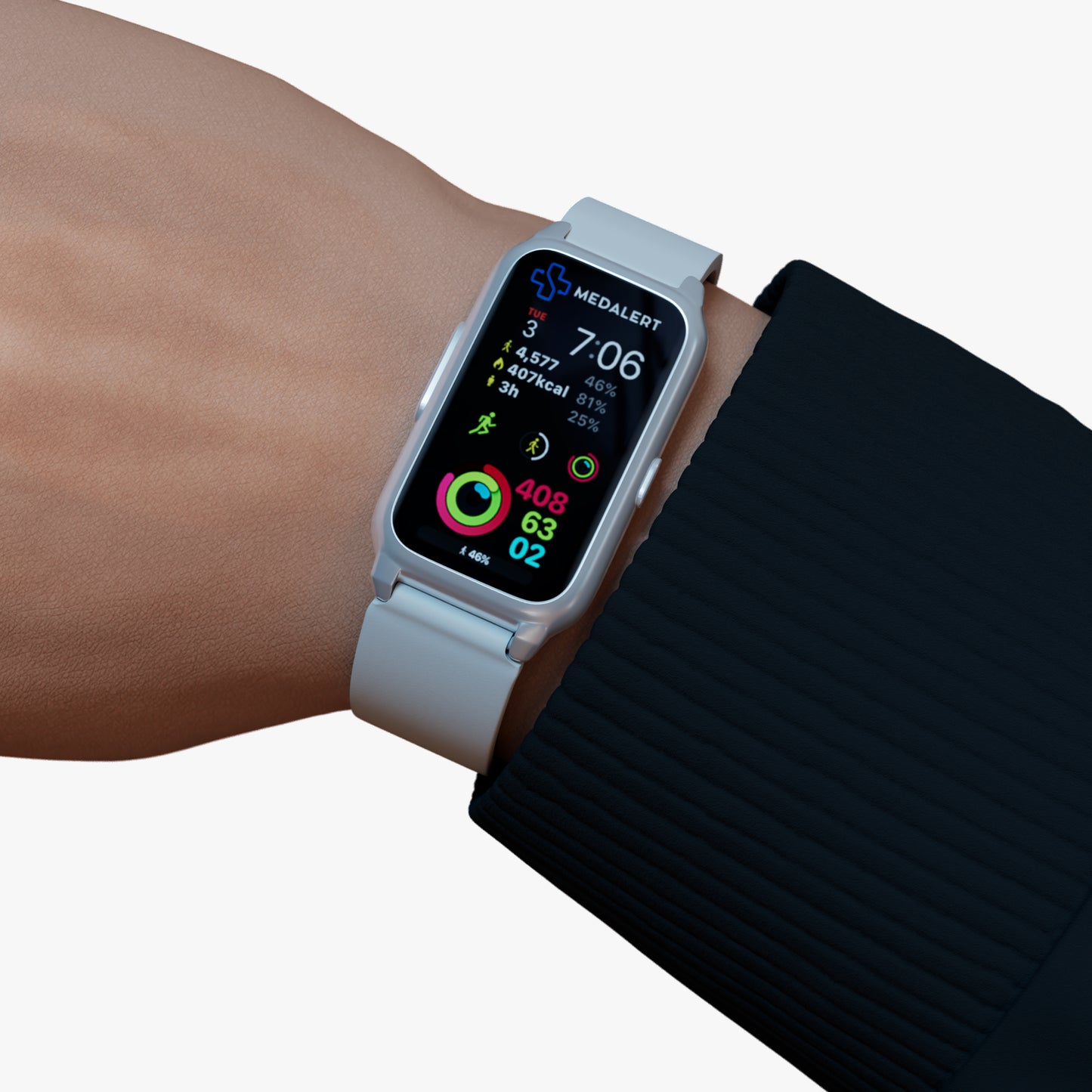
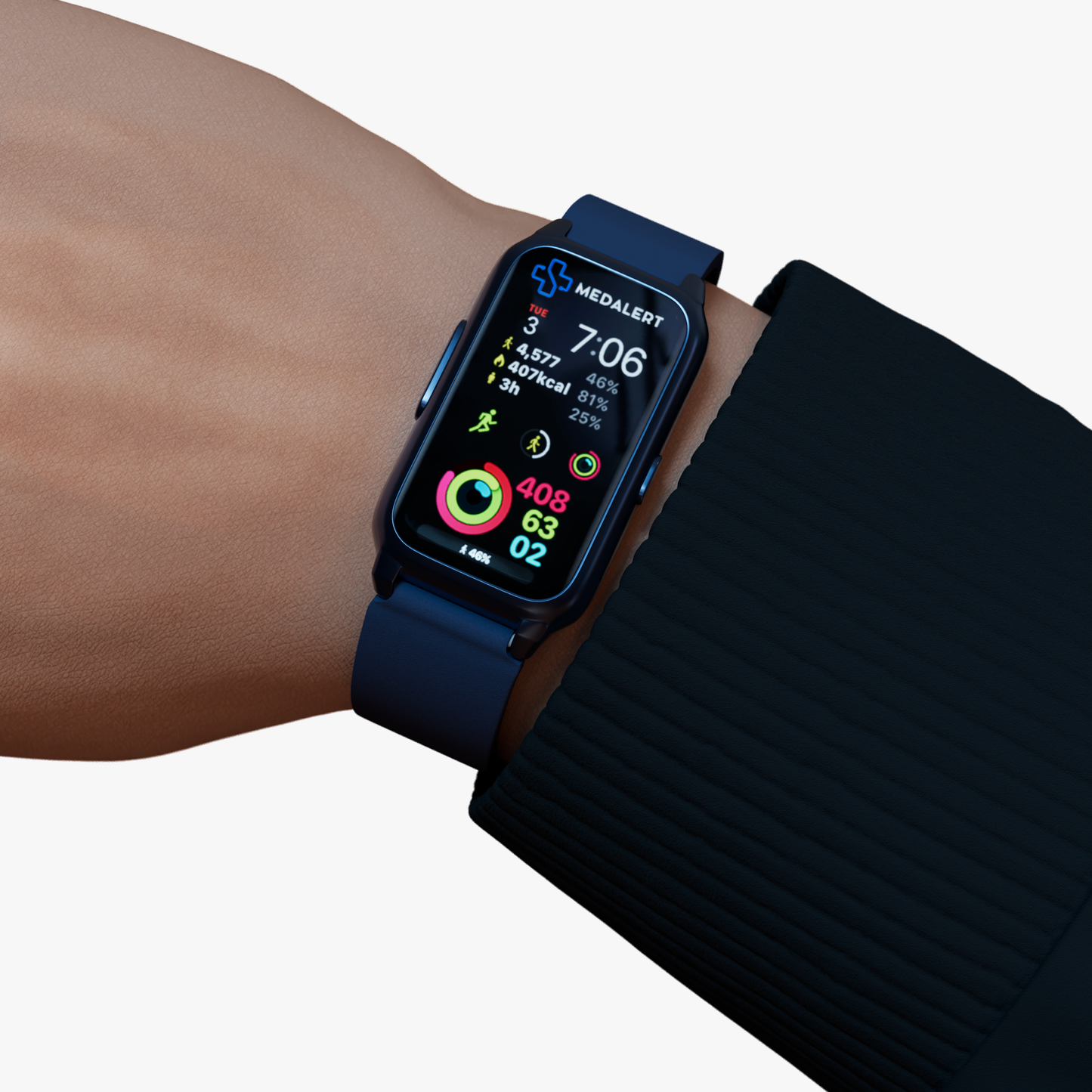
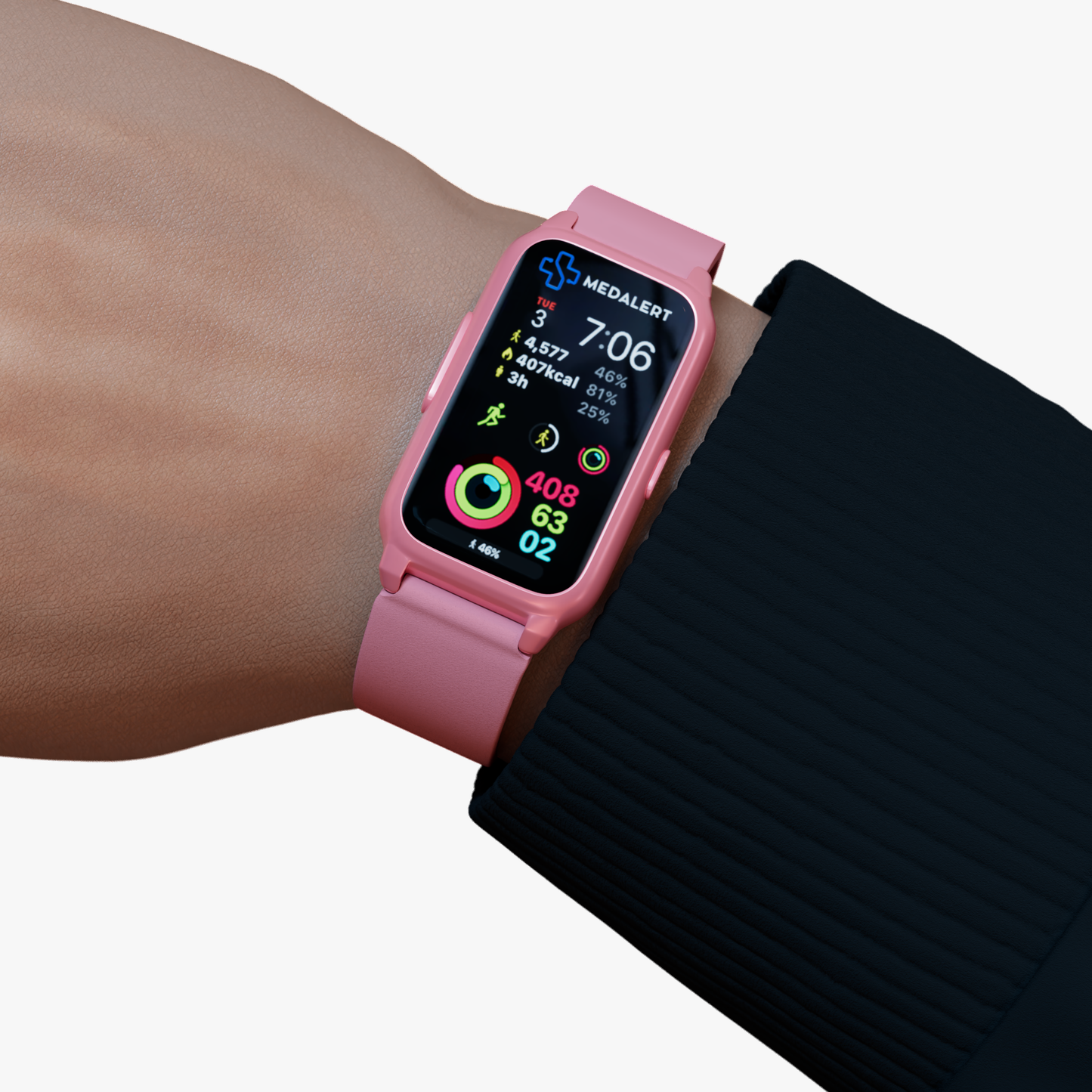
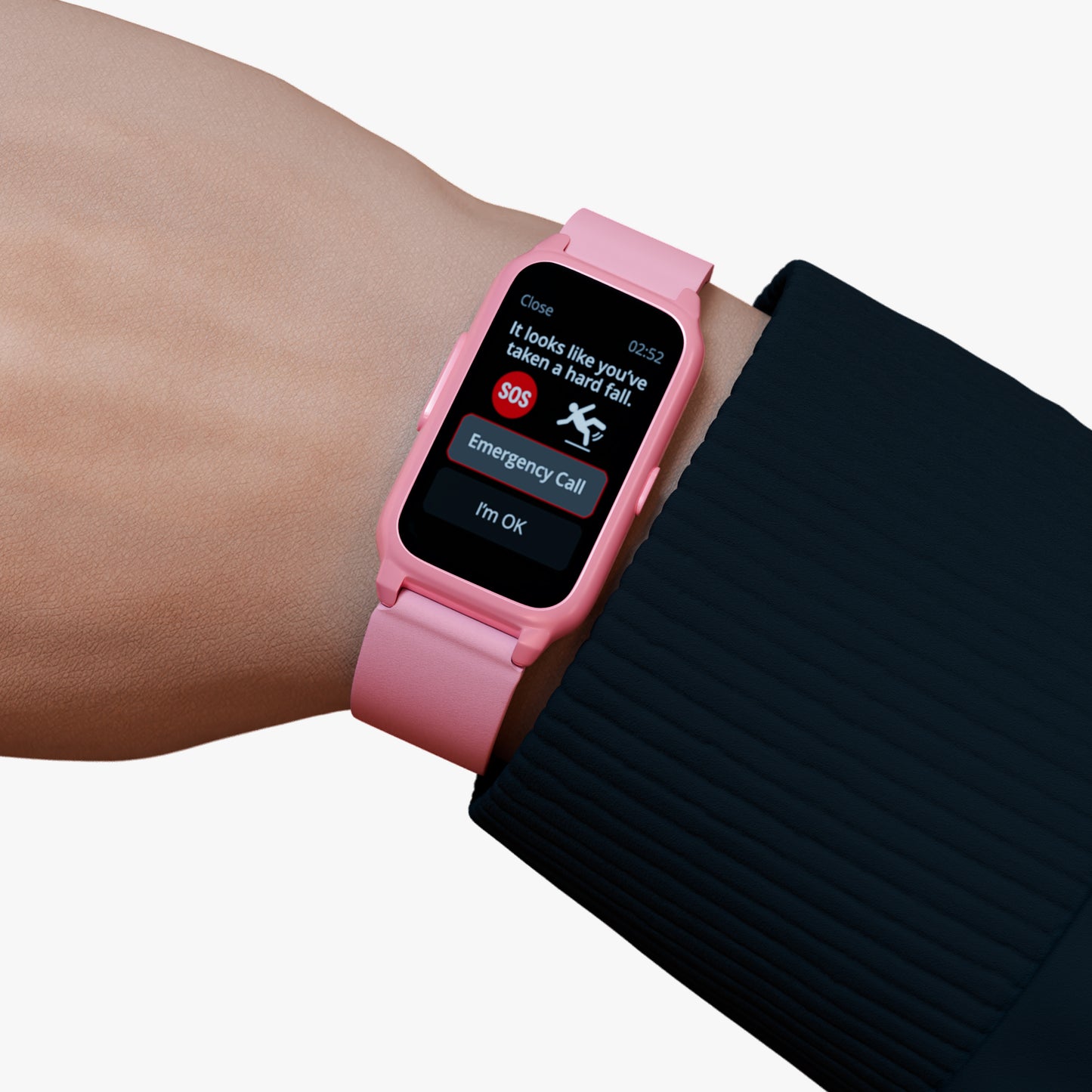
MedAlert's Personal Medical Alarm 4G is designed as a wearable safety device for seniors and NDIS clients. Its listed functions include GPS tracking, fall detection and two-way calls. The device can also connect with the MedAlert mobile app for features such as live GPS tracking and alerts.
For participants, the most important consideration is how these features relate to their own needs. A device should not be selected simply because it has several functions. Instead, the focus should be on whether those functions provide useful support within the person's circumstances.
Understanding MedAlert's NDIS Status
Before looking at funding, it helps to understand MedAlert's position within the NDIS.
MedAlert states that it is a registered NDIS provider. Its NDIS information page also states that the Personal Medical Alarm 4G is an approved device under the NDIS. The same page explains that access to funding depends on the participant's individual needs and circumstances.
This distinction matters. Being an approved device does not mean that every participant will automatically receive funding for it. NDIS support is considered according to individual circumstances, so participants should check how the device relates to their plan and support needs.
The NDIS approved medical alert systems information on MedAlert's website provides further details about its NDIS registration, the device and the funding process described by the company.
What Features Can a Safety Device Provide?
A medical alert device can bring several safety functions together in one wearable product. For an NDIS participant, this may make it easier to consider different forms of support without using separate devices for every function.
MedAlert's Personal Medical Alarm 4G includes GPS tracking, fall detection and two-way communication. The device also includes features such as geofencing, emergency alerts and a mobile app for tracking and notifications.
GPS Tracking and Location Support
GPS can be useful when location information forms part of a person's safety needs. MedAlert provides live and historical GPS tracking through its device and app.
The device also supports geofencing. MedAlert explains that predefined contacts can receive notifications when the wearer enters or leaves a designated area. These functions can be considered when location awareness is relevant to a participant's routine.
The medalert gps alarm page provides more information about the GPS features available through MedAlert.
Fall Detection and Emergency Communication
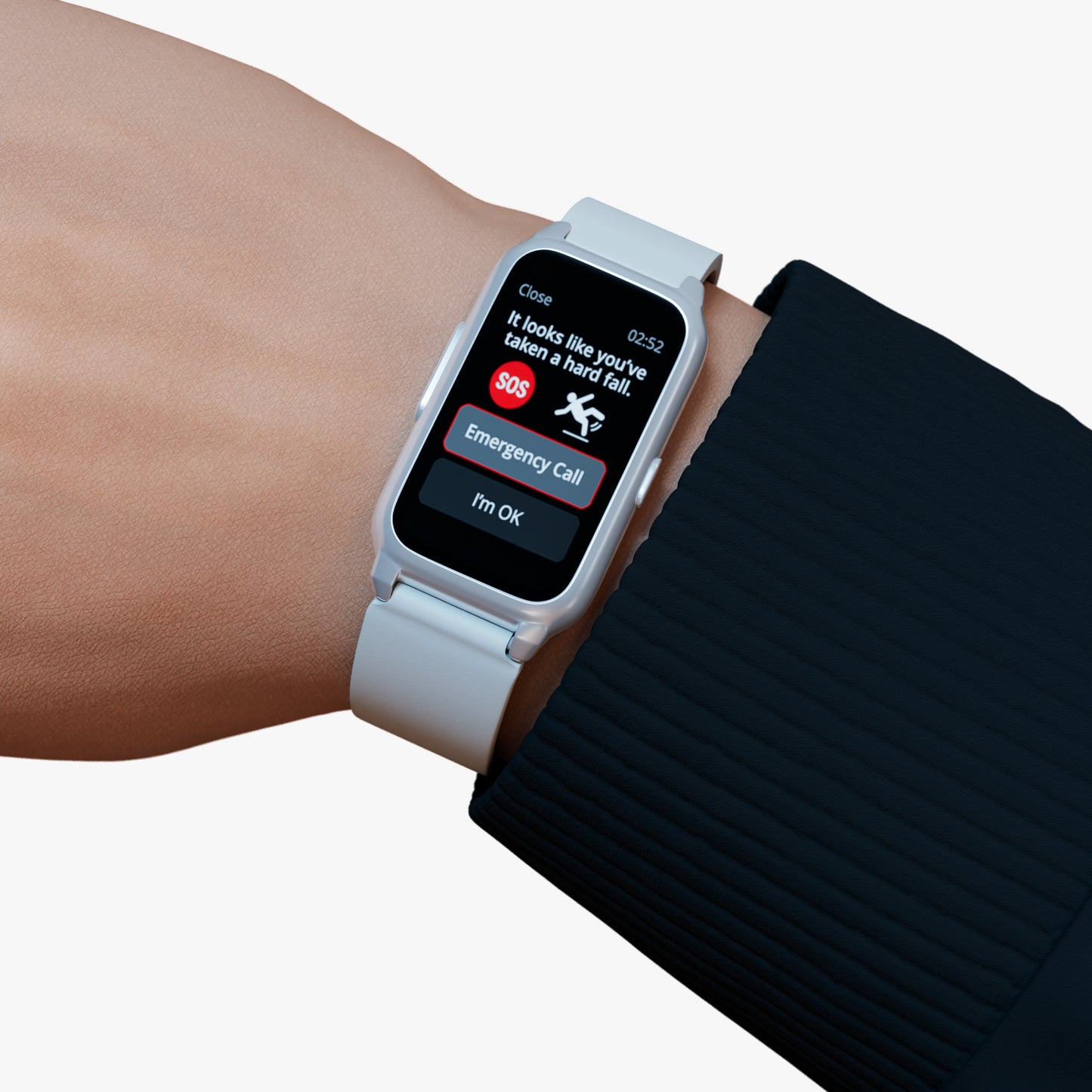
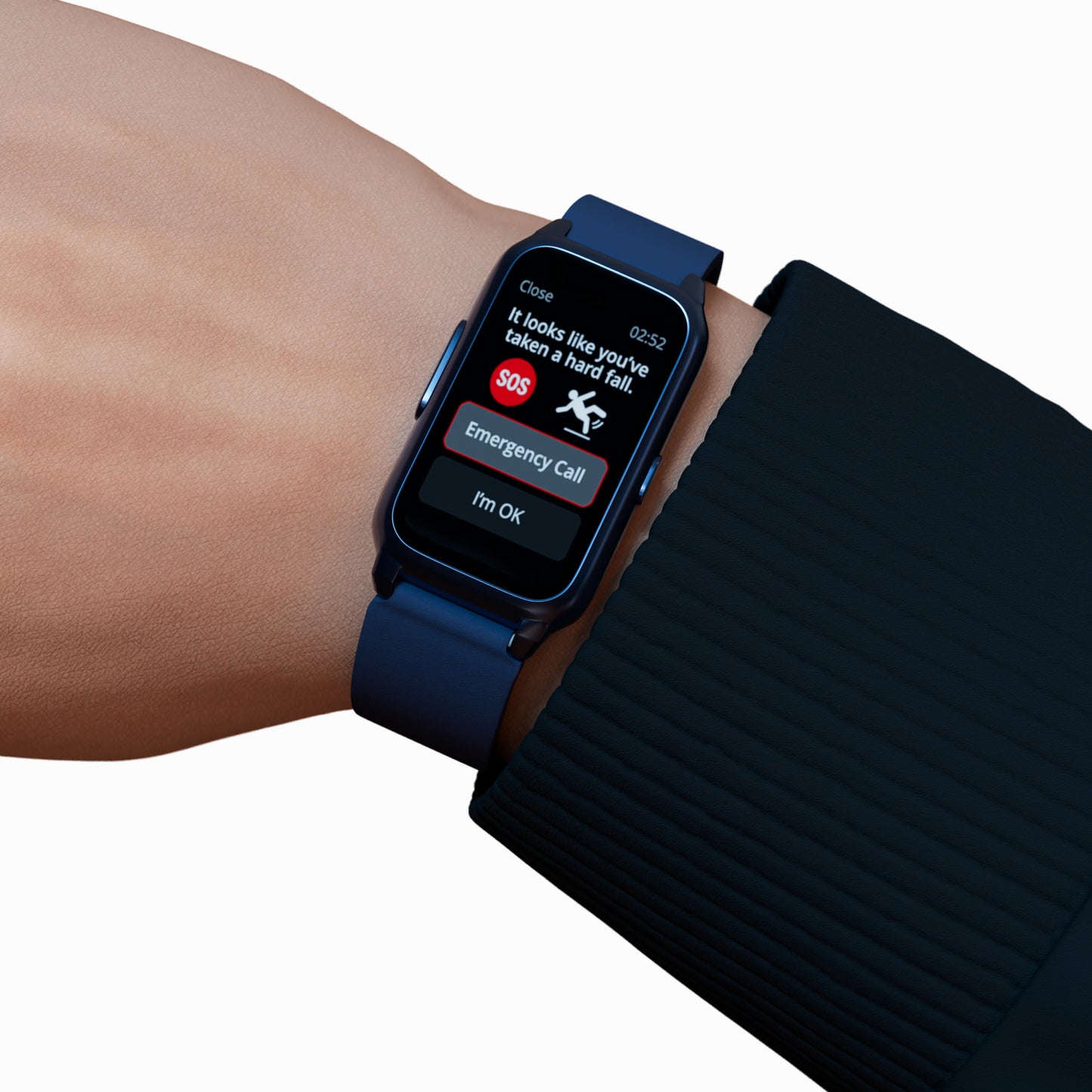
Fall detection is another feature available through the MedAlert device. The system is designed to detect a fall and send an alert to predefined contacts.
The device also provides two-way calls, giving the wearer a way to communicate with selected contacts. These features work alongside the emergency alert function rather than replacing other forms of support.
For someone who may spend time alone, these functions may be relevant when considering what type of personal safety technology fits their circumstances.
How NDIS Funding May Relate to a Medical Alert Device
Funding is often one of the main questions for NDIS participants and families. However, it is important not to assume that a device will be funded simply because it is listed as NDIS approved.
MedAlert explains that the device may be covered under the NDIS where it is considered reasonable and necessary to support the participant's disability needs. The company's NDIS information also states that individual needs and circumstances are considered when funding approval is assessed.
This means participants should consider how the device relates to their own support requirements. The purpose of the device, the features needed and the participant's circumstances may all be relevant when making a request.
MedAlert also explains that a purchase request can be submitted to an NDIS plan manager or the NDIA, with supporting documentation where required. The company mentions documents such as a prescription or recommendation from a health professional.
What Should Participants Consider Before Choosing a Device?
The first step is to think about the person's actual needs rather than starting with a list of technical features.
For example, GPS may be relevant if location tracking is important. Fall detection may be a consideration where falls form part of the person's safety concerns. Two-way communication may matter if the wearer needs a way to speak with selected contacts.
A participant may also be looking for an NDIS registered personal alarm that can be worn as part of their usual routine. MedAlert's wearable device combines several functions within one product, allowing participants and families to review the available features together.
The medical alert device australia page provides an overview of MedAlert's wearable safety products and services.
It is also worth considering whether the person who will use the device understands its main functions. Knowing how to activate an alert, communicate with contacts and keep the device charged can make everyday use more straightforward.
NDIS Support and Individual Circumstances
One of the most important points for participants and families is that NDIS funding decisions are individual.
A device may be approved under the NDIS while funding still depends on the participant's own circumstances. Therefore, it is better to view NDIS approval and individual funding as two related but separate considerations.
This can help avoid confusion when researching a falls watch NDIS option or another personal safety device. The key question is whether the product and its functions are relevant to the participant's disability-related needs.
MedAlert's information states that participants can submit a purchase request through their plan manager or the NDIA. Supporting information may also be requested as part of the process.
Why the Device's Features Matter
When comparing safety devices, the number of features is not the only consideration. The usefulness of each feature depends on the person's situation.
For instance, GPS tracking may be important for someone who regularly moves between different locations. Two-way communication may be more relevant when staying connected with selected contacts is a priority. Fall detection provides another function for situations where an automatic alert may be needed.
An NDIS approved medical alert systems search should therefore lead to a closer look at the device itself, rather than focusing only on its funding status.
MedAlert's device combines these functions in a wearable format. This allows participants and families to consider the product as a complete safety device rather than assessing each feature separately.
Getting Clear Information Before Making a Decision
Choosing a safety device is easier when participants know what the product provides and how the NDIS process applies to their situation.
MedAlert provides information about its NDIS registration, its Personal Medical Alarm 4G and the process described for requesting NDIS funding. Participants can use this information as a starting point when discussing their options with the relevant people involved in their NDIS plan.
It is also sensible to focus on the features that have a clear purpose for the individual. This keeps the decision practical and helps avoid choosing a device based only on features that may not be needed.
A Practical Way to Approach Safety Devices
For NDIS participants and families, selecting a safety device can involve both personal needs and funding considerations. The two should be looked at together.
Start by identifying the situations where additional support may be useful. Then consider whether features such as GPS tracking, fall detection, emergency alerts or two-way communication address those needs.
An NDIS approved medical alert systems option may be relevant where a wearable device supports the participant's safety and independent living needs. However, individual NDIS funding remains dependent on the participant's circumstances and assessment.
MedAlert's NDIS information provides a starting point for understanding its registered provider status, its approved Personal Medical Alarm 4G and the funding process outlined by the company.
Frequently Asked Questions
1. Is the MedAlert device approved under the NDIS?
MedAlert states that its Personal Medical Alarm 4G is an approved device under the NDIS. However, funding approval depends on the individual participant's needs and circumstances.
2. Can an NDIS participant request funding for the device?
MedAlert explains that participants can submit a purchase request to their NDIS plan manager or the NDIA. Supporting documentation may be required as part of the request.
3. What features does the MedAlert device include?
The Personal Medical Alarm 4G includes GPS tracking, fall detection and two-way calls. MedAlert also lists features such as geofencing, emergency alerts and mobile app tracking.
4. Is MedAlert an NDIS registered provider?
Yes. MedAlert states that it is a registered provider under the National Disability Insurance Scheme in Australia.
5. Where can I ask MedAlert about NDIS options?
Participants, families and carers can contact MedAlert directly if they need information about its products or NDIS-related options. The Contact us page provides a way to get in touch.