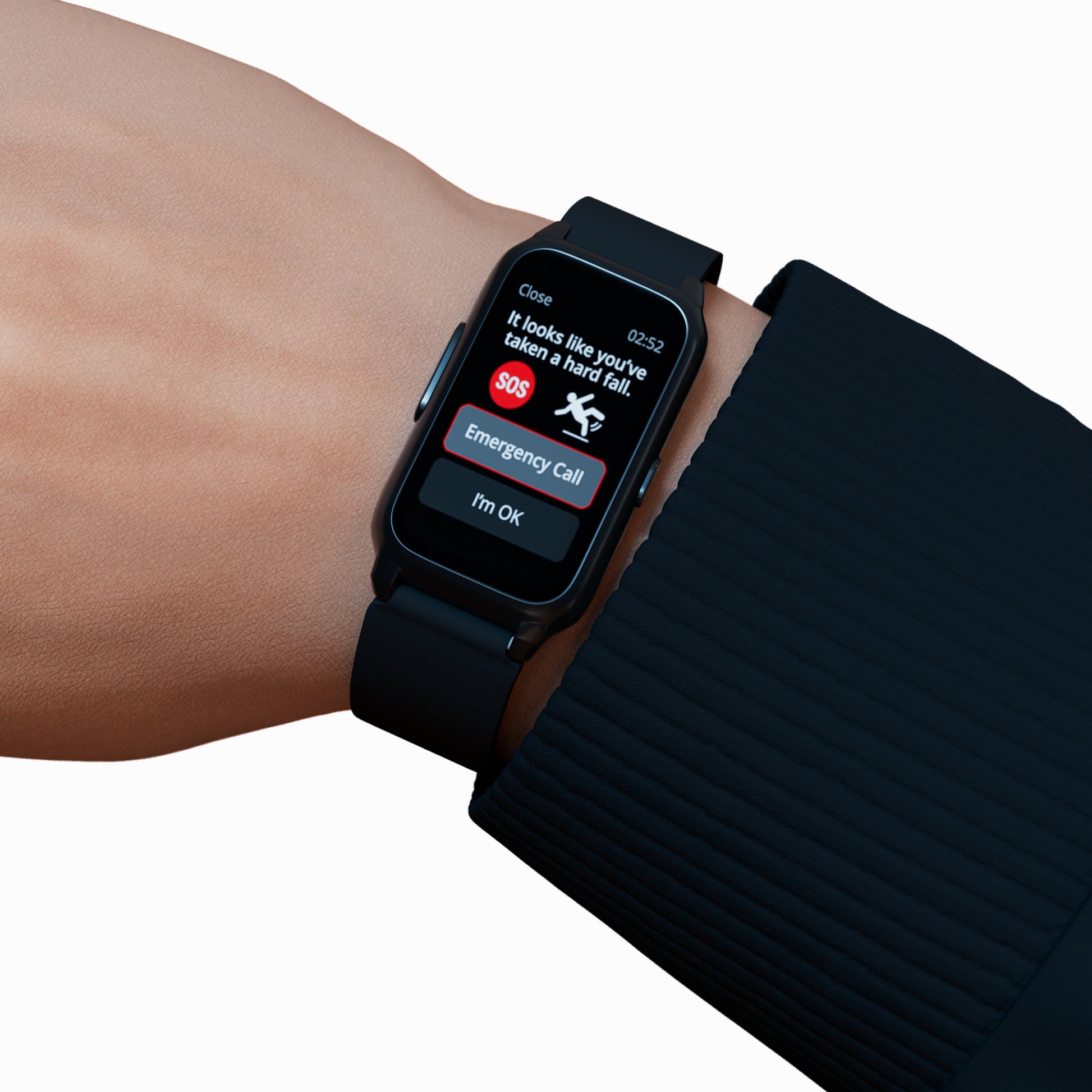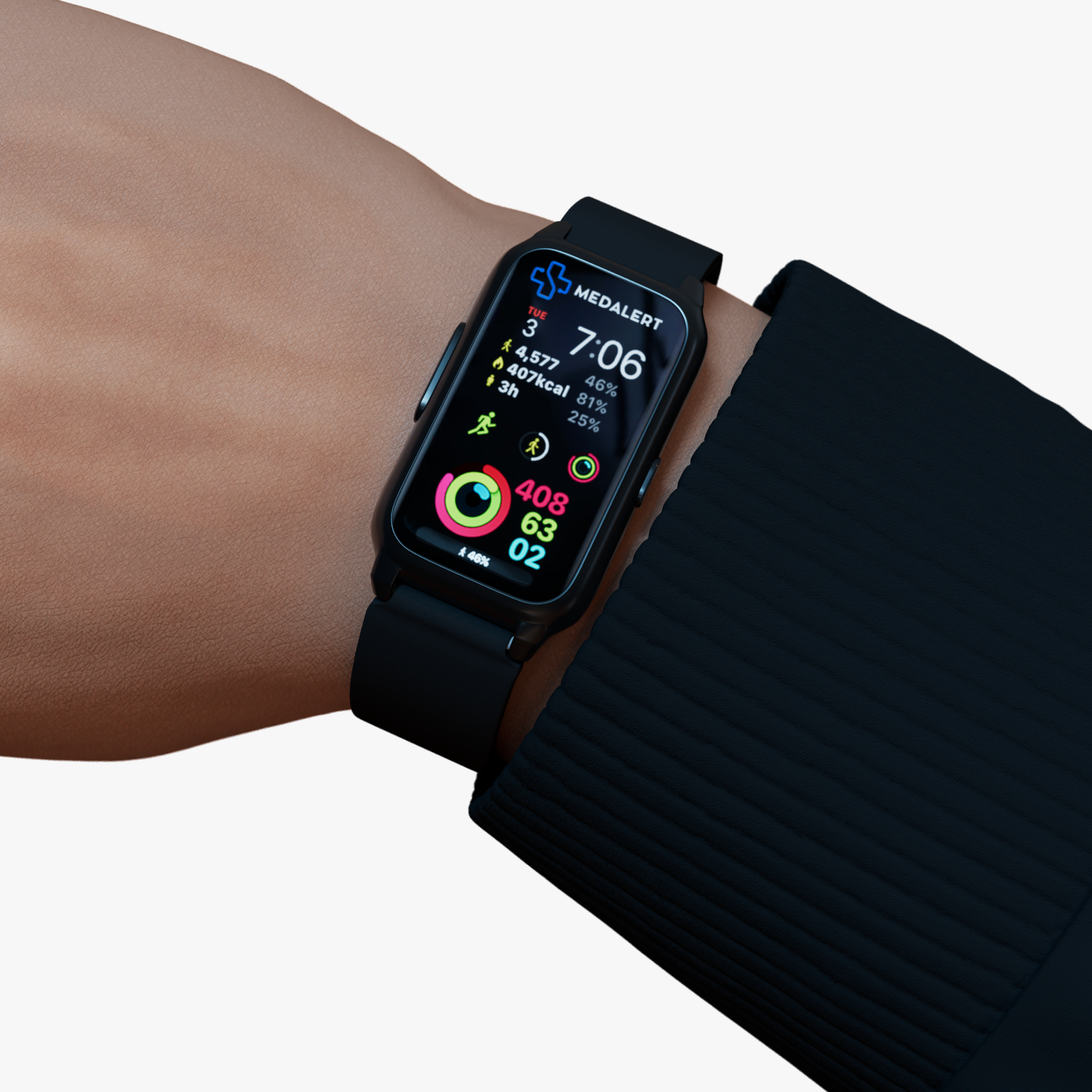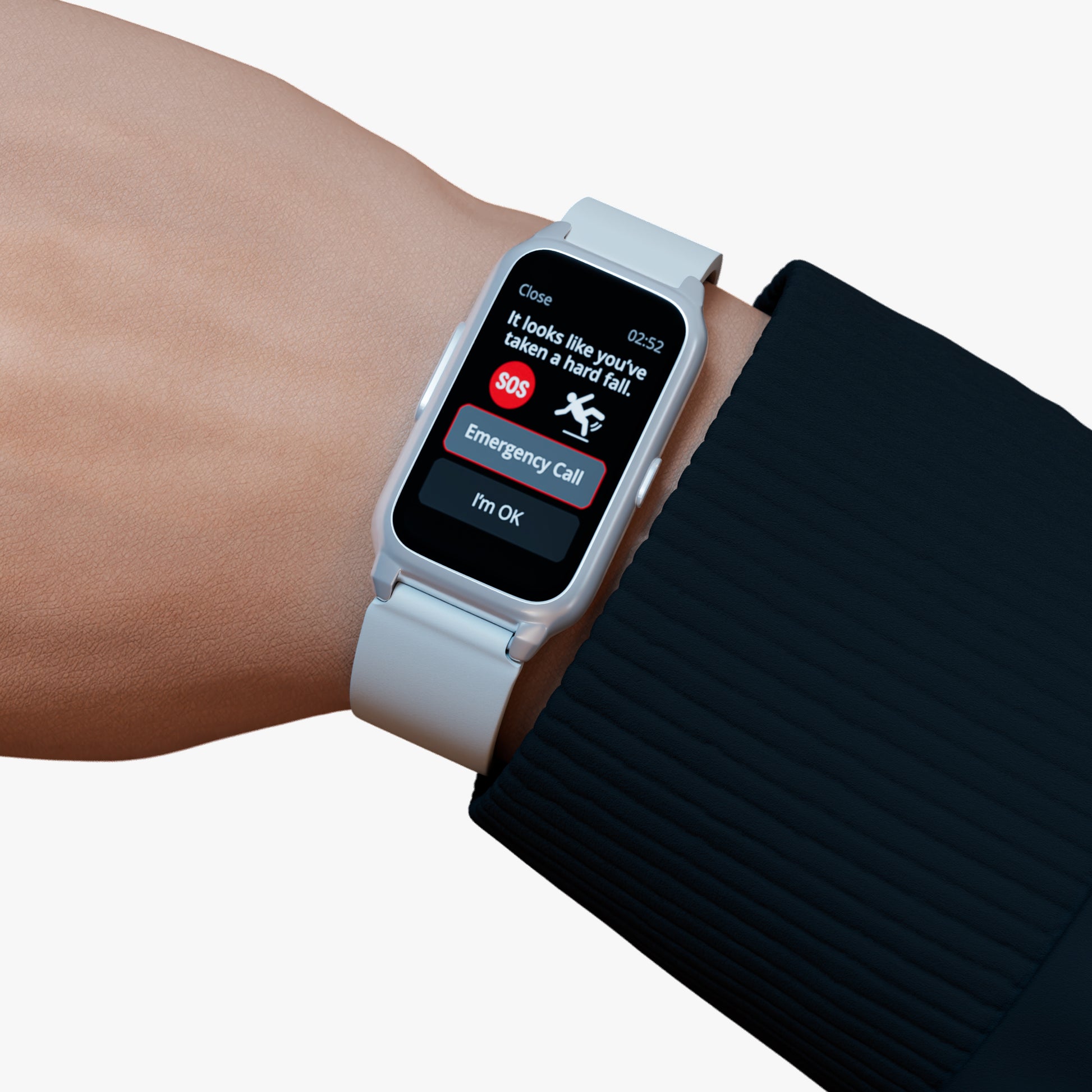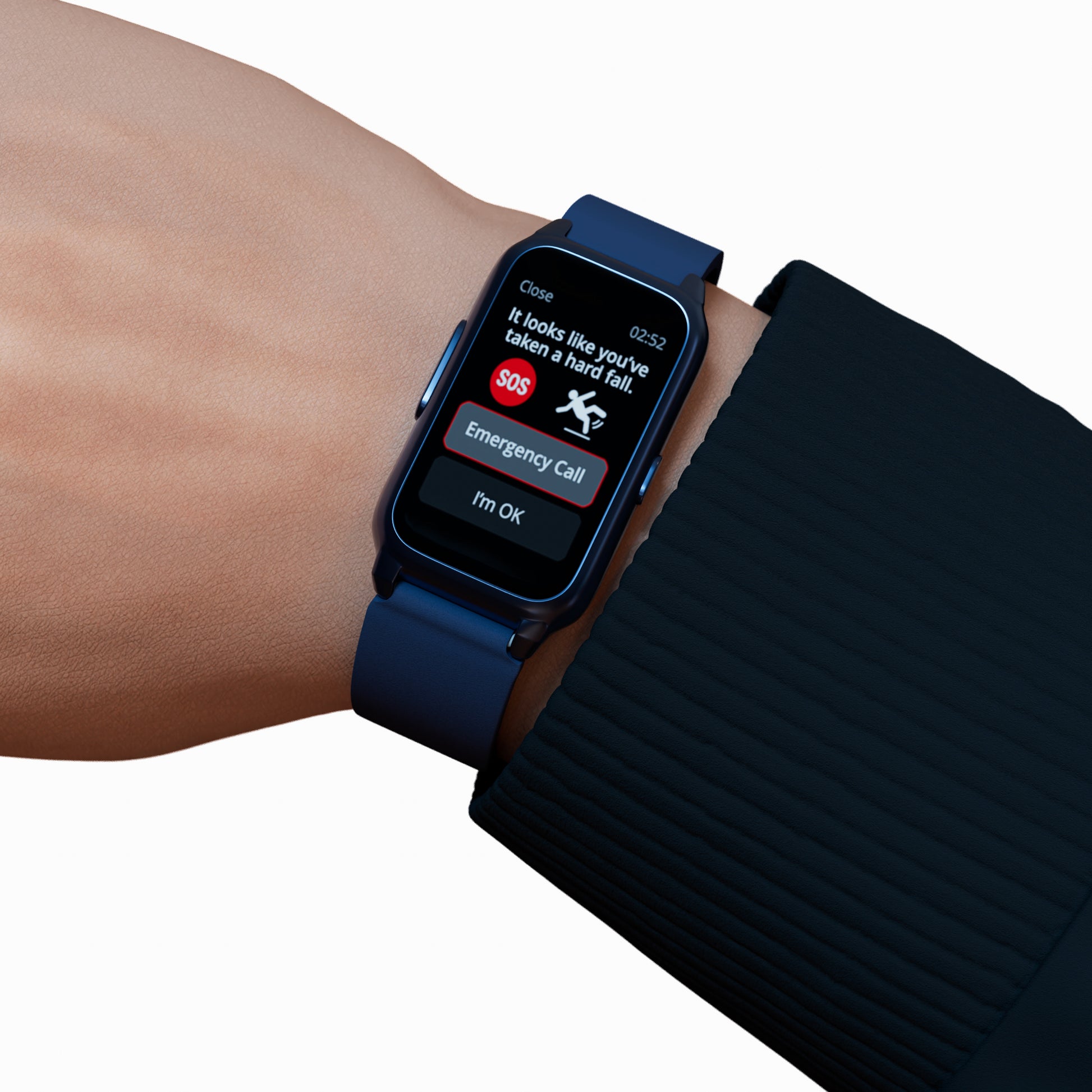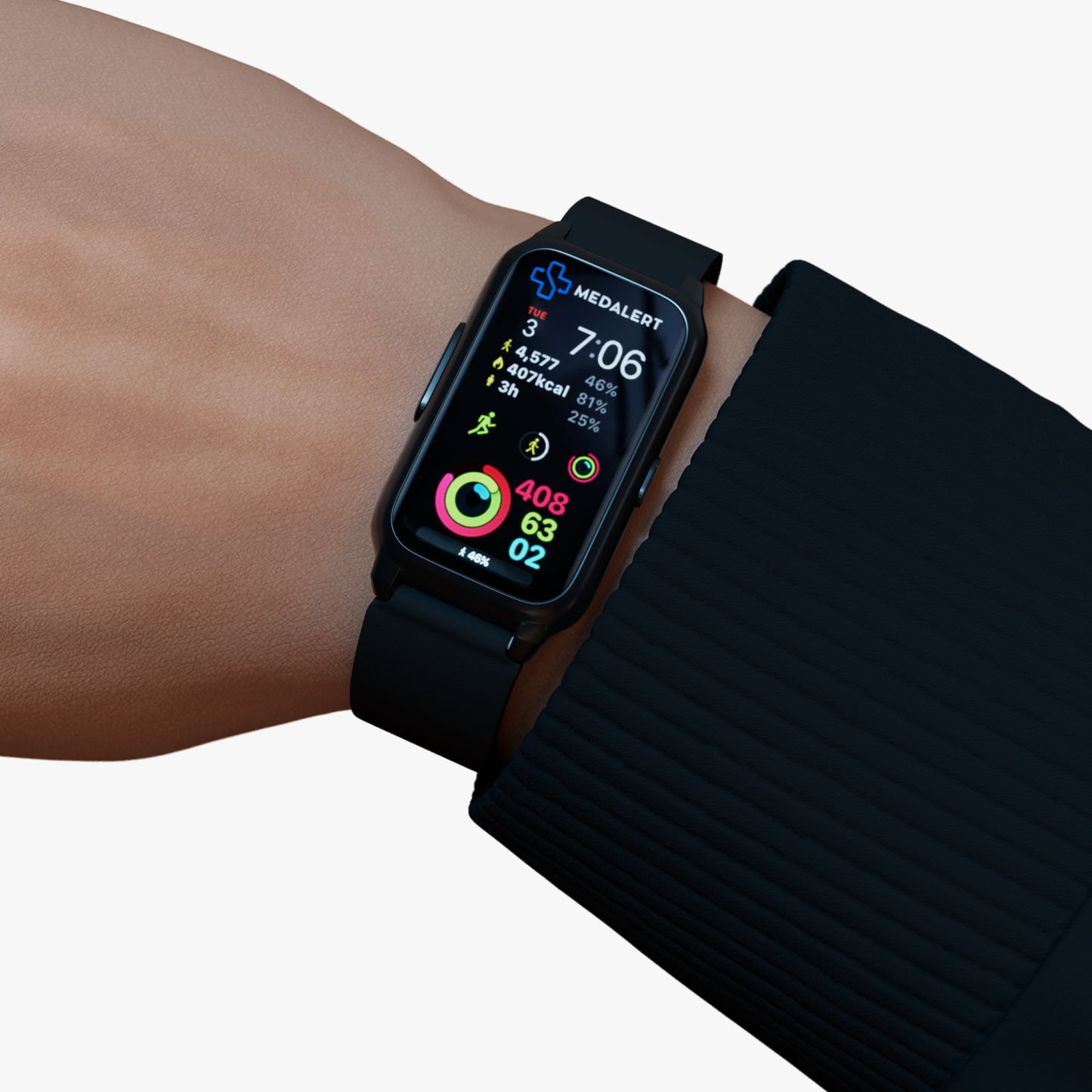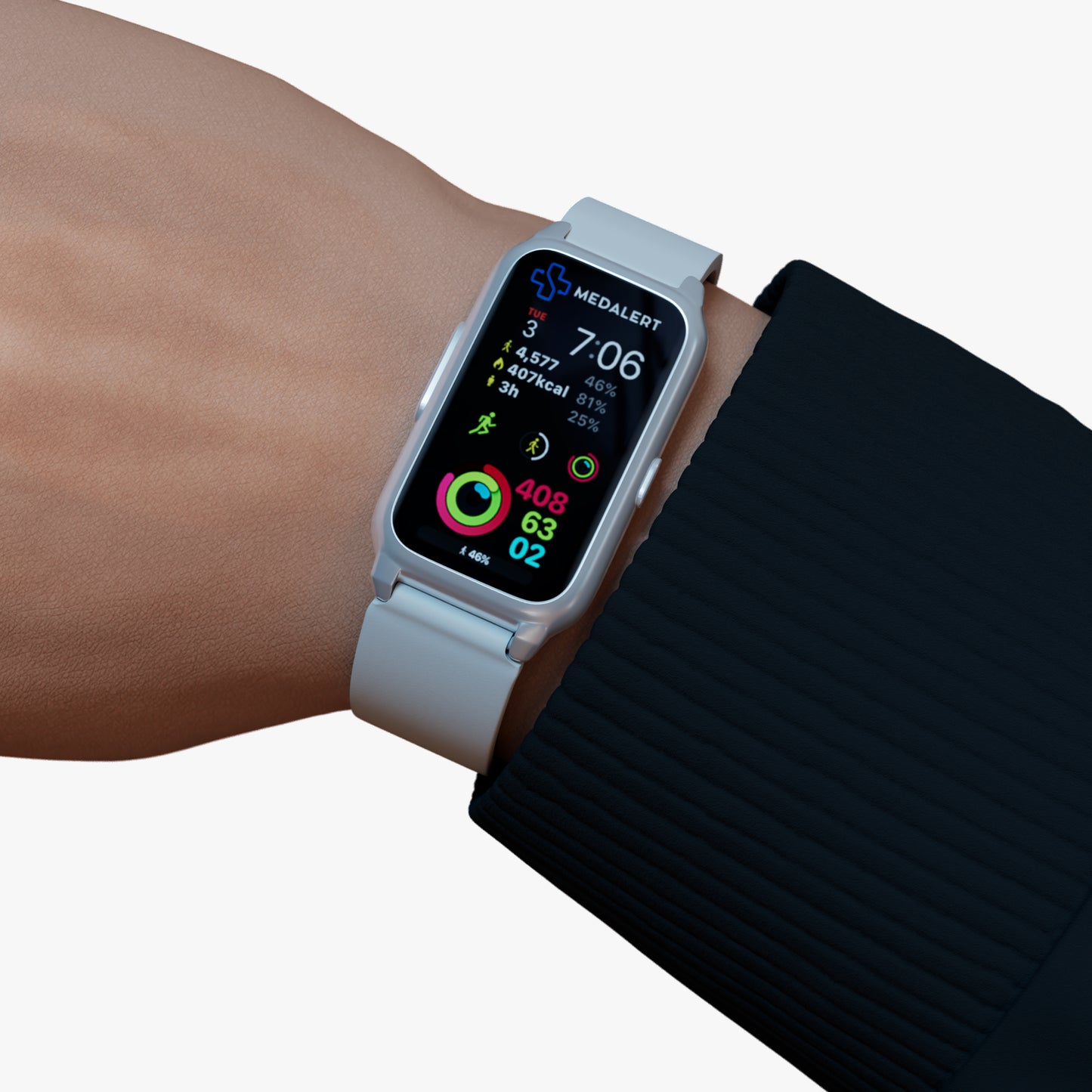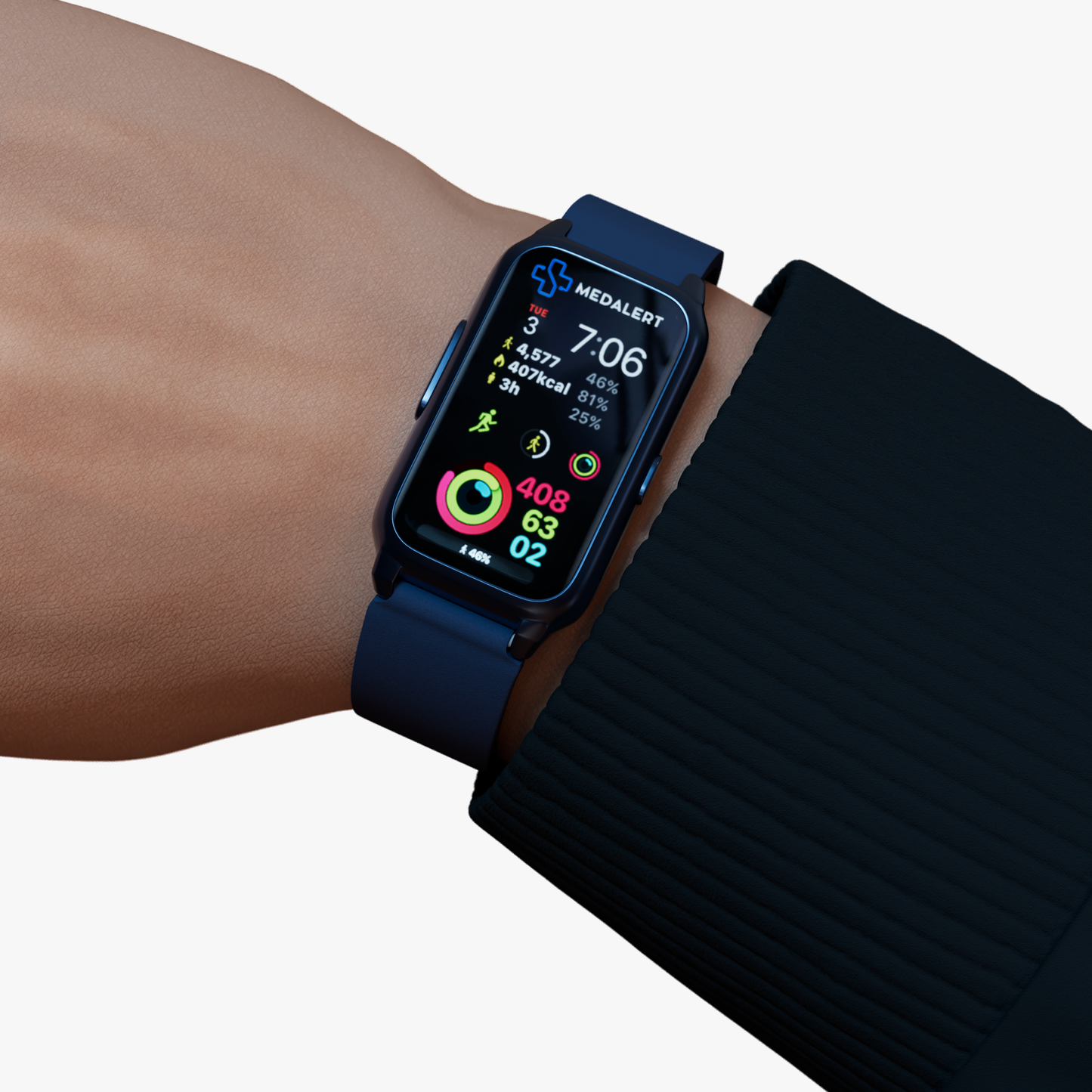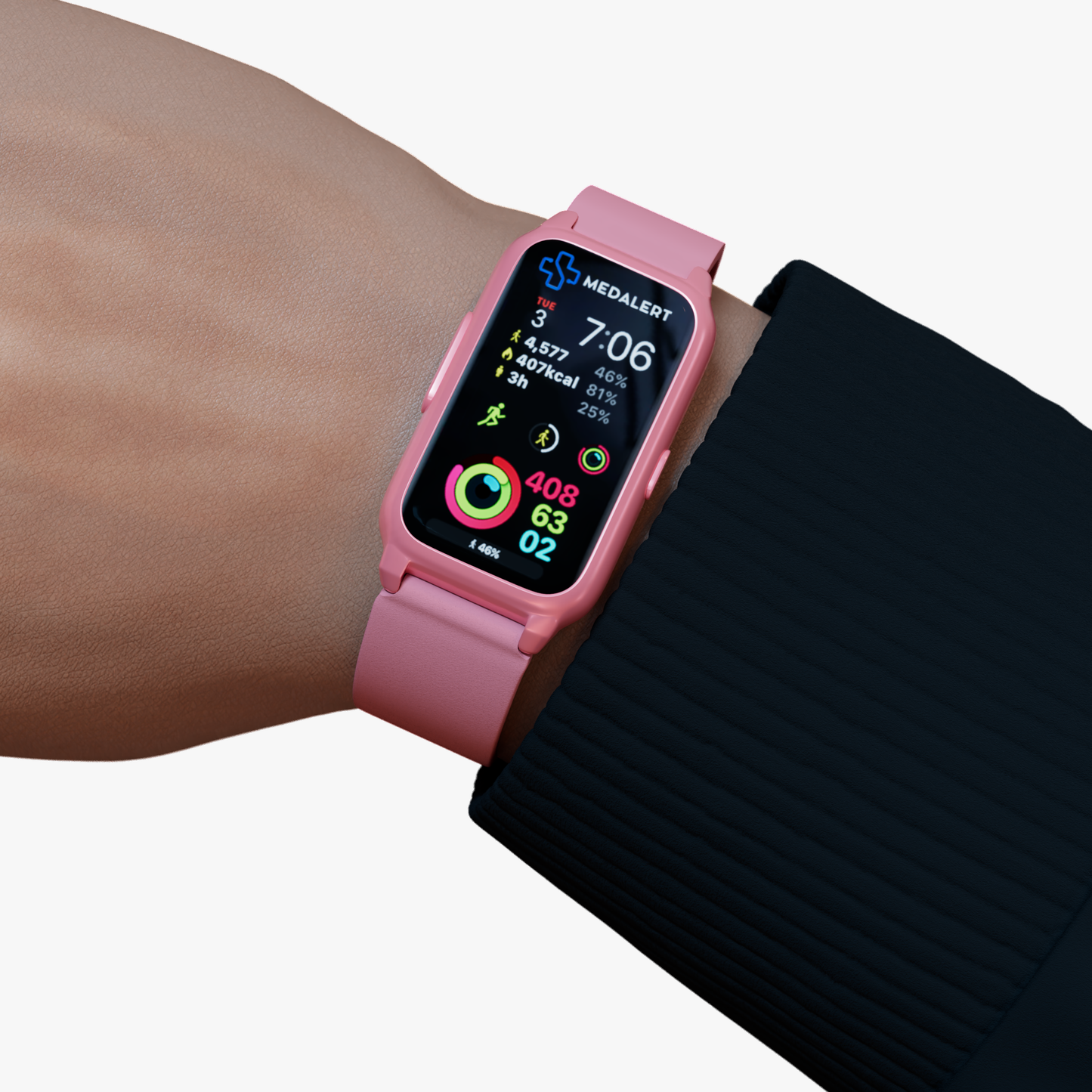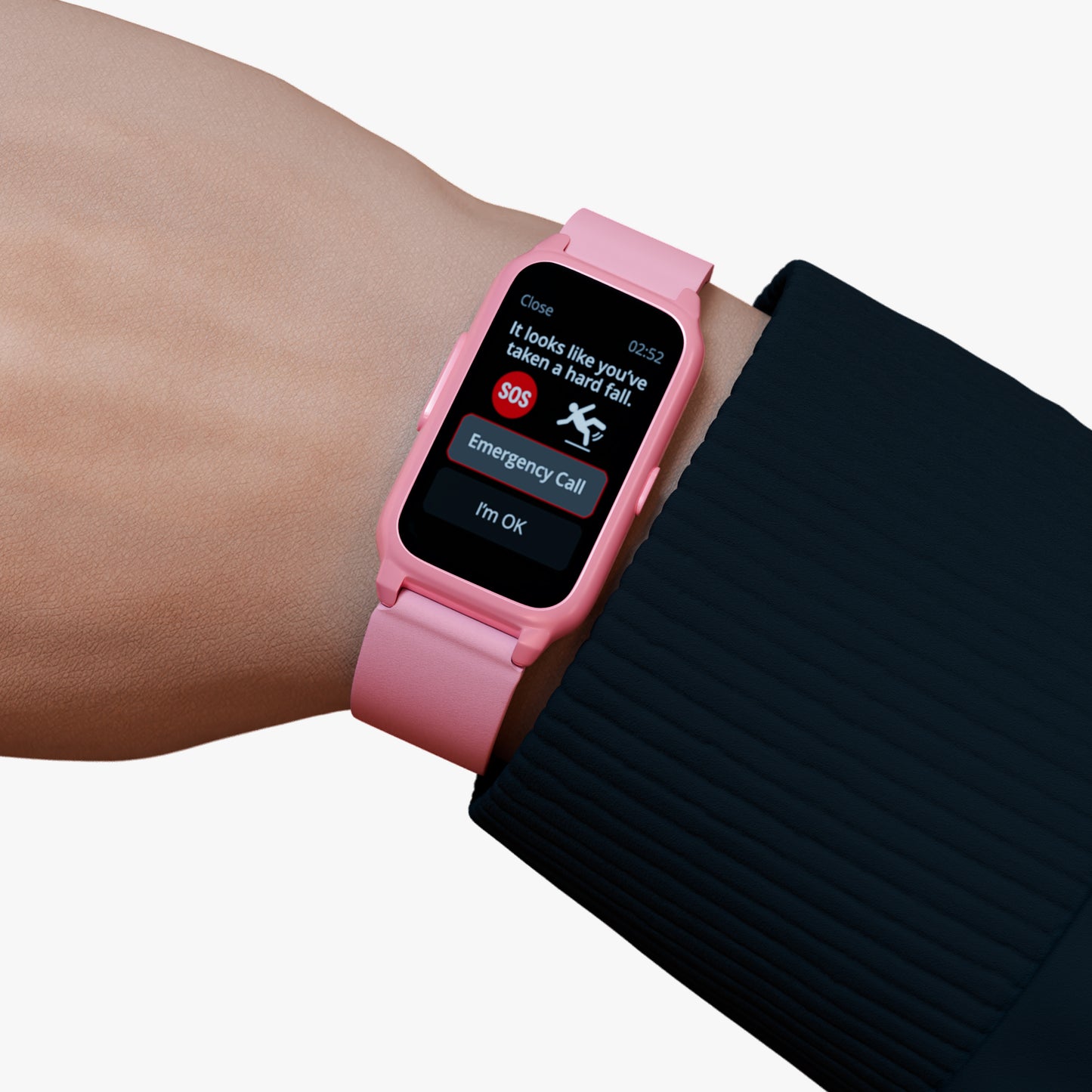

An NDIS personal alarm can give some participants access to safety and communication features in a wearable device. For families and carers, these devices can be useful when an older person or NDIS participant needs a simple way to stay connected while going about their day.
MedAlert offers wearable medical alert devices with features such as GPS tracking, SOS alerts, fall detection and two-way communication. The exact features available depend on the device selected. These functions can work together to provide different ways for a participant to communicate when support is needed.
For an NDIS participant, however, the decision should not start with the device itself. It should start with the person's needs, routine and existing support arrangements. Understanding what the device does can then help families decide whether those features are relevant.
MedAlert also provides information about its NDIS status and its Personal Medical Alarm 4G. Its website states that the device is an approved NDIS product, while funding depends on the participant's individual circumstances.
What an NDIS Personal Alarm Does
An NDIS personal alarm is designed to keep important safety functions close to the wearer. Instead of relying on separate equipment for every function, a compatible MedAlert wearable can combine several features within one device.
The Personal Medical Alarm 4G listed by MedAlert includes GPS tracking, SOS alerts, fall detection and two-way calling. These functions are designed for different situations, so participants can have more than one way to seek assistance or communicate.
For example, an SOS button provides a manual way to raise an alert. Two-way communication can then allow the wearer to speak with a selected contact. GPS provides location information through the supported system, while compatible devices can also provide automatic fall detection.
This makes it important to look at the complete set of functions rather than focusing on one feature. A device may be more suitable when its features match the participant's normal activities and support needs.
Why Personal Safety Technology Can Support Independent Living
Independence does not always mean managing everything without support. For many people, it can mean having the right tools available while continuing with everyday activities.
A wearable safety device can keep communication and emergency functions close to the participant. This can be useful for someone who moves around the home, spends time outside or wants to remain connected with selected family members or carers.
MedAlert's wearable devices are built around this type of personal safety support. Depending on the model, the wearer can access functions such as GPS, SOS alerts, two-way calling and fall detection.
The device can also become part of an existing support routine. Family members or carers may already have arrangements for checking in with the participant. A wearable device can provide another option when direct assistance is needed.
For families, the goal should be to find a solution that feels practical for the person using it. A device that fits naturally into the person's routine is easier to understand and use.
GPS Tracking for Participants Who Need Location Awareness
GPS can be useful when knowing the location of a participant is an important part of their safety arrangements. MedAlert's compatible devices provide GPS tracking, including live location information through supported systems.
Location tracking can also work alongside emergency alerts. When an alert is raised, location information can provide additional context for the people involved in the response.
MedAlert also lists historical location information and geofencing among the features available on compatible GPS devices. Geofencing allows a defined area to be set within the system, with notifications available when the device moves outside that area.
These features may be relevant for participants whose families or carers need greater awareness of their location. However, the need for these functions will depend on the individual's circumstances.
The focus should therefore remain on whether location tracking has a clear purpose for the participant rather than choosing GPS simply because it is available.
SOS Alerts Provide a Direct Way to Ask for Help
An SOS button is one of the more straightforward features available on MedAlert's compatible wearable devices. It gives the wearer a manual way to raise an alert when they need assistance.
This can be useful because not every situation can be detected automatically. A participant may be able to recognise that they need help and activate the SOS function themselves.
Once an alert is raised, the next step depends on the device and service setup. MedAlert devices can support communication with selected contacts through two-way calling.
For the participant, having the button available on a wearable device means the emergency function remains close at hand. It does not require the person to find a separate piece of equipment before attempting to make contact.
Families can also make sure the participant understands what the SOS button does and who may be contacted through the device. This can make the technology easier to include in everyday routines.
Two-Way Communication Can Add Another Layer of Support
An alert can tell a contact that assistance may be needed, but communication can provide more information about the situation.
MedAlert's compatible medical alert devices include two-way calling. This allows the wearer to communicate through the device with selected contacts according to the device setup.
For an NDIS participant, this can be relevant when speaking directly with a family member or another selected contact forms part of their safety arrangements.
The Medalert wearable range brings communication together with other safety features on compatible devices. This means participants can have access to more than one function through the same wearable.
Two-way communication can also make the device easier for families to understand. Instead of receiving an alert without context, a selected contact may be able to speak with the wearer and understand what is happening.
Fall Detection Can Work Alongside Other Safety Features
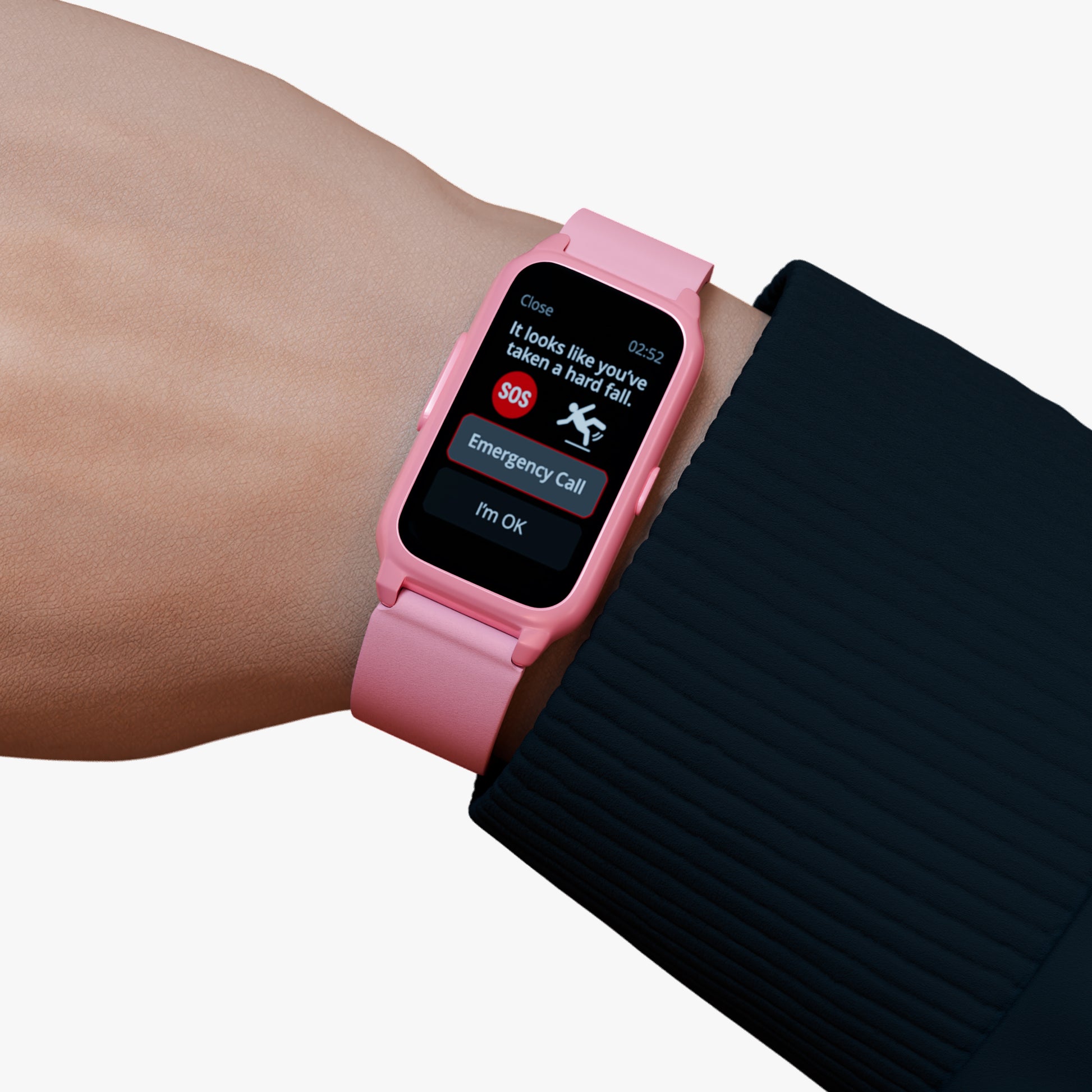
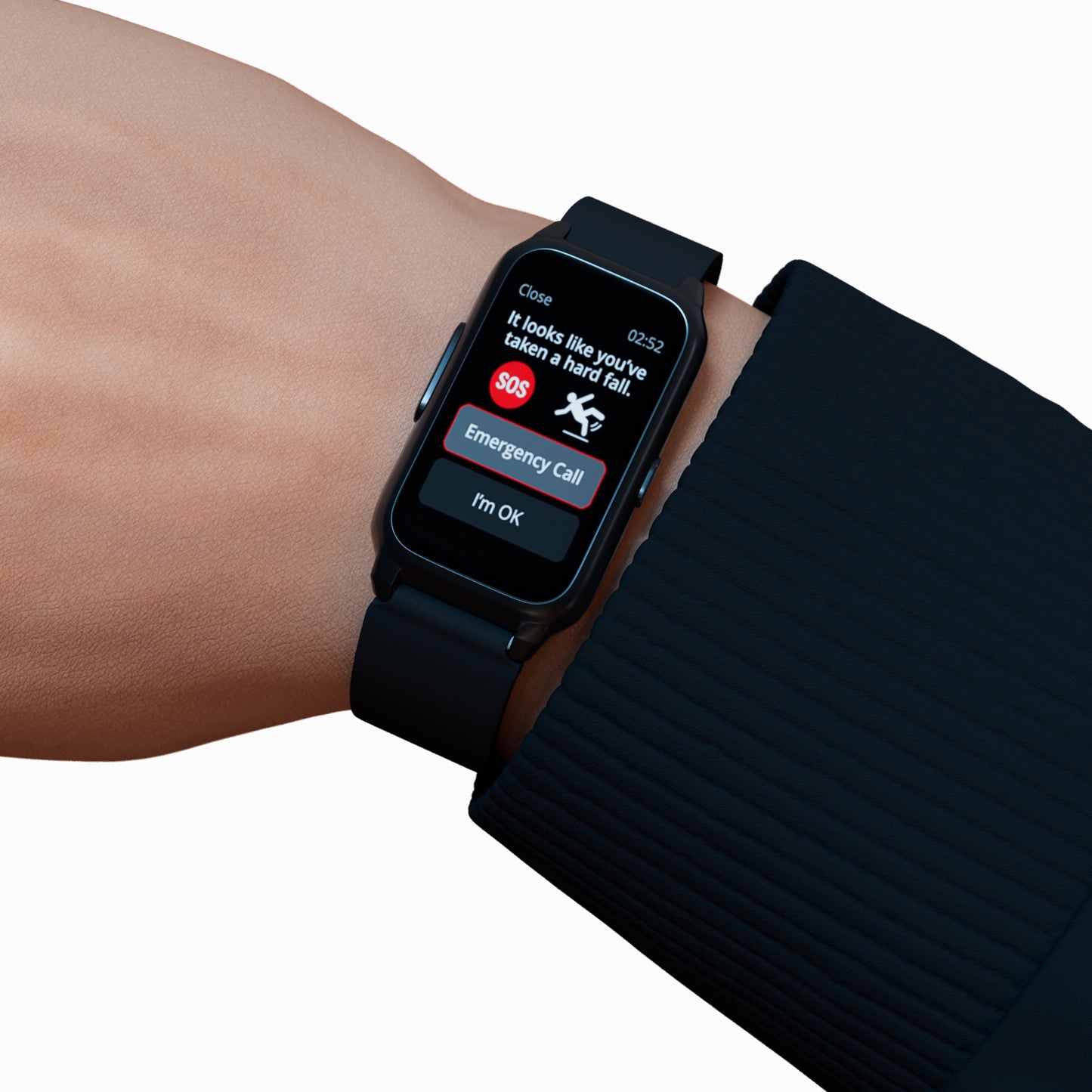
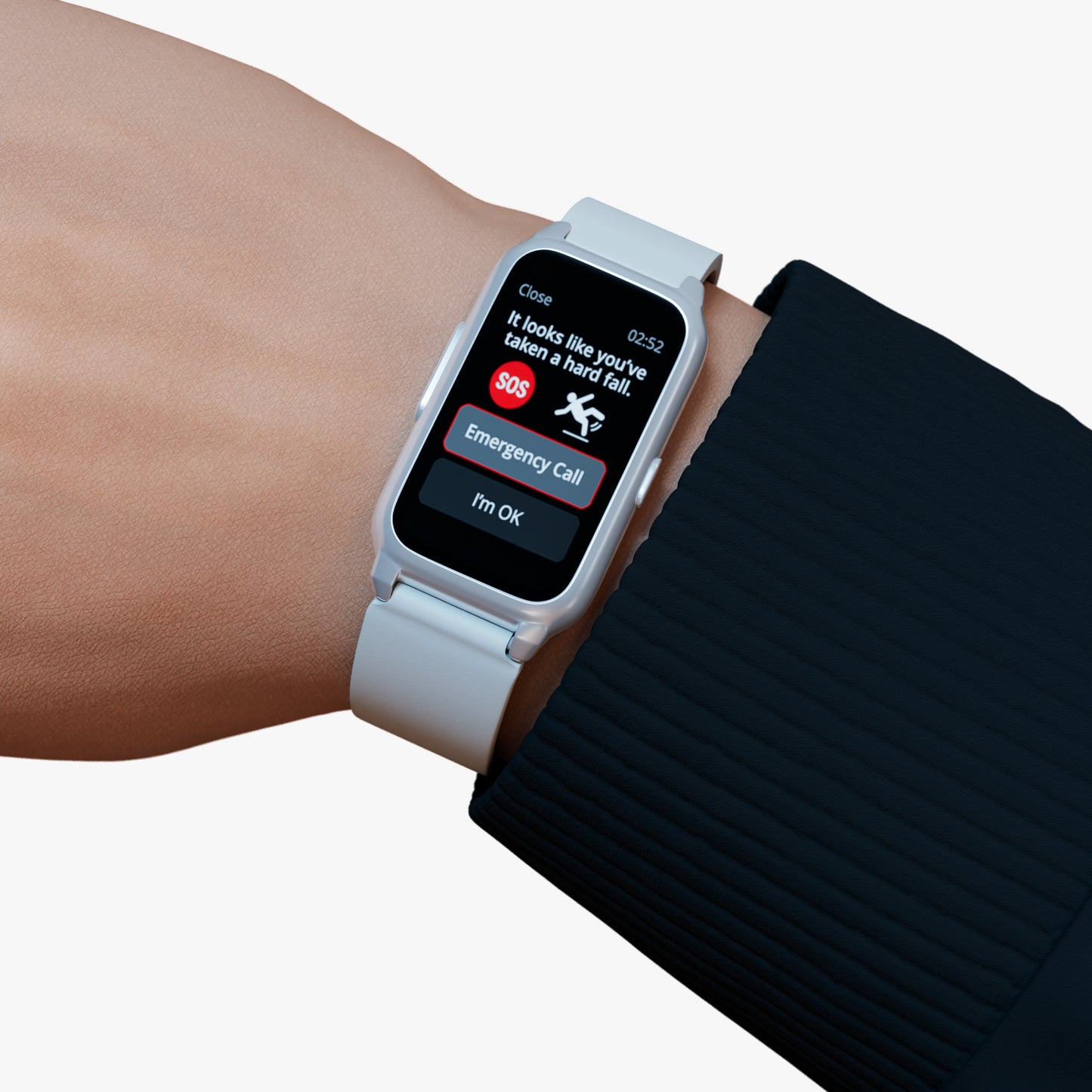
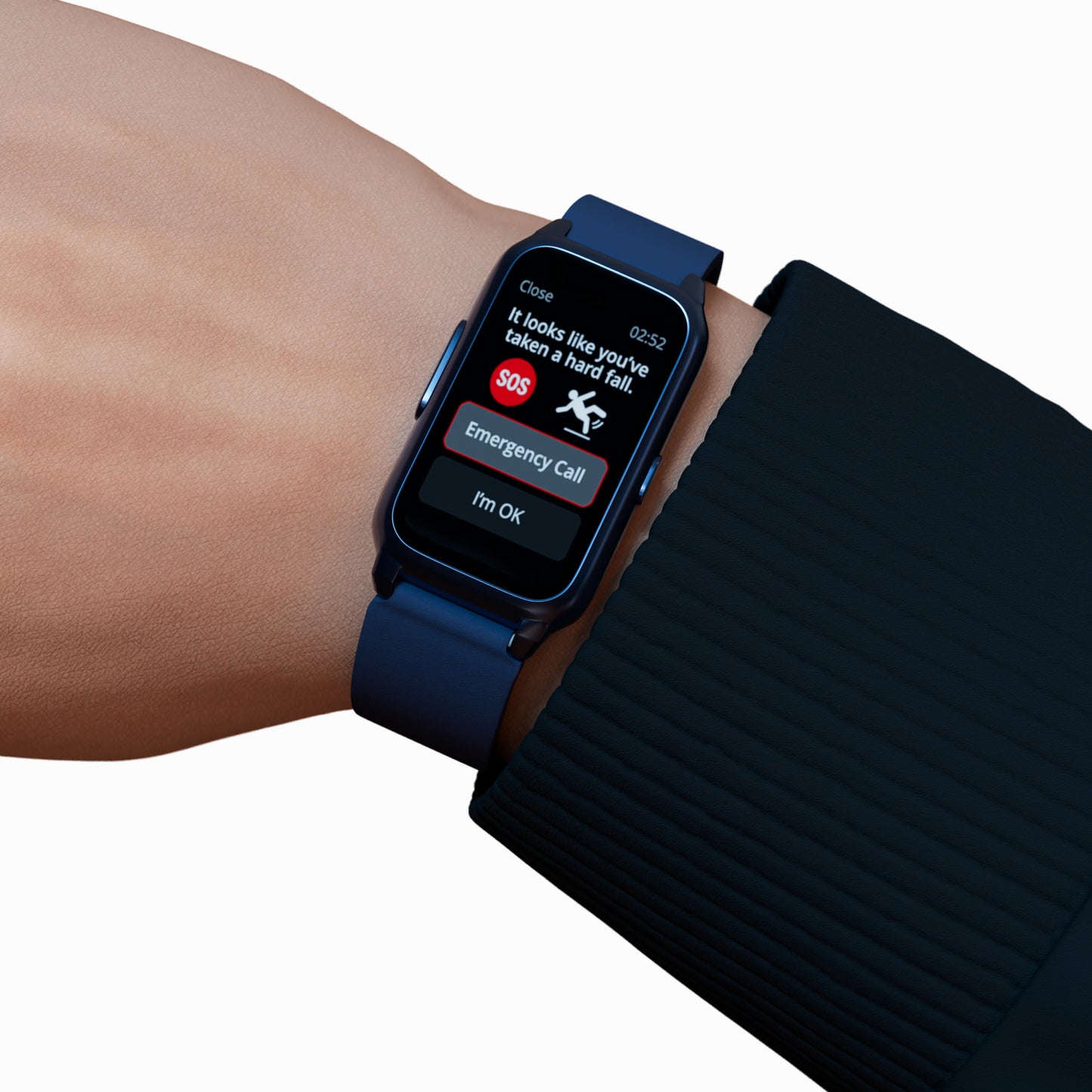
Some MedAlert devices include automatic fall detection. This function is different from GPS and SOS, but it can form part of the same personal safety system.
Fall detection is designed to identify a possible fall on compatible devices and trigger an alert according to the device's setup. The wearer can still use the SOS function when they are able to request help manually.
Having both options can be useful because situations can vary. A person may be able to press a button after an incident, while another situation may require an automatic alert.
GPS can provide another layer of information on compatible devices. When location tracking is available, the alert can be considered alongside the location information provided through the system.
Families should check the exact specifications of the MedAlert model they are considering. Not every device has identical features, so the choice should be based on the participant's actual requirements.
What to Look for in an NDIS Safety Watch
An NDIS safety watch should be considered as part of the participant's wider routine. The most useful features will depend on what the person needs help with and how they spend their time.
Start by considering whether location awareness is important. If it is, GPS tracking may be one of the features worth reviewing. If communication is a priority, two-way calling may be more relevant.
It is also worth considering how the participant would respond during an emergency. A simple SOS button may be important if the person can recognise a situation and ask for help themselves.
Fall detection may also be relevant where automatic alerting is part of the participant's safety needs. MedAlert offers compatible devices with this function alongside other safety features.
The physical design matters too. Since the device is worn, it should be practical for the participant to keep with them during normal activities.
How Family Members and Carers Can Stay Involved
A wearable safety device does not need to replace existing family or carer support. Instead, it can sit alongside the arrangements that are already in place.
MedAlert provides systems that allow authorised family members and carers to manage supported functions. Depending on the device, this can include contacts, settings and location information.
This can be helpful when more than one person is involved in supporting the participant. The people responsible for the participant's safety can understand how the device works and what information is available through the supported system.
Families should also consider who needs access to the device information. Clear arrangements can make the system easier to manage and help avoid confusion about who should respond to an alert.
The participant should remain at the centre of these arrangements. Their preferences, routine and support needs should guide how the device is used.
Understanding NDIS Funding for a Personal Safety Device
MedAlert states on its website that it is a registered NDIS provider and that its Personal Medical Alarm 4G is an approved NDIS device. However, an approved product does not mean that funding is automatically available to every participant.
The participant's individual circumstances remain important when considering whether a device can be funded. MedAlert provides information about submitting a purchase request through an NDIS plan manager or the NDIA.
Families should therefore consider the reason for needing the device and how its features relate to the participant's support requirements.
This approach can also make the discussion more straightforward. Rather than focusing only on the product, families can explain why particular features may be relevant to the participant.
MedAlert's NDIS information can help participants and families understand the company's position and the process described on its website.
When Additional Emergency Response Support May Be Considered
Personal contacts and emergency response services are not necessarily the same thing. A participant may have selected family members or carers who can receive alerts from their device.
MedAlert also offers medical emergency monitoring services through its emergency response centre. This is an optional service that can provide an additional response option for supported MedAlert devices.
Families considering this type of support should understand how it fits with the participant's existing arrangements. The device, selected contacts and response service each have their own role.
This is particularly important when deciding which features are actually needed. Not every participant will require the same level of support, so the decision should remain specific to the person's circumstances.
Making the Device Part of Everyday Life
The best safety technology is technology that the participant can understand and include in their normal routine.
Families can help by explaining the main functions of the device before relying on it. The participant should know how to use the SOS function and understand the purpose of the device's communication features.
It can also help to keep the device charged and make sure the participant wears it according to the intended use. These simple habits can make the device easier to incorporate into daily life.
For family members and carers, understanding the available management features is equally important. MedAlert provides supported systems for managing contacts and other functions on compatible devices.
The aim is not to make the participant think about safety throughout the day. Instead, the device can remain part of their routine while providing access to the functions they may need.
Choosing a Device Based on the Participant's Needs
Choosing an NDIS personal alarm should come down to the participant's individual requirements rather than the number of features available.
Consider where the person spends their time, whether GPS is relevant, who should receive alerts and whether two-way communication would be useful. Also consider whether automatic fall detection is appropriate for their circumstances.
The device should be simple enough for the participant to use comfortably. Families should also understand how the device connects with their existing support arrangements.
MedAlert's wearable medical alert devices provide different combinations of safety features. These include GPS tracking, SOS alerts, two-way communication and fall detection on compatible models.
For NDIS participants, it is also important to separate product suitability from funding. A device may meet a participant's needs, while funding remains subject to the individual's circumstances and NDIS arrangements.
If a participant or family member needs more information about the available options and NDIS-related support, they can Contact us to discuss their requirements.
A Practical Approach to Personal Safety
Personal safety technology can be useful when it has a clear purpose within a participant's daily life. GPS can provide location awareness, SOS can offer a manual way to request help, and two-way communication can allow the wearer to speak with a selected contact.
Compatible MedAlert devices can also provide fall detection, giving some users another way to raise an alert when a possible fall is detected.
For families, the decision should be based on the participant's needs rather than simply choosing the device with the largest number of functions.
It is also worth considering how the device will fit into existing family, carer and support arrangements. When everyone understands the role of the device, it becomes easier to use it as part of a practical safety routine.
For NDIS participants, understanding the available features and the information MedAlert provides about NDIS support can help families approach the decision with greater clarity.
Frequently Asked Questions
1. What is an NDIS personal alarm?
It is a wearable safety device that can provide functions such as SOS alerts, GPS tracking, two-way communication and fall detection on compatible MedAlert models. Its suitability depends on the participant's individual needs.
2. What is an NDIS funded personal alarm?
An NDIS funded personal alarm refers to a personal safety device that is funded through an eligible participant's NDIS arrangements. Funding is based on individual circumstances and is not automatic for every participant.
3. What is an NDIS safety watch?
An NDIS safety watch is a wearable device that can provide personal safety features for an eligible participant. MedAlert offers compatible wearable devices with functions including GPS, SOS alerts, communication and fall detection.
4. Can family members stay connected to the MedAlert device?
Yes, supported MedAlert systems provide features for authorised family members and carers. Depending on the device, these can include contact management, settings and access to location information.
5. Does MedAlert provide emergency response support?
MedAlert offers an optional emergency response service for supported devices. This provides an additional response option alongside the emergency and communication features available through compatible devices.