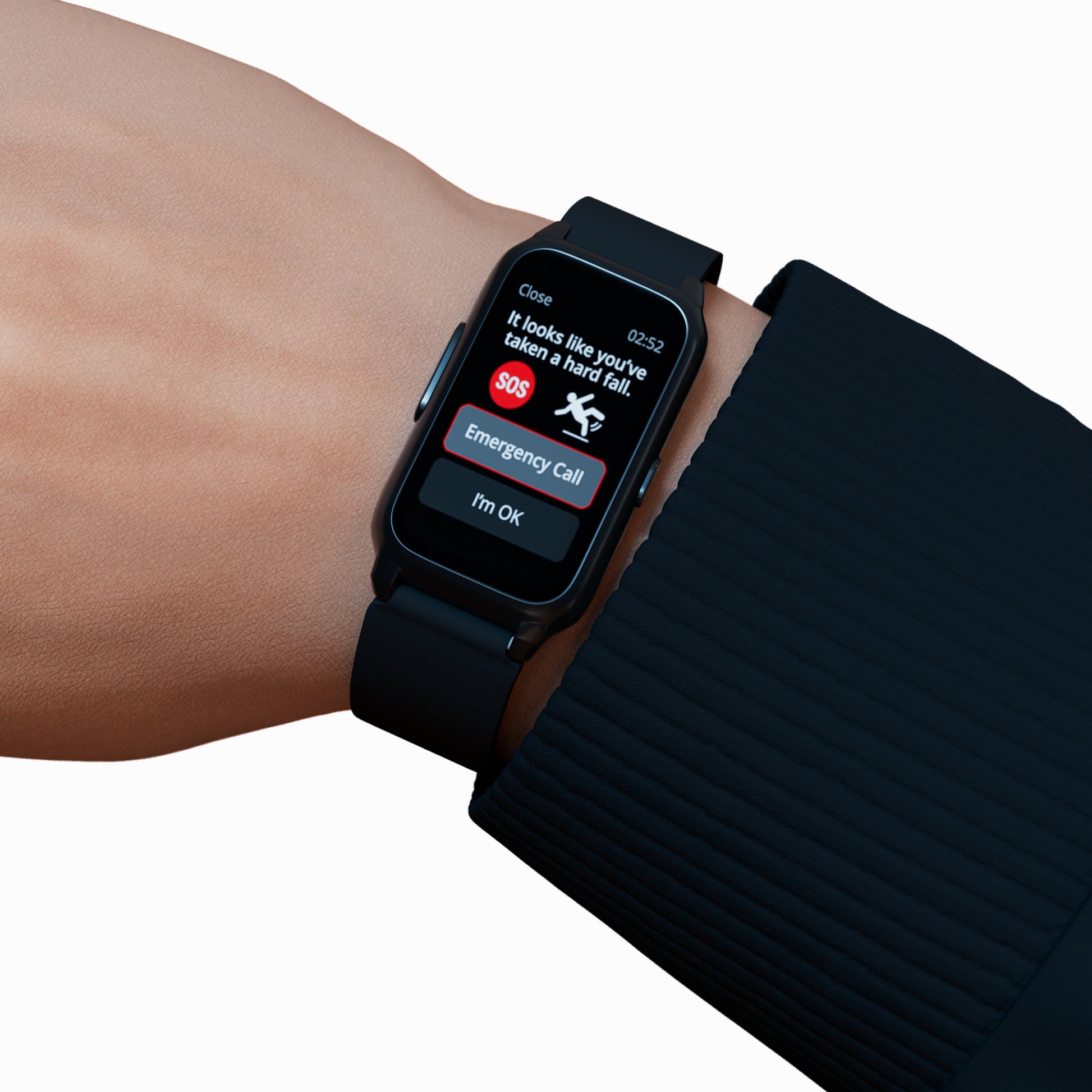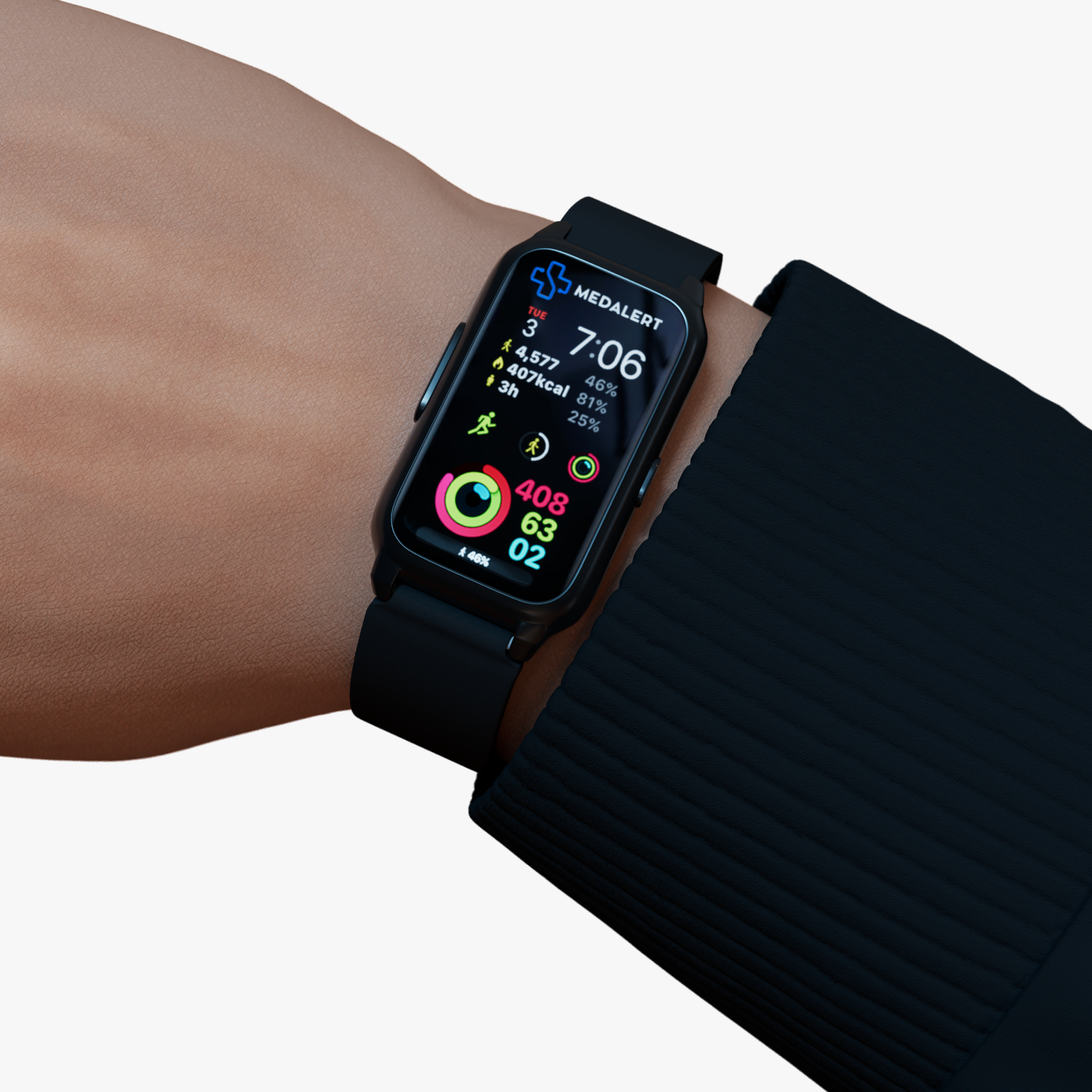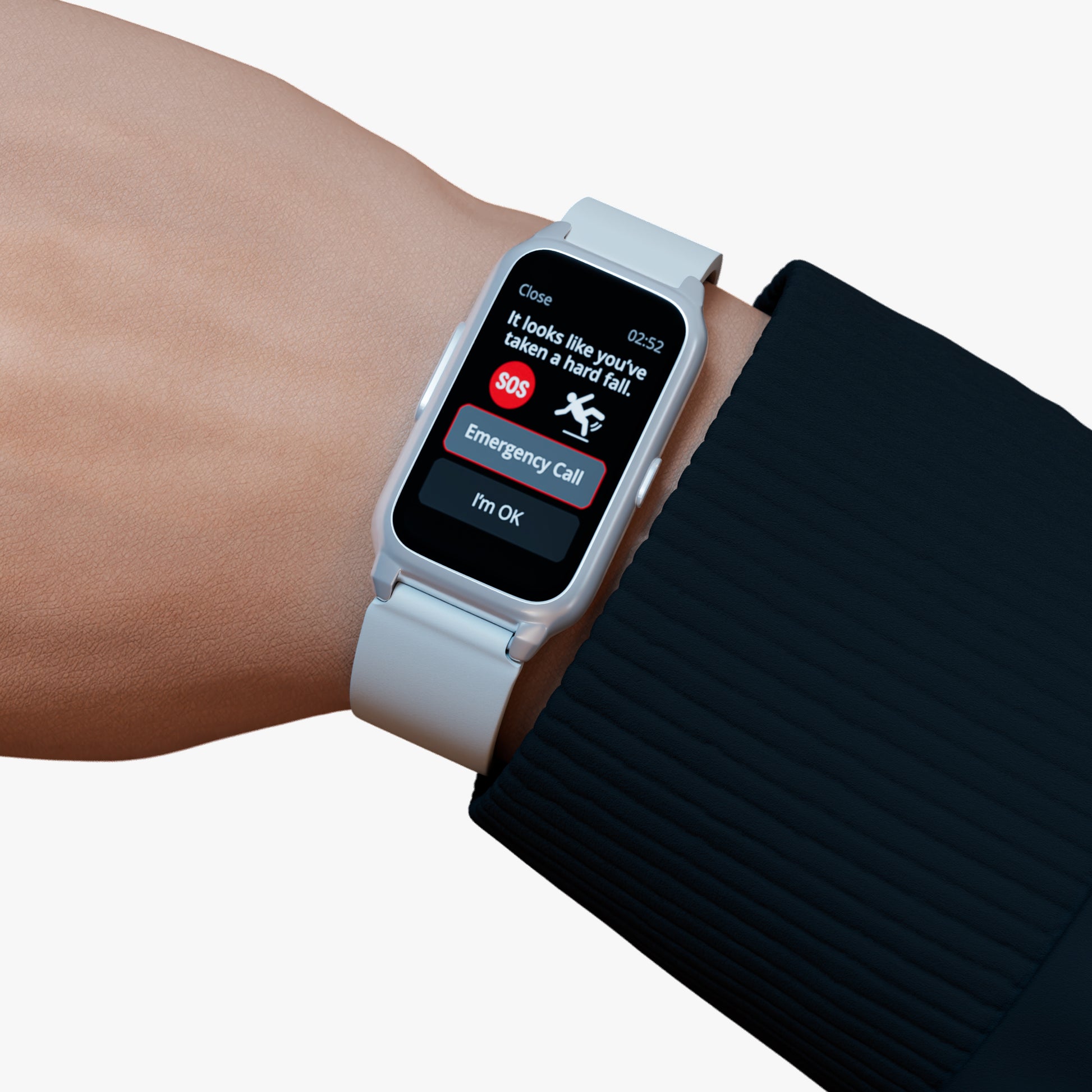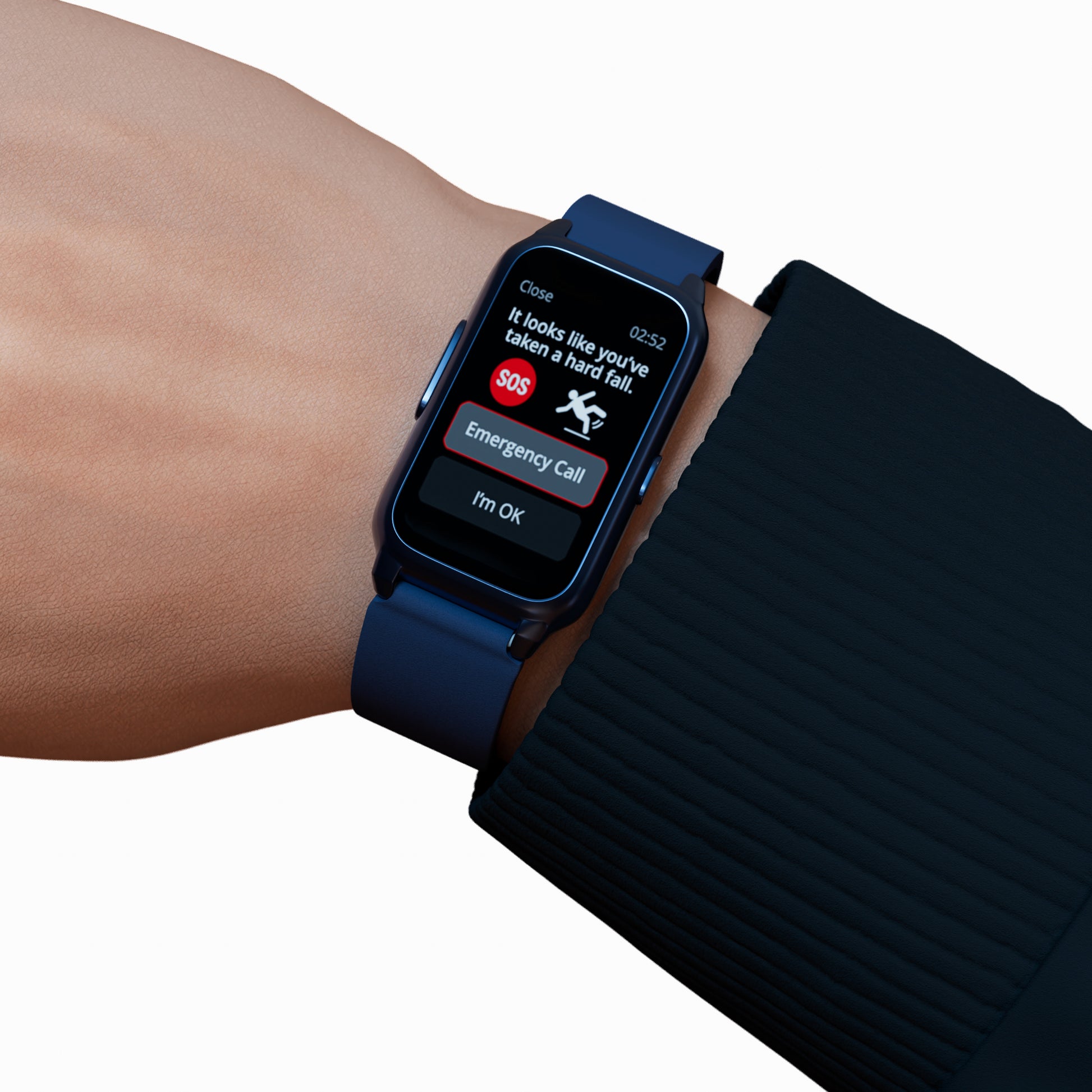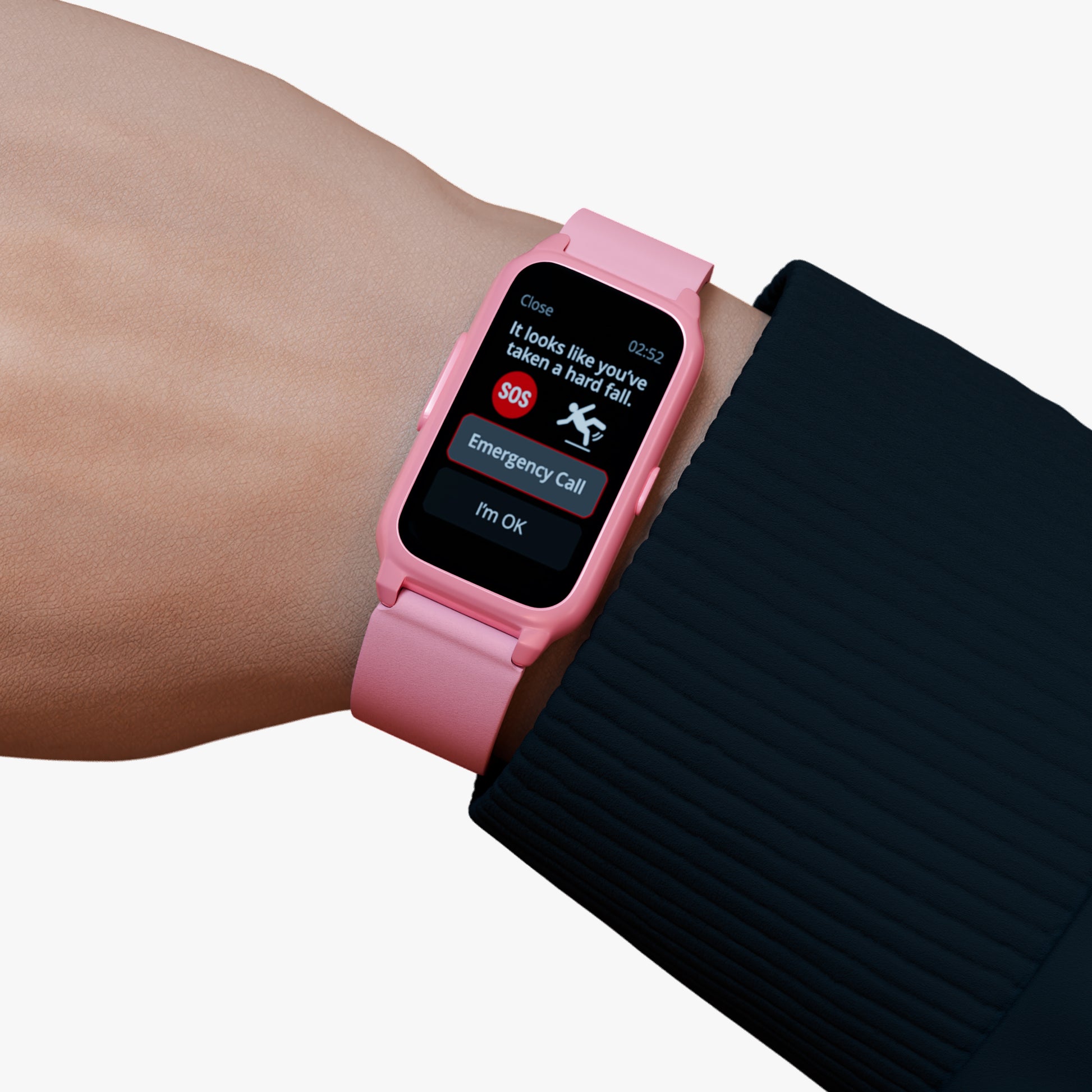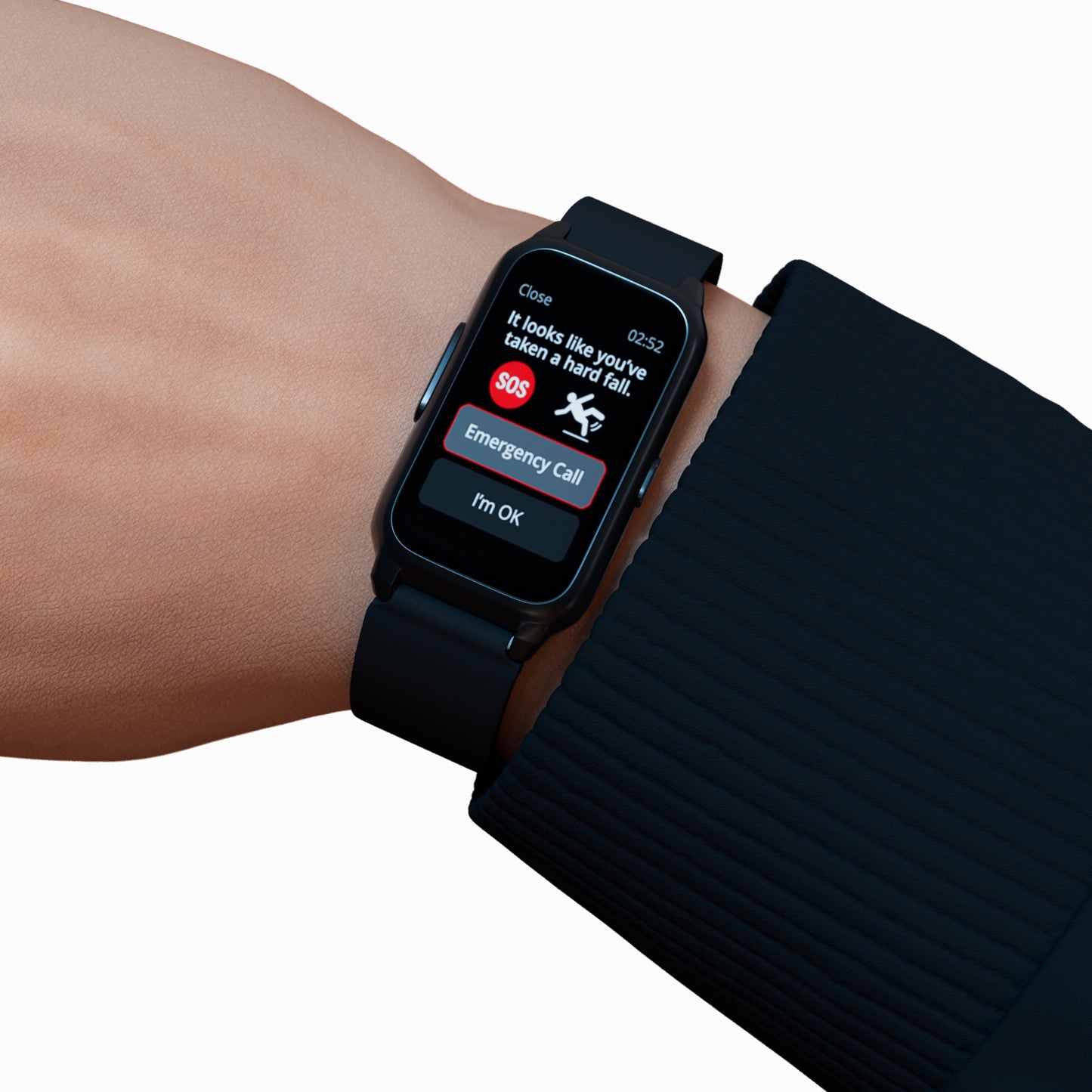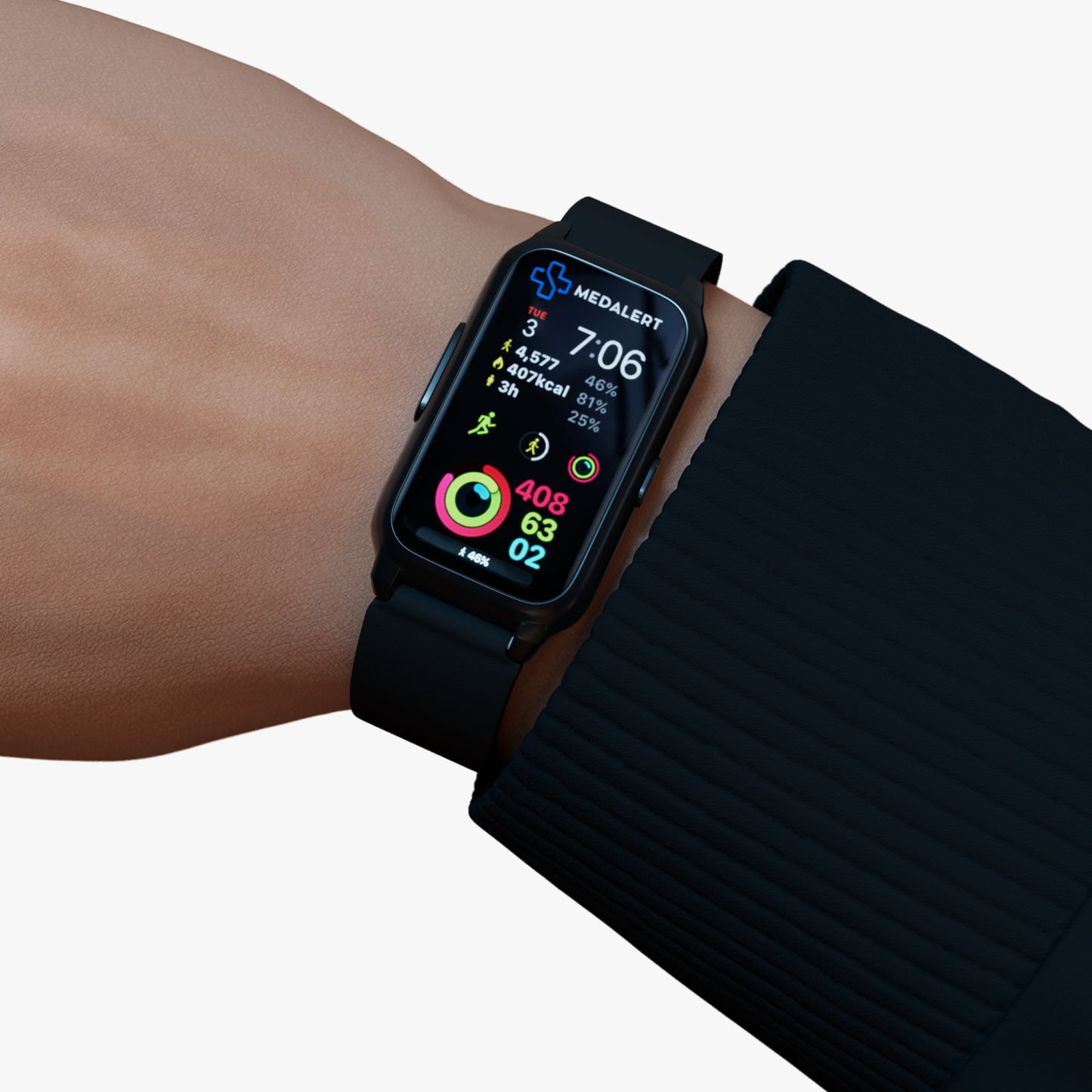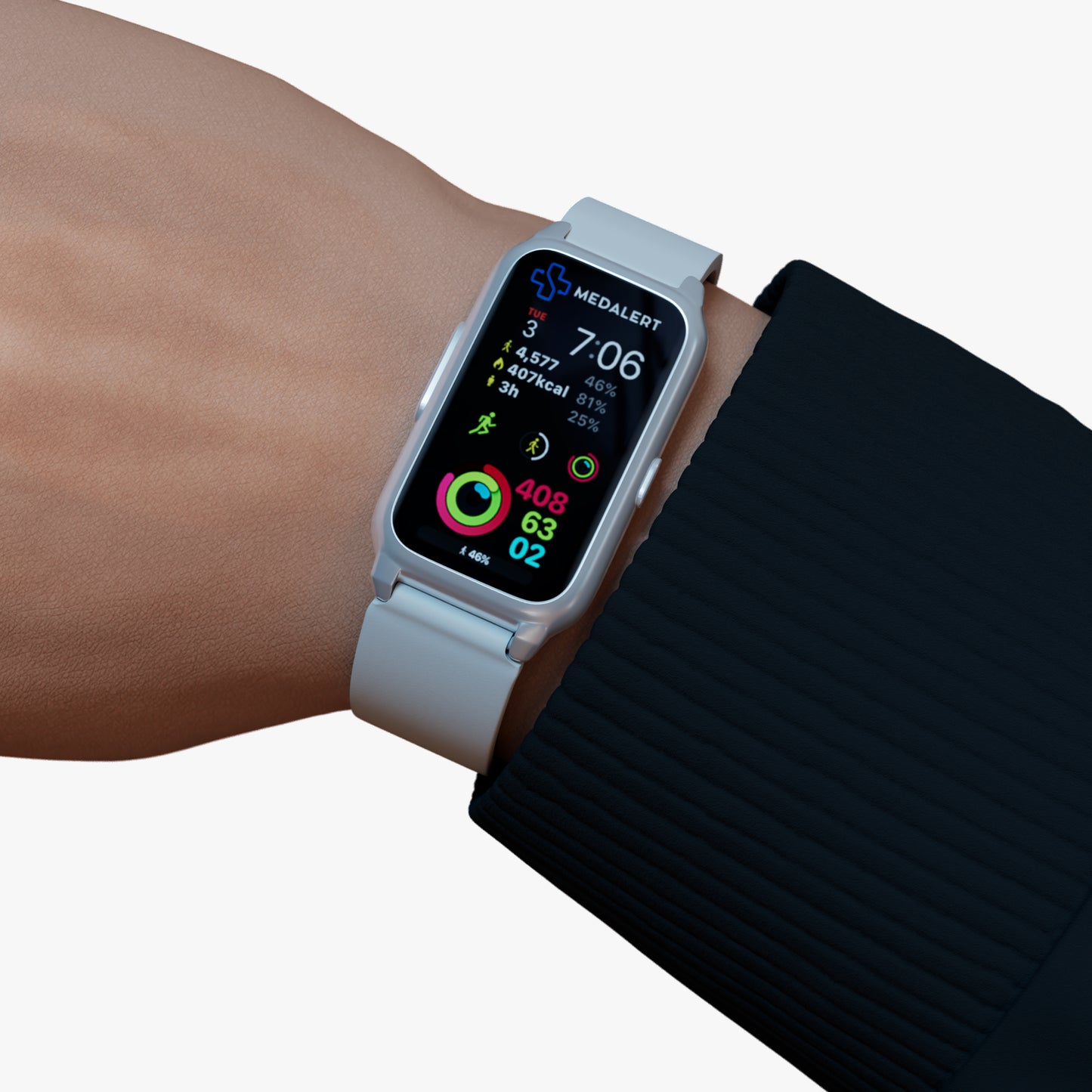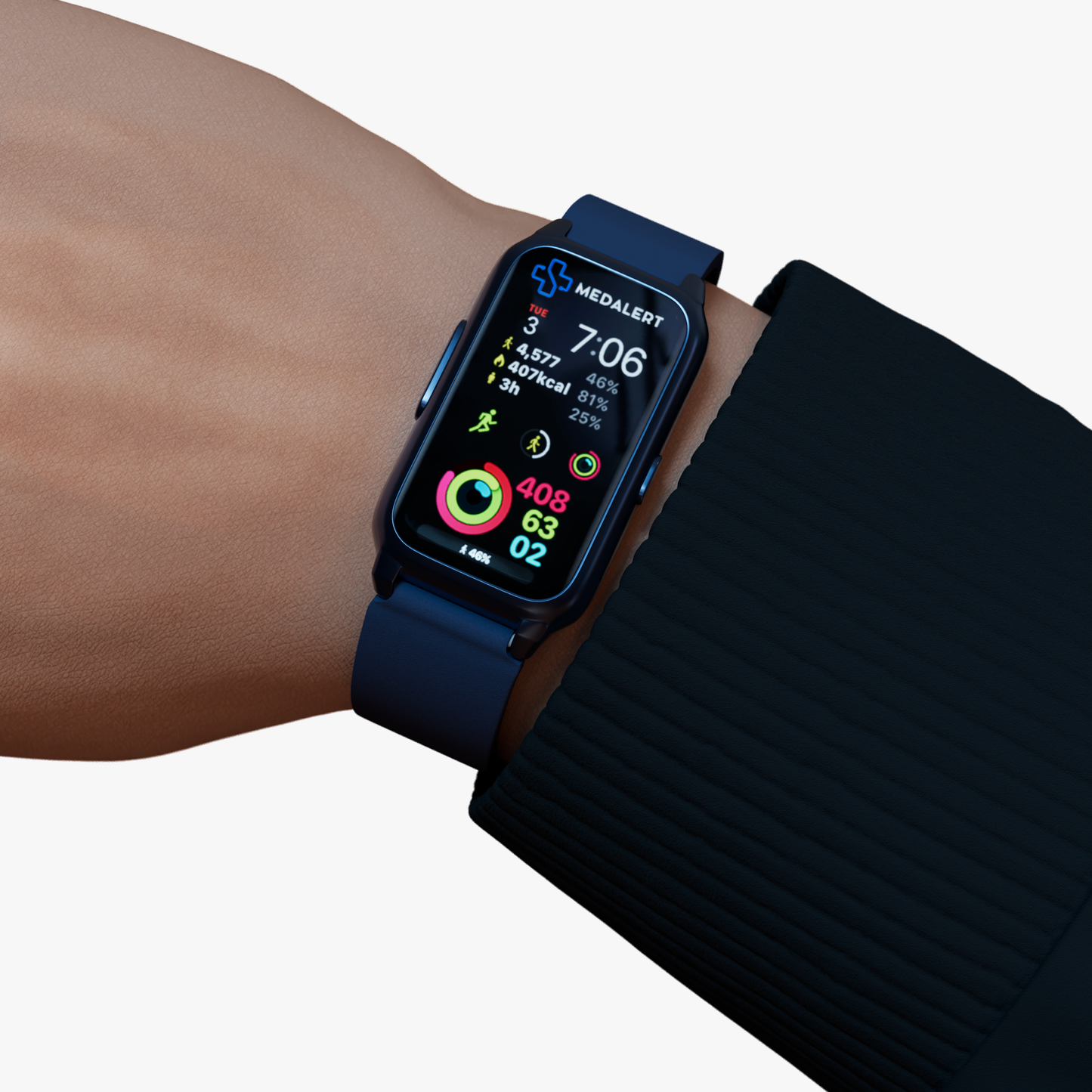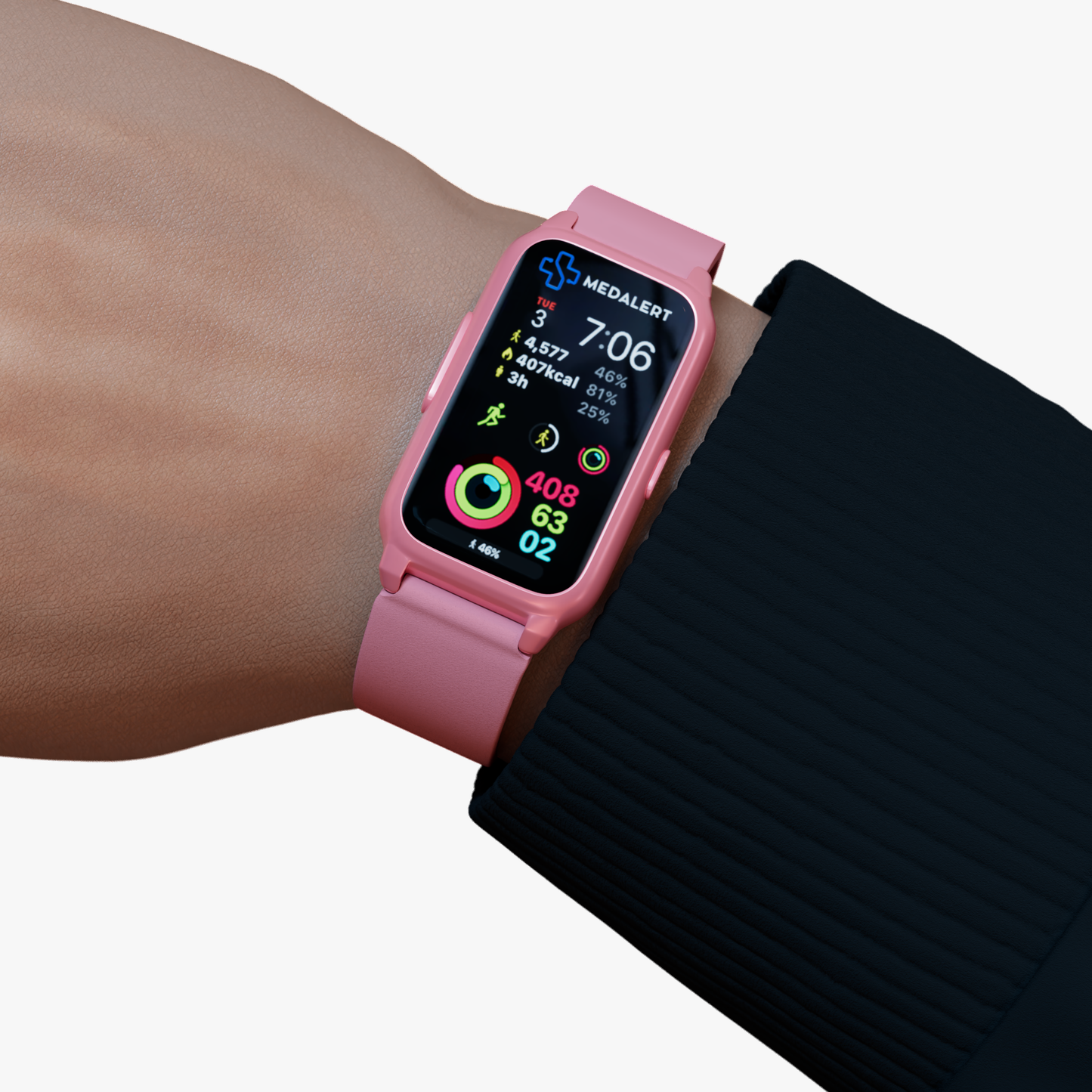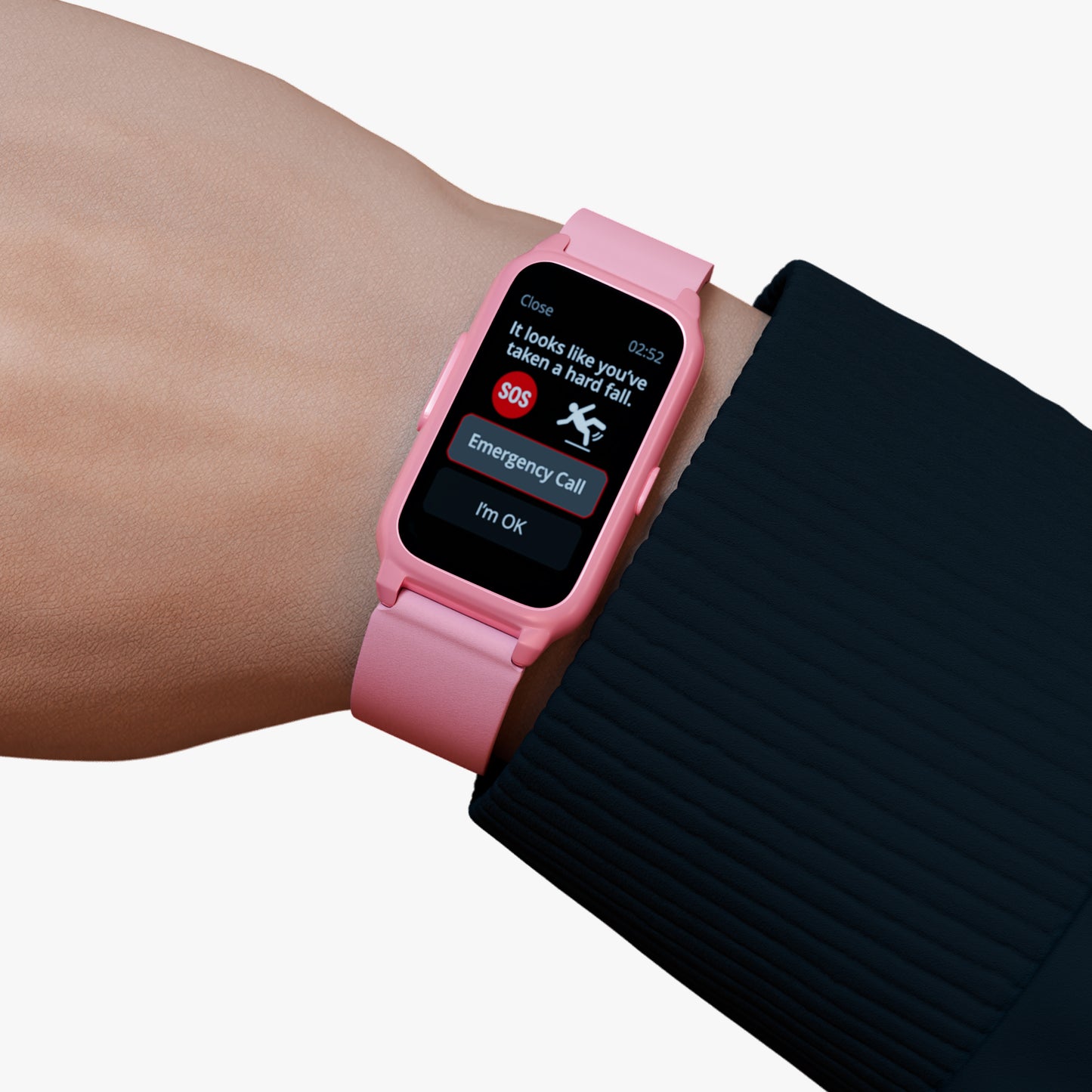

A medical alert watch is often considered when people explore the best medical alert system 2026 for seniors living independently. These systems are designed to support communication during unexpected situations while remaining simple to use in everyday life.
As living preferences shift toward independence, many seniors look for solutions that do not interrupt their routine. In this context, wearable alert systems are becoming more common because they are easy to carry and accessible when needed. Understanding how different systems compare can help in choosing an option that fits naturally into daily habits.
Why System Choice Matters in Everyday Situations
Choosing among different alert systems is not only about features. It is more about how well the device fits into daily life without adding difficulty.
For example, a system that is easy to access can be more useful than one with complex functions. In addition, comfort plays a role in whether the device is used consistently. If a device is not worn regularly, its usefulness may be reduced.
Because of this, comparing systems should focus on usability, simplicity, and how they support everyday routines rather than focusing only on technical aspects.
How a Medical Alert Watch Fits Into Daily Life
A medical alert watch is designed to be worn throughout the day, which makes it different from devices that need to be carried separately. Since it is part of daily wear, it remains within reach without requiring extra effort.
This type of wearable alert system can be useful in situations where quick access is important. Instead of searching for a phone or another device, the user can respond immediately.
For instance, a medical alert watch can be worn like a regular watch, which helps it blend into normal routines without drawing attention or requiring adjustments.
Understanding the Best Medical Alert System 2026
When discussing the best medical alert system 2026, it is helpful to look at how systems function rather than focusing only on labels. Different devices are designed for different usage patterns.
Some systems are intended for use inside the home, while others are created for both indoor and outdoor use. The choice depends on how the user spends their time.
In addition, simplicity is often a key factor. A system that allows quick interaction without confusion can be more practical in real situations. This is especially important during moments that require immediate action.

Comparing Wearable and Fixed Alert Systems
There are two common types of systems: wearable alert systems and fixed home-based devices. Each serves a different purpose depending on lifestyle.
Wearable alert systems are designed to move with the user. Because of this, they are often used by individuals who prefer flexibility in their daily routine. In contrast, fixed systems remain in one place and are typically used within a limited area.
Which Option Fits Better?
The choice depends on how the device will be used. If a person spends most of their time moving around, a wearable option may feel more practical. On the other hand, a fixed system may suit someone who remains mostly in one location.
Rather than focusing on which is better overall, it is more useful to consider which option aligns with daily habits.
Looking at Fall Detection Alert Systems in Context
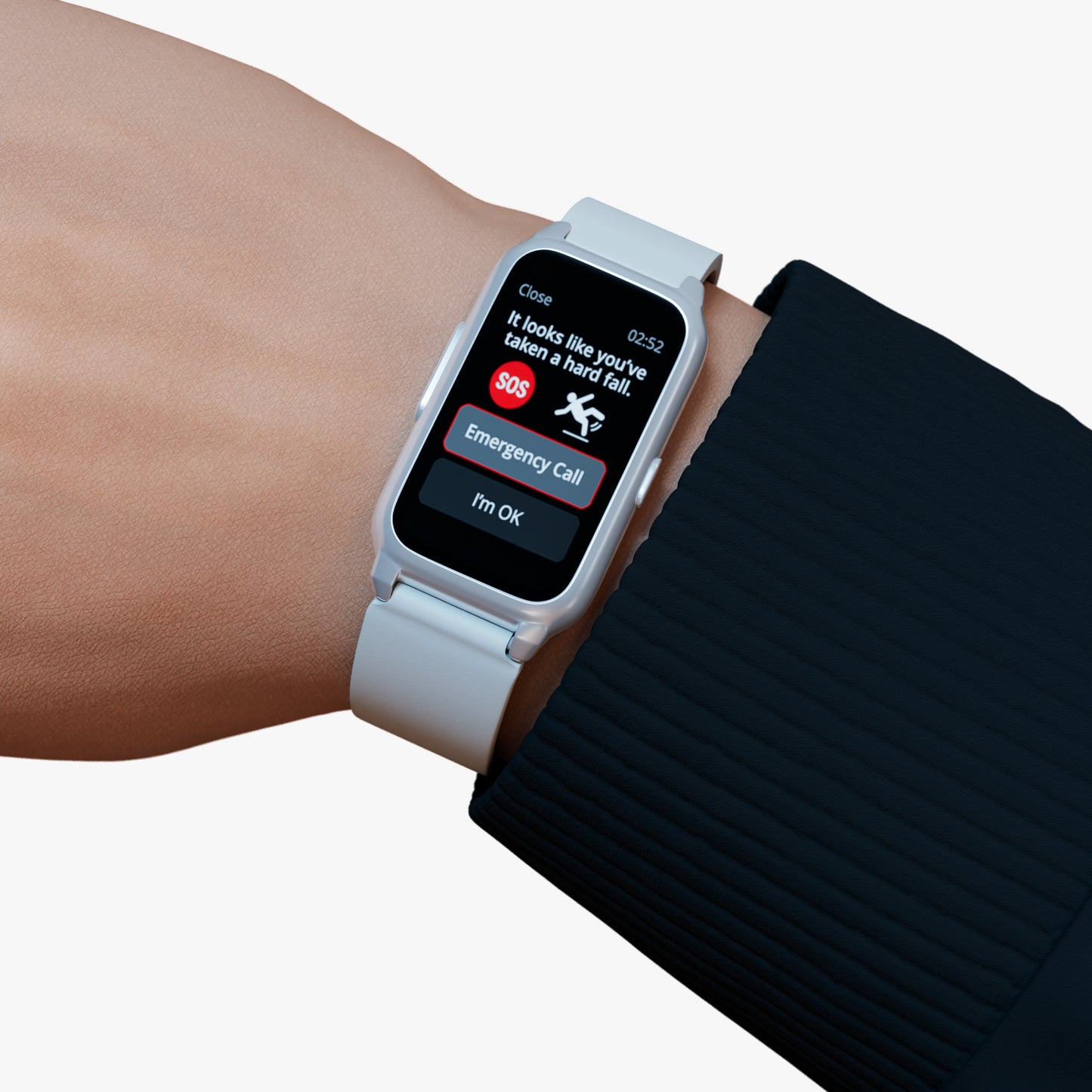
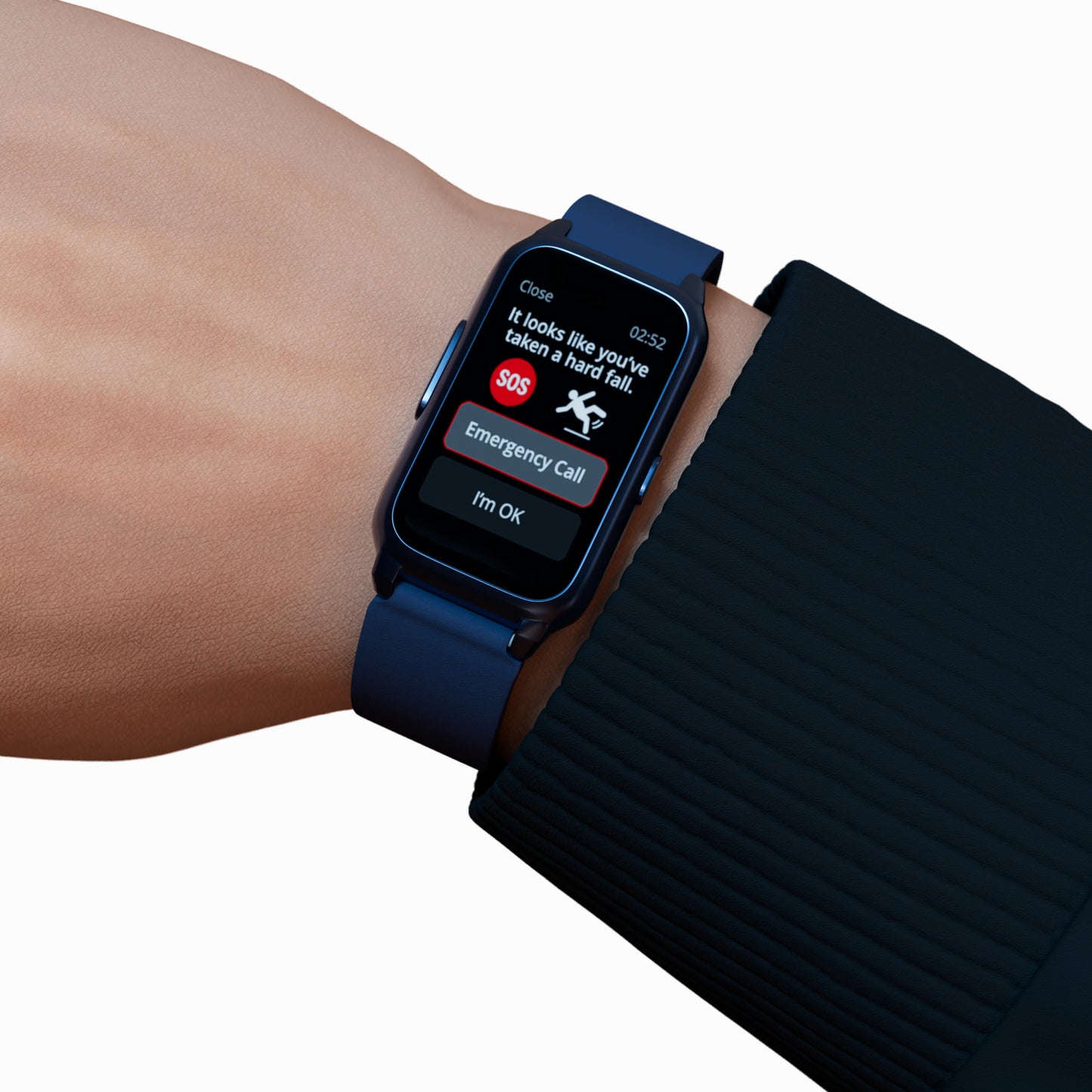
Fall detection alert systems are often mentioned when comparing alert devices. These systems are designed to support situations where a fall may occur.
However, it is important to consider them as part of the overall system rather than the only deciding factor. Ease of use and accessibility remain just as important.
For example, a medalert fall detection watch represents a type of wearable system where alert functionality is combined with everyday usability.
Role of GPS Medical Alert in Mobility
A GPS medical alert feature can support situations where the user is not in a fixed location. It allows the system to provide location details when needed.
This can be relevant for individuals who spend time outside the home. In such cases, location awareness can help improve communication during an alert.
At the same time, the overall experience should remain simple. A system should not become difficult to use because of added features.
How to Compare Medical Alert Systems Thoughtfully
When you compare medical alert systems, it is helpful to focus on how each option fits into real-life situations. A system that works well in theory may not always be practical in daily use.
Start by considering how often the device will be used and where it will be worn. In addition, think about how easy it is to activate alerts.
Another important aspect is consistency. A device that functions reliably without frequent adjustments can be easier to depend on over time.
Choosing a Suitable Device for Seniors
Selecting a suitable device involves understanding comfort, simplicity, and usability. The goal is to find something that supports daily life without requiring constant attention.
A medical watch for seniors is one example of a wearable option that focuses on accessibility and ease of use.
In addition, the device should feel natural enough to wear regularly. This helps ensure it remains available when needed.

Common Considerations People Often Miss
Sometimes, people focus too much on specifications and overlook practical aspects. For example, a device may include several features but still be difficult to use.
Another common issue is inconsistency in usage. If a device is not comfortable, it may not be worn regularly. This reduces its effectiveness.
In addition, some users choose systems without considering their routine. A device that does not fit daily habits may not be as helpful as expected.
How Caregivers Approach System Selection
Caregivers often look for systems that support communication without creating complexity. The goal is to ensure that seniors have access to assistance when needed.
At the same time, caregivers prefer solutions that do not interfere with independence. A balanced system supports both safety and personal space.
If more information is needed about available options, you can visit Contact us to explore details in a straightforward way.
Changing Trends in Alert Systems
Alert systems continue to evolve with a focus on simplicity and usability. Devices are becoming more integrated into daily life rather than feeling separate from it.
In addition, there is a shift toward wearable formats that do not require extra effort to use. This reflects a preference for solutions that are easy to maintain and consistent in use.
As these trends continue, systems are likely to become even more aligned with everyday routines.
Conclusion
Understanding the best medical alert system 2026 involves looking beyond features and focusing on everyday usability. A medical alert watch offers a practical option by staying accessible and easy to use.
Rather than choosing based on complexity, it is more helpful to select a system that fits naturally into daily life. This supports consistent use and improves overall reliability.
By considering comfort, simplicity, and routine, seniors and caregivers can make a choice that aligns with real needs without adding unnecessary difficulty.
FAQs
1. What is considered the best medical alert system in 2026?
The best system is one that fits naturally into a person’s daily routine. It should be easy to use and accessible at all times. In addition, it should not require complicated steps to operate. A simple and consistent system is often more practical. This helps ensure it can be used when needed.
2. Why do people choose a medical alert watch?
A medical alert watch is worn on the wrist, which makes it easy to access quickly. It becomes part of everyday wear and does not require extra effort to carry. In addition, it supports ease of use during unexpected situations. This makes it suitable for regular daily use. Its simplicity is one of its main advantages.
3. Are fall detection alert systems necessary?
Fall detection alert systems can be useful in certain situations, but they are only one part of a complete system. It is important to also consider ease of use and accessibility. A system should remain simple and practical overall. In addition, it should fit into daily routines. This balance helps improve usability.
4. What should be compared when choosing an alert system?
It is helpful to compare how each system works in daily life. Consider comfort, accessibility, and ease of use. In addition, think about where the device will be used. A system that fits naturally into routine activities is more reliable. This makes it easier to depend on when needed.
5. How do caregivers benefit from these systems?
Caregivers benefit by having a way to stay connected without being present all the time. These systems allow seniors to send alerts when needed. In addition, they support independence while maintaining a level of safety. This creates a balance between care and freedom. It also helps reduce constant concern.