
Growing older does not mean giving up the things that make everyday life feel normal. Many older adults want to keep making their own choices, spending time at home, going outside, and staying connected with people around them. A personal safety device for seniors can become one part of that approach to independent living.
The idea is simple. Safety should fit around a person's life rather than dictate how that life should look. A device can stay available during everyday activities while the wearer continues with familiar tasks. When chosen carefully, it can become part of the day without turning every activity into a safety exercise.
Independent Living Starts With Everyday Choice
Independence is not only about living alone. It is also about having control over ordinary decisions.
An older adult may want to decide when to prepare a meal, take a walk, visit a friend, or spend some quiet time at home. These choices may seem small, but they are an important part of daily life.
A safety plan can make room for those choices. Instead of asking someone to avoid certain activities, families can look at ways to make those activities more manageable.
This is where personal safety equipment can have a practical role. It does not replace normal daily habits. Instead, it can provide access to certain safety functions while the person continues doing what they already enjoy.
For families, this can also change the conversation around safety. Rather than focusing only on what an older adult should avoid, they can consider what helps that person continue living in a way that feels familiar.
Personal Safety Device for Seniors: Fitting Safety Into Normal Life
The best device is not necessarily the one with the longest list of functions. What matters is whether the device fits the person using it.
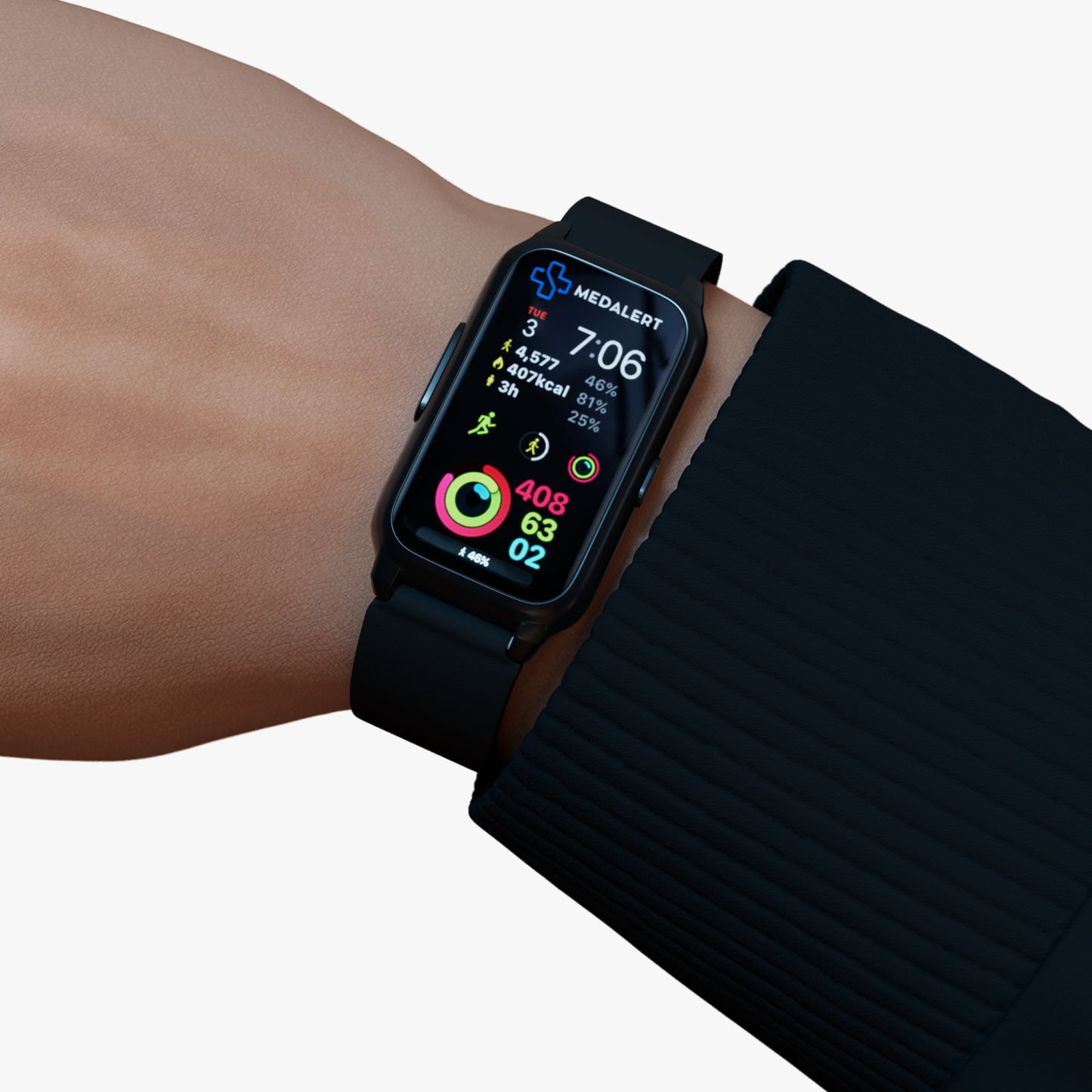
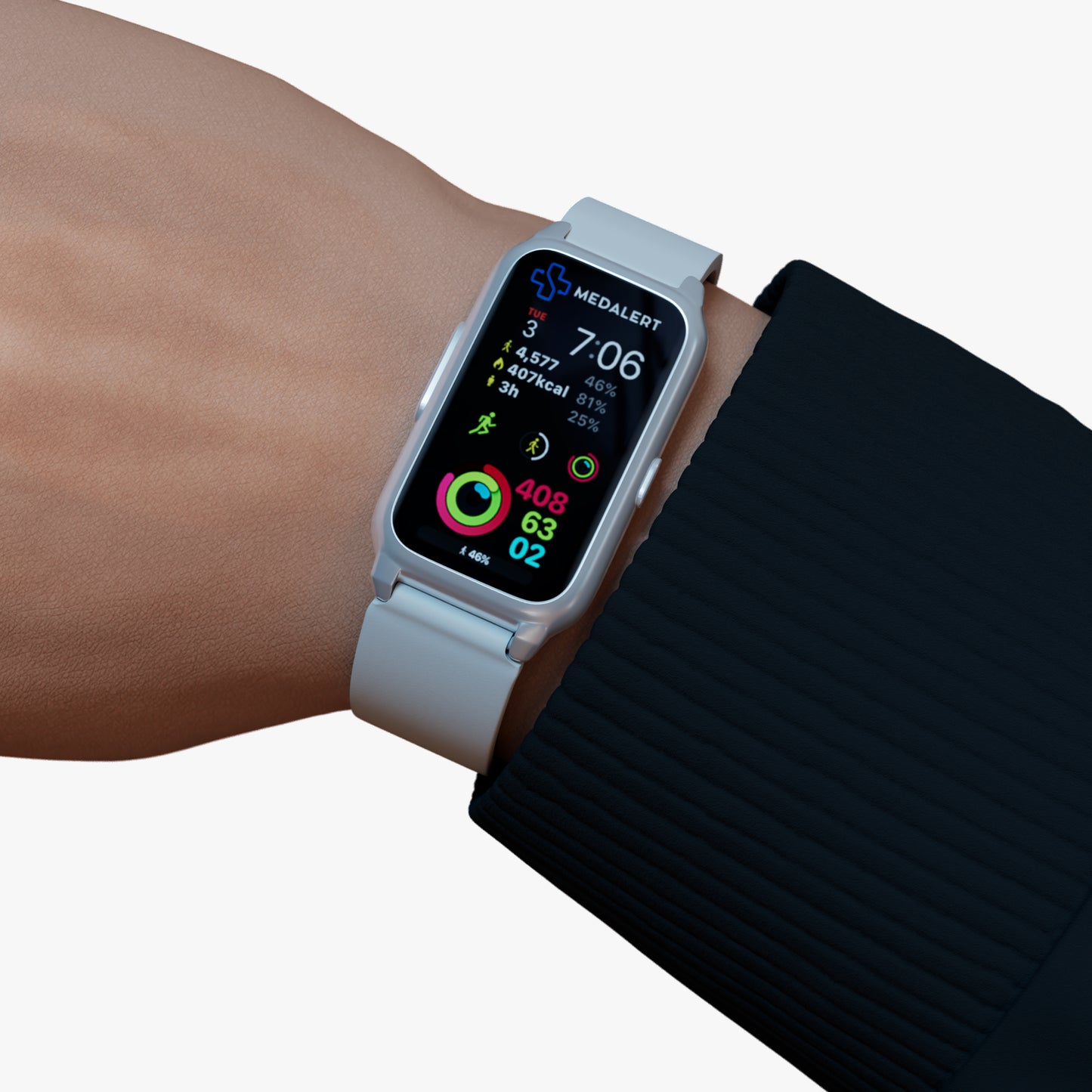
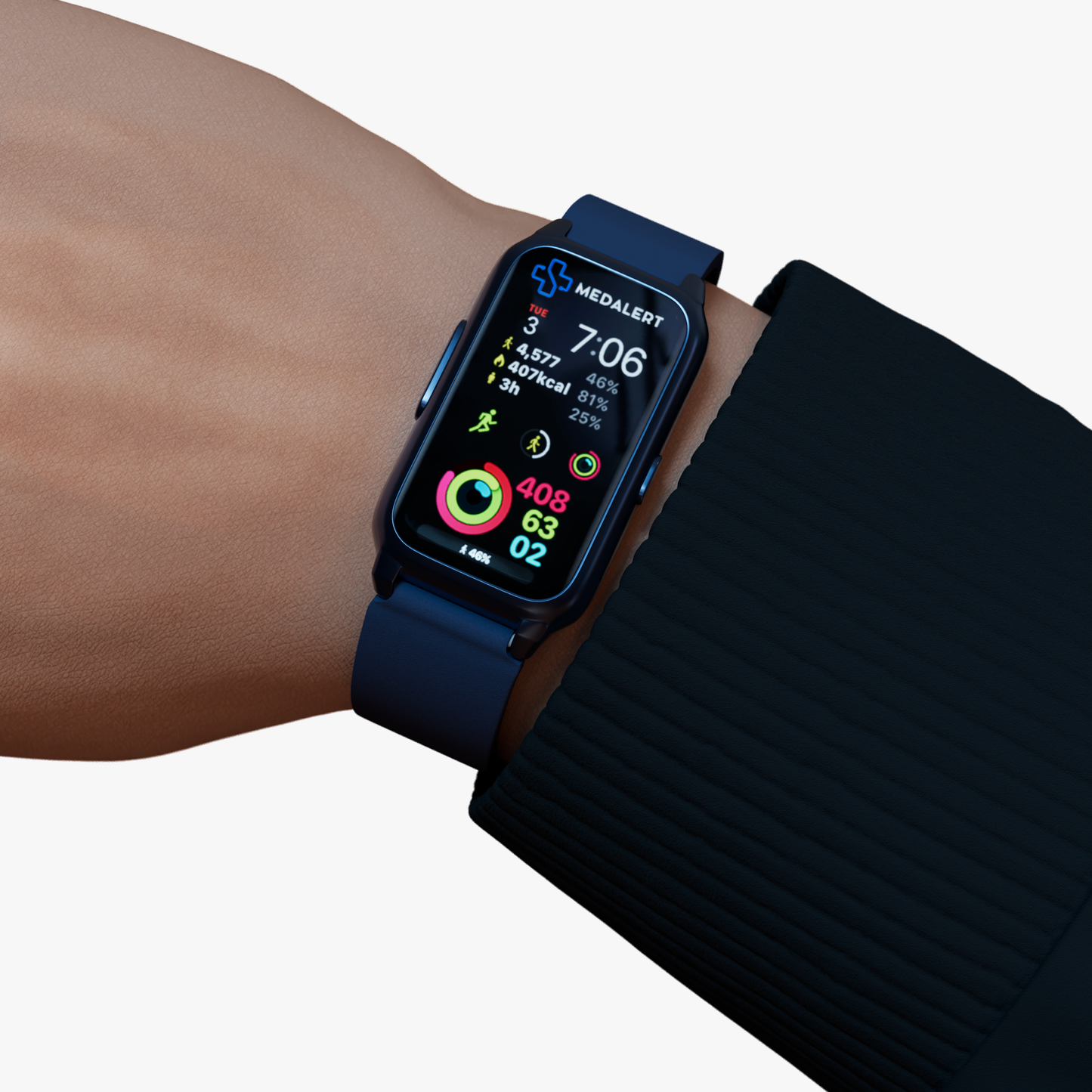
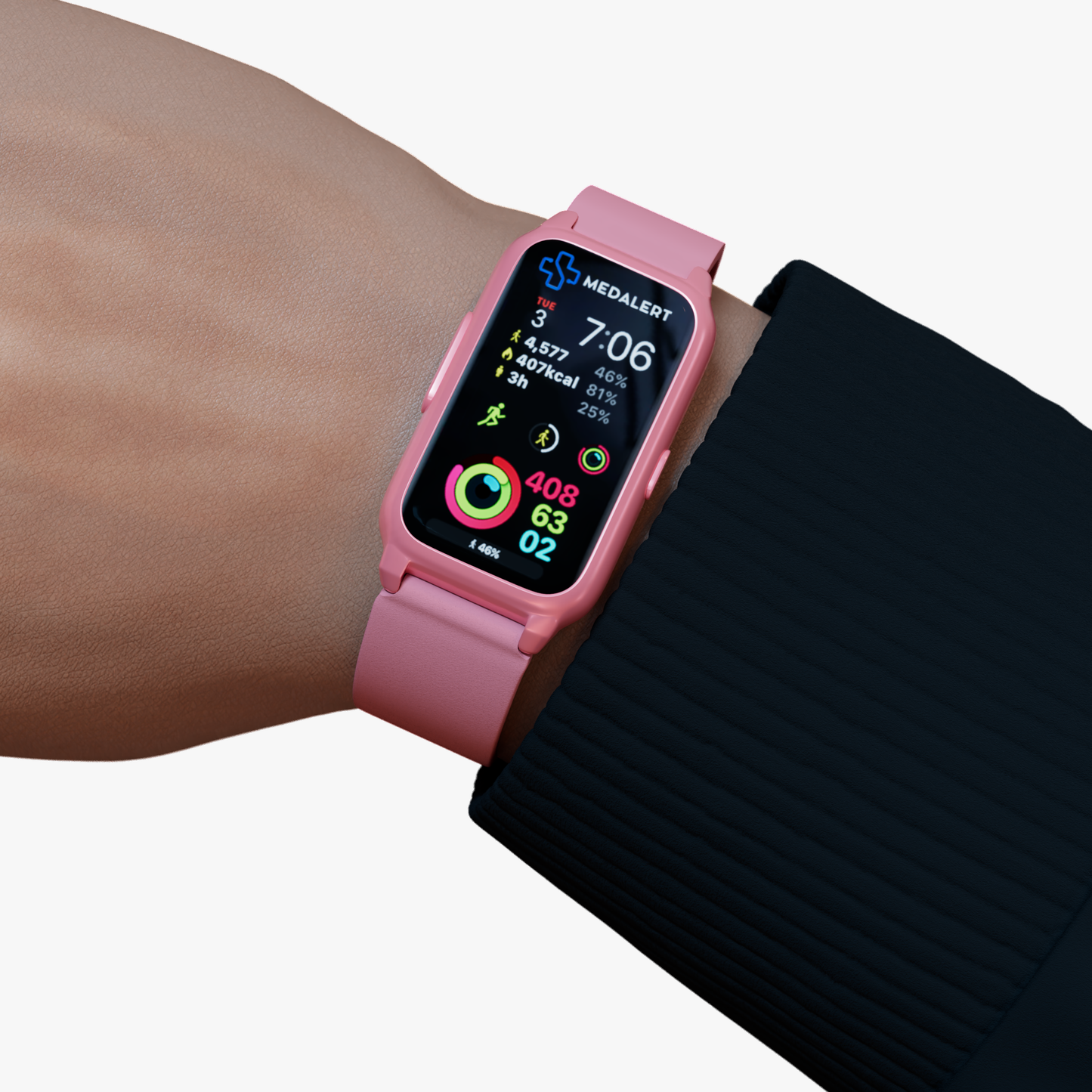
Someone who already likes wearing a watch may prefer a watch-style medical alert device. Another person may feel more comfortable with a different wearable design. Comfort, familiarity, and ease of use can all matter when a device becomes part of everyday life.
MedAlert provides different medical alert options. Depending on the model, these can include an SOS button, GPS tracking, two-way communication, and fall detection.
The person's usual activities should come first. Once those are understood, it becomes easier to decide which functions have a useful place in their day.
Think About the Person, Not Just the Device
A device may have several available functions, but that does not mean every function will matter equally to every wearer.
Consider a person who spends most of their time at home. Their priorities may differ from someone who regularly goes out or moves between different places during the day.
The same applies to how they prefer to communicate. Some people may be comfortable using a phone, while others may prefer having communication available through a wearable device.
Looking at these small details can make the choice more practical. It also keeps the focus on the person instead of turning the decision into a simple comparison of product specifications.
Keeping Familiar Activities Within Reach
Daily independence often depends on being able to continue familiar activities.
An older adult may have a preferred morning routine, enjoy time in the garden, prepare their own meals, or leave home for regular appointments. These activities can provide structure to the day.
A safety device can remain available while these activities take place. For example, an SOS button can provide a way to request help when needed. Two-way communication can also provide a way to speak with another person through supported devices.
MedAlert devices also include GPS tracking on relevant models. This can be useful when location information forms part of the person's safety arrangements.
The important point is that the device does not need to become the focus of the activity. It can simply remain available in the background.
Staying Connected Without Constant Check-Ins
Families often want to know that an older relative is safe. However, frequent calls or messages can sometimes make everyday independence feel less independent.
A medical alert device can provide another option for communication. MedAlert devices include two-way calling on supported models, allowing communication through the device.
This does not mean family members need to monitor every part of the day. Instead, communication can remain available when it is needed.
For an older adult, that distinction can matter. They can continue with their plans without feeling that every activity needs to be reported.
For family members, it can also provide another part of an overall safety arrangement. The device becomes one practical tool rather than the centre of the relationship.
When a Fall Detection Alarm Becomes Useful
Falls can be an important consideration when families are planning safety arrangements for an older adult. A person may not always be able to reach or use an alert button after an incident.
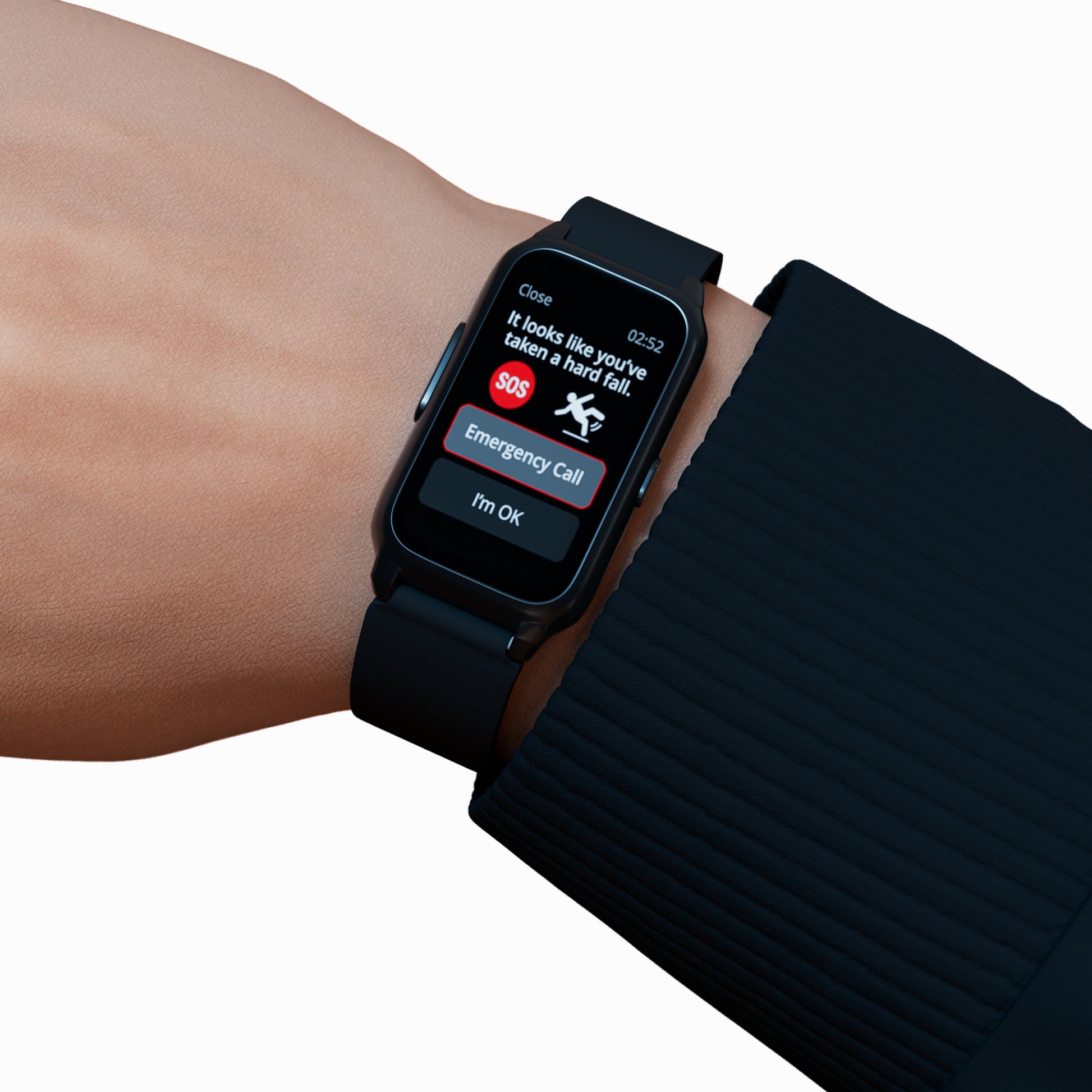
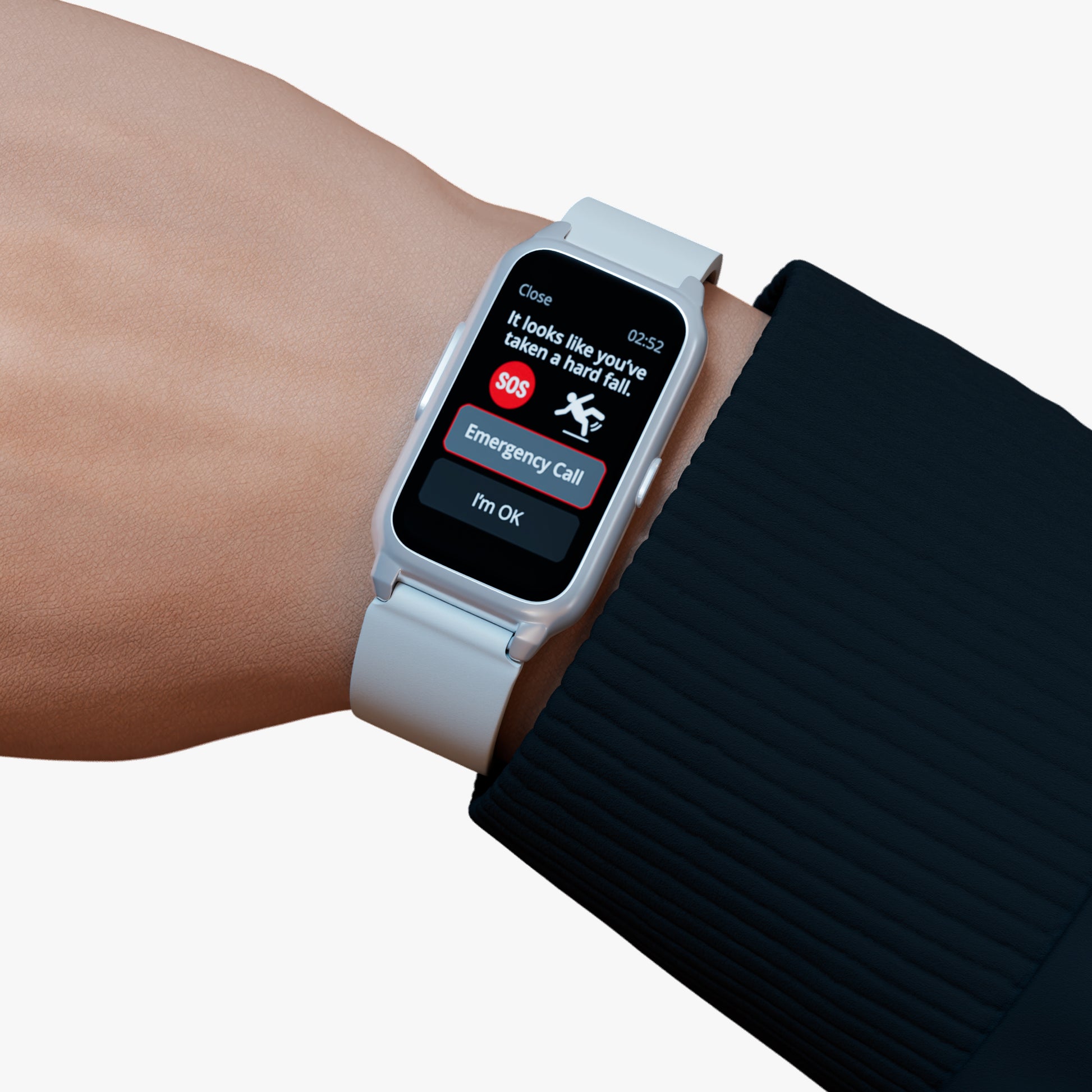
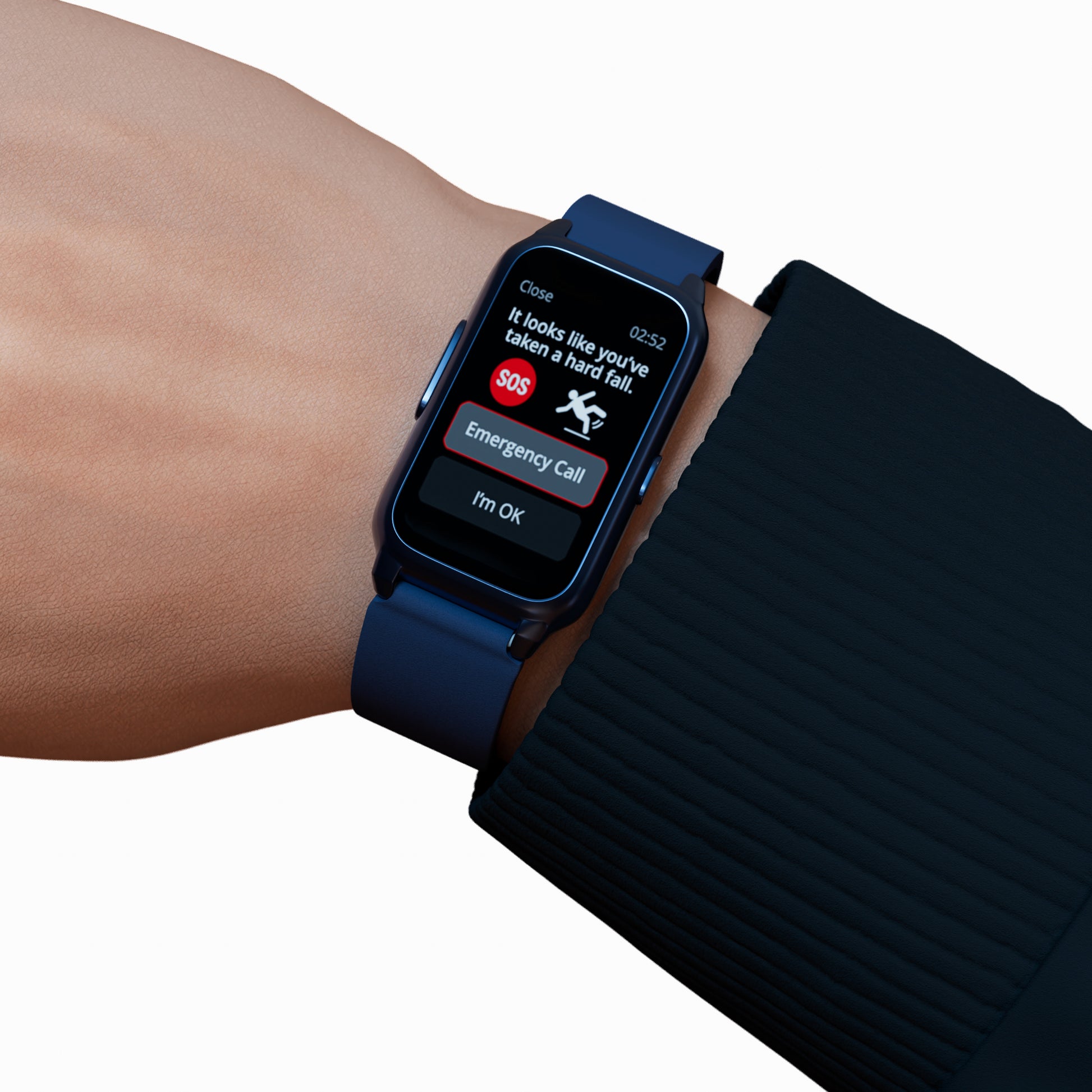
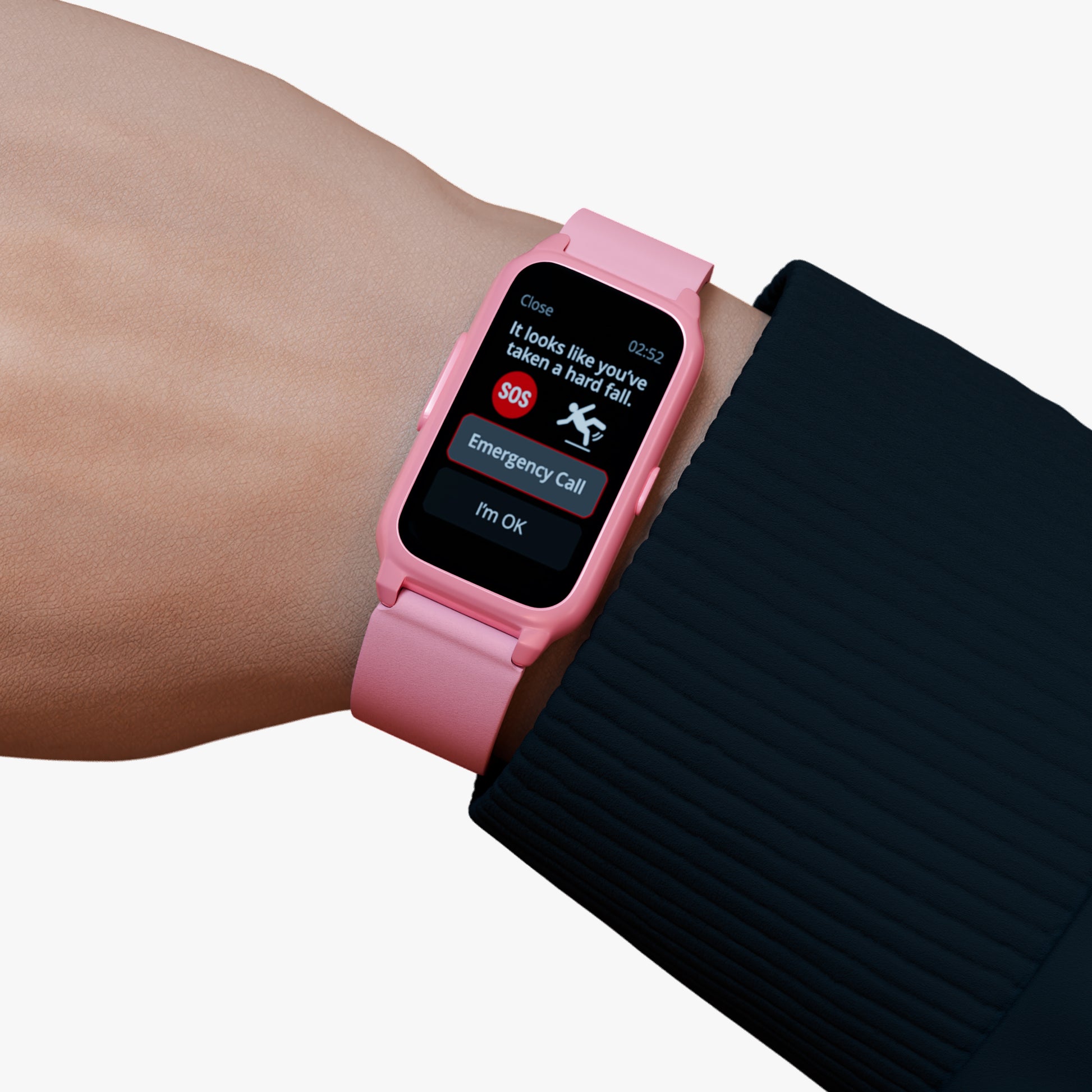
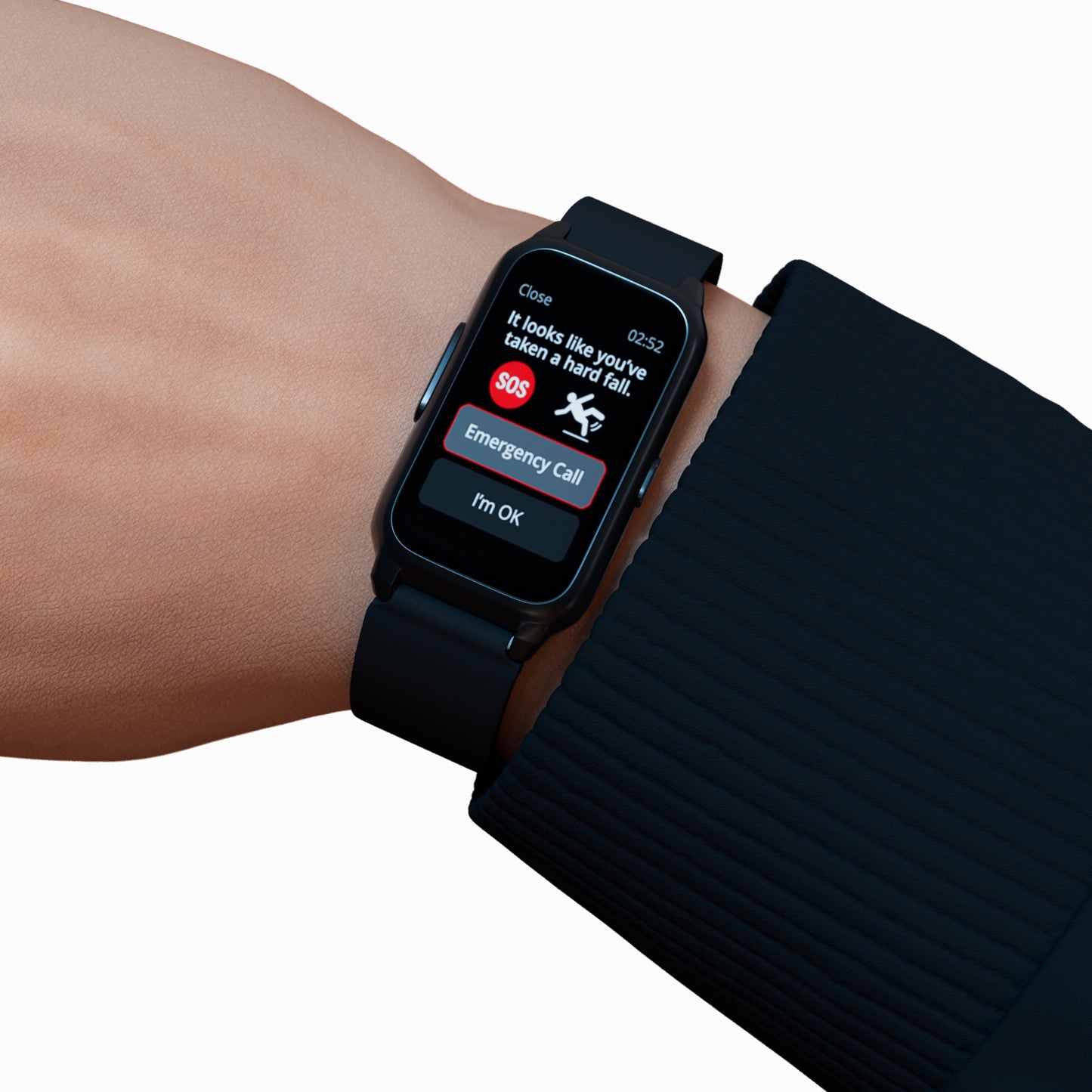
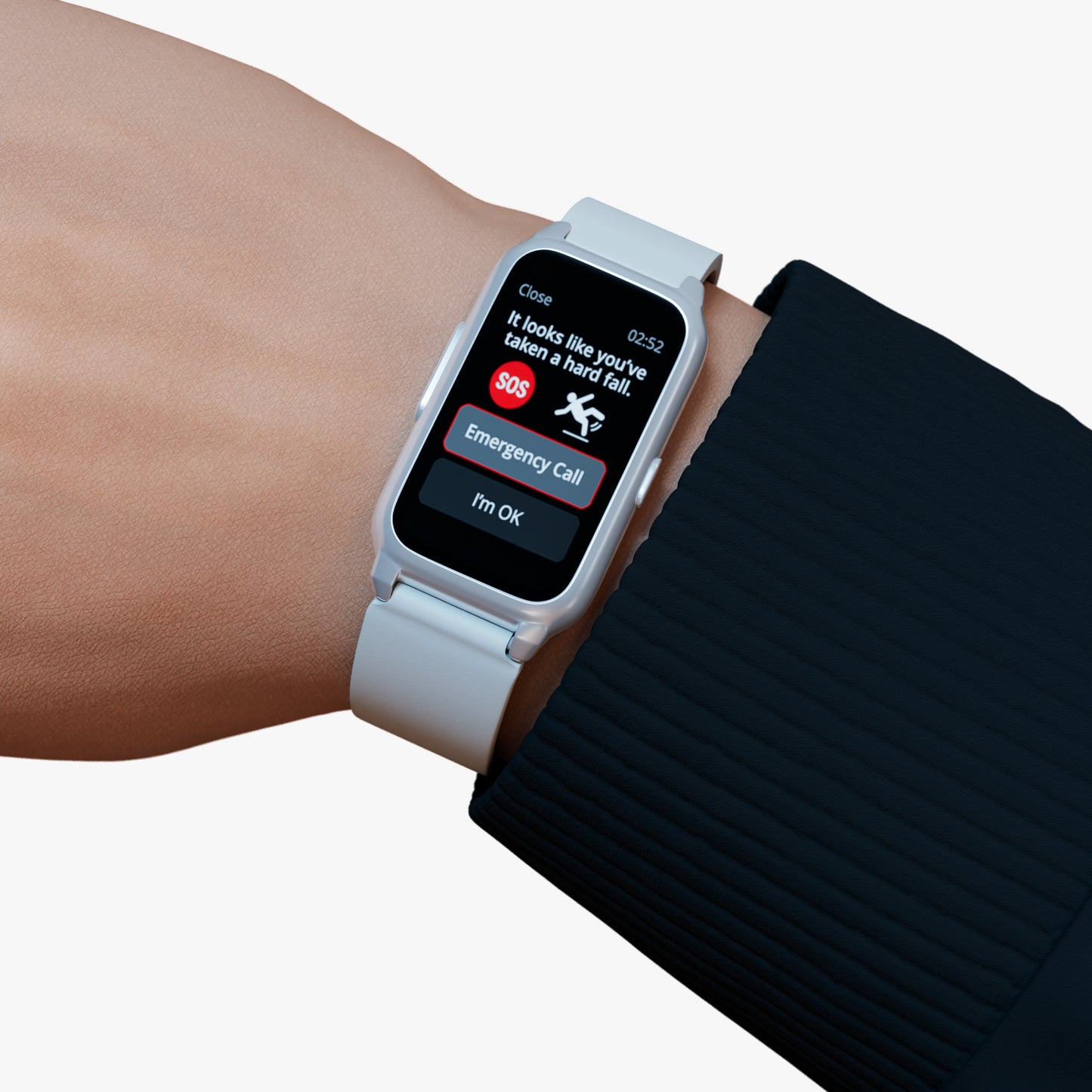
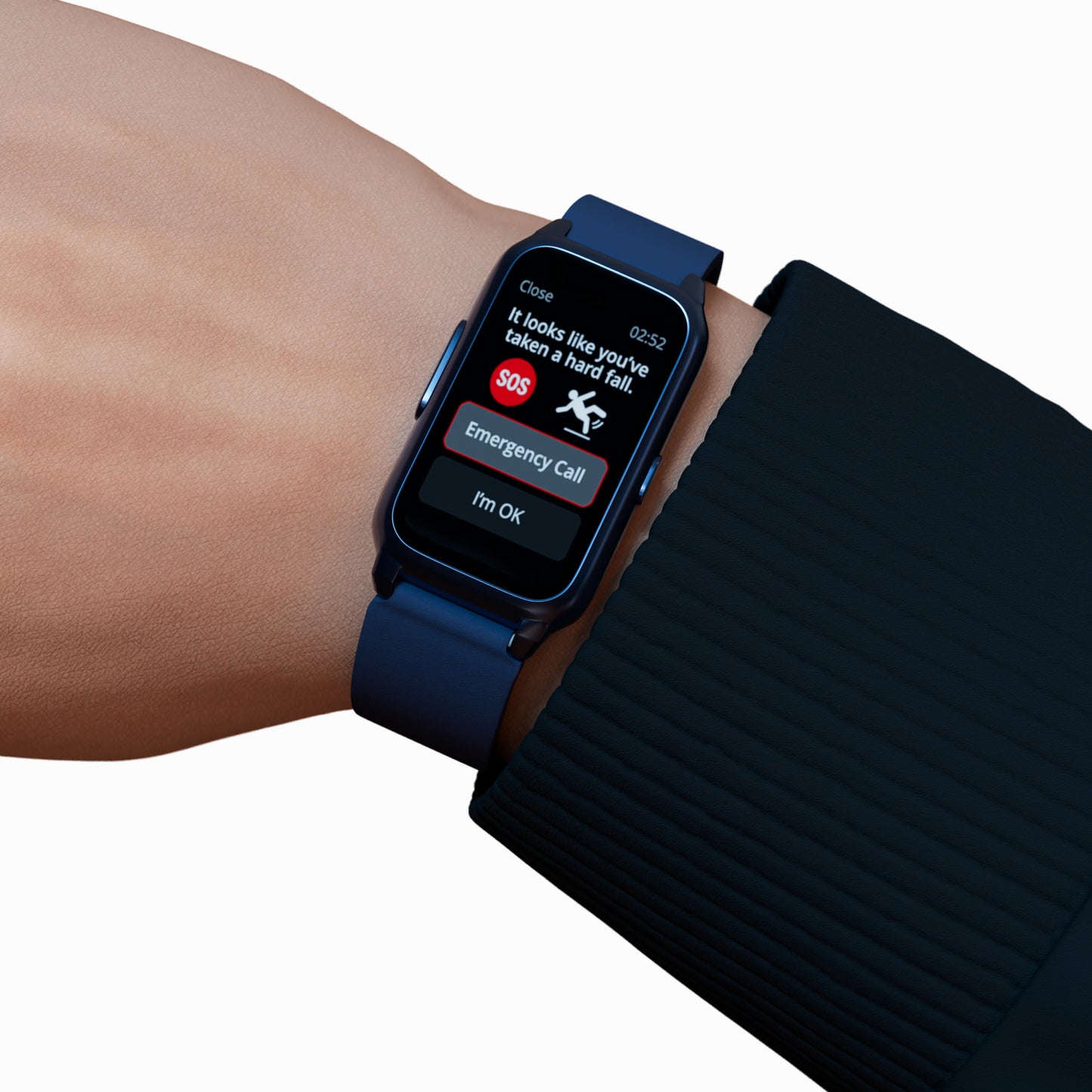
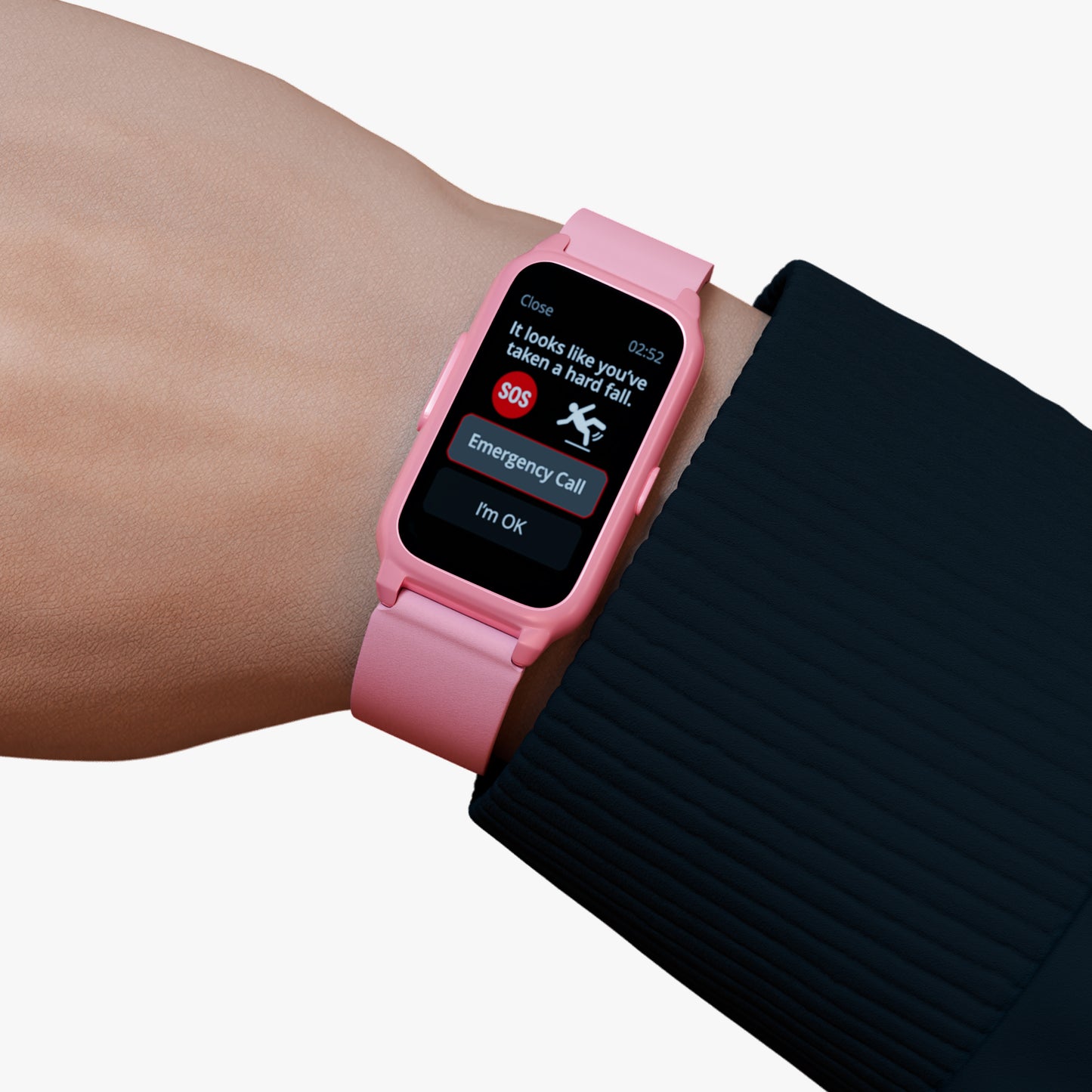
A fall detection alarm is designed to provide another alert option. MedAlert's fall detection devices include automatic fall detection alongside features such as an SOS button, GPS tracking, and two-way communication.
This is different from pressing an SOS button manually. One function allows the wearer to request help directly, while fall detection is designed to identify a fall automatically.
Families can therefore consider both options when looking at how a safety device fits into an older person's daily activities.
The decision should still reflect the individual. Not everyone has the same habits, needs, or preferences, so the device should be considered as part of their wider safety plan.
A Device Can Support Confidence Without Changing the Person's Routine
There is a difference between feeling safe and constantly thinking about safety.
When a safety device is easy to wear and fits naturally into daily activities, it can remain in the background. The wearer can focus on what they are doing rather than thinking about the device itself.
For example, a watch-style device can be worn while moving around the home or spending time outside. The available safety functions remain with the wearer instead of being left in another room.
MedAlert offers wearable options designed around medical alert functions. Depending on the model, these may include SOS alerts, GPS tracking, fall detection, and two-way communication.
This approach can be useful when the goal is to preserve familiar activities rather than introduce major changes to everyday life.
Personal Safety Device for Seniors: Making the Choice Practical
Choosing a safety device does not need to be complicated.
Begin by considering the person's normal day. Where do they spend their time? Do they prefer a watch or another type of wearable? Would an SOS button be useful? Would GPS or two-way communication have a place in their safety plan?
These questions are more useful than simply counting the number of functions a device offers.
MedAlert provides information about its different medical alert options, allowing families to look at the functions available on individual devices. The personal safety device for seniors page can also be used to explore the personal alarm options available.
It is worth discussing the choice with the person who will actually use the device. Their comfort and preferences should be part of the decision from the beginning.
Supporting a More Independent Approach to Safety
Independent living does not have to mean managing everything without support. It can mean having the freedom to continue making everyday choices while knowing that help can be reached when required.
A safety device can form one part of that arrangement. Its role can be simple: keep selected safety and communication functions close to the wearer while they continue with normal activities.
For some people, a watch-style device may feel most natural. Others may prefer a different personal alarm format. The important part is finding an option that makes sense for the person's lifestyle.
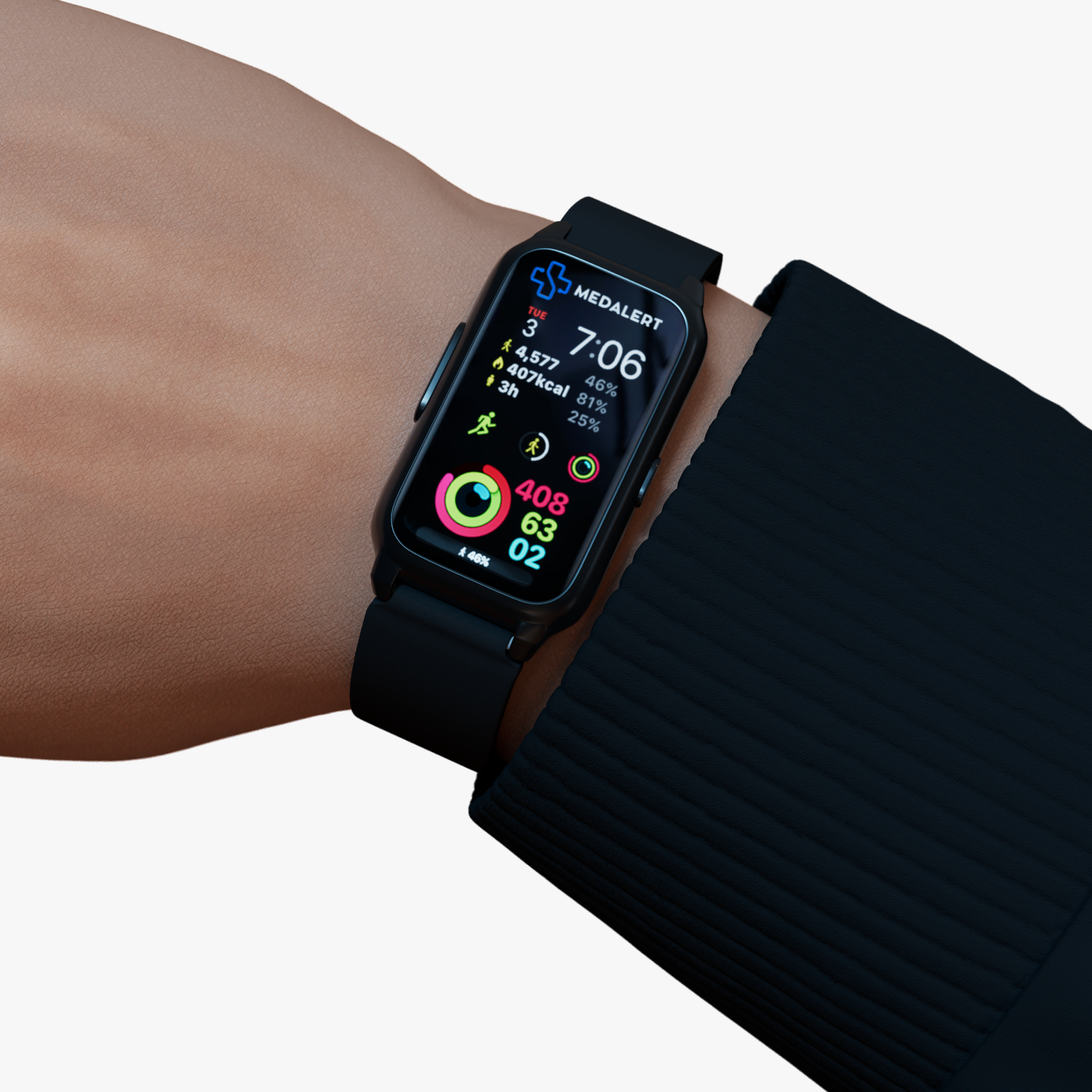
MedAlert's range includes different medical alert devices and safety functions. Information about the medalert watch can help readers understand the watch-style option and how it fits within the wider range.
If families have questions about the devices or need further information before making a decision, they can Contact us for assistance.
A Practical Way to Think About Independent Living
Safety planning works best when it starts with real life.
Think about the activities that matter to the older adult. Think about where they spend their time, how they prefer to communicate, and what type of device they would actually feel comfortable wearing.
From there, safety features can be considered in context. An SOS button, two-way communication, GPS tracking, or fall detection may each have a different role depending on the person.
Independent living is ultimately about keeping everyday life personal. A suitable safety device can sit alongside that life without taking it over.
Frequently Asked Questions
1. What is a personal safety device for seniors?
A personal safety device is designed to provide selected safety functions in a wearable or personal format. MedAlert devices can include functions such as SOS alerts, GPS tracking, fall detection, and two-way communication, depending on the model.
2. How can a safety device fit into independent living?
A safety device can stay available while an older adult continues with normal activities. The person can choose a device based on their daily habits, preferred wearable style, and the safety functions that are relevant to them.
3. What is the purpose of a fall detection alarm?
A fall detection alarm provides an automatic alert option when a fall is detected. MedAlert's fall detection devices combine this function with other safety features, including an SOS button and communication options.
4. Do MedAlert devices provide two-way communication?
Yes. Two-way communication is available on MedAlert devices that support two-way calling. This allows communication through the device rather than relying only on a separate phone.
5. What should families consider when choosing a medical alert device?
Families should consider the older adult's daily activities, preferred device style, and relevant safety needs. Looking at functions such as SOS alerts, GPS, communication, and fall detection can help guide the choice.