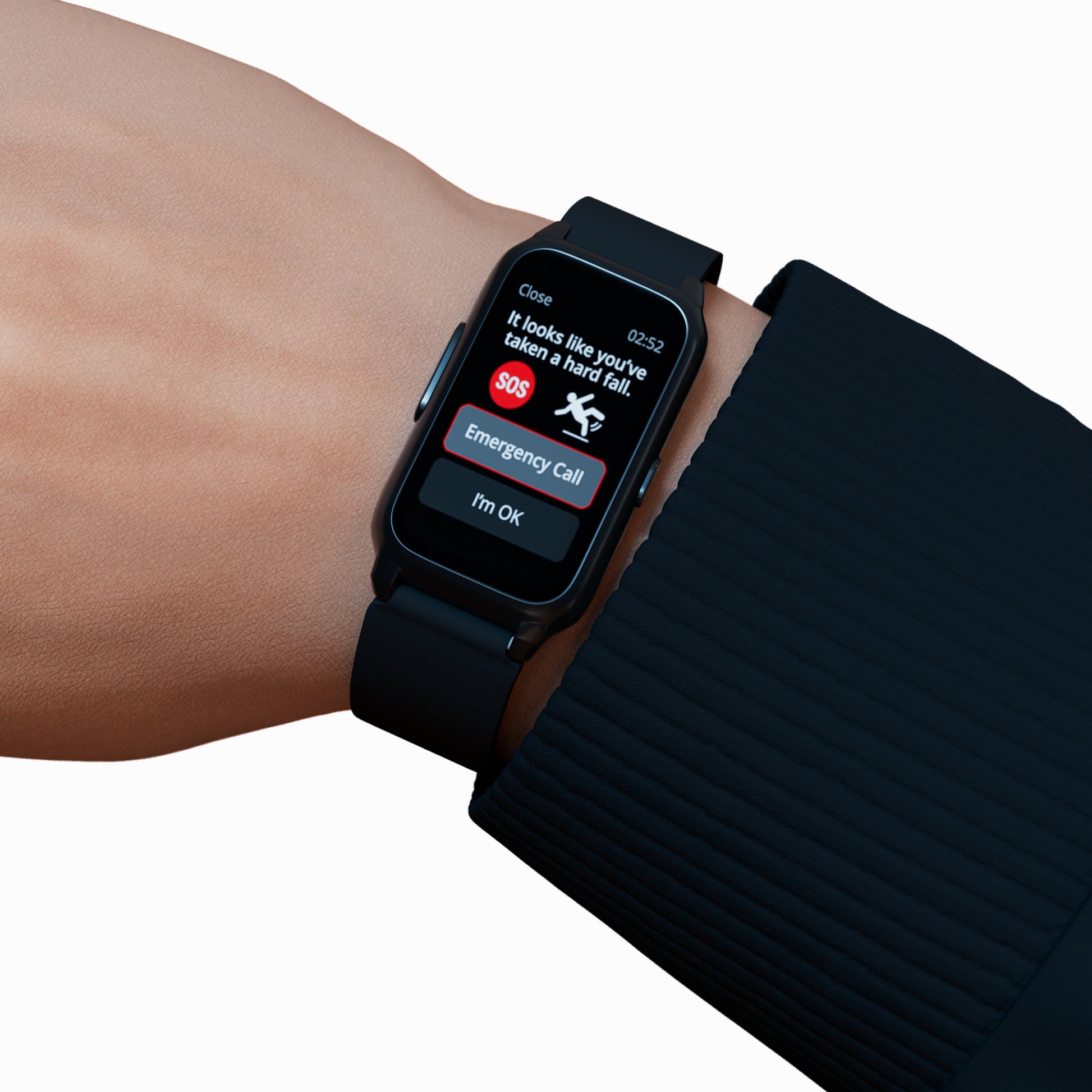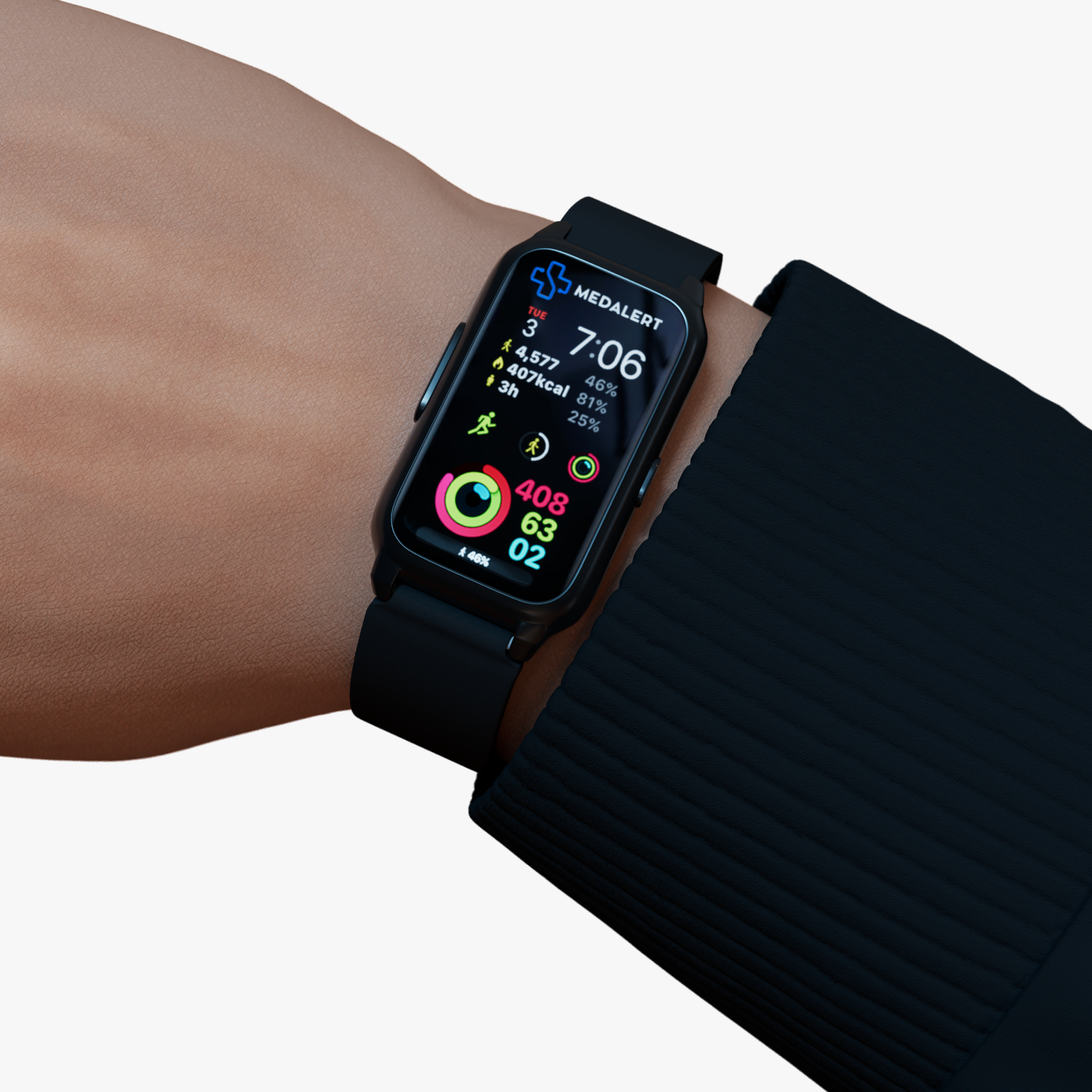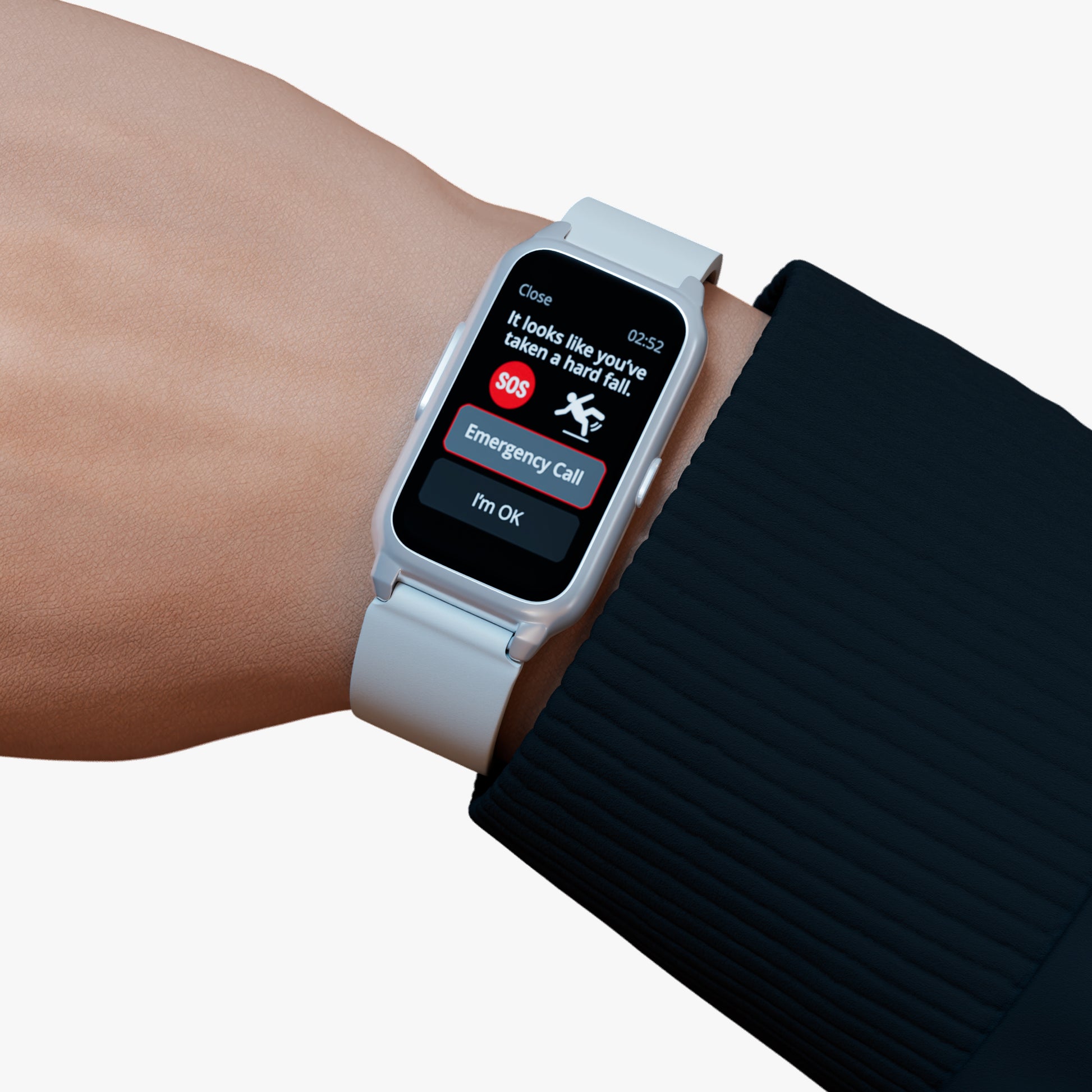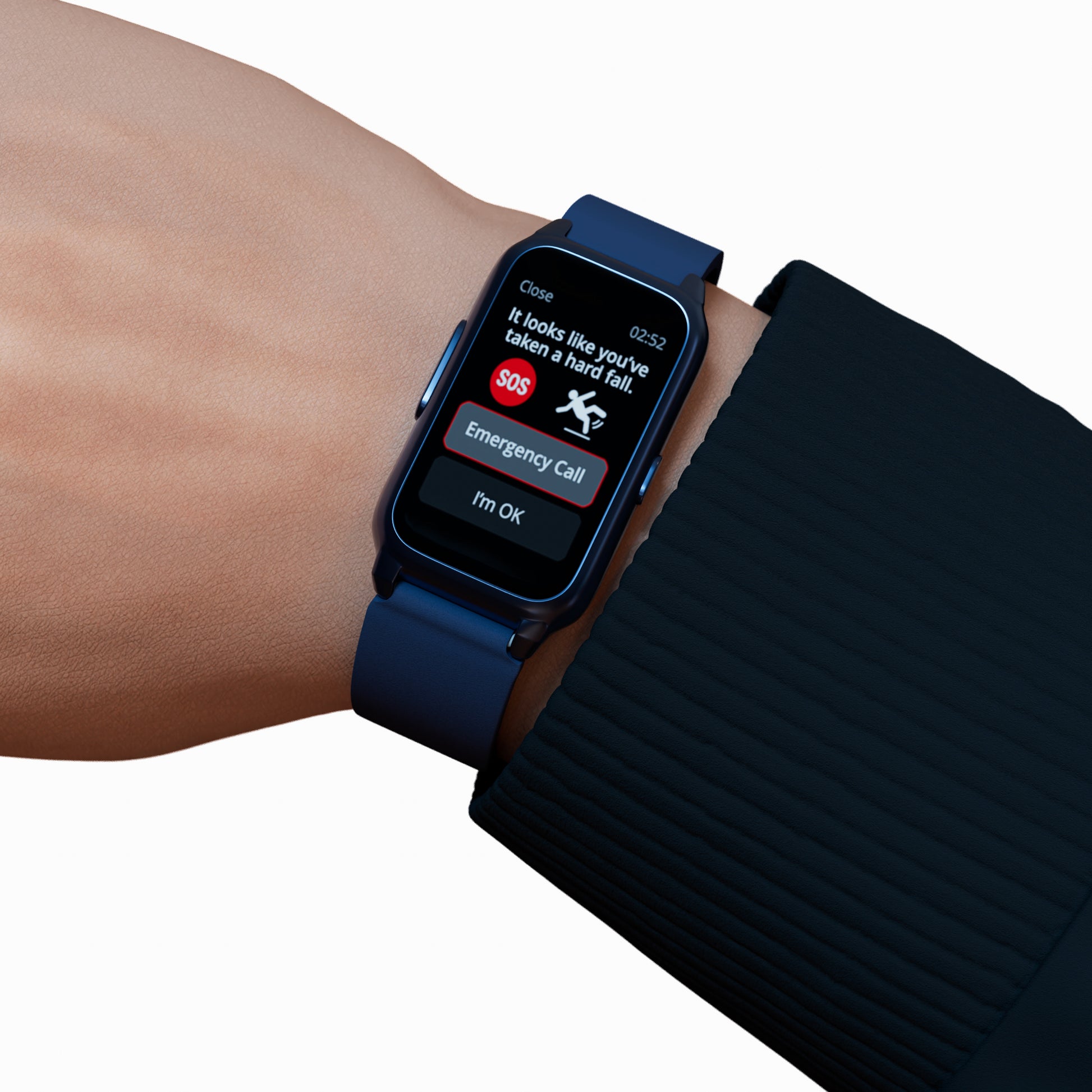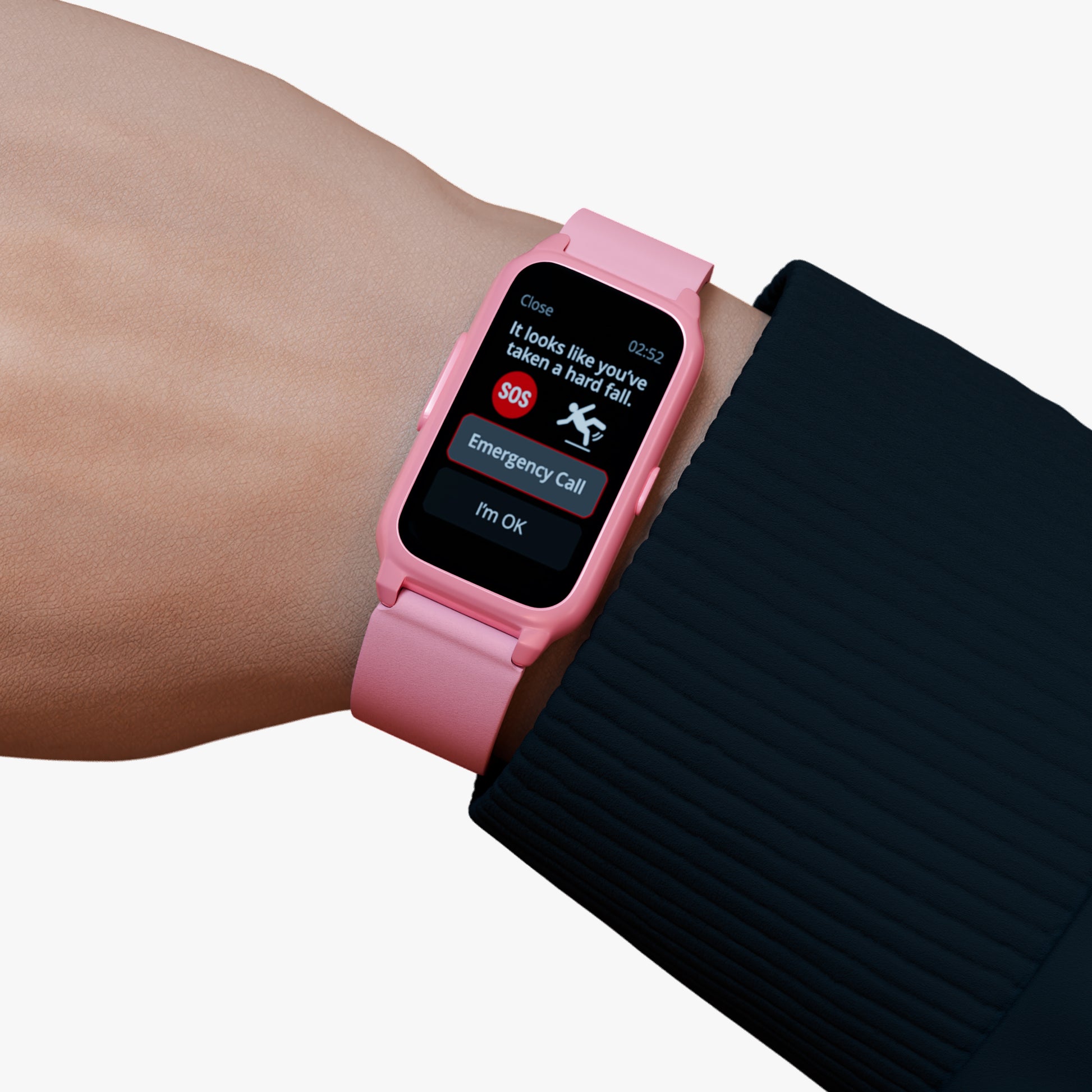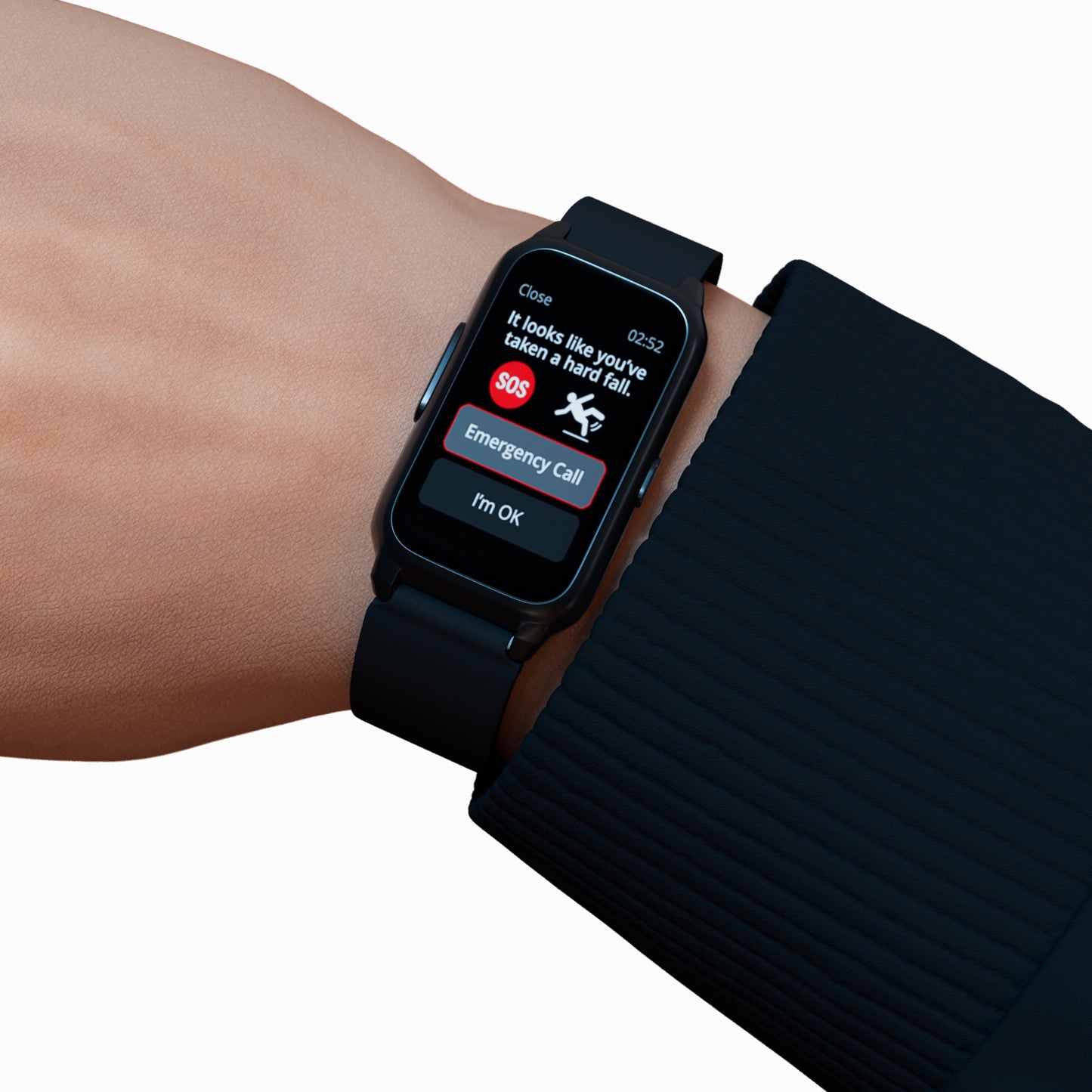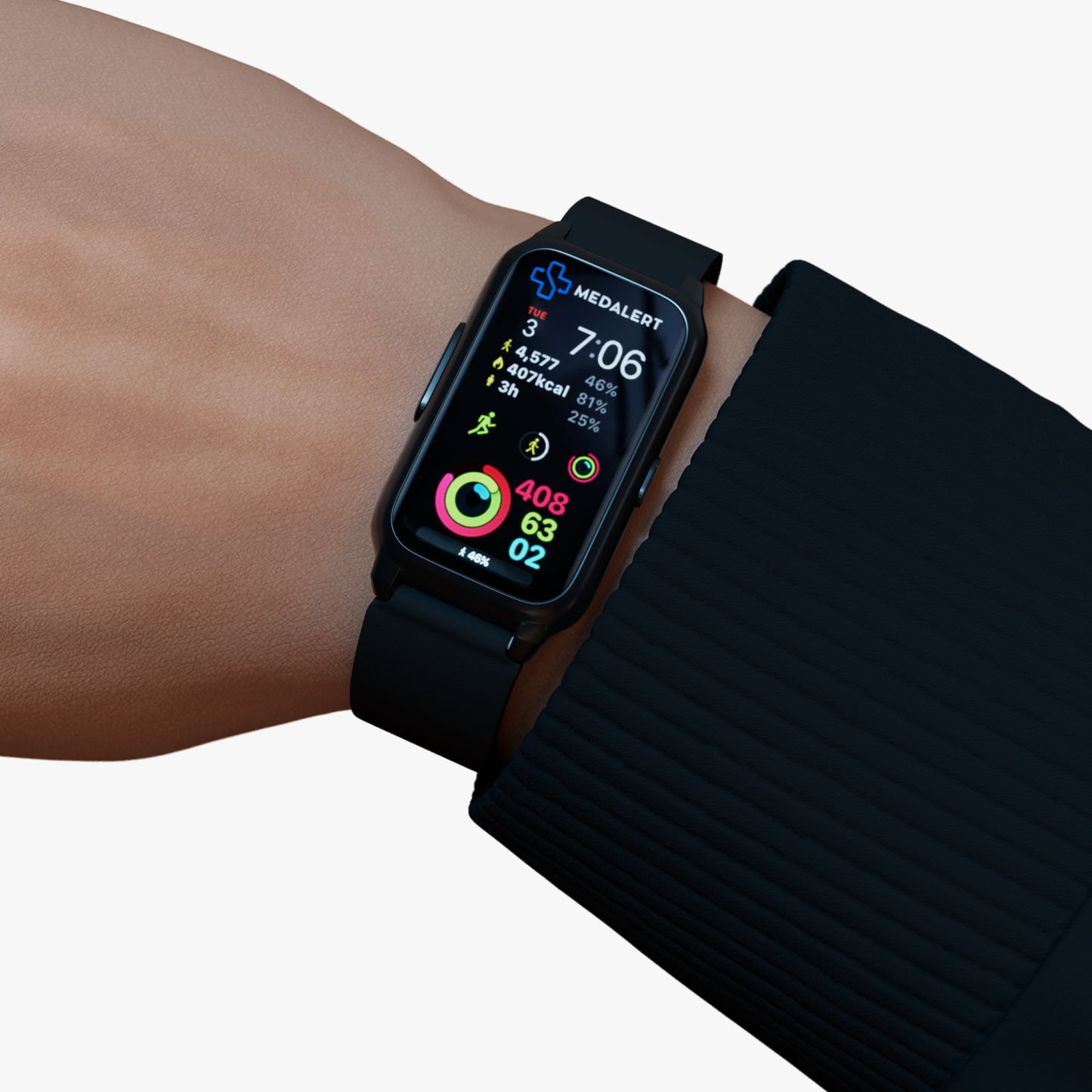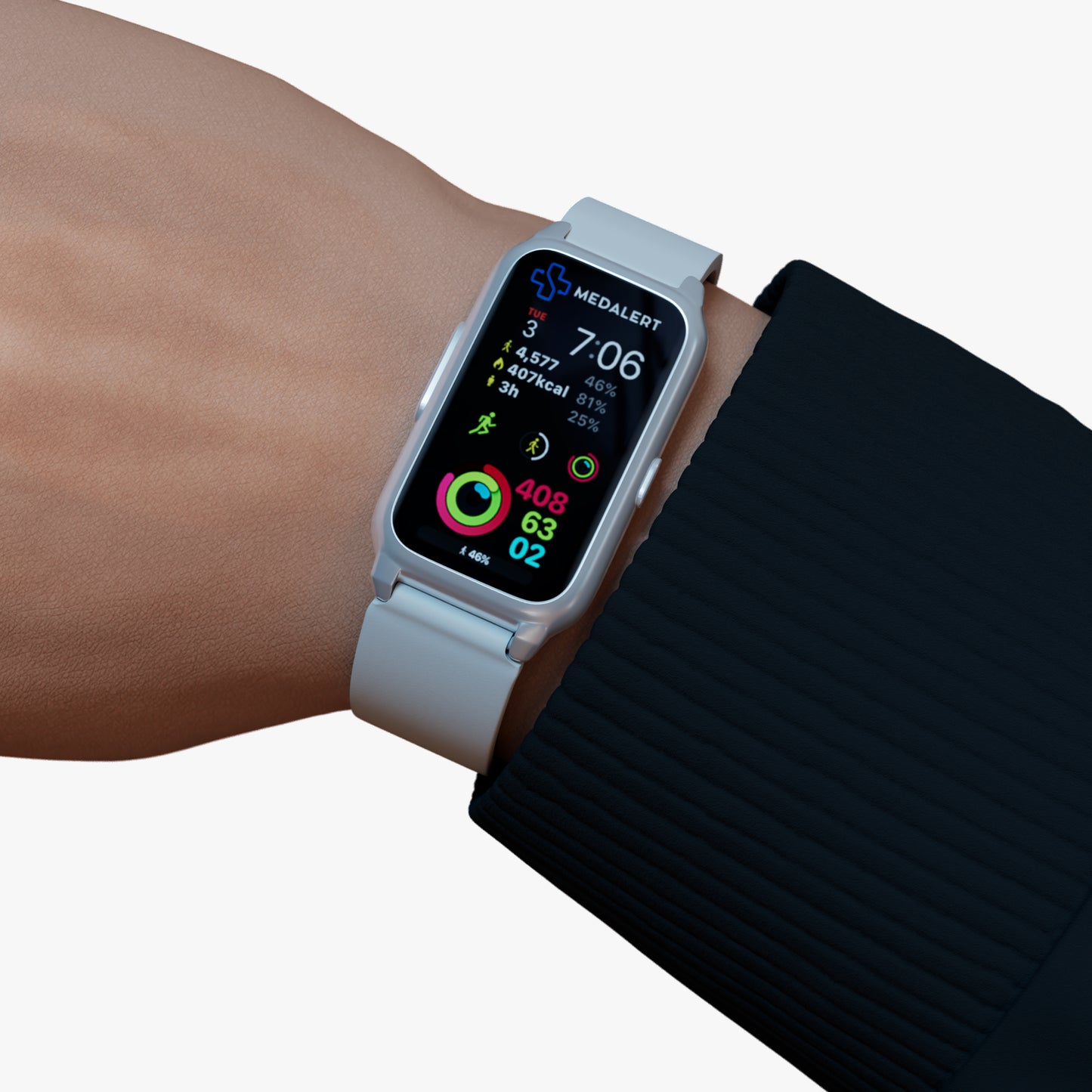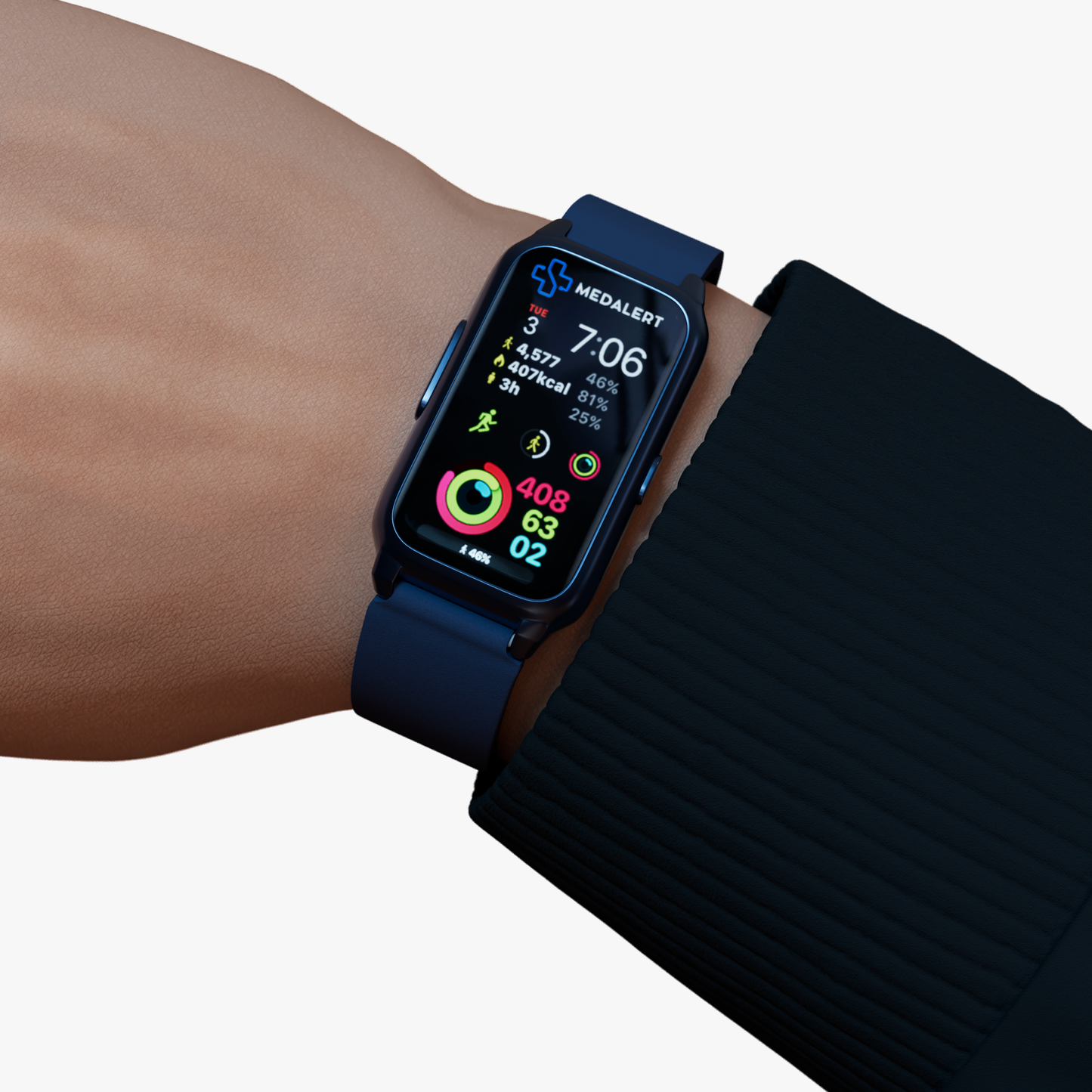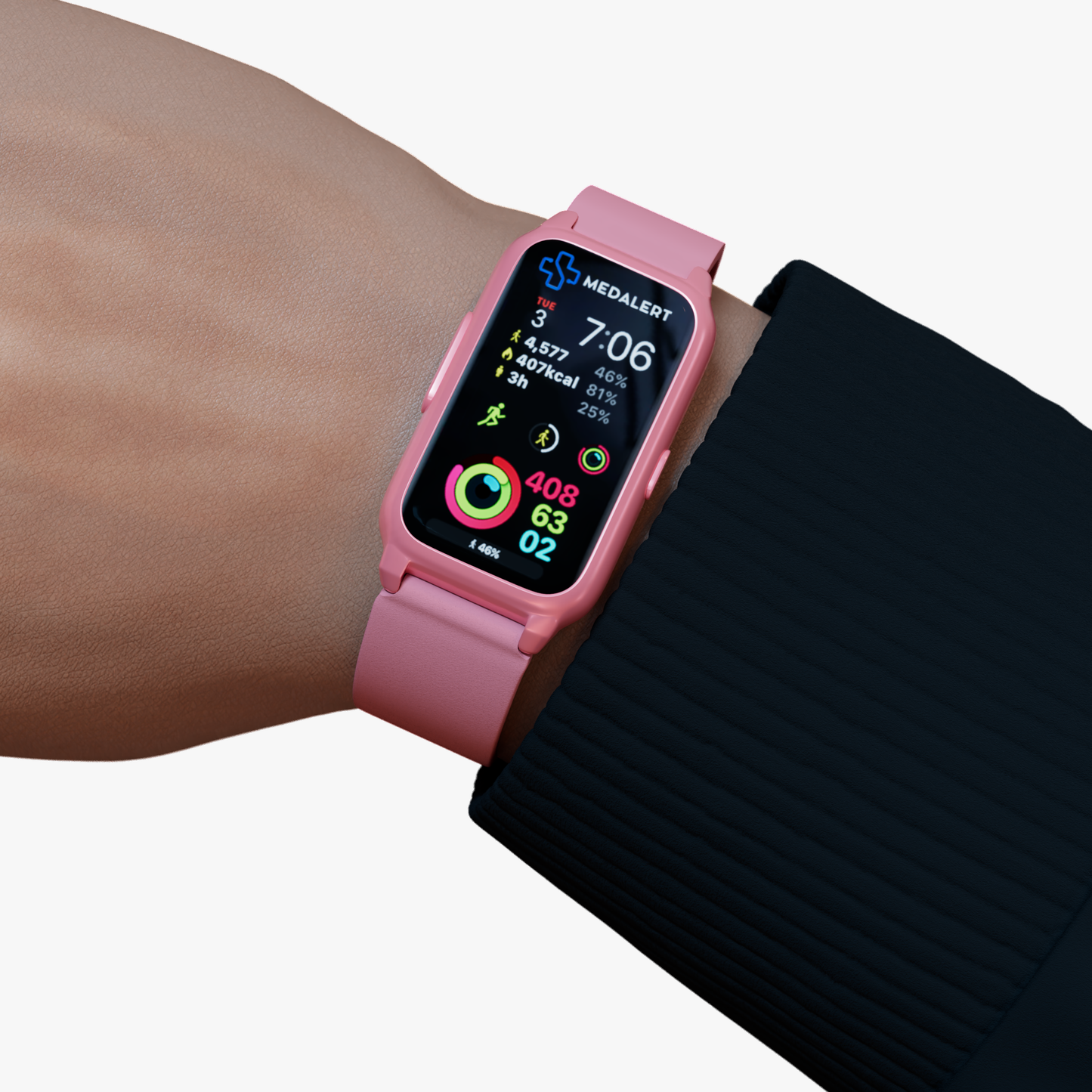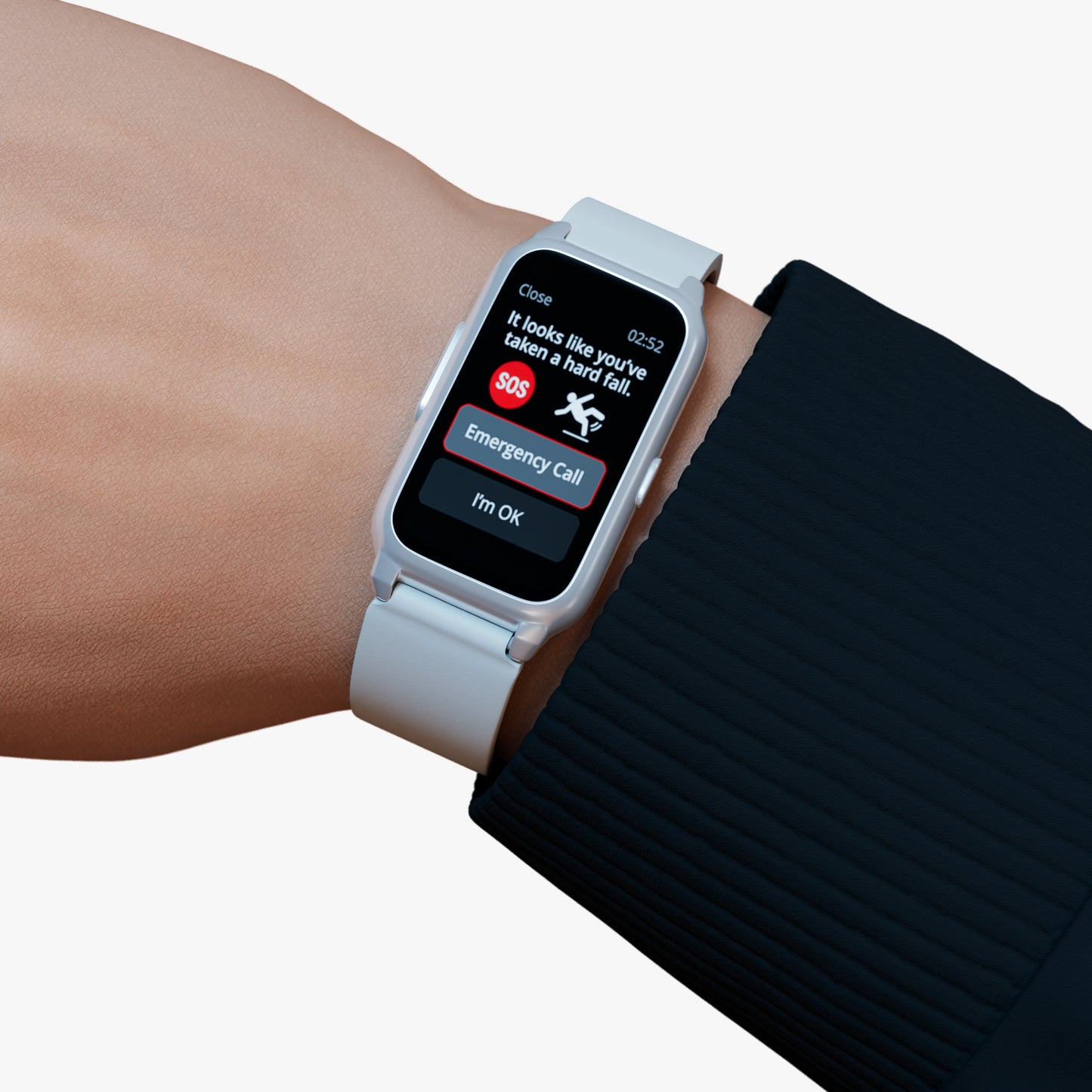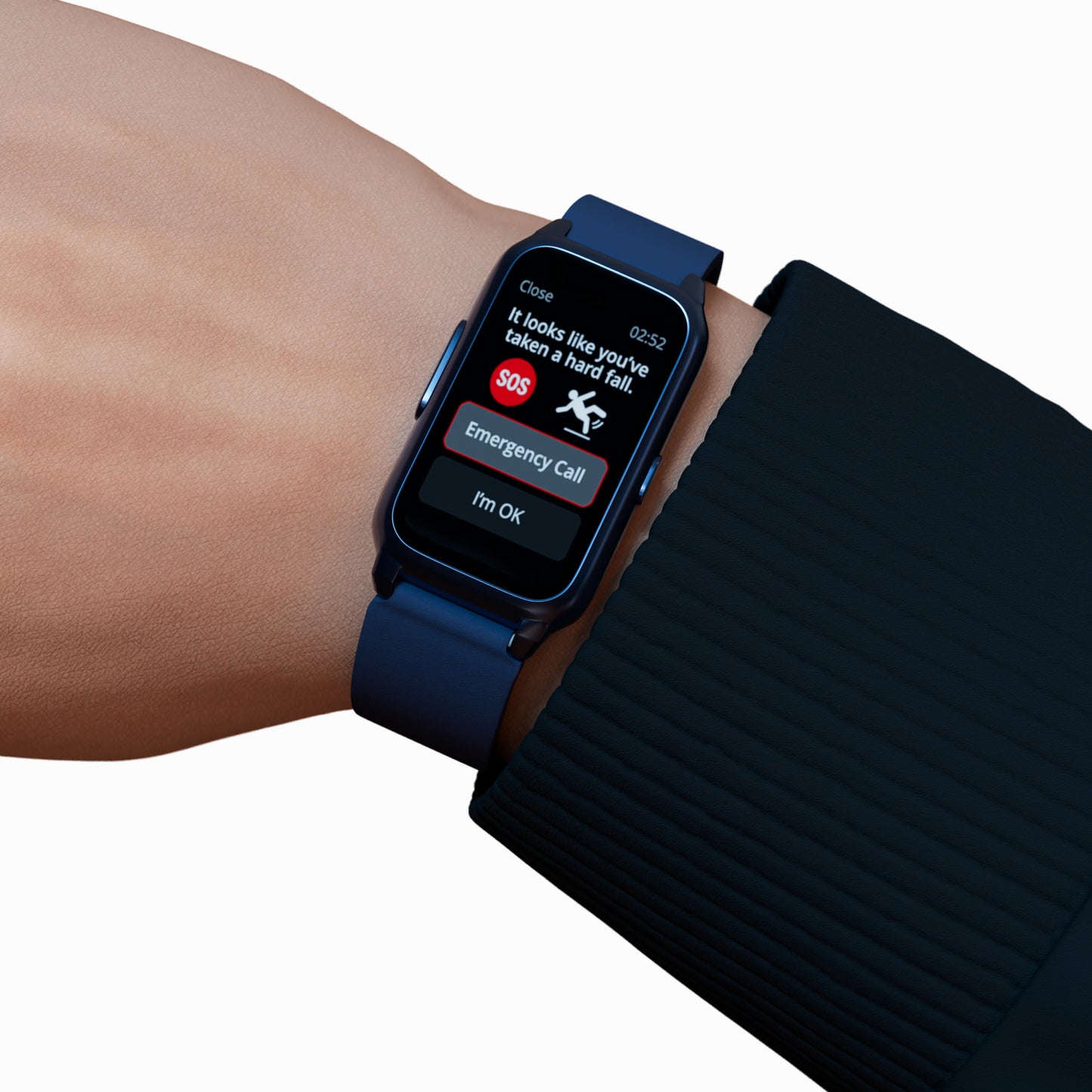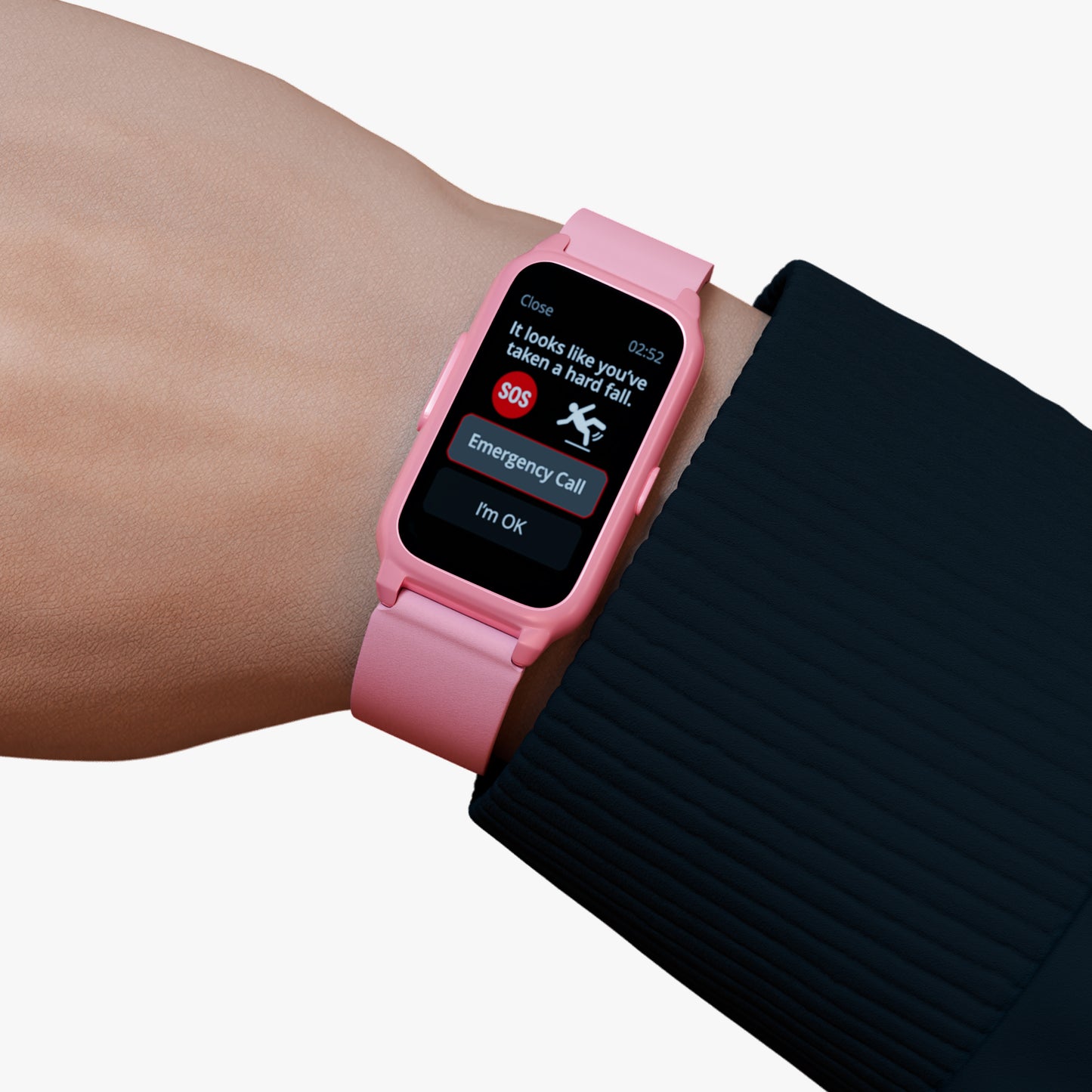

An emergency watch for seniors can help make daily caregiving feel less stressful during unexpected situations. Many caregivers spend large parts of the day balancing safety concerns, emotional support, and everyday responsibilities at the same time.
While caregiving can feel rewarding, it can also become emotionally exhausting over time. Many families worry about emergencies happening when a loved one is alone or unable to reach a phone quickly.
Technology has gradually become part of modern caregiving because it helps simplify communication during stressful moments. Wearable emergency devices allow seniors to keep communication support accessible throughout the day without interrupting independence.
For families managing everyday care routines, using Medalert as part of a communication support plan may help create additional reassurance during emergencies.
This guide explores common caregiver challenges and solutions while looking at how wearable communication technology supports safer and more confident daily care.
Balancing Independence and Safety
Many seniors want to continue normal daily routines without feeling restricted. They may enjoy spending time outdoors, shopping independently, or visiting family members regularly.
At the same time, caregivers often worry about emergencies happening when no one else is nearby. Even short periods alone can create stress for families.
Balancing independence and safety is one of the most common elderly care problems caregivers face. Constant check-ins may also become emotionally exhausting over time.
Wearable communication systems help simplify some of these concerns by keeping emergency communication more accessible throughout the day.
Why Everyday Accessibility Matters
During stressful moments, even simple communication can feel difficult. A wearable device helps reduce extra steps by keeping emergency support easier to access when needed.
This simplicity is important because emergencies can create confusion very quickly.
Managing Caregiver Burnout Help
Caregiver burnout help has become an important topic because long-term caregiving can affect emotional wellbeing. Many caregivers spend so much time focusing on someone else’s needs that they forget to manage their own routines and stress levels.
Over time, emotional exhaustion may begin affecting daily life. Some caregivers feel pressure to remain constantly available, especially when loved ones spend long periods alone during the day.
This emotional strain is one reason stress management caregivers discussions continue becoming more common.
Simple communication support systems may help reduce part of that daily worry. Knowing emergency communication remains accessible can provide additional reassurance during independent activities.
In situations where reaching a phone quickly becomes difficult, a personal alarm for seniors may help simplify communication during emergencies.
Communication Challenges During Emergencies
Communication becomes one of the biggest concerns during emergencies. Seniors experiencing weakness, confusion, or mobility difficulties may struggle to locate a nearby phone quickly.
Stressful situations can also make it harder to explain what happened clearly.
This is one reason tech solutions caregiving discussions often focus on simplicity and accessibility instead of complicated technology.
Wearable emergency devices are designed to reduce communication barriers during these moments. Users can activate communication support through a simple wearable device without managing multiple steps.
The goal is to make communication feel easier during stressful situations.
Simpler Systems Create More Confidence
Technology designed for seniors should feel practical during everyday life. Systems that feel too technical may become difficult to use during emergencies.
Wearable communication systems focus on simplicity because users should not need complicated instructions during stressful moments.
The easier a device feels during normal routines, the more useful it becomes during real emergencies.
Supporting Seniors Who Live Independently
Many older adults want to continue living independently while maintaining normal routines. They may enjoy gardening, walking outdoors, or spending time alone at home without relying heavily on others.
Caregivers often support this independence emotionally while still worrying about possible emergencies happening unexpectedly.
Wearable communication systems help create balance by keeping emergency support accessible without interrupting everyday activities.
Because these devices remain wearable throughout the day, seniors can continue normal routines while communication support stays nearby if needed.
Some families feel more comfortable supporting independent routines when an emergency watch for seniors remains accessible during everyday activities.

The Emotional Side of Caregiving
Caregiving involves more than practical support alone. Emotional responsibility often becomes one of the most difficult parts of daily care.
Many caregivers worry about missing emergency calls or not responding quickly enough during stressful situations. Others struggle with guilt when taking personal time away from caregiving responsibilities.
Over time, these emotions may quietly build into exhaustion and stress.
Stress management caregivers conversations are important because emotional wellbeing affects both caregivers and seniors. Small improvements in communication accessibility can sometimes help reduce part of that emotional pressure.
Knowing support remains easier to access often creates additional reassurance during independent activities or time spent alone.
How Technology Supports Daily Care
Technology continues becoming part of everyday caregiving because it helps simplify communication during emergencies.
Wearable communication systems are designed to feel practical during normal life instead of feeling overly complicated. Seniors can continue regular routines while keeping emergency communication accessible throughout the day.
This accessibility may feel especially valuable during:
-
Outdoor activities
-
Independent errands
-
Mobility-related concerns
-
Situations where reaching a phone feels difficult
Technology cannot remove every caregiving challenge. However, communication support systems may help simplify some daily concerns while improving reassurance for families.
Keeping Communication Simple
The most useful caregiving technology often feels natural during everyday routines.
Devices that require too many steps may create frustration during stressful moments. Wearable emergency systems focus on straightforward communication because emergencies already feel overwhelming enough.
Simple accessibility often becomes one of the most valuable parts of wearable communication support.
Finding Better Balance as a Caregiver
Long-term caregiving often requires emotional balance and practical support systems. Constant stress and worry can become difficult to manage without routines that feel sustainable over time.
This does not mean caregivers stop caring deeply about loved ones. Instead, it means creating support systems that help reduce unnecessary pressure during daily life.
Communication accessibility plays an important role in that balance. When seniors have easier access to emergency support, caregivers may feel more comfortable managing work, personal responsibilities, or short breaks throughout the day.
If additional information about wearable communication systems is needed, readers can contact us for further support.
Final Thoughts
Caregiving involves emotional support, daily responsibility, and constant concern for a loved one’s wellbeing.
Understanding common caregiver challenges and solutions can help families create routines that feel more manageable over time.
An emergency watch for seniors can support independent living while helping simplify communication during stressful situations. For many families, wearable communication systems provide additional reassurance while supporting safer and more confident daily care routines.
Frequently Asked Questions
1. What are the biggest caregiver challenges?
Many caregivers struggle with emotional stress, communication concerns, and balancing safety with independence for aging loved ones.
2. What is caregiver burnout?
Caregiver burnout refers to emotional and physical exhaustion caused by long-term caregiving responsibilities and ongoing stress.
3. How can wearable emergency devices help caregivers?
Wearable communication systems help improve emergency accessibility while supporting independent living for seniors.
4. Why is communication important during caregiving?
Quick communication access becomes important during emergencies where seniors may struggle to reach a nearby phone quickly.
5. Can technology replace caregiving support?
Technology does not replace caregiving support. However, wearable communication systems may help simplify emergency communication during daily routines.