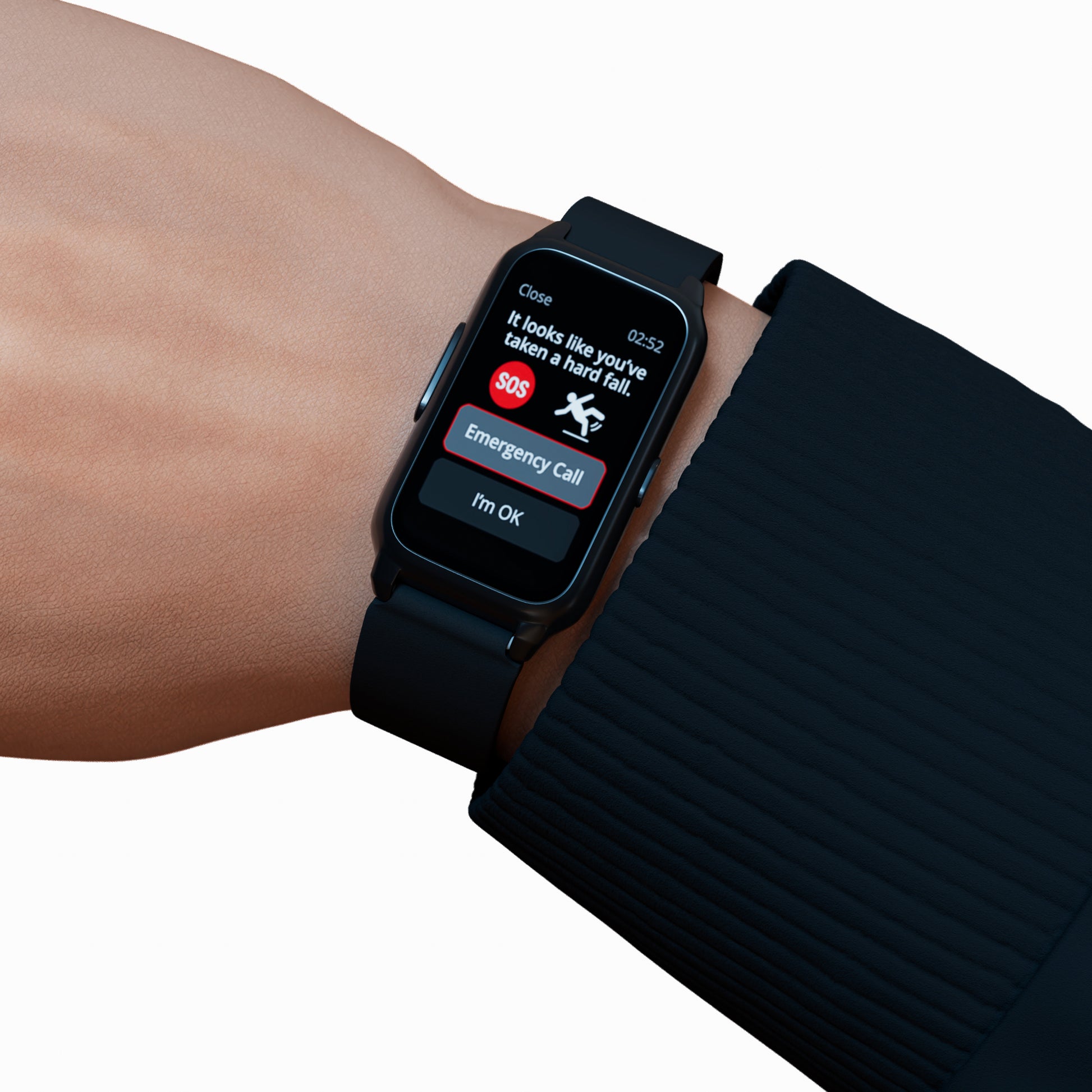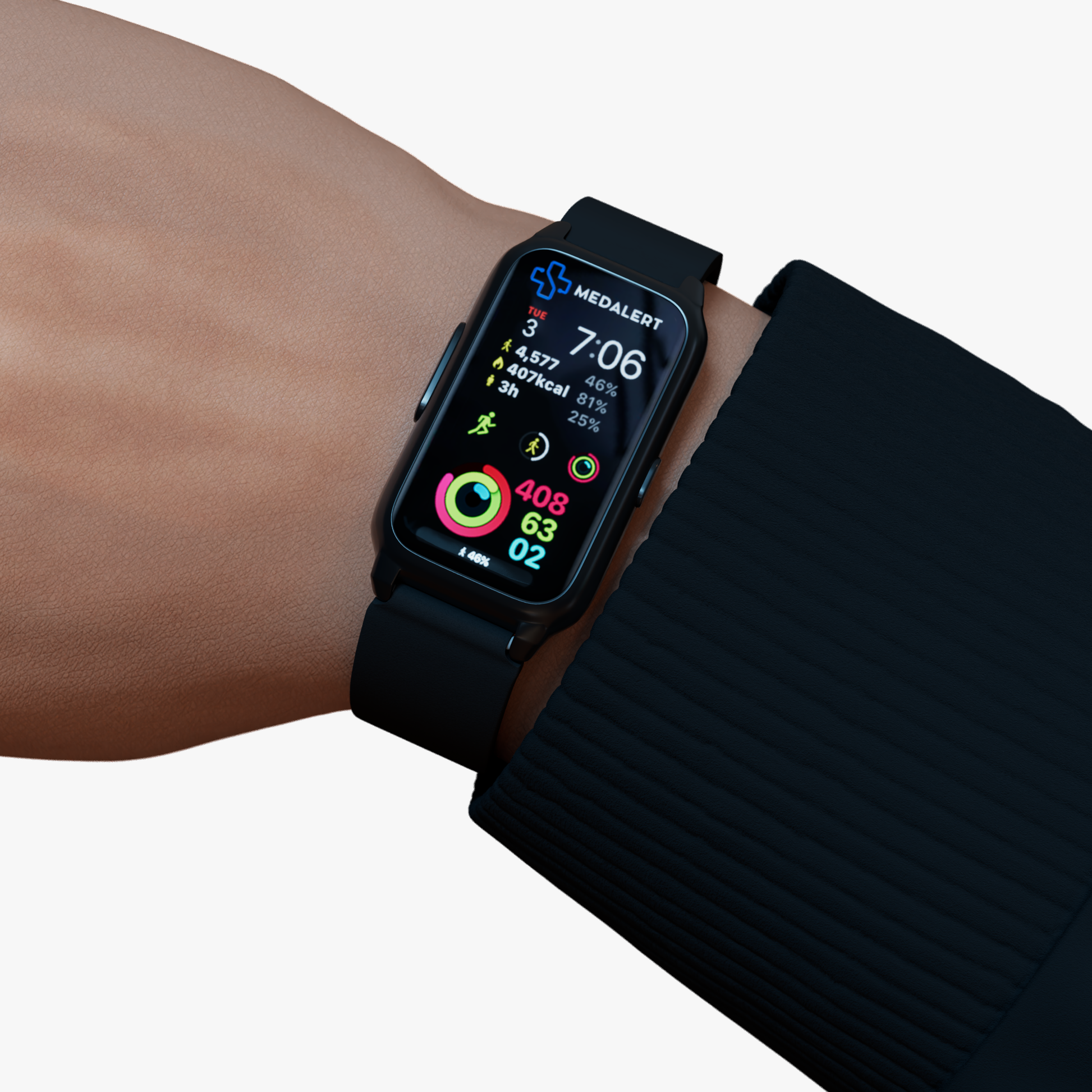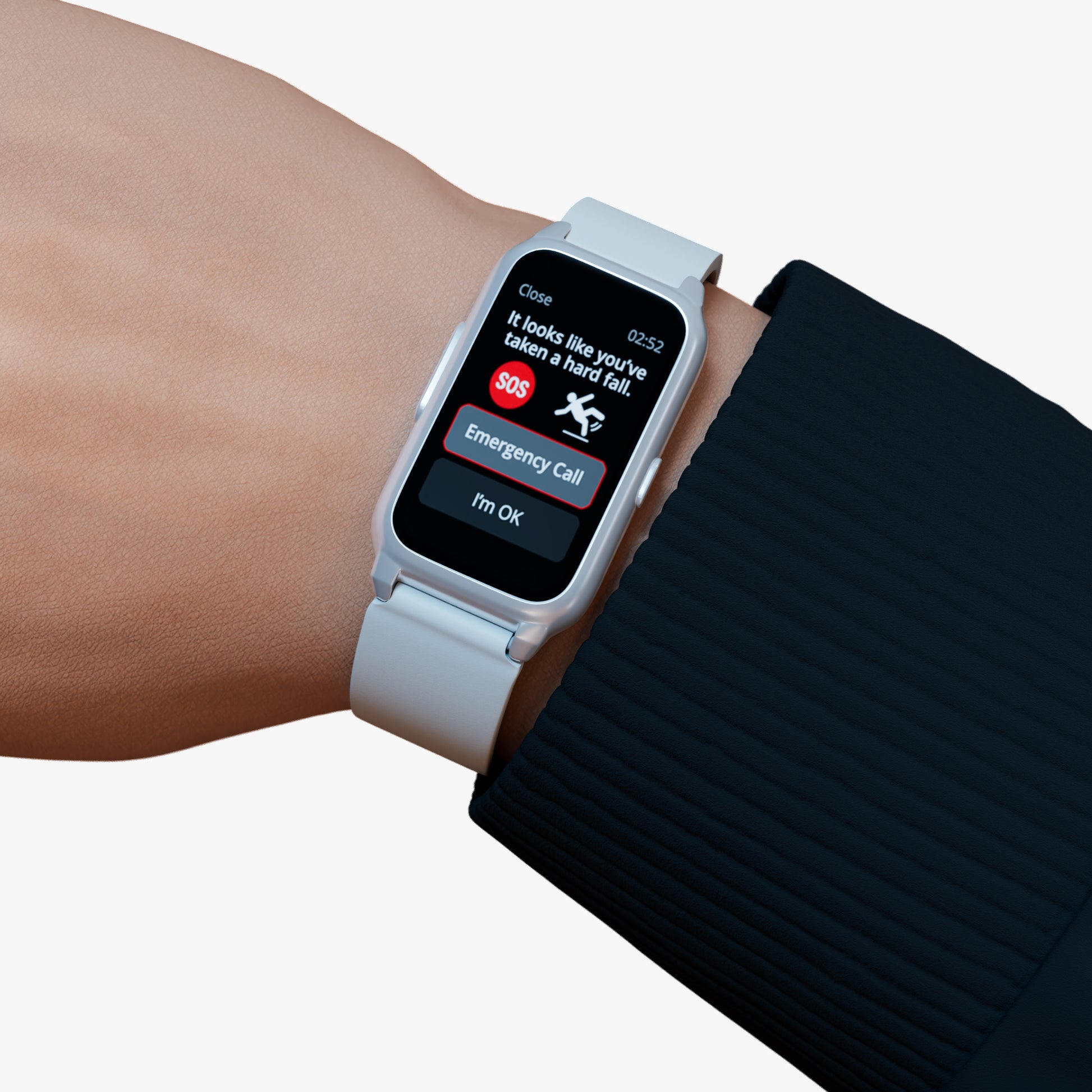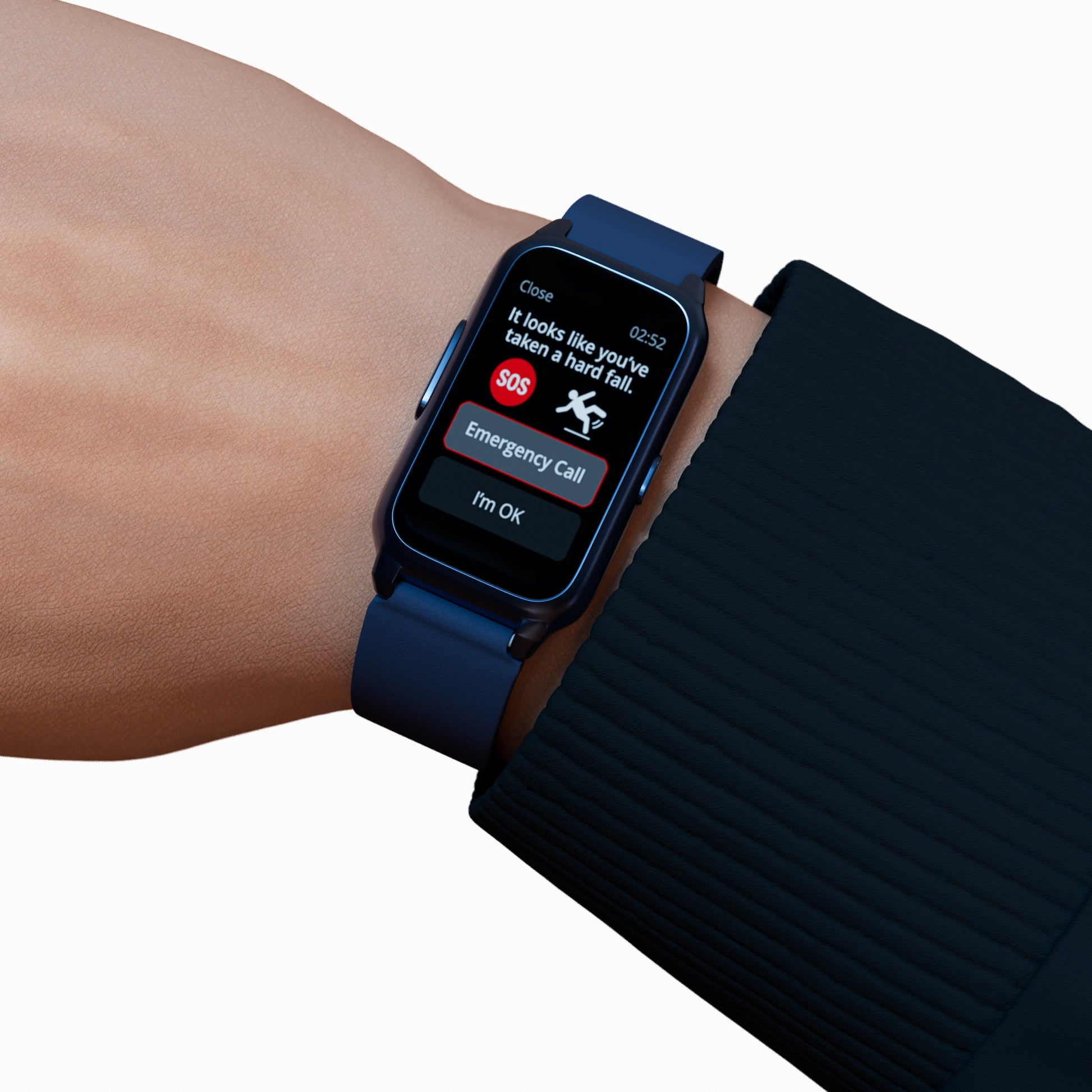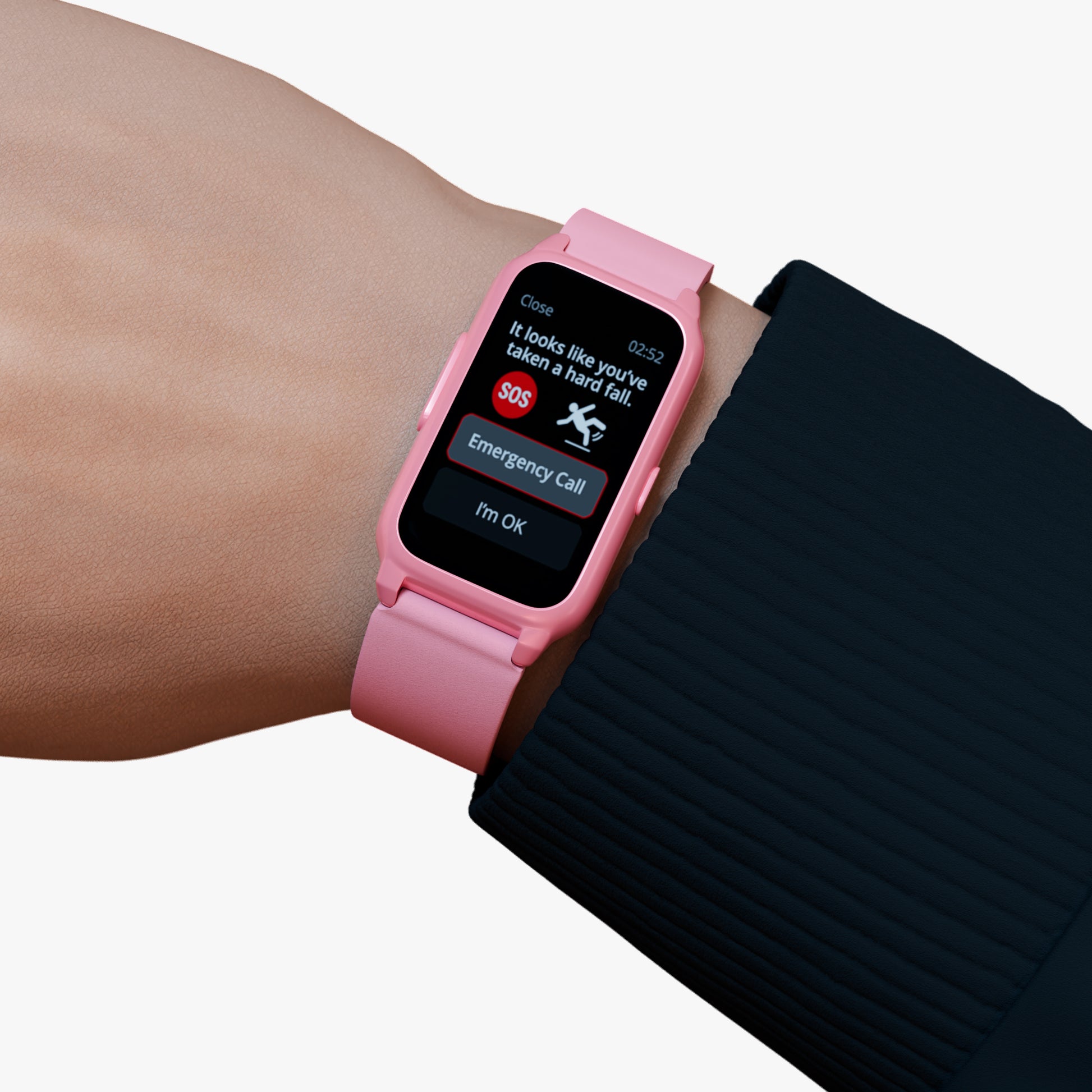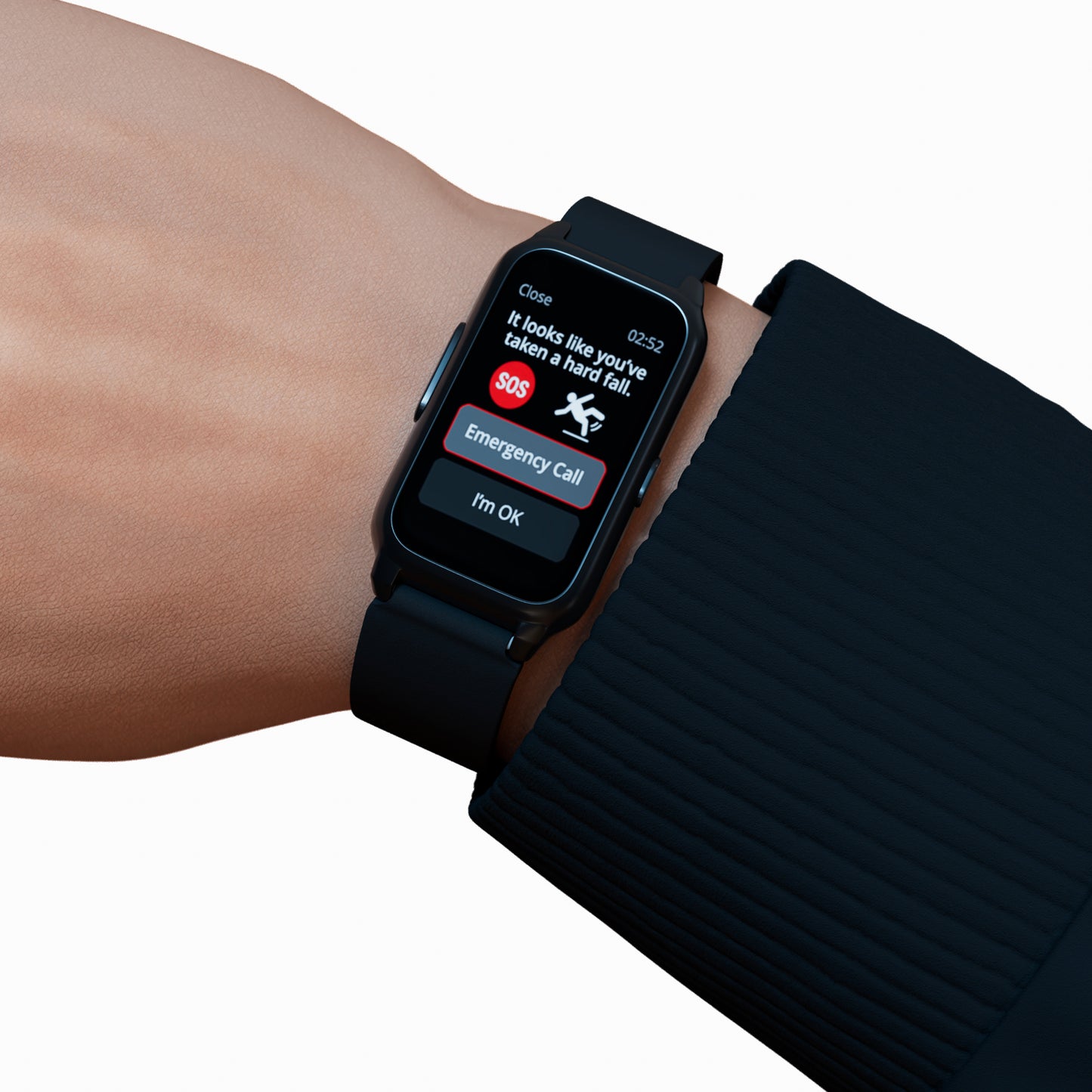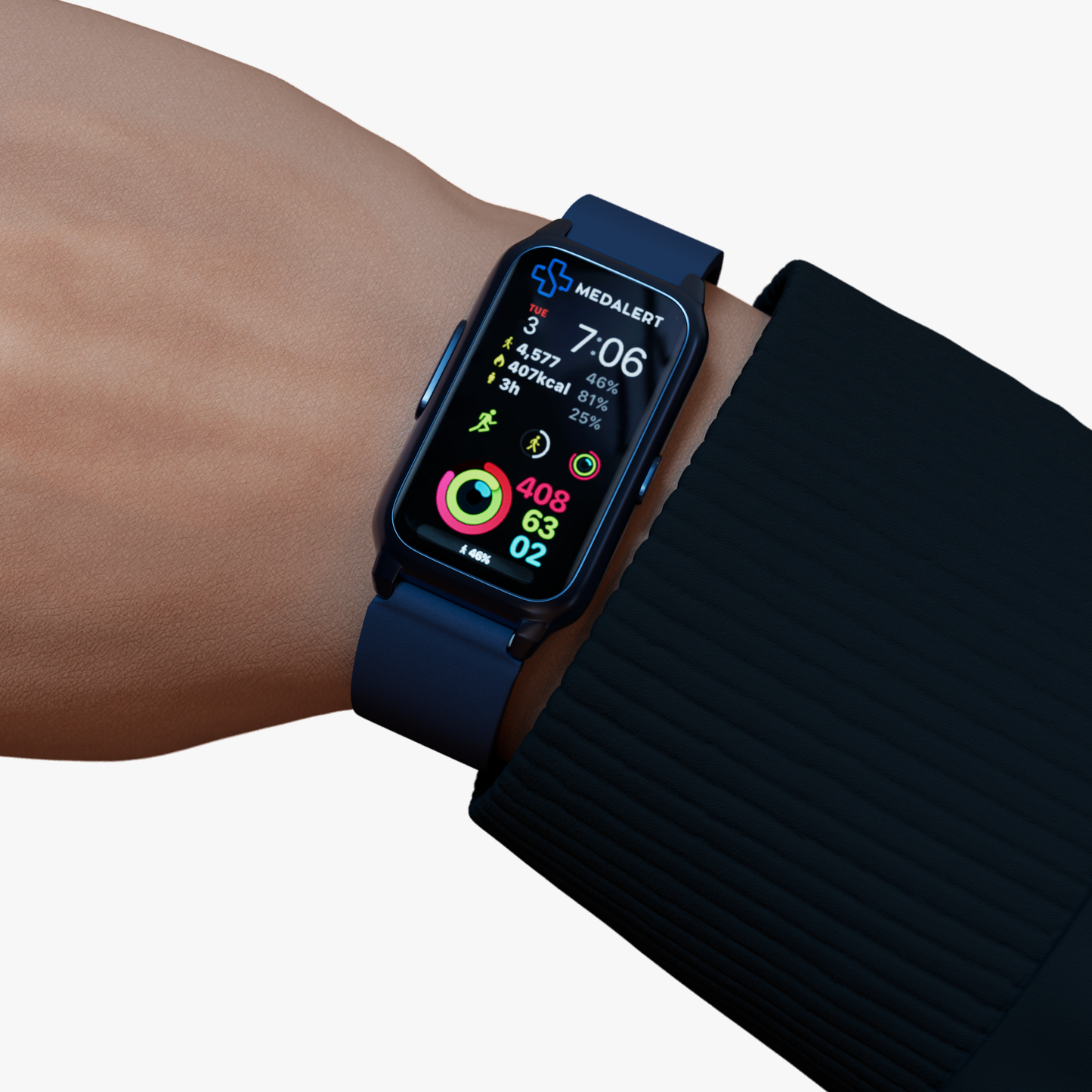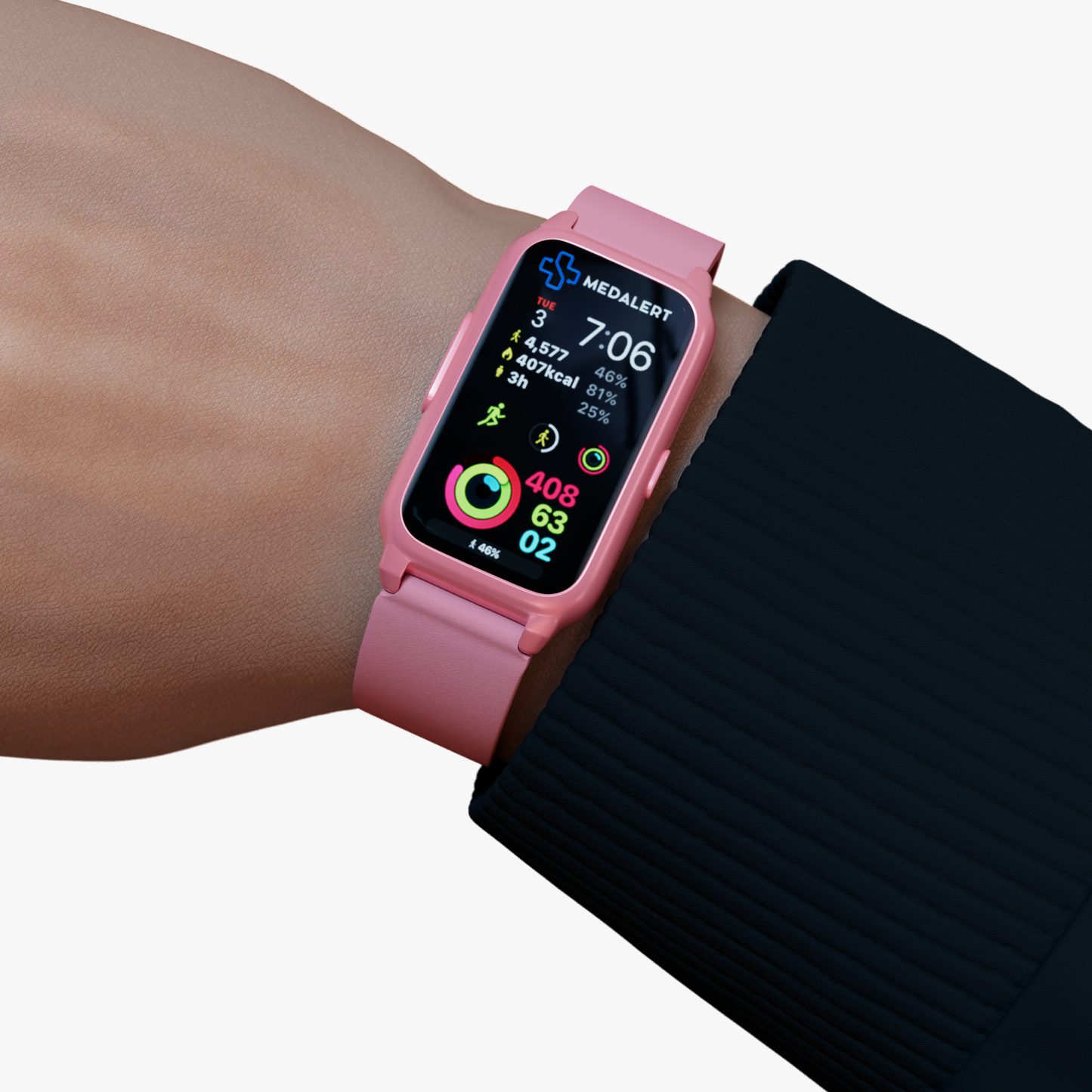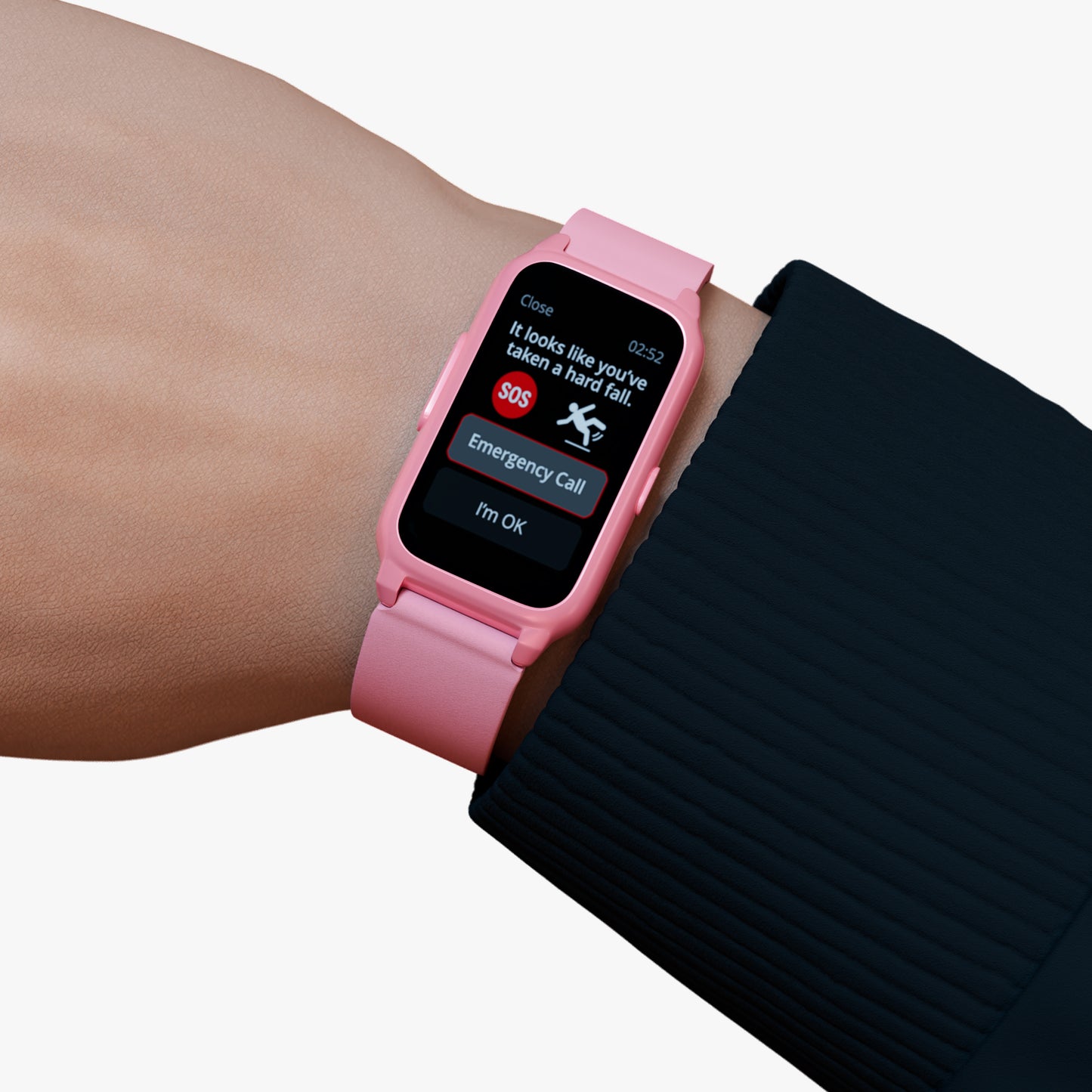

For many older adults, staying independent means being able to manage everyday activities with confidence. A fall detection watch for seniors can provide an additional way to call for help when a person is alone or unable to reach a phone.
Wearable technology has made personal safety features easier to include in everyday routines. Instead of carrying a separate device, seniors can use a watch that combines fall detection, GPS tracking, SOS alerts and two-way communication.
Why Wearable Technology Can Be Useful for Seniors
A fall can happen during an ordinary activity, whether someone is at home, visiting family or spending time outside. The difficulty is not always the fall itself. A person may also struggle to contact someone afterwards, particularly if they are alone or unable to reach their phone.
This is where wearable technology can provide an additional layer of support. A device worn on the wrist keeps safety functions within easy reach and can provide different ways to contact selected people.
For families, this can also make it easier to stay connected with an older relative without expecting them to carry a phone everywhere. The aim is not to replace personal care or other safety arrangements, but to provide another communication option when it may be needed.
How a Fall Detection Watch for Seniors Works
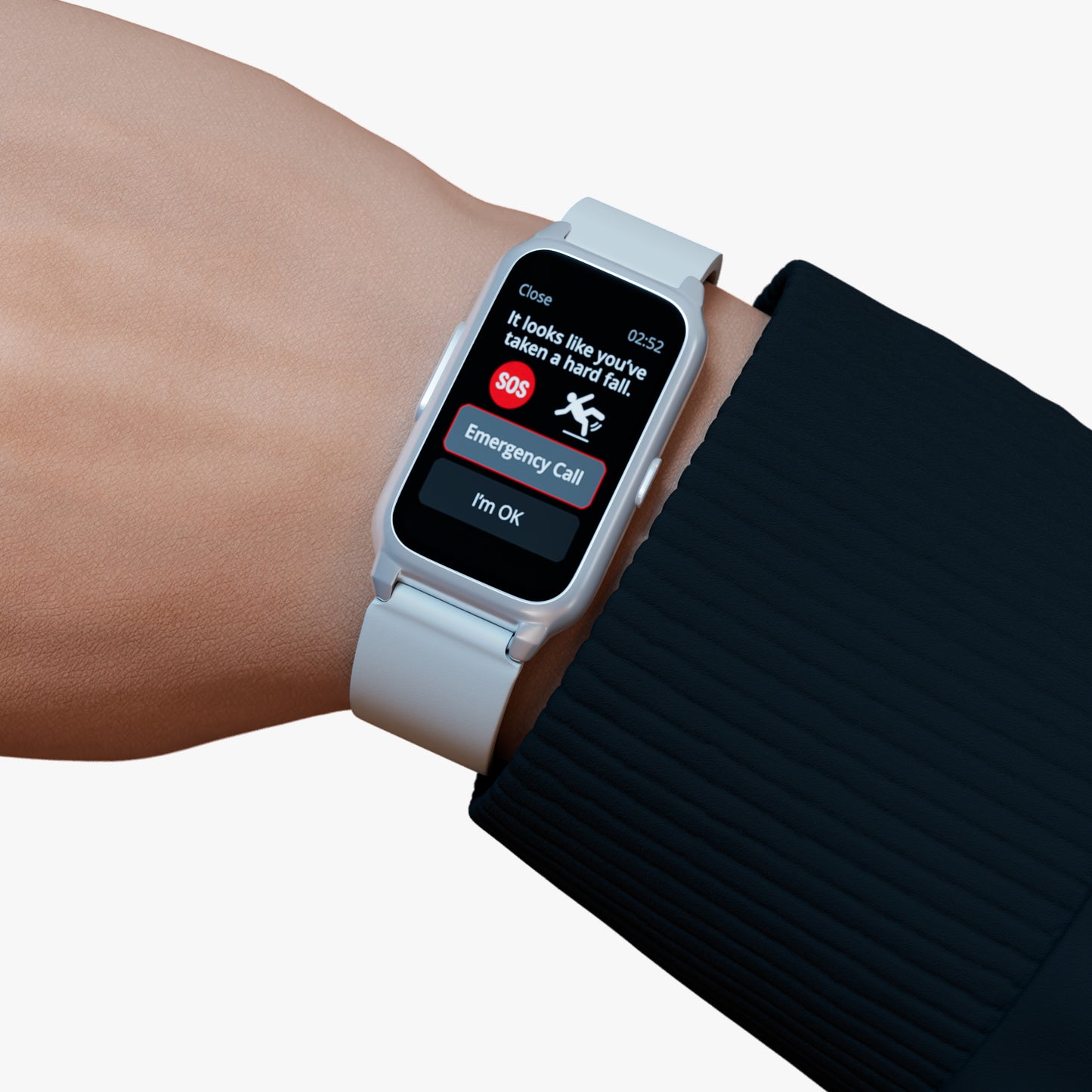
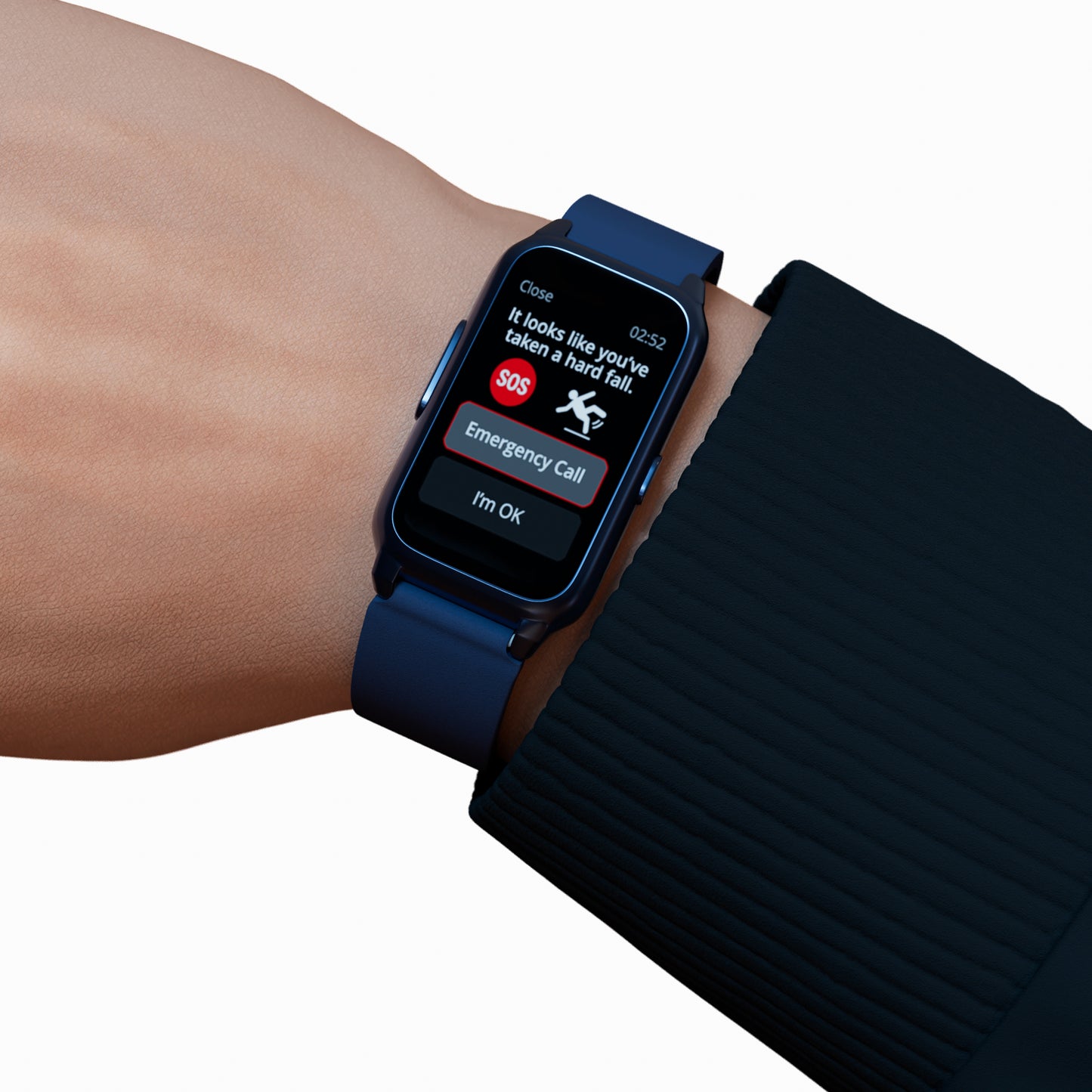
A fall detection watch uses built-in technology to identify a possible fall and trigger an alert. MedAlert's fall detection device is designed to automatically detect a fall and alert emergency contacts.
This is different from relying only on a traditional emergency button. If a person is unable to press a button after falling, automatic detection can provide another way for an alert to be raised.
Automatic Fall Detection
Automatic fall detection is one of the main features to consider when choosing a wearable safety device. MedAlert's device uses built-in sensors to detect a fall and can automatically alert emergency contacts when a fall is detected.
The feature is particularly relevant when a person may be alone. Rather than requiring the wearer to find a phone or manually start a call, the device is designed to initiate an alert after detecting a fall.
It is important to understand that fall detection technology should be viewed as an additional safety feature rather than a guarantee that every fall will be identified. Families should still consider the person's wider care arrangements and follow the manufacturer's instructions for using the device.
GPS Location Tracking
Knowing the wearer's location can be helpful when an alert is received. MedAlert's watch includes GPS tracking, allowing caregivers to access location information through the MedAlert App.
This can be useful when a senior regularly leaves home. For example, they may go shopping, visit friends or take part in other everyday activities. If an alert occurs while they are away, location information can help selected contacts understand where the device is.
GPS is therefore worth considering alongside fall detection when choosing a wearable safety device. Families can look at how location tracking works and whether it suits the senior's usual routine.
SOS Alerts and Two-Way Communication
Automatic detection is not the only way a senior can request assistance. There may be situations where the wearer is aware that they need help and can use the device themselves.
The MedAlert watch includes an SOS button that can be used to contact emergency contacts. The product information states that pressing and holding the button for three seconds can call up to three emergency contacts. The watch also supports two-way voice communication.
This gives the wearer a direct way to communicate with selected contacts without needing to locate a separate phone. It can be useful for situations where the person wants to explain what has happened or let someone know that assistance is required.
What to Look For in a Fall Detection Watch for Elderly Users
Choosing a fall detection watch for elderly family members is not simply about finding a device with automatic fall detection. The watch should also fit comfortably into the person's normal routine and be straightforward to use.
A Design That Fits Into Everyday Life
A safety device is more practical when it feels like part of a person's normal routine. A watch-style design can make this easier because it can be worn on the wrist rather than carried separately.
MedAlert describes its watch as lightweight and designed for everyday use. The device is also water-resistant, although users should follow the manufacturer's guidance about water exposure and remove it when swimming.
Comfort is also worth considering. Before choosing a device, families can think about whether the wearer is comfortable wearing a watch and whether they will be happy to keep it on as part of their daily routine.
Setting Up Emergency Contacts
Emergency contacts are an important part of any personal alert system. The people listed should be contacts who understand that they may receive an alert and know how they would respond.
MedAlert allows users to configure emergency contacts through the setup process. Families should make sure the contact information is current and discuss how alerts will be handled.
It can also help to involve the senior in this process. When they understand how the watch works and why certain contacts have been added, the device can become a familiar part of their routine rather than something they feel has been imposed on them.
How Wearable Safety Technology Can Support Independence
For many families, the goal of a personal safety device is not to restrict what an older adult can do. Instead, it can provide an additional way to stay connected while the person continues with their normal activities.
A senior who enjoys going out may prefer wearing a watch rather than carrying a separate alarm. Having features such as GPS tracking and emergency communication available from the wrist can make the device suitable for different parts of the day.
The MedAlert system also allows multiple family members to monitor the same device through the app. This can be useful for families who share responsibility for keeping in touch with an older relative.
Technology works best when everyone knows how to use it. Seniors and their families should understand how the alerts work, who receives them and how the device is charged and maintained.
Additional Features That May Be Useful
Fall detection may be the main reason someone considers a wearable safety device, but other functions can also influence the decision. Having several features in one device can make it useful beyond situations involving a fall.
Heart Rate Monitoring
MedAlert's watch includes on-demand heart rate monitoring. The product information also describes the option to set heart rate thresholds for alerts to predefined contacts.
This gives users another monitoring function within the same wearable device. However, information from a wearable should not be treated as a replacement for professional medical advice or assessment.
Medication Reminders
Keeping track of medication times can be part of an older person's daily routine. MedAlert's watch includes medication reminders, with the ability to schedule reminders using custom voice messages.
Having the reminder available on the watch means the user does not need to rely on a separate reminder device for this feature. Families can set reminders according to the user's routine and make sure they understand how they work.
Geofencing
MedAlert also provides geofencing alerts through its app. A defined area can be set on a map, and the system can send a notification if the device leaves that area.
This feature may be useful for families who want additional location awareness. As with other monitoring features, it is important to consider the wearer's preferences and make sure they understand how location-based alerts are being used.
When a Fall Alert Watch for Seniors May Be Helpful
A fall alert watch for seniors can be particularly relevant for people who spend part of their day alone or regularly move between different locations. The combination of automatic alerts, GPS tracking and communication can provide several ways to stay connected.
For someone who spends most of their time at home, automatic fall detection may be the feature that receives the most attention. For someone who regularly goes outside, GPS tracking and two-way communication may also be important considerations.
There is no single feature that determines whether a device is suitable. Families should consider the person's routine, comfort with technology, level of independence and the support available from family members or caregivers.
The personal alarm for seniors options from MedAlert can provide further information about wearable personal safety solutions.
Making a Wearable Device Part of a Daily Routine
The effectiveness of a wearable device depends partly on whether the person actually uses it consistently. A complicated setup or unfamiliar controls can make this more difficult, particularly for someone who is not comfortable with technology.
Taking time to explain the watch and its features can make the transition easier. Families can show the wearer how to use the SOS button, explain what happens when an alert is triggered and make sure they know how the device is charged.
It is also useful to review the emergency contacts from time to time. Contact details can change, and everyone listed should still be able to respond if an alert is received.
A simple routine can make the device easier to manage. Charging it as recommended, wearing it correctly and keeping the app information up to date can help ensure the available features are ready when needed.
Understanding the MedAlert Approach
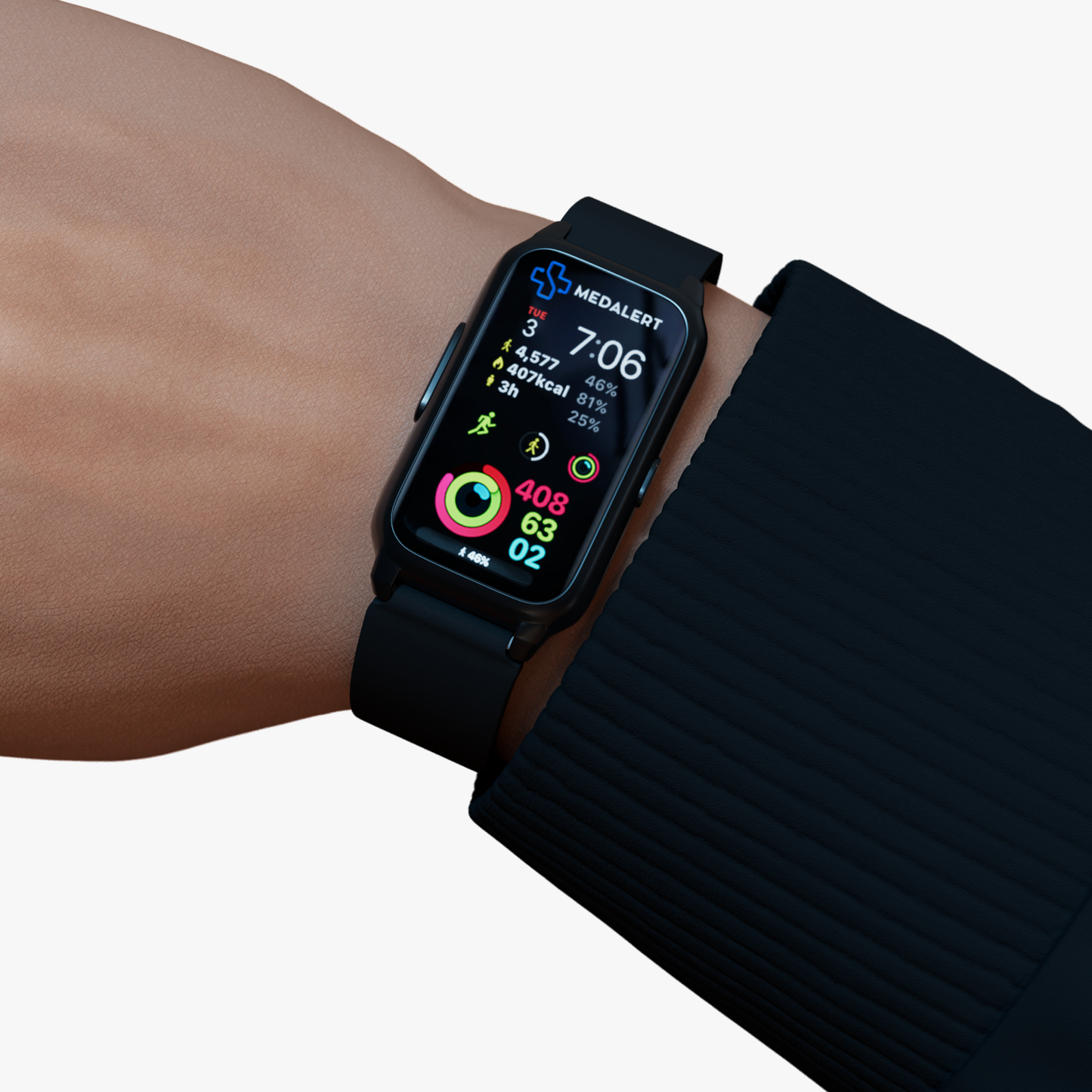
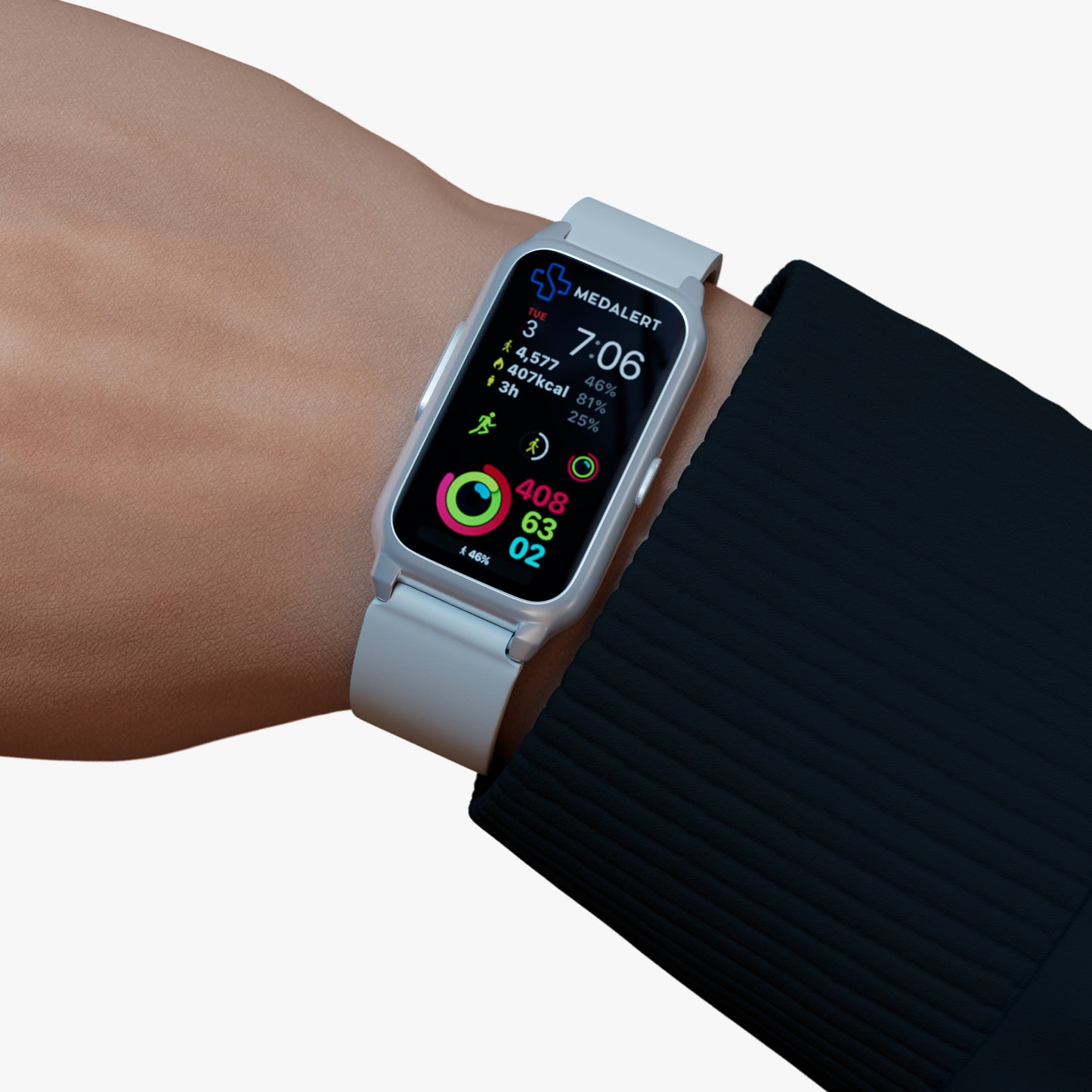
MedAlert brings several personal safety functions together in a wearable device. Its watch includes automatic fall detection, GPS tracking, SOS alerts and two-way communication, along with additional features such as heart rate monitoring, medication reminders and geofencing.
For families researching a fall detection watch for seniors, looking at how these functions work together can be more useful than focusing on fall detection alone. The right choice should fit the user's everyday routine and the type of support their family wants to provide.
You can learn more about the MedAlert medical alarm and the features available through the MedAlert system.
Staying Connected With MedAlert
A wearable safety device can give seniors another way to stay connected with the people who support them. Features such as fall detection, GPS tracking, SOS alerts and two-way communication can work together to provide a practical personal safety option.
The most suitable device will depend on the individual's routine, preferences and support needs. Taking time to understand the available features can help families choose an option that fits naturally into everyday life.
If you have questions about MedAlert's devices or want more information about the available features, contact us to learn more.
Frequently Asked Questions
1. What is a fall detection watch for seniors?
A fall detection watch is a wearable safety device designed to detect a possible fall and provide an alert to selected emergency contacts. MedAlert's watch also includes GPS tracking, SOS alerts and two-way communication.
2. How does a fall detection watch for elderly users work?
The device uses built-in sensors to detect a fall. When a fall is detected, the MedAlert device can automatically alert emergency contacts. Users should follow the manufacturer's instructions to understand how the feature operates.
3. What is the difference between fall detection and an SOS alert?
Fall detection is designed to automatically trigger an alert when a fall is detected. An SOS alert is manually activated by the wearer when they want to request assistance. MedAlert's watch provides both options.
4. Can the MedAlert watch be used outside the home?
Yes. The watch includes GPS tracking and is designed to support everyday use outside the home. MedAlert provides information about its connectivity and tracking features, which users should review when setting up the device.
5. Does the MedAlert watch require a smartphone?
MedAlert states that the watch works independently using built-in 4G connectivity. Caregivers can use the MedAlert App to monitor and manage the device.