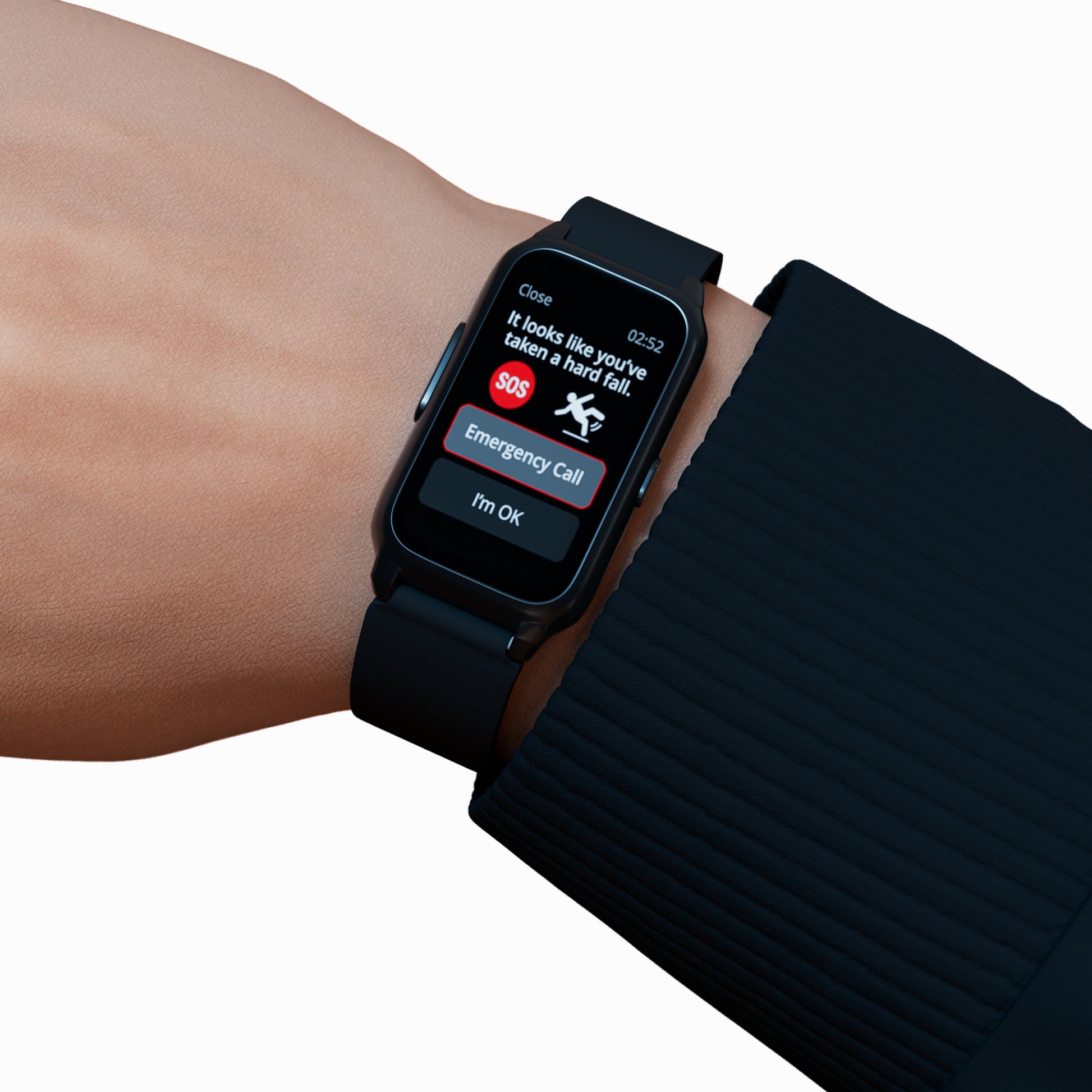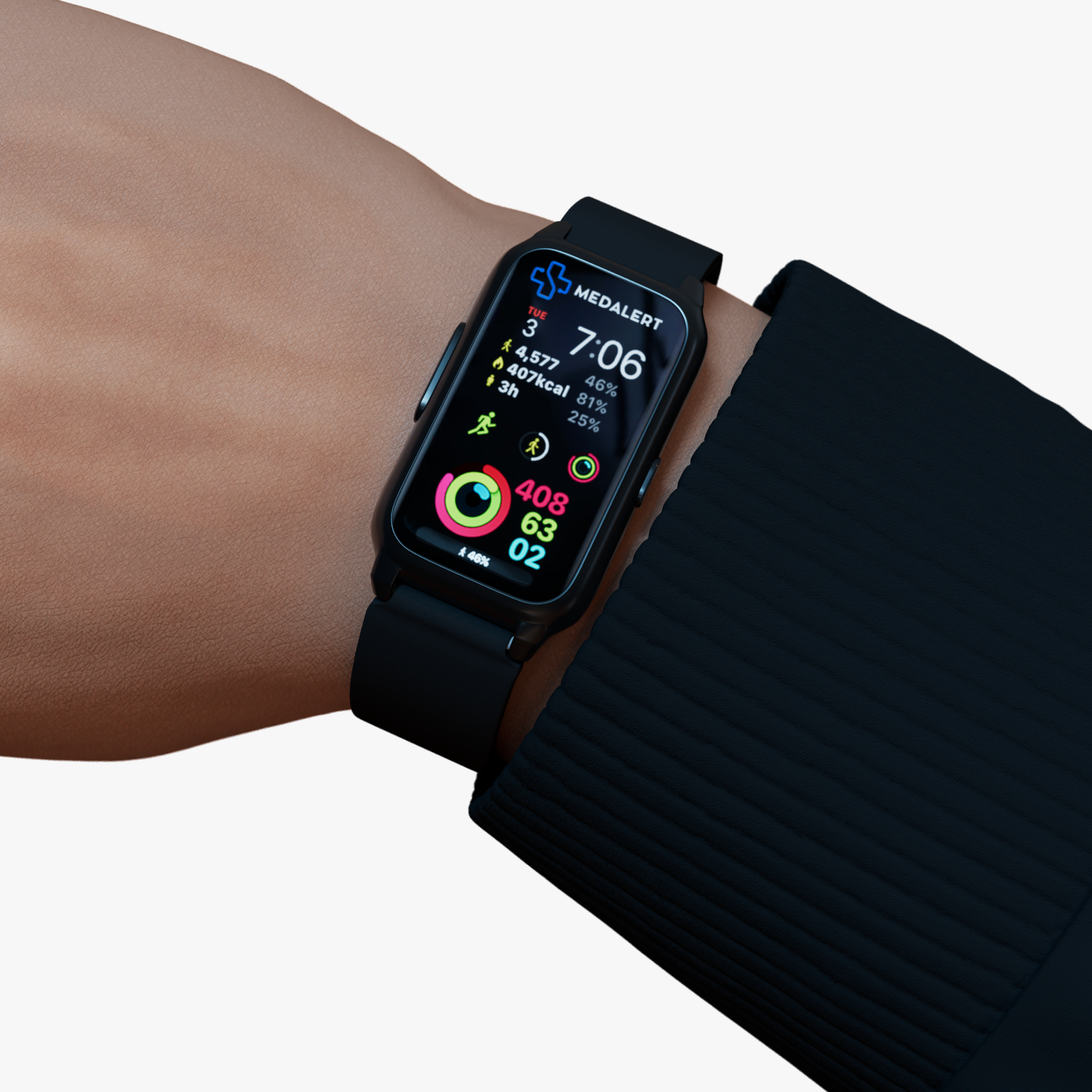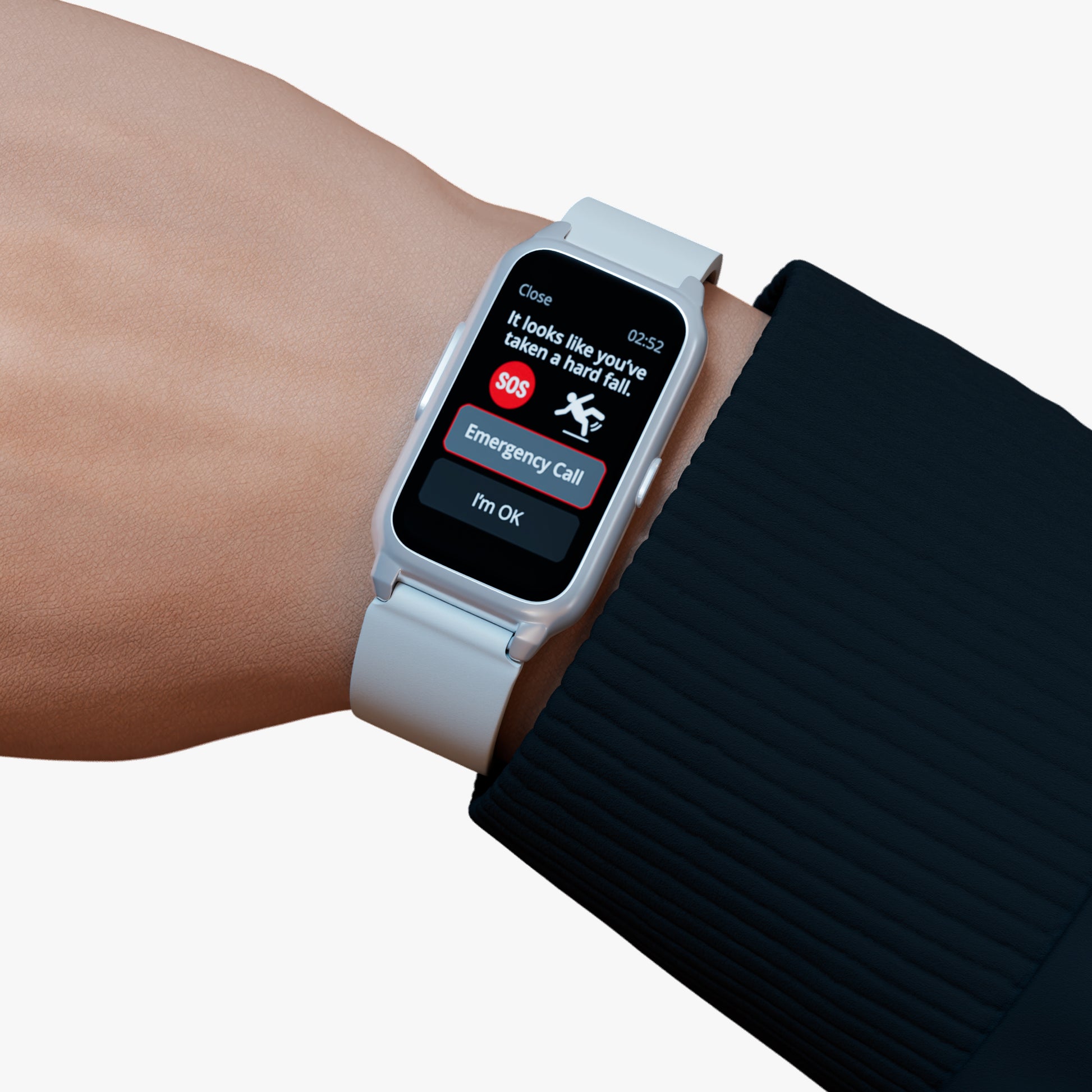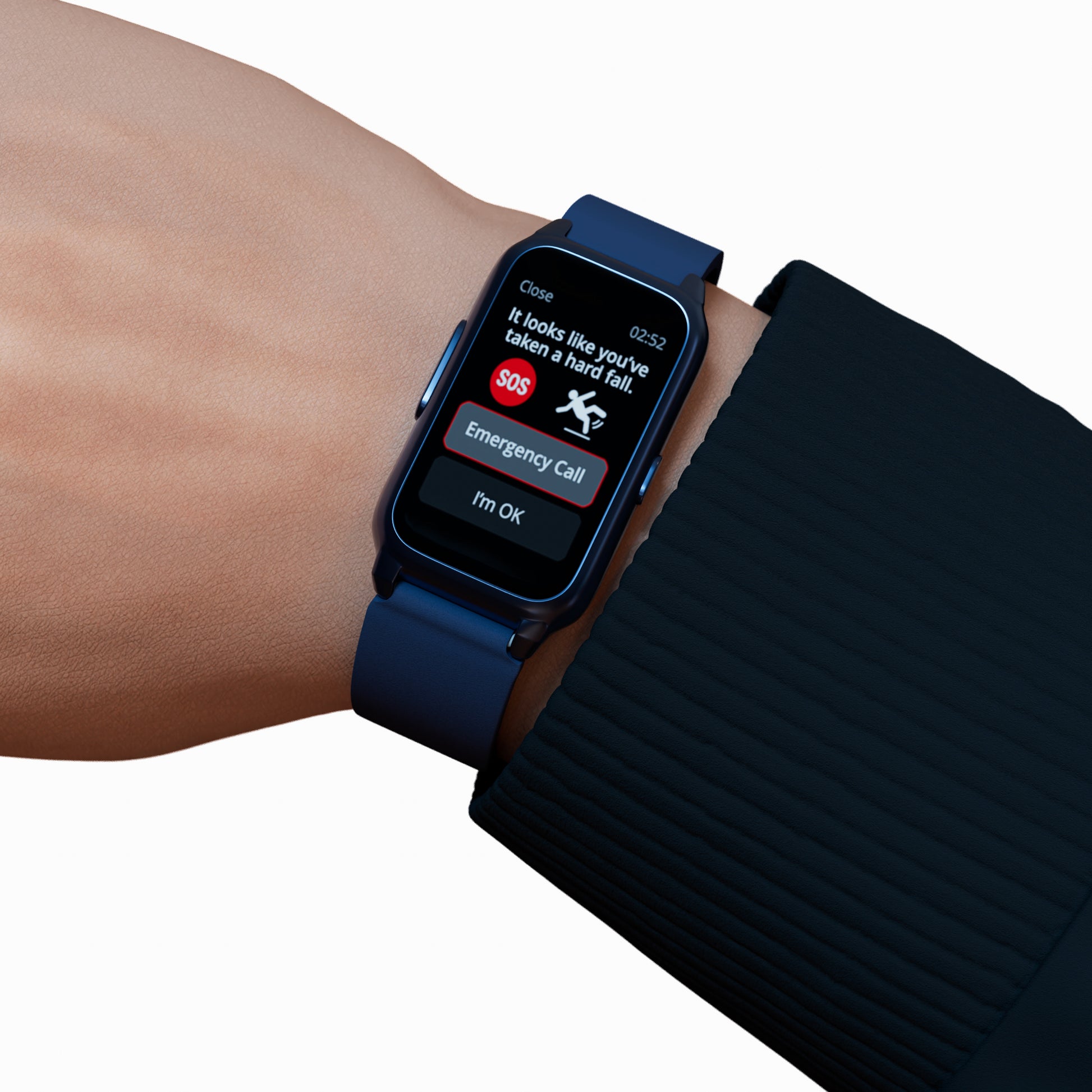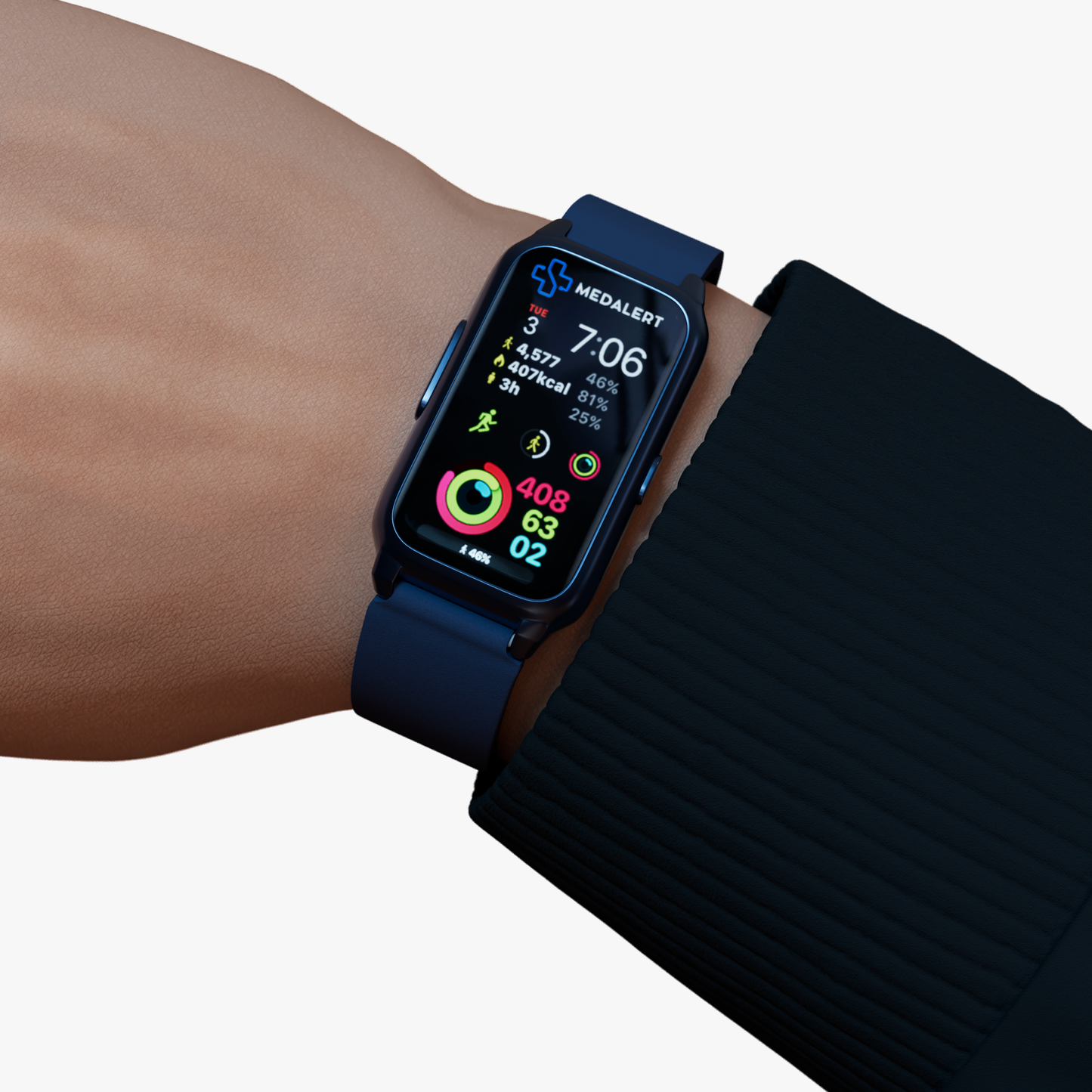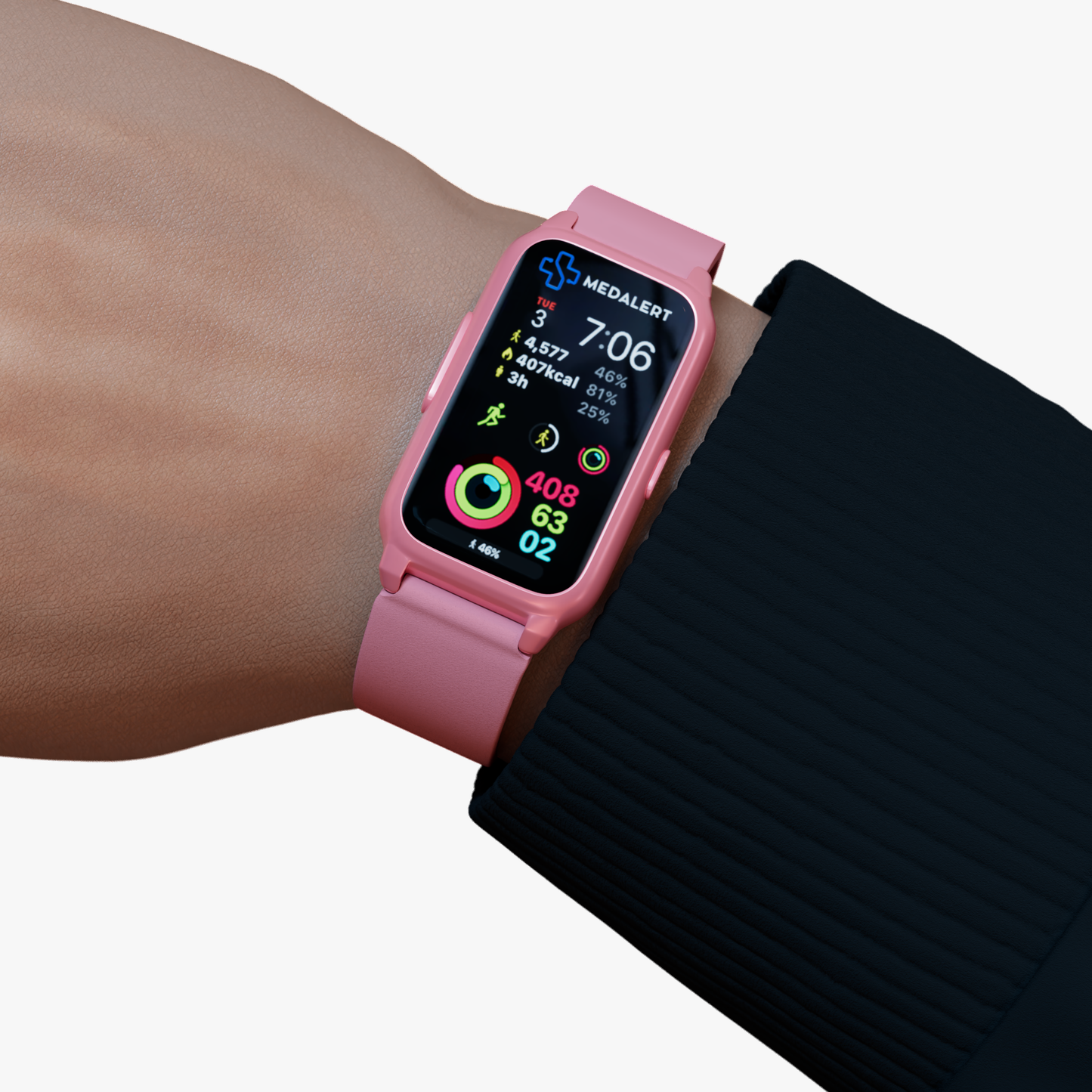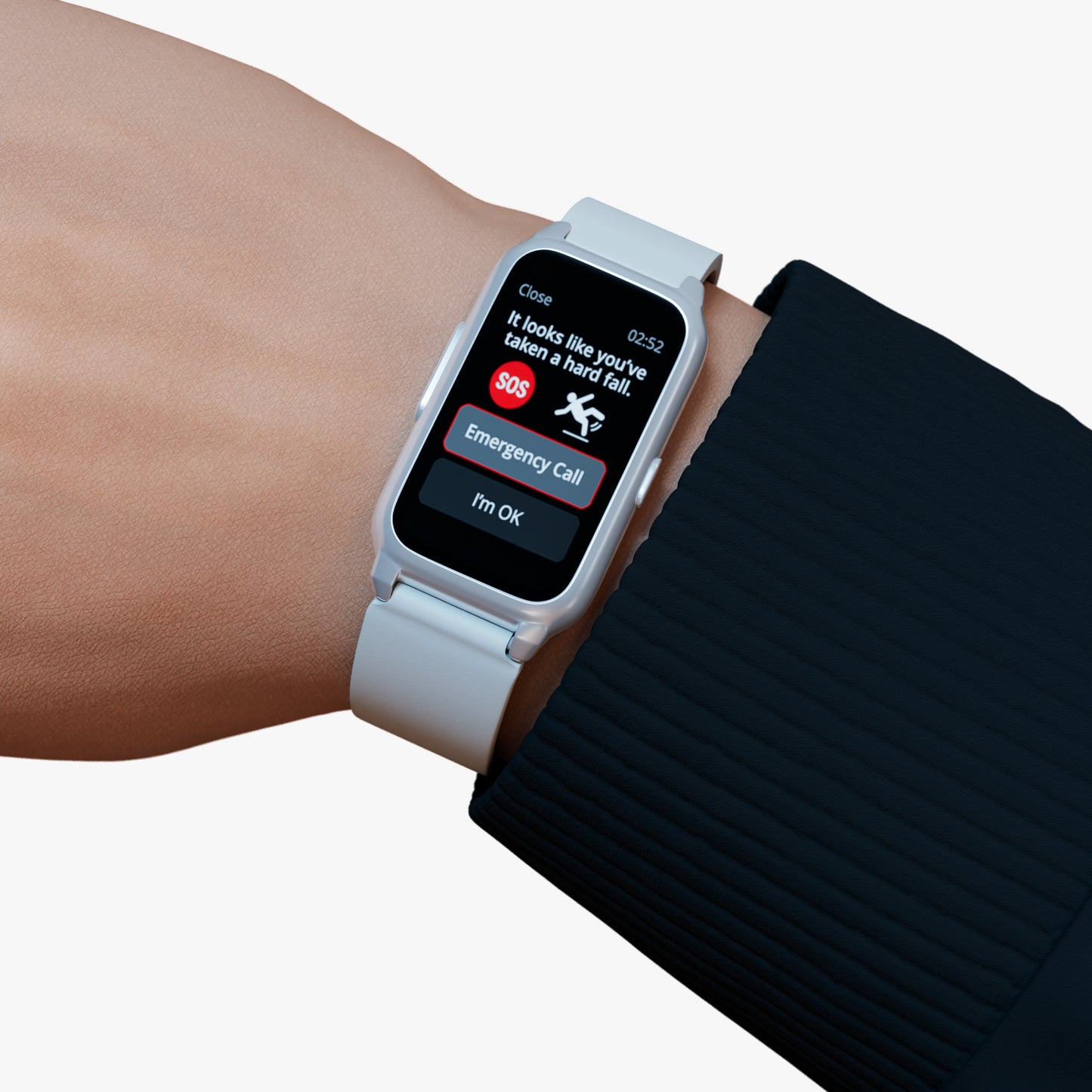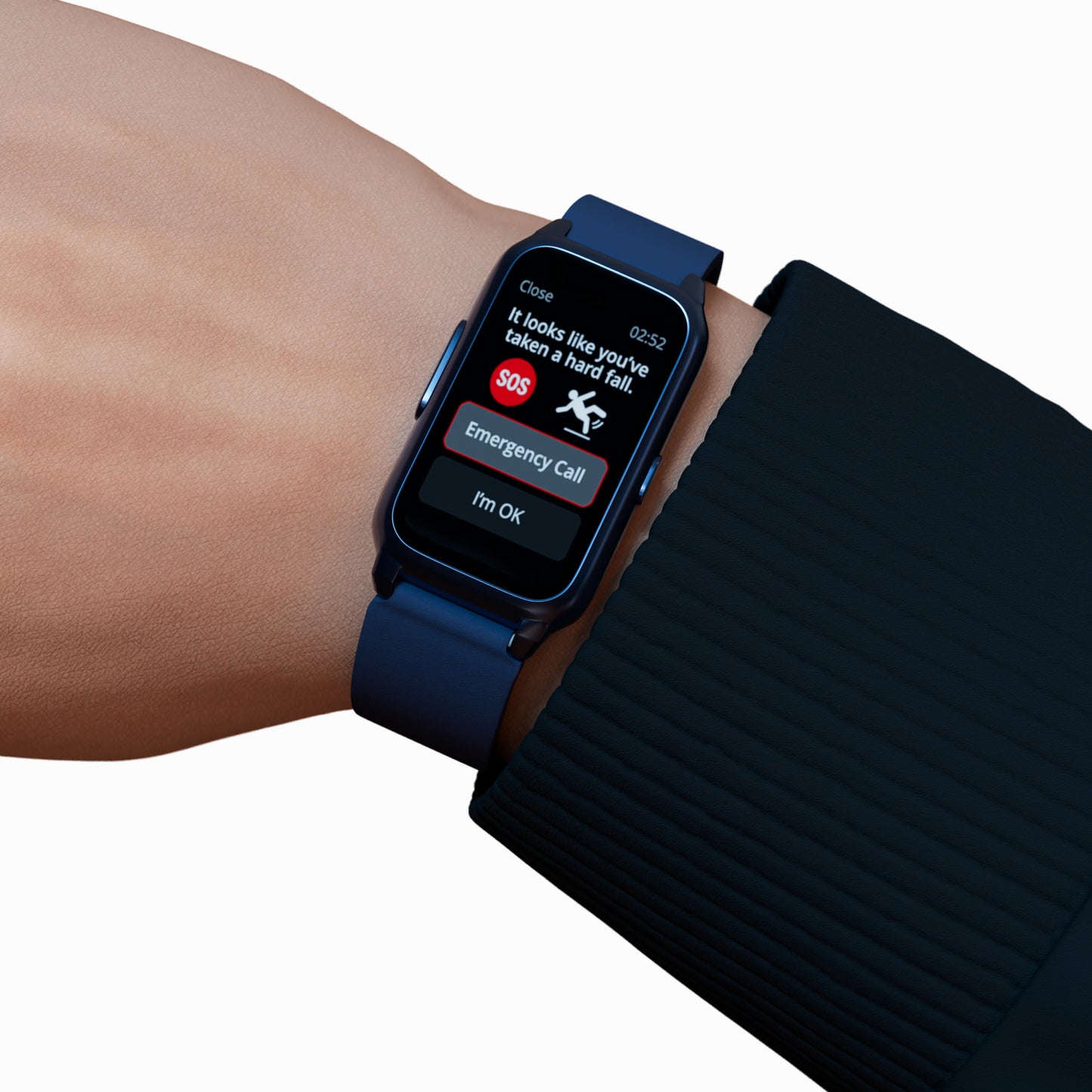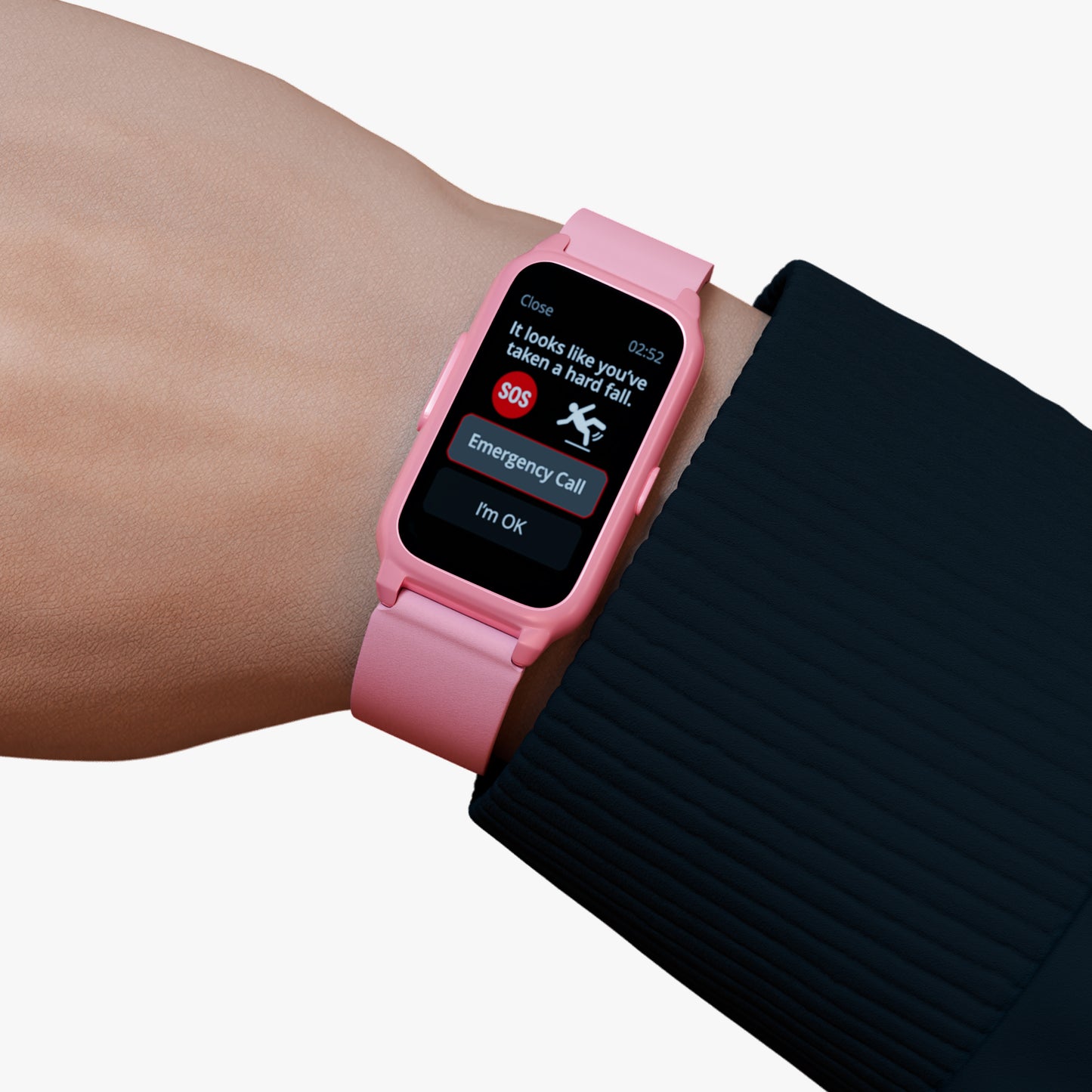

A fall sensor for elderly users can be part of a wider approach to supporting safety while staying mobile. Movement is an important part of everyday life, from walking around the home to going outside, visiting family or completing simple tasks. As routines change, it can also become important to think about how safety technology can fit into those activities.
Balance and mobility are closely connected to how a person moves through their day. When an unexpected fall occurs, having a way to raise an alert can be useful. Wearable technology can provide this support by combining fall detection with other features such as SOS alerts, GPS tracking and two-way communication.
MedAlert offers wearable medical alert devices designed for seniors and people with disabilities. Understanding how fall detection fits alongside mobility and everyday safety can help families consider whether this type of technology is appropriate for their needs.
Why Mobility Is Important in Everyday Life
Mobility is about more than simply walking. It includes the many movements people make throughout the day, such as standing up, moving between rooms, getting into or out of a chair and spending time outdoors.
For older adults, maintaining a familiar routine can be important. However, changes in movement or balance may make some activities feel different from before. Paying attention to these changes can help seniors and their families think about suitable safety arrangements.
Technology can form part of that arrangement without becoming the centre of a person's routine. A wearable device can stay with the user while they move around, rather than being kept in one fixed place.
This is where a fall detection alarm can have a practical role. Instead of relying only on the wearer to recognise an emergency and press a button, automatic fall detection is designed to identify a possible fall and begin an alert process.
Understanding Balance During Daily Activities
Balance is involved in many everyday movements. Walking, turning, changing direction and moving from sitting to standing all require the body to remain stable.
A person's movement can also change depending on where they are. Moving around a familiar room may feel different from walking outdoors or visiting an unfamiliar place. For this reason, senior safety is not limited to one particular environment.
Families can consider the person's normal routine when thinking about safety. Where do they spend most of their time? Do they regularly go outside? Would they find a wearable device comfortable to use?
These questions can help put technology into context. A safety device should support the person's routine rather than make everyday movement more difficult.
How Fall Detection Fits Into Senior Safety
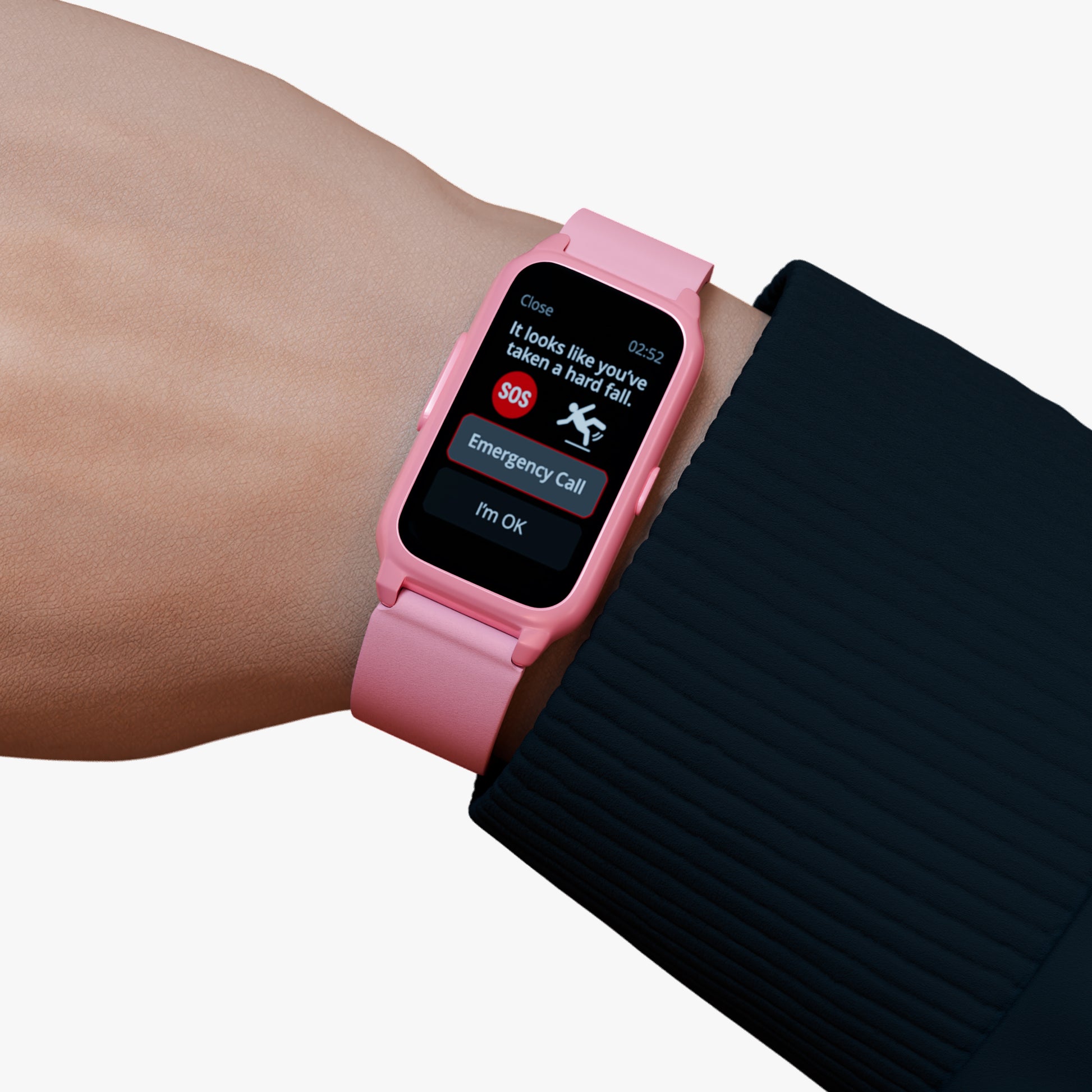
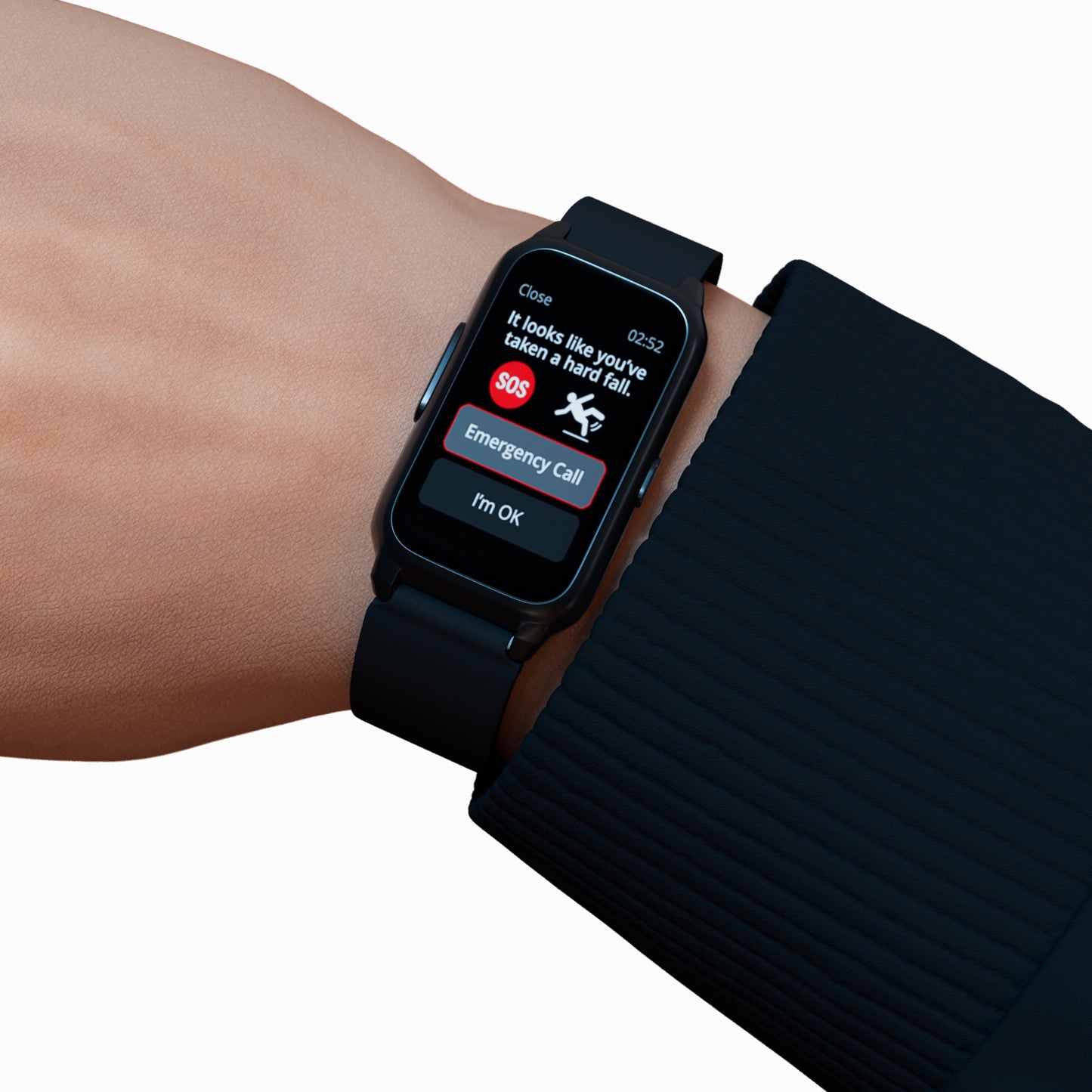
A fall sensor for elderly users is designed to detect a possible fall and trigger an alert. MedAlert's fall detection device uses sensors to identify a possible fall and can automatically alert emergency contacts. The device also provides GPS location information as part of the alert process.
This automatic function is different from a standard SOS button. With an SOS button, the wearer must actively request help. Automatic fall detection provides another way for an alert to be raised when a possible fall is detected.
MedAlert's fall detection technology is combined with other features, including GPS tracking and two-way communication. This means the device is not focused on detection alone. It also provides ways for the wearer and selected contacts to communicate after an alert.
Automatic Detection and Manual SOS
Both automatic detection and manual alerts have a place in a wearable safety system.
A wearer may experience an emergency that does not involve a fall. In that situation, the SOS button can provide a direct way to request assistance. MedAlert explains that its SOS function can connect the wearer with selected emergency contacts.
Automatic fall detection serves a different purpose. It is designed to respond when the device detects movement associated with a possible fall.
Having both functions means the wearer has more than one way to raise an alert. The appropriate use will depend on the individual, their routine and the features available on their device.
What to Look for in an Elderly Fall Alert System
An elderly fall alert system should be considered in relation to the person's everyday needs. There is no need to focus only on the number of features available. Instead, families can look at how each feature may fit into the user's routine.
The way a device is worn is one consideration. MedAlert provides wearable devices, including watch-style options, so the safety features remain close to the wearer throughout the day.
Communication is another important feature. MedAlert's devices include two-way communication, allowing the wearer to speak through the device with selected contacts.
GPS tracking can also be useful when location information is part of the person's safety needs. MedAlert includes GPS positioning and tracking among the features of its wearable medical alert devices.
These features work alongside fall detection rather than replacing one another. Looking at how they work together can give seniors and families a clearer understanding of what a wearable system offers.
How GPS Can Support Location Awareness
Location can become an important part of an alert, particularly when a person is away from home.
MedAlert's fall detection device includes GPS tracking. When a fall is detected, the device can provide location information with the alert. The company also describes live and historical GPS tracking as part of its wearable technology.
This feature can be considered alongside the person's normal activities. Someone who spends time outside may have different requirements from someone who mainly stays at home.
GPS is therefore not a replacement for fall detection. Instead, it adds location information to the wider safety system.
For families considering medalert australia, looking at GPS alongside fall detection, SOS and communication features can help them understand how the technology may fit into a senior's daily routine.
Why Communication Matters After an Alert
Detecting a possible fall is only one part of responding to an emergency. Communication can also help the wearer and their selected contacts understand what is happening.
MedAlert devices include two-way communication. This allows the wearer to communicate through the device with selected contacts, depending on the device and service.
For example, after an alert is raised, the wearer may be able to speak with a contact and explain the situation. This provides more information than an alert alone.
The combination of fall detection and communication also means that the wearer does not have to rely on a separate phone for every part of the process. The available features are built into the wearable device.
Choosing Safety Technology Around the Person's Routine
Every senior has a different daily routine. Some people spend most of their time at home, while others regularly visit family, go shopping or spend time outdoors.
The right safety device should reflect these differences. A watch-style device may suit someone who prefers to wear technology on their wrist. Someone else may prefer another wearable format.
It is also worth considering how comfortable the person is with technology. A device that is easy to understand and fits naturally into daily activities may be easier to use consistently.
MedAlert's medical alarm for seniors range includes wearable medical alert options with features such as fall detection, GPS tracking, SOS alerts and communication.
The goal should be to find a practical combination of features rather than choosing a device simply because it offers the longest list of functions.
Making Fall Awareness Part of Everyday Safety
Fall prevention involves more than technology. Awareness of movement, balance and the surrounding environment can all form part of everyday safety.
A wearable device can provide additional support if an unexpected fall occurs. However, it should not be viewed as a replacement for personal care, professional advice or sensible safety practices.
For seniors, the focus can remain on maintaining normal activities while considering what support may be useful. For families, understanding the available technology can make it easier to have practical conversations about safety.
A fall sensor for elderly users can be one element within this wider approach. When combined with features such as GPS, SOS alerts and two-way communication, it can provide several ways to support communication during an emergency.
The most suitable option will depend on the person's individual routine and needs. Taking time to understand the device before choosing one can help ensure that the features are relevant and practical.
Understanding MedAlert's Fall Detection Device
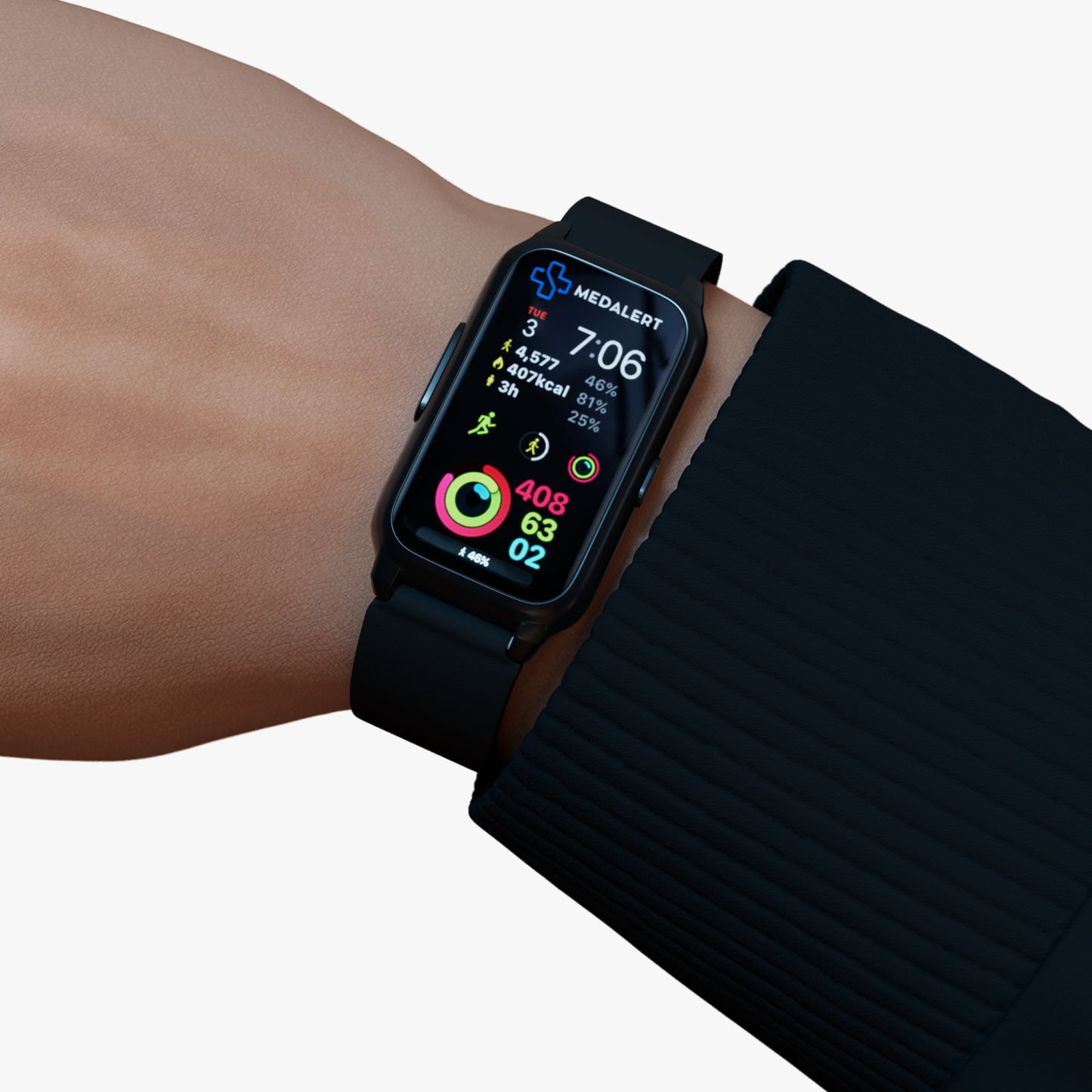
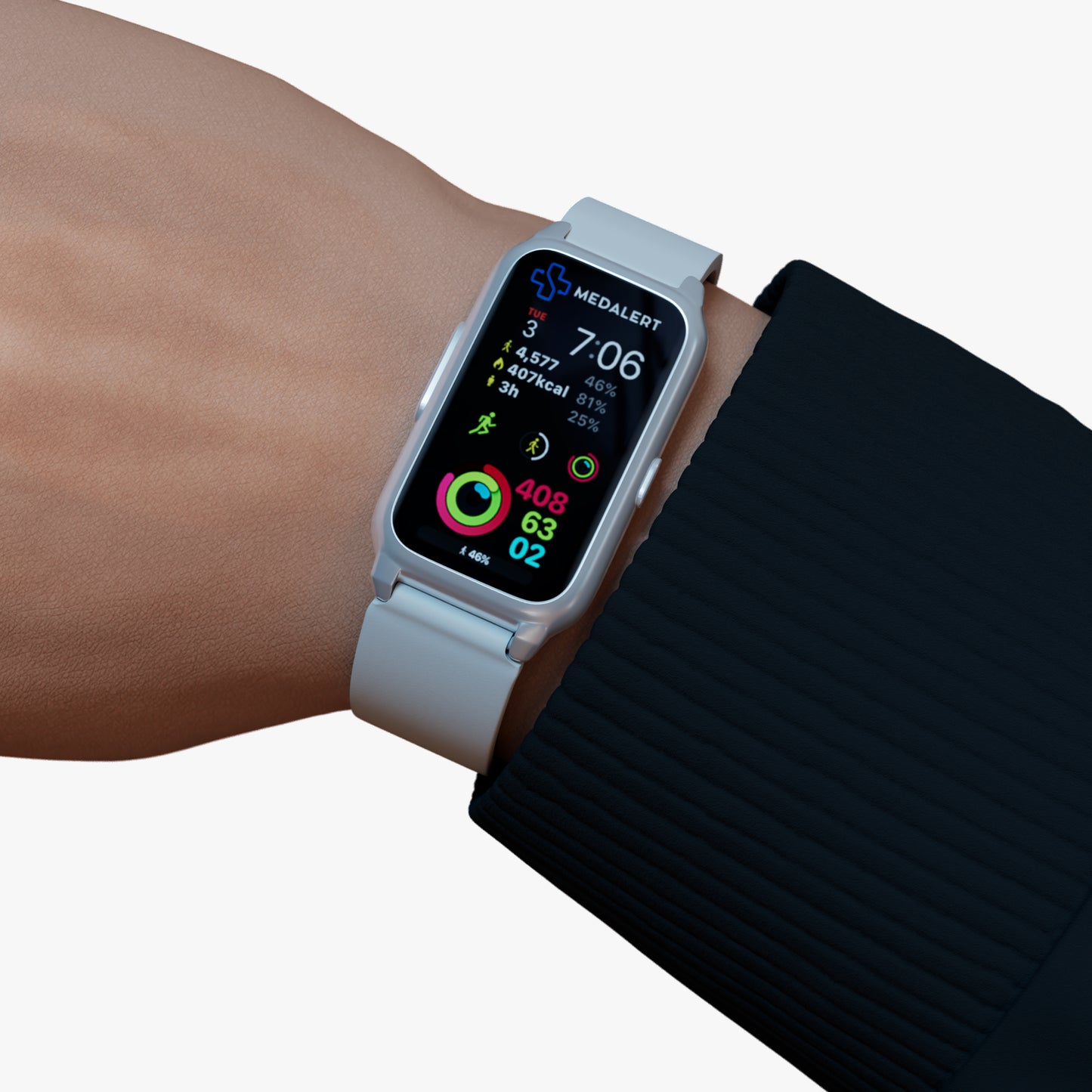
MedAlert's fall detection device brings several safety features together in a wearable format. Its listed features include automatic fall detection, SOS alerts, GPS tracking, two-way communication, reminder alarms, activity tracking and battery warnings.
The device is designed for seniors and people with disabilities. Its wearable format allows the device to remain with the user during everyday activities.
For someone considering a fall sensor for elderly users, the important point is to look at the complete system rather than fall detection alone. Understanding how alerts, GPS and communication work together provides a clearer picture of the available support.
If you need more information about the device or its features, you can Contact us to discuss your questions with MedAlert.
Frequently Asked Questions
1. What is a fall sensor for elderly users?
It is a wearable safety feature designed to detect a possible fall and trigger an alert. MedAlert's device combines automatic fall detection with GPS, SOS and two-way communication.
2. How does a fall detection alarm work?
A fall detection alarm uses sensors to identify movement associated with a possible fall. MedAlert's device can automatically send an alert when a possible fall is detected, while its SOS button provides a manual alert option.
3. What is an elderly fall alert system?
It is a system designed to provide an alert when assistance may be needed after a fall or another emergency. MedAlert combines fall detection with features such as GPS tracking, SOS alerts and two-way communication.
4. Does MedAlert include GPS tracking?
Yes. GPS positioning and tracking are included among the features of MedAlert's wearable medical alert devices. GPS can provide location information as part of the alert process.
5. Can the wearer communicate after an alert?
Yes. MedAlert devices include two-way communication, allowing the wearer to communicate through the device with selected contacts, depending on the device and service.