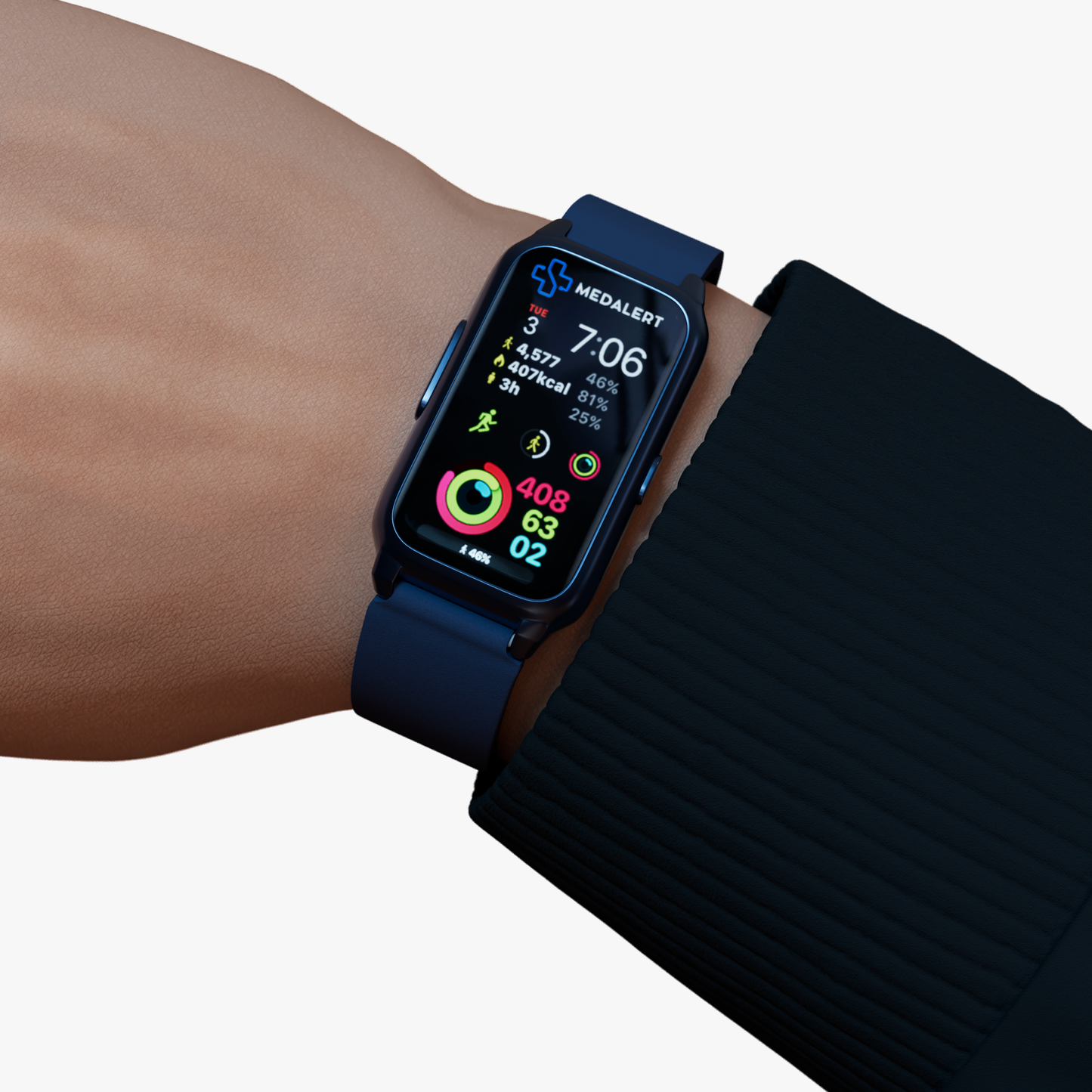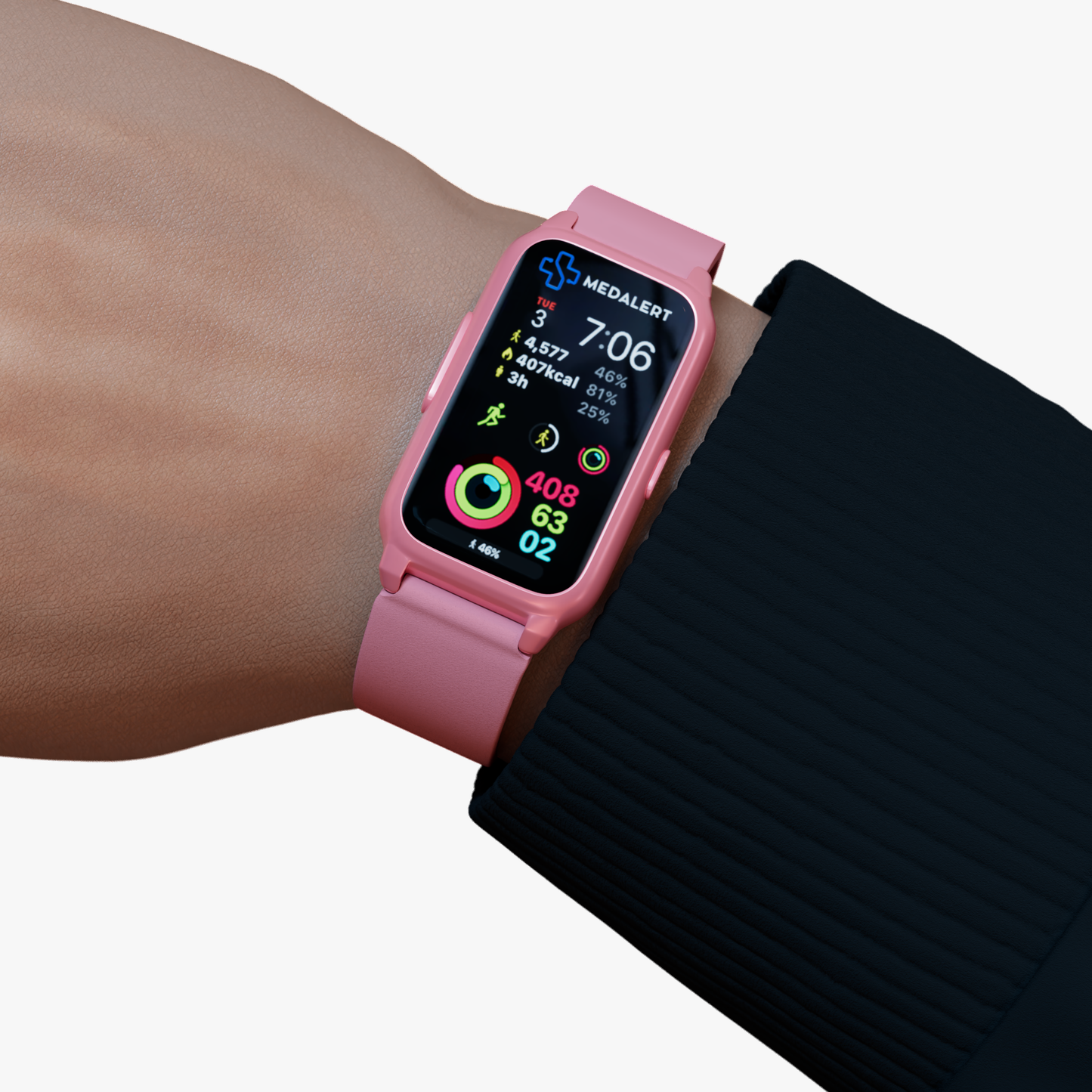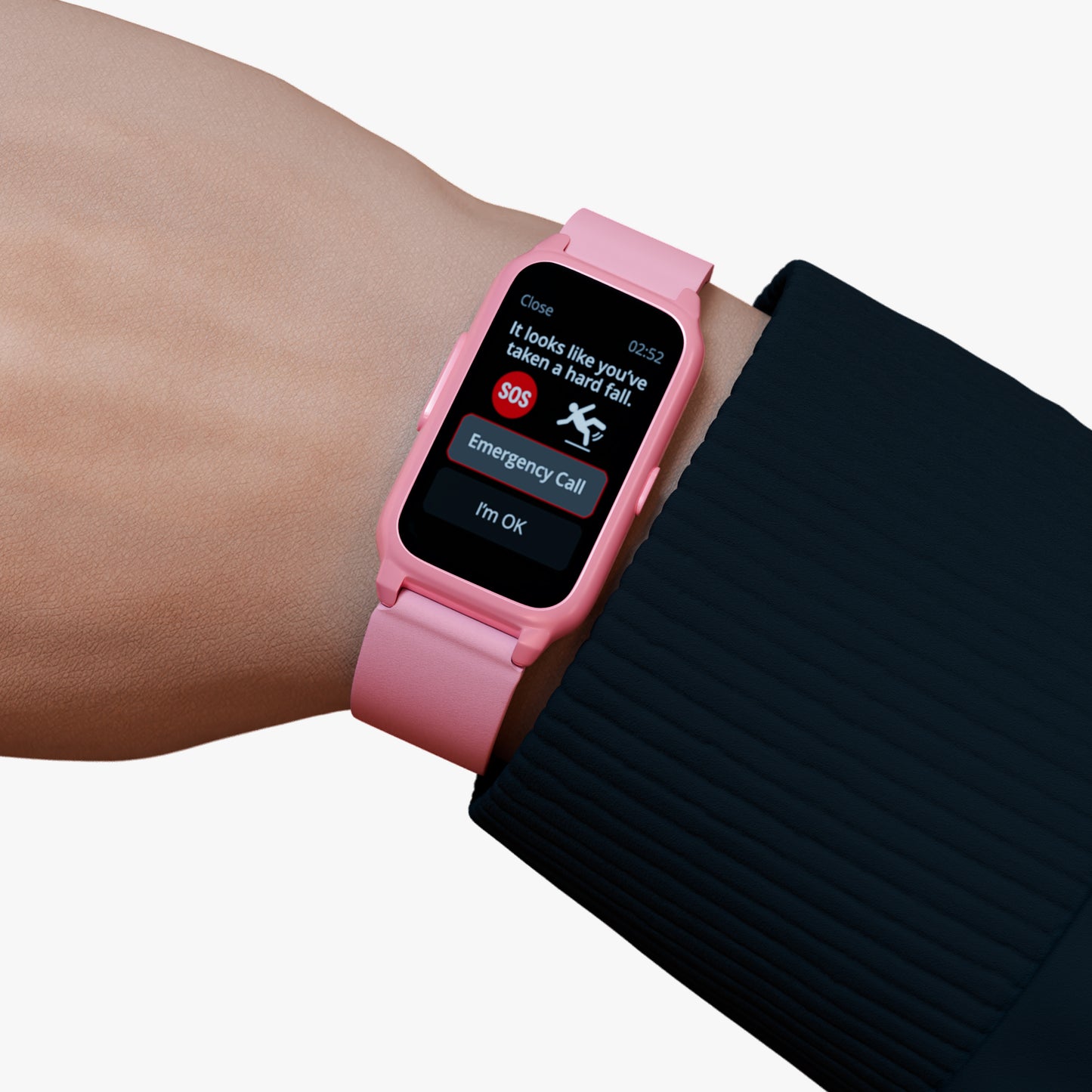

A GPS medical alert system can give seniors a simple way to stay connected while continuing to live independently. GPS positioning adds location information to a medical alert device, which can be useful when an alert is sent. For seniors who spend time at home or go about their daily activities, this can provide an added connection to family members, caregivers and emergency contacts.
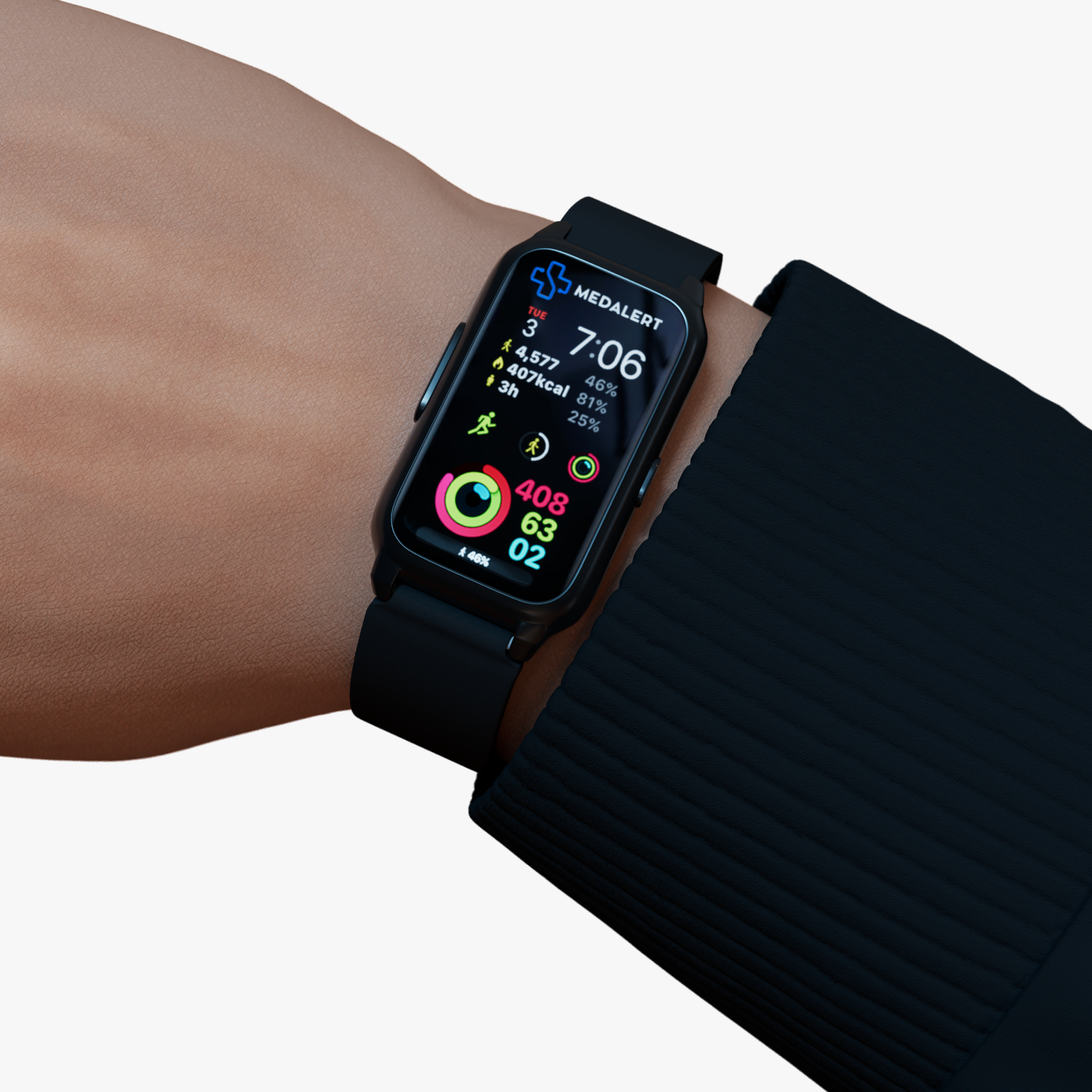
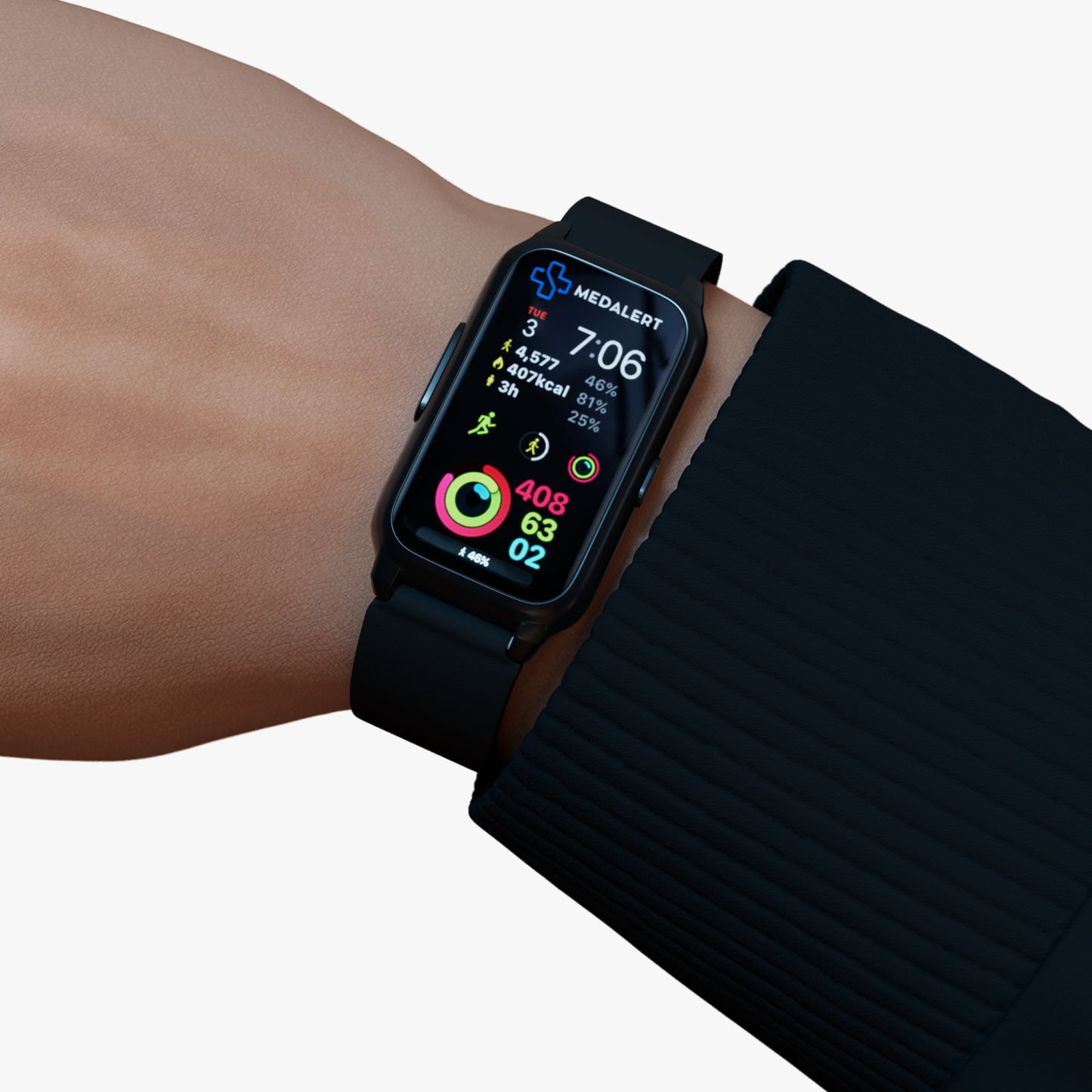
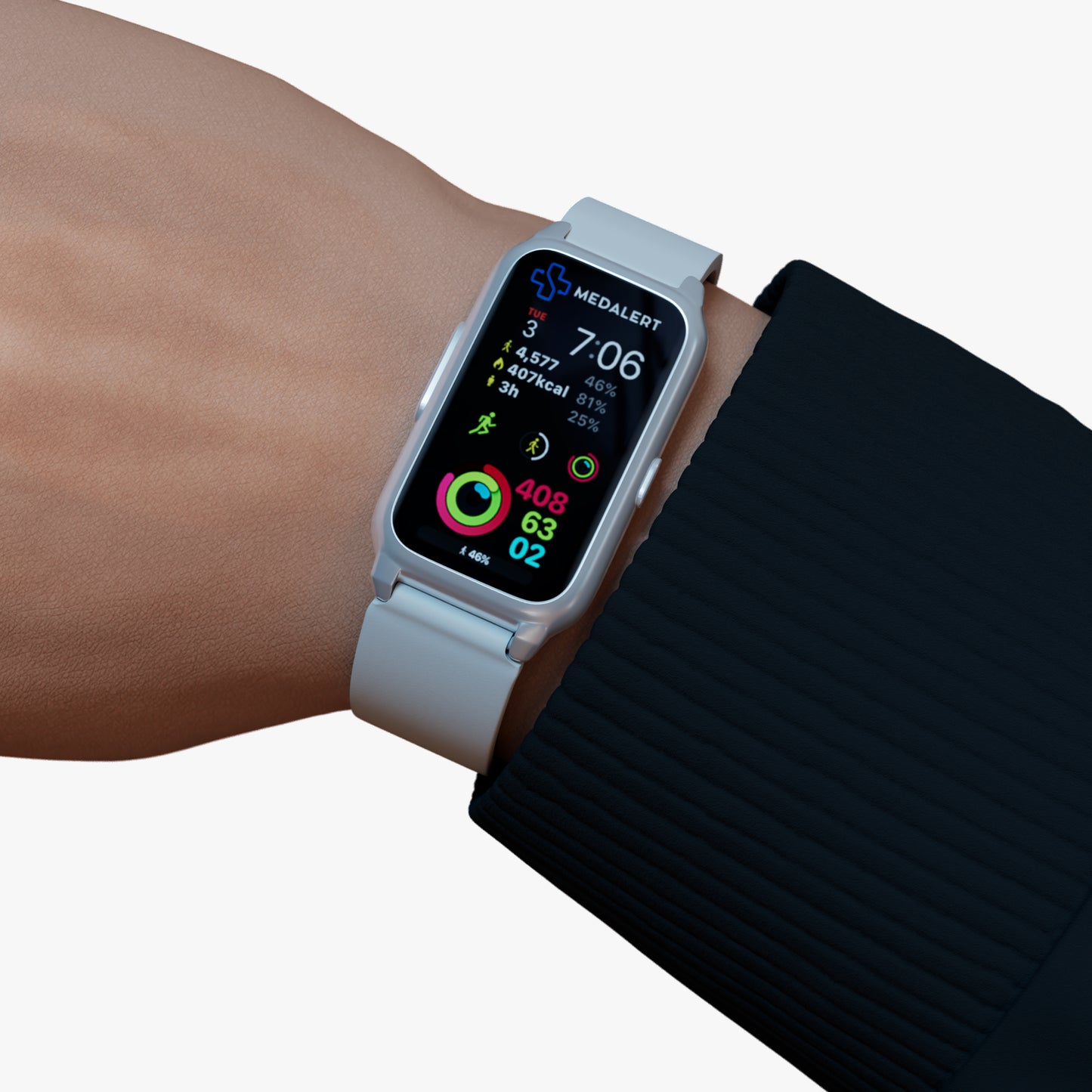
MedAlert provides medical alert devices designed to support seniors, families and caregivers. Its devices combine GPS positioning with features such as an SOS alert button, fall detection and two-way emergency communication. Instead of relying on separate devices for these functions, they are brought together as part of one medical alert solution.
Why GPS Technology Matters for Independent Living
Living independently can mean having the freedom to manage everyday activities without constant supervision. However, staying connected to family members or caregivers can still be important. GPS technology can support this connection by providing location information when an alert is triggered.
For example, if an SOS button is pressed, the device can send an alert through the 4G network along with the wearer's GPS location. The same process can happen when a fall is detected. This gives selected contacts more information than an alert alone.
A GPS medical alert system can therefore be useful because location awareness works alongside other safety features. The GPS function does not work in isolation. It forms part of a wider system that includes alerts and communication.
Location Awareness When Away From Home
Location information can be particularly useful when a senior is away from home. In that situation, knowing that an alert has been triggered may not be enough. The location included with the alert can provide additional information about where the wearer is.
MedAlert's GPS-enabled devices send the wearer's GPS location when an SOS alert is pressed or a fall is detected. The alert is sent through the 4G network, helping selected contacts understand where assistance may be needed.
This also means the wearer does not have to depend entirely on explaining their location during an emergency. The location information is part of the alert process.
How a GPS Medical Alarm Works
A GPS medical alarm combines location awareness with medical alert functions. With MedAlert, an alert can be triggered when the wearer presses the SOS button or when the device detects a fall.
After the alert is triggered, it is sent through the 4G network and includes the wearer's GPS location. The device can also initiate a two-way call with pre-selected emergency contacts.
This makes the process more than a simple notification. The contact receives the alert and location information, while the wearer has a way to communicate directly.
The SOS Alert Button
The SOS button provides the wearer with a direct way to send an alert. When it is pressed, the device sends the alert through the 4G network and includes the wearer's GPS location.
The device can also initiate a two-way call with pre-selected emergency contacts. This gives the wearer an opportunity to speak with a contact instead of relying only on an automated alert.
Having the SOS button on a wearable device also keeps the function close to the wearer during everyday activities. It is part of the same device that provides GPS positioning and other medical alert features.
Fall Detection
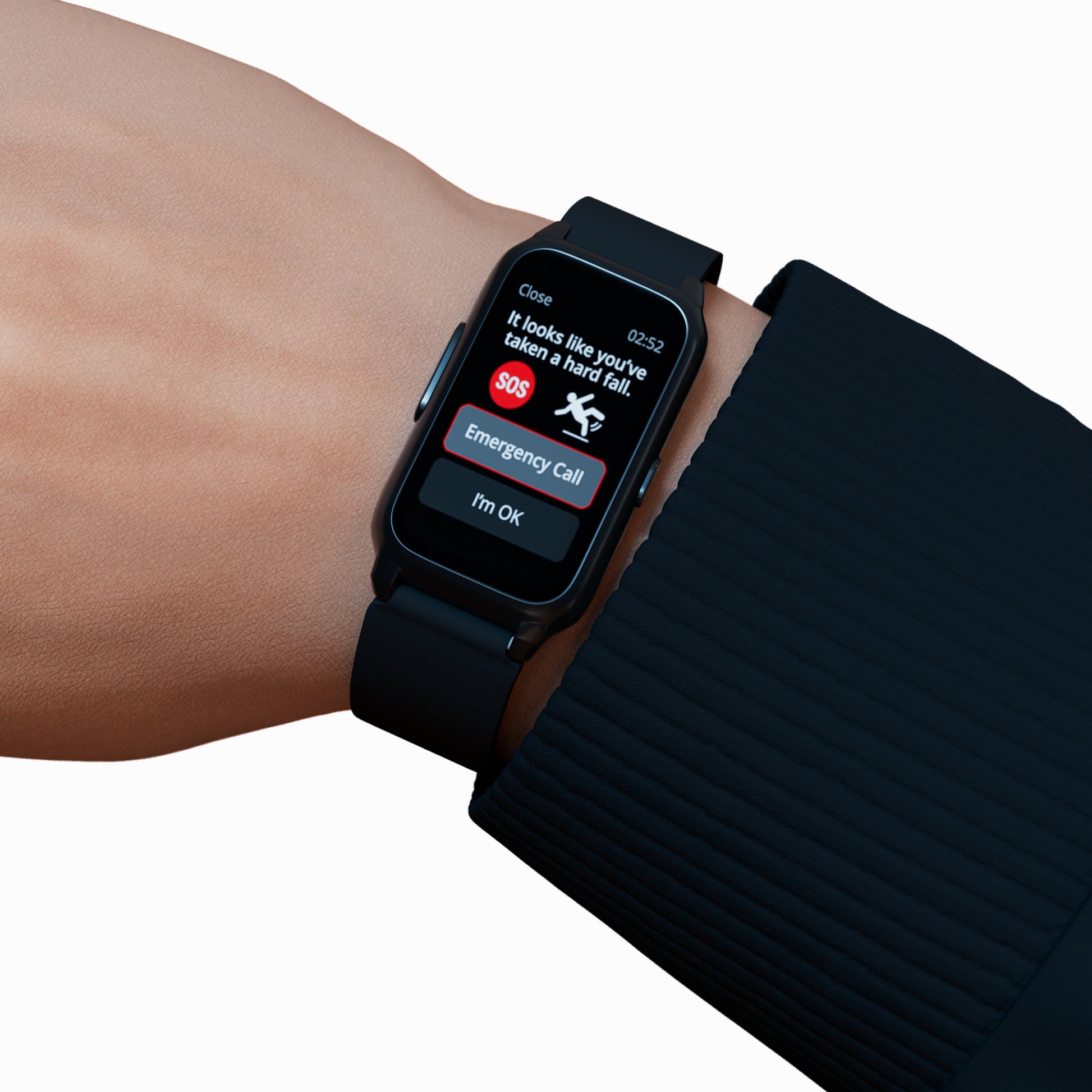
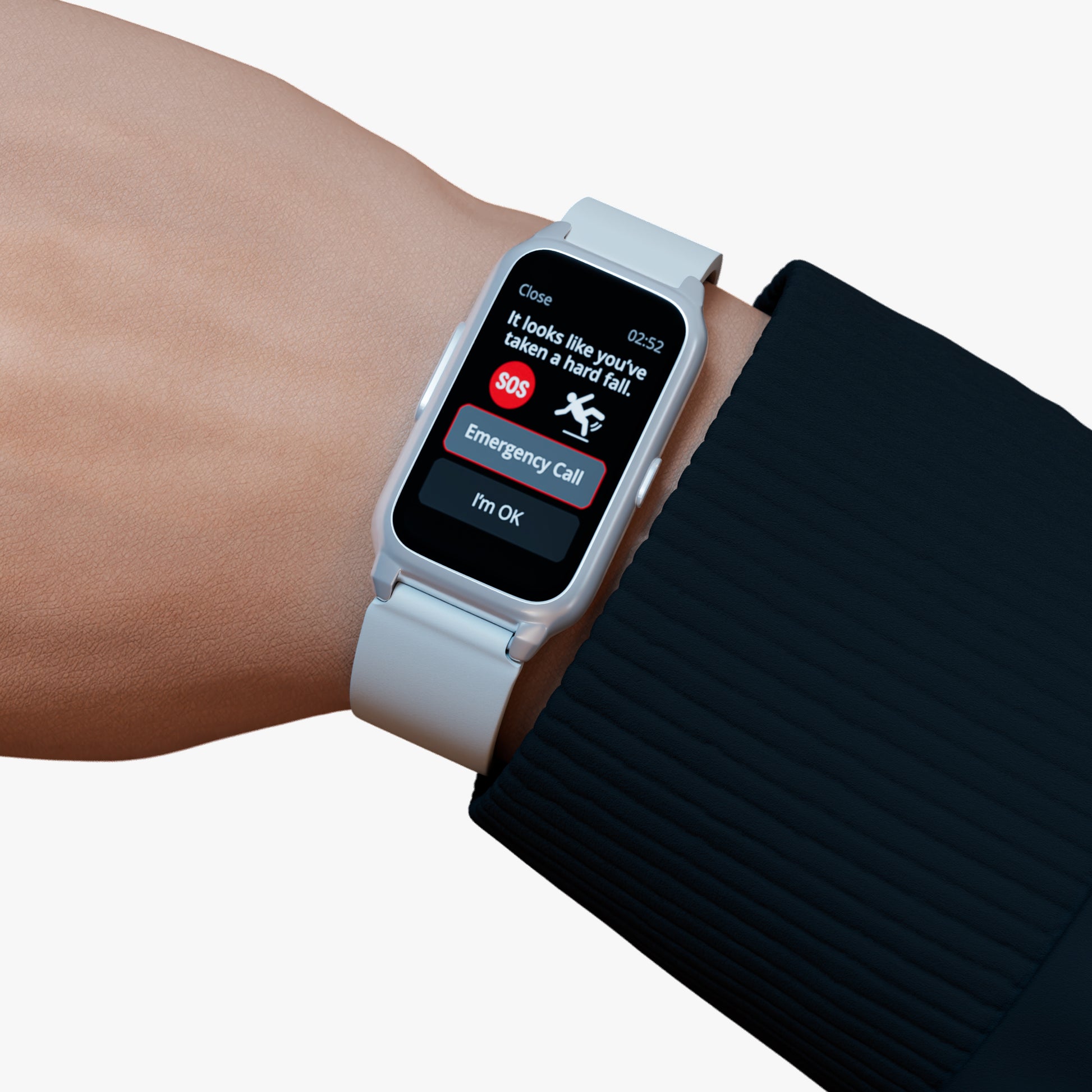
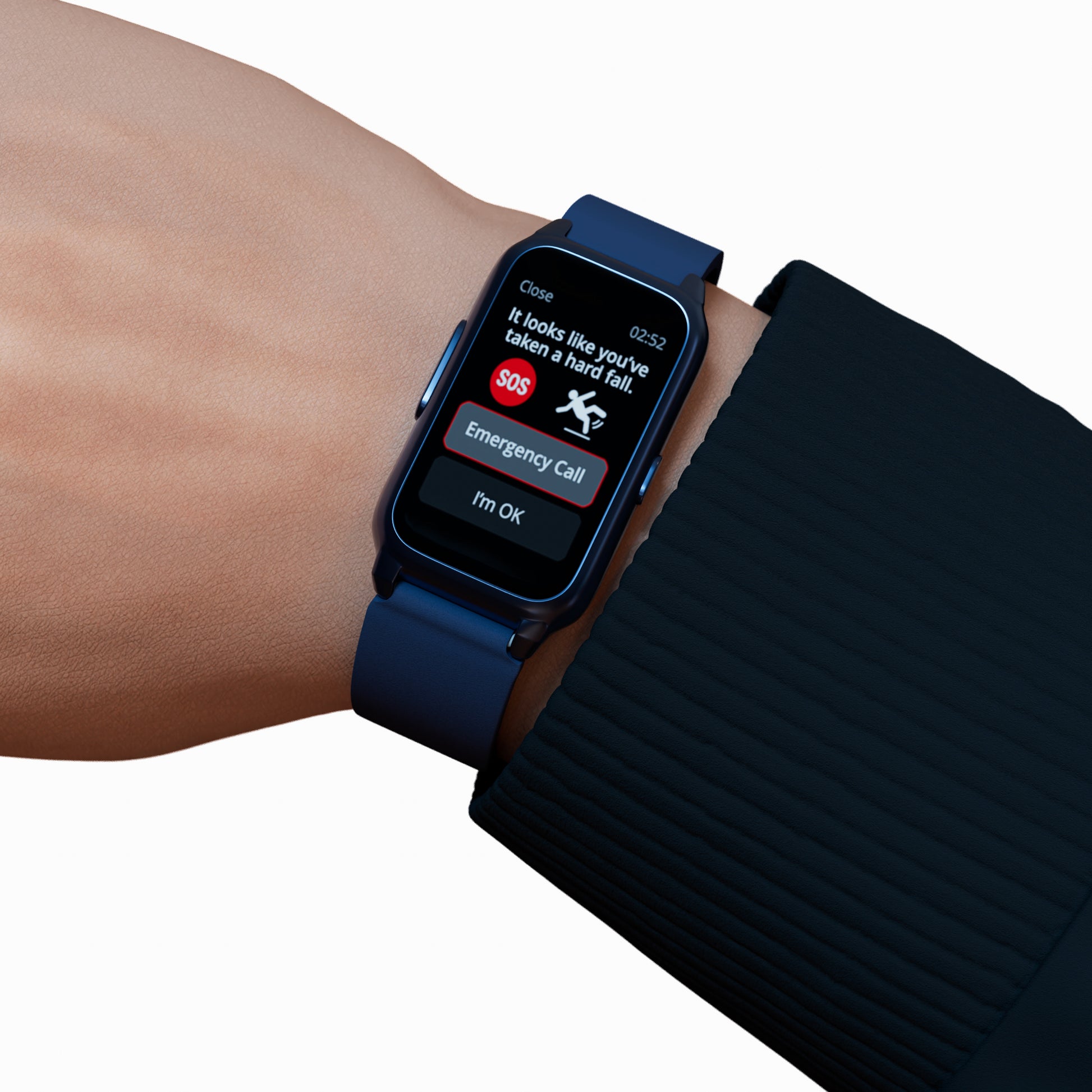
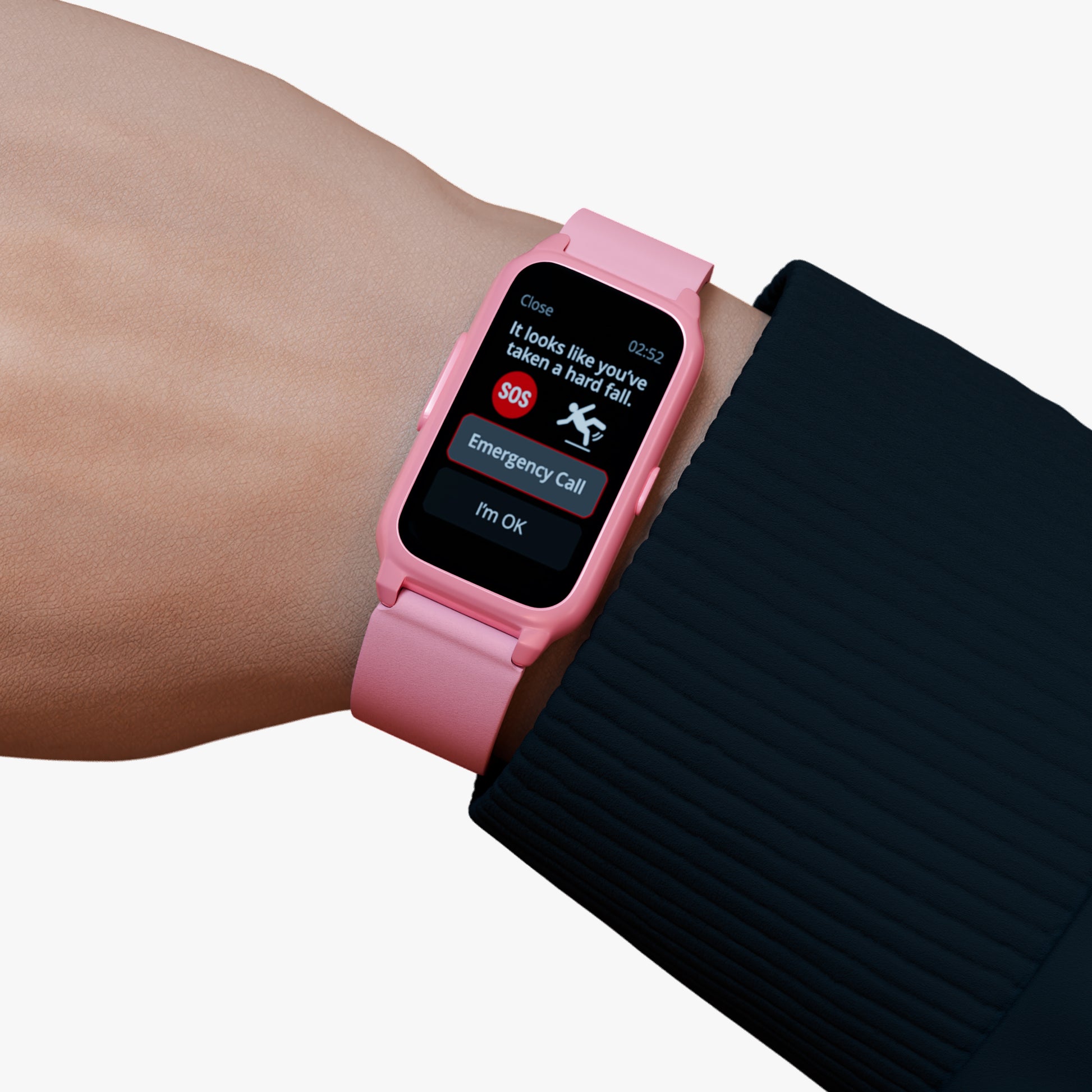
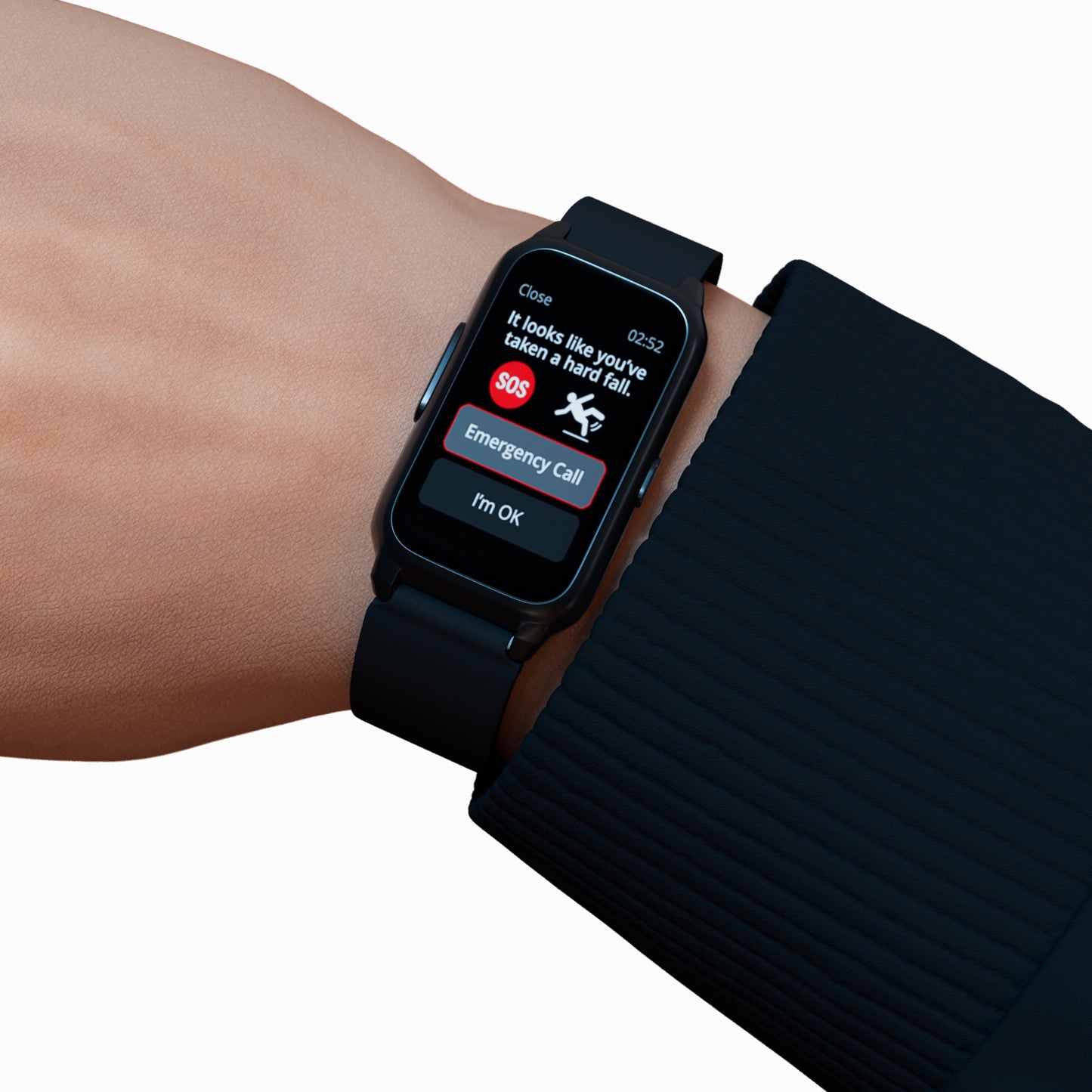
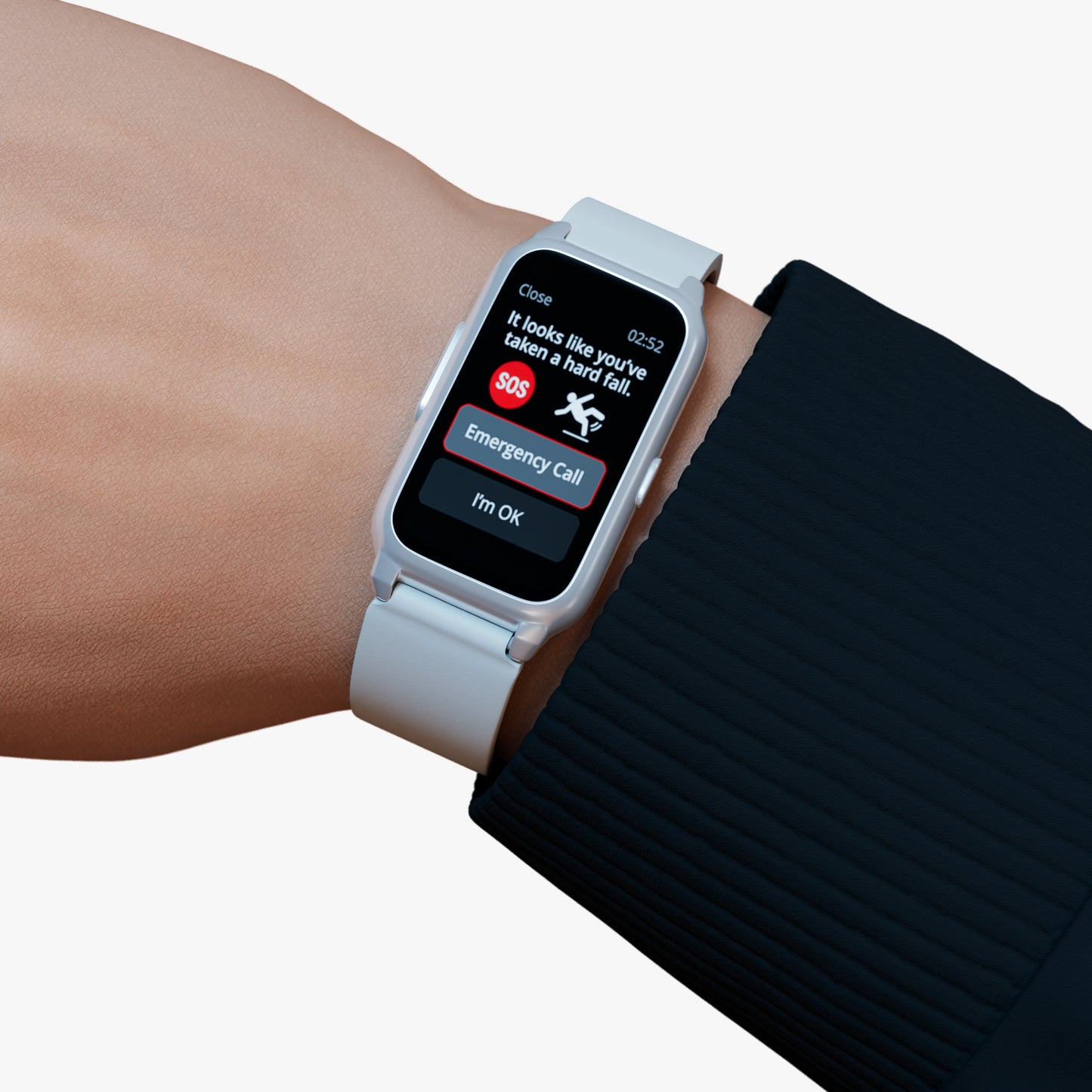
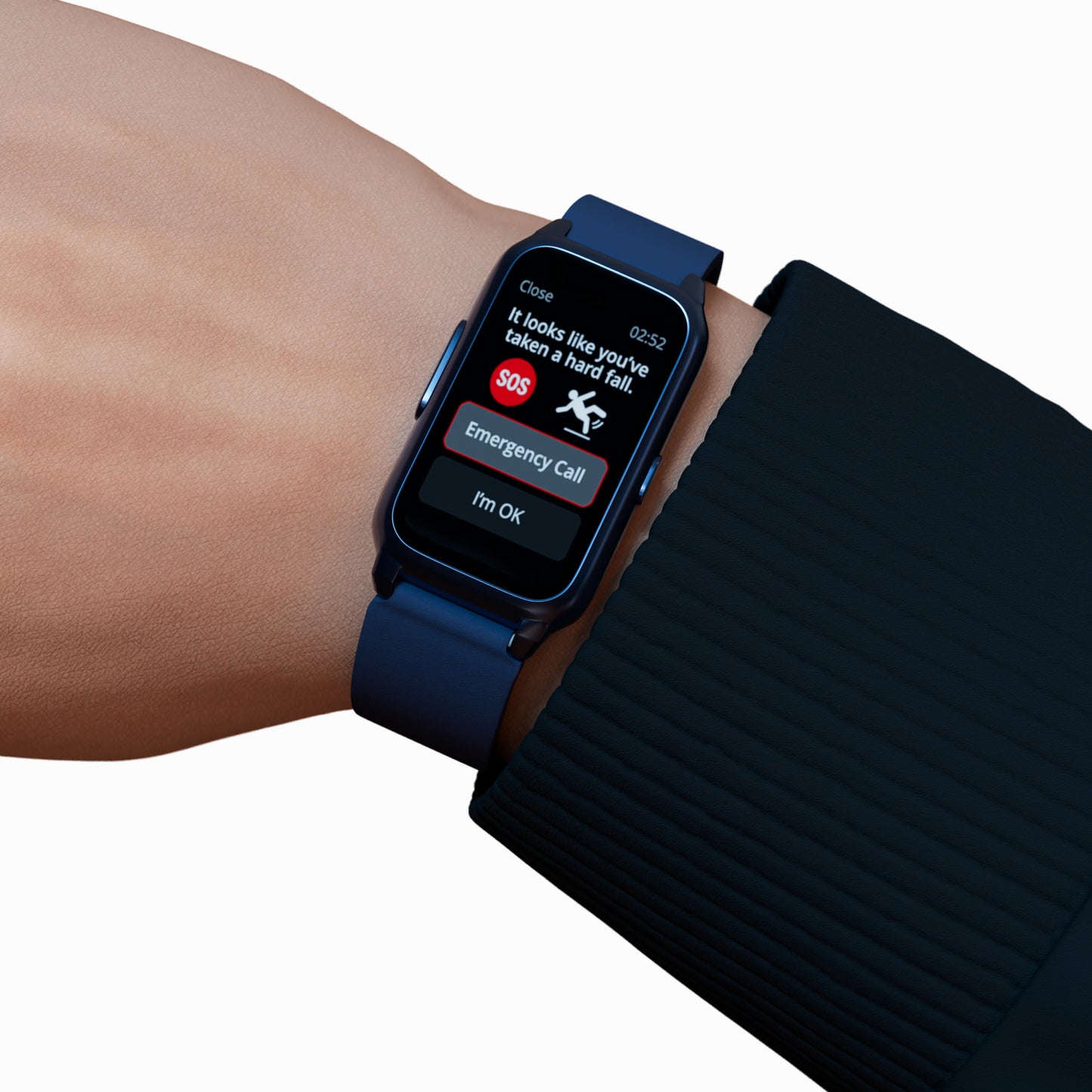
Fall detection provides another way to trigger an alert. When the device detects a fall, an alert is sent through the 4G network.
The alert includes the wearer's GPS location and can be followed by two-way communication with pre-selected emergency contacts. This brings together two important parts of the alert process: knowing where the wearer is and having a way to communicate.
For seniors and their families, this can make the device useful in situations where manually pressing an SOS button may not happen.
GPS and Two-Way Communication
GPS provides location information, but communication is also an important part of a medical alert device. Knowing where an alert comes from is useful, but being able to communicate with the wearer adds another part to the process.
MedAlert devices support two-way emergency communication with pre-selected contacts. When an SOS button is pressed or a fall is detected, the device can initiate a two-way call.
This means the wearer can speak with a selected contact through the device. At the same time, the alert provides GPS location information.
The two functions work together. GPS provides location awareness, while two-way communication provides a direct way for the wearer and contact to communicate.
Keeping Safety Technology Simple for Seniors
A medical alert device needs to fit naturally into everyday life. Seniors may not want to manage separate devices for location tracking, emergency alerts and communication. Bringing these functions together can make the technology easier to understand and use.
MedAlert's devices include GPS positioning, an SOS alert button, fall detection and two-way emergency communication. These features are designed around the needs of seniors and the people who support them.
The purpose is not to change a senior's daily routine. Instead, the device provides a way to stay connected if an alert is needed. This approach also reflects MedAlert's focus on balancing safety with independence.
For family members and caregivers, the device provides another way to remain connected. When an alert occurs, they can receive location information and communicate with the wearer through the two-way calling feature.
Understanding Senior Alert Systems With GPS
Senior alert systems with GPS can vary in the features they offer. For this reason, it is useful to look at the complete alert process rather than considering GPS as a standalone feature.
With MedAlert, GPS positioning works alongside an SOS button and fall detection. The devices also support two-way emergency communication with pre-selected contacts.
The alert is sent through the 4G network when the SOS button is pressed or a fall is detected. The wearer's GPS location is included with the alert.
This combination gives each feature a clear role. The SOS button allows the wearer to start an alert, fall detection provides another way to trigger one, GPS provides location information and two-way communication allows direct contact.
Supporting Family and Caregiver Connections
Families and caregivers may want to stay connected with a senior who lives independently. A medical alert device can provide a practical connection when assistance is needed.
When an alert is triggered, the device can send the wearer's GPS location and initiate a two-way call with pre-selected emergency contacts. This means the selected contact can receive location information and communicate with the wearer.
For seniors, this provides a way to reach selected contacts through the same wearable device. There is no need to treat GPS, emergency alerts and communication as completely separate functions.
The device is not a replacement for personal care or regular contact. Instead, it provides an additional way for seniors, families and caregivers to stay connected when an alert occurs.
GPS Technology and Independent Senior Living
A GPS medical alert system can support independent living by connecting location information with emergency alert features. For seniors, this can mean having access to a wearable device that combines GPS positioning, an SOS button, fall detection and two-way communication.
When an SOS alert is pressed or a fall is detected, the device sends an alert through the 4G network and includes the wearer's GPS location. A two-way call can also be initiated with pre-selected emergency contacts.
This makes GPS part of a wider safety system rather than a standalone feature. The wearer can continue their normal routine while having access to the device if an alert is required.
You can learn more about the gps medical alert system available from MedAlert and see how GPS positioning is included within its medical alert devices.
Making the Right Use of GPS Safety Features
Understanding how each feature works can help seniors and their families decide whether a GPS-enabled medical alert device fits their needs. GPS positioning is useful for location information, while the SOS button and fall detection provide ways for an alert to begin.
Two-way communication then provides a way for the wearer to speak with selected emergency contacts. Together, these features form the main parts of the MedAlert alert process.
The important point is that each feature has a specific purpose. GPS provides location information. The SOS button allows the wearer to send an alert. Fall detection provides another alert option, while two-way communication connects the wearer with selected contacts.
This keeps the role of the technology clear and avoids making the device more complicated than it needs to be.
Staying Connected While Living Independently
Independent living does not mean that a senior has to manage every situation without support. A medical alert device can provide a connection to selected contacts while allowing the wearer to continue their normal routine.
MedAlert combines GPS positioning, SOS alerts, fall detection and two-way emergency communication in its medical alert devices. When an alert occurs, the GPS location provides information about where the wearer is, while two-way communication provides a way to speak with selected contacts.
For seniors, this can make safety technology part of their everyday routine. For families and caregivers, it provides a way to stay connected when an alert is triggered.
If you would like more information about MedAlert's devices, you can Contact us to learn more.
Frequently Asked Questions
1. What is a GPS medical alert system?
It is a medical alert device that includes GPS positioning. MedAlert combines GPS with an SOS alert button, fall detection and two-way emergency communication.
2. How does a GPS medical alarm provide location information?
When an SOS button is pressed or a fall is detected, the device sends an alert through the 4G network. The alert includes the wearer's GPS location.
3. What are senior alert systems with GPS used for?
They combine GPS location information with medical alert features. MedAlert devices include GPS positioning, fall detection, an SOS button and two-way emergency communication.
4. Can GPS support independent living for seniors?
GPS can provide location information when an alert is triggered. This can help selected family members, caregivers or emergency contacts understand where the wearer is.
5. What other features does MedAlert provide?
MedAlert devices include GPS positioning, an SOS alert button, fall detection and two-way emergency communication. These features work together as part of the medical alert system.
You can also learn more about MedAlert GPS alarm options and the available medical alert devices.