
Emergency preparedness becomes more important as people get older, especially for seniors who want to remain active and independent. A medical alert system Australia families can consider is one way to add a simple layer of communication and support when an emergency occurs.
Being prepared does not mean expecting something to go wrong. Instead, it means having a plan for situations where a person may need help quickly. For older adults, that plan can include knowing who to contact, keeping important information accessible, and using a wearable safety device when appropriate.
MedAlert provides wearable medical alert technology designed around safety and independence. Its devices include features such as GPS positioning, fall detection, SOS alerts, and two-way communication. These features can help seniors stay connected with family members, caregivers, or selected contacts when assistance is needed.
Why Emergency Preparedness Matters for Older Adults
Emergency situations are often difficult to predict. A senior may be at home, outside for a walk, visiting family, or carrying out a normal daily activity when they suddenly need assistance.
For this reason, emergency planning should be simple enough to use in everyday life. A complicated system may be difficult to manage when someone is already under stress.
A practical plan can start with a few basic questions. Who should be contacted? How can the person ask for help? Can their location be shared if they are away from home? What happens if they cannot reach a phone?
Preparing for More Than One Situation
Emergency preparedness should not focus on only one type of situation. Different circumstances may require different forms of support.
For example, a person may need to contact someone after feeling unsafe, experiencing a fall, or becoming unable to move freely. Having an accessible SOS button can provide a straightforward way to start communication.
MedAlert devices are designed with this type of everyday accessibility in mind. The Personal Medical Alarm 4G includes an SOS button, GPS positioning, fall detection, and two-way communication.
The goal is not to make daily life feel restricted. Instead, the right safety approach should fit naturally into the person's normal routine.
How a Medical Alert System Australia Can Support Preparedness
A medical alert system Australia families choose should be easy to understand and suitable for the person's daily routine. Wearable technology can be useful because the device stays with the wearer rather than being kept in one fixed location.
This can be especially relevant for seniors who spend time both inside and outside the home. A wearable device can provide access to safety features without requiring the person to stay close to a landline or another fixed communication point.
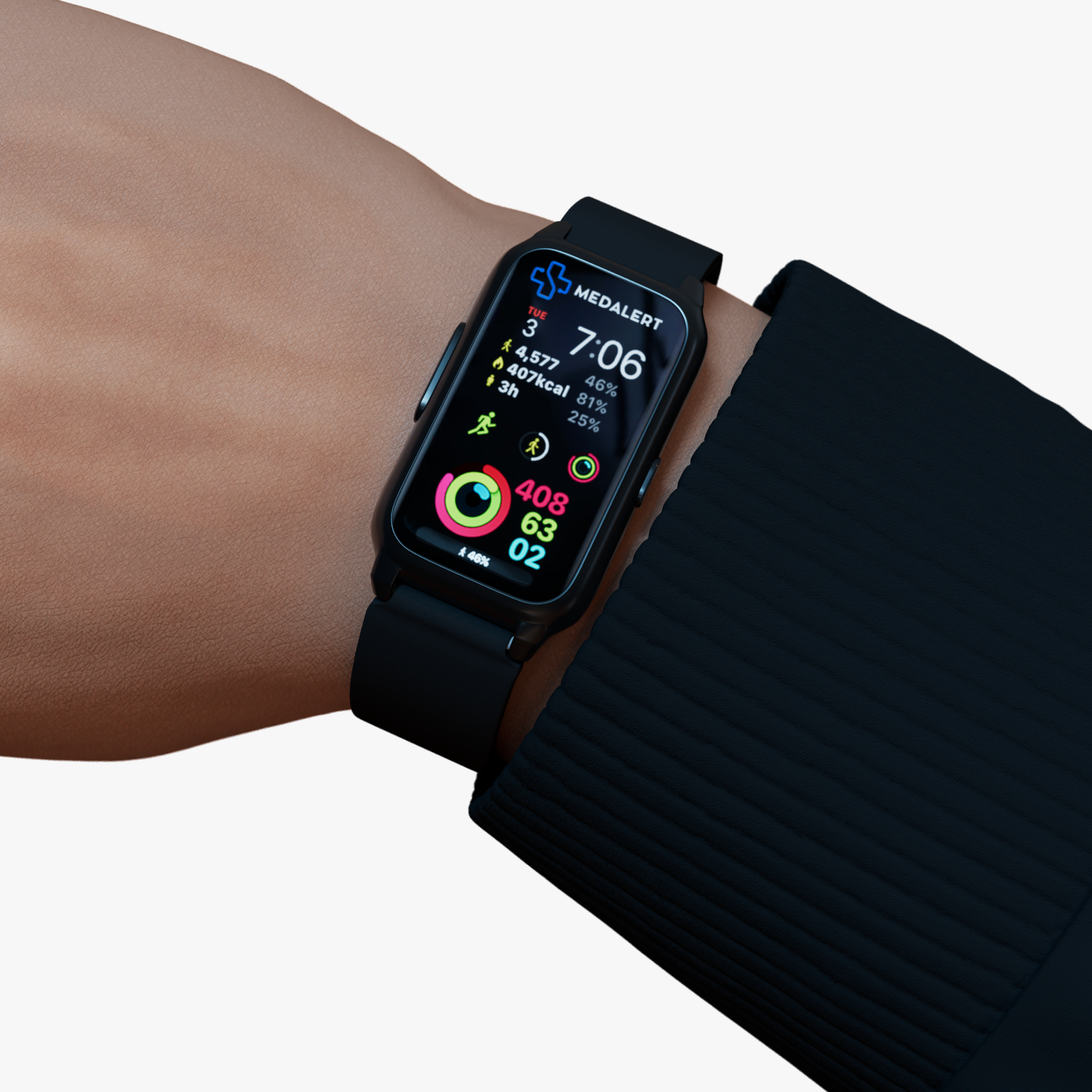
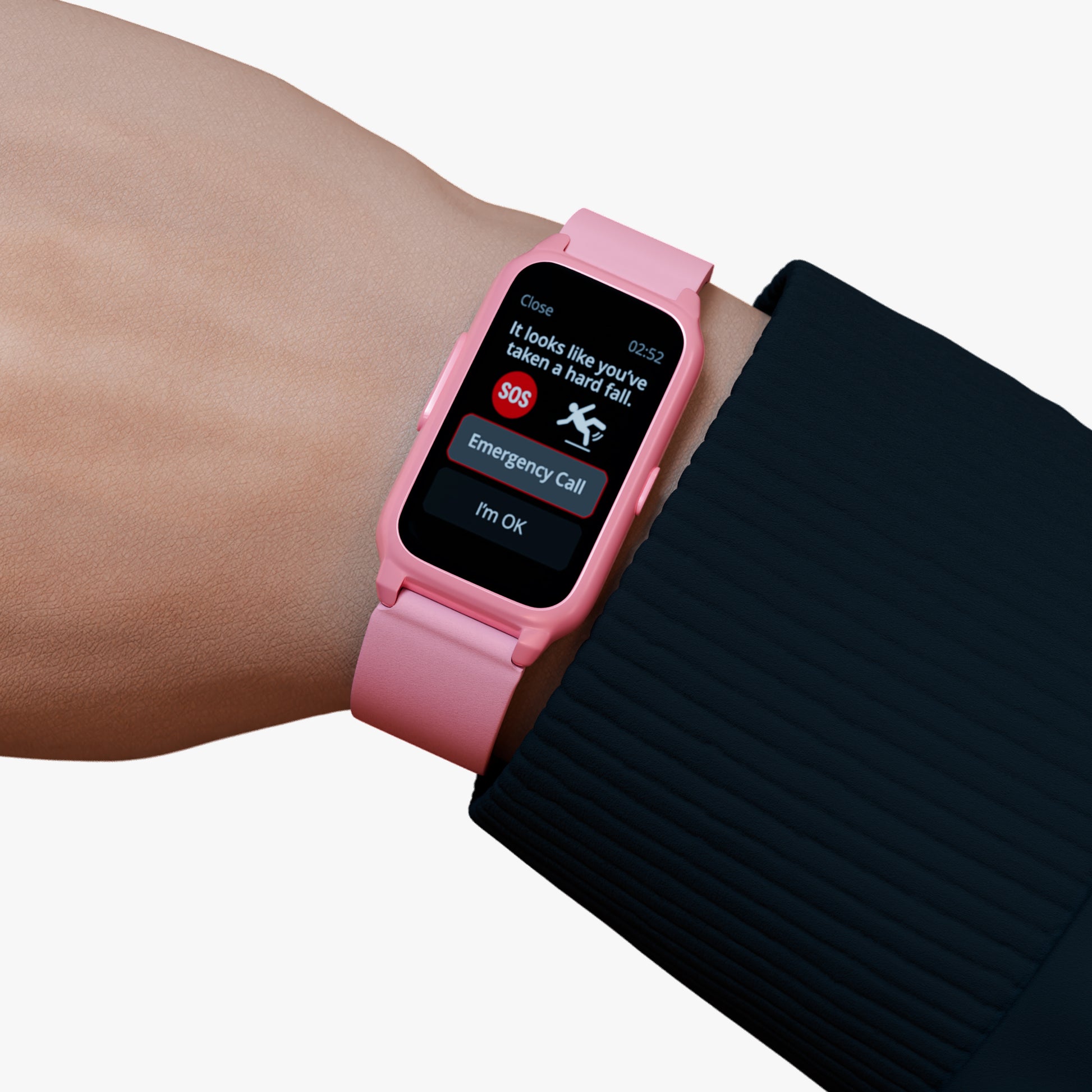
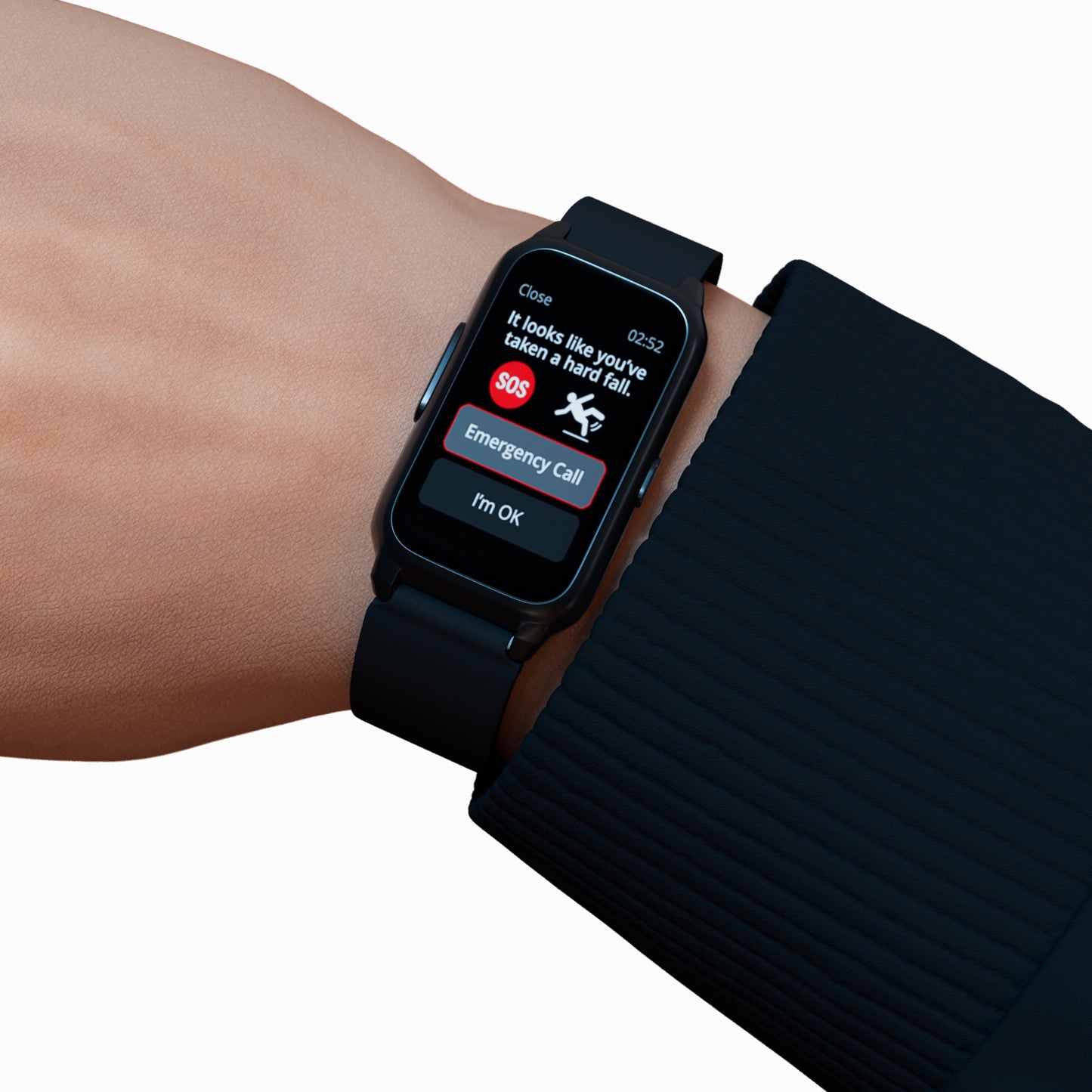
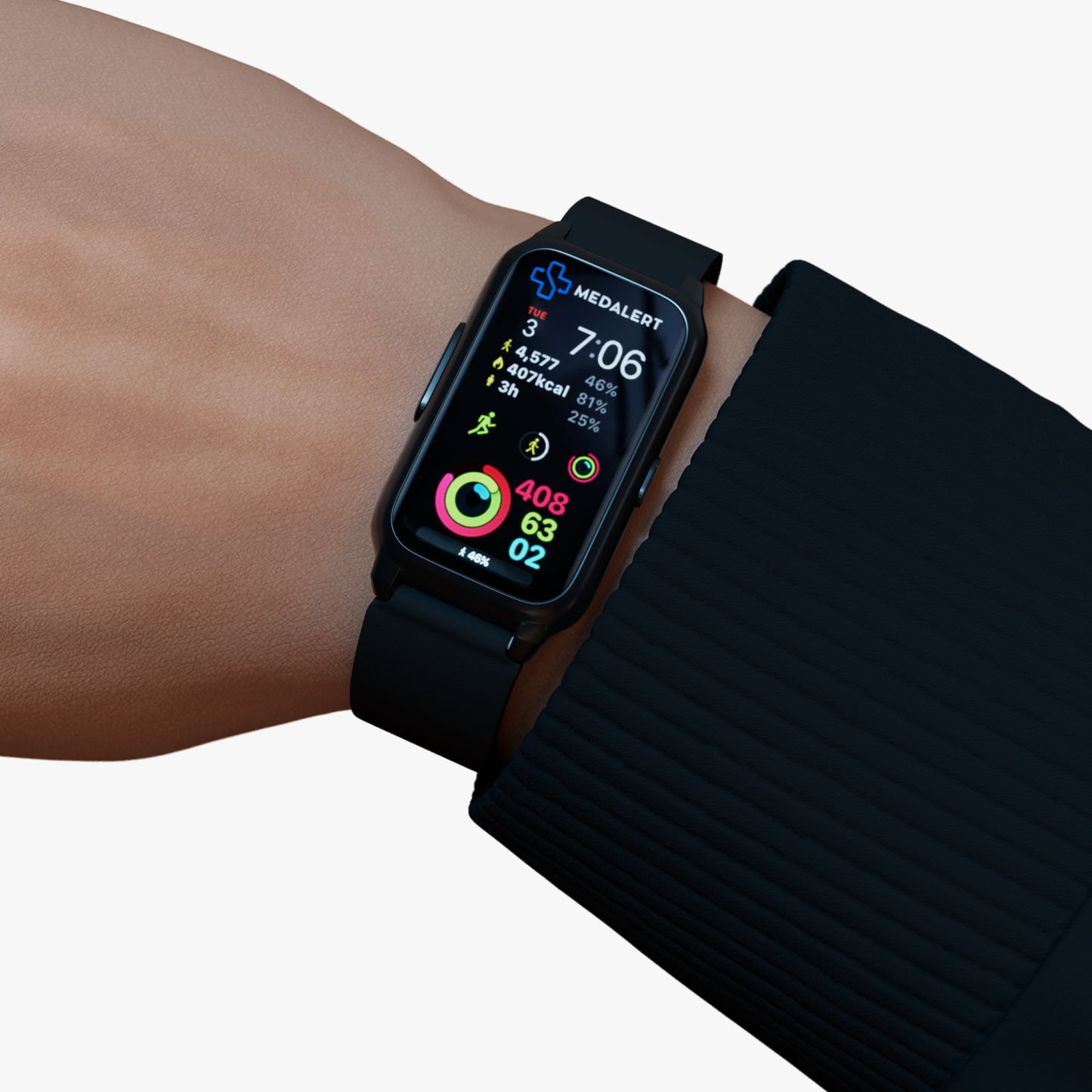
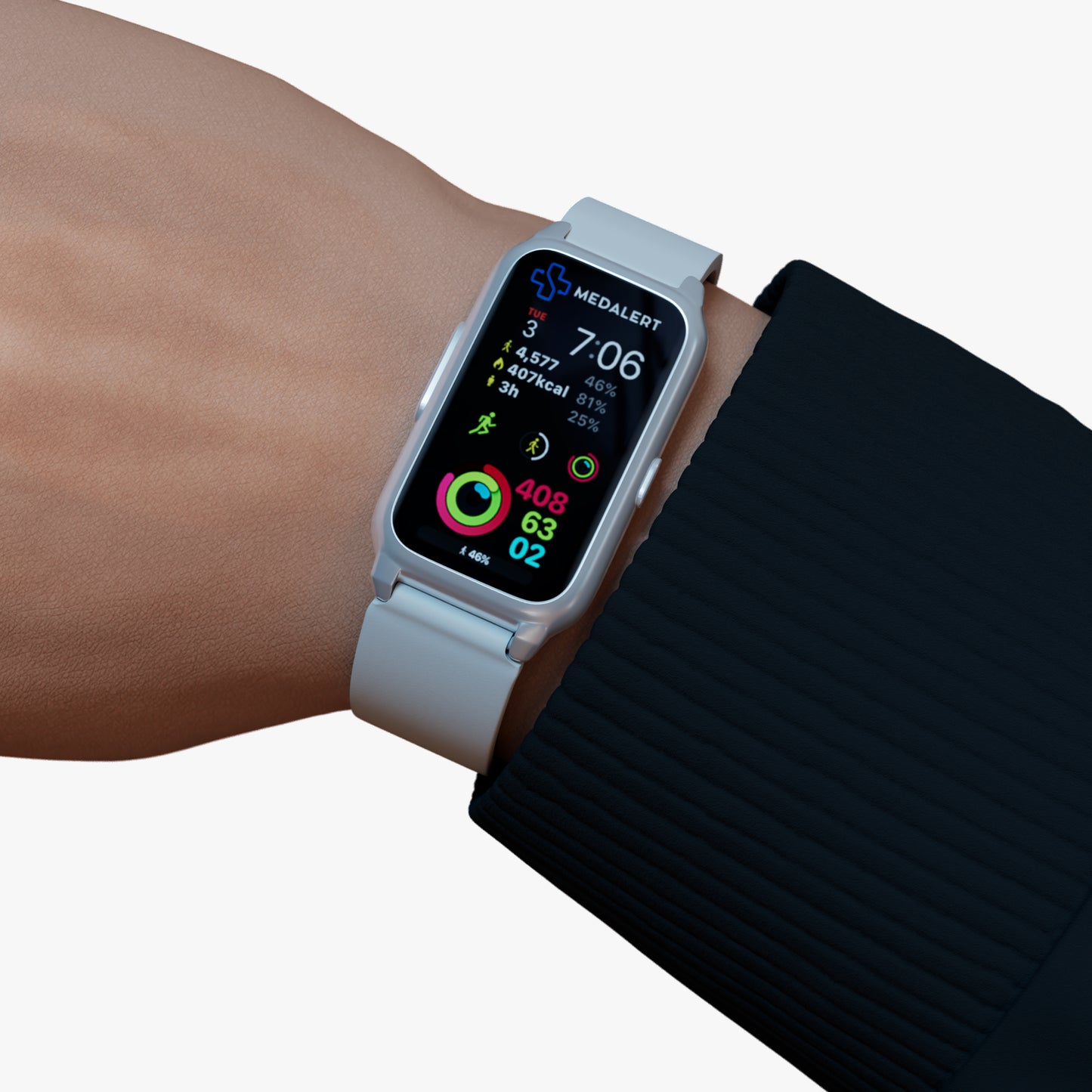
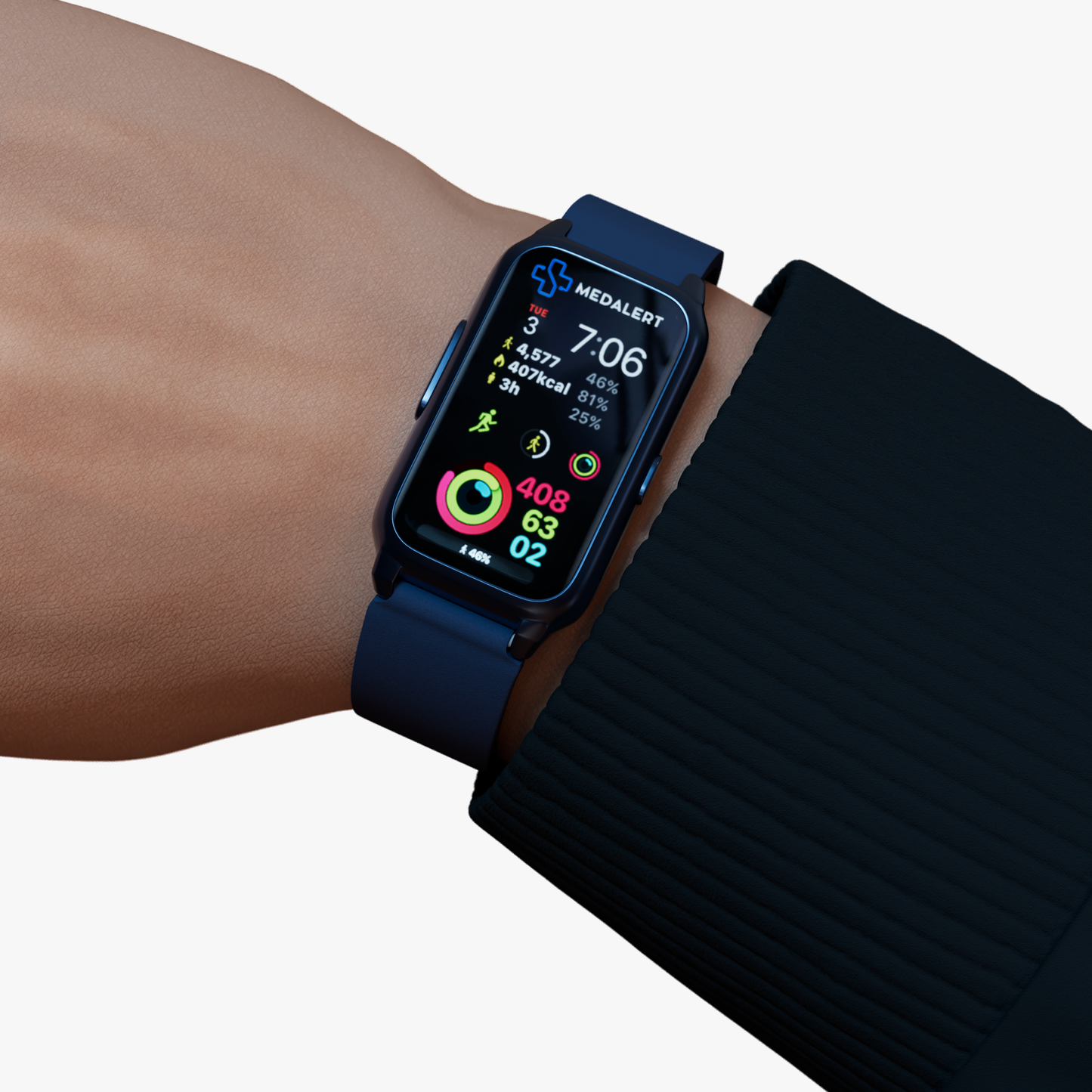
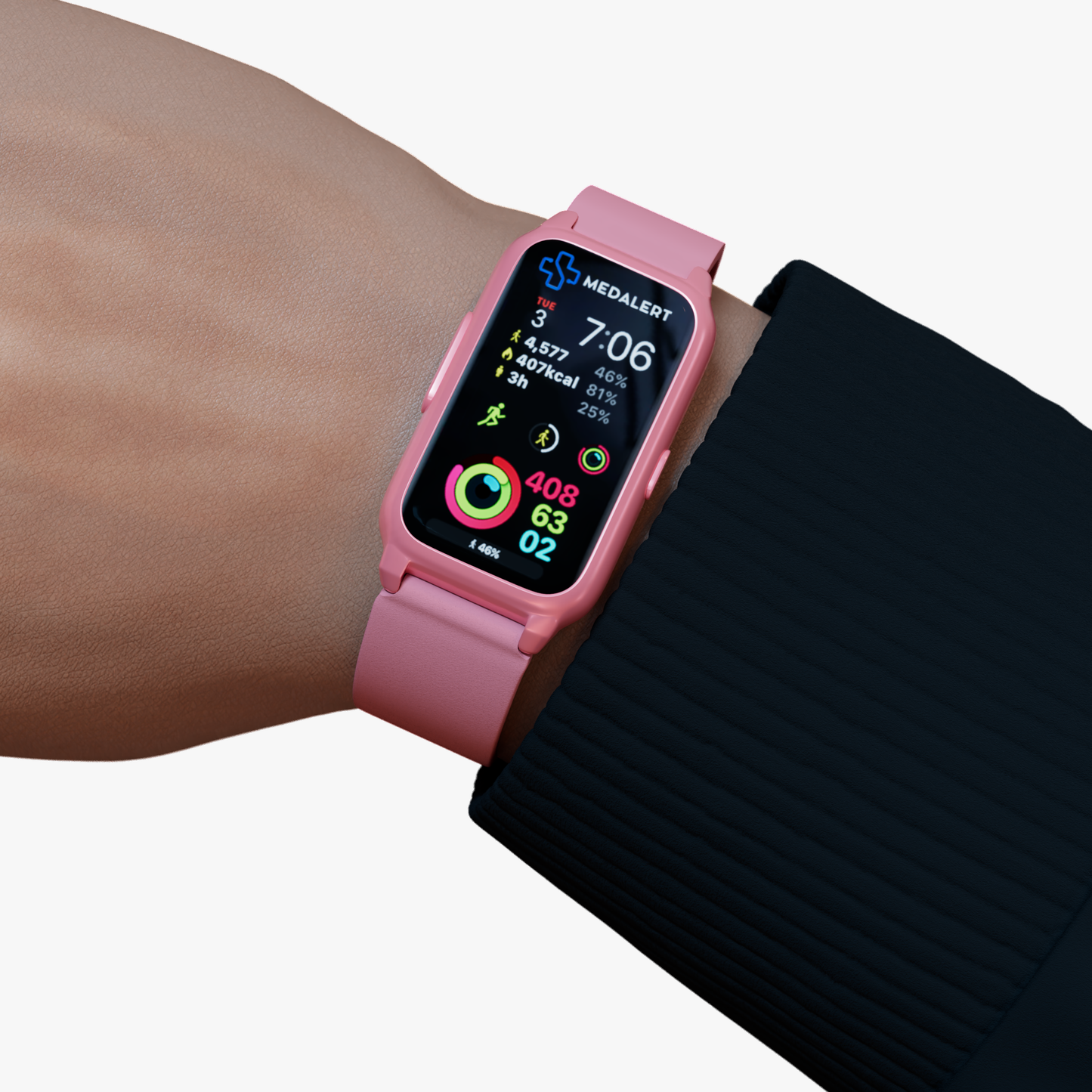
MedAlert's medical alert watches and personal alarms are designed as wearable safety devices. Depending on the device, users can access features such as GPS tracking, SOS alerts, fall detection, and two-way communication.
SOS Communication
An SOS button provides a direct way for the wearer to request assistance. MedAlert's devices include a physical SOS button that can be used during an emergency.
The Personal Medical Alert Watch can make two-way calls to selected phone numbers. This allows the wearer to communicate with their chosen contacts rather than relying only on a text-based alert.
For families, this can also make emergency planning easier. Instead of simply deciding that someone should “call for help,” they can identify the people who should be contacted and make sure those details are set up in advance.
GPS Tracking and Emergency Preparedness
Location can be an important part of an emergency plan when an older adult is away from home. Knowing where someone is can help families and caregivers understand the situation more clearly.
MedAlert's GPS-enabled devices provide live and historical location tracking. The website also describes location sharing through the device and its mobile app.
Families considering a medalert gps alarm can therefore look at GPS functionality as part of a wider emergency preparedness plan.
GPS does not replace communication or personal support. Instead, it works alongside other features. When an alert occurs, location information can help selected contacts understand where the wearer is.
This can be useful for seniors who enjoy going for walks or spending time outside the home while still wanting a connection with their support network.
Fall Detection as Part of a Safety Plan
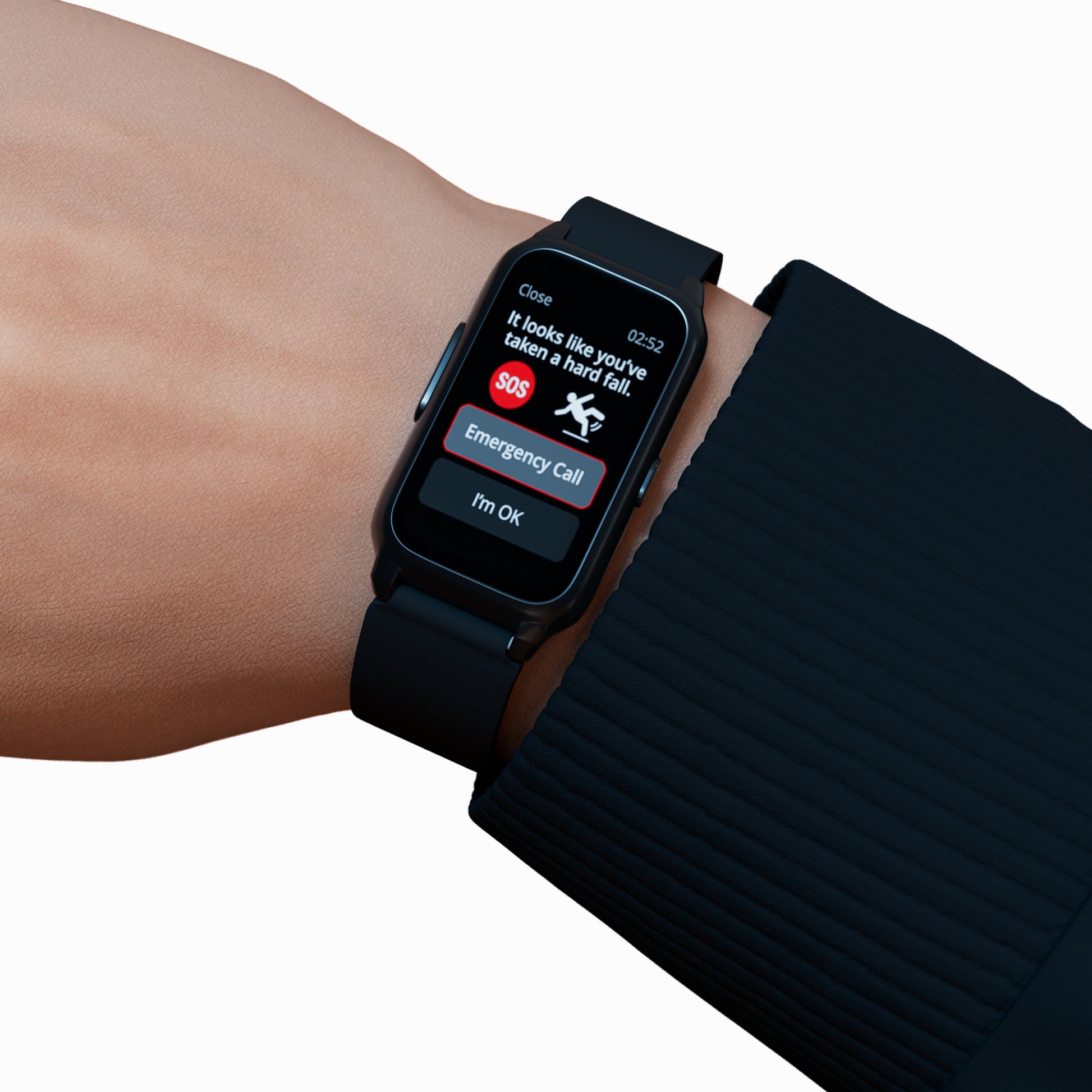
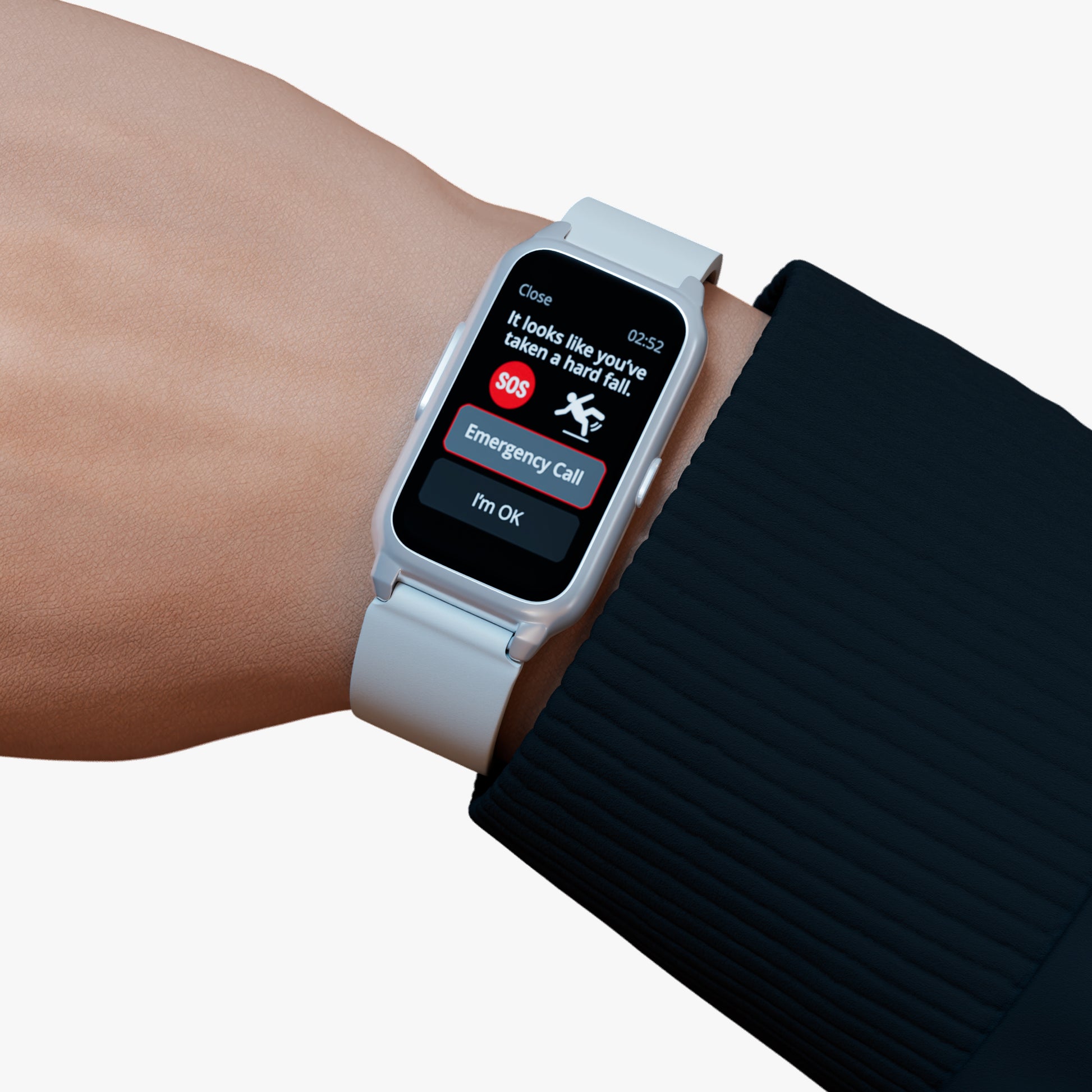
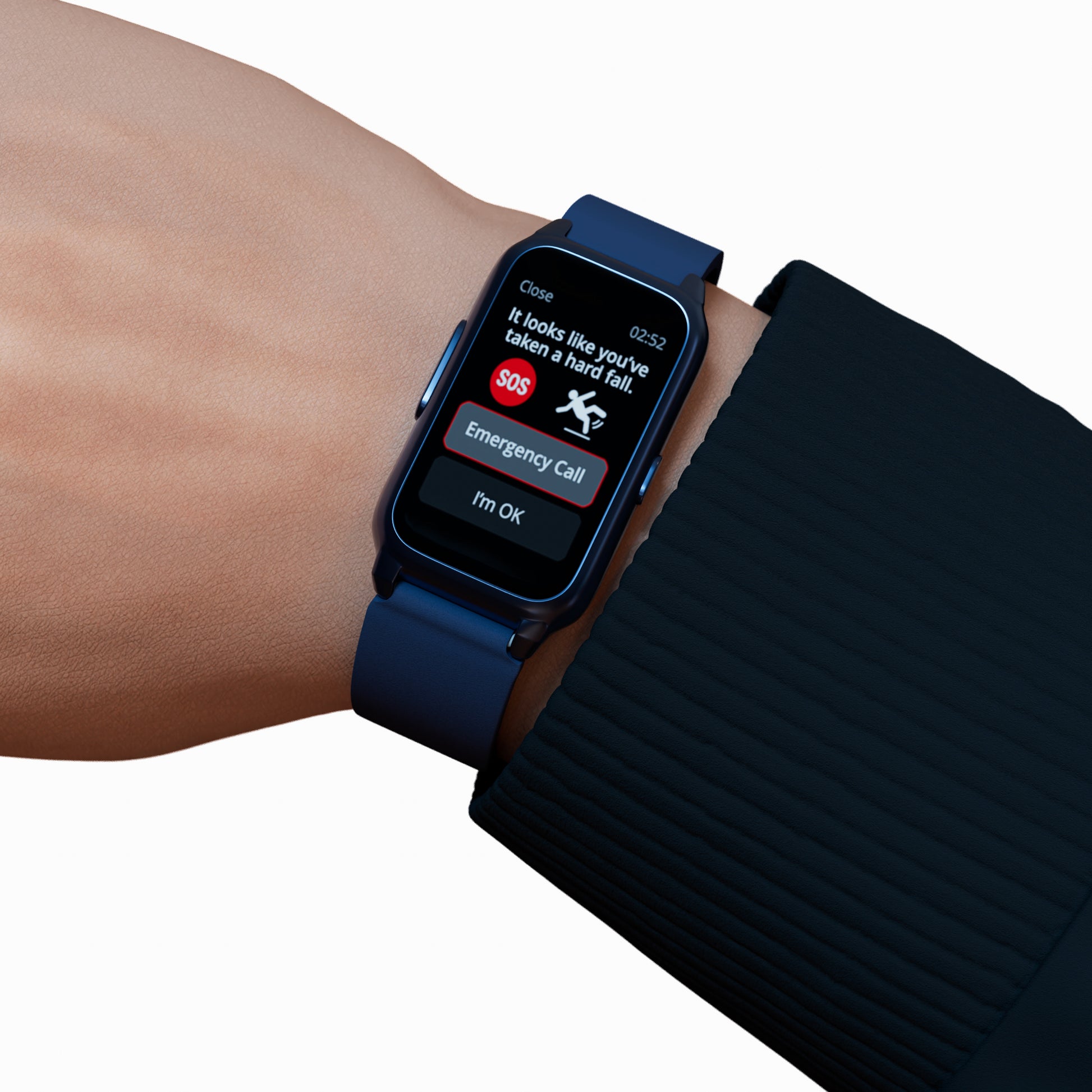
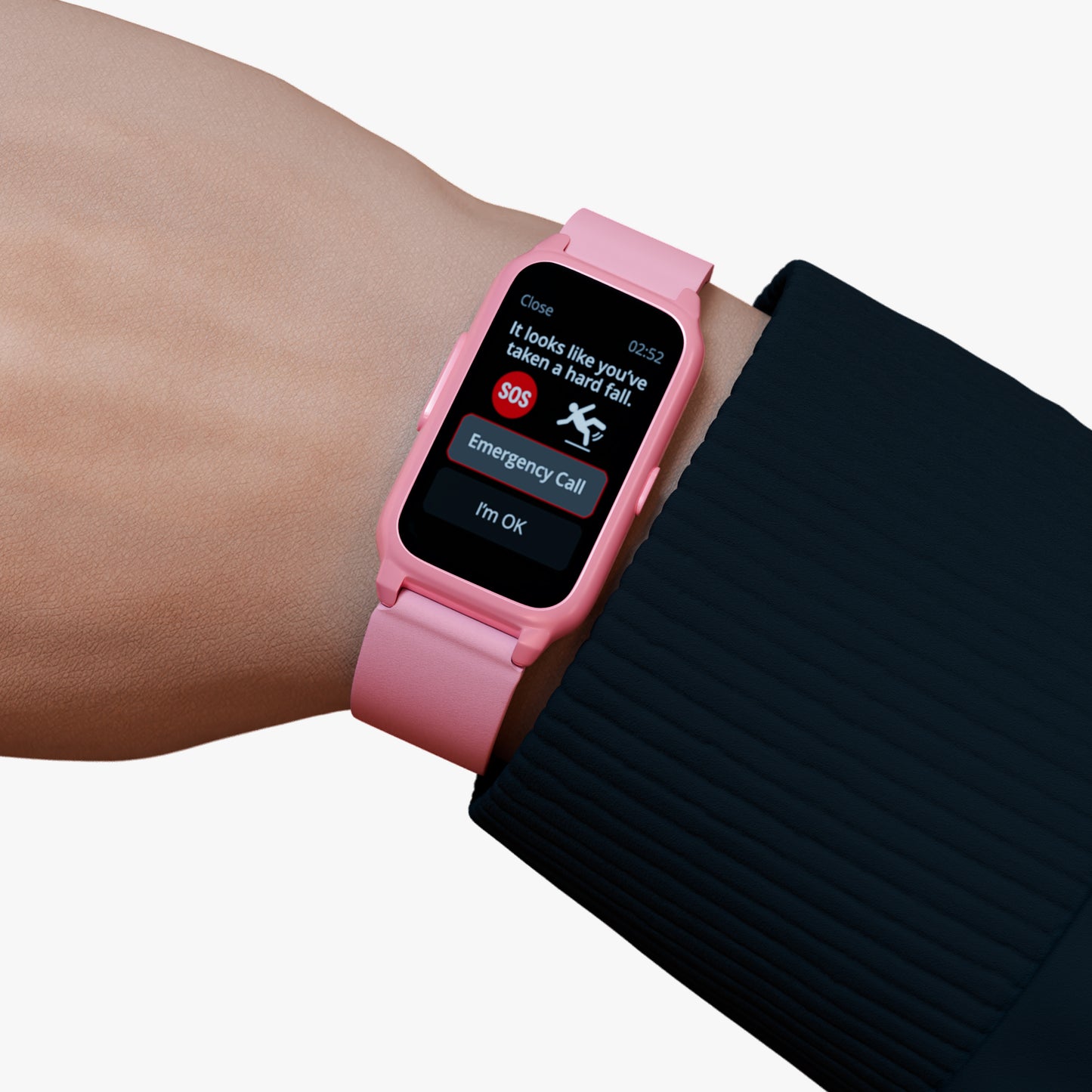
Falls are another situation families may consider when planning safety arrangements for an older adult. A person may not always be able to reach a phone or manually make a call after a fall.
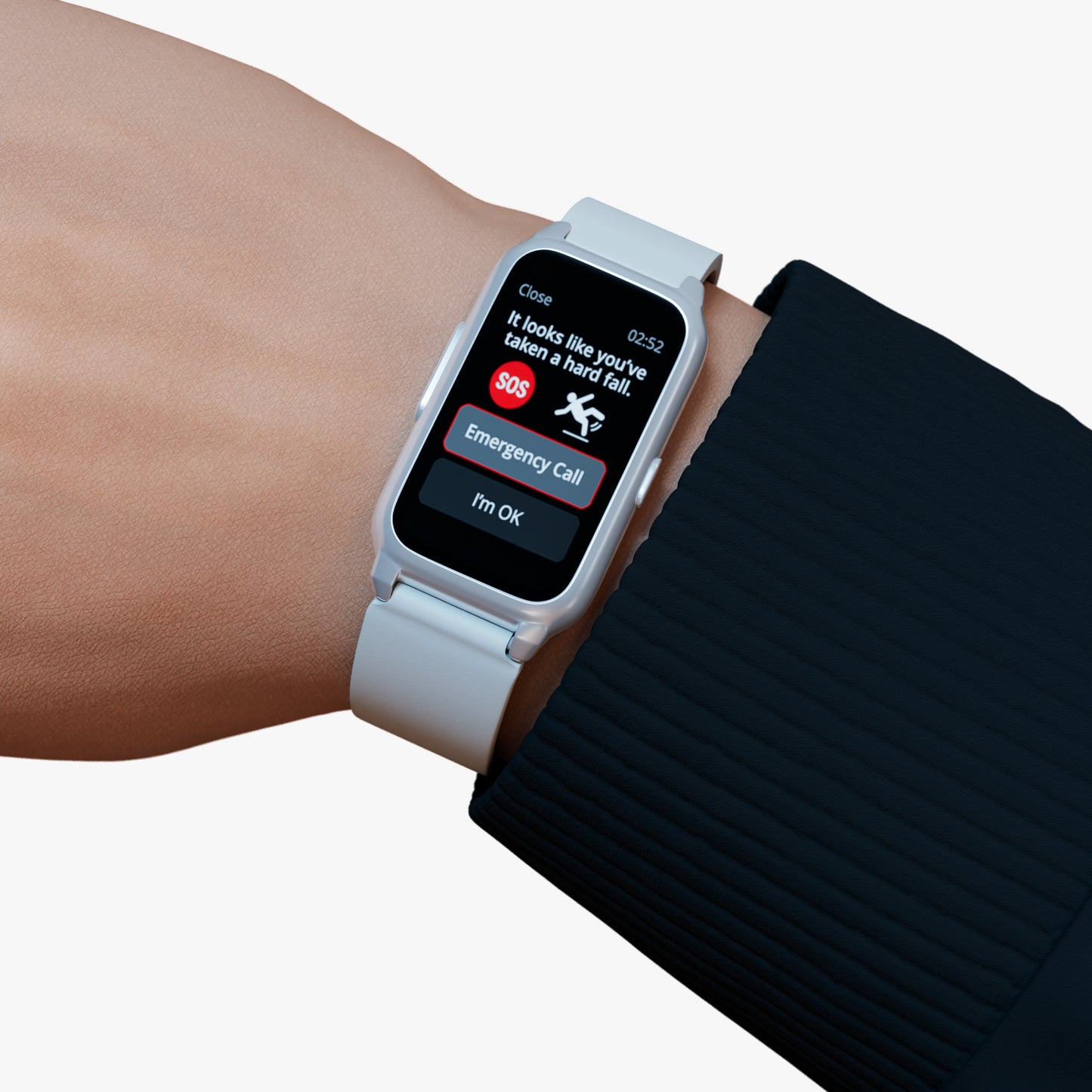
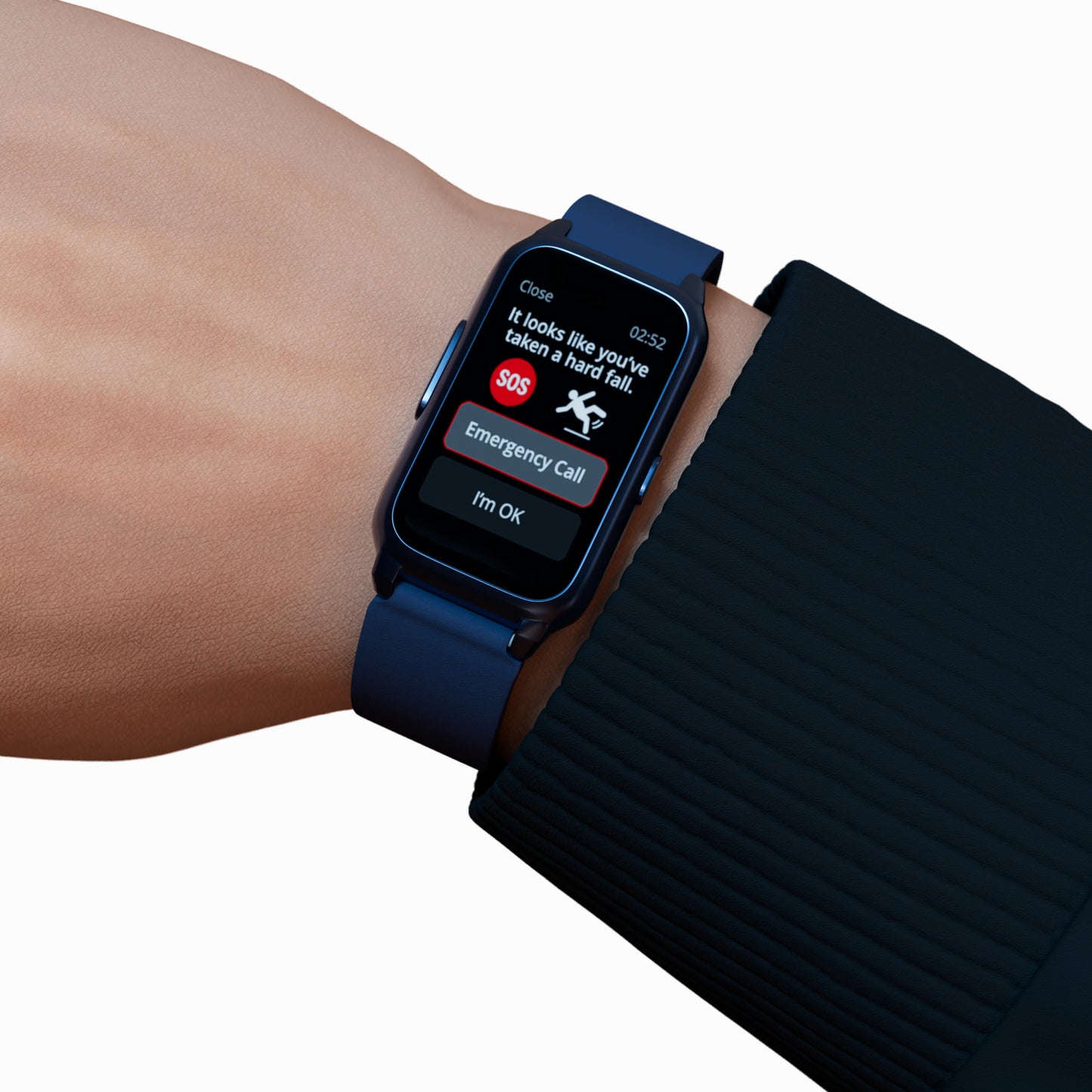
MedAlert's wearable devices include fall detection features. The company's product information explains that the device can detect a fall and send an alert to emergency contacts.
This makes fall detection a useful feature to consider when reviewing an aged care medical alert device.
However, families should look at the full set of features rather than focusing on one function alone. Emergency preparedness works best when communication, location, and alert options are considered together.
Choosing Medical Alert Devices for Everyday Use
The best safety device is one that fits comfortably into everyday life. Seniors may be less likely to use a device if it feels complicated or difficult to wear.
This is why wearable design matters. MedAlert offers medical alert watches and other wearable formats. The company's devices are designed to be worn as part of a person's regular routine.
When comparing medical alert devices Australia, families can consider several practical questions.
Is the device easy for the wearer to use? Does it provide an SOS button? Does it offer GPS tracking? Is two-way communication available? Can it support the person's lifestyle both at home and outside?
These questions can help families focus on practical needs rather than choosing a device based only on appearance or technology.
Keeping the Device Within Reach
Emergency technology only becomes useful when it is available when needed. A wearable format can help keep the safety device close to the person throughout the day.
MedAlert's Personal Medical Alert Watch can be worn as a watch, while the product range also includes other wearable options.
The choice should depend on what the wearer finds comfortable and easy to manage.
For families, it can also be helpful to discuss the device with the older adult before setting it up. When seniors understand how the device works and why it is part of their safety plan, it can become a normal part of their daily routine.
Supporting Independence Without Removing Choice
Emergency preparedness should not mean taking control away from an older adult. For many seniors, staying independent is an important part of maintaining their normal lifestyle.
A wearable safety device can support this approach by giving the person a way to communicate when assistance is needed while allowing them to continue with everyday activities.
MedAlert describes its approach around balancing safety with independence. Its medical alert technology is intended for seniors, caregivers, and families who want support while maintaining everyday independence.
This balance matters because every person's needs are different. Some seniors may need more support at home, while others may regularly go outside or spend time alone.
Emergency planning should therefore be based on the individual's routine rather than a one-size-fits-all approach.
How Families Can Build a Simple Emergency Plan
Technology is only one part of emergency preparedness. Families can also make the overall plan easier by agreeing on basic steps before an emergency happens.
Start by identifying the people who should be contacted. Then make sure their contact information is correctly set up on the chosen device.
Next, discuss how the device should be used. The wearer should know where the SOS button is and understand what happens when it is activated.
It is also useful to keep the device charged and ready for use. A simple routine can help prevent the safety device from being forgotten or left unavailable.
Finally, families should review the plan when circumstances change. A person's daily routine, living arrangements, or support needs may change over time.
A Practical Approach to Emergency Awareness
Emergency preparedness does not need to be complicated. The most useful approach is often the one that is easy to understand and fits naturally into everyday life.
A medical alert system Australia families consider can form part of that plan by combining wearable access with features such as SOS alerts, GPS tracking, fall detection, and two-way communication.
The focus should remain on the person using the device. Their routine, comfort, independence, and ability to use the technology should all be considered.
For families, the conversation can be just as important as the device itself. Discussing what to do during an emergency can help everyone understand their role before assistance is needed.
When a Wearable Emergency Device May Be Worth Considering
A wearable safety device may be worth discussing when an older adult wants to remain independent but family members also want a clear way to stay connected during an emergency.
It may also be relevant for seniors who spend time outside the home and could benefit from GPS positioning and two-way communication.
MedAlert offers wearable options designed around these needs, including its personal medical alarm watch with GPS.
Families can review the available features and consider whether they match the person's lifestyle. The decision should be based on practical needs rather than simply choosing the device with the most features.
If you want to understand how the available options work, you can review the medical alert system Australia information provided by MedAlert before deciding which approach fits the wearer.
Frequently Asked Questions
1. What is emergency preparedness for older adults?
Emergency preparedness means having a simple plan for situations where an older adult may need assistance. It can include emergency contacts, communication methods, and a wearable safety device when appropriate.
2. What features should families consider in a medical alert device?
Families can consider features such as an SOS button, GPS tracking, fall detection, and two-way communication. The device should also be practical and easy for the wearer to use.
3. Can a medical alert device be used outside the home?
MedAlert's GPS-enabled wearable devices are designed for use beyond a fixed location. Their features include GPS positioning and communication capabilities for situations when the wearer is away from home.
4. How can families help an older adult use a safety device?
Families can explain how the device works, set up the appropriate contacts, and make sure the wearer knows how to use the SOS function. Keeping the device charged is also part of a simple routine.
5. Where can I learn more about MedAlert devices?
You can explore MedAlert's range of wearable safety products and learn more about their features. If you have questions about a specific device or setup, you can also Contact us for further information.