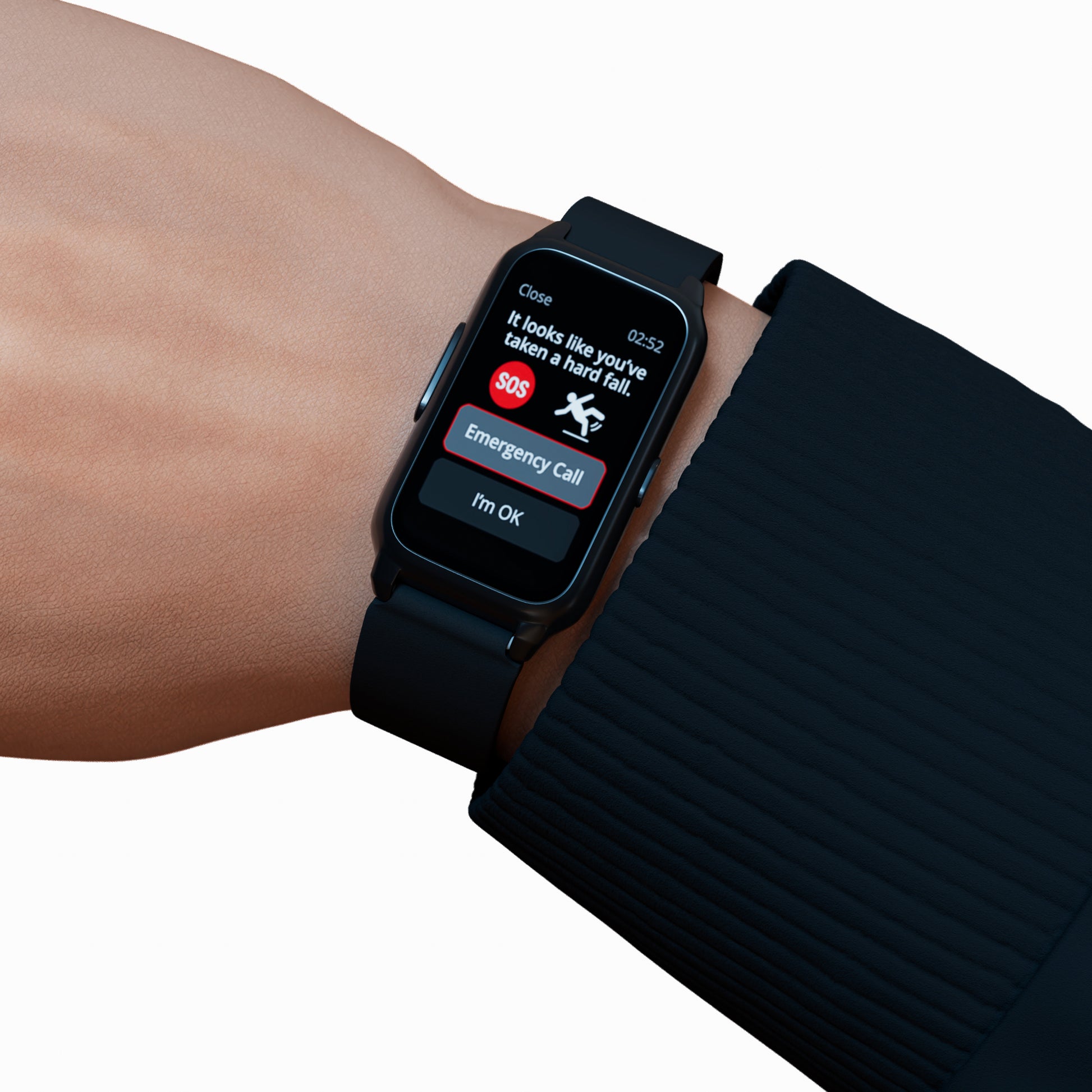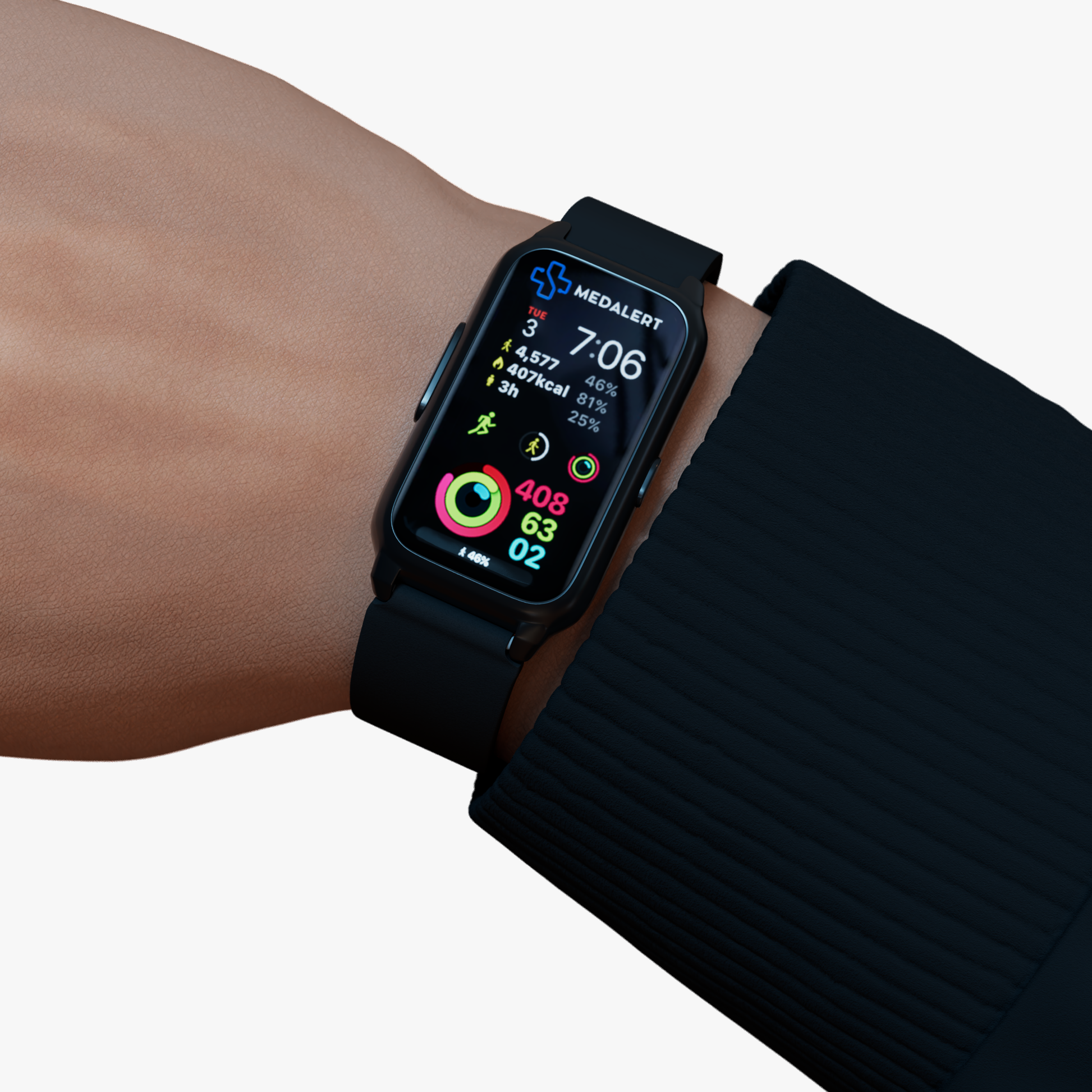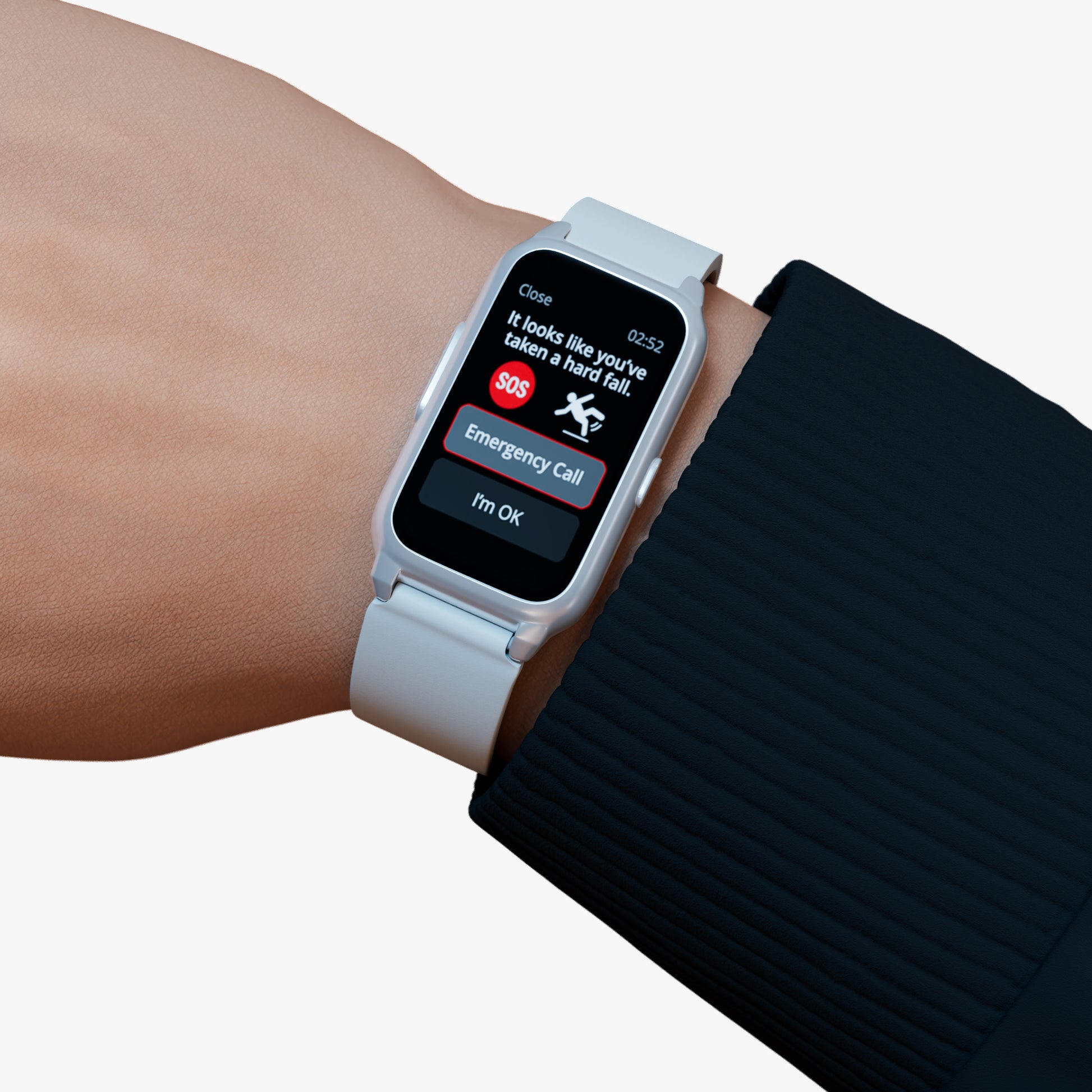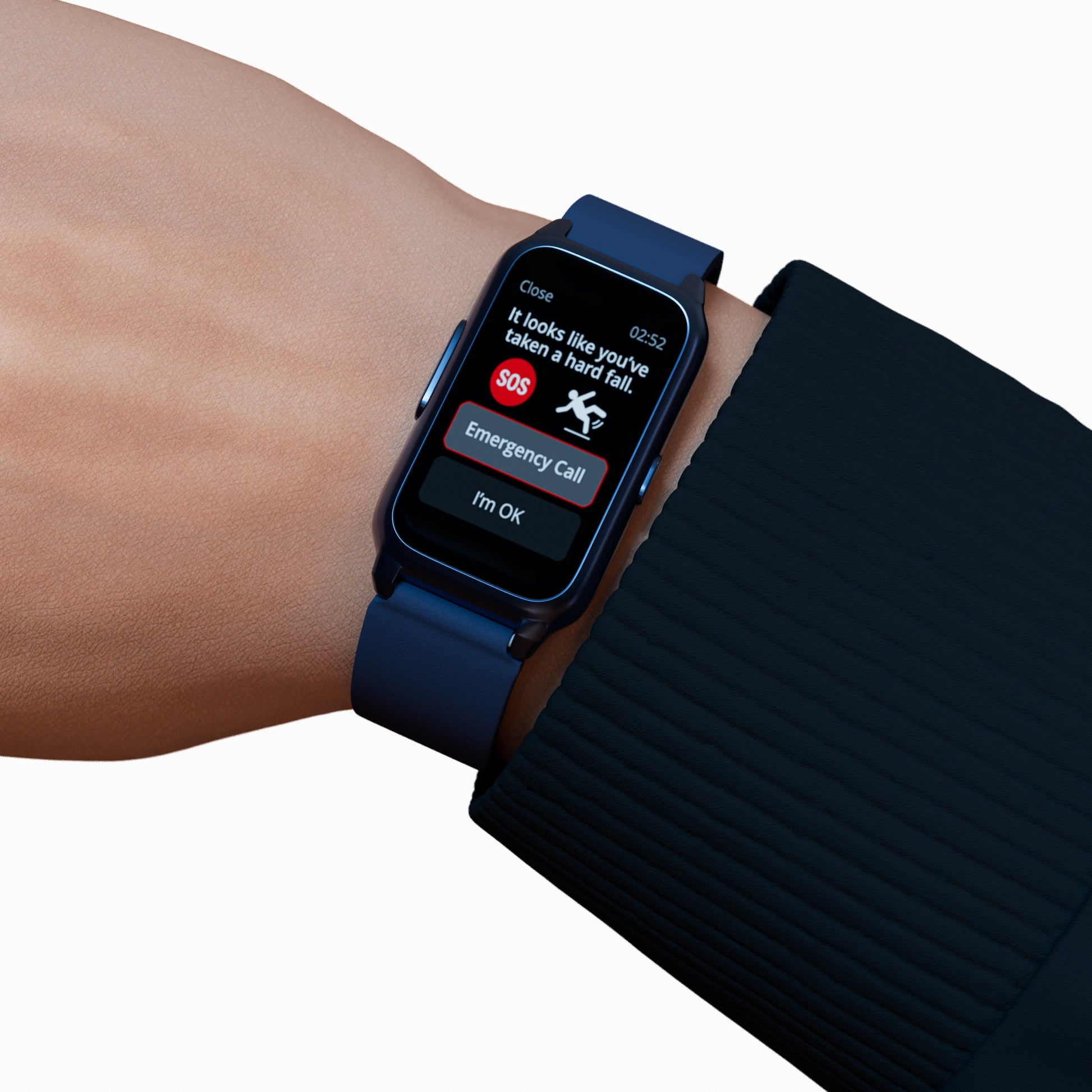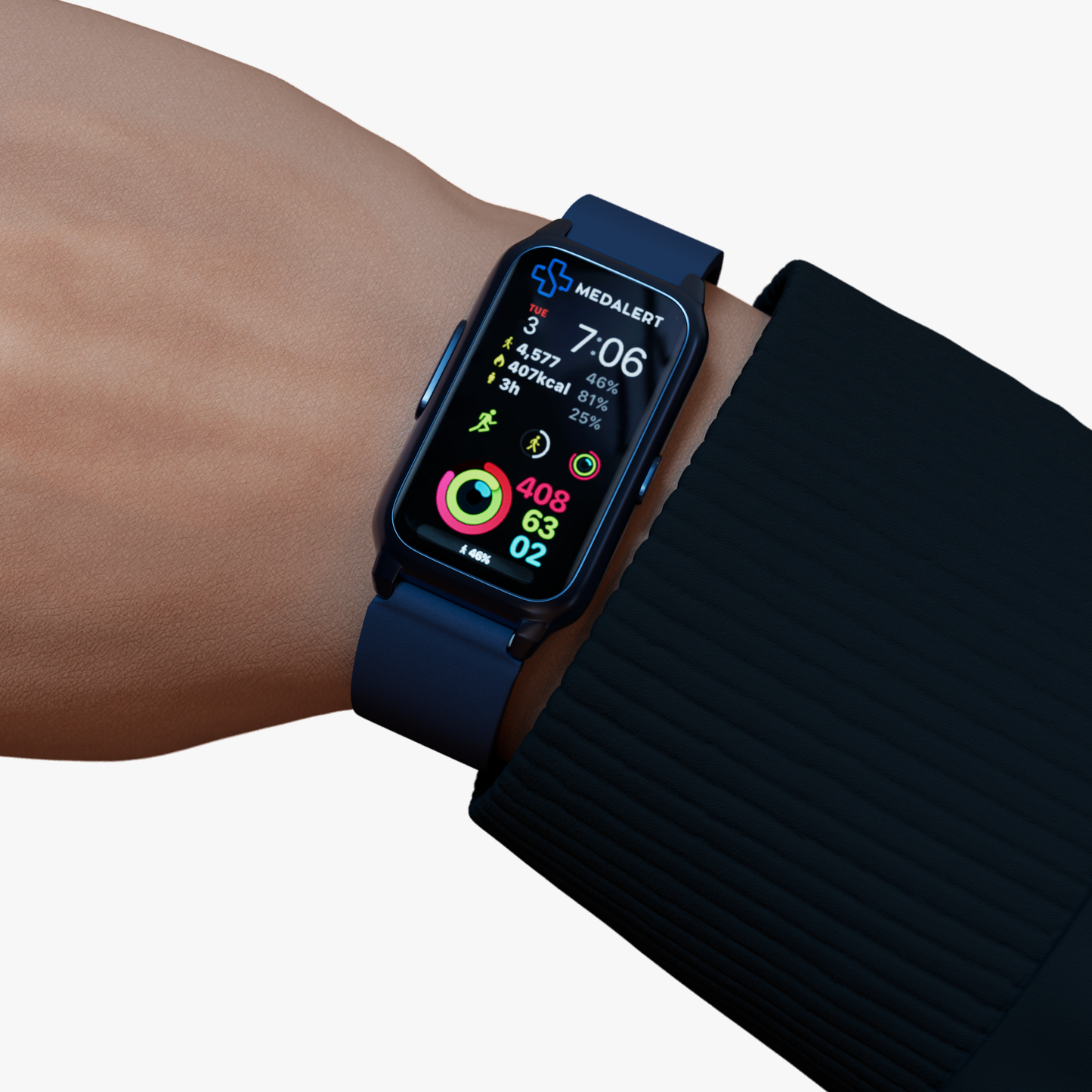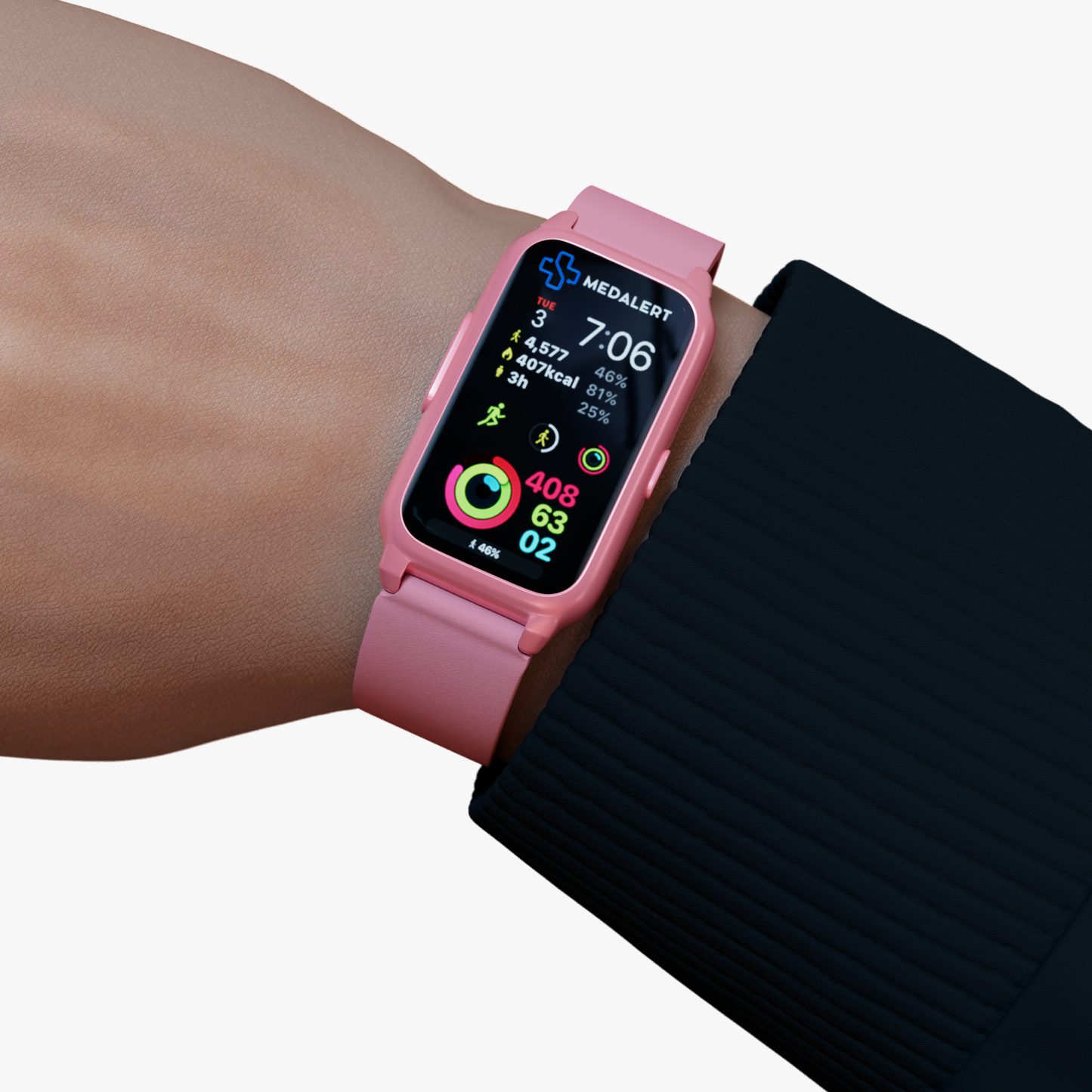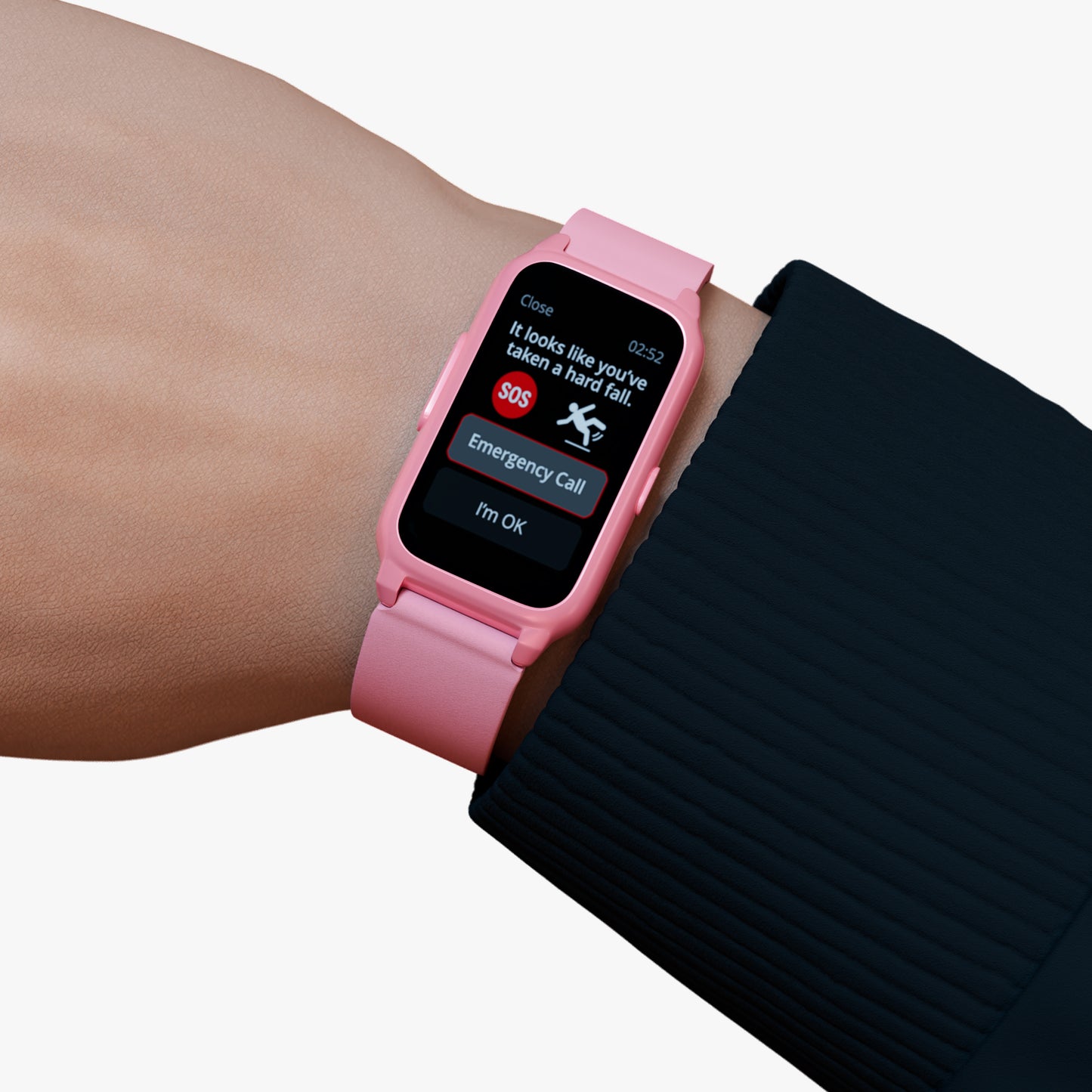

A medical alert with GPS tracking can help caregivers stay connected with an older family member when they are not nearby. Location information can be especially useful when a senior spends time outside the home.
For caregivers, GPS is most useful when it works alongside other safety features. MedAlert combines GPS tracking with SOS alerts, fall detection and two-way communication in a wearable device.
Why GPS Tracking Can Be Useful for Caregivers
Caregiving does not always mean being physically present. A senior may go for a walk, visit a familiar place or spend part of the day away from home. During these everyday activities, caregivers may want a simple way to stay connected.
GPS tracking can provide location information through a connected medical alert system. MedAlert devices use GPS positioning and 4G connectivity as part of their safety features. This allows location information to work alongside emergency alerts and communication.
For a caregiver, this can make a difference when an alert is received. Knowing that an alert has been raised is useful, but having location information available can provide additional context about where the wearer is.
A location feature can also support everyday awareness. MedAlert provides live and historical GPS tracking, allowing location information to be viewed through its system.
Location Awareness When a Senior Is Away From Home
Location tracking can be particularly relevant when a senior is outside the home. A caregiver may know that the person has gone out, but may not know their exact location if something unexpected happens.
A wearable device with GPS can provide that information as part of the alert system. This means caregivers do not have to rely only on the senior remembering to explain where they are.
The aim is not to replace normal communication between family members. Instead, GPS can provide another source of information when it is needed.
How GPS Works With Medical Alert Features
GPS tracking becomes more useful when it is connected to other medical alert functions. A location feature by itself only provides information about where the device is. A medical alert system can connect that information with ways to request help.
MedAlert combines GPS positioning with an SOS button, fall detection and two-way communication. These features are designed to work together as part of the same wearable safety system.
When the SOS button is pressed or a fall is detected, the alert can be sent through the 4G network with the wearer's GPS location. This gives selected contacts both an alert and location information.
SOS Alerts and Location Information
The SOS button provides a direct way for the wearer to request assistance. MedAlert states that the SOS function can initiate a two-way call with up to three pre-selected emergency contacts.
This can be useful for caregivers because the alert process is not limited to receiving a notification. Two-way communication can allow the caregiver and wearer to speak directly.
Location information adds another part to this process. When an alert is triggered, caregivers can have information about the wearer's location alongside the emergency alert.
Fall Detection and GPS
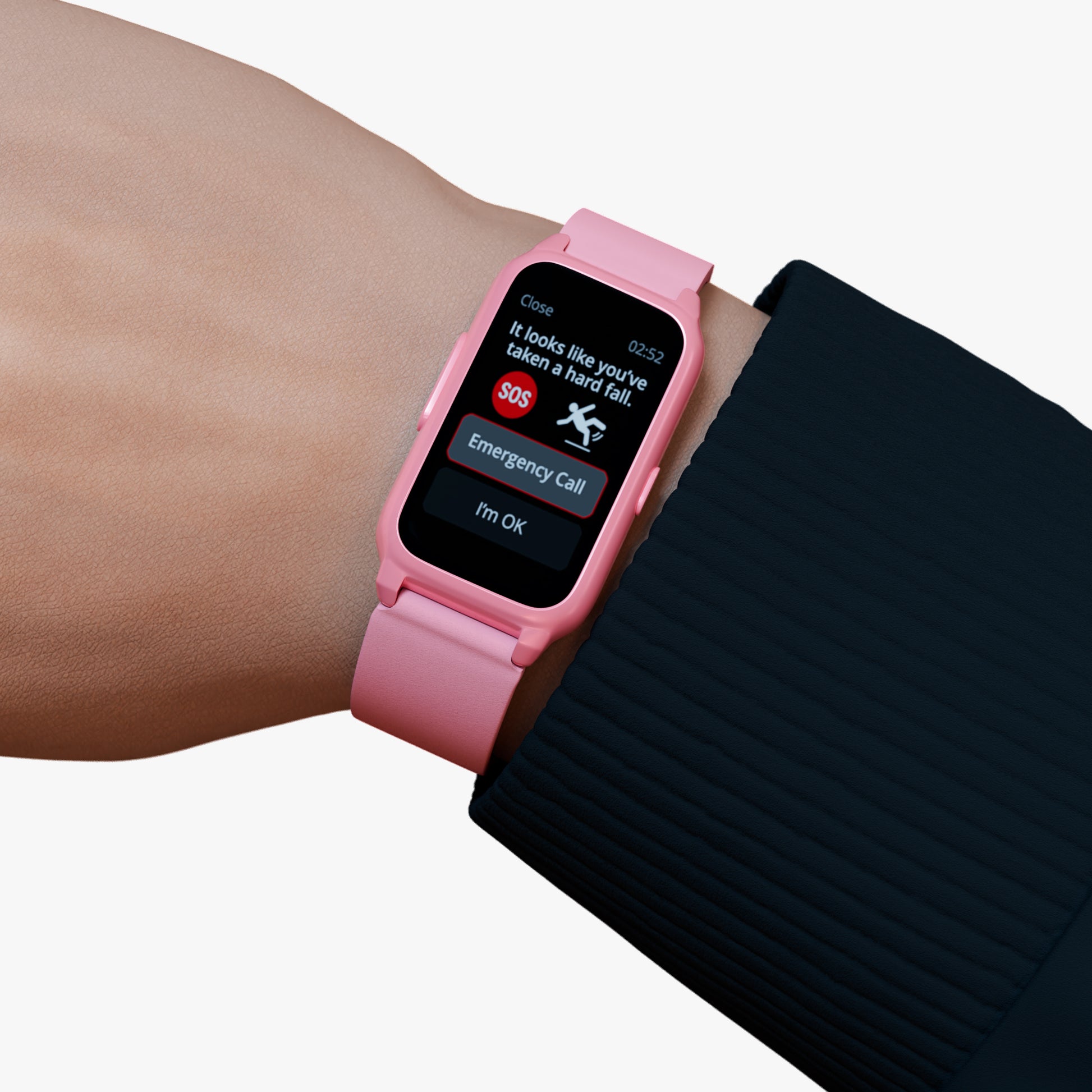
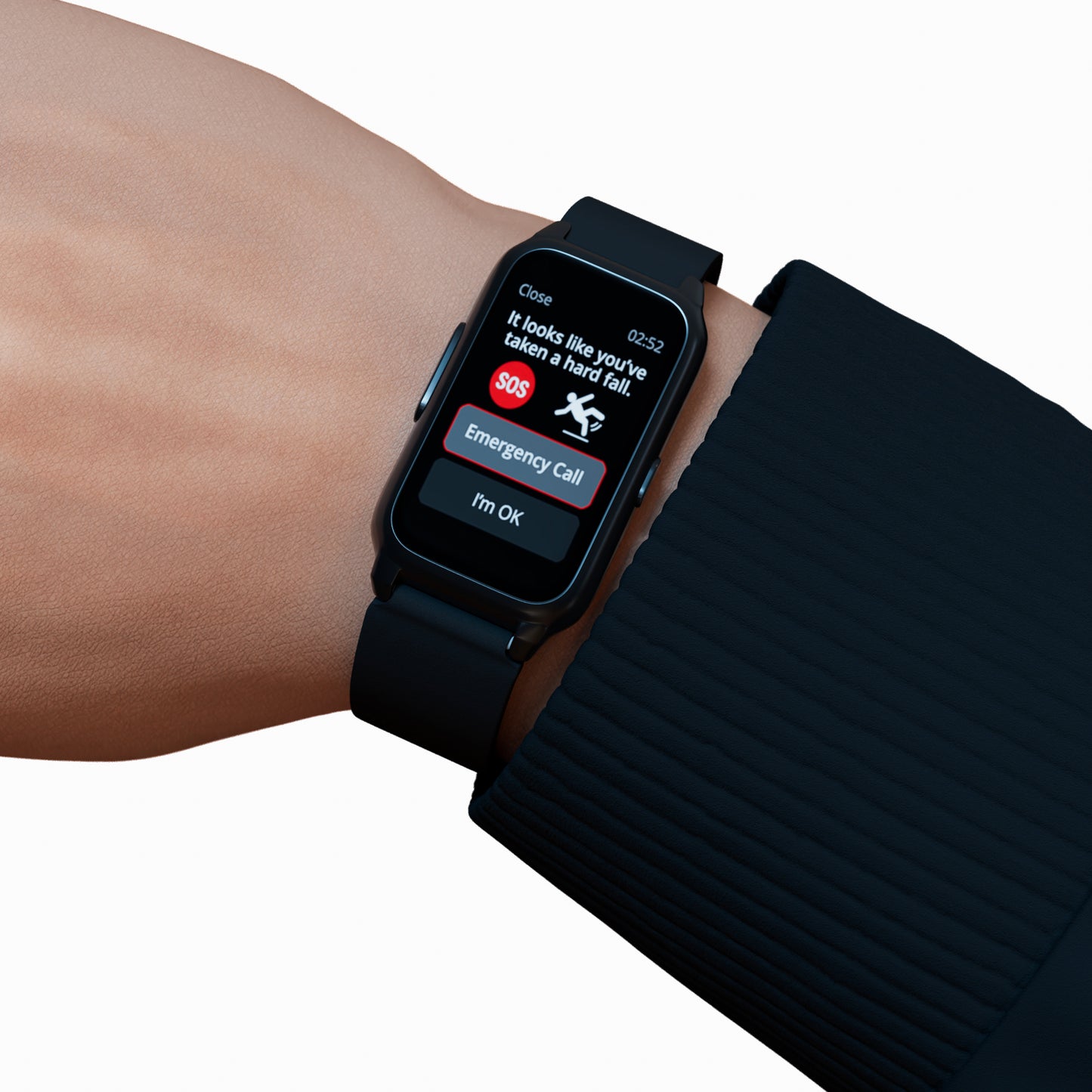
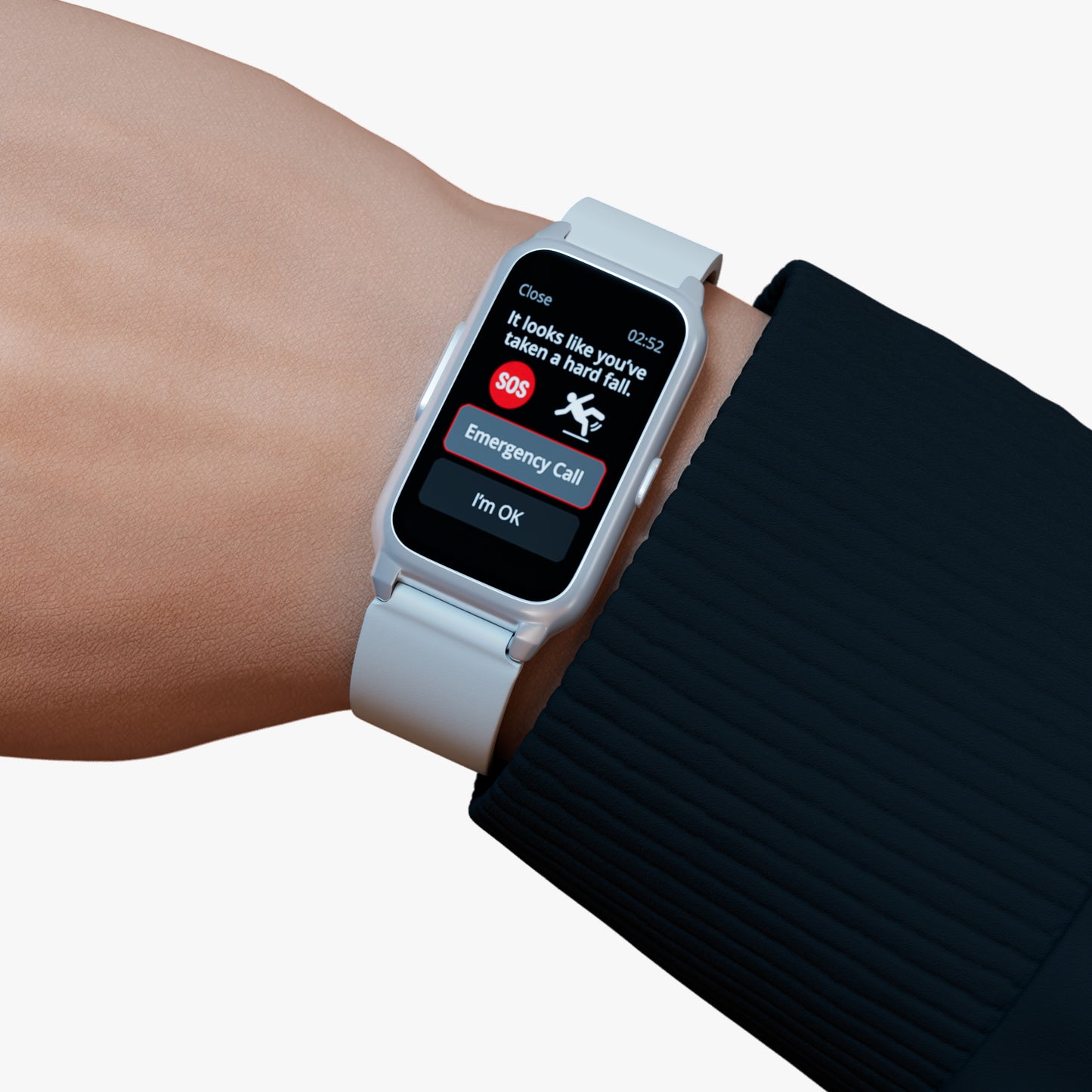
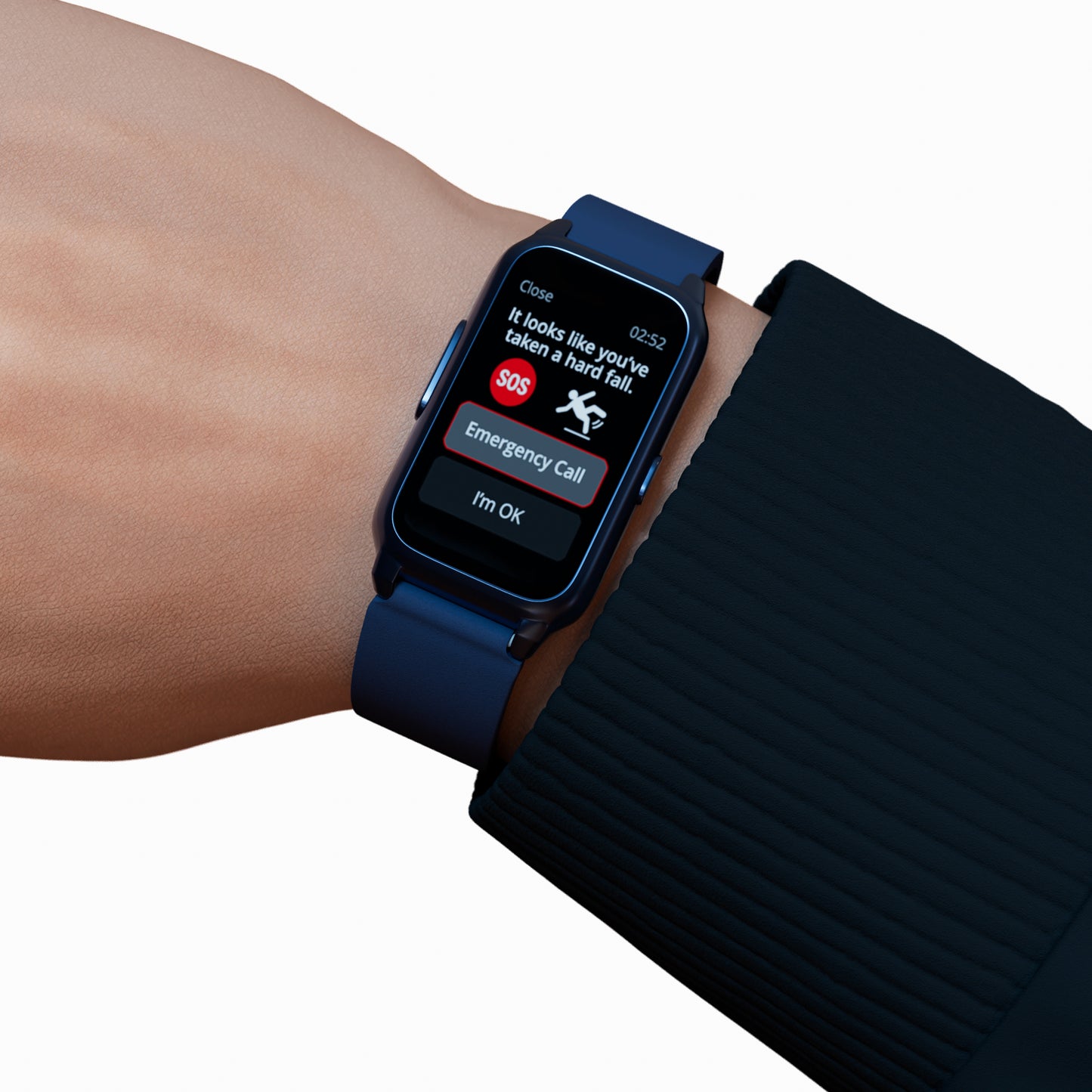
There can also be situations where a senior may not be able to press the SOS button. MedAlert includes fall detection as another way an alert can be triggered.
When a fall is detected, the system can send an alert with the wearer's GPS location. This connects the fall detection feature with the same location and communication system.
For caregivers, this can make a GPS medical alert watch different from a basic location tracker. The device combines location awareness with other medical alert functions.
What Caregivers Can Look For in a GPS Medical Alert Watch
When choosing a wearable device for a senior, caregivers should consider how the features fit into the person's normal routine.
A GPS medical alert watch can be useful when location awareness needs to work alongside emergency communication. Instead of looking at GPS as a separate tracking function, caregivers can consider how it works with SOS alerts, fall detection and two-way communication.
MedAlert's wearable devices bring these features together. The system also includes live and historical GPS tracking and geofencing.
Live and Historical GPS Tracking
Live GPS tracking provides current location information through the MedAlert system. This can be useful when a caregiver needs to check where the wearer is.
Historical GPS tracking provides access to previous location information. Together, these features give caregivers different ways to use location information.
The exact use of these features will depend on the senior's routine and the caregiver's needs. However, having both current and previous location information can make GPS tracking more practical than relying on a single location update.
Geofencing for Defined Areas
Geofencing provides another way to use GPS information. A caregiver can create a predefined area, and the system can provide an alert when the wearer exits the selected boundary.
This can be useful when a senior has familiar areas that they normally stay within. Rather than checking the location continuously, caregivers can receive a notification when the selected boundary is crossed.
Geofencing therefore adds another level of location awareness to the medical alert system. It works alongside GPS tracking instead of replacing it.
How Location Tracking Can Support Everyday Independence
Safety technology should fit into everyday life. For many seniors, remaining active and independent is important, while family members may still want reassurance that they can respond if help is needed.
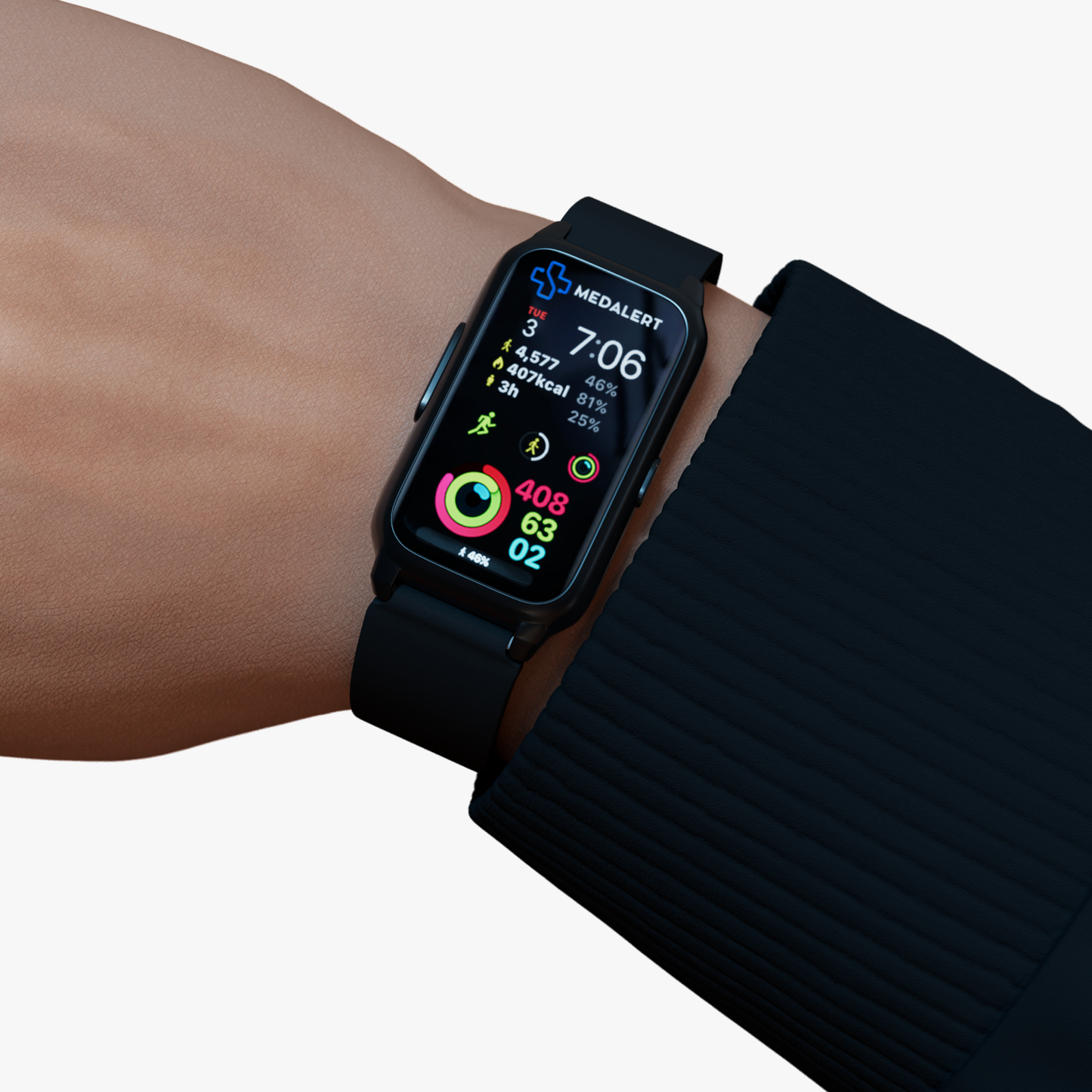
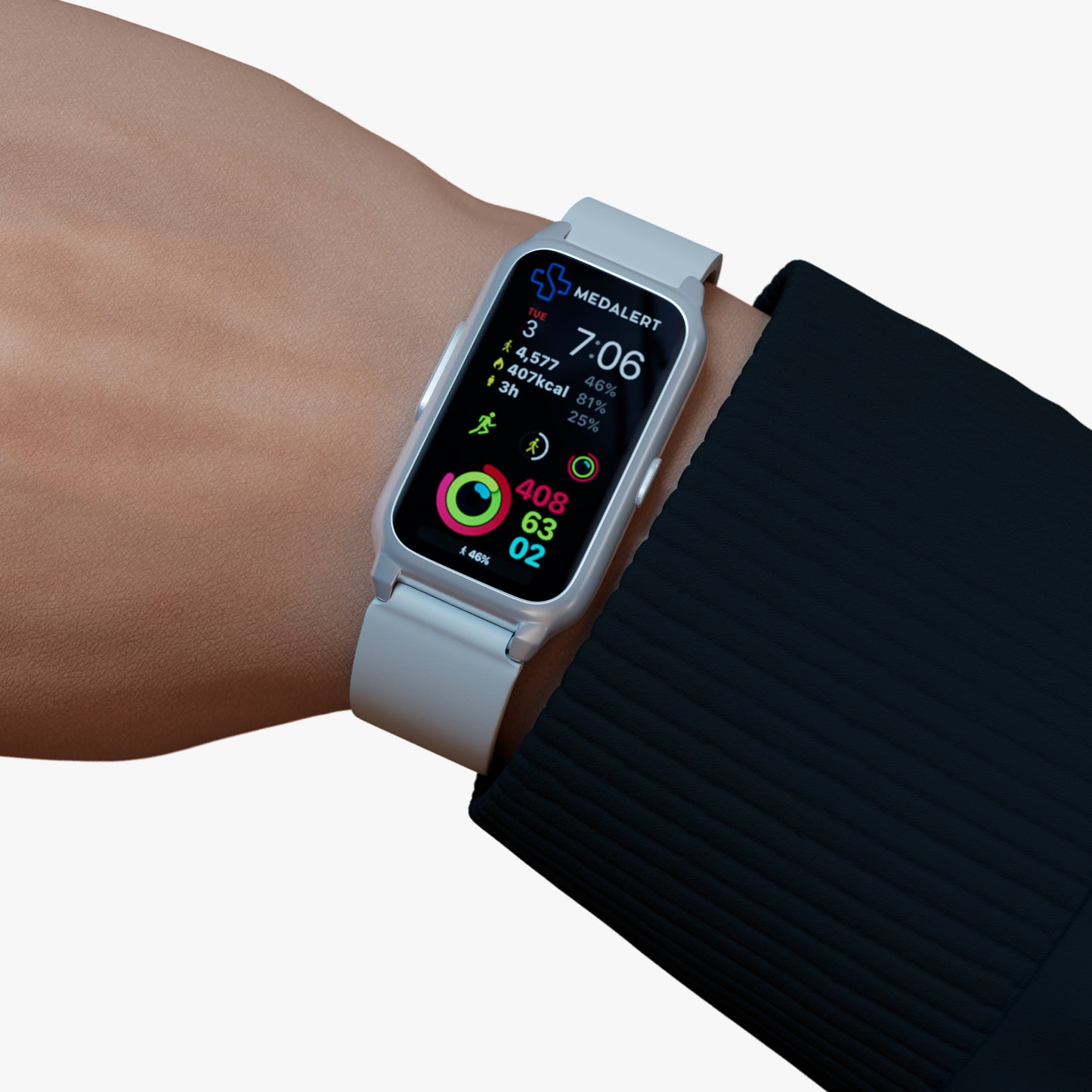
A wearable GPS device can help bring these two needs together. The senior can wear the device during normal activities, while caregivers have access to location and emergency features through the connected system.
This is where a medical alert watch australia can be relevant for families looking for a wearable medical alert option. MedAlert provides medical alert watches designed to combine location tracking with other safety features.
The wearable format also keeps the emergency functions close to the wearer. The SOS button can be accessed directly from the device, while GPS tracking can provide location information when required.
Using Location Features as Part of a Care Plan
GPS tracking should be considered as part of the wider way a family manages safety. Caregivers can first think about when location information would be most useful.
For example, if a senior regularly spends time outside the home, GPS tracking may be an important feature to consider. If a caregiver wants to know when a senior moves outside a defined area, geofencing may also be relevant.
Families may also want to consider whether other medical alert features are useful. Fall detection can provide another way to trigger an alert, while the SOS button gives the wearer a direct way to request assistance.
For an alarm for elderly living alone, having several functions in one wearable device can make the system easier to consider as part of a daily safety routine.
The focus should be on the senior's actual routine rather than selecting features simply because they are available. A caregiver can then decide which functions are most relevant to the person's everyday needs.
Why Combining GPS and Communication Matters
Location information can tell a caregiver where a device is, but communication can provide more information about what is happening.
MedAlert combines GPS tracking with two-way communication. When an alert is triggered, selected contacts can communicate with the wearer through the device.
This can help connect the different parts of the alert process. GPS provides location information, while two-way communication gives the caregiver and wearer a way to speak directly.
The combination can also make the device more practical for everyday use. The same wearable can provide access to GPS tracking, SOS support, fall detection and communication rather than requiring separate devices for each function.
Choosing the Right Features for a Senior
Every senior has a different routine, so the most useful features may vary. Caregivers can start by considering whether the person spends time alone, regularly goes outside or may benefit from having an emergency communication option available.
GPS tracking may be a priority when location awareness is important. Fall detection may be relevant when automatic alert support is needed. The SOS button can provide a direct option for requesting help.
MedAlert brings these functions together in its wearable medical alert system. This gives caregivers an opportunity to consider the complete safety setup rather than looking at GPS as a standalone feature.
It is also worth considering how the device will be used every day. A safety device is more practical when it fits naturally into the senior's routine and remains available when needed.
Staying Connected With MedAlert
Location tracking can be a useful part of a wider safety system for seniors and caregivers. When GPS works alongside SOS alerts, fall detection and two-way communication, caregivers can have several functions available through one wearable device.
MedAlert brings these features together with live and historical GPS tracking and geofencing. This allows families to consider location awareness as part of a broader medical alert solution.
If you would like to learn more about MedAlert's GPS and medical alert features, Contact us to discuss the available options.
Frequently Asked Questions
1. What is a medical alert with GPS tracking?
A medical alert with GPS tracking combines GPS location features with medical alert functions. MedAlert devices include GPS positioning alongside features such as SOS alerts, fall detection and two-way communication.
2. How does a GPS medical alert watch help caregivers?
A GPS medical alert watch can provide location information through the connected medical alert system. MedAlert also offers live and historical GPS tracking, as well as geofencing features.
3. What is a GPS alarm for elderly users?
A GPS alarm for elderly users combines GPS location tracking with medical alert features. MedAlert's system includes GPS positioning, SOS support, fall detection and two-way communication.
4. Can MedAlert provide location information during an alert?
Yes. MedAlert states that when an SOS alert is triggered or a fall is detected, the alert can be sent with the wearer's GPS location through the 4G network.
5. Can caregivers use geofencing with MedAlert?
Yes. MedAlert provides geofencing features that can notify selected users when the wearer exits a predefined area.