
Emergencies can be difficult to manage when there is no clear plan in place. For older adults, having the right contact details and response instructions can make it easier to know what to do when assistance is needed.
A medical alert monitoring service can form part of this preparation by providing an organised response option alongside an emergency contact plan. When these elements are planned together, seniors and their families can have a clearer approach to unexpected situations.
Why Older Adults Can Benefit From an Emergency Contact Plan
An emergency contact plan is more than a list of phone numbers. It provides a simple structure for deciding who should be contacted and what should happen when an older adult needs help.
This can be particularly useful for seniors who live independently or spend periods of time alone. Family members and carers may not always be nearby, so knowing who should respond can prevent confusion when something unexpected happens.
The plan can also reflect the individual preferences of the older adult. Instead of leaving family members to decide what to do during a stressful situation, the main contacts and response instructions can be agreed in advance.
What Makes a Contact Plan Useful?
A practical plan should be easy to understand and simple to maintain. It should focus on information that may actually be needed during an emergency rather than becoming a long document filled with unnecessary details.
Important information can include:
-
Primary emergency contact details
-
Backup contact details
-
Relevant personal information
-
Preferred response instructions
-
Information about the person's emergency alert device
-
Details about any emergency response service being used
The plan should also be reviewed whenever important information changes.
Start With the Right Emergency Contacts
The first part of emergency planning is deciding who should be contacted when assistance is required. This could be a family member, trusted friend, carer or another person chosen by the older adult.
The most suitable contact is not necessarily the person who lives closest. Availability also matters. Someone who can regularly respond to calls or alerts may be a more practical first contact than someone who is often unavailable.
It can also help to have a secondary contact. If the first person cannot respond, another trusted person can then be available to provide assistance or continue the response process.
Make Sure Contacts Understand Their Role
Once the contacts have been selected, they should know that they are included in the plan. They should also understand what may happen if they receive an emergency call or alert.
This is particularly important when an emergency alert device is involved. The contact should know which device the older adult uses and understand that an alert may require a response.
Keeping everyone informed can make the plan easier to follow if an actual emergency occurs.
Include Information That Can Support the Response
An emergency contact plan should contain information that is relevant to the person's response needs. However, it is important to keep the information organised and current.
For users of MedAlert's optional 24/7 Emergency Response Call Centre service, a personalised emergency protocol can be created. The protocol can include information such as emergency contact details, medical history, preferred hospitals and instructions for different situations.
This means the response process can be based on information provided in advance rather than starting from scratch when an alert is received.
Keep Important Information Updated
Information can become outdated over time. A family member may change their phone number, a preferred contact may no longer be available, or the person's preferences may change.
For this reason, emergency planning should include regular reviews. Whenever an important detail changes, the relevant information should be updated.
A simple review can help ensure that the plan continues to reflect the older adult's current situation.
How a Medical Alert Monitoring Service Can Support the Plan
A medical alert monitoring service can provide an additional layer to an emergency contact plan. Rather than relying entirely on the wearer to decide who to call, a supported MedAlert device can be used to initiate an emergency alert.
MedAlert's optional 24/7 Emergency Response Call Centre service provides a response pathway for compatible MedAlert devices. When an emergency alert is received, trained response professionals can assess the situation and follow the user's personalised emergency protocol.
This approach can be useful when an older adult wants an established response process rather than relying only on family members being available at the right moment.
Responding to an SOS Alert
An SOS function allows the wearer to request assistance directly from a supported MedAlert device. When the alert is activated, the response depends on the device and service setup.
Where the optional emergency response service is being used, the alert can be handled through the 24/7 Emergency Response Call Centre. The response professional can communicate with the wearer and follow the instructions included in the personalised emergency protocol.
This makes it important to decide in advance what information and contacts should form part of the response plan.
When a Fall Is Detected
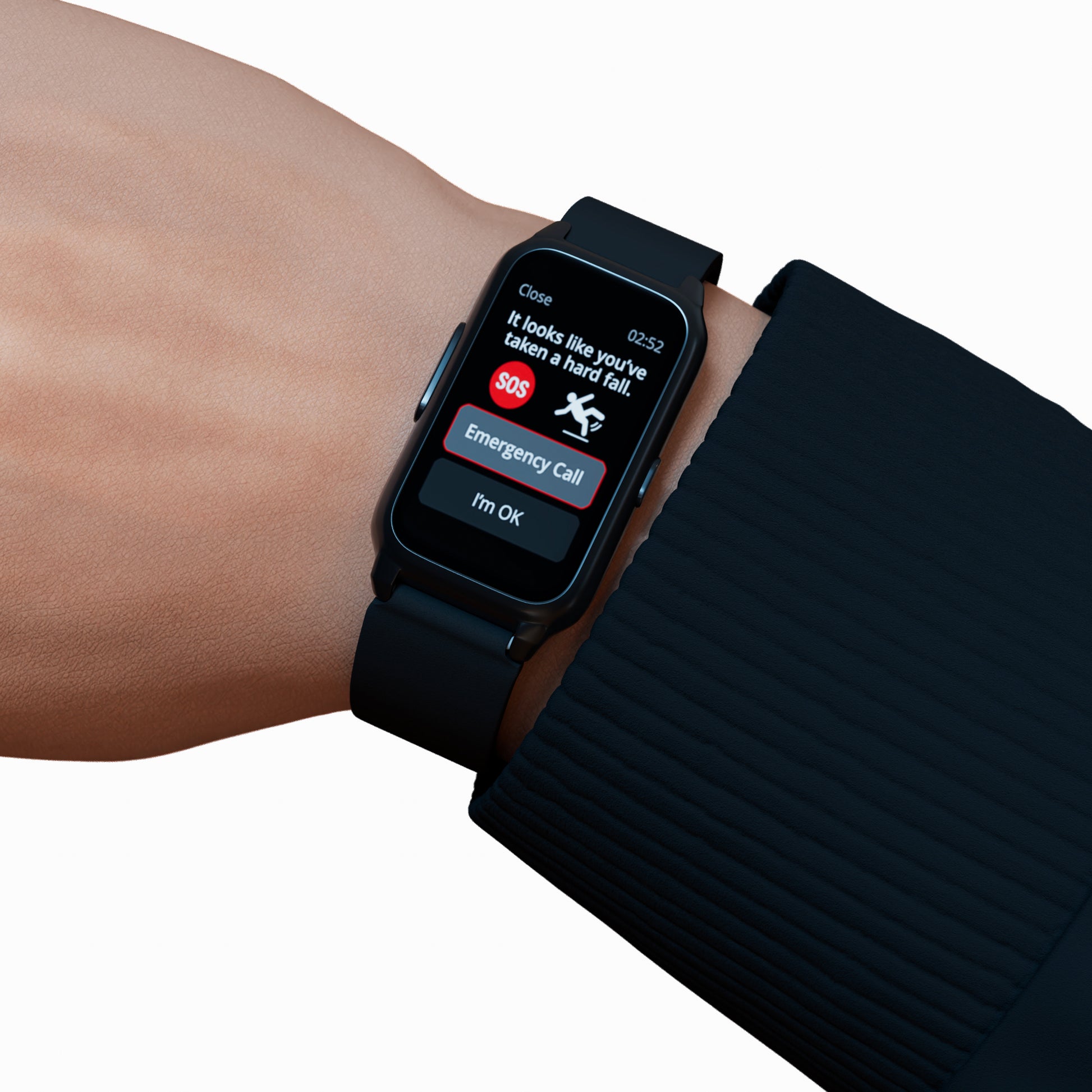
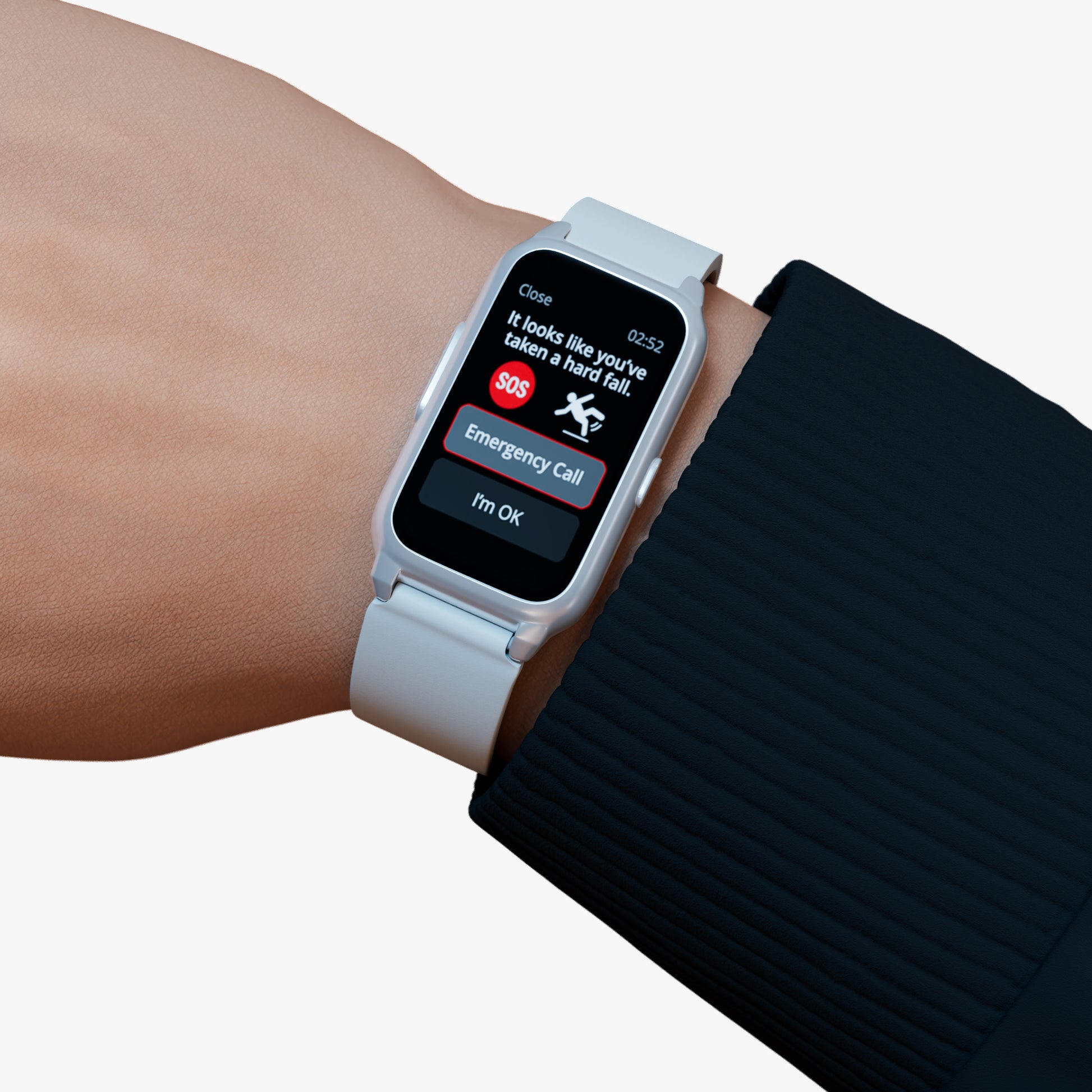
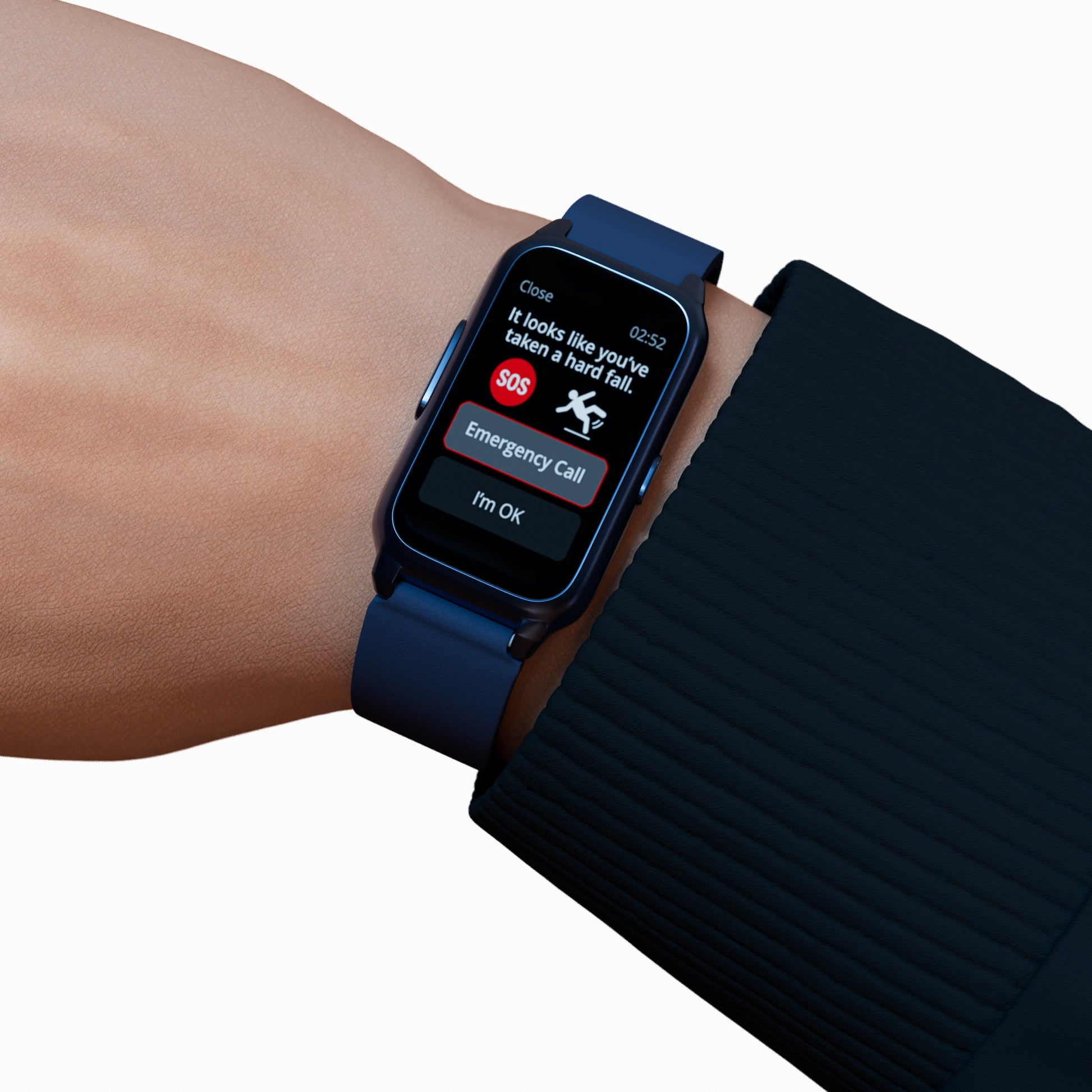
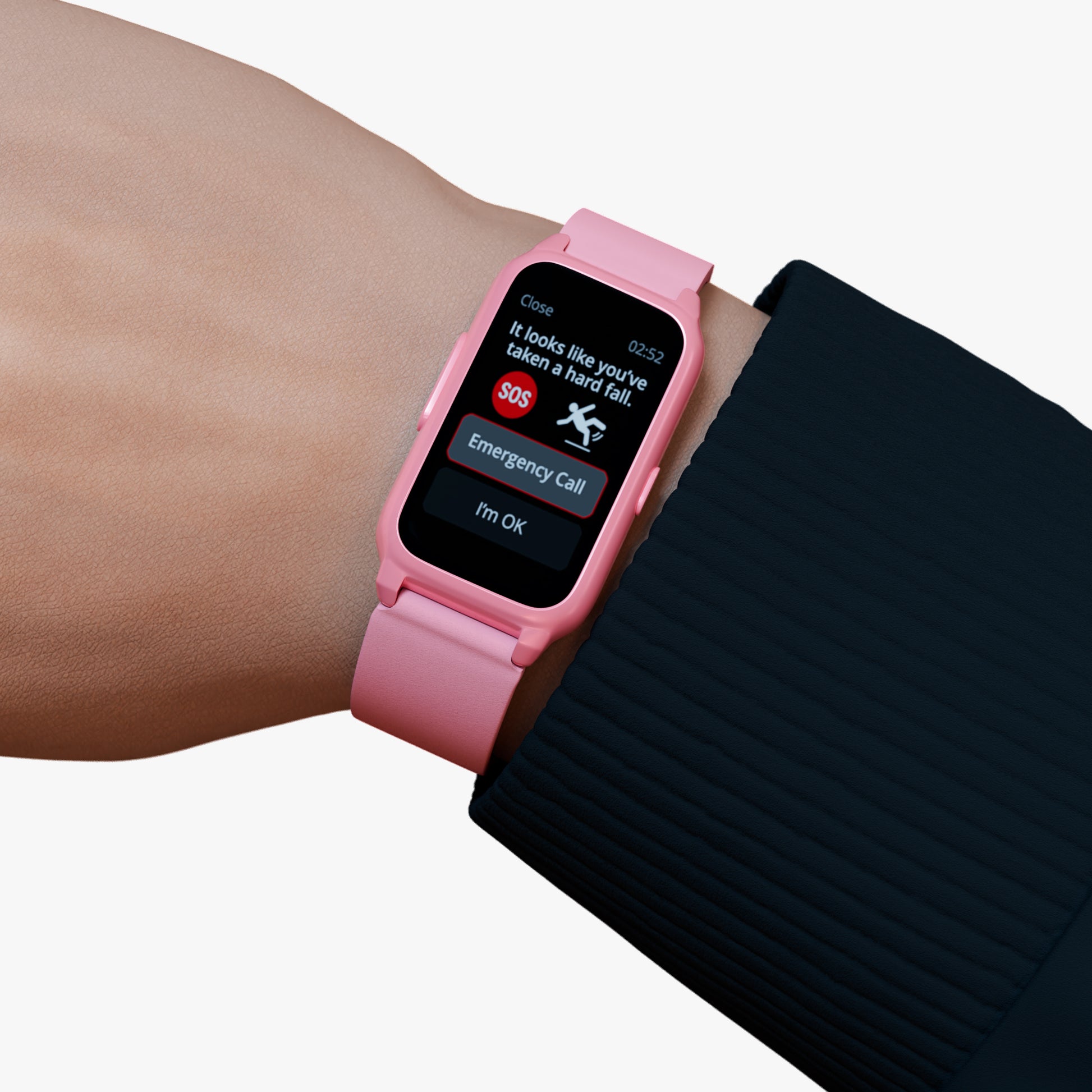
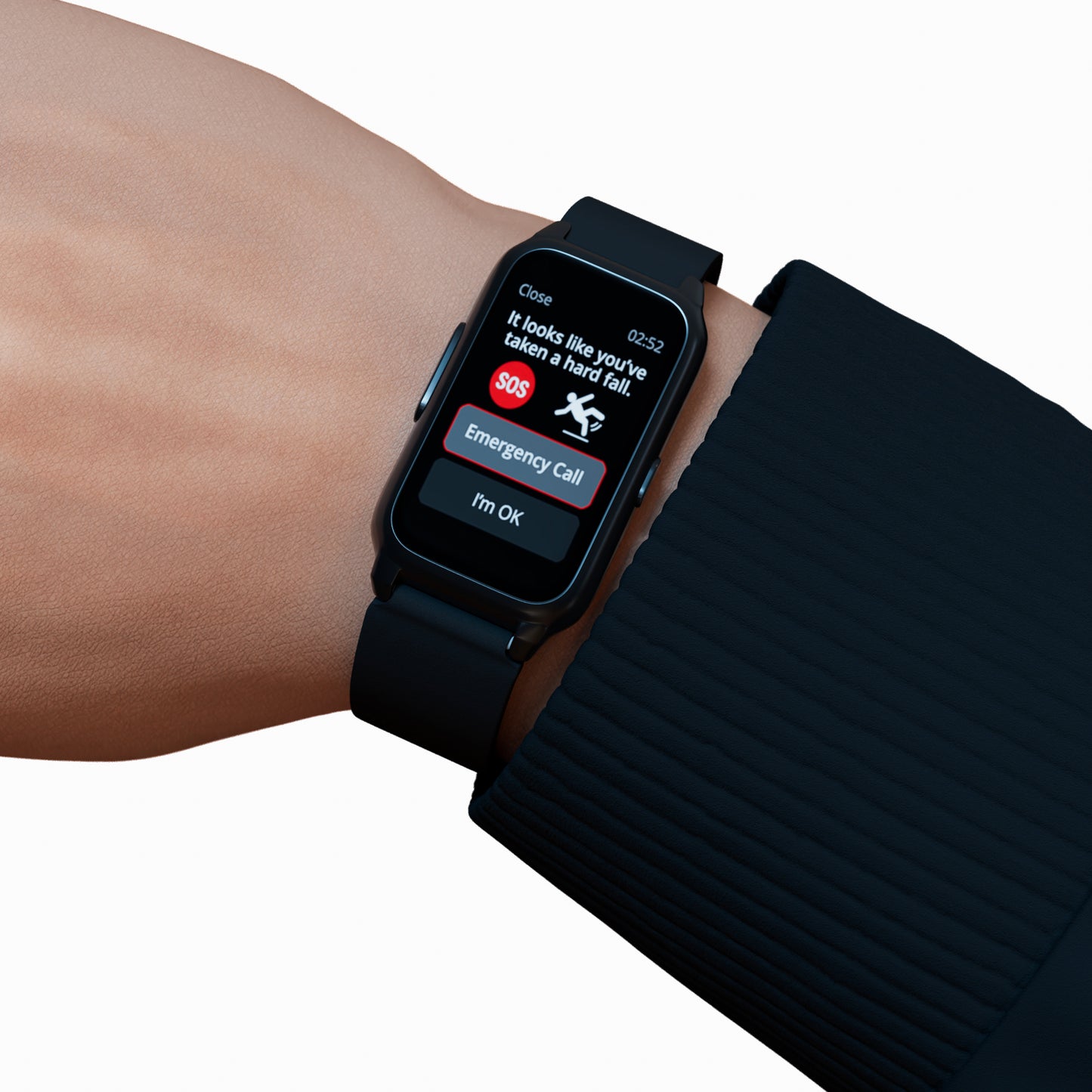
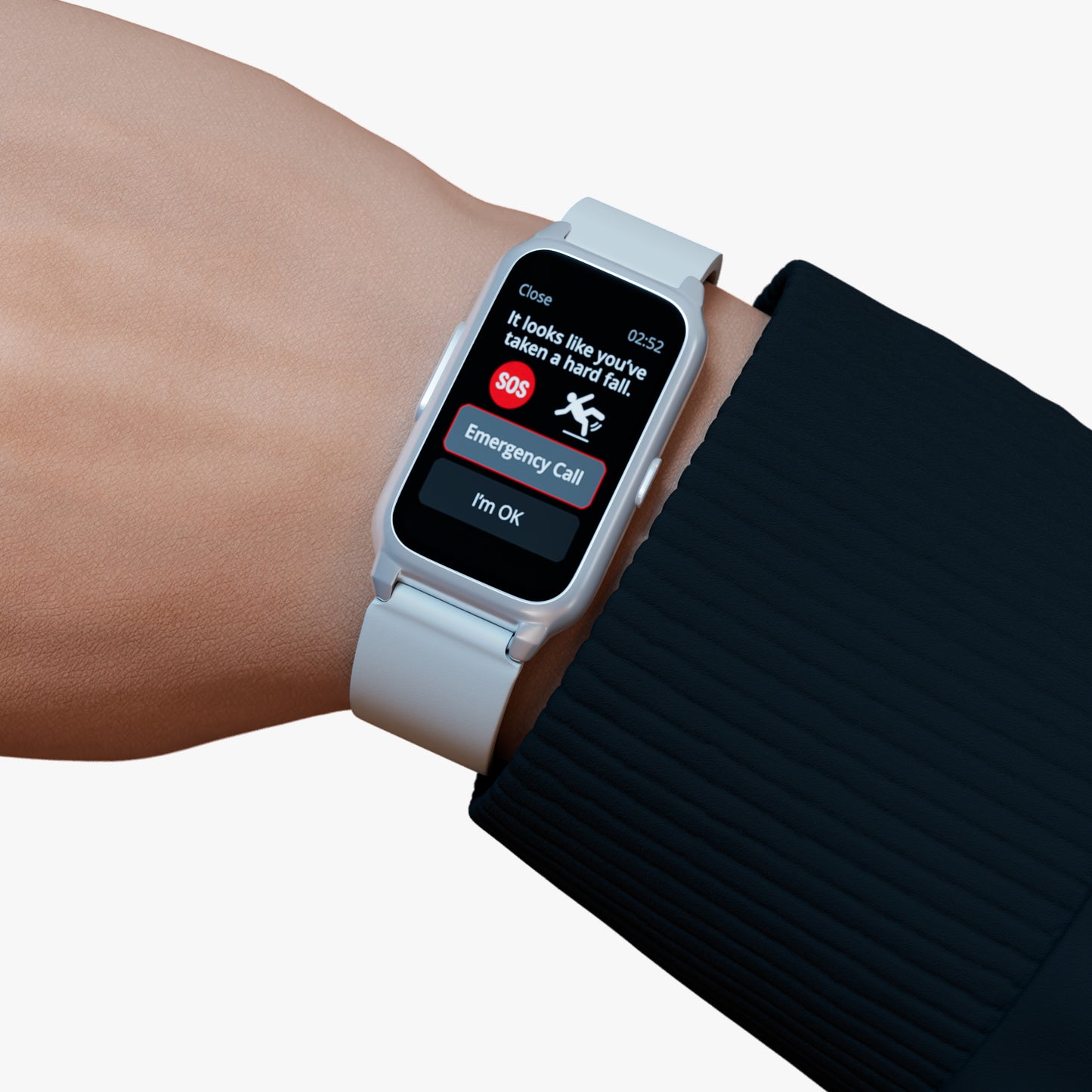
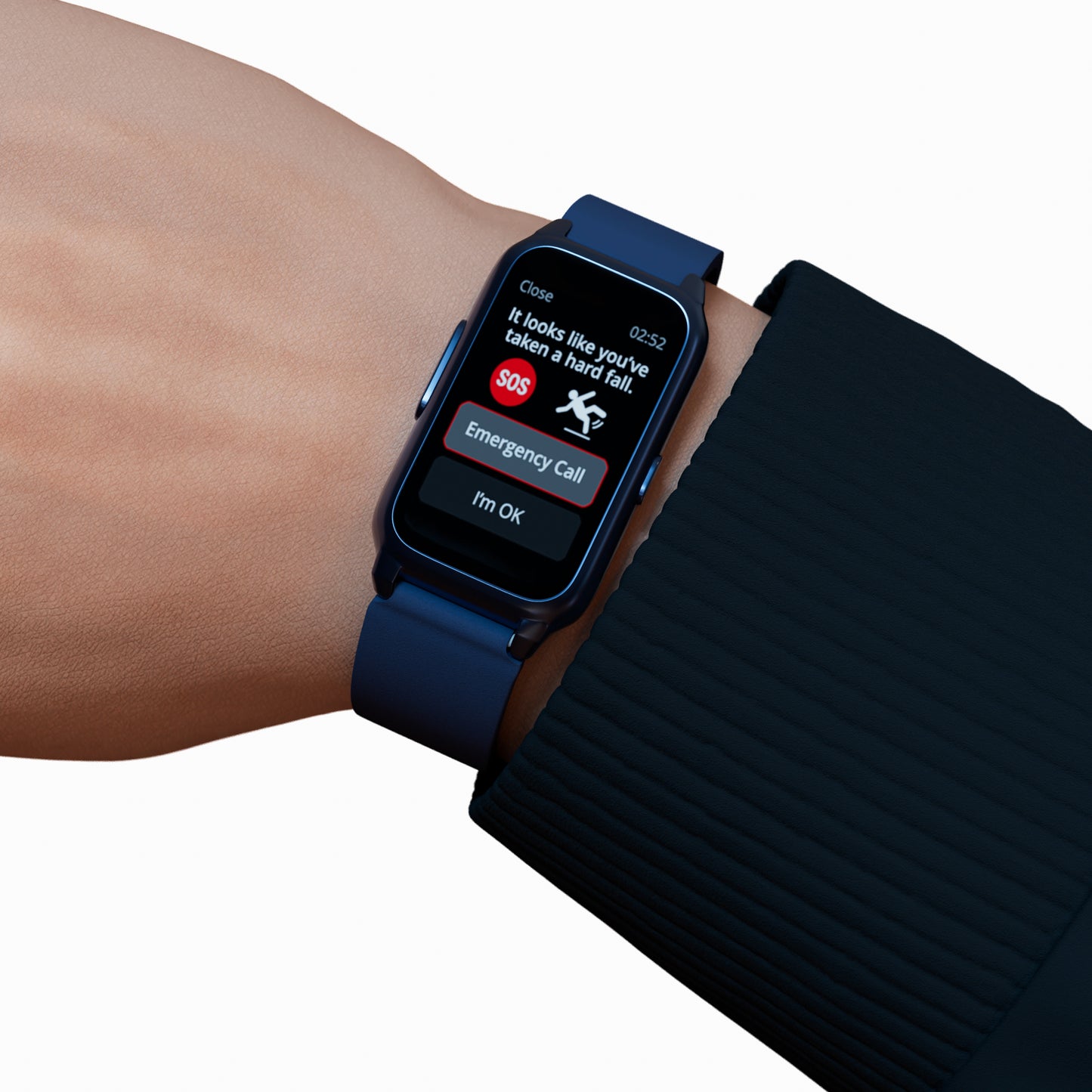
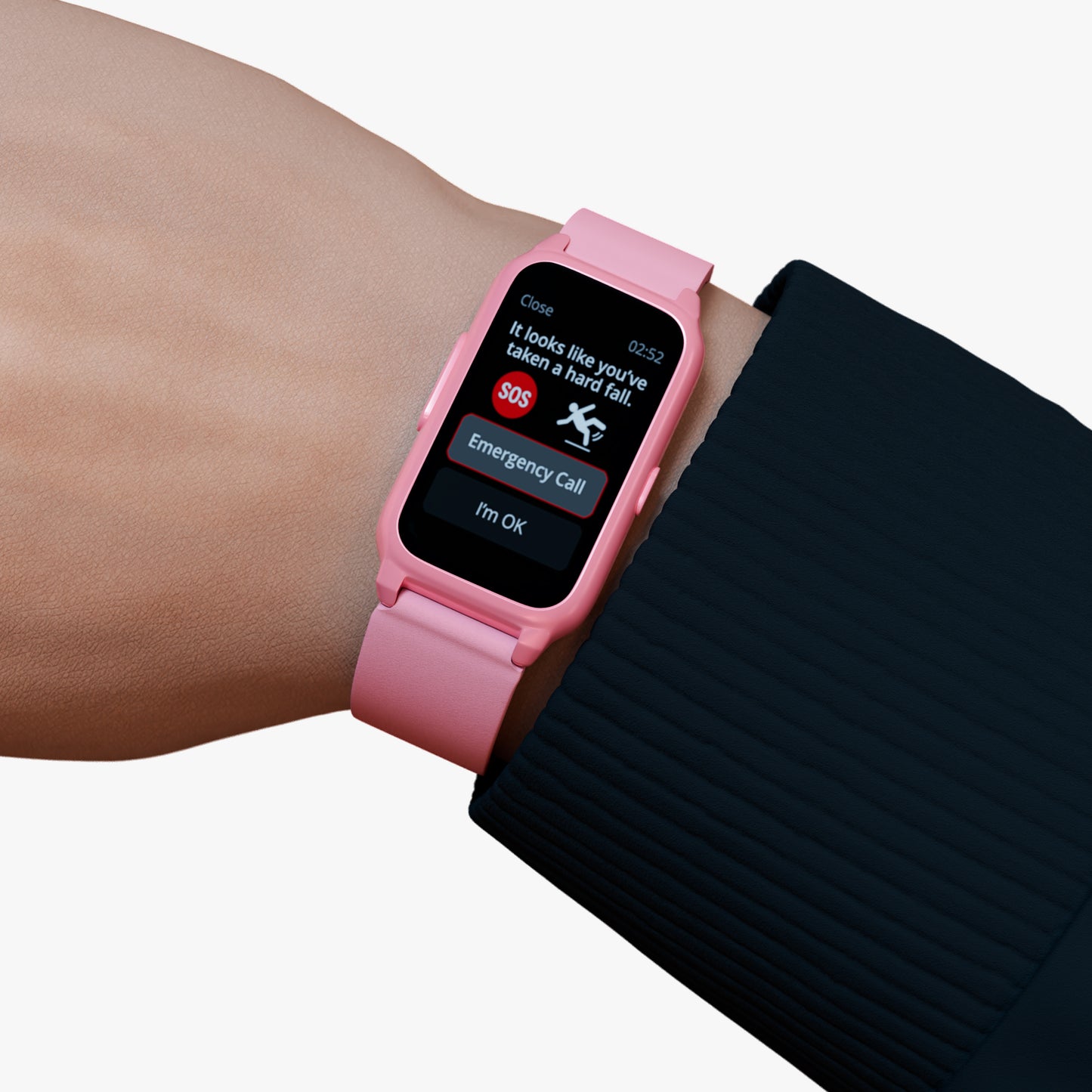
Some MedAlert devices include fall detection. This provides another way an emergency alert may be initiated when a fall is detected.
The response process can then follow the setup associated with the device and selected service. If the 24/7 Emergency Response service is being used, the response centre can assess the alert and follow the user's emergency protocol.
Having this process considered in advance can help families understand what may happen if the wearer is unable to manually activate an SOS alert.
Consider How the Older Adult Communicates
Communication is another important part of emergency planning. An older adult may be able to explain what has happened, but they may also be unable to communicate clearly during some situations.
Supported MedAlert devices provide two-way communication, allowing the wearer to speak through the device when an emergency alert is being handled.
This can help the response process by allowing the wearer to provide information about the situation. It also means the emergency plan should take communication into account rather than assuming that every emergency will happen in the same way.
Plan for Different Situations
A single response instruction may not work for every situation. Consider how the plan should work if the wearer can communicate and how it should work if they cannot.
For example, the plan may include different instructions for:
-
An SOS alert activated by the wearer
-
A fall detected by a supported device
-
An emergency where the wearer can speak to the responder
-
An emergency where communication is limited
-
A situation where an emergency contact needs to be involved
The purpose is not to predict every possible event. It is to make the main response process easier to understand.
Using a Wearable Device as Part of Emergency Planning
A wearable device can make an emergency plan more practical because the alert function can remain available while the wearer goes about their day.
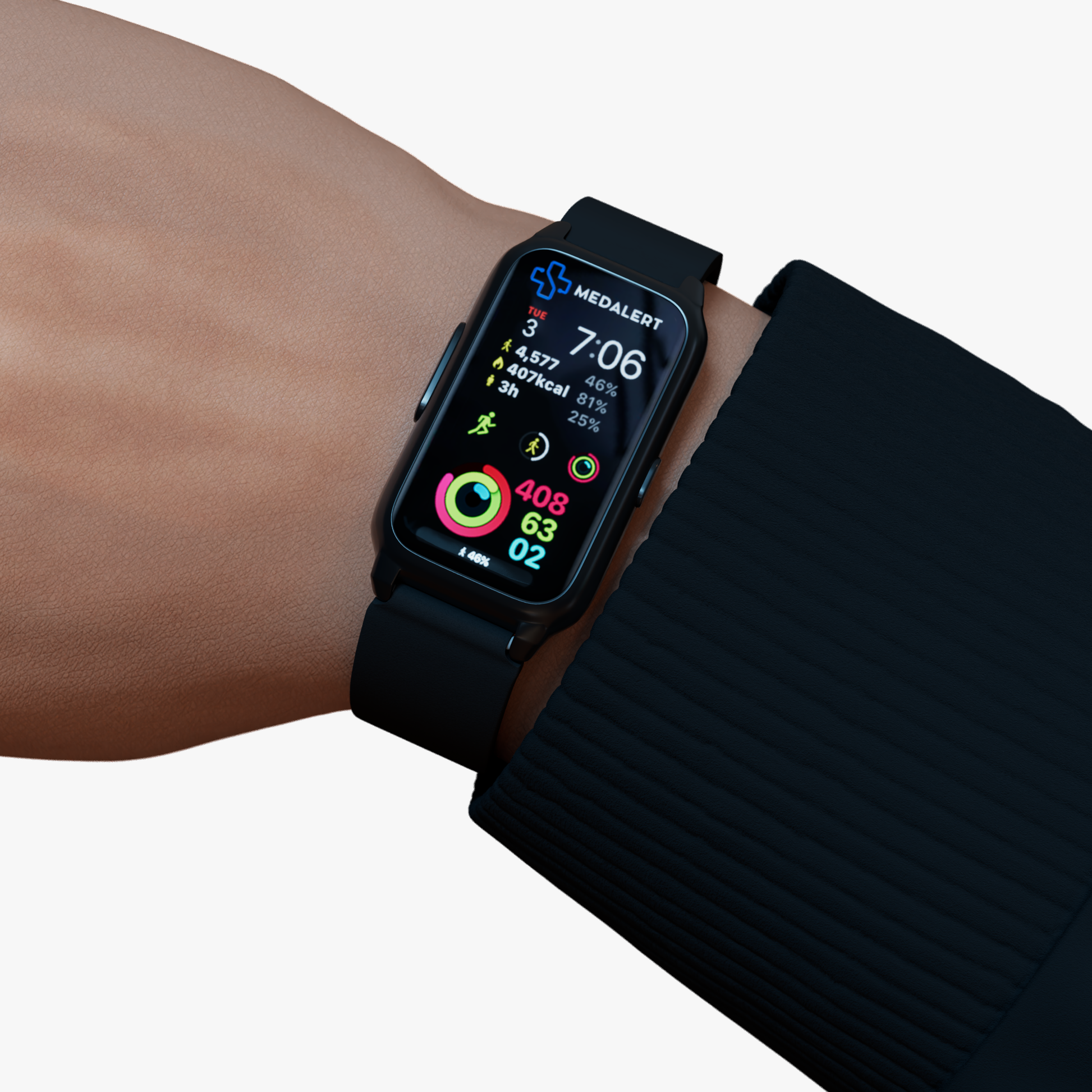
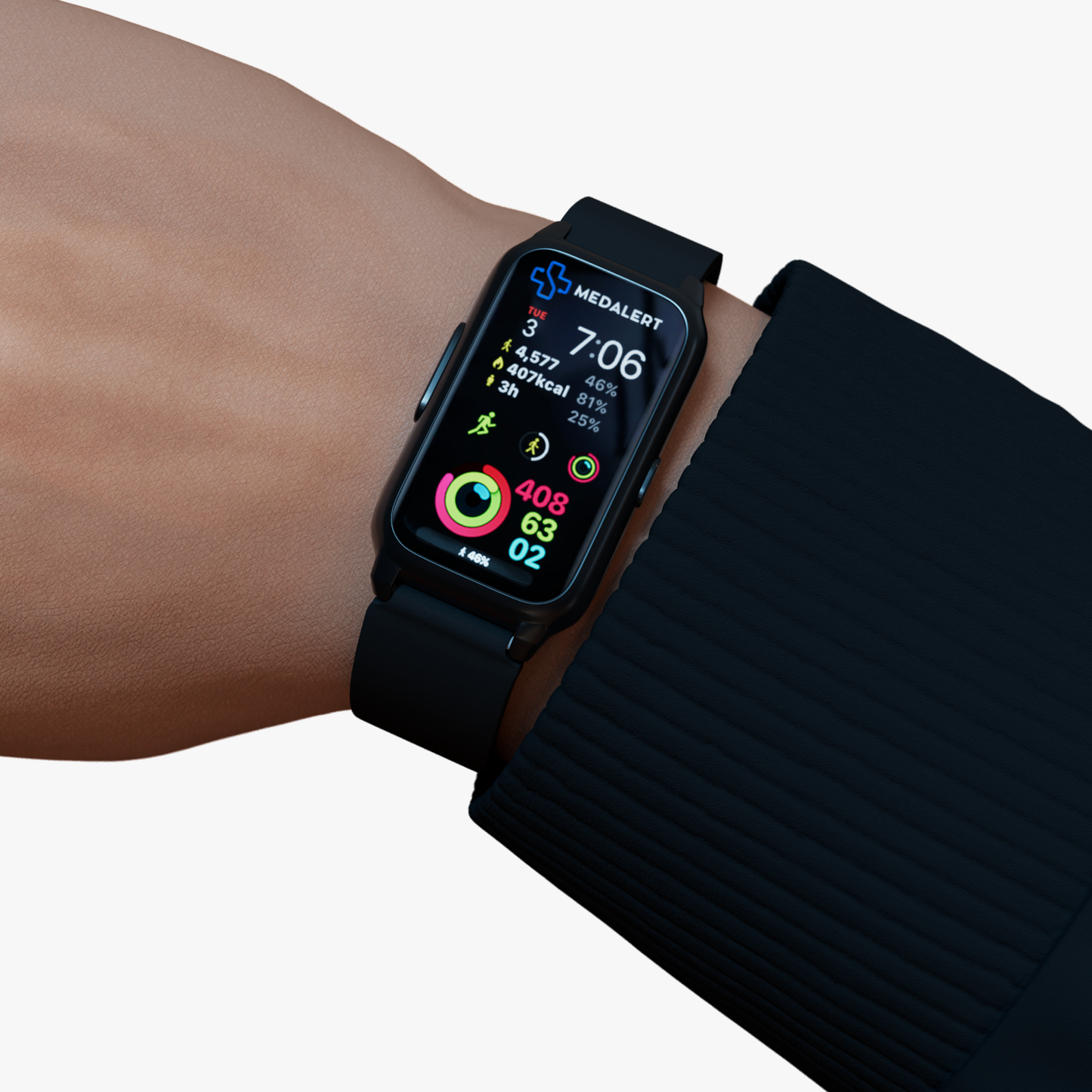
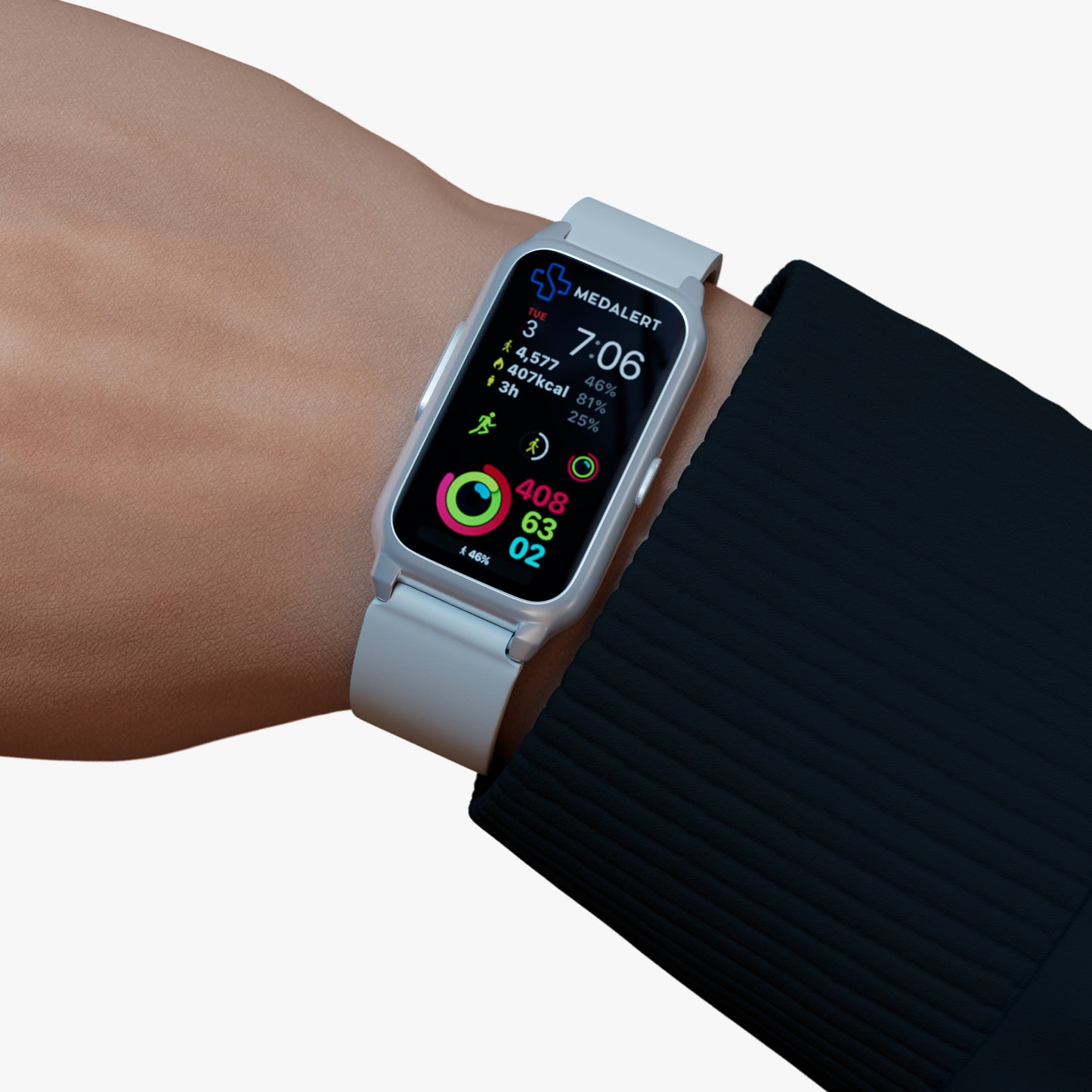
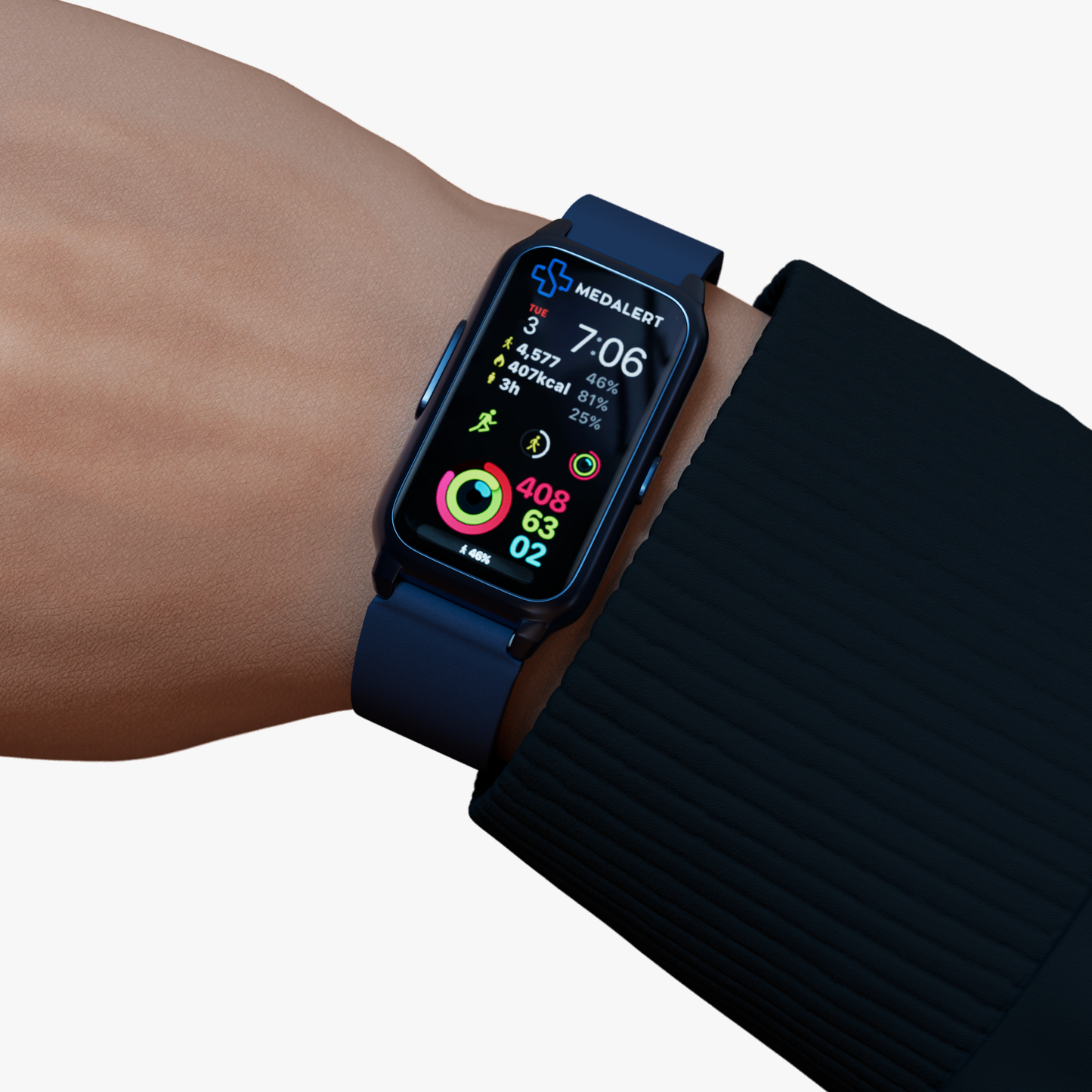
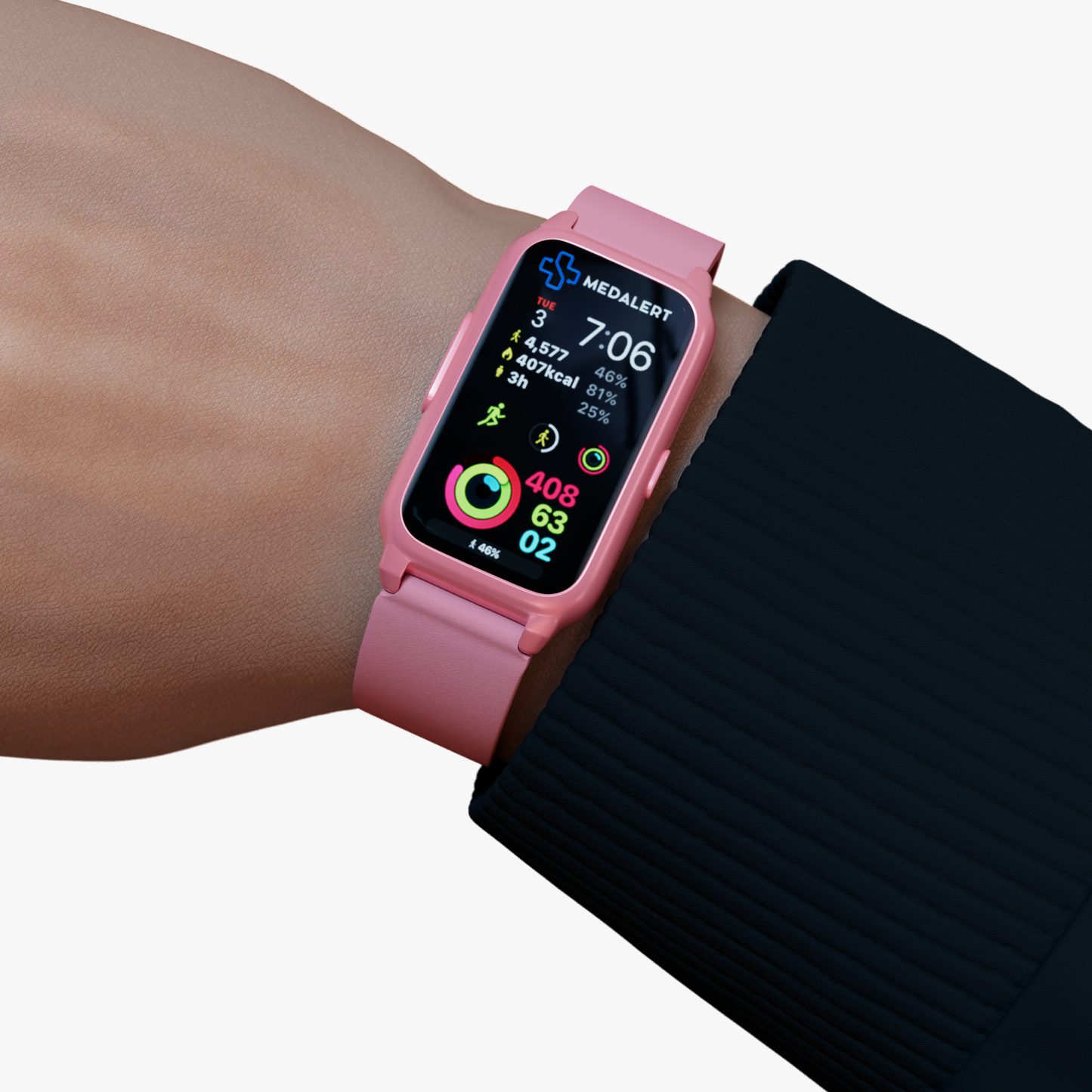
MedAlert offers a medical alert watch with features that can include SOS alerts, GPS positioning, fall detection and two-way communication, depending on the device.
The watch can be part of a wider emergency plan rather than being treated as the entire plan. The device, emergency contacts and response instructions should work together so that the older adult knows how to request help and the people involved understand what happens next.
Make Sure the Wearer Understands the Device
An emergency device is most useful when the wearer understands how its main functions work.
Before relying on the device, take time to explain how to activate the SOS function and what happens after an alert is sent. Family members or carers can also become familiar with the basic process.
This does not need to be complicated. A short explanation and occasional reminder can help the wearer feel more comfortable using the device.
Planning for Emergencies Away From Home
Emergency planning should not only focus on what happens inside the home. Older adults may also go shopping, visit friends, travel locally or take part in everyday activities outside the house.
A device with GPS positioning can form part of the response plan when an emergency occurs away from home. The location feature can help provide positioning information through supported MedAlert services and devices.
The emergency plan should therefore consider both home and away-from-home situations. This can include deciding who should be contacted and how the response should be handled in either setting.
Keep the Plan Simple for Family and Carers
An emergency plan should be easy for other people to understand. If family members or carers need to refer to it during a stressful situation, they should be able to find the important information quickly.
Avoid filling the plan with instructions that are unlikely to be needed. Instead, focus on the contacts, information and steps that are relevant to the older adult.
A Simple Review Checklist
When reviewing an emergency plan, check whether:
-
Emergency contact numbers are still correct.
-
Primary and backup contacts are still available.
-
The older adult's preferences are current.
-
Relevant information has been updated.
-
The wearer knows how to activate an SOS alert.
-
Family members understand the basic response process.
-
The selected emergency service and device setup are still suitable.
A regular review can help prevent small changes from creating problems later.
Emergency Planning Should Change When Needs Change
An emergency contact plan should not remain unchanged for years. The needs of an older adult can change, and the people involved in their support may change as well.
For example, a new emergency contact may need to be added, an existing contact may become unavailable, or the older adult may decide that their preferred response has changed.
When these changes occur, the emergency plan should be updated rather than relying on old information.
This is also relevant when using a medical emergency monitoring service. The response process depends on the information and instructions associated with the user's setup, so keeping those details current is an important part of preparation.
Choosing an Emergency Response Option
There is no single emergency response arrangement that will suit every older adult. The right approach depends on the person's circumstances, preferences and the type of support they want available.
Some people may prefer to rely on selected family members or carers. Others may want to combine their emergency contacts with a dedicated response service.
For those considering a sos watch for seniors, it can be helpful to look at how the device's emergency features fit into the wider contact plan. The goal is to create a straightforward process that the wearer and their support network can understand.
Build a Plan Before It Is Needed
The best time to organise an emergency contact plan is before an emergency happens. Taking time to identify contacts, organise relevant information and understand the available response options can make the process easier for everyone involved.
For older adults, the plan can provide a clear way to request assistance. For family members and carers, it can explain who should be contacted and what response has already been agreed.
A medical alert monitoring service can also form part of this preparation when used with a compatible MedAlert device and the appropriate service setup.
Emergency planning does not have to be complicated. A clear contact list, practical instructions and a suitable alert option can create a more organised approach to unexpected situations.
If you want to learn more about MedAlert's available devices and emergency response options, Contact us to discuss your requirements.
Frequently Asked Questions
1. What should an emergency contact plan for an older adult include?
An emergency contact plan can include primary and backup contacts, relevant personal information, response instructions and details about the emergency alert device or service being used.
2. How can a medical alert monitoring service fit into an emergency plan?
A medical alert monitoring service can provide a dedicated response pathway when an emergency alert is activated. With MedAlert's optional 24/7 Emergency Response Call Centre service, trained response professionals can assess alerts and follow the user's personalised emergency protocol.
3. Should older adults have more than one emergency contact?
Having a primary contact and a backup contact can provide another option if the first person cannot respond. The selected contacts should understand their role and agree to be included in the plan.
4. Can an emergency plan include information about different situations?
Yes. The plan can contain instructions for situations such as an SOS alert, a detected fall or an emergency where the wearer cannot communicate normally.
5. How often should an emergency contact plan be reviewed?
The plan should be reviewed whenever important details change. This may include changes to contact numbers, emergency contacts, personal information, preferences or the setup of the emergency response service.