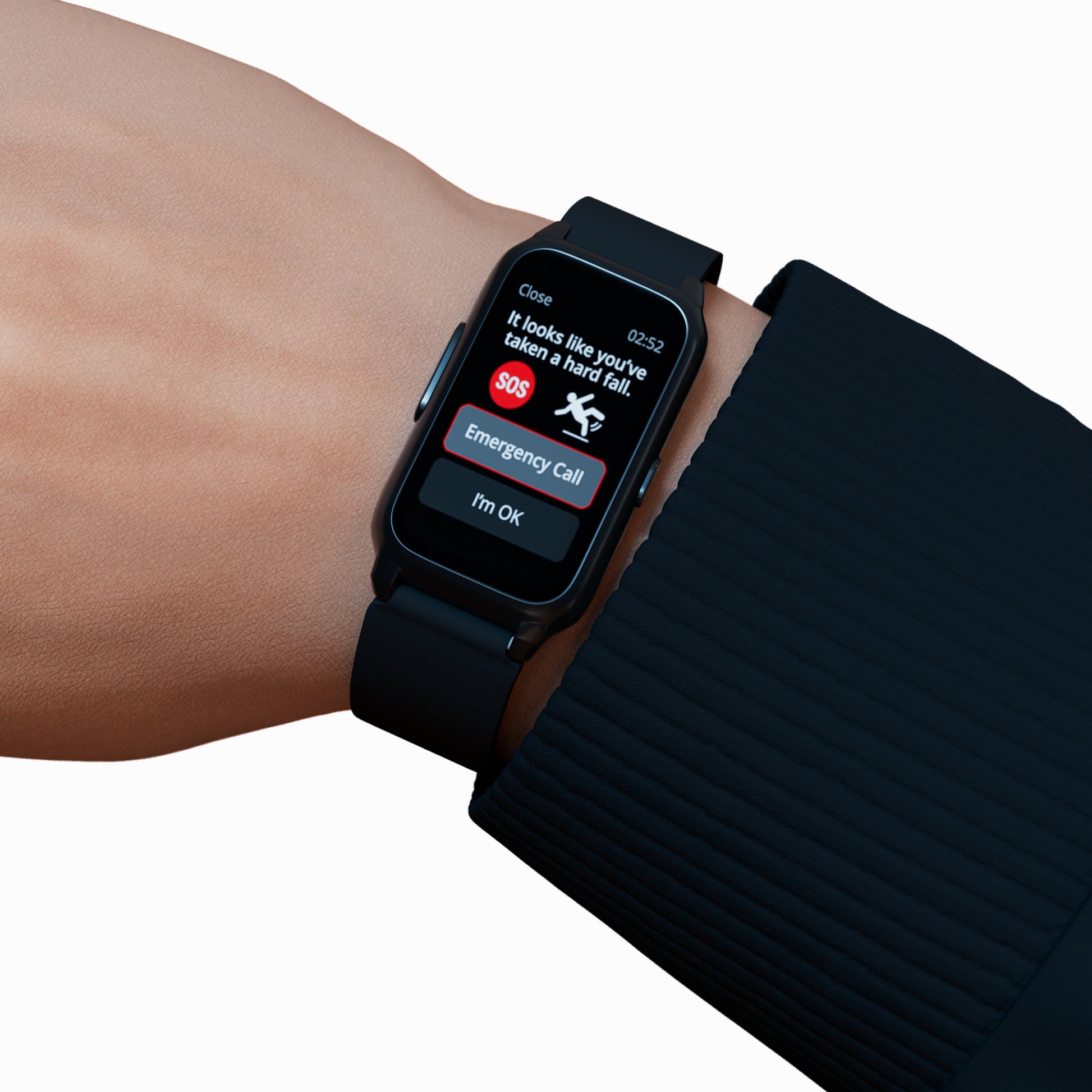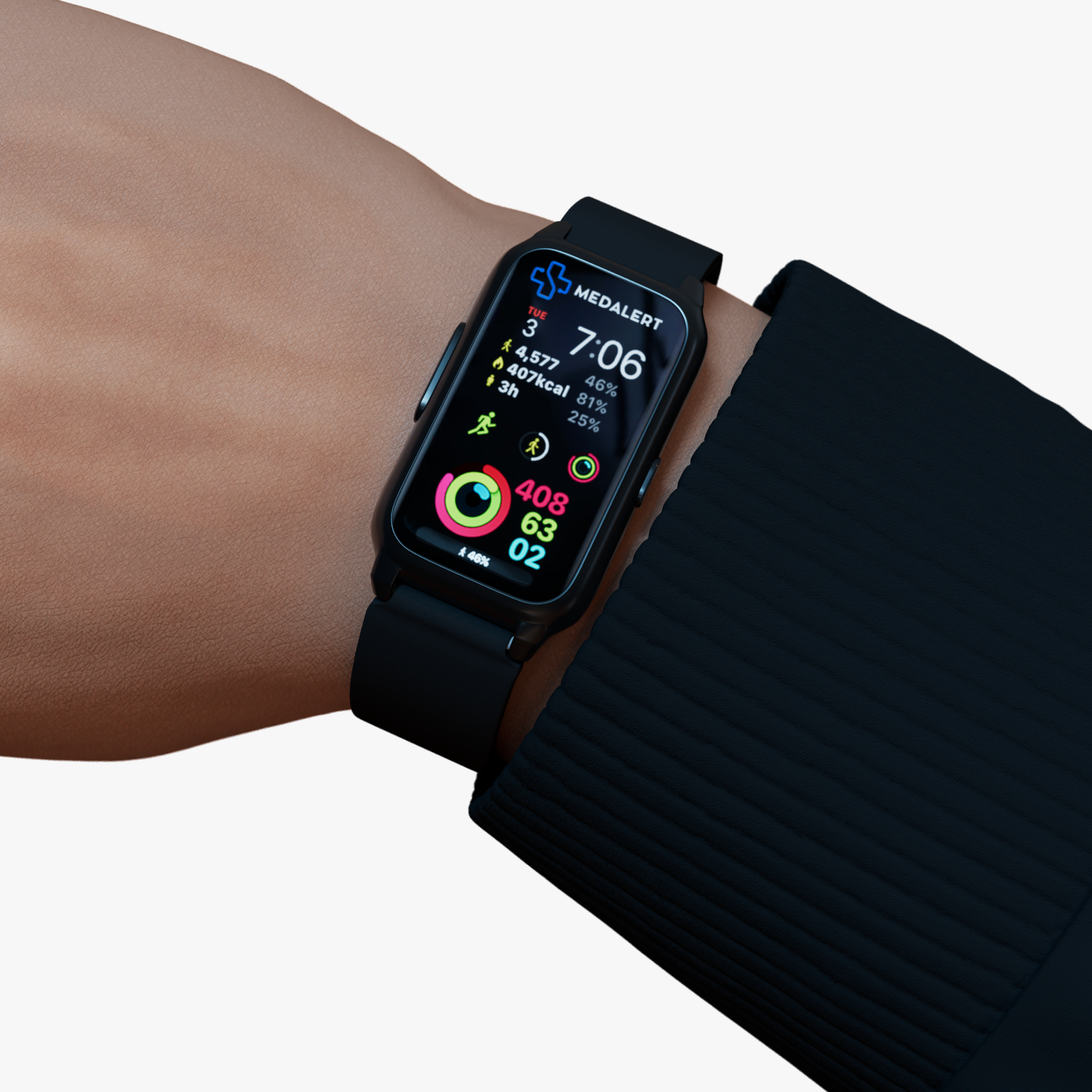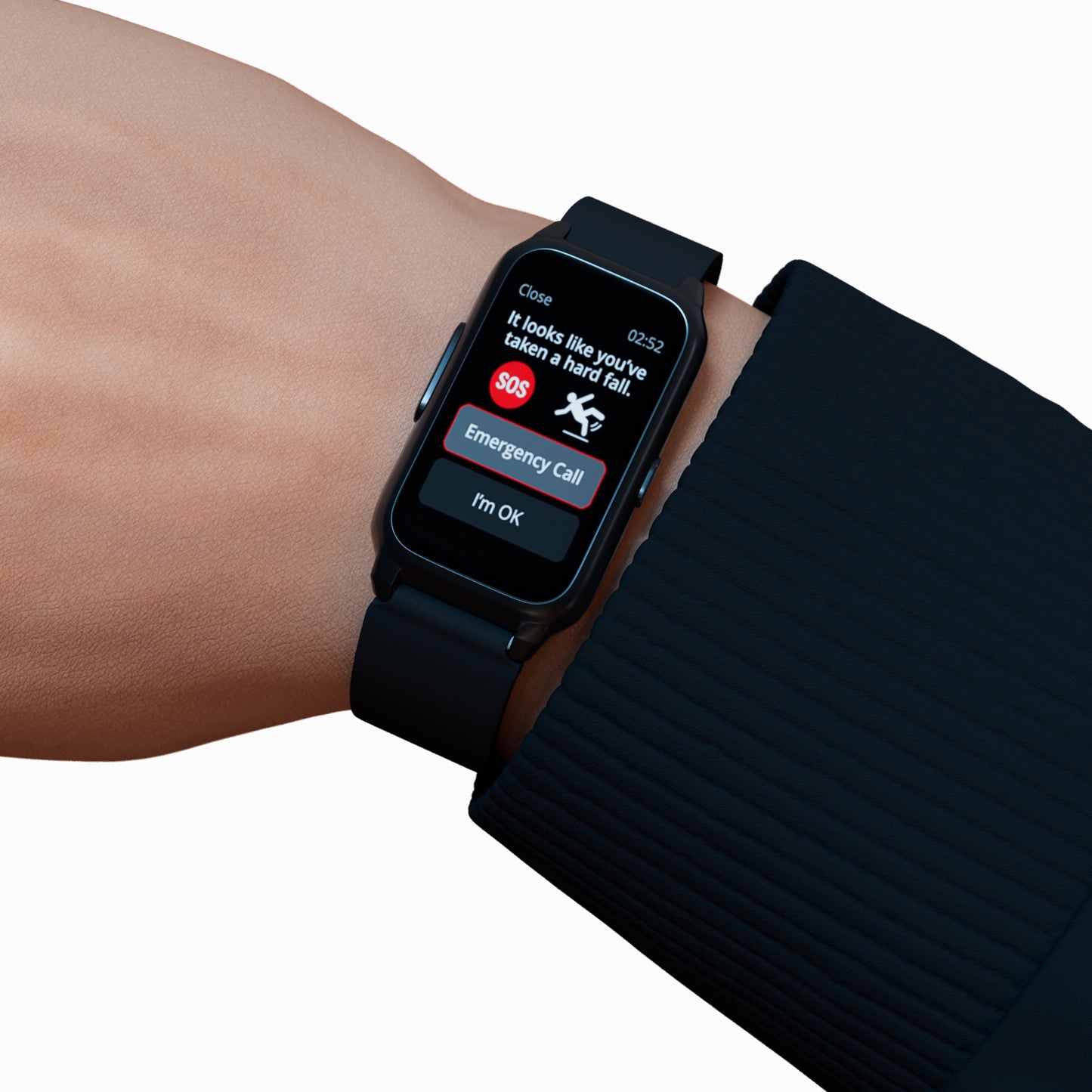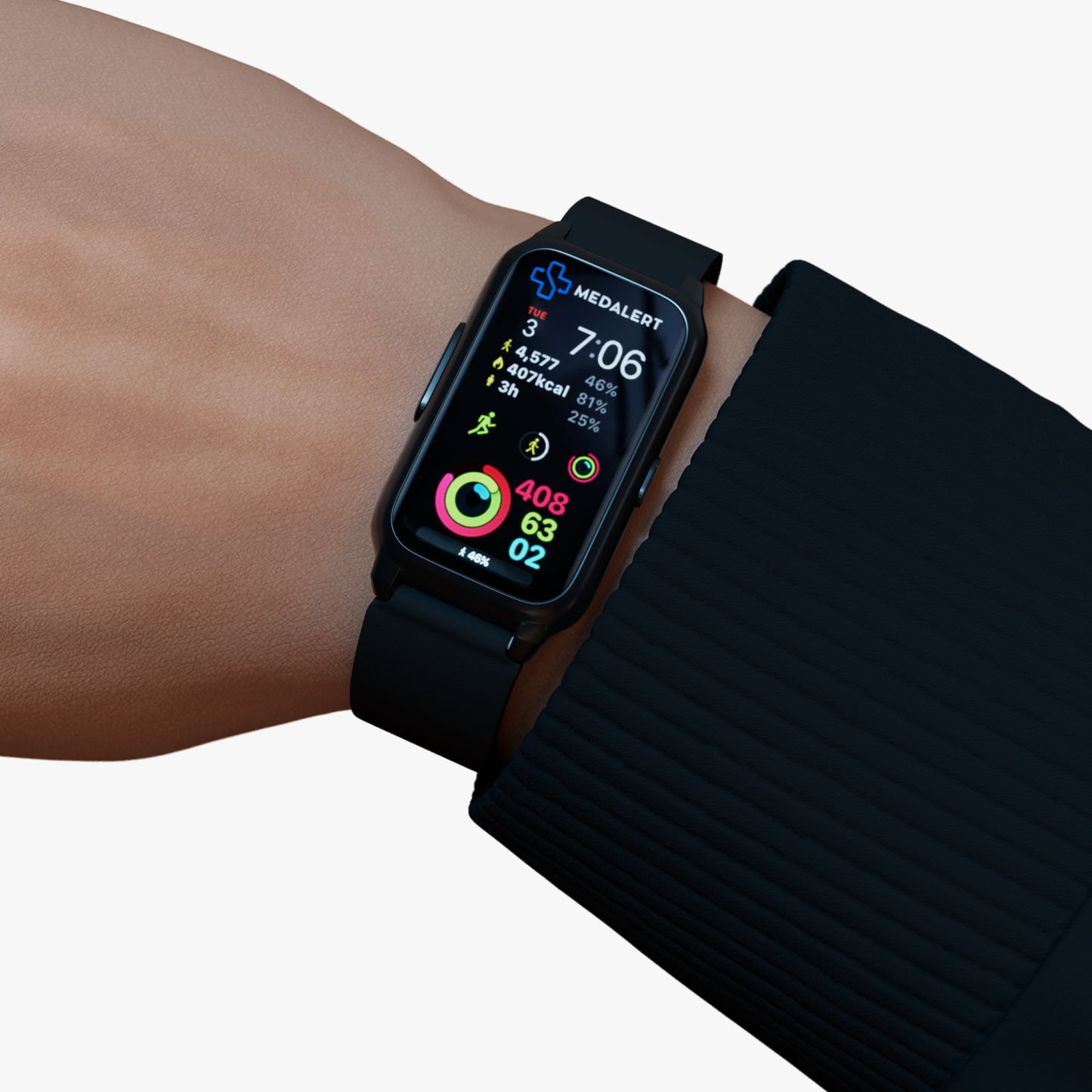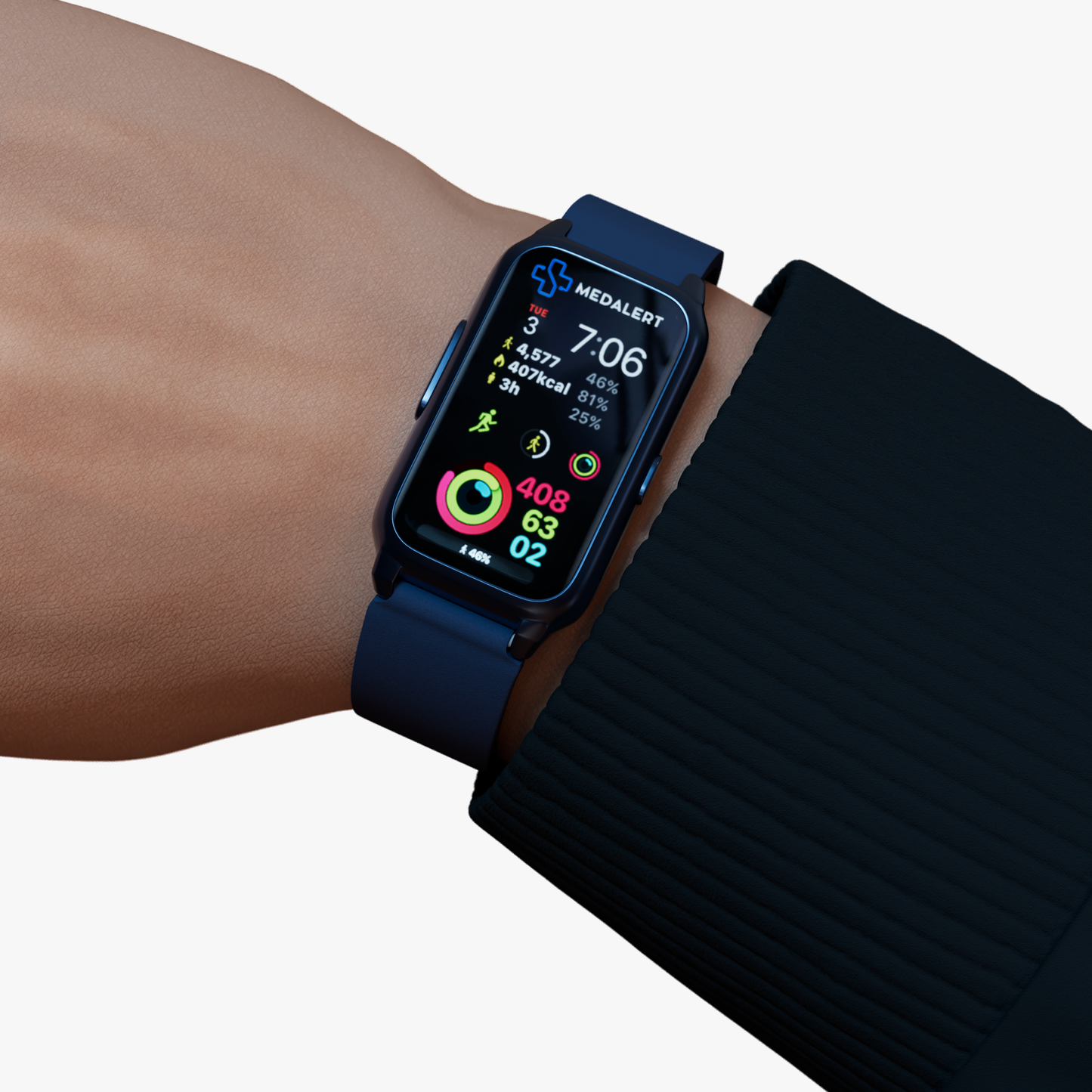

A fall sensor for elderly may complement a personal safety plan, but maintaining mobility and balance remains one of the most effective ways to support fall prevention. As people grow older, the body naturally experiences changes that can influence movement, coordination, and stability. These changes often develop gradually, making them easy to overlook until everyday activities become more challenging. Understanding how mobility and balance work together allows seniors to make informed choices that support confidence, independence, and long-term wellbeing.
Remaining mobile is about far more than staying physically active. It helps people continue enjoying everyday routines, social activities, hobbies, and independent living. Likewise, good balance allows the body to respond efficiently when walking, turning, climbing steps, or changing direction. When these abilities are supported through healthy habits and regular movement, everyday tasks often become more comfortable and manageable.
Mobility Is About More Than Getting From One Place to Another
Many people think mobility simply means walking, but it includes every movement the body performs throughout the day. Sitting down, standing up, reaching for household items, bending to tie shoes, carrying groceries, and stepping into a vehicle all require coordinated movement between muscles, joints, and the nervous system.
As people age, these everyday movements may require greater effort. Joints may become less flexible, muscles may lose strength, and reaction times may slow slightly. None of these changes happen overnight, but together they can influence how confidently a person moves during normal daily activities.
Rather than viewing mobility as a measure of fitness, it is more helpful to think of it as the body's ability to perform everyday tasks safely and comfortably. Supporting mobility means looking after the entire body instead of focusing on a single area.
Why Balance Is Essential for Everyday Independence
Balance allows the body to remain stable whether standing still or moving. It constantly adjusts to changes in posture, direction, and surface conditions without people consciously thinking about it. Every step taken involves dozens of small adjustments that help keep the body upright.
Good balance depends on several body systems working together. Vision provides information about the surrounding environment, muscles create stability, joints guide movement, and the inner ear helps the brain understand body position. If one of these systems changes, balance may also be affected.
For many older adults, changes in balance are first noticed during routine activities rather than major physical tasks. Walking on uneven paths, turning quickly, stepping over small obstacles, or carrying shopping bags may feel slightly different than they once did. Recognising these changes early encourages practical adjustments that support continued independence.
How Mobility and Balance Work Together
Mobility and balance should not be viewed as separate abilities because each relies on the other during almost every movement.
For example, standing up from a chair begins with muscle strength, but balance keeps the body steady as weight shifts onto the feet. Walking requires flexible joints to create smooth movement while balance continuously adjusts posture with every step. Even reaching into a cupboard depends on coordinated movement and stability working together.
When mobility decreases, balance often becomes more difficult because the body has fewer movement options available. Likewise, changes in balance may encourage people to move less confidently, gradually reducing overall mobility. Understanding this relationship highlights why maintaining both abilities is important for long-term wellbeing.
For individuals who wish to explore wearable safety technology alongside healthy lifestyle habits, learning more about a fall sensor for elderly may help provide additional information when considering different approaches to personal safety.
Muscle Strength Supports Stable Movement
Muscles play an important role in maintaining balance and mobility. They help control movement, support joints, and provide stability during everyday activities. The muscles in the legs, hips, and core are particularly important because they help people stand, walk, climb stairs, and change direction safely.
Loss of muscle strength is a natural part of ageing, especially when physical activity decreases. However, regular movement within an individual's abilities can help maintain functional strength over time. Everyday activities that encourage movement often contribute to maintaining muscle function without requiring strenuous exercise.
Strong muscles also assist the body when responding to unexpected changes in movement. If someone slightly loses balance while walking, healthy muscle function helps the body react more effectively and regain stability.
Strength Is Built Through Consistency
Improving or maintaining strength does not necessarily involve intensive workouts. Consistent movement often provides greater long-term benefits than occasional periods of vigorous activity.
Activities such as walking, gardening, gentle stretching, light household tasks, or other enjoyable forms of movement encourage muscles to remain active. Choosing activities that fit naturally into everyday life makes them easier to continue over time, supporting both mobility and confidence.
Flexibility Helps Everyday Movements Feel Easier
Flexibility allows muscles and joints to move comfortably through their normal range of motion. It supports actions that many people perform without much thought, such as reaching overhead, bending down, turning around, or stepping over small obstacles.
As flexibility gradually decreases, these movements may begin to feel less comfortable. People may notice shorter walking strides, stiffness after sitting for long periods, or greater effort when changing direction. Although these changes are common, maintaining regular movement may help support comfortable mobility.
Gentle stretching and everyday activities that encourage natural movement can contribute to maintaining flexibility. The aim is not to achieve exceptional flexibility but to support comfortable movement during normal daily routines.
Recognising Early Changes in Mobility and Balance
Changes in mobility and balance rarely happen all at once. In many cases, they develop gradually, making them easy to overlook. Paying attention to these early changes allows seniors to make practical adjustments before they begin affecting everyday independence.
Some people may notice that they take longer to stand after sitting, while others may feel less steady when walking on uneven ground or changing direction quickly. Everyday tasks such as carrying shopping bags, climbing stairs, or walking longer distances may also require more effort than they once did. These changes do not necessarily indicate a serious problem, but they can be a reminder to focus on maintaining healthy movement.
Recognising these differences early also makes it easier to discuss any concerns during routine healthcare appointments. Understanding how the body is changing allows seniors to make informed decisions about supporting their wellbeing.
Building Healthy Daily Habits for Better Movement
Long-term mobility is influenced by everyday routines rather than occasional efforts. Small habits repeated consistently often provide greater benefits than dramatic lifestyle changes that are difficult to maintain.
Remaining active throughout the day helps muscles and joints continue working together. Instead of sitting for extended periods, taking regular opportunities to move around the home can help reduce stiffness and encourage comfortable movement. Simple activities such as preparing meals, tending to the garden, walking around the neighbourhood, or completing household tasks all contribute to maintaining everyday mobility.
Hydration and balanced nutrition also support overall wellbeing. While food and water alone cannot prevent falls, they play an important role in helping the body function efficiently during daily activities.
Sleep is another factor that should not be overlooked. Feeling well rested may improve concentration and reduce fatigue, allowing people to move with greater awareness during everyday routines.
Coordination Is an Important Part of Fall Prevention
Mobility and balance often receive the most attention, but coordination also plays an essential role in safe movement. Coordination allows different parts of the body to work together smoothly when performing everyday tasks.
Activities such as turning around while carrying an object, stepping over a small obstacle, or walking through busy environments require coordinated movement between the eyes, muscles, joints, and nervous system. When coordination changes, movements may become slower or require additional concentration.
Maintaining regular physical activity encourages the body to continue practising these everyday movements. Although everyone's abilities differ, continuing to use the body regularly supports coordination alongside mobility and balance.
Creating an Environment That Encourages Movement
An active lifestyle is easier to maintain when movement naturally becomes part of the day. Rather than viewing physical activity as a separate task, many seniors find it helpful to include movement within their existing routines.
Walking to collect the mail, spending time outdoors, caring for plants, or completing light household responsibilities all encourage regular movement without requiring specialised equipment or structured exercise sessions. These activities also provide opportunities to maintain confidence while performing familiar tasks.
Some people also enjoy participating in community groups or recreational activities that encourage gentle movement while providing valuable social interaction. Staying connected with others can contribute positively to overall wellbeing and encourage consistent daily activity.
Those exploring wearable technology alongside healthy lifestyle habits may also wish to learn more about a senior safety watch as part of understanding different approaches to supporting everyday independence.
How Wearable Technology Complements an Active Lifestyle
Maintaining mobility, balance, and muscle strength should always remain the foundation of fall prevention. However, wearable technology may also form part of a broader personal safety plan depending on an individual's needs and daily routine.
Rather than replacing healthy habits, wearable devices are intended to complement them. Seniors who remain active at home or in the community may choose to explore different communication options that suit their lifestyle and preferences.
Some individuals may also consider an SOS personal alarm when discussing personal safety options with family members. Choosing a suitable solution depends on personal circumstances, mobility, and everyday routines rather than a single approach that suits everyone.
Conclusion
Maintaining mobility and balance is an ongoing process that supports independence, confidence, and everyday wellbeing. While physical changes naturally occur with age, understanding how the body moves makes it easier to adapt daily routines and continue enjoying familiar activities. Regular movement, healthy habits, attention to posture, muscle strength, flexibility, and coordination all contribute to safer movement over time.
A proactive approach to fall prevention focuses on supporting the body before problems arise rather than simply responding after a fall. Combining healthy lifestyle habits with practical safety planning allows seniors to continue participating in everyday life with greater confidence. If you would like to learn more about MedAlert's wearable safety solutions or have questions about available products, please contact us for further information.
Frequently Asked Questions
1. Why are mobility and balance important for healthy ageing?
Mobility and balance help seniors perform everyday activities such as walking, standing, climbing stairs, and changing direction safely. Supporting these abilities can contribute to greater independence, confidence, and overall wellbeing as physical needs change over time.
2. Can regular movement help support balance?
Regular movement encourages muscles, joints, and coordination to continue working together. Activities suited to an individual's ability level may help maintain flexibility, strength, and confidence while supporting comfortable everyday movement.
3. How does a fall sensor for elderly fit into fall prevention?
A fall sensor for elderly can complement a broader fall prevention strategy by forming part of an individual's personal safety plan. It works alongside healthy habits such as maintaining mobility, staying active, and supporting balance rather than replacing them.
4. What everyday habits support better mobility?
Simple habits such as remaining physically active, avoiding long periods of sitting, wearing supportive footwear, maintaining good posture, eating a balanced diet, staying hydrated, and getting enough rest all contribute to supporting healthy movement.
5. When should changes in mobility or balance be discussed with a healthcare professional?
If everyday movements become noticeably more difficult, confidence while walking changes, or balance concerns begin affecting daily activities, it is advisable to discuss these changes during a healthcare appointment.