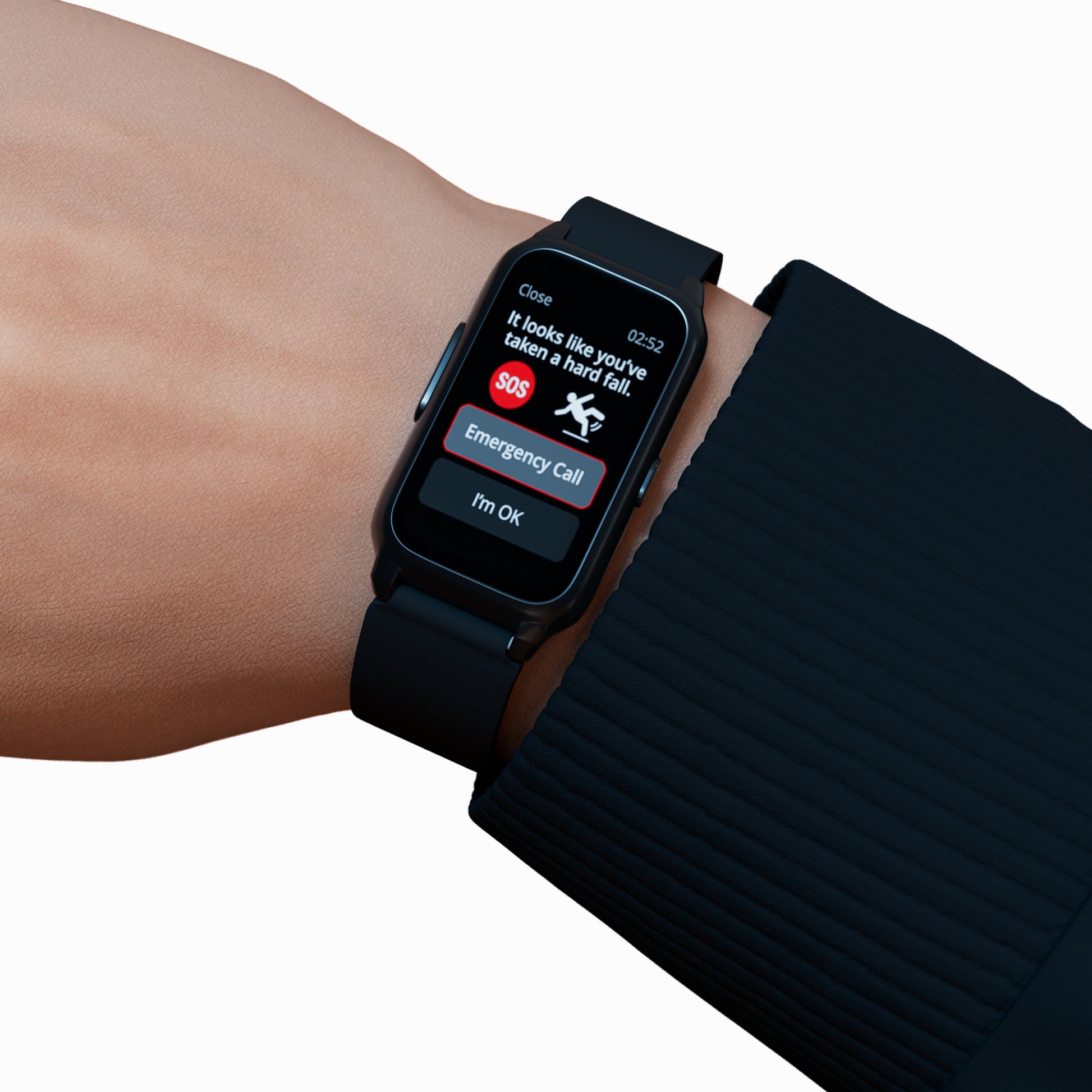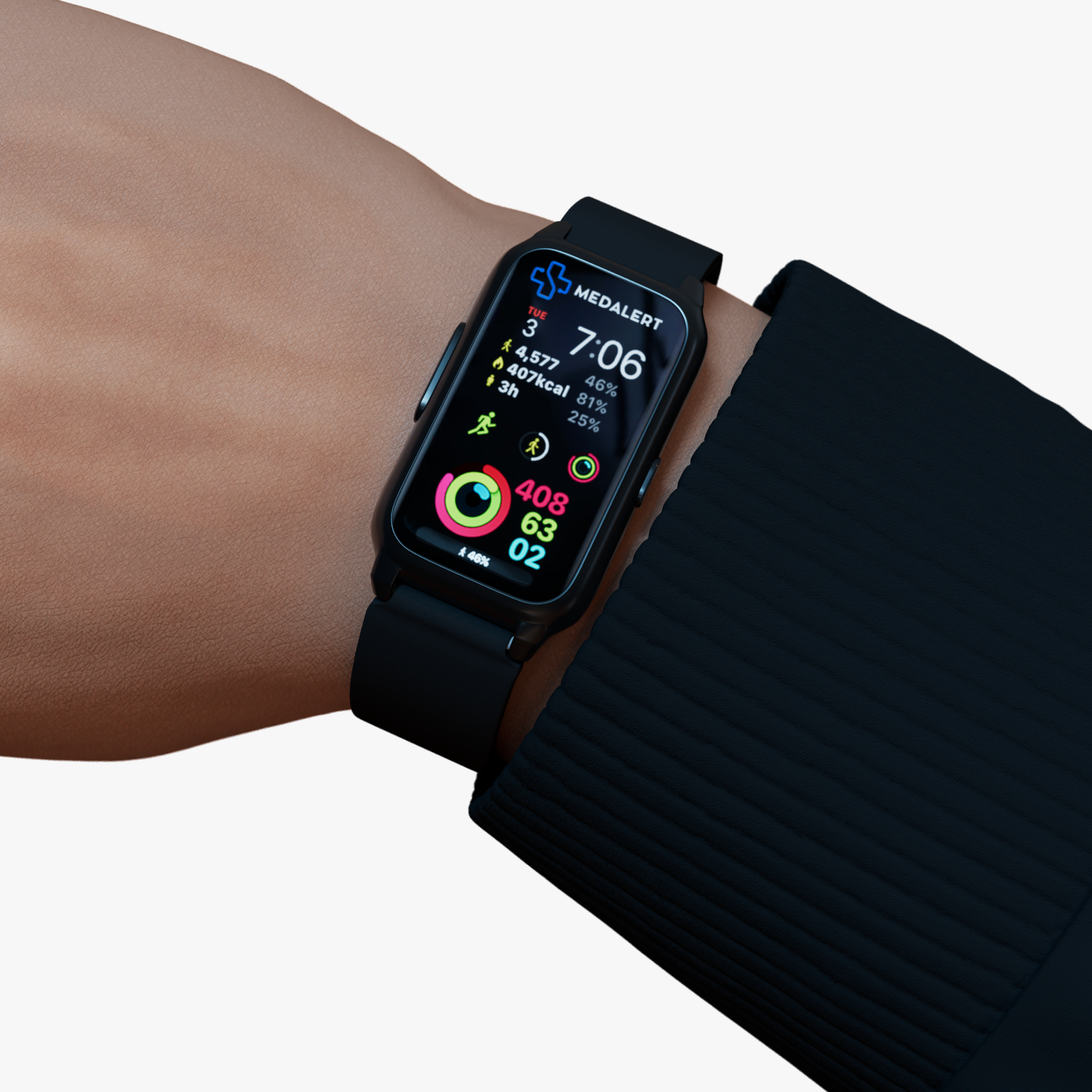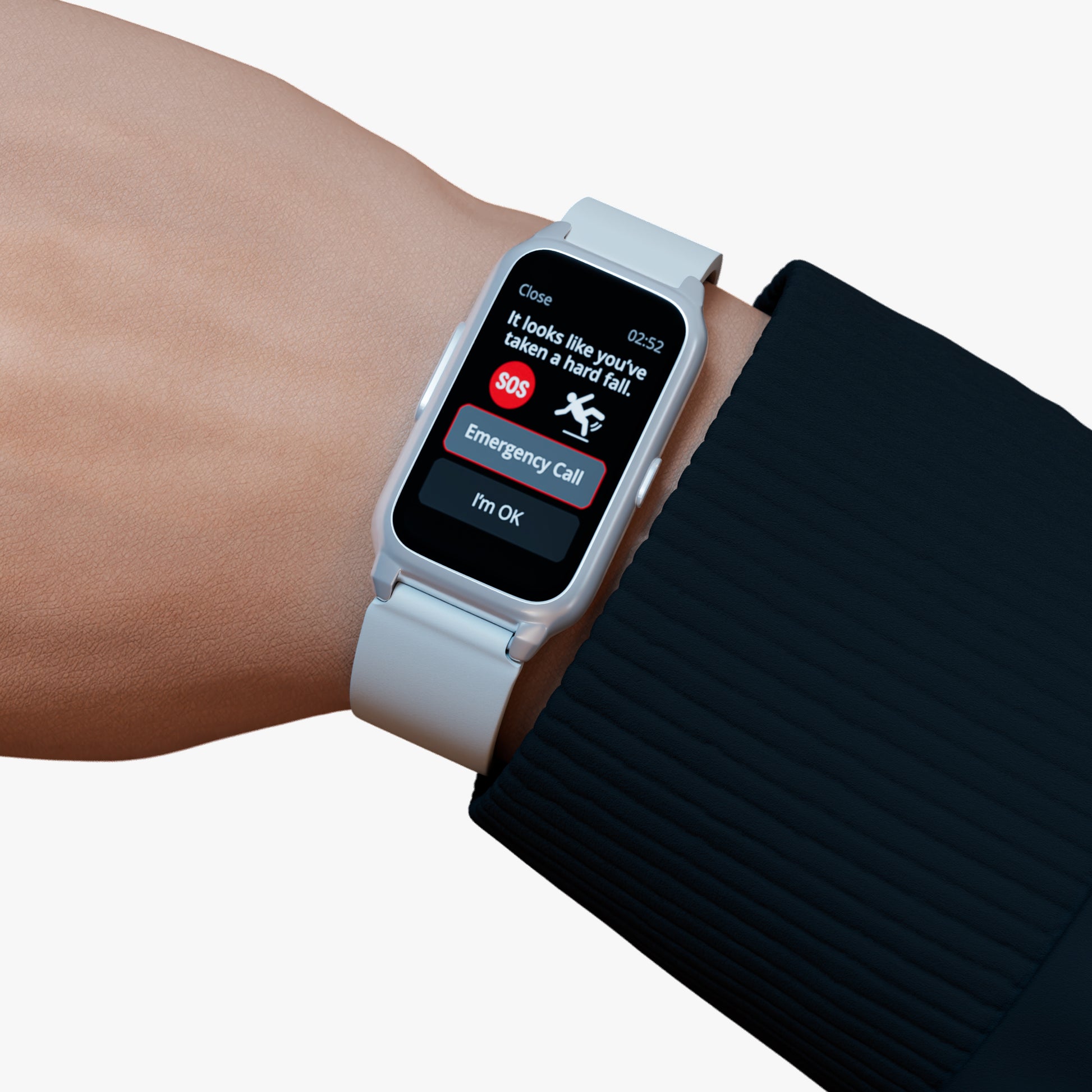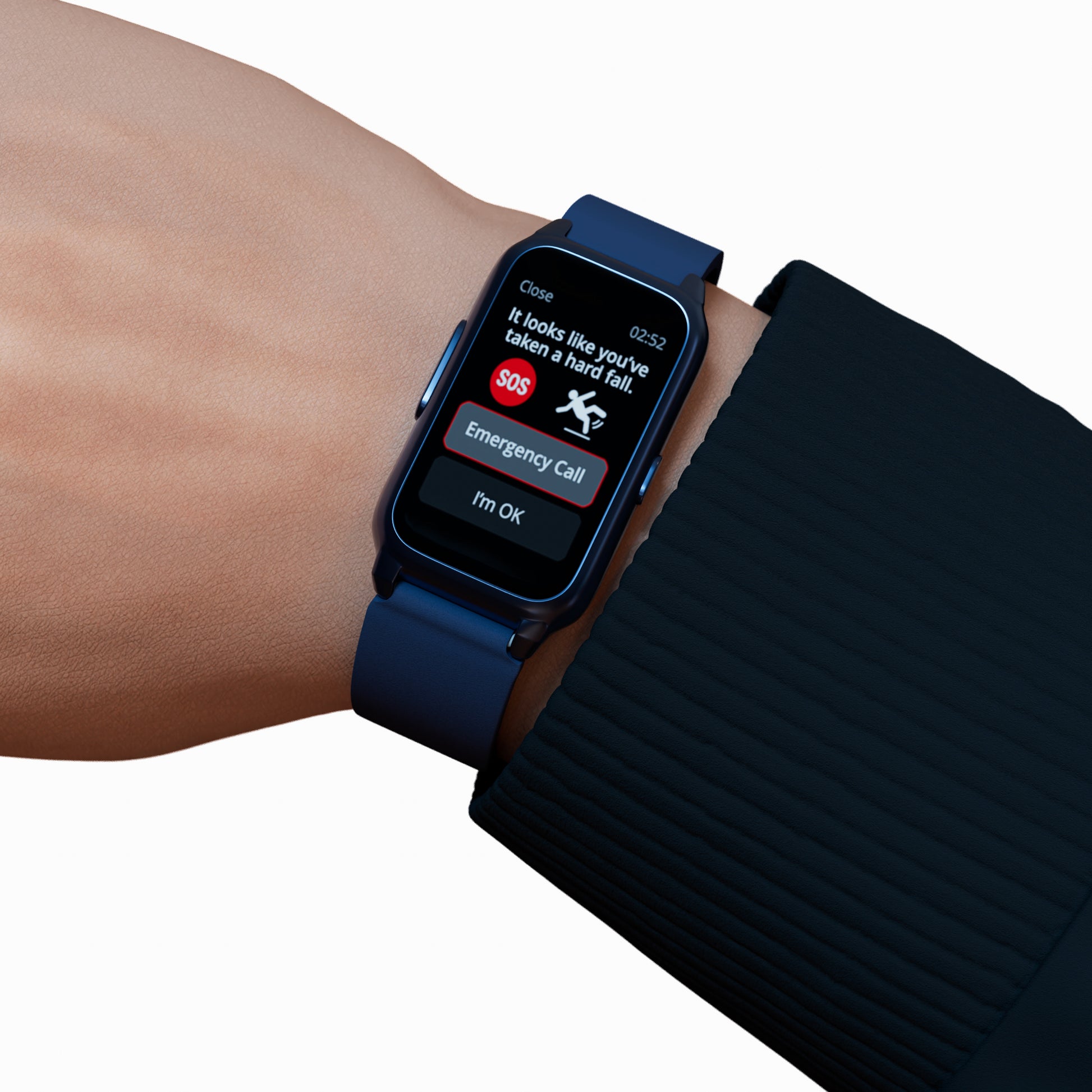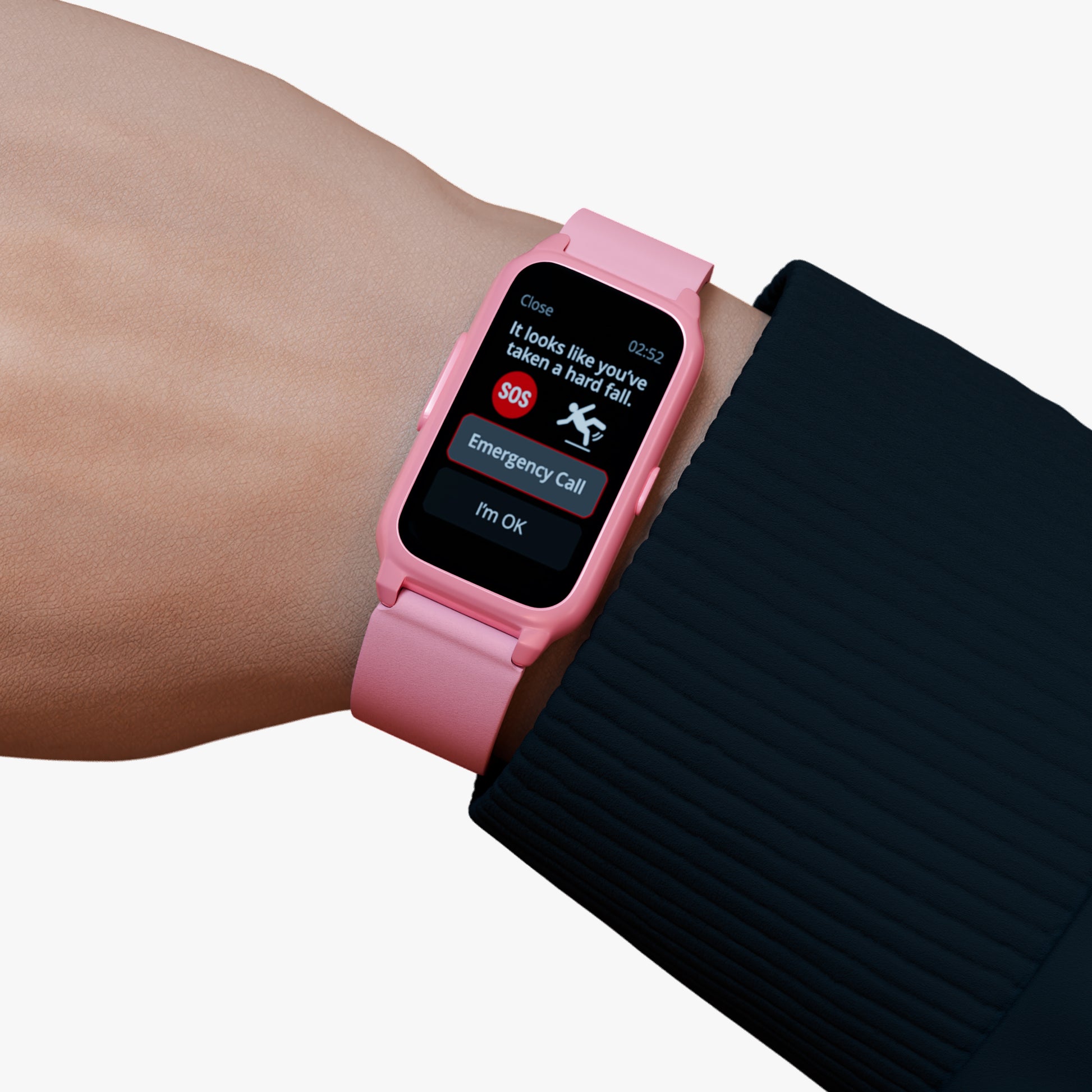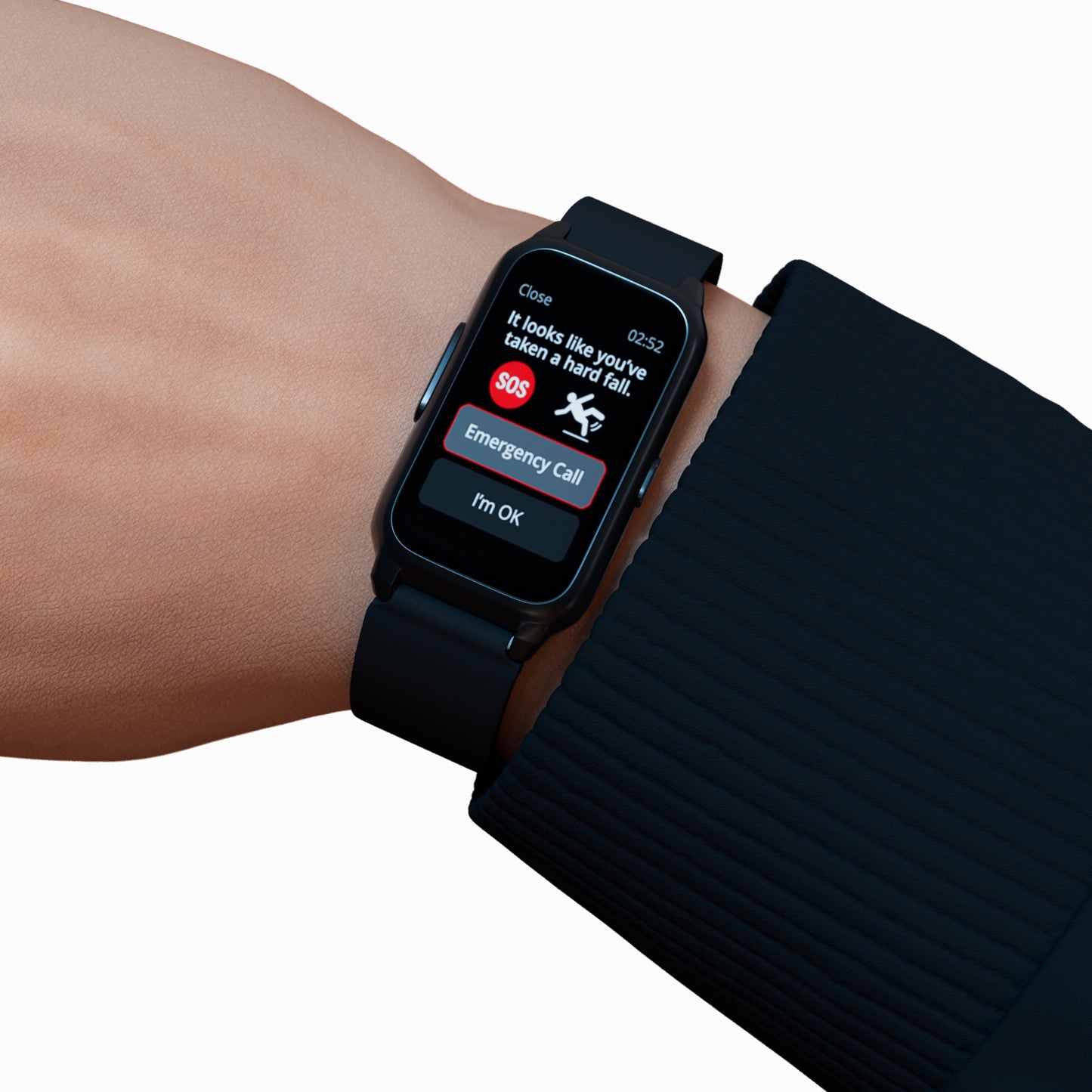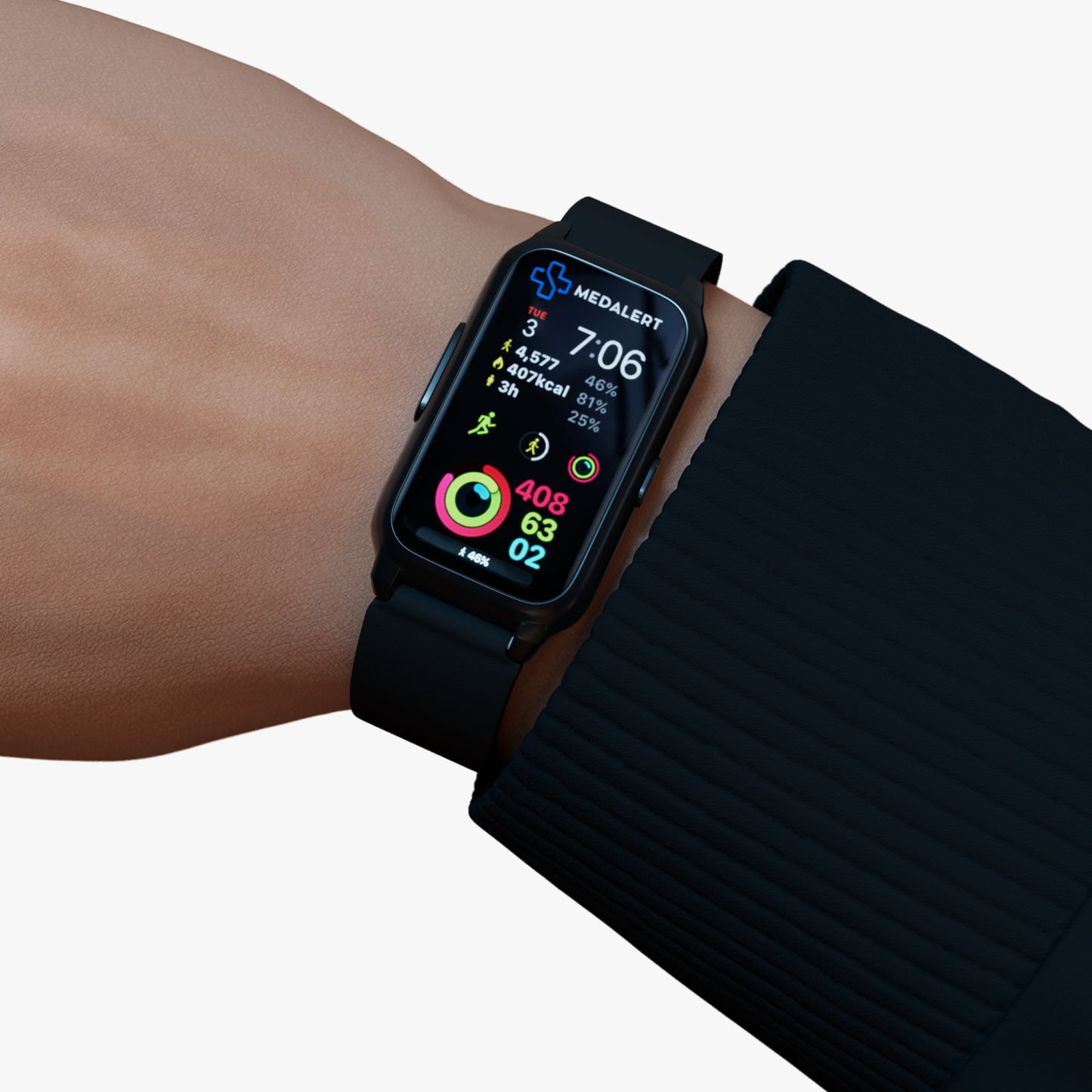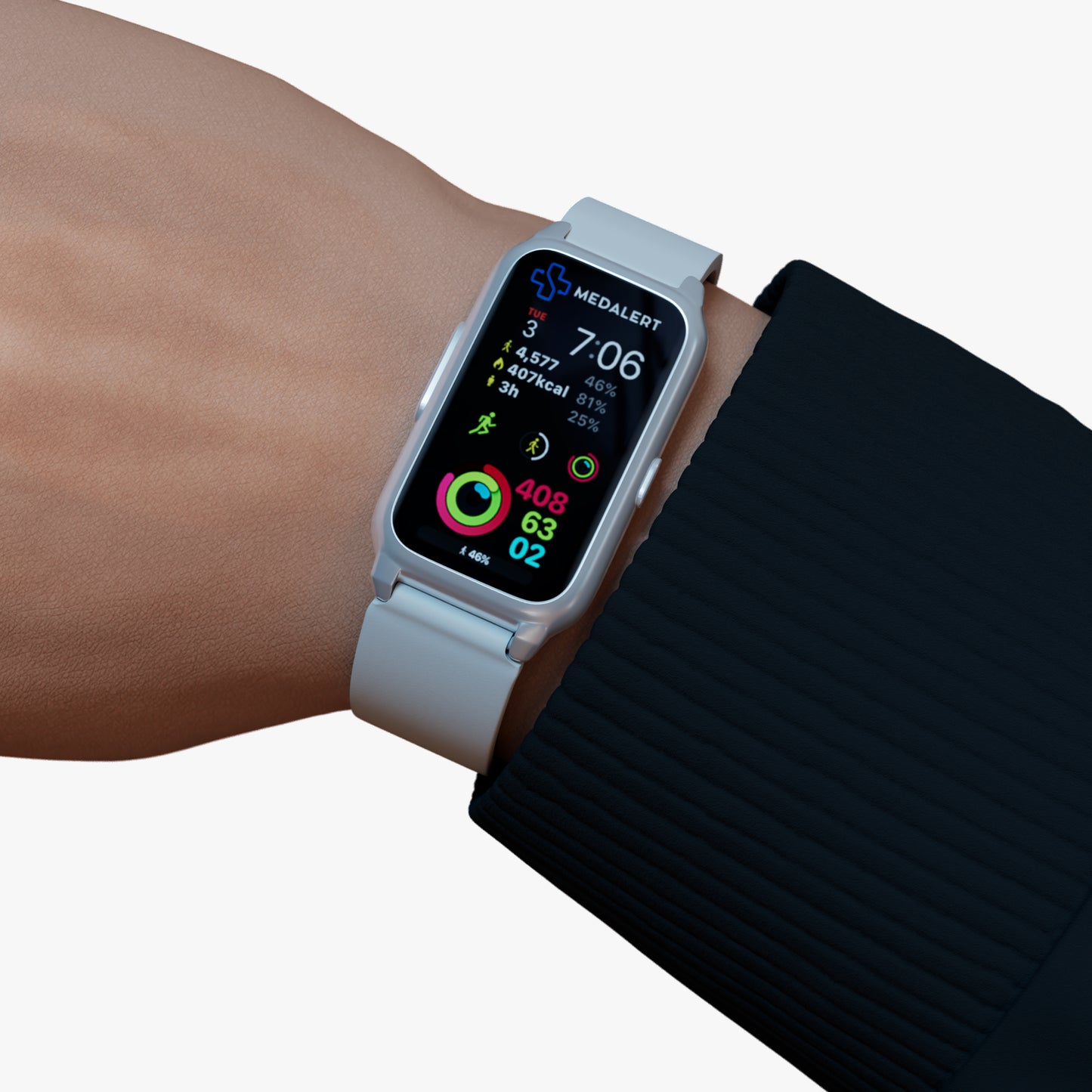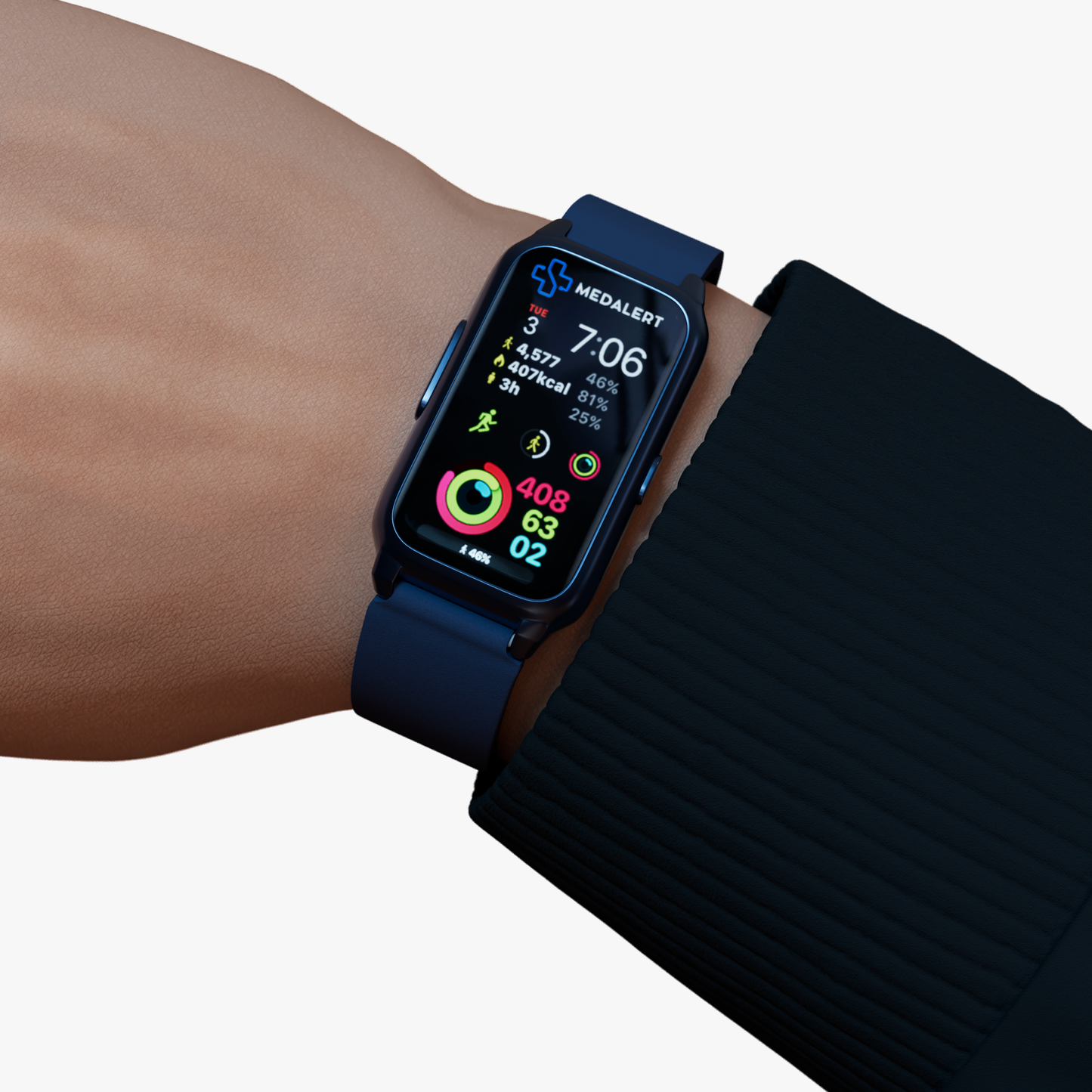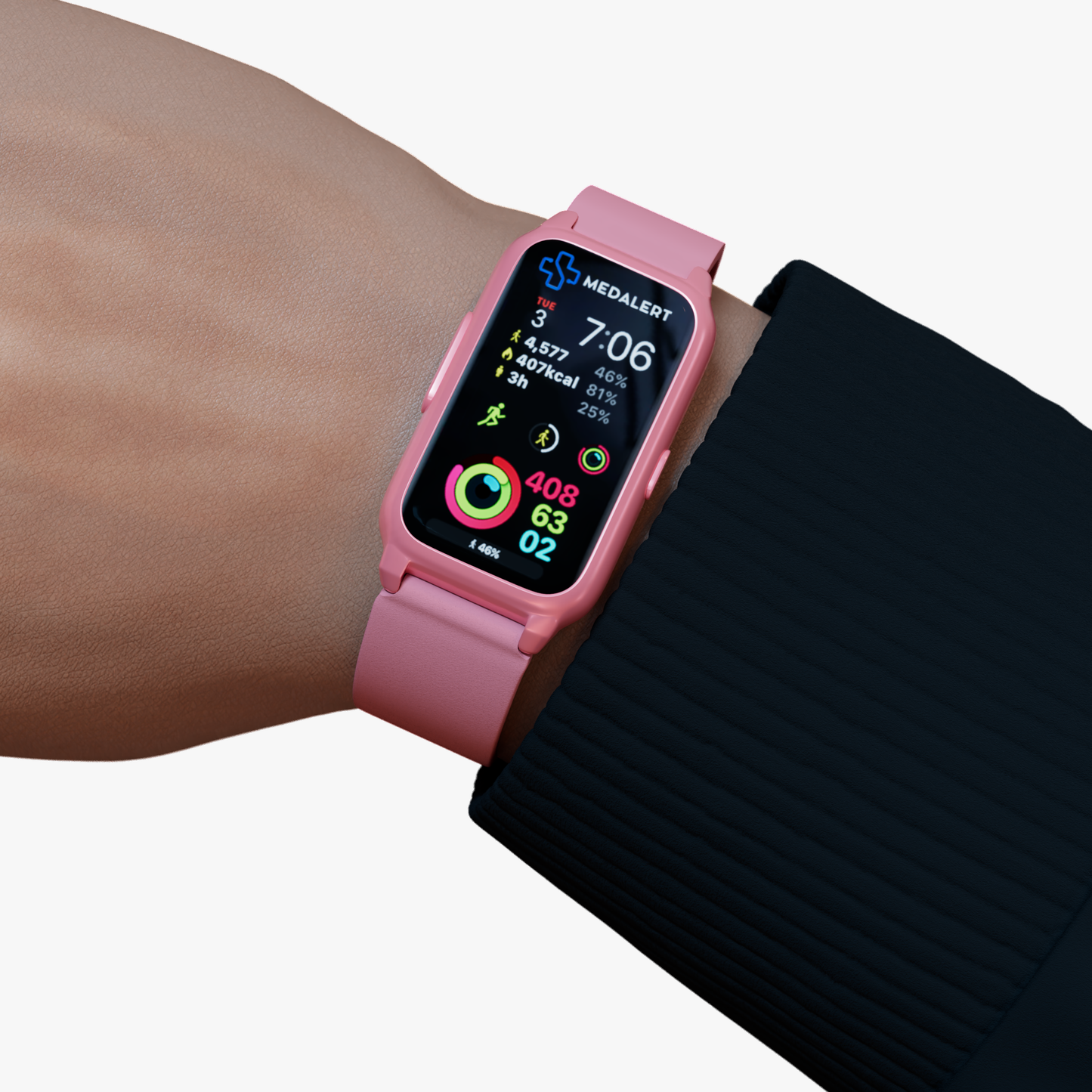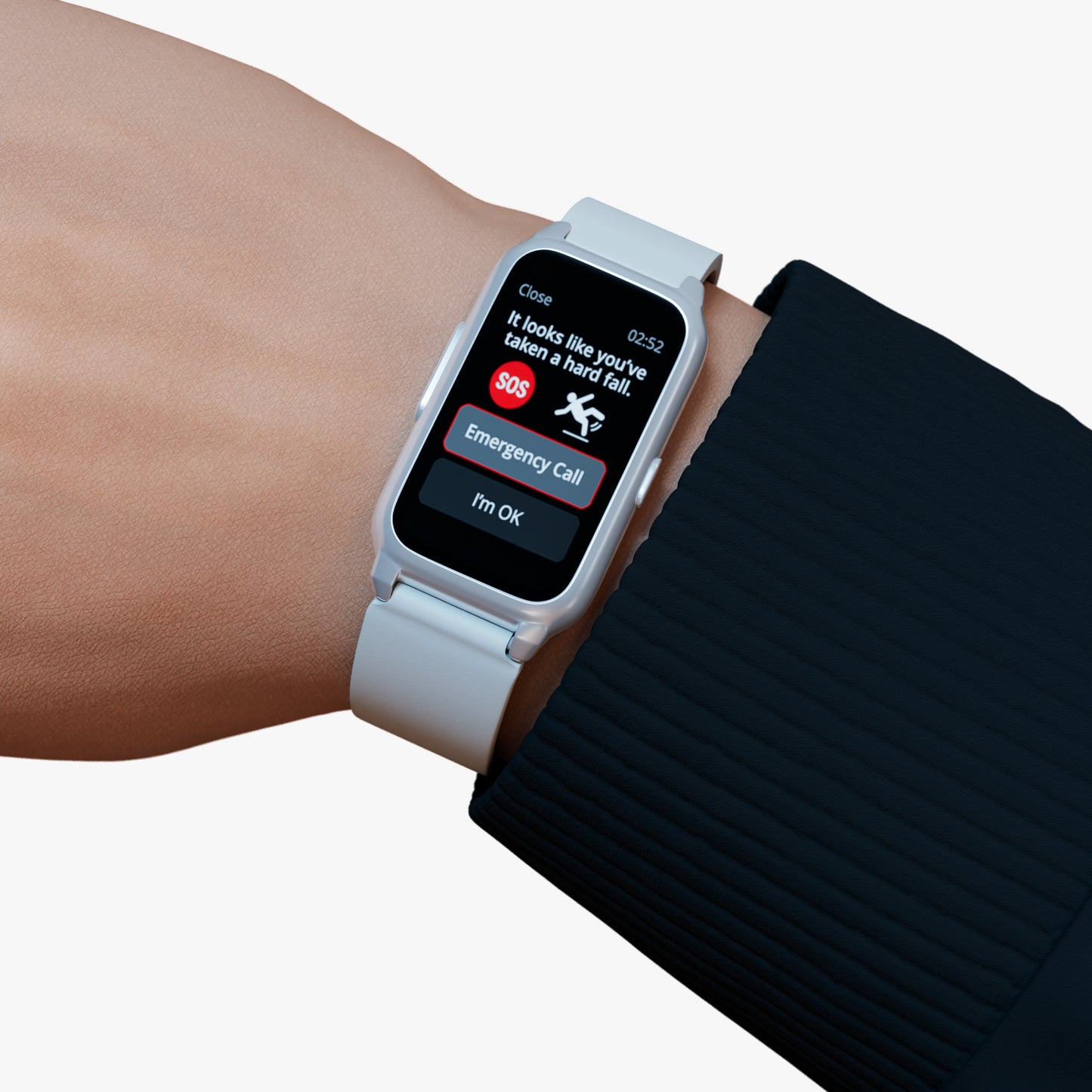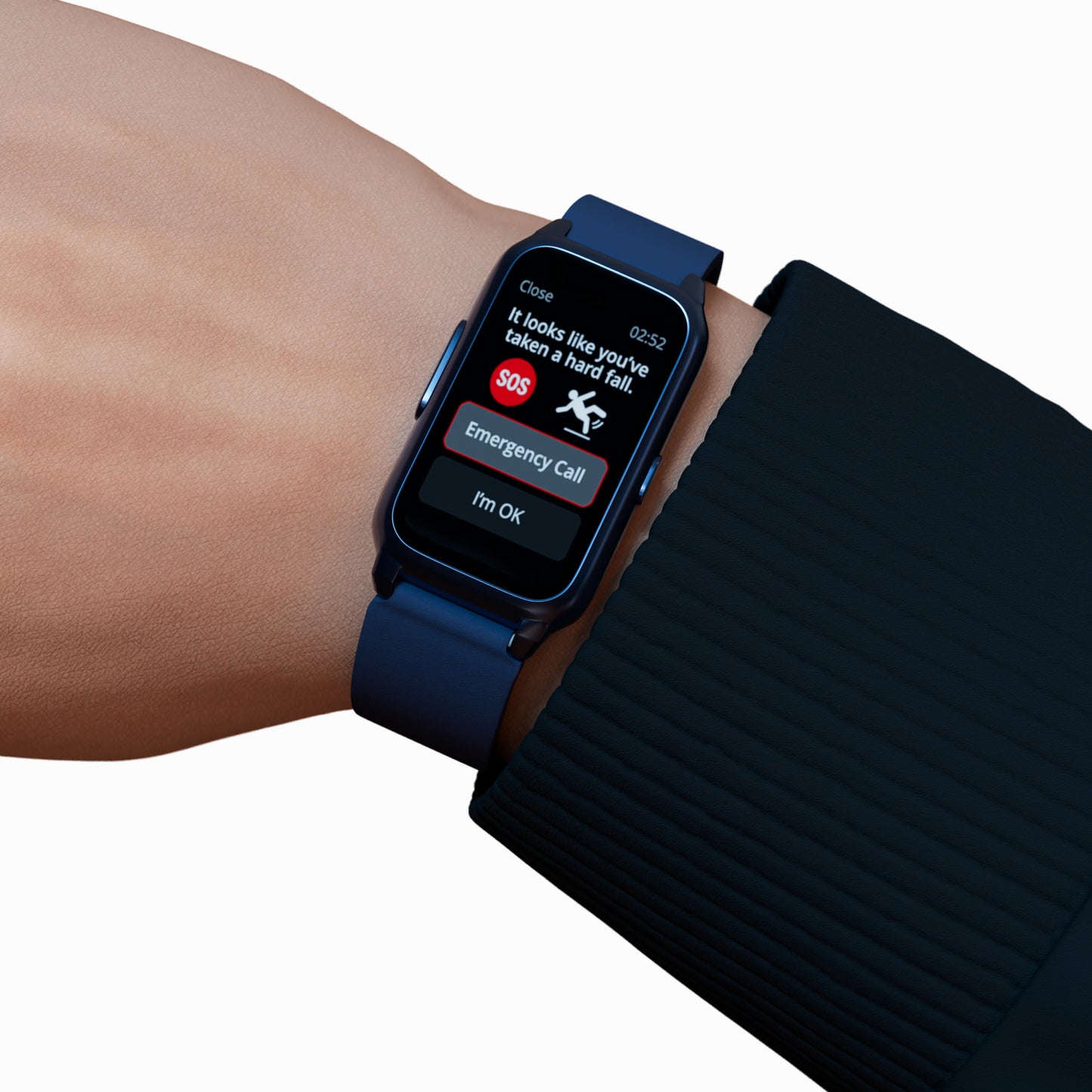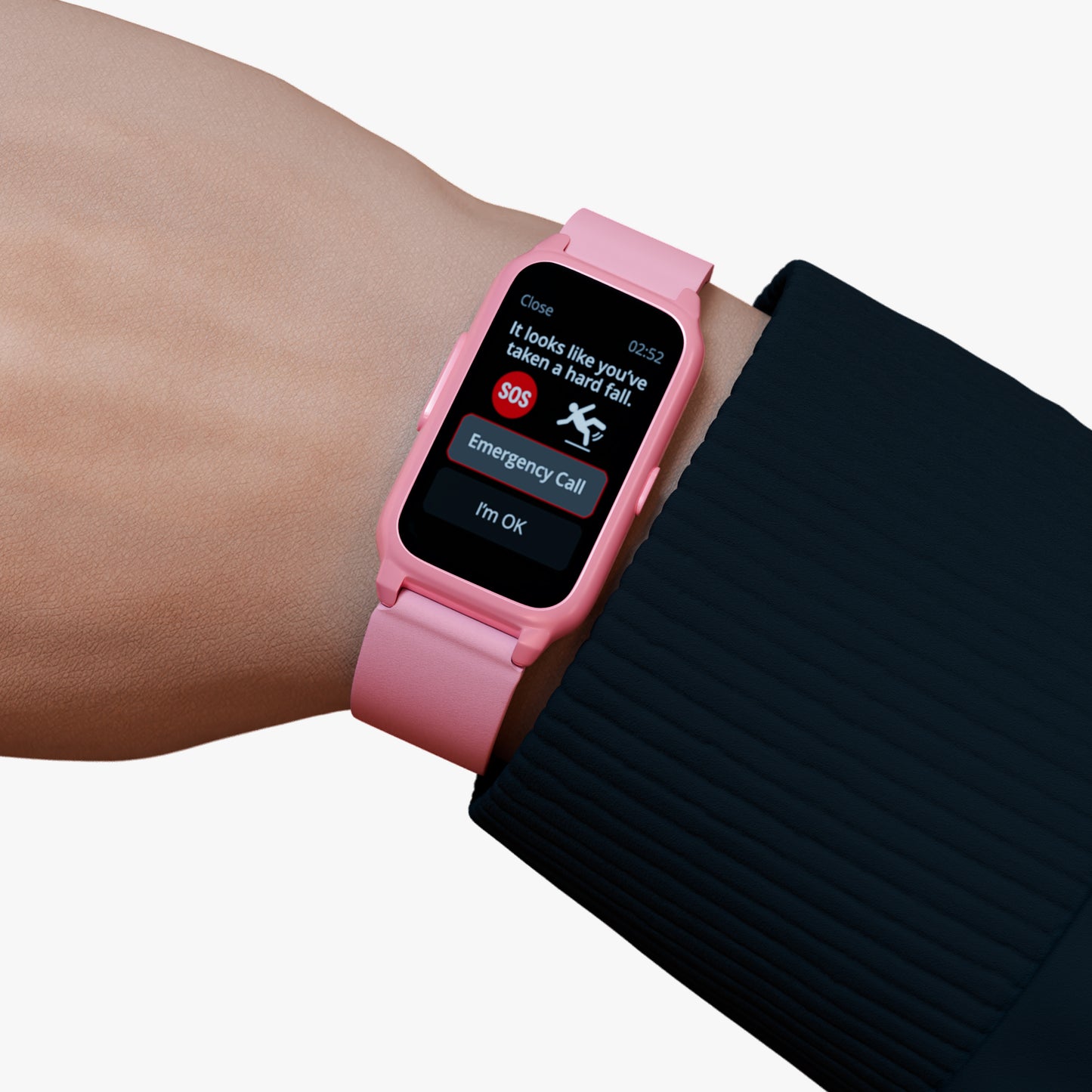

A fall detection watch is often discussed when people ask do fall detection devices work in real situations. Many families want to understand how these devices behave during everyday use rather than just reading about features.
These devices are designed to observe movement and respond when certain patterns appear. Instead of waiting for manual action, they work in the background. As a result, users can continue their routine without interruption while the device monitors motion.
Understanding this process helps build trust. It also allows caregivers to see how the system fits into daily life.
Why People Question If Fall Detection Devices Work
Many people feel unsure about these devices because they rely on technology to interpret movement. Unlike simple tools, these systems do not follow fixed rules. Instead, they evaluate motion patterns.
For example, daily activities such as walking or sitting create movement signals. However, a fall creates a different sequence. Because of this, the device must compare patterns rather than react instantly.
A Medalert device works in this way. It observes motion over time and responds only when certain conditions are met.
Understanding Real-Life Use of Fall Detection Watch
In real-life situations, a fall detection watch remains active throughout the day. It does not require constant attention. Instead, it monitors movement quietly in the background.
For instance, when a person moves around the house, the device collects motion data. It does not react to every movement. Instead, it looks for specific patterns that match unusual activity.
As a result, the system becomes part of everyday life. It does not interrupt routine, which makes it easier to use consistently.
How Devices Respond During Unexpected Situations
When a sudden movement occurs, the system does not react immediately. First, it evaluates the sequence of motion. It looks at how the movement started and what happened next.
For example, a quick but controlled action may not trigger a response. However, a sudden drop followed by stillness may be treated differently.
In addition, the system continues observing after the movement stops. This helps confirm whether the event needs attention. Because of this step, the response is based on context rather than a single action.
How Response Timing Affects Real Situations
Response timing is an important part of how these systems work. However, speed alone is not the only factor. The device must also interpret movement correctly.
If a system reacts too quickly, it may misread normal activity. On the other hand, careful evaluation helps improve understanding of motion.
Therefore, timing and interpretation work together. This balance helps the device respond in a more meaningful way.

How Wearable Alert Benefits Appear Over Time
Wearable alert benefits are often noticed gradually. At first, the device may feel unfamiliar. However, over time, it becomes part of daily routine.
For example, wearing the device regularly helps users feel more comfortable. In addition, the system continues monitoring without requiring action.
A fall detection watch shows how a wearable device can remain accessible while working quietly in the background.
How Fall Detection Fits into Daily Environments
Fall detection devices are designed for everyday environments such as homes. Because of this, they must handle a wide range of movement patterns.
For instance, simple actions like sitting, turning, or reaching all create motion signals. The system must understand these actions correctly.
As a result, it focuses on patterns rather than single movements. This helps the device operate more consistently in real-life settings.
Understanding the Role of Fall Alert Devices for Seniors
Fall alert devices for seniors provide a way to send alerts when unusual movement is detected. They support communication during situations where assistance may be needed.
These devices do not replace care or supervision. Instead, they offer an additional method of response.
In addition, their simple design allows users to rely on them without confusion. This helps maintain consistency in everyday use.

Situations Where Detection May Vary
Fall detection does not work the same way in every situation. Movement can vary based on activity and environment.
For example, a quick turn or sudden motion may resemble a fall pattern. Because of this, the system evaluates multiple signals before responding.
As a result, variation is a natural part of how these devices operate. Understanding this helps create realistic expectations.
How Familiarity Builds Trust Over Time
Trust in these devices develops gradually. At first, users may observe how the system responds during daily activities.
Over time, they begin to understand its behavior. This helps reduce uncertainty and improves confidence in the system.
If more information is needed, you can visit Contact us to learn more.
How These Devices Support Awareness
Fall detection devices are designed to support awareness, not replace it. They act as an additional layer of monitoring.
For example, they provide a way to respond when unusual movement is detected. However, they still work alongside human judgment.
Because of this, they are best used as part of a broader approach to safety.
How Long-Term Use Improves Experience
Long-term use helps users become more comfortable with the device. Over time, it feels like a natural part of daily routine.
In addition, consistent use allows the system to monitor a wide range of movement patterns. This helps improve how it interprets motion.
As a result, familiarity plays an important role in overall experience.
Conclusion
A fall detection watch works by observing movement and responding to specific patterns. When asking do fall detection devices work, it is important to focus on how they function in everyday life.
These devices do not rely on a single action. Instead, they evaluate motion over time and respond when needed. This makes them tools that support communication rather than replace it.
By understanding how they operate, users and caregivers can make more informed decisions.
FAQs
1. Do fall detection devices work in everyday situations?
Yes, they are designed to work during daily activities. They monitor movement continuously while the user goes about their routine. When certain patterns appear, they may trigger an alert. In addition, they do not interrupt normal tasks. This makes them suitable for regular use.
2. How does a fall detection watch detect movement?
The device uses sensors to track motion such as speed and direction. It then analyzes how these movements change over time. Instead of reacting instantly, it evaluates patterns. This helps distinguish between normal activity and unusual events. The process works automatically.
3. Are fall detection devices always active?
Yes, they typically remain active while being worn. This allows them to monitor movement throughout the day. Continuous monitoring helps provide better context. In addition, it supports more consistent detection. This improves how the system responds.
4. What affects how these devices perform?
Performance depends on movement patterns, device placement, and regular use. The system evaluates multiple signals together. Because of this, results may vary in different situations. However, consistent use helps improve reliability. This supports better monitoring.
5. Why do caregivers trust these devices over time?
Caregivers observe how the device behaves during daily use. Over time, they become familiar with its responses. This helps build confidence in the system. In addition, the device supports communication when needed. This makes it a helpful part of daily care.