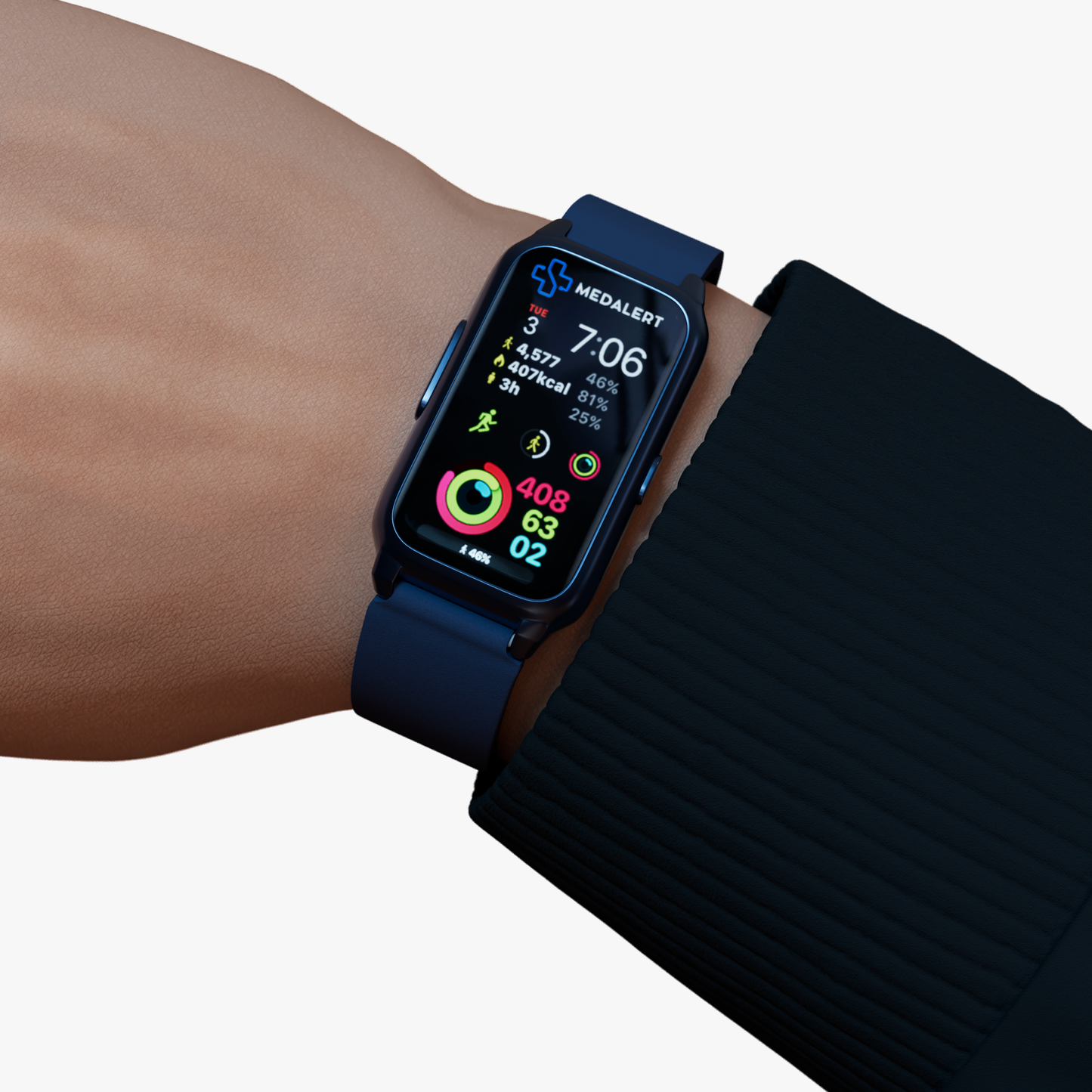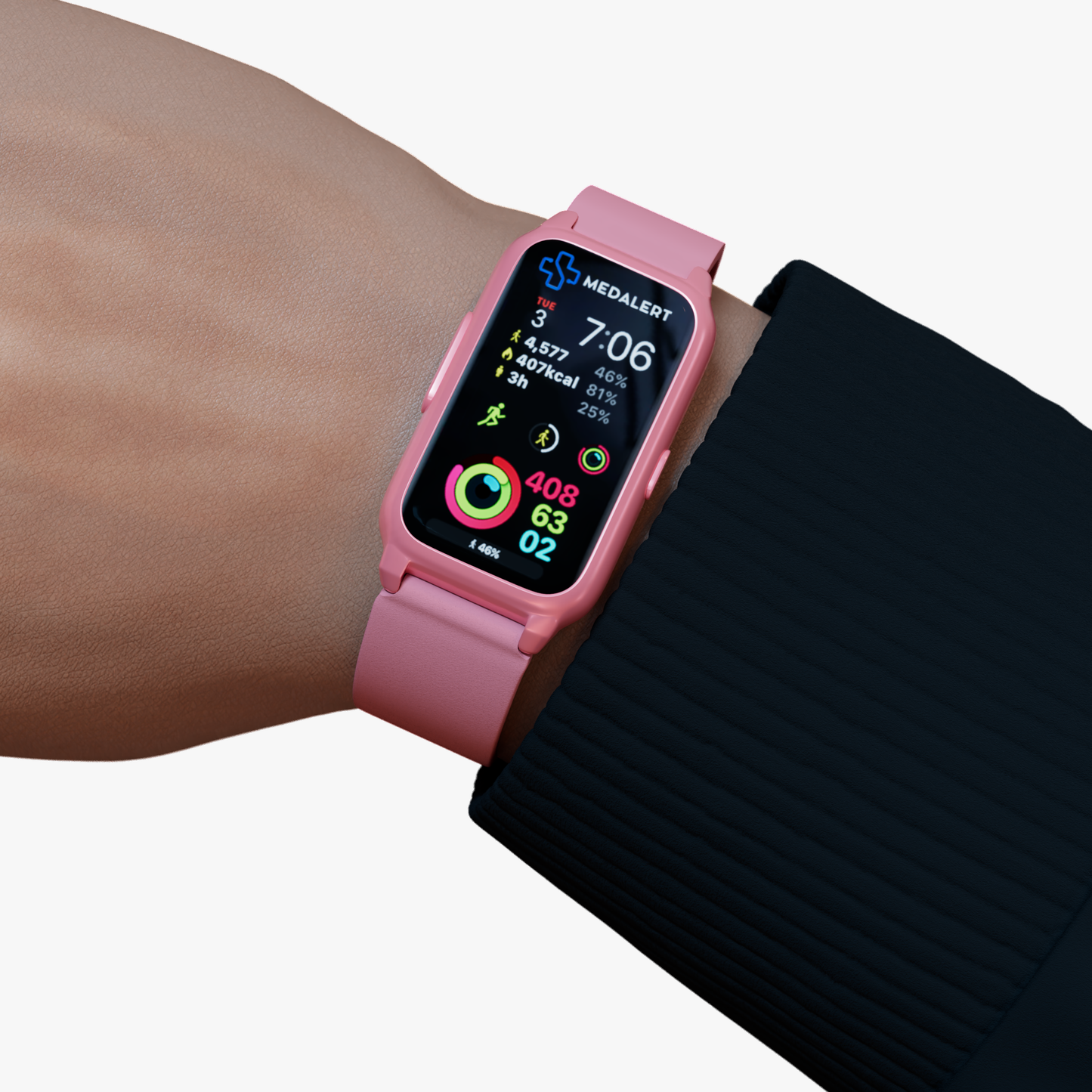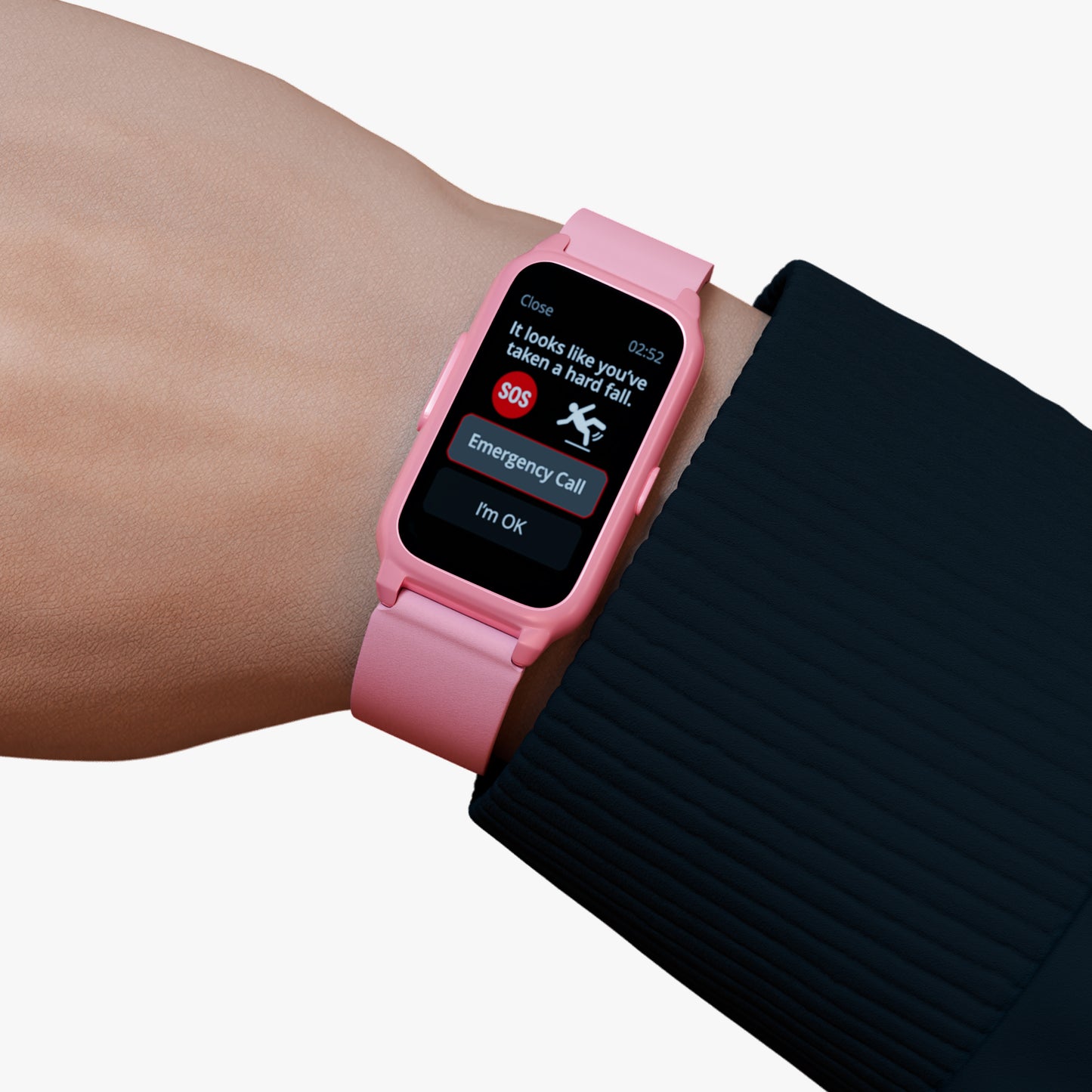

An emergency watch for seniors may be worth considering when an older person spends time alone or wants an easy way to stay connected with family members. For families, the decision is often less about expecting an emergency and more about having a practical option available if help is needed.
MedAlert combines several safety and communication features in one wearable device. These include an SOS button, fall detection, GPS positioning and two-way communication. Understanding how these features work can help families decide whether wearable safety technology fits into their loved one's routine.
When Might Additional Safety Support Be Useful?
Every senior has different needs, so there is no single point at which additional safety support becomes necessary. A family may start considering it when an older relative regularly spends time alone, goes outside without another person or wants an easier way to contact selected people.
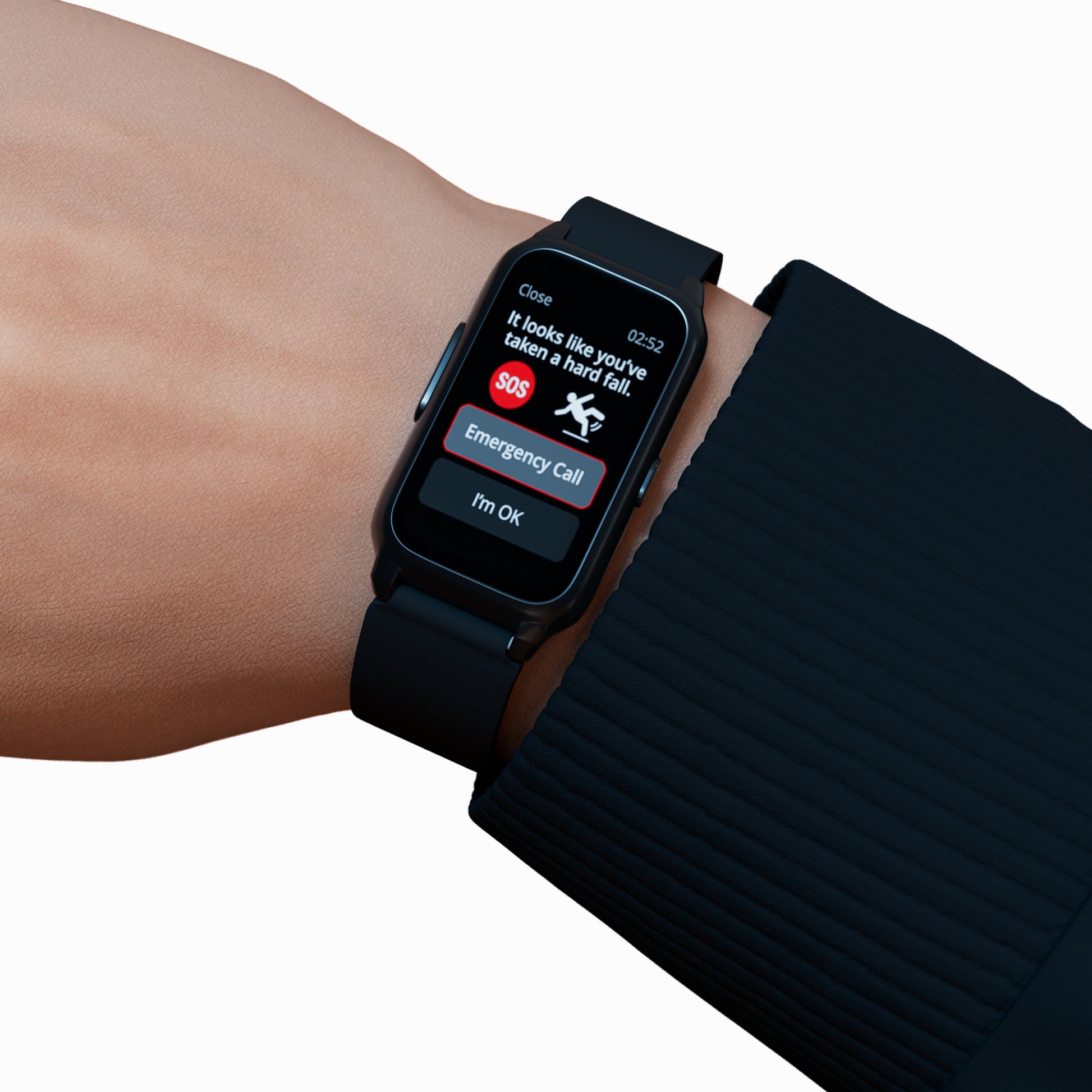
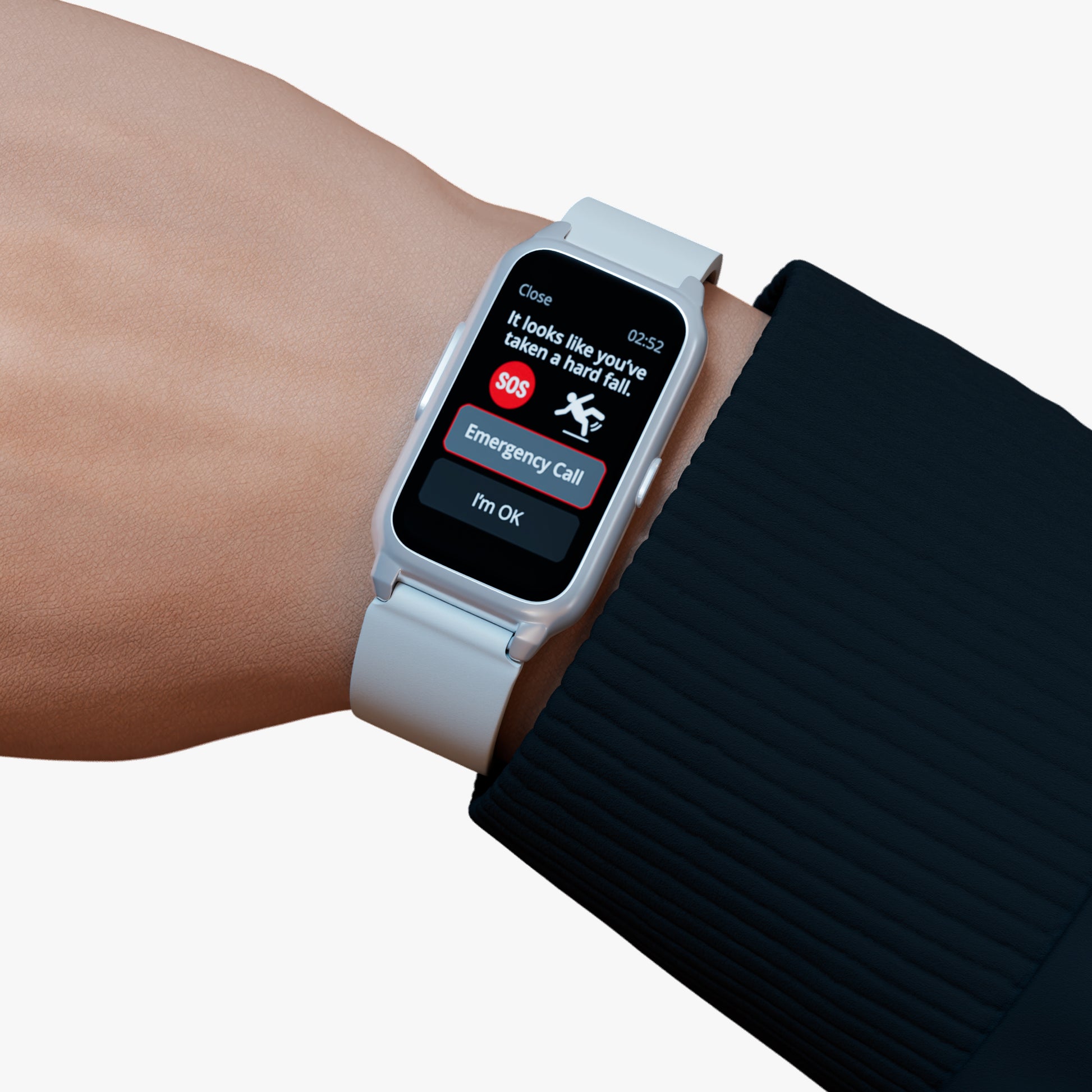
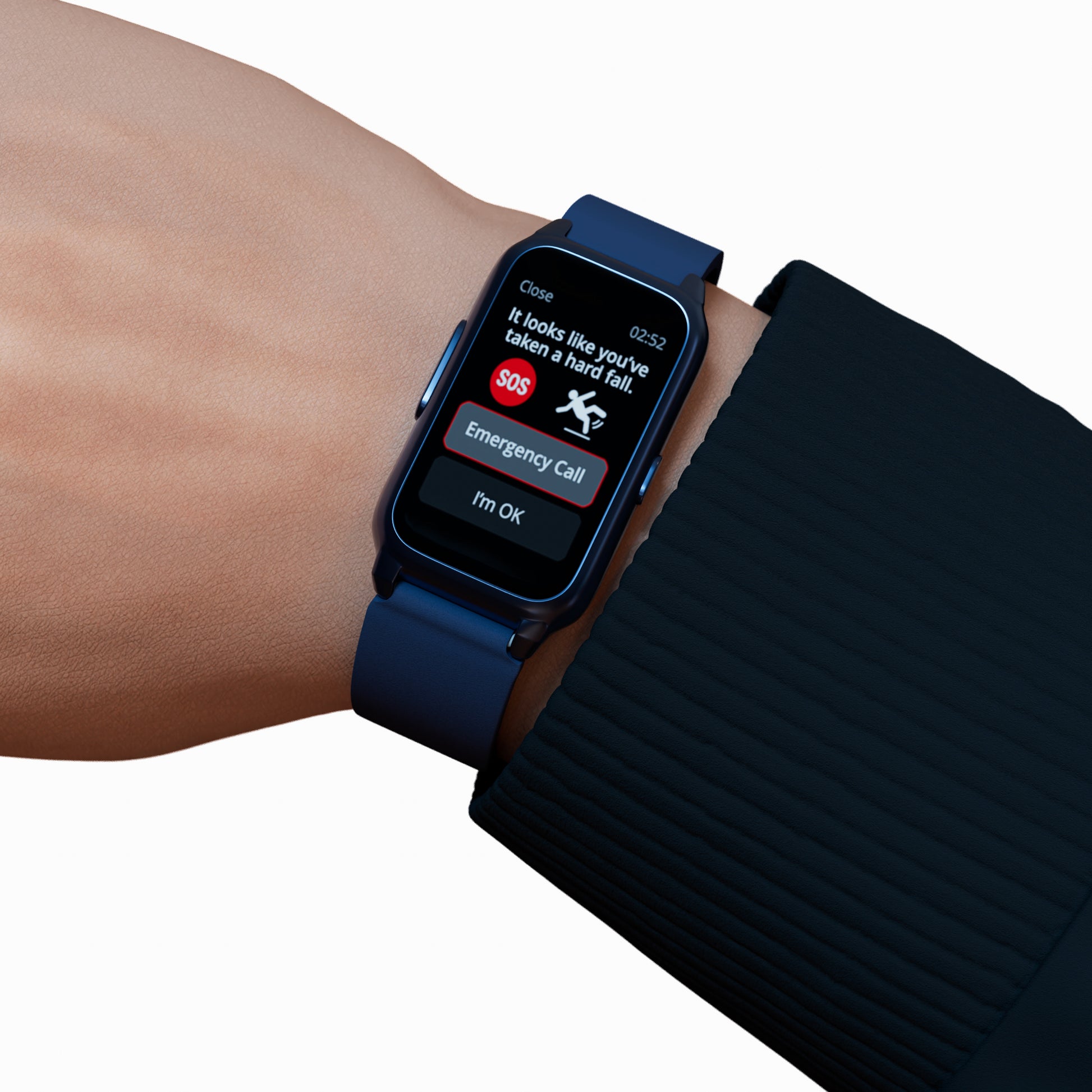
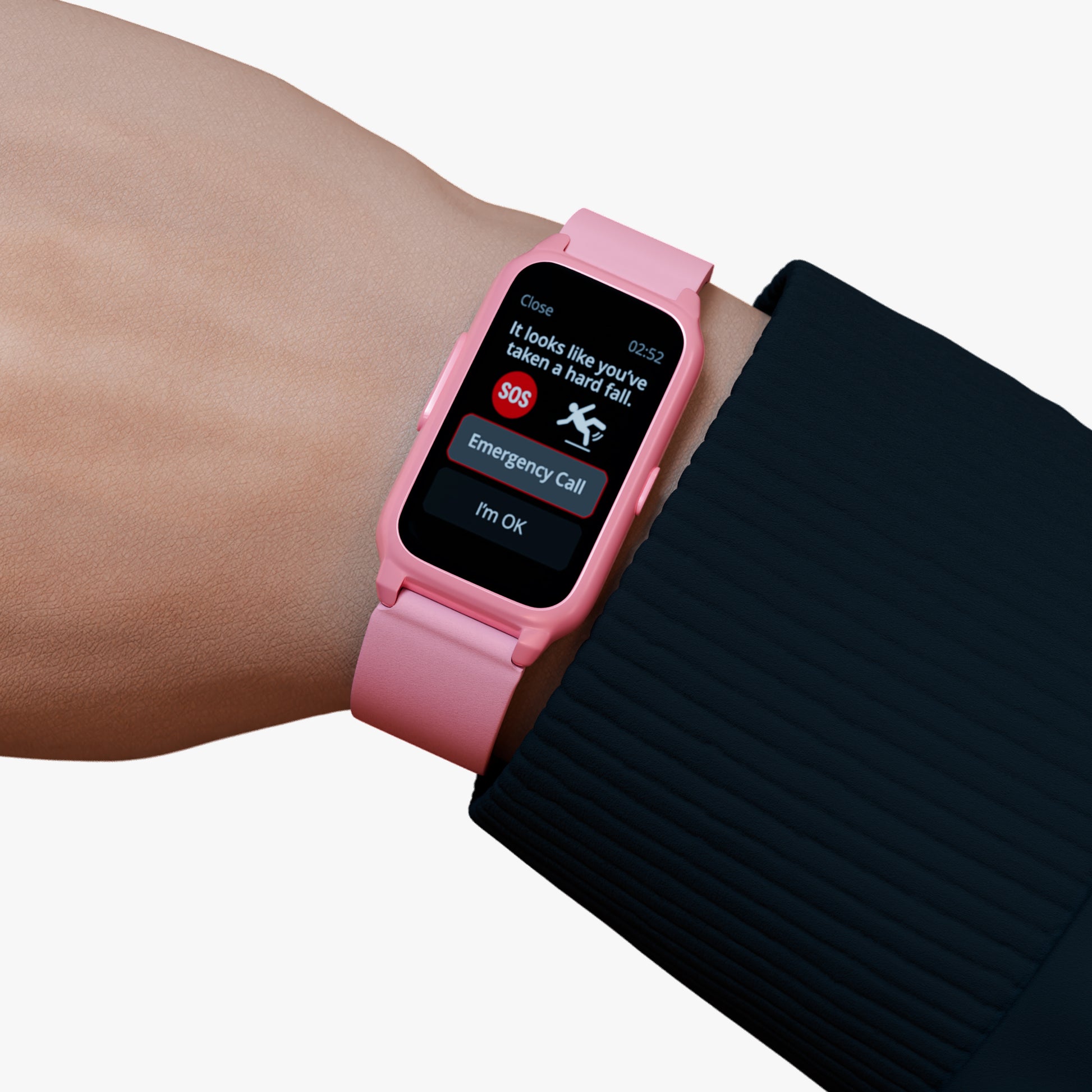
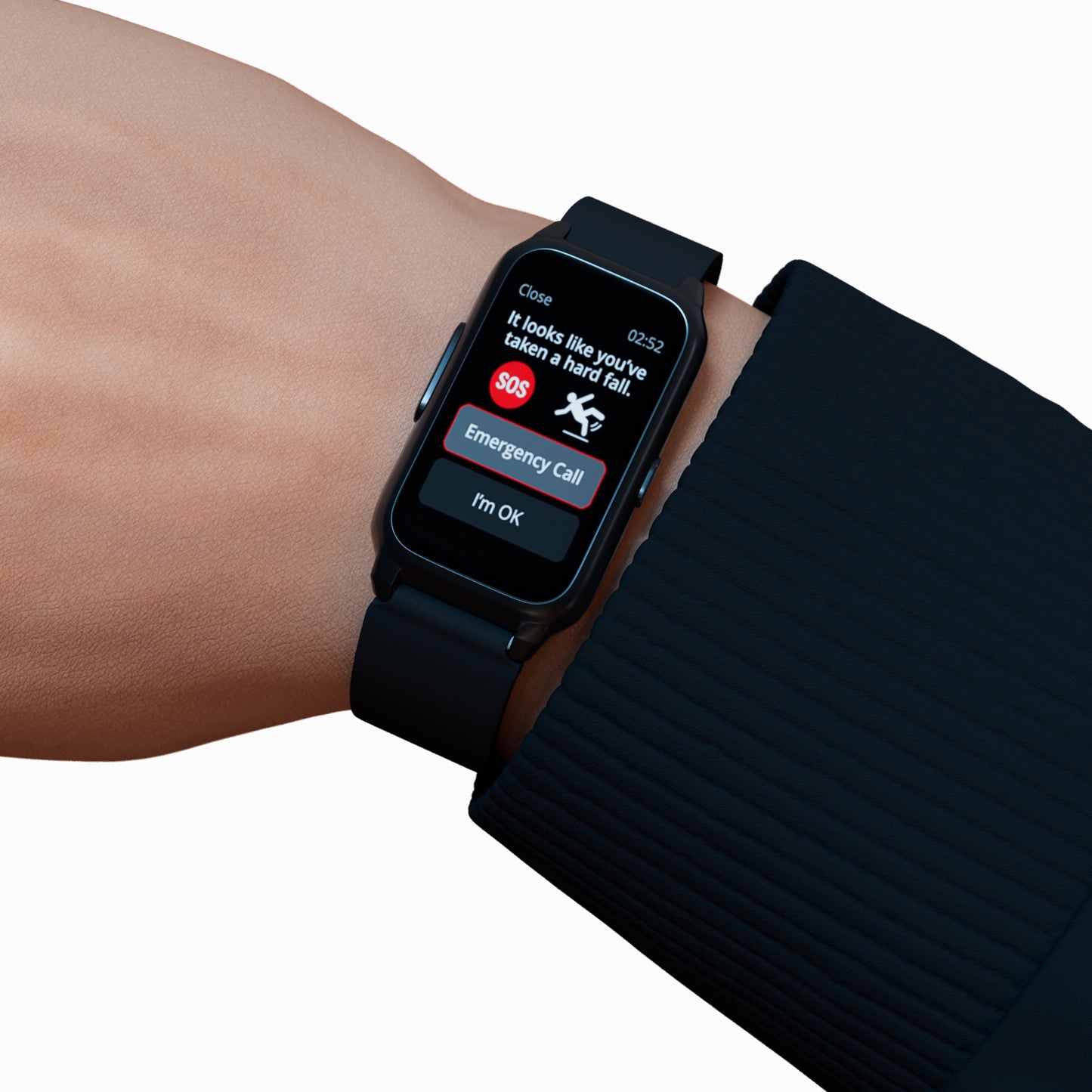
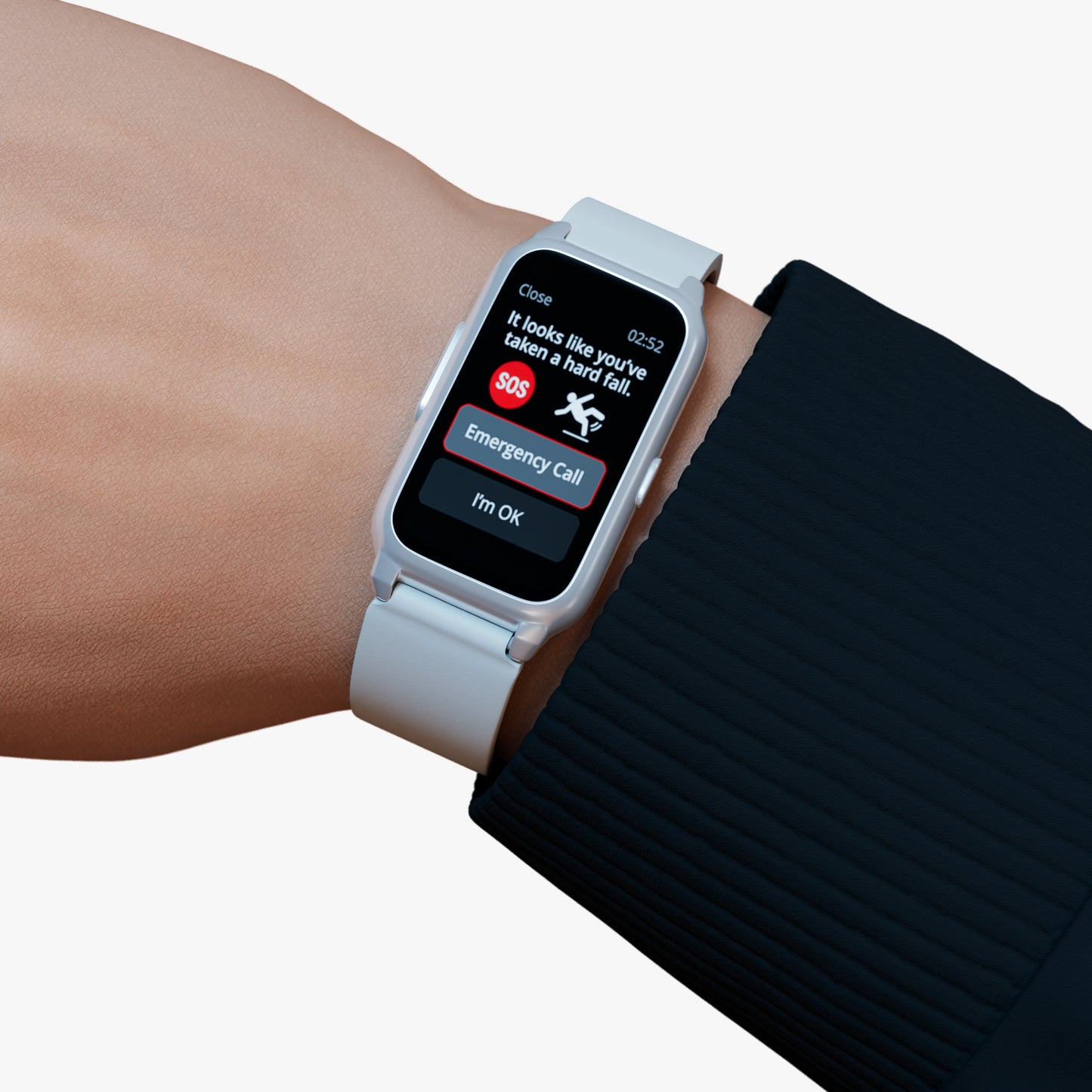
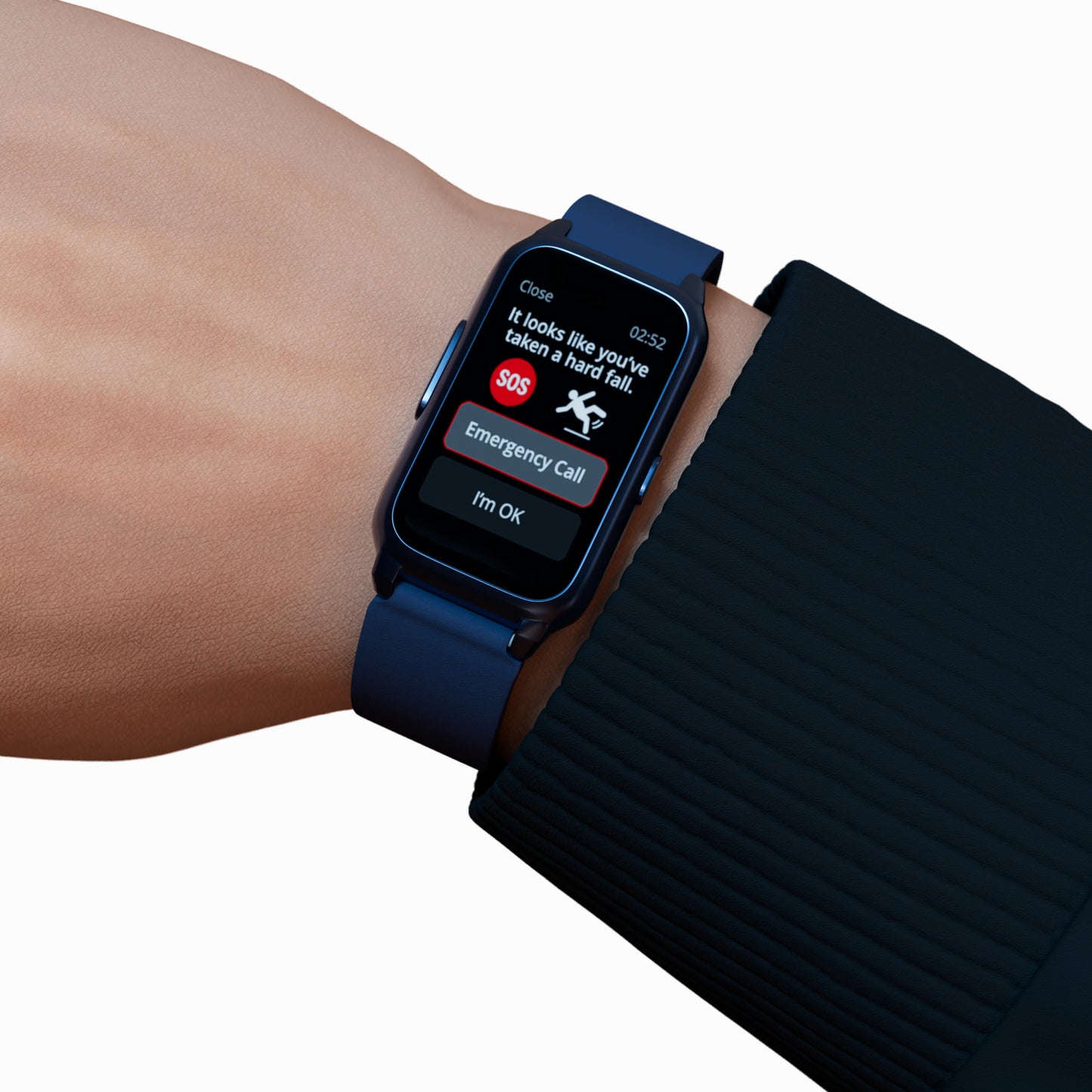
Falls may also be part of the discussion. If a person falls while alone, reaching a phone may not always be convenient. MedAlert's fall detection feature is designed to detect a fall and send an alert to predefined contacts.
The decision should focus on the person's everyday routine. Families can consider where the device would be used, which features are relevant and whether the wearer is comfortable using it.
How an Emergency Watch for Seniors Supports Communication
MedAlert's wearable device includes an SOS button that allows the wearer to initiate contact with selected phone numbers. According to the product information, the SOS function is activated by pressing the button for around three seconds.
The device also supports two-way communication, allowing the wearer to speak with selected contacts through the watch. This provides a direct communication option without relying solely on a separate phone.
The emergency watch for seniors also includes GPS positioning, bringing communication and location features together in one wearable device.
For families, this can make the device easier to consider as part of an existing safety routine rather than as something that is only used during an emergency.
Understanding the Main Safety Features
It is useful to look at each feature separately before deciding whether a wearable device is suitable. Different families may have different priorities, depending on the senior's routine and circumstances.
MedAlert's device includes fall detection, GPS tracking, an SOS button, two-way communication and geofencing notifications. It also has reminder alarms, a locator function and battery level warnings.
Fall Detection
Fall detection can be an important feature for someone who may spend time alone. MedAlert's automated fall detection is designed to detect a fall and send an alert to predefined contacts.
Families can learn more about the fall detection smart watch to understand how this feature forms part of the MedAlert device.
Fall detection works alongside the manual SOS function. This gives the wearer another option for requesting assistance when they are able to activate the button themselves.
GPS and Location Features
GPS positioning can also be relevant when a senior spends time away from home. MedAlert's device includes live and historical GPS tracking.
The device also offers geofencing. According to MedAlert's product information, predefined contacts can receive a notification if the wearer moves outside a designated safe zone.
These features allow families to consider location information as part of their wider safety arrangements.
Choosing Features Based on Everyday Needs
A wearable safety device does not need to be chosen simply because it has a range of functions. It is more useful to start with the person's actual routine and identify which features may be relevant.
For example, one family may be most interested in fall detection, while another may focus on GPS positioning or two-way communication. Reminder alarms may also be useful as part of everyday use.
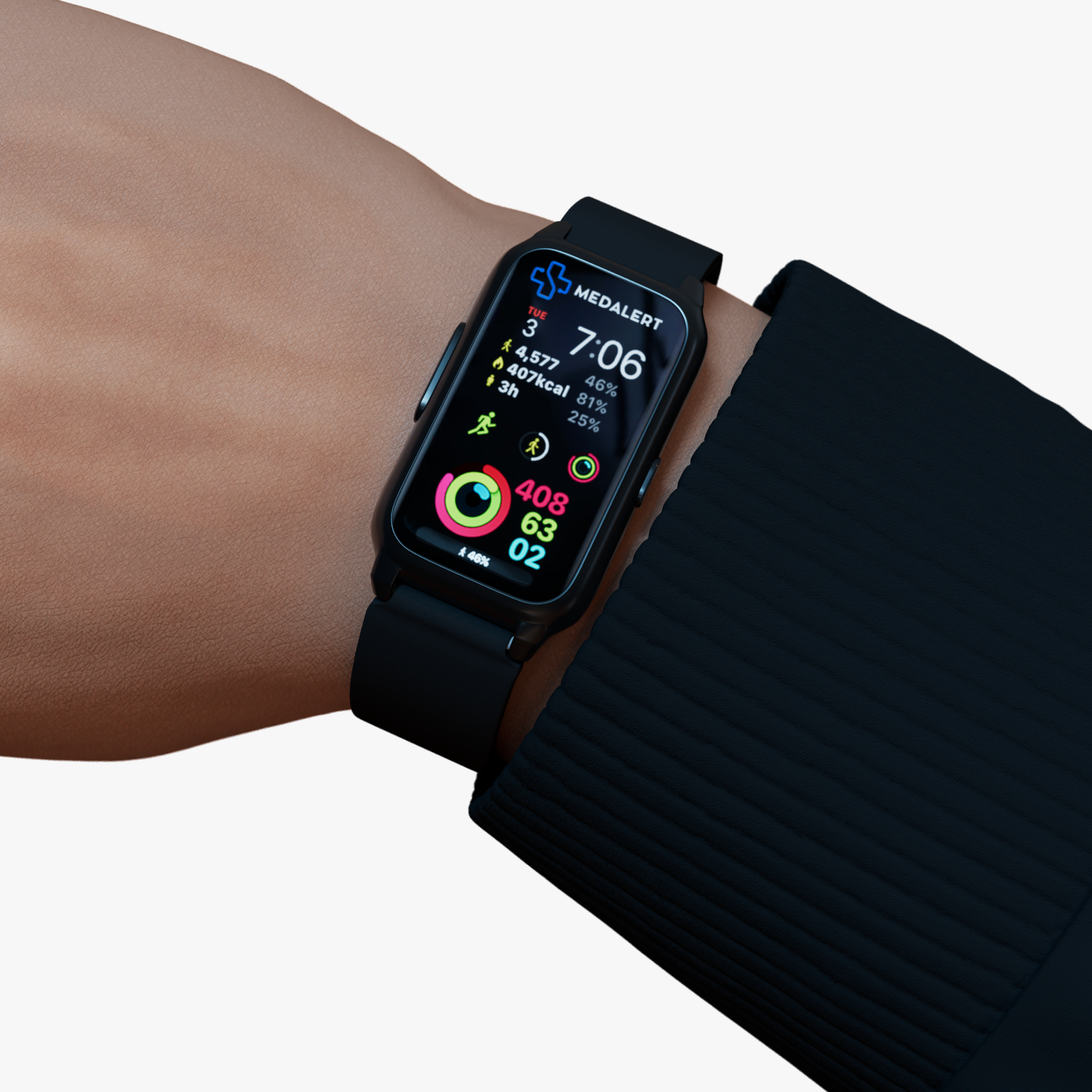
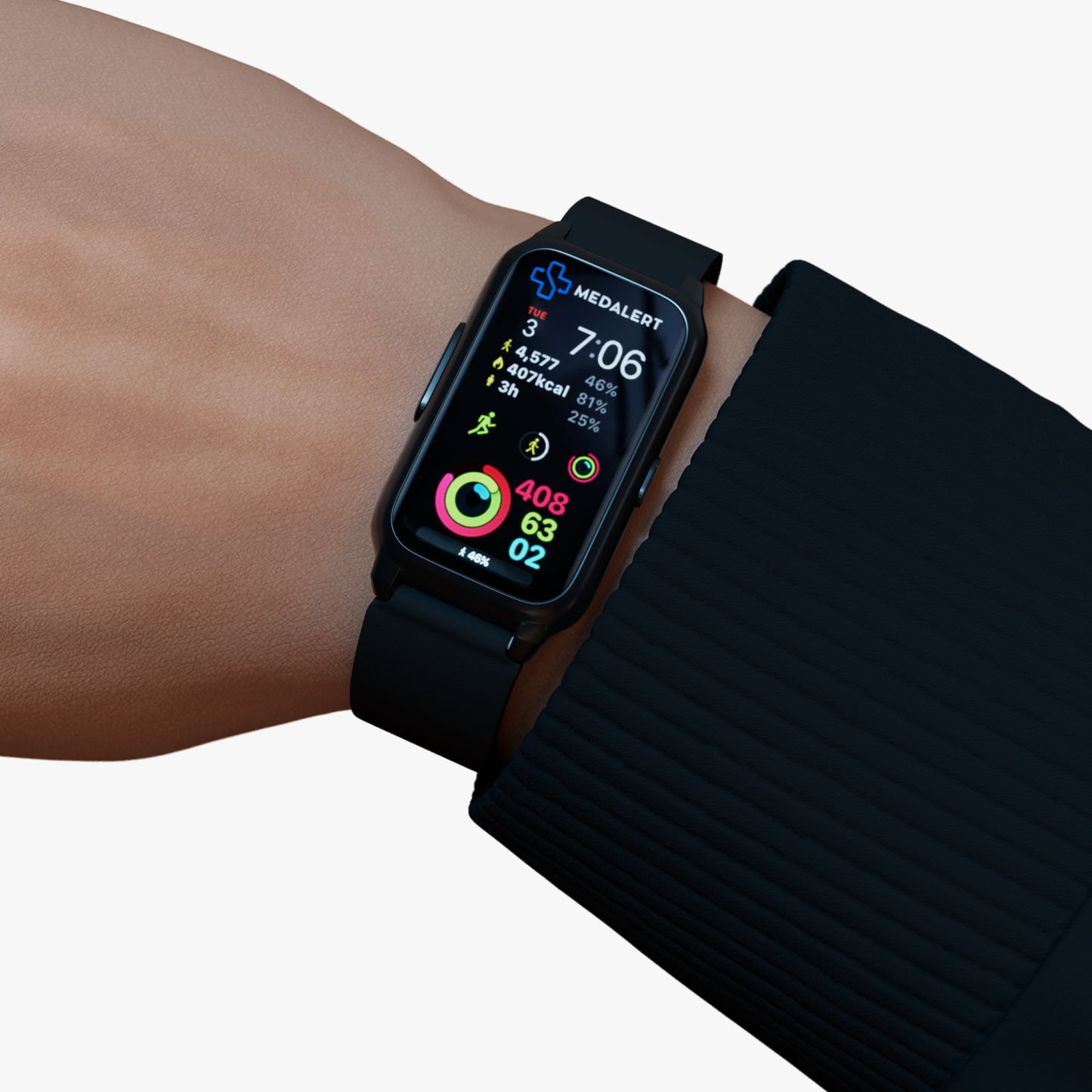
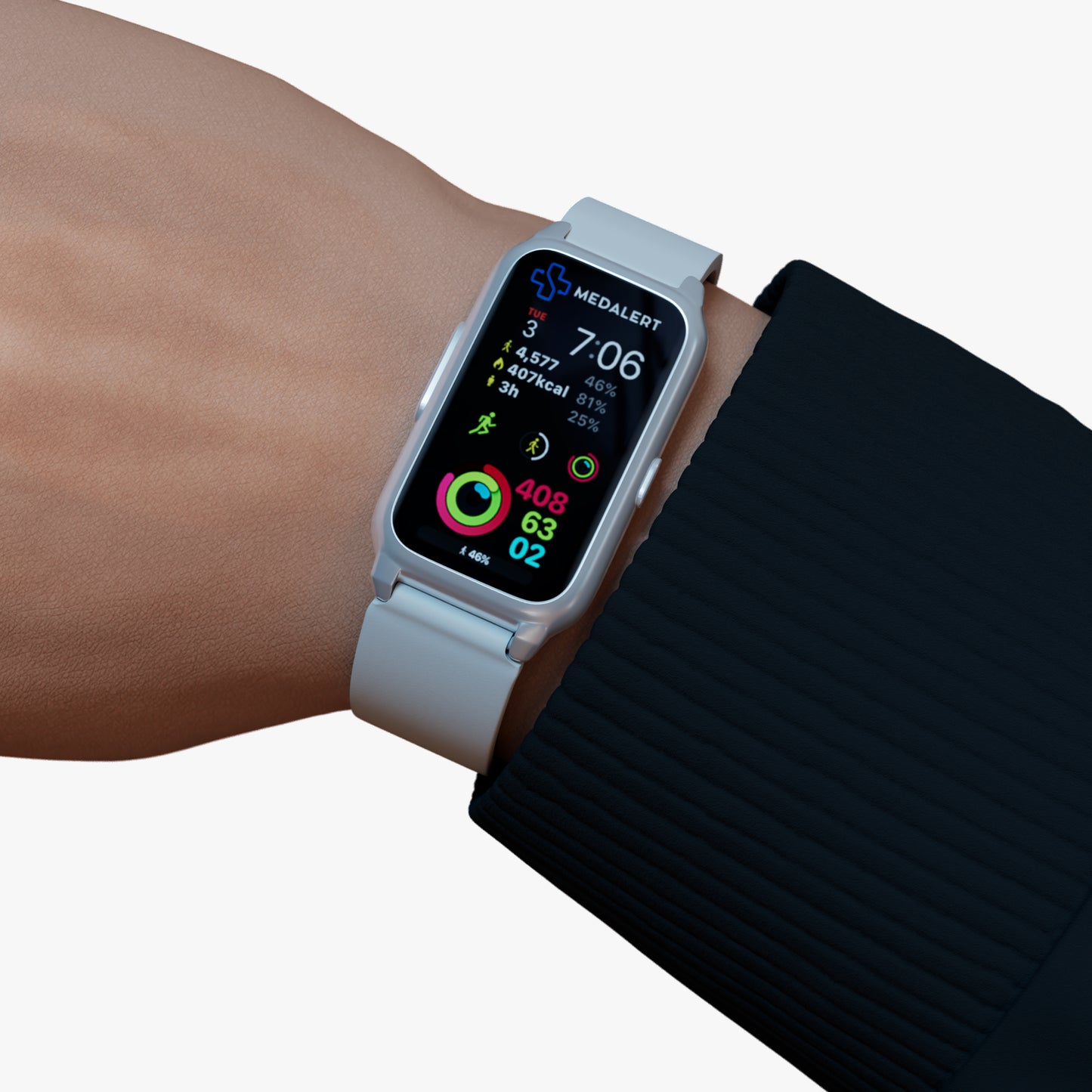
The medical alert watch from MedAlert brings these functions together in one wearable device. Alongside emergency features, it includes functions such as activity tracking and heart rate monitoring.
Families should also consider whether the wearer understands how to use the main functions. A short introduction to the SOS button, calling feature and charging routine can make the device easier to incorporate into daily life.
Making Safety Technology Part of a Routine
A safety device can become more practical when it is treated as part of a normal routine. The wearer can become familiar with the buttons and functions before they are needed.
MedAlert's device includes a battery level warning, which alerts the user when the watch needs charging. It is supplied with a USB charging cradle.
The fall detection watch is also listed by MedAlert as having an IP67 water-resistance rating. Families should refer to the manufacturer's information for details about appropriate use.
Other features, including reminder alarms and the locator function, can also make the device relevant outside emergency situations.
When Should Families Consider Extra Support?
There is no universal answer to when a senior should use a safety watch. The decision depends on the person's lifestyle, routine and individual circumstances.
However, families may begin thinking about additional support when an older relative spends more time alone, regularly goes out independently or when falls become part of their safety considerations.
An emergency watch for seniors may be an option when a family wants several communication and safety features available through one wearable device.
It is also important to involve the person who will use the watch. Discussing the available features can help ensure that the device fits their routine and that they understand how to use it.
A Practical Approach to Additional Safety
Additional safety support does not necessarily mean changing someone's independence. Instead, wearable technology can provide another way to communicate while allowing the person to continue with their usual activities.
MedAlert combines fall detection, GPS positioning, SOS alerts and two-way communication. Additional functions, including reminders, geofencing and battery warnings, are also included.
An emergency watch for seniors can therefore be considered as part of a family's wider approach to staying connected with an older relative. The right choice will depend on the person's needs and which features are most relevant to their daily life.
Final Thoughts
Considering additional safety support is mainly about being prepared. Families can look at an older person's routine, identify situations where communication may be useful and then consider whether wearable technology fits those needs.
MedAlert's device brings several safety and communication features together in one watch. These include fall detection, GPS positioning, SOS alerts and two-way communication.
For families considering an emergency watch for seniors, understanding the available features is a useful first step. The focus should remain on choosing support that is practical, easy to understand and appropriate for the individual.
Frequently Asked Questions
1. What does an emergency watch for seniors do?
MedAlert's device combines several safety and communication features, including an SOS button, fall detection, GPS positioning and two-way communication. It is designed to be worn as a watch.
2. Does the MedAlert watch have fall detection?
Yes. MedAlert's device includes automated fall detection. When a fall is detected, the device is designed to send an alert to predefined contacts.
3. Can the MedAlert watch make calls?
Yes. The device supports two-way communication. The SOS function can be activated by pressing the button for around three seconds to initiate a call to selected contacts.
4. Does the device include GPS tracking?
Yes. MedAlert's device includes GPS positioning and live and historical tracking. It also provides a geofencing function for designated safe zones.
5. How can I contact MedAlert?
You can use the Contact us page to get in touch with MedAlert if you have questions about its products or features.